


Written by Matilde Ferrante
On the 5th of December 2025, Broken Chalk had the opportunity to join a crucial event on the topic of halting FGM/C, meeting with some of the most important advocates of recent years and sharing its FGM research.
The event was organised by Dr Tobe Levin Von Gleichen and sponsored by UnCUT/VOICES Press with support from LMH Vice Principal Dr Todd Huffman, and was held at Lady Margaret Hall, University of Oxford.
This event, unfolding over one day, gave space to several NGOs, advocates, and survivors to expose their history, missions, and projects’ development, allowing for the sharing of ideas and (many) debates.
The host and internationally recognised activist Dr Tobe Levin von Gleichen introduced the event. In this introduction, Dr Tobe presented crucial moments in the history of advocacy against FGM/C, some of which included her and other advocates present at the event.
Following this summary of selected histories, Britta Radike – a prize-winning photographer – shared with us some pictures taken in Ogaden, Uganda, Somalia, and Somaliland, with the intention of including pictures featuring experts’ experiences in advocating against FGM as a form of prevention and care for survivors.
Similarly, Godfrey-William Okorodus, artist and advocate, uses art as a form of advocacy; he explained how he uses his art as a “privileged medium in ending FGM”, bringing this issue across countries, from Nigeria to Belgium; Godfrey creates paintings inspired by the issue of FGM/C and uses these paintings to create awareness, create communities of advocates and as a tool for people to learn about this issue.
On a different note, some experts brought UK-focused insights. Miriam Cissé, representing INTEGRATE UK, introduced us to their projects using film, education, and mentoring as exemplary media approaches for advocating to end FGM/C and supporting victims, a necessary asset in the UK, where FGM support for victims keeps being limited while the number of victims and survivors keeps increasing. On this point, INTEGRATE UK believes FGM training should be mandatory for all healthcare professionals likely to encounter survivors, and it should include cultural trauma awareness.
Aurora Almodori, Consultant Plastic Reconstructive Surgeon and Lecturer at the University College of London, also explained the current FGM context in the UK, where the number of survivors wanting reconstructive surgery increases whilst the research on the topic seems to remain still. Her research showed how the number of women born in FGM-practising countries and living in the UK increased by more than 100,000 in just a decade, and how health problems caused by FGM cost the NHS an estimated £100 million annually.
Another UK-based NGO is FORWARD UK, represented by Mariame Racine Sow. This women’s rights organisation led by African women aims at being an asset in the end of FGM/C by, in the first place, understanding girls’ and mothers’ relationship, understanding the psychology between them and the psychology behind the practice of FGM, and by also building schools linked to communities where there is high prevalence. From the same organisation, FORWARD, Isha Abdulkadir presented some of the exemplary projects of the organisation.
From a socio-historical perspective, Hillary Burrage, professor at Northwestern University, suggested a broader understanding of FGM and the issues around it, which are not often discussed or employed in the efforts to end FGM: Burrage enquired about the interconnection between safe access to water, land and income for women as a tool to end this practice. She believes these factors require careful consideration as they could be influencing FGM, the contexts and environments in which it occurs, yet there is not enough discussion and shared knowledge about how these specific factors can impinge in agrarian locations on the practice of FGM.
Other NGOs presented at the event were Wallace Global Fund’s Women’s Rights, represented by Susan Gibbs: this activist organisation proposes a focus on people-powered movements, and wants to use all possible tools for such empowerment, such as grant-making, investments, convening and advocacy. In particular, this organisation aims to spend out its entire endowment in 2026.
Another NGO, Hope for Girls and Women, France, was introduced by Elaine Rothman and Karin Benguigi: This association is dedicated to ending FGM and child marriage, supporting Rhobi Samwelly’s work – survivor and activist – specifically in Tanzania. It helps fund safe houses, girls’ education and supports the costs of rescuing and protecting girls from FGM. Similarly, Sahiyo, presented by Catherine Cox, wants to eliminate FGM/C by connecting, supporting, elevating, and advocating on behalf of stakeholders engaged in prevention, education, and care.
Many books were also presented during the event: Khady Koita, founder of La Palabre against gender-based violence in opposing FGM” presented “Mutilée”, Comfort Momoh MBE presented “the Routledge International Handbook of Harmful Cultural Practices”, and finally Katy Newel-Jones & Lotte Hughes presented a new volume of “FGM/C AFRICA AND THE DIASPORA, issues, debates and challenges.”
Finally, I – Matilde Ferrante – represented Broken Chalk. I introduced Broken Chalk, its structure and overall objective, and then I more specifically introduced our FGM team and its project, focusing on the connection between education and FGM. Our focus on education started what was defined as “an incredible debate, the best part of the event”, as some advocates believe that education is not a tool to end FGM and as other advocates – like us – believe it to be an important asset.
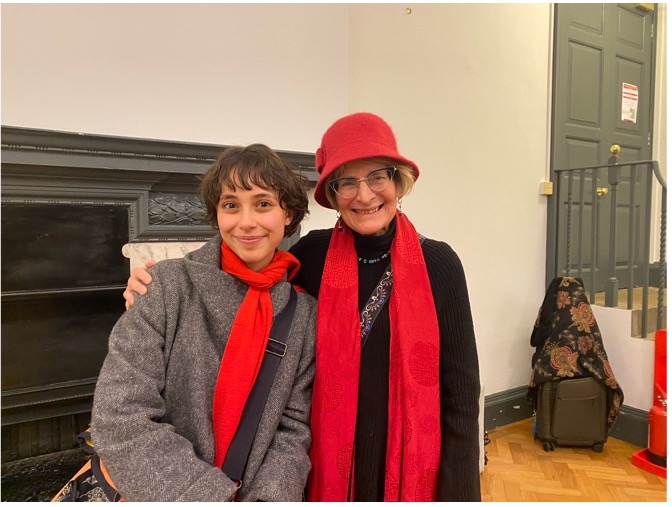
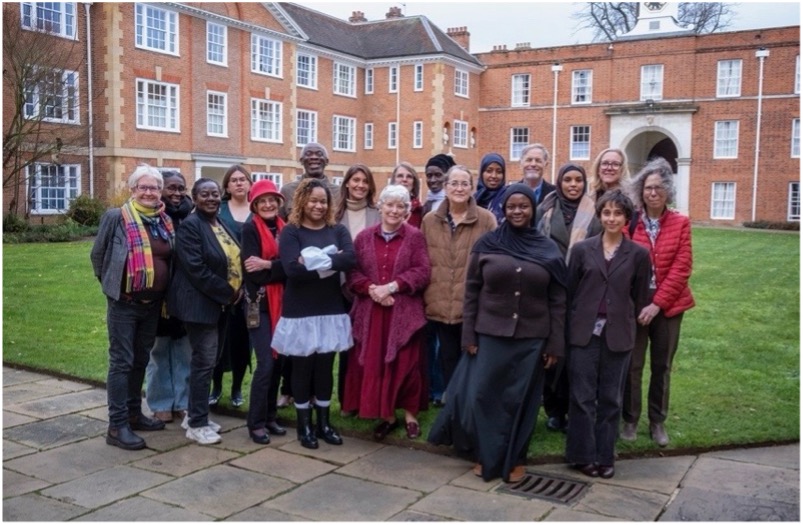
Overall, it was an incredible opportunity to share insights, gain new knowledge and understand the development and projects of other organisations. It was a crucial step in the path to the end of FGM, allowing organisations from different countries to better understand how they are bringing different approaches to solve the same puzzle.
No comment yet, add your voice below!