Australia’s Struggle with Underachievement: A Socio-Cultural Dilemma

Australia’s Struggle with Underachievement: A Socio-Cultural Dilemma
Written by Alessio Manto

Introduction


Australia’s education standards are celebrated as among the best among OECD countries. Regarding international standards, Australian students perform well in the Programme for International Student Assessment (PISA) and achieve above fellow OECD countries. Aspects that are highly rewarded are the country’s goals of ‘’high equity’’ and ‘’high equality.’’ [i]

However, recent reports and declarations by the Australian Ministry of Education raise specific concerns about the country’s challenges. The OECD’s Programme of International Students Assessment of 2015 already highlighted that social segregation in Australia is amongst the highest in the world. Australia has the 8th highest social segregation rate out of seventy-one countries and the 4th highest in the OECD. [iii] Factors contributing to these numbers are entrenched in Australia’s unique history. This country faced intense colonial domination that impacted the Aboriginals, the first settlers in the country. Unfortunately, Aboriginals and Torres Strait Islanders (the two Indigenous groups in the country) are victims of high segregation in educational settings, including information and cultural barriers and overall stigma.

Individuals from these groups score remarkably lower than their classmates, with Australia still missing a plan to make them feel included in the educational system. Interestingly, the overall education achievements in Australia are declining, especially in maths and literacy. Research highlights that these poor results are often connected with socio-economic disadvantage and poor mental health. Hence, the next challenge for Australian policymakers is to diminish social inequalities, create screening programs and include the most vulnerable groups in education. These goals must be achieved while keeping in mind the unique Australian landscape, which is characterised by significant differences but at the same time has incredible human and economic resources.

The Challenges in Australian Schools Along Indigenous Lines


Challenges and Factors Affecting the Education of Indigenous Groups

Australia is characterised by a unique cultural, geographical, and socioeconomic heritage, which has a decisive impact on the country’s education landscape. For example, Australia’s vast regions in remote areas face challenges in providing education with limited resources and a lack of specialised support.[iv] These regions are vastly inhabited by different Indigenous groups that, according to various research, suffer the most prominent educational challenges in the country and have a significant education gap with non-Indigenous groups.

The National Assessment Program—Literacy of Numeracy (NAPLAN) is an annual assessment for all Australian students in years 3,5,7, and 9. It provides a national report on students’ abilities, with data used to formulate curricula and implement further education policies.[v] According to the 2024 NAPLAN results, persistent inequalities and challenges exist among disadvantaged students. Notable achievement gaps are present between Indigenous and non-indigenous students at the year 9 level, raising the alarm about the effectiveness of current educational strategies.[vi] Looking at the NAPLAN National result of 2024, on average, across all domains, Indigenous groups need additional support in proficiency level; they score less in each skill, including writing, spelling, grammar, punctuation, and numeracy, and their participation rate is substantially lower.[vii]

The factors causing lower outcomes among Indigenous groups are diverse and complex, and have been classified in research by the Australian Council for Educational Research (ACER). These can be classified into five main groups:

  1. Disengagement caused by living in remote areas
  2. Socio-Economic Disadvantages
  3. Informational Barriers
  4. Cultural Barriers
  5. Abuse and Dysfunctional families[viii]

These factors can further be classified as internal (inside the school) and external (outside the school).  Starting with external factors, informational barriers, for example, affect Indigenous groups due to the lower levels of English literacy within their communities, causing challenges in education compared to native speakers.

Living in remote areas is another external factor that challenges educational outcomes; various research has demonstrated that it enhances the risk of school absenteeism, with very remote areas (mainly inhabited by Aborigines) with almost 10 per cent higher absenteeism compared to students living close to urban areas.

Moving to socio-economic disadvantages, the most troubled area pertains to the region of Queensland, which is highly inhabited by Indigenous groups such as Aboriginal and Torres Strait Islanders. In this region, it is evidenced that the indigenous groups face difficulties accessing the costs of schools. ACER highlights the connection between socio-economic disadvantage and increased levels of school absenteeism, significantly higher than in other Australian regions. [ix]

Abuse and dysfunctional families are the last external factors hurdling a satisfactory right to education for Indigenous communities. Research shows that Indigenous children are more likely to experience family violence, mental health issues, overcrowded housing, and juvenile detention; all factors inhibiting successful learning.


The Initiatives of the Australian Government

In 2023, Australia’s Federal Minister of Education, Mr Jason Clare, affirmed that the Indigenous community is three times more likely to fall behind at school.[xi] In light of this declaration, the government of Australia, in the latest review of the National School Reform Agreement (a governmental report examining the efficacy of national educational policies), expressed the necessity to satisfy the learning needs and academic aspirations of students coming from unique backgrounds.

In the report, the Indigenous Education Consultative Meeting expressed the necessity to reshape the cultural labelling of Indigenous students as disadvantaged, since it further creates low expectations of students’ abilities and stigma. The Consultative Group expresses that even if Aboriginal and Torres Strait Islanders face various complex circumstances; they are not inherently disadvantaged by being Indigenous.

To adjust the educational expectations of such groups to their learning needs and aspirations, the government of Australia suggests adopting a person-centred approach, focusing on the quality of the individual rather than the specific group background. Other strategies to integrate Indigenous groups involve creating culturally responsive curricula to increase inclusion engagement and mutual respect between different groups. [xii]

In addition, since 2021, the government has created a system to provide study grants based on the number of undergraduate students coming from low socio-economic backgrounds and Indigenous students. Providers will then use these funds for specific activities tailored to students’ needs. [xiii]

The Challenge of ‘’Underachieving’’ Students


Recent reports indicate that issues related to poor academic performance in Australian schools are a widespread problem, which does not only affect Indigenous groups. [xiv] Throughout 2023 and 2024, about one in three school students fell short of minimum literacy expectations. According to the latest OECD Programme for International Student Assessment, a significant gap persists between advantaged and disadvantaged students. Sixty percent of disadvantaged students are not proficient, compared to twenty-five percent of their advantaged peers. [xv]

OECD believes that after 10 or more years of school, these students lack the reading skills to participate adequately in the workforce and be productive citizens. The worst data is in mathematics, where around 57000 Australian 15-year-olds fail to achieve international baseline levels. With such results, these students will lack sufficient mathematical knowledge to have an adequate life beyond school. [xvi]

As the Australian Council for Research (ACER) correctly points out, trajectories of low achievement often begin before school. Differences observed by year three often persist and widen in later educational stages, leading to lower cognitive, language, social, physical, and emotional development in subsequent years. This suggests that some children may need tailored support due to developmental delays and special needs, which are often linked to a disadvantaged socio-economic background. [xvii]

The Programme for International Student Assessment (PISA), conducted by the OECD, confirms the correlation between low school performance and disadvantaged backgrounds. This programme assesses the knowledge and skills of 15-year-olds in mathematics, reading, and science. The PISA index of economic, social, and cultural status shows that socio-economically advantaged students outperformed disadvantaged students by 25%, with 101 score points in mathematics, slightly above the OECD average (93). [xviii]

The Australian government’s policy response to the challenge of underachievement in schools has been to set higher standards and hold students and teachers accountable. The curricula have been expanded with specific standards students must meet, with an E to an A grading system. However, this strategy seems to be fallacious as it does not tackle the factors causing students to perform poorly. The only new expectation posed by the government is having stringent arrangements. However, such measures are not likely to solve pre-existing issues, requiring new policy strategies. [xix]

Addressing the Challenges in Australian Education


Education Strategies and Policy Plans for Indigenous Groups

When discussing Indigenous groups, several educational challenges have been identified.  Two central issues are disengagement and socio-economic disadvantages, along with informational and cultural barriers and higher rates of family abuse. Australia needs to consider developing new measures to address these specific challenges.

For instance, allocating funds for remote schools is crucial to ensure Indigenous students have access to education. The high absenteeism rates also call for partnerships with schools to track absenteeism in real time and incentivize school participation through student rewards.

Moreover, Indigenous communities’ involvement in education must include their active participation in policymaking. This means including new members with Indigenous backgrounds and specific knowledge on tackling informational and cultural barriers in the Education Advisory Board. Class activities should be interactive, allowing Indigenous individuals to share their values and educational strengths within the group rather than forcing them to adapt to an unfamiliar context.

To facilitate this, the government needs to create study programs tailored for Indigenous students, enabling them to learn their language in a more natural setting.


  1. Education and Policy Plans for Underachieving Students


The Australian government’s answer to this challenge is to develop new curricula to improve student achievements and overall education standards. However, Broken Chalk finds it crucial to tackle premature trajectories of low achievement. These may depend on a variety of factors, including socioeconomic disadvantages and mental health issues. Consequently, Broken Chalk deems it necessary to implement early screening interventions in Australia to discover any developmental delays in preschool-aged children.

Furthermore, to tackle the existing math and literacy challenges, Broken Chalk suggests launching a program offering supplemental math and literacy classes in the schools requiring the most support. To diminish the socio-economic disparities that, as discussed, represent one of the leading factors in education gaps, the government can develop policies to reduce inequalities, such as giving free school meals and transportation and motivating students with new extracurricular learning.


Conclusion and Recommendations


The overall image of Australian education is encouraging, with a firm structure, an active government, and economic resources. However, Australia must solve its socio-cultural dilemma to attract new creativity, originality, and identity inputs. Achieving such a goal would make Australia more compliant with its history and authenticity. Looking at Australian resources, this plan can likely be foreseeable shortly, making it one of the most interesting educational destinations.

Broken Chalk proposes some critical recommendations to enhance participation, prevent social issues, and tackle them:

  • Constantly monitor improvements in literacy and numeracy through the NAPLAN and PISA results, with special attention to social and cultural factors.
  • Track socio-economic and geographic disparities based on performances.
  • Assess early development indicators for the most disadvantaged families.
  • Evaluate mental health and engagement through surveys and based on the results, develop local and regional strategies.
  • Create on-campus counselling support for tracking possible abuses that students may face in their family environment.
  • Enhance cultural inclusion by inserting Indigenous history and language in the curricula.
  • Offer mentorship programs to Indigenous students with elders that would strengthen the importance of participation and education.
  • Provide specific courses for teachers and classes on cultural awareness to avoid social segregation in classes.


Refences


[i] Geoff N. Masters, ‘’Policy Insights: Five Challenges in Australian School Education’’, Australian Council for Educational Research: 2016, 1, https://research.acer.edu.au/cgi/viewcontent.cgi?article=1004&context=policyinsights

[ii] Kate Felton, “Education Minister: Australian education urgently needs practical reform’’, Education Matters, April 20, 2023, accessed 20 January 2025, https://www.educationmattersmag.com.au/education-minister-australian-education-urgently-needs-practical-reform/

[iii] State School Teachers Union of West Australia, ‘’Social Segregation in Australian Schools is Amongst the Highest in the World,’’ accessed 20 January 2025, https://www.sstuwa.org.au/research/social-segregation-australian-schools-amongst-highest-world

[iv] Therese M Cumming, Jennifer L Lolly and Aaron Saint-James, ‘’Australia at an educational crossroads: special schools and inclusive education.’’ Front. Educ.: 2024, 1, 10.3389/feduc.2024.1422089

[v] Matrix Blog, ‘’What Does My Child’s NAPLAN Report Mean?’’, Matrix Education, accessed 20 January 2025, https://www.matrix.edu.au/what-does-my-childs-naplan-report-mean/#:~:text=NAPLAN%20is%20used%20to%20provide,%2C%20grammar%2C%20punctuation%20and%20numeracy.

[vi] Evrim Ağacı Article

[vii] Australian Curriculum Assessment and Reporting Authority, ‘’ NAPLAN National Results’’, accessed 20 January 2025, https://www.acara.edu.au/reporting/national-report-on-schooling-in-australia/naplan-national-results

[viii] Tony Dreise, Gina Milgate, Bill Perrett and Troy Meston, “ Policy Insights: Indigenous School Attendance: Creating Expectations that are ‘Really High’ and ‘Highly Real’ “, Australian Council for Educational Research:2016, 1.

[ix] Toni Dreise et al. Policy Insights Article

[x] Toni Dreise et al. Policy Insights Article

[xi] Kate Felton Article

[xii] Productivity Commission 2022, ‘’ Review of the National School Reform Agreement: Interim Report”, (Canberra: Australian Government, 2022) 1.

[xiii] OECD(2023), ‘’Education policy outlook in Australia”, OECD Education Policy Perspectives, No.67, OECD Publishing, Paris, https://doi.org/10.1787/ce7a0965-en.

[xiv] Amy Haywood, ‘’ Australia’s Forgotten Education Problem”, Grattan Institute, December 2, 2024, accessed 20 January 2025, https://grattan.edu.au/news/australias-forgotten-education-problem/#:~:text=According%20to%20the%20latest%20OECD,with%2025%20per%20cent%20of; Bianca de Marchi, ‘’ NAPLAN results again show 1 in 3 students don’t meet minimum standards. These kids need more support’’, The Conversation, August 13, 2024, accessed 20 January 2025, https://theconversation.com/naplan-results-again-show-1-in-3-students-dont-meet-minimum-standards-these-kids-need-more-support-236688

[xv] Grattan Institute Article

[xvi] Geoff N Masters Article

[xvii] Geoff N Masters Article

[xviii] OECD (2023), PISA 2022 Results (Volume I): The State of Learning and Equity in Education, PISA, OECD Publishing, Paris, https://doi.org/10.1787/53f23881-en.

[xix]  Geoff N Masters Article


BROKEN CHALK REPORT – GLOBAL BACKLASH AGAINST WOMEN’S RIGHTS: ENDING VIOLENCE AGAINST WOMEN MEANS HALTING FGM – 05/12/2025, OXFORD AN INTERNATIONAL COLLOQUIUM ON ADVOCACY AND RESEARCH

BROKEN CHALK REPORT – GLOBAL BACKLASH AGAINST WOMEN’S RIGHTS: ENDING VIOLENCE AGAINST WOMEN MEANS HALTING FGM – 05/12/2025, OXFORD AN INTERNATIONAL COLLOQUIUM ON ADVOCACY AND RESEARCH

Written by Matilde Ferrante

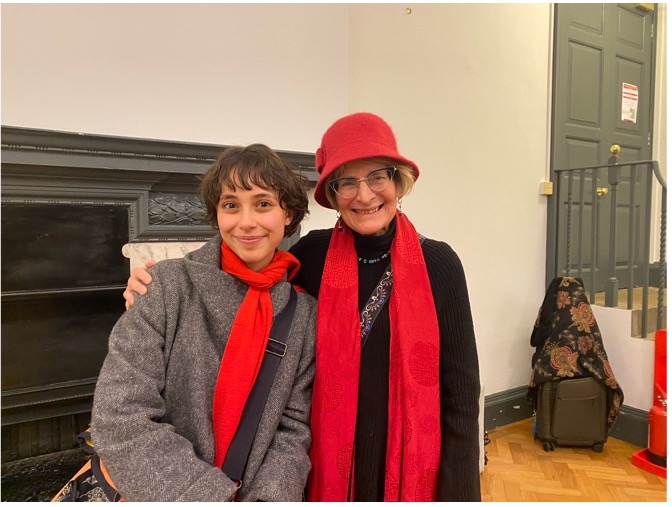
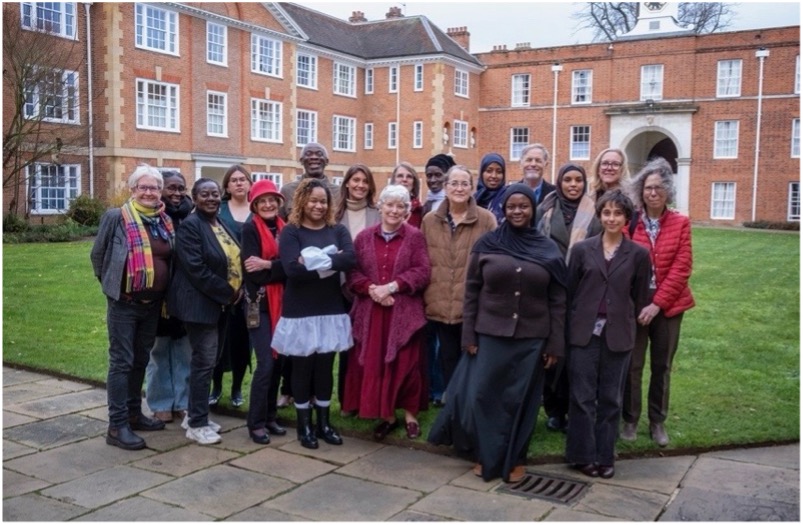
On the 5th of December 2025, Broken Chalk had the opportunity to join a crucial event on the topic of halting FGM/C, meeting with some of the most important advocates of recent years and sharing its FGM research.

The event was organised by Dr Tobe Levin Von Gleichen and sponsored by UnCUT/VOICES Press with support from LMH Vice Principal Dr Todd Huffman, and was held at Lady Margaret Hall, University of Oxford.

This event, unfolding over one day, gave space to several NGOs, advocates, and survivors to expose their history, missions, and projects’ development, allowing for the sharing of ideas and (many) debates.

The host and internationally recognised activist Dr Tobe Levin von Gleichen introduced the event. In this introduction, Dr Tobe presented crucial moments in the history of advocacy against FGM/C, some of which included her and other advocates present at the event.

Following this summary of selected histories, Britta Radike – a prize-winning photographer – shared with us some pictures taken in Ogaden, Uganda, Somalia, and Somaliland, with the  intention of including pictures featuring experts’ experiences in advocating against FGM as a form of prevention and care for survivors.

Similarly, Godfrey-William Okorodus, artist and advocate, uses art as a form of advocacy; he explained how he uses his art as a “privileged medium in ending FGM”, bringing this issue across countries, from Nigeria to Belgium; Godfrey creates paintings inspired by the issue of FGM/C and uses these paintings to create awareness, create communities of advocates and as a tool for people to learn about this issue.

On a different note, some experts brought UK-focused insights. Miriam Cissé, representing INTEGRATE UK, introduced us to their projects using film, education, and mentoring as exemplary media approaches for advocating to end FGM/C and supporting victims, a necessary asset in the UK, where FGM support for victims keeps being limited while the number of victims and survivors keeps increasing. On this point, INTEGRATE UK believes FGM training should be mandatory for all healthcare professionals likely to encounter survivors, and it should include cultural trauma awareness.

Aurora Almodori, Consultant Plastic Reconstructive Surgeon and Lecturer at the University College of London, also explained the current FGM context in the UK, where the number of survivors wanting reconstructive surgery increases whilst the research on the topic seems to remain still. Her research showed how the number of women born in FGM-practising countries and living in the UK increased by more than 100,000 in just a decade, and how health problems caused by FGM cost the NHS an estimated £100 million annually.

Another UK-based NGO is FORWARD UK, represented by Mariame Racine Sow. This women’s rights organisation led by African women aims at being an asset in the end of FGM/C by, in the first place, understanding girls’ and mothers’ relationship, understanding the psychology between them and the psychology behind the practice of FGM, and by also building schools linked to communities where there is high prevalence. From the same organisation, FORWARD, Isha Abdulkadir presented some of the exemplary projects of the organisation.

From a socio-historical perspective, Hillary Burrage, professor at Northwestern University, suggested a broader understanding of FGM and the issues around it, which are not often discussed or employed in the efforts to end FGM: Burrage enquired about the interconnection between safe access to water, land and income for women as a tool to end this practice. She believes these factors require careful consideration as they could be influencing FGM, the contexts and environments in which it occurs, yet there is not enough discussion and shared knowledge about how these specific factors can impinge in agrarian locations on the practice of FGM.

Other NGOs presented at the event were Wallace Global Fund’s Women’s Rights, represented by Susan Gibbs: this activist organisation proposes a focus on people-powered movements, and wants to use all possible tools for such empowerment, such as grant-making, investments, convening and advocacy. In particular, this organisation aims to spend out its entire endowment in 2026.

Another NGO, Hope for Girls and Women, France, was introduced by Elaine Rothman and Karin Benguigi: This association is dedicated to ending FGM and child marriage, supporting Rhobi Samwelly’s work – survivor and activist – specifically in Tanzania. It helps fund safe houses, girls’ education and supports the costs of rescuing and protecting girls from FGM. Similarly, Sahiyo, presented by Catherine Cox, wants to eliminate FGM/C by connecting, supporting, elevating, and advocating on behalf of stakeholders engaged in prevention, education, and care.

Many books were also presented during the event: Khady Koita, founder of La Palabre against gender-based violence in opposing FGM” presented “Mutilée”, Comfort Momoh MBE presented “the Routledge International Handbook of Harmful Cultural Practices”, and finally Katy Newel-Jones & Lotte Hughes presented a new volume of “FGM/C AFRICA AND THE DIASPORA, issues, debates and challenges.”

Finally, I – Matilde Ferrante – represented Broken Chalk. I introduced Broken Chalk, its structure and overall objective, and then I more specifically introduced our FGM team and its project, focusing on the connection between education and FGM. Our focus on education started what was defined as “an incredible debate, the best part of the event”, as some advocates believe that education is not a tool to end FGM and as other advocates – like us – believe it to be an important asset.

BROKEN CHALK REPORT – GLOBAL BACKLASH AGAINST WOMEN’S RIGHTS: ENDING VIOLENCE AGAINST WOMEN MEANS HALTING FGM – 05/12/2025, OXFORD AN INTERNATIONAL COLLOQUIUM ON ADVOCACY AND RESEARCH

Overall, it was an incredible opportunity to share insights, gain new knowledge and understand the development and projects of other organisations. It was a crucial step in the path to the end of FGM, allowing organisations from different countries to better understand how they are bringing different approaches to solve the same puzzle.


Educational Challenges in the Falkland Islands: Isolated & Unique Challenges

Educational Challenges in the Falkland Islands: Isolated & Unique Challenges

Written by Astrid Euwe Wyss

Introduction


Can you imagine if your neighborhood could all fit into one building? The Falkland Islands are such a sparsely populated territory that the only high school on the mainland educates under 600 students. [11] The Falkland Islands, an archipelago in the South Atlantic Ocean, lies about 480 kilometers east of Argentina. This remote British Overseas Territory consists of roughly 200 islands, with East Falkland and West Falkland being the largest. Despite their isolation, the Falklands have an economy that relies heavily on British financial support. They maintain a strong cultural and political connection with the United Kingdom and function as a parliamentary democracy, managing their internal affairs.


The islands’ remote location, small population, and limited resources have historically posed challenges to the education system. With a population of approximately 3,803 as of July 1, 2024, the Falkland Islands face significant educational challenges due to their geographical isolation. Despite adhering to a British model of education and offering free and compulsory schooling up to age 16, several obstacles impede the provision of a comprehensive and equitable education system. However, older students often need to pursue further education abroad, highlighting the logistical and emotional challenges faced by families.


This article examines the unique educational obstacles of the Falkland Islands, highlighting the specific challenges faced by schools and students in this remote region. By exploring the structure and operations of local schools, the effects of geographical isolation, and the innovative solutions to these challenges, we can better understand the Falklands’ commitment to providing quality education despite its unique circumstances.


Educational Infrastructure and Geographic Challenges


The educational infrastructure in the Falkland Islands comprises several key institutions. Primary education is provided by the Stanley Infant/Junior School, which caters to children from preschool age up to 10 years old. This school is well-equipped with modern multimedia facilities and a central library, ensuring that young students have access to essential learning resources. Secondary education is offered by the Falkland Islands Community School, established in 1992. This institution provides a comprehensive curriculum, including science laboratories and subjects such as music, art, information technology, and business studies.

Additionally, three rural satellite schools use electronic distance learning methods, supported by regular teacher visits, to serve children in isolated areas. Here, children receive education through traveling teachers, radio broadcasts, and telephone lessons. Older students in these areas often prefer attending schools far from their homes. To support their education, these students stay in boarding establishments that provide a conducive learning environment. [1]


The UN estimates the population of the Falkland Islands reaching at 3,803 as of July 1, 2024. Out of this overall population corresponding to the islands in total, the capital of Stanley registers 2,213 inhabitants as of 2024. They are, after Greenland, the most sparsely populated political entity in the world. Despite their small size, the Falkland Islands have a notably urban and diverse population. Approximately 11% of residents speak languages other than English at home, including Spanish, French, and German. The islands experience a high population turnover, with many migrants arriving from outside the territory. This demographic fluidity, coupled with limited institutional resources and strong cultural ties to the UK, has hindered the full institutionalization and standardization of certain aspects of Falkland Islands identity. Media consumption is largely dominated by foreign productions, with the mainstream media being British, and local media offerings limited; islanders have access to a single local radio station and a weekly newspaper, both available in print and online. [2] [3]


Education in the Falkland Islands is overseen by the United Kingdom, ensuring British standards and evaluation methods are followed. Education is free and mandatory for children from age 5 (Year 1) to age 16 (Year 11). The government supports higher education, encouraging top students to study further in the UK. Financial assistance is available for students who score a Grade C or higher in their General Certificate of Education (GCE) exams to pursue advanced-level qualifications overseas, allowing them to attend sixth form or college in the UK to take O-Levels (typically for students aged 14-16) and A-Levels (typically for students aged 16-18), preparing them for university education. Despite these policies, the islands face significant challenges due to their remote location and small population. [4]


The Falkland Islands face significant challenges in providing education due to their remote location, small and spread-out population, and economic and political factors. The educational system is incomplete and has historically been underfunded because the economy depends heavily on one main product, production of wool, leading to financial resources leaving the islands. In the past, low expectations for education in rural areas were influenced by the local elite who controlled schooling. This history still affects the education system today, resulting in limited aspirations for education among the population. [1]

Recruitment, Resources, and Economic Constraints


One major challenge is attracting and keeping qualified teachers, both expatriate and local. The remote location and limited social and professional opportunities make it hard to draw educators. High operational costs, considering the Islands’s isolation, add to the difficulty. Teachers also struggle to balance the curriculum designed for a different cultural context with local needs, affecting the quality and relevance of education. This has been a persistent problem throughout the colony, complicating efforts to provide consistent and effective schooling. [5]


The Falkland Islands’ remote location means schools have limited educational resources and extracurricular activities. This limits the curriculum and students’ exposure to various subjects and experiences. Population clusters within the territory face additional isolation, affecting educational access and quality. Changes in land ownership further complicate this by impacting how educational resources are distributed and accessed. This can lead to uneven resource availability, making it harder for some areas to maintain consistent and effective education. [1]


Economic factors significantly impact education in the Falkland Islands. The reliance on wool and the resulting capital outflow to absent landowners have historically limited educational resources. Additionally, low expectations among rural parents and students, shaped by historical and social contexts, continue to affect educational outcomes. The isolation of population clusters within the territory complicates these issues, making it difficult to create a cohesive and supportive educational environment. Frequent changes in land ownership further disrupt the stability needed for consistent educational resource distribution. [3]


Enrollment rates and educational attainment levels in the Falkland Islands are influenced by the unique challenges posed by the islands’ geographical isolation. The high population turnover and limited resources contribute to a complex educational landscape. Older students often need to travel abroad for advanced education, placing a significant logistical and emotional burden on families. The reliance on external institutions for post-16 education highlights the need for robust support systems to ensure students can continue their education seamlessly. The small population size also necessitates mixed-age classes, where teachers must balance the educational needs of students at different developmental stages within the same classroom. This requirement complicates the delivery of age-appropriate instruction and support, further illustrating the unique educational challenges faced by schools in the Falkland Islands. [6]


A significant educational challenge in the Falkland Islands is ensuring access to secondary education for military and civilian families stationed at Mount Pleasant, the main military base on the islands. The remote location of the base complicates the delivery of consistent and high-quality education, requiring special arrangements, such as UK boarding schools, and resources to meet the needs of these families. While supported by a Continuity of Education Allowance, a UK-funded subsidy, this involves complex logistics and potential disruptions to family life. The CEA helps cover the costs of boarding school in the UK to ensure children of military families receive consistent education. Parents must navigate various administrative processes to secure and maintain this support, adding to the complexity. [7]

The educational challenges in the Falkland Islands highlight the complex relationship between education, national identity, and geopolitics. Schools and classrooms play a key role in teaching young citizens about important historical and current events, shaping their understanding of their nation and their place in it. These educational efforts are intentional, aiming to engage young people with critical issues related to their national identity and geopolitical environment. The ongoing challenges posed by geographical isolation significantly impact educational outcomes and cultural identity, making this a crucial area for educators and policymakers to address. [8]


Lingering Memory of the Falklands/Malvinas War


The Falklands/Malvinas conflict, fought in April 1982 between Argentina and the United Kingdom over the Falkland Islands, South Georgia, and the South Sandwich Islands, continues to have profound implications for education in both regions. Nonetheless, the Falklands/Malvinas conflict continues to have significant implications for education in both Argentina and the Falkland Islands. The contrasting narratives and educational approaches reflect broader political, cultural, and ideological dimensions, highlighting the importance of history and national identity in shaping the perspectives of young people in both regions. As the conflict remains unresolved, the challenge of teaching about it in a balanced and inclusive manner persists, influencing how future generations will understand and engage with this contentious issue. [8]


In the far south of the Atlantic Ocean, Argentina has claimed ownership of the Falklands/Malvinas Islands since the 19th century. Despite losing the war in 1982, Argentina has more emphatically asserted its claims since its return to democracy in 1983. Argentina presents the islands as part of their territory in their educational system, and the dispute is not addressed in schools. The war and its aftermath involve military, political, economic, diplomatic, cultural, and ideological dimensions, framing the conflict in terms of colonialism and imperialism from the UK. [8]


The British perspective on the Falklands changed dramatically after 1982. Before the conflict, most British citizens were unaware of the islands. However, the war transformed the Falklands into symbols of national pride as British forces expelled the Argentinian troops and reasserted control. Today, while sovereignty issues don’t impact daily life in the Falklands, they significantly influence national identity and the content of history and citizenship education. The ongoing military presence on the islands underscores the unresolved nature of the sovereignty dispute and its significance in British national consciousness. [8]


A study with students from both the Falkland Islands and Argentina highlighted the stark differences in how each group views the conflict. This contrast encouraged students to critically examine their own preconceptions, biases, and prejudices. The Falklands/Malvinas issue, deeply political, influences students’ understanding of national identity. Researchers found that the sensitive nature of this topic can make teachers uncomfortable, raising questions about its place in the curriculum. These circumstances illustrate the challenge of teaching a relevant yet divisive subject, shaping the educational experiences of young people in both regions. [9]


Education in the Falkland Islands is deeply influenced by the historical and cultural importance of the islands, especially regarding the Falklands/Malvinas sovereignty dispute. This issue is a key part of national identity for both Falkland Islanders and Argentinians. In schools, subjects like national history, geography, and citizenship are strategically framed to ensure young people understand these themes. Educational materials that are deliberate, creative, and original representations of nationalism help students become aware of their national identity and the ongoing geopolitical tensions. [8] [9]


In the Falkland Islands, there is a conscious effort to incorporate locally relevant content into the UK-defined curriculum. This is vital for fostering a sense of place and identity among students. However, the high turnover of teachers, many of whom are not native to the Falklands, can impact the authenticity and effectiveness of teaching local history and geography. Emphasizing the unique history and realities of the Falklands, including the 1982 conflict, the intentional curriculum choices help instill pride and awareness in students about their heritage and the importance of their homeland in a broader geopolitical context. [9]


Similarly, in Argentina, the education system places a strong emphasis on the Falklands/Malvinas as central to Argentine national identity. The Falklands/Malvinas issue is ingrained in the educational agenda, reflecting a long-standing historical connection and the traumatic experiences of the 1982 war. Argentine educational materials, including textbooks, documentaries, and other resources, consistently highlight the nation’s claim to the islands and the importance of this claim in the national consciousness. The Argentine government has made significant efforts to produce dedicated Malvinas-themed educational materials, reinforcing the sovereignty claims and ensuring that the memory of the islands remains a critical part of national identity. This focus on the “Malvinas” in education underscores the broader foreign policy objectives of Argentina and the importance placed on territorial integrity within the Argentine Constitution. [9]


The educational challenges in the Falkland Islands and Argentina highlight the complex relationship between education, national identity, and geopolitics. Schools and classrooms are key spaces where young citizens learn about important historical and contemporary events, shaping their understanding of their nation and place in the world. These educational efforts, entirely intentional, aim to engage young people with critical issues that define their national identity and geopolitical situation. These practices reflect a deliberate strategy to ensure students grasp the significance of their heritage and the broader political context. [9]

Addressing Challenges: Local and International Initiatives


The Falkland Islands Government, along with community-driven initiatives, international aid, and innovative approaches, have made concerted efforts to improve educational infrastructure and resources. The establishment of key institutions like the Stanley Infant/Junior School and the Falkland Islands Community School showcases the commitment to providing quality education. These schools are equipped with modern multimedia facilities, science laboratories, and a comprehensive curriculum that includes subjects such as music, art, and information technology​​. [6]


The government supports tertiary education by funding students who achieve a Grade C or higher in their General Certificate of Education (GCE) exams. A Grade C typically represents a good level of understanding and competency in a subject, roughly equivalent to a pass mark of around 60-69%. This achievement allows students to pursue advanced studies such as O-Levels, which are part of the UK’s educational system for students aged 14-16, often leading to further qualifications like A-Levels necessary for university admission. This funding ensures that high-performing students have opportunities for continued education and academic advancement.This initiative helps bridge the gap for advanced education that cannot be provided locally due to the islands’ limited resources​​. Community involvement also plays a crucial role. Parents and local organizations collaborate with schools to support educational activities and infrastructure development. [1]


International aid and partnerships have significantly bolstered educational opportunities. The UK provides financial and academic support, including funding for scholarships, teacher training programs, and educational resources that align with British educational standards​​. International organizations and foreign governments contribute through grants and educational programs aimed at enhancing the quality of education. These partnerships have facilitated access to diverse educational materials, improved teacher qualifications, and introduced new teaching methodologies tailored to the unique challenges of remote education.


To mitigate the challenges posed by geographical isolation, the Falkland Islands have adopted innovative educational approaches, particularly in the realm of e-learning. E-learning platforms have been specifically adapted to suit the remote and isolated environment of the islands. These platforms provide students with access to a broader range of subjects and learning materials that would otherwise be unavailable. This robust e-learning infrastructure proved invaluable during the COVID-19 pandemic, allowing for minimal disruption to students’ education despite the global challenges faced by schools everywhere. The existing e-learning systems enabled a seamless transition to remote learning, ensuring continuous educational engagement for students across the islands.Additionally, mixed-age classes, necessitated by the small population, have led to the development of flexible teaching strategies that cater to diverse educational needs within a single classroom. These strategies include differentiated instruction and personalized learning plans that ensure all students can achieve their academic potential. [10]


Electronic distance learning methods are utilized extensively, especially in rural satellite schools. These schools rely on regular teacher visits, electronic resources, and virtual classrooms to deliver education. Itinerant teachers, radio broadcasts, and telephone lessons also play a vital role in ensuring that children in the most isolated areas receive a consistent education.


Conclusion

In summary, the Falkland Islands have demonstrated a resilient and adaptive approach to overcoming their educational challenges. Government initiatives, community involvement, international aid, and innovative educational methods have all contributed to improving the quality and accessibility of education despite the islands’ unique circumstances.

Strategic and sustained efforts are critical to overcoming the barriers posed by geographical isolation and limited resources. The future outlook for education in the Falkland Islands relies on continued support from local governance, international partners, and community stakeholders. By fostering collaboration and embracing innovative solutions, the islands can ensure that their educational system continues to evolve and meet the needs of all students.


Recommendations

  • Enhance Teacher Recruitment and Retention: Implement targeted incentives to attract and retain qualified teachers, including competitive salaries, professional development opportunities, and support for expatriate teachers to integrate into the community.


  • Expand E-Learning and Distance Education: Invest in advanced e-learning platforms and digital resources to provide a wider range of educational content and facilitate continuous learning for students in remote areas.


  • Strengthen International Partnerships: Foster stronger ties with international educational institutions and organizations to secure funding, resources, and expertise that can enhance local educational programs.


  • Promote Community Engagement: Encourage greater community involvement in education through parent-teacher associations, local educational committees, and volunteer programs to support school activities and infrastructure development.


  • Address Socio-Economic Barriers: Develop comprehensive support systems for families, including financial aid, counseling services, and logistical support for students pursuing education abroad.


Bibliography


[1]        Manikas, B.T. (2024). Falkland Islands. StateUniversity.com Education Encyclopediahttps://education.stateuniversity.com/pages/465/Falkland-Islands.html


[2]        World Population Review. (2024). Falkland Islands population 2024. https://worldpopulationreview.com/countries/falkland-islands-population


[3]        Britain, D. (2009). Falkland Island English. https://www.researchgate.net/profile/David-Britain/publication/260087949_Falkland_Island_English/links/57d1c70808ae5f03b48abd7f/Falkland-Island-English.pdf


[4]        Scholaro. (2024). Education system in Falkland Islands. https://www.scholaro.com/db/Countries/Falkland-Islands/Education-System


[5]        Teacher Horizons. (2024). Falkland Islands. Retrieved May 31, 2024, from https://www.teacherhorizons.com/countries/south-america-falkland-islands


[6]        Falkland Islands Community School. (2024). Welcome to Falkland Islands Community School. Retrieved from https://www.secondary.ac.fk/


[7]        Mount Pleasant School. (2022, February 2). Secondary school options. Mount Pleasant Primary School. https://www.mountpleasant.school/admission/secondary-school-options/


[8]        Porto, M., & Yulita, L. (2016). Language and intercultural citizenship education for a culture of peace: The Malvinas/Falklands project. In From Principles to Practice in Education for Intercultural Citizenship (pp. 199-224). Multilingual Matters. https://ueaeprints.uea.ac.uk/id/eprint/57883


[9]        Benwell, M.C. (2014). From the banal to the blatant: Expressions of nationalism in secondary schools in Argentina and the Falkland Islands. Geoforum (52), 51–60. https://doi.org/10.1016/j.geoforum.2013.12.006


[10]      Mount Pleasant School. (2023, February 13). Context and location. Mount Pleasant School. https://www.mountpleasant.school/


[11]      Falkland Islands Government. (2016). Falkland Islands Census 2016 Report. https://falklandstimeline.wordpress.com/wp-content/uploads/2018/01/falkland_islands_census_2016_-_report_without_data_tables.pdf


Educational Challenges in the Kingdom of the Netherlands in the Caribbean

Educational Challenges in the Kingdom of the Netherlands in the Caribbean

Written by : Natacha Harewood

Abstract

This report examines the educational challenges faced by the Kingdom of the Netherlands in the Caribbean, focusing on Sint Maarten, Aruba, and Curacao. Key findings and recommendations are summarised to provide a concise overview of the report’s content.

Introduction

To understand the unique dimension of the kingdom of the Netherlands it is first best to understand its structure and how it came about. The Kingdom of the Netherlands consists of a European part and a Caribbean part. In the Caribbean, Curacao, Aruba, and St. Maarten form the Caribbean segment, while the Netherlands represents the European part. Within the Kingdom, there are four constituent countries: the

Netherlands, Curacao, Aruba, and St. Maarten. Following the dissolution of the Netherlands Antilles on October 10th, 2010, commonly known as 10-10-10, Bonaire, St. Eustatius, and Saba attained the status of public entities within the Netherlands. Since 10-10-10, Curacao and St. Maarten have gained autonomy as partners within the Kingdom, alongside the countries of the Netherlands and Aruba. Before 10-1010, Curacao, St. Maarten, Bonaire, St. Eustatius, and Saba constituted the Netherlands Antilles, a unified autonomous country within the Kingdom.

The picturesque Caribbean territory of the Kingdom of the Netherlands, that is the countries of Sint Maarten, Aruba and Curacao all create a flamboyant tapestry of cultural richness against its breath-taking landscapes. However, what most visitors don’t or cannot see beneath all its glory is the stark array of educational challenges that continues to shape the educational journey for both the pupils and the educators in these countries. This report sets to highlight, navigate the educational environment of the three uniquely similar yet so different countries, by providing insights to the challenges, obstacles and journey woven into the intricate fabric of learning.

Researching the educational landscapes of Sint Maarten, Aruba, and Curaçao reveals an interconnected set of complicated challenges that shape their educational paths. This research tries to give a holistic perspective of the educational issues contained in the historical legacies of these island nations, from the complexities of language and cultural variety to the echoes of historical legacies. Each region offers its own story, fusing local flavours with the overall aim to provide exceptional education, preparing students for a vibrant future that we all are longing for (hopefully).


  Educational Challenges:

Children’s education should develop each child’s personality, talents and abilities to the fullest. It should encourage children to respect human rights and their own and other cultures. It should also help them learn to live peacefully, protect the environment and respect other people. Children have a responsibility to respect the rights of their parents, and education should aim to develop respect for the values and culture of their parents (Convention on the rights of the Child, Article 29).

1.1 Language Barriers:

In Aruba, Curaçao, and Sint Maarten, as well as the three islands of the Caribbean Netherlands—Bonaire, Sint Eustatius, and Saba—Dutch holds the status of an official language. Now, shifting from the factual to the experiential realm, the context of learning Dutch takes on added significance. The dynamics differ significantly based on whether one learns Dutch within the linguistic environs of the Dutch language area, surrounded by Dutch speakers, or outside this language sphere. This unique situation places the Dutch Caribbean islands in a distinctive and challenging position—situated within the official Dutch language domain but existing outside the Dutch-speaking environment.

Eric Mijts (Cited in Low -income-countries, 2019) contends ‘the reality is that the education on the Leeward Antilles (Aruba and Curaçao) is often given by a Papiamento-speaking teacher, to Papiamento-speaking students, but in Dutch and with teaching material from the Netherlands, as if the education takes place in a completely Dutch context’, says Eric Mijts of the University of Aruba. ‘That teaching material is far removed from their world of experience. Teaching assignments for children about a “ranunculus root house”, or about commuting, skating, tulip bulbs and windmills, or about Dutch athletes or historical figures, do not fit in with the child’s environment (2019)’. ‘One must realise that in doing so, one is putting a child’s full learning potential on hold. The child does not understand you, because as a teacher, you must focus so much on the linguistic development that is not in line with the experience and didactics that the student needs, that other important issues are forgotten, such as cognitive development. It frustrates and is an obstacle, and therefore does not contribute to the successful development of a child in the classroom’, says Mijts (2019).


Recognition of reality:

The Ministers of Education of the Dutch Caribbean, along with the Ministry of Education, Culture and Science, and the Language Union, were prompted by numerous examples and perspectives to collectively endorse a declaration of intent regarding Dutch as a Foreign Language (DFL) education. This collaborative effort recognizes the multilingual reality of the islands, where Dutch is often not a common language, presenting unique challenges for education. The shift from native language instruction in Dutch to sustainable, high-quality education in Dutch as a Foreign Language has been underway for several years. This approach aligns more closely with the lived experiences of young people, enhancing their prospects in the job market. The guiding vision is that language should not impede a child’s optimal development.


1.2 Brain Drain

In pursuit of broader opportunities, students from Curaçao often view studying in the Netherlands, the USA, and other nations as a pathway to advance in their careers.

Financial support from the Dutch Government is available for studies in either Curaçao or the Netherlands. Eligibility for funding to study in the Netherlands requires Dutch nationality, the absence of the chosen subject in Curaçao (validated by the Dutch Government), and possession of an SBO, HAVO, or VWO diploma, depending on the type of tertiary education. Each year, approximately 1,000 students apply to study in Curaçao, while 300 opt for the Netherlands. Some students who choose the Netherlands stay temporarily for work, with a notable proportion not returning. To encourage repatriation, suggestions include offering job search assistance and housing cost reductions. Further attention could be directed toward formulating a human resources policy specifying the required number and types of professionals, facilitating reintegration for students who pursue education abroad and wish to return.

1.3 Teenage Pregnancies

Teenage pregnancy has multifaceted causes. The absence of mandatory sex education in schools’ results in children and adolescents lacking essential information, and when provided, it often occurs later than necessary. Poor communication within families exacerbates the issue, leaving young individuals uninformed about sexuality. Misconceptions about contraceptive methods also prevail. The lack of a supportive family environment may drive teenagers to seek affection elsewhere, fostering a nonchalant attitude towards pregnancy and a reluctance to use protection.

Complications, such as premature or complicated births, pose higher risks for teenage mothers whose bodies may not be physically prepared. Additionally, despite the official illegality, approximately one in three pregnant adolescents’ resorts to abortion, often conducted in private settings, making quality regulation challenging.

Various initiatives aim to curb the teenage pregnancy rate. The Children’s Health

Department trains leaders for sex education in secondary schools, while the Planned Parenthood Foundation, operational since 1965, focuses on preventing pregnancy and sexually transmitted diseases. Their efforts include teaching family planning and providing contraceptives to teenagers at reasonable prices. Though the overall number of teenage pregnancies has slightly decreased in recent years, there is a concerning rise in the number of teenagers having more than one child before the age of 18, demonstrating the ongoing complexity of this issue.

Teenage pregnancy remains a complex issue with a myriad of contributing factors. The absence of mandatory sex education in schools means that children and adolescents often lack essential information, and even when provided, it may come later than necessary. Poor communication within families further compounds the problem, leaving young individuals ill-informed about sexuality, leading to misconceptions about contraceptive methods.


In the absence of a supportive family life, teenagers may seek affection outside the home, fostering a nonchalant attitude towards pregnancy and a reluctance to use protection. Casual relationships, peer pressure, and negative media influences also contribute to the prevalence of teenage pregnancies.


The heightened risk of complications, such as premature or complicated births, is a significant concern for teenage mothers, whose bodies may not be physically prepared for childbirth. Additionally, despite official illegality, it is estimated that one in three pregnant adolescents’ resorts to abortion. These procedures are often conducted in private settings or by doctors on house calls, making it challenging to regulate the quality of the operation.


Several projects and programs aim to mitigate the teenage pregnancy rate. The Children’s Health Department, for instance, trains leaders to provide sex education in secondary schools. The Planned Parenthood Foundation, active since 1965, focuses on preventing pregnancy and sexually transmitted diseases, offering education on family planning, and providing contraceptives to teenagers at reasonable prices. The multifaceted nature of this issue calls for ongoing efforts to address its various dimensions comprehensively.


                                 Highlight of Current Programmes 1. Curriculum Enhancement Initiatives:

Programmes are now working to improve curriculum relevance and modernisation.

According to the Ministry of Education (Netherlands Antilles), initiatives such as the “Curriculum 2025” project aim to revitalise educational material to match modern requirements and worldwide standards (Ministry of Education, Netherlands Antilles, 2022).


  1. Teacher Recruitment and Training:

Teacher shortages are being addressed through programmes such as the “Teacher

Training and Development Scheme.” According to the Netherlands Antilles Teacher’s Association, this strategy focuses on recruiting and training skilled educators in order to enhance student-teacher ratios and educational quality (Netherlands Antilles Teacher’s Association, 2021).


  1. Bilingual Education Initiatives:

Bilingual education programmes have gained traction in overcoming linguistic difficulties. The “Language Bridge” initiative, created in conjunction with local educators and the Netherlands Antilles Language Institute, aims to promote bilingualism and make language transfers easier for pupils (Netherlands Antilles Language Institute, 2021).


 Policy Recommendations

The educational environment of the Netherlands Antilles retains the unmistakable imprints of colonialism, systematic racism, and a complicated past that has left a permanent legacy. As discussed in this report, concerns including curricular gaps, teacher shortages, insufficient infrastructure, and language hurdles continue. Addressing these difficulties necessitates a multifaceted, forward-thinking strategy that addresses not just the present concerns but also the underlying historical injustices. In this part, a complete set of policy ideas aimed at changing the educational system, encouraging diversity, and ensuring a brighter future for Dutch Antilles students and society.


  1. Curriculum Modernisation with a Decolonial Perspective

This report proposes a modernisation effort that prioritises decolonial approaches to deconstruct the colonial legacies contained in the curriculum. This involves modifying educational curriculum to integrate indigenous peoples’ and diverse communities’ history, traditions, and contributions. We can combat the maintenance of colonial beliefs and create a more inclusive worldview by recognising the depth of these narratives.


  1. Equitable Teacher Distribution

Policies should prioritise equitable teacher distribution to overcome teacher shortages and guarantee educational equity. To attract and retain skilled educators in disadvantaged areas, incentives such as housing allowances and professional development opportunities must be implemented. A more equitable distribution of instructors has the potential to improve overall educational quality.


  1. Bilingual and Multilingual Education

Language barriers needs to be addressed for effective learning.  Policies should encourage bilingual and multilingual education while also recognising and validating local languages in addition to the official language. Encouraging language bridge programmes will ease transitions and ensure that linguistic variety becomes a useful asset in the educational journey.


  1. Addressing Systemic Racism

Recognising and confronting systematic racism in the educational system is a key first step. Anti-racist policies must be designed to combat prejudices and inequalities in educational access, opportunities, and results. At all levels of education, a culture of inclusion and equity should be cultivated.


  1. Fostering Critical Thinking and Global Citizenship

It is fundamental to promote an educational system that encourages critical thinking and global citizenship. It is critical to encourage students to connect with complicated global issues, promote empathy, and inspire them to become engaged global citizens. The curriculum should include programmes that promote critical thinking and a feeling of global responsibility. For example, incorporating critical thinking and global citizenship into the curriculum can be achieved through practical initiatives. For instance, an interdisciplinary project could be introduced, where students are tasked with researching and presenting solutions to real-world global issues. They may choose topics such as climate change, migration, or global health crises.


In this project, students would engage in in-depth research, critical analysis of data, and ethical discussions, allowing them to view these issues from various perspectives. They would be encouraged to communicate with peers from diverse backgrounds and regions to gain a global perspective. These projects would culminate in presentations to the local community, fostering empathy and a sense of global responsibility.


  1. International Partnerships and Scholarships

To increase access to higher education, the Caribbean Kingdom of the Netherlands should form alliances with foreign institutions and organisations. Furthermore, scholarship programmes for students studying abroad should be established. This will present students with a variety of viewpoints and experiences, enhancing the quality of education in the community.


  1. Encourage Research and Innovation

To recruit academics and researchers, research and innovation groups should be supported. These centres can enhance information exchange, strengthen local expertise, and increase educational quality. The Netherlands Antilles might establish itself as a centre of educational excellence by cultivating a culture of research and innovation. For example, Regular training sessions and workshops could be organized to enhance the digital skills of educators and students, ultimately improving the quality of education. Also, the hub could fund research projects focusing on improving educational technology, local issues, and global challenges. For instance, one project could explore the development of e-learning tools tailored to the unique needs of the Netherlands Antilles. Additionally, Creation of a Digital Innovation Hub: The Netherlands Antilles can establish a Digital Innovation Hub (DIH) in partnership with local universities, governmental bodies, and private enterprises. This DIH would focus on technological advancements in education and other sectors.

Conclusion


In conclusion, the exploration of educational challenges in the Kingdom of the Netherlands in the Caribbean, encompassing Sint Maarten, Aruba, and Curaçao, reveals a tapestry of triumphs, struggles, and ongoing efforts to navigate the intricate journey of learning. Each area has its own story to tell, integrating local peculiarities with the overriding goal of providing outstanding education that prepares students for a vibrant future.


Explore into the core of these islands’ educational institutions to learn about the complexity of linguistic and cultural diversity, as well as the influence of historical legacies. The purpose of the research study was to give a thorough knowledge of the educational difficulties that shape the experiences of pupils as well as teachers.


As we reflect on the triumphs, such as initiatives to enhance language learning and projects addressing teenage pregnancy and confront the persistent challenges of unequal access and historical disparities, it becomes evident that education in these Caribbean territories is a dynamic and evolving landscape.

Moving forward, sustained collaborative efforts, innovative solutions, and a commitment to addressing the root causes of challenges will be crucial. This report serves as a snapshot of the current state of education in these regions, urging stakeholders to continue the dialogue, implement targeted interventions, and strive for an inclusive, equitable, and empowering educational environment for all.


Bibliography:


Alkire, S. (2007). The Missing Dimensions: An Introduction. OPHI Working Paper 00. Oxford: University of Oxford.


Bijl, R., & Pommer, E. (2015). Five years of the Caribbean Netherlands: Impact on the population. The Hague: The

Netherlands Institute for Social Research.


Caribbean UNFPA (No Date). Available at

https://caribbean.unfpa.org/en/news/pregnantteensspeakoutaboutchallengestheyfacebeingyoungandpregnant (Assessed 13th October 2023).


Delta. (no date). Problems for Dutch Caribbean students: A blind spot. Retrieved from https://www.delta.tudelft.nl/article/problemsdutchcaribbeanstudentsblindspot (Assessed 13th October 2023).


ECORYS. (2019). Nulmeting Kinderopvang Caribisch Nederland. Commissioned by the Ministry of SZW.


FAHO and PAHO. (2017). Panorama of Food and Nutrition Security in Latin America and the Caribbean.


Garcia, C. (2017). “Enhancing Language Diversity in Education.” Journal of Multilingual Education, 30(1), 45-59.


Janssen, L., (2019). Juridische Handreiking BES, huiselijke geweld en kindermishandeling. Den Haag. Commissioned by the Ministry of VWS.


Jirie Caribbean. (no date) ‘Title of the Page’. Jirie Caribbean Blog, Available at: https://www.jirie.com  (Accessed 13th October 2023).


Jones, A., & Trotman Jemmott, E. (2009). Child Sexual Abuse in the Eastern Caribbean: The report of a study carried out across the Eastern Caribbean during the period October 2008 to June 2009. Huddersfield: University of Huddersfield and Action for Children.


Lopez, M. (2020). “Rethinking Curriculum for Global Competence.” Journal of Education, 45(3), 321-334.


Martinez, J. (2019). “Addressing Teacher Shortages in the Netherlands Antilles.” Educational Policy Review, 22(4), 467-483.


Maarten87.(2013) ‘Minister Lake goes back to basics; Visits his elementary school’. Title of the Website, Available at: https://maarten87.rssing.com/chan14301304/all_p18.html  (Accessed: 13th October 2023).


Ministry of Education, Netherlands Antilles. (2022). Curriculum 2025.


Netherlands Antilles Teacher’s Association. (2021). Teacher Training and Development Scheme.


Netherlands Antilles Language Institute. (2021). Language Bridge Project.


Rodriguez, A. (2018). “Equitable Infrastructure Development for Education in Remote Areas.” International Journal of Educational Equity, 14(2), 215-230.


The Free Library (no date) Available at

https://www.thefreelibrary.com/Netherlands+Antilles%3A+a+bold+journeya0150695591 (Assessed 7th October 2023).


Thuis, D. (2019) ‘Learning Dutch in the Dutch Caribbean is a Big Challenge’. The Low Countries. Available at: https://www.thelowcountries.com/article/learningdutchinthedutchcaribbeanisabigchallenge  (Accessed 13th October 2023).


Thomas, E (ed.) 2014, Education in the Commonwealth Caribbean and Netherlands Antilles. Bloomsbury Publishing PLC. Available at

https://www.bloomsbury.com/uk/educationinthecommonwealthcaribbeanandnetherlandsantilles9781623564308/ (Assessed 13th  October 2023).


UNFPA Caribbean. (2012) ‘Pregnant Teens Speak Out about the Challenges they Face Being Young and Pregnant’. Available at: https://caribbean.unfpa.org/en/news/pregnantteensspeakoutaboutchallengestheyfacebeingyoungandpregnant (Accessed: Day Month Year).


United Nations Development Programme. (2022). Education for All Infrastructure Improvement Program.


UNICEF Netherlands. (2019). SITAN Curaçao: Strengthening the Immunity of

Teenagers Against Non-communicable diseases. Retrieved from https://www.unicef.nl/media/1371720/curacao_sitan_full_public_version__28english_ 29.pdf (Assessed 10th October 2023).


UNDP (United Nations Development Programme), ‘First Millennium Development

Goals Report: Curaçao & Sint Maarten 2011’, Governments of Curaçao and Sint Maarten in cooperation with UNDP, Port of Spain, Trinidad, 2011, www.undp.org.tt/NA/MDGReportCURandSXM.pdf (Assessed 10th October 2023).


UNICEF (United Nations Children’s Fund), ‘Guidance for Conducting Situation Assessment and Analysis of Children’s and Women’s Rights’, UNICEF, New York, 2008.


UNICEF. (2019) ‘Sitan BES 2019 Report’. Available at: https://www.unicef.nl/files/Sitan_BES_2019_ENG_%20corr%2029juni20.pdf (Accessed 13th October 2023).


Introducing Artificial Intelligence (AI) in schools from the United Arab Emirates

Introducing Artificial Intelligence (AI) in schools from the United Arab Emirates

Written by Iasmina Stoian

Introduction

The United Arab Emirates (UAE) is a country of rapid development, with much advancement and prospective planning. It has emerged globally as a centre of business, tourism, and technology during the last couple of decades. Considering its progress so far, the UAE also envisages Artificial Intelligence (AI) playing a crucial role in the near future in almost all sectors, more so in education. By integrating AI into schools, the UAE is not only preparing students for various challenges in the 21st century but is also securing a leading position in terms of educational innovation. This essay further elaborates on the rationale behind UAE advancing with the integration of AI into education, the potential benefits and challenges this initiative may pose, and  prospects.

The United Arab Emirates’ Vision for Artificial Intelligence in Education

Artificial Intelligence is the replication of human intelligence by machines. AI systems can perform tasks related to problem-solving, decision-making, and data processing more effectively and faster than humans. In education, AI does have a bright future in revolutionizing the way students are taught, with teachers delivering personalized learning, huge administrative tasks performed efficiently, and instant feedback on assessments. The governments of the UAE recognize this potential and have adopted AI as a key enabler in the reform of education.

The UAE has always been committed to using technology to renew and reorganize its education system. It forms part of the broader strategy that the country has in relation to the achievement of education reforms, just like the UAE Vision 2021 and the UAE Centennial 2071 aimed at creating a knowledge-based, competitive economy. In April 2017, the federal government of the United Arab Emirates embarked on what is described as the “UAE Strategy for Artificial Intelligence,” the first of its kind in the region. It would also position the UAE to be the leader in AI on a global scale by 2031, focusing on one of many aspects of education.

AI vision in UAE schools is not to pour new wine into old vessels; rather, it is to achieve the highest degree of customization, efficiency, and effectiveness in the learning process. The UAE government envisions a future where AI should aid teachers and students learning experiences, thus adequately preparing them for the workforce of the future-which is fast becoming AI-intensive.

Benefits of Introducing AI in UAE Schools

Personalized Learning

One of the most significant advantages of AI in education is its ability to enable personalized learning. Through AI-driven platforms, there can be an in-depth analysis of data from each individual student to understand his or her strengths, weaknesses, learning style, and pace. Using such analysis, AI can craft personalized lesson plans, recommend resources, and change the difficulty level of the tasks to meet a student’s needs. This personalized learning will help bridge the gaps and make sure that every student in such a multicultural and diverse environment as UAE has the ability to excel to their full potential coming from different educational  backgrounds.

Improved Teaching Tools

AI can also be of much help to the teacher by displaying insights useful in better understanding the needs of their students. AI will facilitate automating administrative tasks like grading and attendance so that time for the teachers can be released for handling more sensitive parts of teaching.  More so, AI will provide the teacher with real-time feedback in terms of student performance, hence, allowing them to decide on issues and provide a solutions promptly. Therefore, AI will contribute to the provision of quality education within the UAE schools.

Preparing Students for the Future

The introduction of AI to schools also takes shape to prepare students for the AI-transformed future workforce. As AI continues to transform industries, the demand will rise for professionals possessing AI-related skills. With the present move to introduce AI in schools, these are steps that ensure UAE students are well-versed in these technologies and able to work comfortably with them. Exposure to AI at an early age can trigger students’ interests in the fields of STEM (Science, Technology, Engineering, and Mathematics) fields, which are essential to the UAE’s economic diversification efforts.

Challenges of Integrating AI in UAE Schools

Infrastructure and Resource

The major setbacks facing the integration of AI in schools in the UAE are the infrastructural and resource-related issues. Generally, deploying AI technologies requires huge investments in hardware, software, and network infrastructure. Schools are also supposed to have access to stable internet access, and the system should be kept safe from web insecurities. The UAE is well-placed and it indeed does make such investment, but it should not underestimate the scale of this task.

Adaptation and Teacher Training

A key challenge in AI integration is ensuring that teachers are properly trained to use AI tools effectively. Implementing AI in classrooms may require revisiting traditional teaching concepts and adopting new, innovative methodologies. Continuous professional development and training are crucial for teachers to remain updated on AI-driven tools and practices. In many cases, this has proven to be a significant hurdle. For instance, in the US, several studies have shown that insufficient teacher training hinders effective AI implementation. The UAE must prioritize teacher training to avoid similar issues.

Ethical and Privacy Concerns

The application of AI in education further promotes ethical and privacy concerns. Data collection and analysis are central to AI for better service to the learners; nonetheless, data collection must equally have strong data protection measures to ensure security in the information. This may even pose the question whether the decisions are to be left to the AI systems or those of the educators themselves. This balancing with the benefits of AI adds to the critical challenge for the policymakers and educators in the UAE.

Conclusion

Indeed, the UAE’s vision for AI in schools goes purposely beyond the school itself. The integration of AI into UAE’s educational system does not only provide a superior experience for the learners but also fast-tracks the country in embracing the process of creating a more resilient and adaptive student learner. Despite many challenges, potential benefits brought about by AI are substantive. It is with these continuous investments that the UAE is most likely to take a leading position in state-of-the-art innovation in education globally while setting a new standard on how technology can be embraced in order to optimize learning.


Keywords: Artificial Intelligence, teaching, UAE, educational innovation, STEM education, digital transformation

References:


Family punishment in Turkey: The case of Melek İpek

Family punishment in Turkey: The case of Melek İpek

Written by Panashe Marie Louise Mlambo

The recent arrest of Melek İpek, the 78-year-old mother of Akın İpek, a prominent Turkish businessman who has been purged from the country, has brought renewed attention to the practice of family punishment in Turkey. This concept, also known as Sippenhaft—a term originating in Nazi Germany—refers to penalising family members for the actions of a relative, particularly in authoritarian regimes. According to the Stockholm Centre for Freedom, Melek İpek was sentenced to over six years in prison for alleged ties to the Gülen Movement, which the Turkish government has designated as a terrorist organisation since 2015 (Stockholm Centre for Freedom, 2023, p. 1).


This is an example of the ongoing violations of the rule of law in Turkey, which mandates that all individuals and institutions, including lawmakers and leaders, are accountable to the same laws. This fundamental principle, which underpins democratic governance, continues to be undermined in Turkey, particularly with respect to freedom of speech and association (Amnesty International, 2022, p. 3).


This article analyses cases like that of Melek İpek, explaining how Turkey’s legal system propagates family punishments and their effects. It further examines various methods employed by the Turkish government, including blacklisting, arbitrary detention, passport revocation, and property confiscation, as forms of collective punishment that undermine the rule of law and individual rights.

Historical Background

Family punishment has roots in authoritarian practices throughout history. The term Sippenhaft was notably used during Nazi Germany to hold family members accountable for the crimes of an individual. In Turkey, this practice has resurfaced as a tactic to suppress dissent against President Recep Tayyip Erdoğan’s administration. The government has systematically targeted relatives of individuals associated with the Gülen Movement, aiming to deter opposition by instilling fear within families (Freedom House, 2023, p. 5).

The Turkish government uses the July 2016 coup attempt as justification for the imprisonment of anyone associated with suspected members of the movement. Anti-terrorism laws have been broadly interpreted to justify extensive crackdowns on dissent. For example, Melek İpek was convicted under these laws for “membership in a terrorist organisation,” reflecting a legal environment where mere association with disfavoured groups can lead to severe penalties. The vagueness of these laws raises significant concerns about due process and individual rights (Human Rights Watch, 2023, p. 7). Additionally, family members with no proven connection to any alleged crimes are frequently targeted, perpetuating a climate of fear and suppression.

Incidents of Family Punishments in Turkey

Melek İpek’s arrest is part of a broader pattern where family members of political dissidents face legal repercussions. Similarly, Enes Kanter Freedom, a former NBA player, has spoken out about the harassment his family faced, which led him to cut ties with them in 2016 (Kanter Freedom, 2016, p. 3). His criticism of the government also resulted in his youth camp in New York being targeted. Another example is journalist Can Dündar, known for exposing government misconduct. His wife faced travel restrictions after his reporting on sensitive issues, such as Turkish intelligence’s arms transfers to Syria (Dündar, 2016, p. 4). Likewise, Hakan Şükür, a former football star and vocal critic of Erdoğan, has seen his relatives harassed and subjected to legal challenges following his departure from Turkey (Freedom House, 2023, p. 8).

The Stockholm Centre for Freedom reports that over two million individuals in Turkey have been blacklisted, including alleged supporters of the Gülen Movement and members of the Kurdish political movement. This blacklisting serves as a punitive measure, circumventing due process and resulting in severe restrictions on daily life. For instance, disabled teenagers have reportedly been denied benefits solely because their fathers were blacklisted (Stockholm Centre for Freedom, 2023, p. 12).

As of July 2023, over 122,000 individuals have been sentenced for alleged links to the Gülen Movement, with 12,108 still in prison. Such measures highlight the expansive reach of the government’s punitive practices, which extend far beyond individuals to encompass their families (Amnesty International, 2022, p. 15).

Legal Framework and Implications

The Gülen Movement was officially designated as a terrorist organisation (Fethullah Terrorist Organisation – FETO) in 2016, enabling the government to arrest and detain individuals under anti-terrorism statutes. By July 2023, over 117,000 terrorism-related convictions had been recorded (United Kingdom Government, 2023, p. 9).

This legal framework permits arbitrary detention without due process for individuals suspected of links to the Gülen Movement. Family members of alleged dissidents, including spouses and children, are frequently detained to coerce compliance or silence dissent. The Turkish government has faced widespread criticism for using vague definitions of terrorism to justify these actions (Human Rights Watch, 2023, p. 11). However, a lack of international accountability has allowed such practices to persist.

The erosion of judicial independence in Turkey further exacerbates these issues. Judges and lawyers have been dismissed or imprisoned for defending dissenting voices, leading to a judiciary that enables politically motivated prosecutions and undermines fair trial rights (Amnesty International, 2022, p. 17).

The Consequences

The implications of Melek İpek’s case extend beyond her individual circumstances. By extending punitive measures to family members, the government effectively discourages dissent and creates a culture of fear. Vulnerable populations, such as the elderly and disabled, are disproportionately affected. For instance, elderly individuals like Melek İpek suffer health complications exacerbated by detention, while disabled individuals are denied state benefits due to familial affiliations (Stockholm Centre for Freedom, 2023, p. 20).

The international community, including organisations such as Amnesty International, has condemned Turkey’s human rights record. Reports highlight abuses linked to anti-terrorism laws and call for reforms to protect individual rights. However, meaningful action, such as imposing sanctions or initiating diplomatic interventions, remains limited (Amnesty International, 2022, p. 22).

Conclusion

Melek İpek’s arrest serves as a stark reminder of the Turkish government’s systematic use of family punishment as a tool for suppressing dissent. The legal framework surrounding her case reflects broader trends within Turkey’s authoritarian regime, where anti-terrorism laws are wielded to justify human rights violations and erode the rule of law. Addressing these systemic issues will be crucial for Turkey to restore individual freedoms and uphold democratic principles. The international community must take decisive action to hold the Turkish government accountable and advocate for the protection of human rights (Amnesty International, 2022, p. 25).


Reference List

  1. Stockholm Centre for Freedom. (2024). Family punishment in Turkey. Stockholm Centre for Freedom. Retrieved from https://stockholmcf.org/wp-content/uploads/2024/07/Family-Punishment-in-Turkey.pdf
  2. Loeffel, R. (2012). Family punishment in Nazi Germany: Sippenhaft, terror and myth. Palgrave Macmillan. https://doi.org/10.1057/9781137021830
  3. UK Home Office. (2023). Country policy and information note: Gülenist movement, Turkey. Retrieved from https://www.gov.uk/government/publications/turkey-country-policy-and-information-notes/475f9b93-76c5-4312-b918-68756604f8ed
  4. BBC News. (2016). Turkey coup attempt: US basketball star Enes Kanter disowns family. Retrieved from https://www.bbc.com/news/world-us-canada-37024429
  5. Middle East Eye. (n.d.). We are arrested: How one explosive story led Can Dündar to jail, exile and his life on stage. Retrieved from https://www.middleeasteye.net/discover/we-are-arrested-how-one-explosive-story-led-can-dundar-jail-exile-and-his-life-stage
  6. Nordic Monitor. (2021). Turkey issues 9 arrest warrants for top goal scorer who turned a critic of Erdoğan regime. Retrieved from https://nordicmonitor.com/2021/08/turkey-issues-9-arrest-warrants-for-top-goal-scorer-who-turned-a-critic-of-erdogan-regime/