Barriers to education for girls and children with disabilities in Somalia

Barriers to education for girls and children with disabilities in Somalia

Barriers to education for girls and children with disabilities in Somalia

Written by Pina Bontius

Introduction

Somalia has a variety of issues among its education sector, one of which is equality of education. While enrollment rates and expected time in school are low in general, they more negatively affect vulnerable social groups (GPE Secretariat, 2024). Two significant vulnerable groups in Somalia which face this problem are children with disabilities and girls; this article will report which barriers those two groups face in terms of education, and what the impact of such barriers is on the quality of education they receive.


Barriers for children with disabilities


Children with disabilities face many challenges in education. There is social stigma around the issue of disability, which disincentivizes parents from identifying their child as disabled in the first place, along with a lack of access to healthcare which would detect disabilities. Therefore, the real proportion of children with disabilities is unknown, which makes it harder to detect the issue and find solutions (UNESCO, 2022). However, existing data shows that disability is a significant barrier to education for Somali children. One issue is negative community attitudes (UNICEF, 2022, p. 80). One fourth of parents included in a 2022 study reported that negative attitudes of teachers and other members of the community were the primary reason for not enrolling their disabled child in school (UNESCO, 2022, p. 80). Social discrimination against disabled students is prevalent; for example, 92% of girls with disabilities reported that they have experienced discrimination at school, which makes it an unsafe and uncomfortable learning environment (UNESCO, 2022, p. 80). Moreover, parents themselves have expressed the view that due to such stigma, people with disabilities will be unable to find employment even after fully completing their education; therefore, there is less incentive to send such children to school, as it would not increase the chances of employment (UNESCO, 2022, p. 80).


A second important issue regarding disability is a lack of accessible infrastructure and aids. Due to widespread poverty in the country, families are often unable to provide such learning aids by themselves, and the schools are not equipped with the materials to compensate for that. For instance, according to a SISEND study in 2022, no schools offered audio books or books in braille for visually impaired students, which is significant because visual impairment is the second most prevalent form of disability among Somali students (UNESCO, 2022, p. 80). Additionally, the water, sanitation and hygiene facilities are not equally accessible to disabled students and to able-bodied students. 69% of schools in 2022 lacked physically accessible toilet facilities, and 62% lacked access to clean drinking water; this may disincentivize students with disabilities and create an uncomfortable unhygienic learning environment (UNESCO, 2022, p.80). There are several programs, such as one supported by the Global Partnership for Education, which aim to empower children with disabilities by providing assisting devices such as hearing aids or magnifiers; however, the supply is still too low, and students have to share these resources among themselves (Global Partnership for Education, 2024a).


In 2020, Somalia had 5 schools for students with special needs, but these still face significant issues, such as lack of accessibility for students with disabilities who do not live near such schools, and a lack of teacher training which would specialize in the needs of disabled students, as well as a standardized teacher training curriculum (UNESCO, 2022, p. 76). Additionally, these schools focus on a specific form of disability, usually the more prevalent ones such as hearing and visual impairment, which means that students with other disabilities are excluded (UNESCO, p. 76).


Barriers for girls


Girls in Somalia have less effective access to education than boys. According to UNESCO (2022, p. 74) boys’ education is prioritized due to reasons such as financial struggle, societal norms, safety concerns and early marriage, hence girls are 1.35 times more likely to not be enrolled in school than boys. This creates a gender gap in education, affording boys more opportunities from the start. Even among the girls who do attend school, they tend to drop out earlier and have a shorter educational experience. On average, the expected duration of girls’ education is 1.48 years, compared to the boys, for which the average expected time spent in school is 1.95 years (UNESCO, 2022, p. 20). This effectively means that boys spend 30% more time in school than girls, widening the gender gap in education and therefore future employment opportunities (UNESCO, 2022, p. 83). The gap is even more pronounced when considering the fact that boys enter school earlier than girls on average; 50% of boys enter school at the age of 6, which is the official school-entry age, while only 44% of the girls enroll at the same age (UNESCO, 2022, p. 84). Additionally, their access to education peaks at age 11, while for girls, it is at age 12; this means that boys both have a temporal advantage, and get more opportunities for education earlier on, with a 6% higher effective access to education than girls (UNESCO, 2022, p. 84). This disparity can also be observed in learning outcomes; for instance, girls are at a disadvantage to the boys in every grade, and men in Somalia have almost twice the literacy rate of women, with 49.7% of men being literate, compared to only 25.8% of women (Cline, 2018).


The reasons for such a gender gap need to be understood and addressed to solve the issue. The most prevalent factors are social gender expectations, early marriage, low access to WASH facilities and a lack of female teachers. Social expectations dictate that girls should stay at home and help with housework and childcare, as opposed to learning in school (Cline, 2018). Especially with the high rates of poverty in Somalia, families might not be able to afford school fees for all the children, and will prioritize the education of their sons over the daughters due to such gender expectations (Horn Observer, 2025). Connected with this is the issue of early marriage and early pregnancy (Global Partnership for Education, 2024b). According to UNICEF, data from 2022 shows that 17% of women between the ages of 20-24 were married before the age of 15, and 35% under the age of 18 (UNICEF, 2022, p. 68). Child marriage is a significant factor in girls’ school drop-out rates (Ali Mohamud, 2020). It negatively impacts girls’ education by compelling them to drop out of school and perform household or childcare duties; specifically in Africa, each year of child marriage reduces the girls’ likelihood of literacy by 5.6%, and reduces the likelihood of them completing secondary school by 6.5% (Wodon et al., 2017, p. 55). The effect between early marriage and education is bidirectional; early marriage reduces the probability of school attendance, while increasing education reduced the probability of child marriage (Wodon et al., 2017. pp. 55-58). Therefore, increasing education through means such as abolishing school fees, improving teacher quality and curriculum, and direct cash transfers, might reduce the rates of child marriage, which in return increases the girls’ chances to complete their education (Wodon et al., 2017, p. 58). Conversely, cracking down on early marriage allows girls to stay in school longer, which in turn decreases child marriage rates.


Other reasons for a gender gap in education in Somalia include a low access to WASH (water, sanitation and hygiene) facilities, as well as a low share of female teachers. Over 25% of schools in Somalia do not have sanitary toilet facilities, and 15% do not have access to clean water (UNESCO, 2022, pp. 140-141). Access to water, sanitation and hygiene facilities is incredibly important for young girls’ menstrual hygiene management. If faced with a lack of such facilities, girls cannot manage their menstrual cycle at school, and have to stay at home during that period; this causes them to miss school and fall behind the boys who do not face such setbacks; an issue which has been emphasized by some international organizations (Global Partnership for Education, 2024b). Secondly, over 80% of teachers in Somalia are male, which is likely a consequence of the gender gap in education itself; in secondary schools, female teachers make up only 3% of the teaching staff (UNESCO, 2022, p. 124). This can be problematic both due to safety concerns, and a lack of role models for girls in education; they might be less motivated to continue education if they cannot see themselves represented in such roles and feel understood in the classroom. Additionally, the UNESCO (2022) study showed a pressing need for Somali teachers to undergo training for inclusiveness and gender responsiveness, as to motivate young girls in school and provide them with the proper and inclusive learning environment.


Conclusion

Though there are programs and initiatives to increase equality of education in Somalia, vulnerable groups such as disabled children and girls still face unique challenges preventing them from attending school or receiving quality education. One part of the issue can be addressed through improving infrastructure in terms of accessibility for disabled students and in terms of volume of WASH facilities for girls, while a bigger challenge will be addressing the normative and societal barriers which disincentivize such vulnerable groups from attending school. Negative social attitudes, discrimination, and social gender expectations are among the most significant factors which prevent effective access to education; though addressing them is difficult, it is also necessary to ensure all children in Somalia get a fair chance at obtaining quality education.


Bibliography


Ali Mohamud, B. (2020). To end child marriage, Somali mindsets must change. World Bank Blogs. https://blogs.worldbank.org/en/youth-transforming-africa/end-child-marriage-somali-mindsets-must-change

Empowering children with disabilities through inclusive education in Somalia. (2024a). Global Partnership for Education. https://www.globalpartnership.org/blog/empowering-children-disabilities-through-inclusive-education-somalia


Gedo: Progress and Challenges in Girls’ Education in Somalia. (2025). [Horn Observer]. Hornobserver.Com. http://hornobserver.com/articles/3110/Gedo-Progress-and-Challenges-in-Girls-Education-in-Somalia


GPE Secretariat. (2024). Transforming education in Somalia. Global Partnership for Education. https://www.globalpartnership.org/blog/transforming-education-somalia


Somalia: Despite challenges, education paves the way for a promising future. (2024b). Global Partnership for Education. https://www.globalpartnership.org/results/country-journeys/somalia-despite-challenges-education-paves-way-promising-future


UNESCO. (2022). Education sector analysis: Federal Government of Somalia: Assessing opportunities for rebuilding the country through education (p. 214). https://unesdoc.unesco.org/in/documentViewer.xhtml?v=2.1.196&id=p::usmarcdef_0000380838&file=/in/rest/annotationSVC/DownloadWatermarkedAttachment/attach_import_b28ce78f-c68a-4aad-8f07-076b2f4df1df%3F_%3D380838eng.pdf&updateUrl=updateUrl7986&ark=/ark:/48223/pf0000380838/PDF/380838eng.pdf.multi&fullScreen=true&locale=en#p30


Wodon, Q., Savadogo, A., Yedan, A., Edmeades, J., Kes, A., John, N., Murithi, L., Steinhaus, M., & Petroni, S. (2017). Economic Impacts of Child Marriage: Global Synthesis Report.

Estonia’s Teacher Shortages: A Threat to Educational Excellence

Estonia’s Teacher Shortages: A Threat to Educational Excellence

Estonia’s Teacher Shortages: A Threat to Educational Excellence

Photo by Christina Morillo from www.pexels.com

Written by Siti Hajar Auliannisa

Introduction


Estonia has a rich history dating back to the 13th century, and it has adopted innovative approaches that prioritize equal access to high-quality education. The comprehensive system provides free education at all levels and gives schools more autonomy by allowing them to tailor curricula, teaching methods, and administrative decisions.


Education in Estonia is legally free, unless parents choose to send their children to private schools. Early childhood education, basic education, upper secondary education, and higher education are the four levels of education. The structure of the education system allows everyone to progress from one level of education to the next. Furthermore, the Estonian education system is decentralized, with clear divisions of responsibility between the state, local government, and schools. The language of instruction is mainly Estonian, but other languages may be used as stipulated in the legislation.


According to the PISA 2022 educational survey, Estonian 15-year-olds have the absolute best knowledge and skills in Europe and are among the top eight in the world. Among Estonia is ranked first-2nd in mathematics with Switzerland, first in science, and first-2nd in reading with Ireland.


According to PISA, Estonian headmasters and teachers enjoy significant autonomy, ranking the country first among nations for the freedom educators have in designing school curricula and contributing to management decisions.


However, despite the international acclaim for Estonia’s education system, the growing shortage of qualified teachers stands out as a major concern. This issue, highlighted by the survey, is a critical challenge the nation is working to address in the coming years to preserve its educational excellence.


The Scope of the Problem


For over a decade, state statistics and international comparisons have highlighted a troubling trend in Estonia’s teaching workforce, with conditions deteriorating each year. The average age of Estonian teachers is approximately 50, and the proportion of educators aged over 60 has risen from 17% to 24% between 2015 and 2023 (Haridussilm, 2024; OECD, 2020). Meanwhile, the percentage of qualified teachers—those with a teaching certificate and a master’s degree or equivalent—dropped from 87% to 81% in general education schools from 2017 to 2022 (Ministry of Education and Research, 2022).


Additionally, the latest TALIS report (OECD, 2020) shows that 41% of teachers under 35 in Estonia are considering leaving the profession within the next five years, the highest percentage among all TALIS countries. The COVID-19 pandemic exacerbated the situation, with nearly a third more teachers leaving their roles in the 2021-2022 academic year compared to two years prior (Arenguseire Keskus, 2023). These challenges pose a significant threat to the stability of Estonia’s education system.


Underlying Causes of Teacher Shortages


Economic Factors


The teaching profession’s social status, encompassing low salaries and limited societal recognition, serves as a significant deterrent. Across many countries, teachers earn less than professionals with similar qualifications. In Estonia, the average teacher’s salary equates to 92% of the national average salary for specialists with higher education. In 2023, lower secondary teachers earned an average of USD 37,506, which is 24% higher than the starting salary. However, this remains uncompetitive compared to earnings in other fields, making it difficult to retain teachers in the profession.


While salary is not the primary reason individuals pursue teaching, inadequate pay can drive even highly motivated teachers and aspiring educators to leave the field.


Social Perceptions


The position and perception of teachers in Estonia present a paradox: despite producing some of the world’s best educational outcomes, a significant number of teachers report dissatisfaction with their jobs and the level of societal appreciation. Many teachers perceive their own efficacy as low and view societal attitudes toward the teaching profession as overly critical. Consequently, teaching is not a highly attractive career choice for upper secondary school graduates, leading to a workforce that is increasingly feminized and ageing.


Research has also highlighted various personal factors influencing teacher retention. While the impact of gender is mixed, younger and less experienced teachers are more likely to leave the profession. Many young professionals are opting for higher-paying, more flexible career paths outside of teaching. Conversely, teachers with traditional educational qualifications tend to stay in the field longer compared to those who enter through alternative certification programs.


Workload and Burnout


Teacher retention is heavily influenced by well-being and health, with burnout playing a significant role. For those who choose to stay in the profession, the workload can be overwhelming. Estonian teachers juggle extensive administrative duties alongside the challenges of inclusive education and managing diverse classrooms. Additionally, the national curriculum, often criticized for being excessively demanding, exacerbates their workload, leaving limited opportunities for creativity or personal development.


Impact of Teacher Shortages


On students

Teacher shortages have a profound impact on students’ education, causing disruptions in learning, reducing opportunities, and hindering academic success. The absence of qualified teachers often results in increased reliance on substitute educators or larger class sizes, which disrupt the continuity of instruction and negatively affect students’ understanding of the material.


Moreover, schools facing teacher shortages may be forced to cancel advanced or specialized courses, such as higher-level mathematics or science, limiting students’ academic opportunities and preparation for higher education. Research also suggests that teacher shortages contribute to lower academic performance, as larger class sizes and less qualified instructors may struggle to meet the varied learning needs of students effectively.


On teachers

The decentralized structure of Estonia’s education system adds another layer of complexity. While schools and municipalities enjoy considerable autonomy, this flexibility has led to difficulties in resource distribution, long-term planning, and addressing the specific needs of individual schools. Local municipalities, in particular, often struggle to offer adequate support for teachers, which increases their stress and workload, further aggravating the teacher shortage. Although teacher training programs are theoretically robust, they often fall short in providing enough practical experience, leaving new educators unprepared for the challenges of classroom management and inclusive education. Consequently, many teachers either leave the profession early or decide against entering it altogether, intensifying the shortage.


On the Education System


The National Audit Office highlights that the shortage of adequately qualified teachers undermines the quality of general education. Their analysis reveals that in the context of teacher shortages, lessons in natural and exact sciences are often taught by teachers from other subjects or “career switchers.” While these teachers may hold the required master’s degree and teaching qualification, they often lack the specific training needed for the subjects they teach. The profession’s reputation has been further damaged by negative media portrayals and the increasing practice of employing unqualified individuals, making recruitment even more difficult.


Etonia’s Efforts to Address the Issue


Rethinking teacher schedules, Professional Learning, and Leadership

Estonia is actively reimagining the teaching profession, exploring innovative approaches to school organization that prioritize more flexible schedules for teachers, relevant professional development, and enhanced teacher leadership. These strategies align with calls for similar changes in the U.S. as well.


Diversifying the Teacher Pool

Estonia is working to diversify its teacher workforce by attracting individuals pursuing second careers and offering part-time positions for professionals from other fields.


Modernizing Teacher Education Programs

The reforms are extending beyond the classroom to teacher education, with preparation programs experimenting with “learn on the job” training and emphasizing the use of digital tools to improve learning and tailor education to students’ needs. Additionally, teacher education students are taking on new roles to assist classroom teachers while gaining valuable learning experiences from them.


Increasing Teacher Salaries

Like many other regions, Estonia analyzed teacher salaries and determined that stronger financial incentives were necessary to attract and retain educators. From 2016 to 2020, teacher salaries increased by approximately 40%, and this year, the Education Minister pledged to raise salaries to 120% of the average wage in Estonia by 2023. Additionally, new teachers are offered bonuses to take positions in underserved rural areas.


Conclusion

In conclusion, while Estonia’s education system continues to excel globally, the persistent teacher shortages pose a critical challenge to maintaining its high standards. The root causes, including aging educators, low salaries, societal perceptions, and burnout, demand immediate attention. The nation’s efforts to address these issues—through increased salaries, modernized teacher training, diversified recruitment, and innovative school organization—show promise, but more comprehensive strategies and sustained investment are necessary. Without a robust and well-supported teaching workforce, Estonia risks compromising the very foundation of its educational success and the future development of its students.


References


Arenguseire Keskus. “The Future for the Next Generation of Teachers: Trends and Scenarios up to 2040.” November 15, 2024. https://arenguseire.ee/en/reports/the-future-for-the-next-generation-of-teachers-trends-and-scenarios-up-to-2040/.


Estonian News. “Shortage of Qualified Teachers Is Greater in Estonia Than Previously Thought.” January 26, 2024. https://news.postimees.ee/7947387/shortage-of-qualified-teachers-is-greater-in-estonia-than-previously-thought.


European Commission. “National Reforms in School Education—Estonia.” Eurydice. Last updated March 29, 2023. https://eurydice.eacea.ec.europa.eu/national-education-systems/estonia/national-reforms-general-school-education.


Eva Toome. “PISA 2022: Estonia Consistently Among the World’s Best.” Education Estonia, September 10, 2024. https://www.educationestonia.org/estonias-pisa-2022-results-consistently-among-the-worlds-best/.


Gorard, Stephen, Mark Ledger, Beng Huat See, and Rebecca Morris. “What Are the Key Predictors of International Teacher Shortages?” Research Papers in Education, October 23, 2024, 1–28. https://doi.org/10.1080/02671522.2024.2414427.


Haridussilm. “Teachers.” Accessed January 11, 2025. https://www.haridussilm.ee/ee/tasemeharidus/haridustootajad/opetajad.


Ministry of Education and Research. “Haridus- ja Teadusministeeriumi 2022. aasta tulemusar-uande analüütiline lisa” [Analytical Annex to the Ministry of Education and Research Performance Report 2022]. 2022. https://www.hm.ee/sites/default/files/documents/2023-08/2022_TA_anal%C3%BC%C3%BCtiline_lisa.pdf.


NCEE. “How Estonia Is Addressing Its Teacher Shortage.” January 20, 2022. https://ncee.org/quick-read/how-estonia-is-addressing-its-teacher-shortage/.


OECD. TALIS 2018 Results (Volume II): Teachers and School Leaders as Valued Professionals. Paris: OECD Publishing, 2020.


BROKEN CHALK REPORT – GLOBAL BACKLASH AGAINST WOMEN’S RIGHTS: ENDING VIOLENCE AGAINST WOMEN MEANS HALTING FGM – 05/12/2025, OXFORD AN INTERNATIONAL COLLOQUIUM ON ADVOCACY AND RESEARCH

BROKEN CHALK REPORT – GLOBAL BACKLASH AGAINST WOMEN’S RIGHTS: ENDING VIOLENCE AGAINST WOMEN MEANS HALTING FGM – 05/12/2025, OXFORD AN INTERNATIONAL COLLOQUIUM ON ADVOCACY AND RESEARCH

Written by Matilde Ferrante

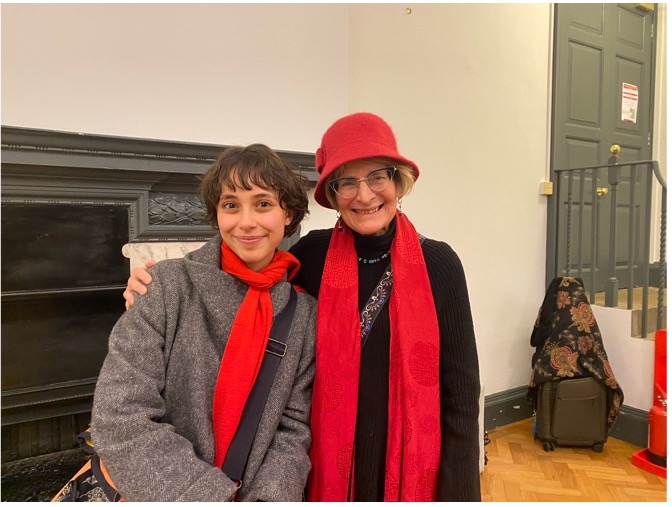
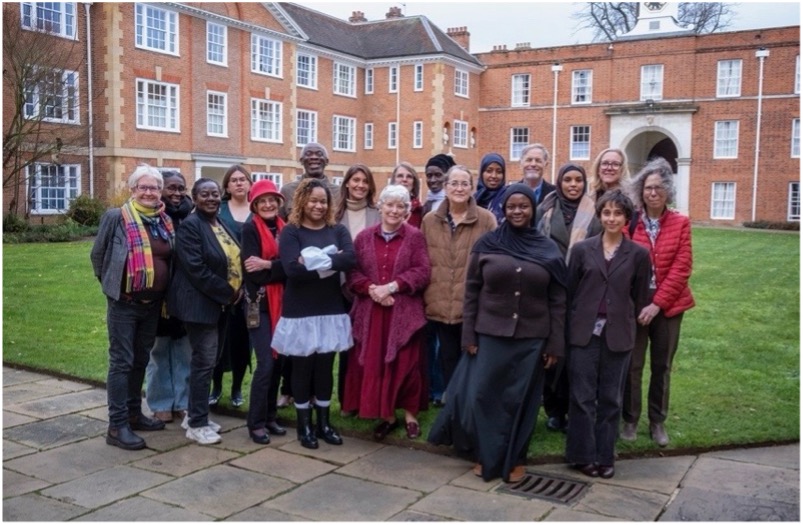
On the 5th of December 2025, Broken Chalk had the opportunity to join a crucial event on the topic of halting FGM/C, meeting with some of the most important advocates of recent years and sharing its FGM research.

The event was organised by Dr Tobe Levin Von Gleichen and sponsored by UnCUT/VOICES Press with support from LMH Vice Principal Dr Todd Huffman, and was held at Lady Margaret Hall, University of Oxford.

This event, unfolding over one day, gave space to several NGOs, advocates, and survivors to expose their history, missions, and projects’ development, allowing for the sharing of ideas and (many) debates.

The host and internationally recognised activist Dr Tobe Levin von Gleichen introduced the event. In this introduction, Dr Tobe presented crucial moments in the history of advocacy against FGM/C, some of which included her and other advocates present at the event.

Following this summary of selected histories, Britta Radike – a prize-winning photographer – shared with us some pictures taken in Ogaden, Uganda, Somalia, and Somaliland, with the  intention of including pictures featuring experts’ experiences in advocating against FGM as a form of prevention and care for survivors.

Similarly, Godfrey-William Okorodus, artist and advocate, uses art as a form of advocacy; he explained how he uses his art as a “privileged medium in ending FGM”, bringing this issue across countries, from Nigeria to Belgium; Godfrey creates paintings inspired by the issue of FGM/C and uses these paintings to create awareness, create communities of advocates and as a tool for people to learn about this issue.

On a different note, some experts brought UK-focused insights. Miriam Cissé, representing INTEGRATE UK, introduced us to their projects using film, education, and mentoring as exemplary media approaches for advocating to end FGM/C and supporting victims, a necessary asset in the UK, where FGM support for victims keeps being limited while the number of victims and survivors keeps increasing. On this point, INTEGRATE UK believes FGM training should be mandatory for all healthcare professionals likely to encounter survivors, and it should include cultural trauma awareness.

Aurora Almodori, Consultant Plastic Reconstructive Surgeon and Lecturer at the University College of London, also explained the current FGM context in the UK, where the number of survivors wanting reconstructive surgery increases whilst the research on the topic seems to remain still. Her research showed how the number of women born in FGM-practising countries and living in the UK increased by more than 100,000 in just a decade, and how health problems caused by FGM cost the NHS an estimated £100 million annually.

Another UK-based NGO is FORWARD UK, represented by Mariame Racine Sow. This women’s rights organisation led by African women aims at being an asset in the end of FGM/C by, in the first place, understanding girls’ and mothers’ relationship, understanding the psychology between them and the psychology behind the practice of FGM, and by also building schools linked to communities where there is high prevalence. From the same organisation, FORWARD, Isha Abdulkadir presented some of the exemplary projects of the organisation.

From a socio-historical perspective, Hillary Burrage, professor at Northwestern University, suggested a broader understanding of FGM and the issues around it, which are not often discussed or employed in the efforts to end FGM: Burrage enquired about the interconnection between safe access to water, land and income for women as a tool to end this practice. She believes these factors require careful consideration as they could be influencing FGM, the contexts and environments in which it occurs, yet there is not enough discussion and shared knowledge about how these specific factors can impinge in agrarian locations on the practice of FGM.

Other NGOs presented at the event were Wallace Global Fund’s Women’s Rights, represented by Susan Gibbs: this activist organisation proposes a focus on people-powered movements, and wants to use all possible tools for such empowerment, such as grant-making, investments, convening and advocacy. In particular, this organisation aims to spend out its entire endowment in 2026.

Another NGO, Hope for Girls and Women, France, was introduced by Elaine Rothman and Karin Benguigi: This association is dedicated to ending FGM and child marriage, supporting Rhobi Samwelly’s work – survivor and activist – specifically in Tanzania. It helps fund safe houses, girls’ education and supports the costs of rescuing and protecting girls from FGM. Similarly, Sahiyo, presented by Catherine Cox, wants to eliminate FGM/C by connecting, supporting, elevating, and advocating on behalf of stakeholders engaged in prevention, education, and care.

Many books were also presented during the event: Khady Koita, founder of La Palabre against gender-based violence in opposing FGM” presented “Mutilée”, Comfort Momoh MBE presented “the Routledge International Handbook of Harmful Cultural Practices”, and finally Katy Newel-Jones & Lotte Hughes presented a new volume of “FGM/C AFRICA AND THE DIASPORA, issues, debates and challenges.”

Finally, I – Matilde Ferrante – represented Broken Chalk. I introduced Broken Chalk, its structure and overall objective, and then I more specifically introduced our FGM team and its project, focusing on the connection between education and FGM. Our focus on education started what was defined as “an incredible debate, the best part of the event”, as some advocates believe that education is not a tool to end FGM and as other advocates – like us – believe it to be an important asset.

BROKEN CHALK REPORT – GLOBAL BACKLASH AGAINST WOMEN’S RIGHTS: ENDING VIOLENCE AGAINST WOMEN MEANS HALTING FGM – 05/12/2025, OXFORD AN INTERNATIONAL COLLOQUIUM ON ADVOCACY AND RESEARCH

Overall, it was an incredible opportunity to share insights, gain new knowledge and understand the development and projects of other organisations. It was a crucial step in the path to the end of FGM, allowing organisations from different countries to better understand how they are bringing different approaches to solve the same puzzle.


Colonial Relics in Tunisian Education

Colonial Relics in Tunisian Education

Colonial Relics in Tunisian Education

Written by Valeria Romano

INTRODUCTION

Education has a specific function in nation-building. Standardized education leads to the homogenization of representations and reasoning, creating a procrustean-minded population[i]. Education is the first lynchpin to build a cohesive society based on shared values and beliefs, as it allows state administration and legislation to deliver messages and socialize with its people. Schooling systems were deemed essential by colonial powers to maintain dominance in overseas territories. For instance, France established a homogeneous and highly centralized education framework in all its colonies, where educational buildings could not operate without permission and teachers had to follow a national curriculum provided by the colonial body. The goal was to impose French culture on the newly acquired territories.

This article will delve into education functioning as a colonial, oppressive framework. It will focus on the former French colony of Tunisia, presenting its history and describing relics of colonial scholastic legislation. Finally, the essay will look at contemporary academic trends in Tunisia.


HISTORY OF COLONIZED TUNISIA

In 1881, Tunisia became a French protectorate through a treaty. Although the French government did not appropriate land, France still controlled the region’s political and economic systems (Anon 2025). The French acquired most of the land privately, without direct assistance from authorities. However, the communal lands owned by the tribes, particularly the waqfs (inalienable property), could not be transferred to new owners. To stop this and facilitate the process of land acquisition for the colonial French, new laws enacted in the protectorate allowed for long-term lease (“Modern History of the Arab Countries by Vladimir Borisovich Lutsky 1969,” n.d.).[iii] Although the official language did not change, political communications had to happen in French. Moreover, Tunisian representatives had no autonomy in either international or domestic affairs. Thirteen districts of civil control were established throughout the country, except for the southern territories, which were directly controlled by the French military (idem.).motherland (Anon 2025).[vi]

In the 20th century, independence movements arose around the world. Habib Bourguiba became a prominent leader in the struggle for national autonomy, and in 1934, he founded the Neo Destour Party, which became the key force in the independence movement. After years of protests, negotiations, and increasing international pressure, Tunisia finally achieved independence from France on March 20, 1956, and Habib Bourguiba became the nation’s first president (Anon 2025).[vii]


EDUCATION FRAMEWORK

Colonization of Tunisia passed through the establishment of a novel educational framework; in particular, it represented a place where colonial settlers could learn the French language, thus, it represented the first pillar of cultural extension and domination. Educational systems in colonized territories were pivotal in constructing colonial hegemony and strengthening power relationships and control (Shaw 2024).[viii]

France’s colonial policies are composed of three phases: the 19th century, the 1900s until the end of the Second World War, and from 1945 to decolonization. The first stage is characterized by strategies of assimilation to transform Indigenous people into French people, with education seen as the primary tool to achieve such a goal. Cultural societies were degraded through the employment of textbooks teaching Indigenous children their habits and surroundings were inferior compared to the French lifestyle (Feldmann 2016).[ix]

At the beginning of the 20th century, adoption took over assimilation as the guiding concept of the educational framework. Now the curriculum is tailored to fit local environments. Instead of attempting to transform natives into Frenchmen, the goal was to allow them to gradually enhance their customary ways of life. The new strategies emphasized inequalities between the Indigenous masses, who were only granted basic levels of education, and European elites, who could access advanced education.  This adaptation policy stemmed from a heightened perception of European racial superiority and skepticism regarding the abilities of indigenous peoples (Feldmann 2016).[x]

Finally, with the era of independence movements, the education framework returned to being centered around assimilation. France aimed at creating replicas in the colonies’ schooling system. Although enrollment rose significantly, the system continued to be very selective.[xi]

In Tunisia, the proliferation of public schools aimed at political, social, and economic dominance by cultivating a future homogeneous and cohesive population. France strategically did not dismantle the Islamic education system to foster a dual Franco-Arab framework to cultivate a compliant elite and reduce insurgent tendencies (Ben Salah, Chambru, and Fourati 2022).

[xiii][xiv]


COLONIAL RELICS AND CONTEMPORARY FRAMEWORK

The legacy of French colonialism still negatively impacts educational outcomes in former colonies. From 1972 to 2012, these countries experienced significantly lower secondary school enrollment rates compared to nations without a colonial past, with gross enrollment rates at least 10 percentage points lower. Adults in these regions attained, on average, 1.6 fewer years of schooling. The effect was even more pronounced for female students, who experienced a 12-percentage point deficit in secondary enrollment, and received nearly 1.8 fewer years of education than their counterparts in other countries (Feldmann 2016). [xv]

[xvii]


CONCLUSION

Relics of colonial education policies still seep into post-independence societies. While such reforms may undermine a country’s cultural identity and social strategies, the colonial legacy should not be viewed through a strictly deterministic lens. As a matter of fact, as the case of Tunisia illustrates, correct educational policies, countering spatial inequalities strengthened by the French rules, change the academic outcomes of a country.


[i] Thomas Hylland Eriksen. 2001. Small Places, Large Issues an Introduction to Social and Cultural Anthropology. London [U.A.] Pluto Press.

[ii] 2025. Carthagemagazine.com. 2025. https://carthagemagazine.com/tunisias-rich-history-from-phoenicians-to-independence.

[iii] “Modern History of the Arab Countries by Vladimir Borisovich Lutsky 1969.” n.d. Www.marxists.org. https://www.marxists.org/subject/arab-world/lutsky/ch21.htm.


[iv] Idem.

[v]2025. Carthagemagazine.com. 2025. https://carthagemagazine.com/tunisias-rich-history-from-phoenicians-to-independence.

[v]

[vi] “Modern History of the Arab Countries by Vladimir Borisovich Lutsky 1969.” n.d. Www.marxists.org. https://www.marxists.org/subject/arab-world/lutsky/ch21.htm.

  1. Carthagemagazine.com. 2025. https://carthagemagazine.com/tunisias-rich-history-from-phoenicians-to-independence.


[viii] Shaw, Jilian.  2024. “Research Paper: The Impact of French Colonial Ideology on Educational Institutions in Algeria and Tunisia.” Laidlaw Scholars Network. September 16, 2024. https://laidlawscholars.network/documents/research-paper-the-impact-of-french-colonial-ideology-on-educational-institutions-in-algeria-and-tunisia.

[ix] Feldmann, Horst. 2016. “The Long Shadows of Spanish and French Colonial Education.” Kyklos 69 (1): 32–64. https://doi.org/10.1111/kykl.12102.

[x] Feldmann, Horst. 2016. “The Long Shadows of Spanish and French Colonial Education.” Kyklos 69 (1): 32–64. https://doi.org/10.1111/kykl.12102.

[xi] Feldmann, Horst. 2016. “The Long Shadows of Spanish and French Colonial Education.” Kyklos 69 (1): 32–64. https://doi.org/10.1111/kykl.12102.

[xii] Ben Salah, Mhamed, Cédric Chambru, and Maleke Fourati. 2022. “The Colonial Legacy of Education: Evidence from of Tunisia.” SSRN Electronic Journal. https://doi.org/10.2139/ssrn.4101795.

[xiii] Laidlaw Scholars Network. 2024. “Research Paper: The Impact of French Colonial Ideology on Educational Institutions in Algeria and Tunisia.” Laidlaw Scholars Network. September 16, 2024. https://laidlawscholars.network/documents/research-paper-the-impact-of-french-colonial-ideology-on-educational-institutions-in-algeria-and-tunisia.

[xiv] Ben Salah, Mhamed, Cédric Chambru, and Maleke Fourati. 2022. “The Colonial Legacy of Education: Evidence from of Tunisia.” SSRN Electronic Journal. https://doi.org/10.2139/ssrn.4101795.

[xv] Feldmann, Horst. 2016. “The Long Shadows of Spanish and French Colonial Education.” Kyklos 69 (1): 32–64. https://doi.org/10.1111/kykl.12102.

[xvi] “Addressing the Lingering Effects of Colonial Influence on Educational Institutions.” 2024. CEPR. September 30, 2024. https://cepr.org/voxeu/columns/addressing-lingering-effects-colonial-influence-educational-institutions.

[xvii] Fourati, Maleke. 2024. “Addressing the Lingering Effects of Colonial Influence on Educational Institutions.” CEPR. September 30, 2024. https://cepr.org/voxeu/columns/addressing-lingering-effects-colonial-influence-educational-institutions.


Staff, Editorial. 2024. “Tunisia’s Rich History: From Carthage to Independence.” Carthage Magazine. September 5, 2024. https://carthagemagazine.com/tunisias-rich-history-from-phoenicians-to-independence/.


“Modern History of the Arab Countries by Vladimir Borisovich Lutsky 1969.” n.d. Www.marxists.org. https://www.marxists.org/subject/arab-world/lutsky/ch21.htm.


“Modern History of the Arab Countries by Vladimir Borisovich Lutsky 1969.” n.d. Www.marxists.org. https://www.marxists.org/subject/arab-world/lutsky/ch21.htm.


Staff, Editorial. 2024. “Tunisia’s Rich History: From Carthage to Independence.” Carthage Magazine. September 5, 2024. https://carthagemagazine.com/tunisias-rich-history-from-phoenicians-to-independence/.


“Modern History of the Arab Countries by Vladimir Borisovich Lutsky 1969.” n.d. Www.marxists.org. https://www.marxists.org/subject/arab-world/lutsky/ch21.htm.


Staff, Editorial. 2024. “Tunisia’s Rich History: From Carthage to Independence.” Carthage Magazine. September 5, 2024. https://carthagemagazine.com/tunisias-rich-history-from-phoenicians-to-independence/.


https://laidlawscholars.network/documents/research-paper-the-impact-of-french-colonial-ideology-on-educational-institutions-in-algeria-and-tunisia


file:///C:/Users/Utente/Downloads/1801710074.pdf


https://laidlawscholars.network/documents/research-paper-the-impact-of-french-colonial-ideology-on-educational-institutions-in-algeria-and-tunisia


file:///C:/Users/Utente/Downloads/1801710074.pdf


https://onlinelibrary.wiley.com/doi/full/10.1111/kykl.12102


https://cepr.org/voxeu/columns/addressing-lingering-effects-colonial-influence-educational-institutions


Provocările educaționale în Portugalia: Provocările atenuării inegalităților socio-economice

Provocările educaționale în Portugalia: Provocările atenuării inegalităților socio-economice

Scris de Agnes Amaral

Tradus de Iasmina Stoian

Introducere

La sfârșitul anilor 1990, discuția privind educația în Portugalia se concentra pe necesitatea unei școli pentru toți, ceea ce implica trecerea la o educație mai interculturală. Acest lucru a făcut ca școlile bilingve să devină un model renumit, care s-a dezvoltat în țară în ultimii ani. Pentru secolul XXI, discuțiile au vizat orientarea educației copiilor în cadrul unei politici sociale și dezvoltarea dincolo de spațiul școlar. De exemplu, garantarea asistenței oferite începând cu vârsta de 11 luni, acordarea priorității educației în viața tuturor și adoptarea unui model de educație pe tot parcursul vieții. În plus, au fost întreprinse acțiuni pentru prevenirea abandonului școlar timpuriu. Conferința organizată în 2007 de Ministerul Educației din Portugalia[1] a fost relevantă în evidențierea acestor provocări și a altora din acea perioadă. Prioritatea guvernului a devenit o creștere mai inteligentă, mai durabilă și mai incluzivă în domeniul educației. Pentru a realiza securitatea socială, cum ar fi garantarea locurilor de muncă. Crearea unei reorientări către învățarea centrată pe elev, pentru a-i face capabili să facă față provocărilor competitivității și utilizării noilor tehnologii. Deși s-a înregistrat o creștere a clasamentului privind frecvența școlară și alfabetizarea în învățământul primar între 2021 și 2022, conform Raportului global privind diferențele de gen, inegalitatea în accesul la educație este încă o realitate. În Portugalia, contextul socio-economic al elevilor are un impact semnificativ asupra oportunităților lor academice.

Provocările educaționale în Portugalia: Provocările atenuării inegalităților socio-economice

Sursă: Fotografie de Kelly Sikkema  pe Unsplash


Consecințele pandemiei de COVID-19

Din cauza pandemiei de COVID-19, a crescut numărul elevilor anxioși și vulnerabili, deoarece predarea la distanță a dus la reducerea interacțiunilor sociale între elevi. Consiliul Național al Educației (CNE) raportează că 23 % dintre elevi ar fi putut să nu participe în mod regulat la activitățile școlare în timpul învățământului la distanță. Acest lucru a afectat în principal elevii care dispuneau deja de resurse financiare sau sociale mai reduse. Una dintre problemele întâmpinate a fost lipsa accesului la platformele digitale și la mijloacele de acces la acestea.


Solicitanții de azil

Există unele cerințe educaționale impuse de Guvernul Portugaliei care complică participarea solicitanților de azil la educație. Este necesar să se dezvolte activități pedagogice pentru nevoile specifice ale acestor elevi. Se poate observa diferența de rezultate în cazul elevilor proveniți din medii mai puțin privilegiate, cum ar fi imigranții[1]. Bariera lingvistică este, de asemenea, considerată o provocare în aceste situații. Există date care arată că elevii străini repetă cursurile în școala primară și secundară mai des decât colegii lor.[2]

Conform raportului DGEEC (2020), Profilul școlar al comunităților rome 2018/2019, ratele de retenție și abandon școlar sunt mai mari în rândul elevilor romi decât în rândul populației generale (15,6 % în învățământul primar și 12,6 % în învățământul secundar, față de3,7 % și 12,9 % pentru întreaga populație școlară). [3]


Învățământul superior

Conform OCDE, Portugalia are unul dintre cele mai scăzute procente de persoane cu vârsta cuprinsă între 25 și 64 de ani care au absolvit cel puțin învățământul superior. Acest număr devine și mai mic atunci când se face o comparație între sexe. În timp ce în științele naturale numărul de studente a crescut, în domeniile afacerilor, managementului și dreptului numărul acestora rămâne scăzut. [4]


Șomajul și nivelul de studii

În comparație cu alte țări, Portugalia are o rată ridicată a șomajului în rândul persoanelor cu diplomă de licență[5]. Proporția adulților care sunt șomeri de cel puțin un an în rândul tuturor adulților șomeri cu studii sub nivelul secundar superior este relativ ridicată.[6] Aceștia se confruntă cu mai puține oportunități din cauza lipsei pieței muncii care să angajeze persoane calificate. Cu toate acestea, guvernul încearcă să îmbunătățească această realitate cu programe precum Qualifica[7], care are ca obiectiv principal îmbunătățirea nivelului de calificare al adulților, contribuind la progresul calificărilor populației și la îmbunătățirea capacității de inserție profesională a persoanelor. Dar aceasta nu este încă realitatea în țară, care urmărește să atingă obiectivul de inserție profesională al Uniunii Europene (60%) până în 2030.


Concluzie

Putem concluziona că Portugalia are multe rezultate în favoarea sa. De exemplu, a înregistrat o creștere a numărului de studenți în învățământul universitar, susținută de programul Adult Impulse și programul Young Impulse STEAM, care demonstrează eficacitatea acțiunilor.[8] Cu toate acestea, contextul economic și social al studenților rămâne o problemă care afectează în mod direct oportunitățile lor de acces la învățământul superior. Cu toate acestea, așa cum s-a menționat anterior, guvernul a depus eforturi pentru a atenua aceste inegalități, în special în învățământul superior, cum ar fi inițiativa de a semna un acord tripartit pentru a sprijini studenții din domeniile tehnologice în 2021 [9] și în învățământul preșcolar. O altă inițiativă a fost crearea unui plan de îngrijire care prevede extinderea accesului la educație pentru toți copiii de la vârsta de 3 ani, cu școlarizare obligatorie. Creșterea numărului de profesori în acest domeniu poate fi considerată un factor eficient pentru evoluția proiectului. Cu toate acestea, există încă unele regiuni care beneficiază de mai mult sprijin decât altele[10], aspect pe care Portugalia trebuie să îl abordeze pentru a atenua o fractură mai clară în dinamica educațională a țării.


Bibliografie:

[1] Leite, C. (n.d.). DESAFIOS QUE SE COLOCAM À ESCOLA EM PORTUGAL [Review of DESAFIOS QUE SE COLOCAM À ESCOLA EM PORTUGAL]. https://repositorio-aberto.up.pt/bitstream/10216/132320/2/444121.pdf

[1] Carreirinho, I. (2021). Country Report: Portugal (ECRE, Ed.) [Review of Country Report: Portugal]. European Council on Refugees and Exiles. https://asylumineurope.org/wp-content/uploads/2022/05/AIDA-PT_2021update.pdf

[2] Education and Training Monitor 2022. (n.d.). Op.europa.eu. https://op.europa.eu/webpub/eac/education-and-training-monitor-2022/en/country-reports/portugal.html

[3] Direção-Geral de Estatísticas da Educação e Ciência. (n.d.). Direção-Geral de Estatísticas Da Educação E Ciência. Retrieved March 23, 2023, from https://www.dgeec.mec.pt/np4/97/

[4] Education GPS – Portugal – Overview of the education system (EAG 2019). (n.d.). Gpseducation.oecd.org. https://gpseducation.oecd.org/CountryProfile?primaryCountry=PRT&treshold=10&topic=EO

[5] Education GPS – Portugal – Overview of the education system (EAG 2019). (n.d.). Gpseducation.oecd.org. https://gpseducation.oecd.org/CountryProfile?primaryCountry=PRT&treshold=10&topic=EO

[6] Education GPS – Portugal – Overview of the education system (EAG 2019). (n.d.). Gpseducation.oecd.org. https://gpseducation.oecd.org/CountryProfile?primaryCountry=PRT&treshold=10&topic=EO

[7] +eficaz. (n.d.). Portal Qualifica. Www.qualifica.gov.pt. Retrieved March 23, 2023, from https://www.qualifica.gov.pt/#/

[8] Education and Training Monitor 2022. (n.d.). Op.europa.eu. https://op.europa.eu/webpub/eac/education-and-training-monitor-2022/en/country-reports/portugal.html

[9] ESTEL – Escola Profissional de Tecnologia e Eletrónica – Vídeos – E-volui. (n.d.). Retrieved March 23, 2023, from https://e-volui.pt/estel-videos/?dc=VideoEstel112

[10] Education and Training Monitor 2022. (n.d.). Op.europa.eu. https://op.europa.eu/webpub/eac/education-and-training-monitor-2022/en/country-reports/portugal.html