Educational Challenges in the Plurinational State of Bolivia: From Educational Barriers to a Mismatch of Skills

The Plurinational State of Bolivia has recently experienced several positive and negative developments. The KOF Swiss Economic Institute highlighted in 2019[i] that Bolivia kept an average rate of 4.9% growth in Gross Domestic Product (GDP), primarily due to its export of natural resources such as gold, zinc, silver, copper, and natural gas reserves. However, with a GDP of $3,117 per capita – significantly lower than its neighbours – Bolivia remains the poorest state in South America. The World Bank’s GINI coefficient index highlighted the high rate of income inequality: Bolivia scored 44.6 out of 100 in 2016 in income equality.

These developmental ups and downs are noticeable in several spheres, including the educational one. As Andersen et al. (2020)[ii] note, Bolivian education lacks statistical data because, in the last twenty years, the country has not participated in the major educational assessments usually conducted by international organisations like the OECD’s Programme for International Student Assessment (PISA) or the IEA’s Trends in International Mathematics & Science Study (TIMSS). This largely leaves researchers and policymakers clueless about what the main educational challenges are and which solutions can improve access to quality education for Bolivia to achieve timeously the fourth Sustainable Development Goal: to ‘ensure inclusive and equitable quality education and promote lifelong learning opportunities for all’.[iii] To get a more accurate picture of the state of education in Bolivia and the likelihood of those graduating from suitable and higher levels of education meeting labour market demands, information must be gathered from various yet credible sources.


Historical barriers to education

The Borgen Project, which aims to reduce global poverty through U.S. foreign policy, noted in 2015[iv] that approximately one in seven students in Bolivia do not finish their education. This leads to a majority of them not commencing secondary education. Albeit reducing the overall rate of illiteracy from 36.21% in 1976 to 7.54% by 2015[v], over a million Bolivians aged 15 and above remain illiterate. There are four reasons suggested for these issues: [vi]

  1. Although the majority of students come from indigenous backgrounds and speak Quechua or Aymara at home, classes are normally taught in Spanish;
  2. There remains a wide gap between rural and urban dwellers. Students in rural areas only complete an average 4.2 years of education before dropping out to support their families financially. In contrast, students in urban areas complete an average of 9.4 years of schooling;
  3. Education remains outside the purview of the state, which results in a lack of resources to create an environment conducive to students pursuing a good quality education; and
  4. In conjunction with the previous point, teachers continue to receive low wages and often go on strike, leaving students without access to education for days or weeks.

Some of the above issues stem from the historical development of education in Bolivia. Redin (2020)[vii] explains that, following the end of the military dictatorship, the neoliberal reforms between 1980 and 1990 increased support for ethnic diversity but reduced the state’s interference and social spending. This greatly impacted enrolment into public schools. The state was unsuccessful in its attempts to boost such enrolment by lifting rural families out of poverty and encouraging them to send their children to school. This failure inspired indigenous movements, such as the Native Peoples’ Educational Councils (CEPOS), as well as parents, to create their foundations to take matters into their own hands by empowering schools and teachers to deliver better quality education, considering and duly incorporating indigenous culture and language. Education thus developed into a privatised institution managed by society rather than by the state due to a ‘maldistribution process’ where civil political rights were being strengthened in exchange for reduced efforts towards social rights.[viii]


Access to education and accessibility

Another feature of Bolivia’s education system, noted by the qualitative study of Muyor-Rodriguez et al, (2021),[ix] is that public universities have failed to meet the educational needs of students with disabilities. Despite public universities’ commitments to provide access to education for all students under equal conditions, the participants of group discussions argued that there is a lack of equal value in the education received by students with disabilities in favour of ethnic or sexual diversity, which has excluded or stereotyped some disabilities.[x] Although Resolution No. 9/09 of 2009 exempted students with disabilities from taking admission tests to enter public universities, the degree of autonomy resulting from the co-governance-like system that exists between teachers and students, meant that some universities did not implement the policy.[xi] Participants also discussed the discrimination they experienced by professors who did not distinguish between the educational requirements for students with disabilities and those students without disabilities, and the prejudice resulting from a lack of resources for university personnel to meet their needs. The cumulative effect is the ineffective long-term management of the impact that campaigns from inclusivity bring.[xii]


Education since Evo Morales

With the election of Evo Morales as President in 2005, new efforts in the field of education aimed to decolonise the Bolivian curriculum from a ‘science-centred blanco-mestizo project’ of nationhood and instead shift towards an ‘equal space to science and ancestral knowledge’.[xiii] The government sought to establish an equilibrium that remains focused on developing scientific skills whilst continuing the intra-culturality of 1994 that retains the indigenous culture(s), history, and knowledge of Bolivian society. These changes have left teachers burdened with having to find creative methods to balance providing an education that will give learners the skills necessary to move to higher levels of education and giving them the required skillset to be absorbed by the labour market.[xiv]


Education does not meet labour market demands

Andersen et al. (2020) noted the mismatch between education and the labour skills demanded by the labour market, which resulted in many graduates failing to reap the rewards of their education between 2007 and 2017.[xv] Their analysis points out that those particularly affected by the systemic educational flaws are non-indigenous urban males, who remained without suitable income distribution throughout the first 15 years of education. KOF’s factbook establishes that large portions of Bolivia’s employed population operate in the primary sectors of agriculture, hunting, forestry, and fishing, as well as the secondary sectors of manufacturing, construction, mining, and industrial activities, standing at 27.4% and 22.6% respectively.[xvi] This is the consequence of what is referred to as the ‘Commodity Super Cycle’, which increased the demand for Bolivia’s primary export commodities, mentioned above, resulting in young men dropping out of school to take advantage of profits in these industries. Furthermore, it triggered what is known as ‘Dutch Disease’ in the construction sector.[xvii] This has created a vicious cycle of high commodity prices, leading to more land development that, in turn, requires more labour workers, who rely on on-the-job training rather than the attainment of particular levels of education. Thus, a labour market requiring equipped workers is created, preferring hands-on experience as opposed to theoretical knowledge.[xviii] A major concern of this mismatch is the increased rate of brain drain in Bolivia. By 2015, 799 605 Bolivians (roughly 7.5% of the national population), had emigrated, either to pursue higher levels of education or to reap the benefits of the education they have already received. As a result, Bolivia loses the benefits of the knowledge and skills attained by its students.[xix]

The outbreak of the Covid-19 pandemic serves as a force multiplier on these existing issues. As reported in the United Nations Children’s Fund’s (UNICEF) 2020 Country Report,[xx] a total of 2.9 million children have been left without access to education and the nutrition support systems that their schools provide. The pandemic has also highlighted the digital divide between urban and rural populations since having a stable internet connection is vital to access virtual educational services.

The future of education in Bolivia

The Bolivian government has made efforts to improve the state of education, as exemplified by the following:[xxi]

  1. It closed the enrolment between primary and secondary education based on income, gender, or ethnicity by 2017;
  2. It tripled the availability of teachers between 2000 and 2017. Now there is a fully qualified teacher for every 24 schoolchildren;
  3. 39% of all Bolivians were invested in some form of formal education by 2017; and
  4. UNESCO’s education indicator database explains that the government has invested an average of 7% of its GDP into education. This shows the government’s commitment to ensuring access to a free and public education of prime quality that accounts for diversity and provides equal opportunities and benefits without discrimination.

Bolivian students are preparing for changes in the external factors that govern the commodity cycle in Bolivia. As Andersen et al. stated, ‘it certainly seems better to err on the side of too much education rather than too little’.[xxii]

The Bolivian government must harmonise its resources with the private sector and other domestic stakeholders to improve the quality of education received and the returns necessary from the labour market that promotes an educational system that adds value and, in turn, creates value for the state and Bolivians at large. This positive cycle of development would also aid Bolivia in meeting its other SDG targets, including ending all forms of poverty, creating decent work opportunities, promoting economic growth that is sustainable and inclusive, and reducing levels of inequality alongside other states.[xxiii]


Written by Karl Baldacchino

Edited by Farai Chikwanha and Olga Ruiz Pilato


Endnotes


[i] KOF Swiss Economic Institute (2019) ‘KOF Education System Factbook: Bolivia’. KOF Education System Factbooks: Zurich, 1st Ed., pp. 3-5.

[ii] Andersen, L. E. et al. (2020) ‘Occasional Paper Series No. 63 – A Country at Risk of Being Left Behind: Bolivia’s Quest for Quality Education’. Southern Voices, p. 11.

[iii] United Nations Department of Economic & Social Affairs. ‘Goal 4’. Available online from: https://sdgs.un.org/goals/goal4 [Accessed on 28/02/2022].

[iv] Binns, M. (2015) ‘Top 4 Reasons Education in Bolivia Lags’. The Borgen Project. Available online from: https://borgenproject.org/top-4-reasons-education-in-boliva-lags/ [Accessed on 28/02/2022].

[v] Muyor-Rodriguez, J. et al. (2021) ‘Inclusive University Education in Bolivia: The Actors and Their Discourses’. Sustainability, Vol. 13. Available online from: https://doi.org/10.3390/su131910818 [Accessed on 28/02/2022], p. 2.

[vi] ‘Top 4 Reasons Education in Bolivia Lags’.

[vii] Redin, M. C. B. (2020) ‘Dilemmas of Justice in the Post-Neoliberal Educational Policies of Ecuador and Bolivia’.  Policy Futures in Education, Vol. 18(1), pp. 53-56.

[viii] Ibid., p.58.

[ix] ‘Inclusive University Education in Bolivia’, p. 3.

[x] Ibid., pp. 8-10.

[xi] Ibid., pp. 4 & 9-10 & 12.

[xii] Ibid., pp. 13-14.

[xiii] Ibid., pp. 58-59.

[xiv] Ibid., p. 61.

[xv] ‘A Country at Risk of Being Left Behind’, pp. 15-16.

[xvi] ‘KOF Factbooks’, p. 4.

[xvii] ‘A Country at Risk of Being Left Behind’, pp. 19-20.

[xviii] Ibid., p. 27.

[xix] Ibid., p. 21.

[xx] United Nations Children’s Fund (2020) ‘Country Office Annual Report 2020 – Bolivia, Plurinational State of’, p. 1.

[xxi] ‘A Country at Risk of Being Left Behind’, pp. 27-29.

[xxii] Ibid., p. 29.

[xxiii] Ibid., pp. 22-26.

Cover image taken from https://www.magisamericas.org/educating-for-transformation-through-community-partnership/ 


International Women´s Day 2022

International Women´s Day 2022

Joint Statement of 19 European Civil Society Organizations

To read the joint statement as PDF please click

Despite all the developments that we achieved as humanity women do not yet have equal rights and opportunities. Established inequalities in many cultures through practices of life makes the problem all the more difficult to solve. According to World Economic Forum‘s Gender Gap Index for 2020 there is still an average of 31% gap between men and women in participation in economic activities, access to education and health and holding political power.


This rather unacceptable inequality is the root cause of many concrete problems that toxicate both public and private life. As the conditions are primarily designed for men, it exposes women to sexual harassment and abuse in the workplace. An average of 38% of working women experience harassment in the workplace and suffer from its trauma in mental and physical ways for the rest of their lives. Another injustice is manifest regarding the wages: A female employee is paid 16% less than a male employee for the same job.


Despite the terrible fact that men killed 339 women in Turkey in the year 2021, the legal gap and insensitivity of the judicial mechanisms continue. The studies however show that if necessary legal regulations are made, femicide rate can decrease by 25% in a short while like a year While the solution of all these problems and more can only go through legislative and political decision-making processes, the representation of women in active politics is quite low. While only 13 heads of government and 9 heads of state are women worldwide, the average is slightly higher at the ministerial level with 22%. This rather weak representation makes it further difficult for women to participate in politics and to bring their issues to the public and political agenda.

Global disasters that intensified in recent years, such as climate crisis and Covid-19 pandemic should be addressed separately regarding their effect on these issues. Because women, who work in less secure jobs and spend most of their already less earning on family members, are exposed to disproportionate disadvantages in such emergencies and their hard-won rights are put at risk. Similarly, economic problems, uncertainty driven anxiety, restrictions on mobility and lockdowns not only intensify the existing problems and but also create new ones.


The problems experienced across the world were also experienced in Turkey and had a negative impact on life to a large extent. On top of that, there was a different crisis in Turkey as well, the democracy crisis. The ruling party withdrew from Istanbul Convention, of which it was a signatory and the judiciary of the country lost its independence and impartiality with a large disregard of universal legal norms. The decisions of the European Court of Human Rights, which are binding by the Constitution in the country, were given a deaf ear. Women and children who have been targeted by men in sexual, physical and verbal violence were left all the more vulnerable.


It is a reality of today’s Turkey, where some women are detained right after giving birth just because of belonging to an opposition group. It is also a reality where a great singer like Sezen Aksu is targeted in extreme words by the president of the country. In the current democracy crisis of Turkey, the oppositional groups are collectively accused of being terrorists and women among them are threatened with rape in prisons as they are seen as trophies by the goons of the government. The dose of torture, ill-treatment, threats and insults is increasing in the country each passing day. At the entrance to the prisons, the female prisoners and the women who came to visit them are subjected to strip search which continued on their period subjecting them to psychological trauma for the rest of their lives.


The scope and penetration of the problems faced by women require collective action with broad participation which starts with correct identification of the problems and awareness-raising. Because the indifference of those who see the problems as irrelevant to their persons causes them to worsen in the social sphere while the indifference of decision-makers in the political field encourages the perpetrators. Two issues are particularly important when conducting awareness-raising activities: First, in order to avoid learned helplessness caused by the long existence of the problem, the public attention should not only be drawn to negative situations and inspiring success and recovery stories should be promoted well. This will facilitate placing the problem in a more solution and action-oriented framework. Another important issue in the search for solutions is the consideration of cultural sensitivities. On the one hand, care should be taken to avoid conflict with these sensitivities, yet on the other hand, it should also be taken into account that the existing injustices are largely due to these sensitivities. In this context, a sociopolitical negotiation with established cultural practices around the anchorage of human rights references will contribute immensely.

As the Peaceful Actions Platform, we approve the agenda of international organizations working on this issue, especially that of the United Nations, and share with the public that we will continue our activities in the light of the above information. Women’s rights are human rights!


Challenges in the German educational system

Because of its well-structured and tough educational system, Germany is regarded for having exceptionally high academic standards. Students are rigorously assessed at each stage of their education, to the point where if a student fails to meet the required minimum grades in two or more classes, he or she must repeat the entire year to ensure that they always meet the requirements to advance to the next class level. The German educational institution is notable for its strong job stability, free qualified educators, low youth unemployment figures, classes that are tailored to the kids’ learning styles and positive manual labour. Germany, on the other hand, continues to have problems with its educational system.


Structure of schooling system

Germany have a 3-tiered system for secondary education that ranks students by their ability after finishing elementary school. This system then determines whether students will have access to higher education or not. Its education system separates students by their educational abilities, and the tracking starts since 4th grade, which is way too early.

The German states, with the exception of Bavaria, have abandoned the three-pathway model of academically oriented Gymnasium, vocationally oriented Realschule, and vocationally oriented Hauptschule. Apart from Gymnasium, the most common school types now offered are integrated (all three tracks combined), semi-integrated (Hauptschule and Realschule combined), and cooperative (all three tracks combined) (all or two tracks combined with tracking from grade 6).

Furthermore, its dual-track educational system divides pupils into those who are regarded qualified for higher education and others who are funnelled to vocational schools after finishing ten years of school, resulting in inequalities. As a result, many German students drop out of school and are instead placed in job preparation programs rather than vocational training programs. Differences in students’ learning and grading techniques, as well as varying tracking recommendations from their elementary school teachers contribute to educational challenges in German

Secondary education and has a major impact on a person’s career paths. Gymnasium schools cater to the most academically able students, leading to entry qualification for higher education. Realschule schools cater to more vocationally inclined students, leading to apprentice programs, technical schools, and access to Gymnasiums, and Hauptschule schools catering to students with low academic ability, social, or behavioural problems. These constitute the background and subsequent starting point for further education and training for German scholars. The German education system is determined by individual states of Germany, resulting in significant educational disparities.


Socio-economic backgrounds

In Germany, a child’s academic performance is intimately tied to their parents’ backgrounds, with immigrants and their offspring being disproportionately affected by structural inequality. Inequality in the German educational system is a well-known issue. Studies have shown for decades that pupils from more priveleged socioeconomic backgrounds routinely outperform their peers, even when they have similar cognitive aptitude. These children are more likely to be recommended for the top educational tracks in the country and to enter university.The education system is confronted by the challenge of creating equal opportunity for individuals with different backgrounds.

In 2018, UNICEF looked into the educational equity of preschool and school-aged children in 41 industrialised countries. Germany was ranked in the center of the group, ahead of the United States and Australia, but behind smaller economies like Lithuania, Denmark, and the number one country, Latvia.

Immigrant students and students from lower-income households are also less likely to advance in their education, as education in rural areas of Germany lags behind that in cities. German schooling has also been chastised for creating huge divides in educational opportunity between children from affluent families and disadvantaged children/children from immigrant families. Students from a higher socioeconomic background outperform their lower socioeconomic peers with identical cognitive ability, and they are also more likely to be recommended for the highest educational tracks in Germany and to enter universities. Children from migrant families are also four times more likely to be affected by social, financial, and educational risk factors, with students from Western/Northern European countries having a higher probability of having a university degree than students from Eastern Europe/Turkey.

Evidence shows that children from Turkish, Kurdish, or Arabic backgrounds  – known in Germany as “migrant” children even if they are second or third generation immigrants—are disproportionately represented in the lowest level Hauptschule, subjecting them to a cycle of marginalization.

Migrant children in Germany attend Hauptschule twice as often as those from similar socioeconomic backgrounds. Despite some progress, migrant children remain underrepresented in the highest-level Gymnasiums. In short, the German educational system fails to assist pupils in overcoming disadvantage and marginalization as a result of their background, including as ethnic or religious minorities.

Several elementary and secondary schools in Berlin isolate migrant children from native-born German students in separate classes, ostensibly because their German language abilities are insufficient for regular classes. In fact, despite the fact that they speak German as a second language, their language skills are generally sufficient for regular classes, but they function as a proxy for discrimination based on ethnicity or other questionable characteristics. The education provided in these segregated classrooms is far inferior to that provided in regular schools. Discriminatory practices stigmatize migrant students, impede their ability to properly integrate and contribute to the German society, and breach Germany’s duties under the ICCPR article 26, read combined with article 2, to ban discrimination.


Written by Lerato Selekisho


References

https://www.justiceinitiative.org/voices/hard-look-discrimination-education-germany

https://www.euractiv.com/section/non-discrimination/news/experts-criticise-inequality-in-german-schools/

https://tbinternet.ohchr.org/Treaties/CCPR/Shared%20Documents/DEU/INT_CCPR_NGO_DEU_14668_E.pdf

https://www.oecd.org/education/policy-outlook/country-profile-Germany-2020.pdf

https://www.deutschland.de/en/topic/knowledge/educational-equity-in-germany-current-challenges

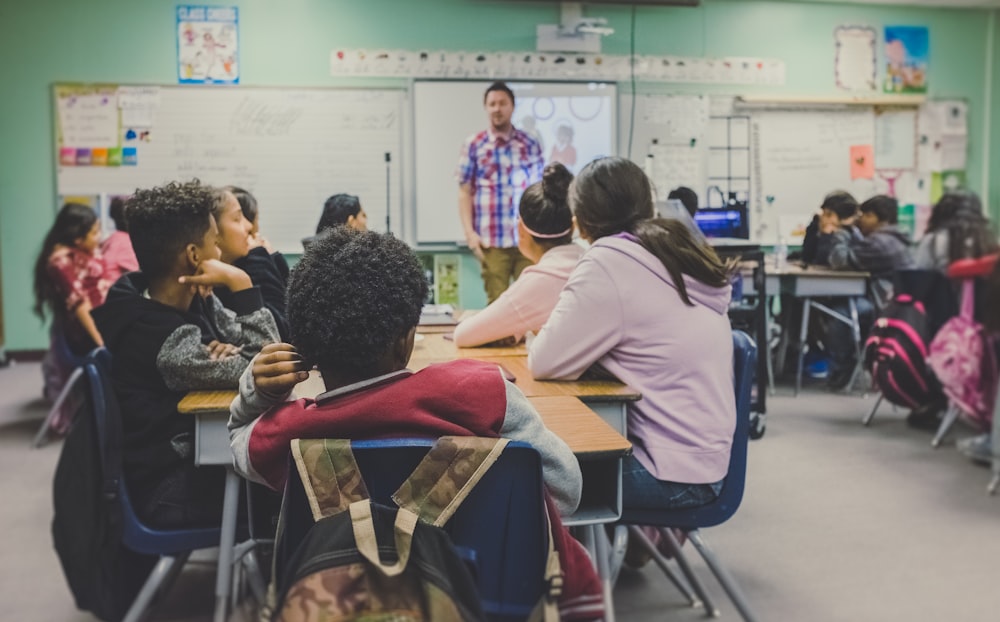
Image from https://community.rewire.to/group-of-school-kids-and-teacher-in-classroom/ 


Imprisonment of the innocent: Prof Laçiner

Who is Sedat Laçiner?

Sedat Laçiner is a Turkish professor born in Kirkale, Turkey. He is 49 years old and has been imprisoned since the summer of 2016. Professor Laçiner’s educational path began in Turkey where he graduated high school and completed hisbachelor’s degree in Ankara. He started his master’s degree in Political Science in Turkey butafter receiving a scholarship from the Ministry of National Education, he finished his degree in the United Kingdom. Upon completing his master’s degree in 2001, he obtained his Ph.D. at King’s College University of London. In 1994 Sedat Laçiner was appointed as the Prime Minister’s correspondent and has, to date, written multiple articles. He was a member of the Higher Education Council (YÖK), the National Committee of Turkish-Armenian Relations (TEİmK), and was appointed as the director of the Centre for Strategic Studies at Canakkale Onsekiz Mart University in 2003. From 2004 to 2010 he presidedthe International Institute for Strategic Studies (USAK). On March 15, 2011, Laçiner was appointed rector of Canakkale Onsekiz Mart University (ÇOMU) at the age of 38, which made him the youngest rector in Turkey. In 2006 he was awarded the prize “2006 Young Global Leader” and is still the first and only person in Turkey to be nominated for a title in the field “intellectuals”. Professor Laçiner is the author of 26 books in both Turkish and English.

Turkey’s coup attempt

The president of Turkey, Recep Erdogan, has a controversial style of leadership. It is a dubious form of democracy. Upon undertaking the presidency, Erdogan took over the media, dropped the charges of the previously convicted governmental ministers and their families, and has been involved in a huge corruption scandal. In 2014, he charged Fetullah Gulen with organizing a “parallel state structure” which was an act of competitor elimination. His actions have resulted in widespread disapproval and urge for change. In 2016, the inevitable happened – a coup d’état took place. Via a broadcaster, a faction of the army announced that “it had seized power to protect democracy from Recep Erdogan”. Despite its failure and rapid disappearance, sources suggest there were over 1,400 wounded and some dead in the process. The 7,000 people arrested included high-ranking soldiers, judges, and teachers, amongst others. According to various sources, the coup did not succeed because it did not have the needed support from civil citizens, who needed to push the “change”. When Erdogan took control over the situation, he blamed the US-based cleric Fethullah Gulen immediately. The coup is also majorly viewed as an excuse for Turkey’s current president to consolidate his power. Today over 20,000 people remain imprisoned.

Why is Sedat Laçiner in prison?

In 2018, Sedat Laçiner was sentenced to 9 years and 4 months in jail. During the process, some prosecutors wanted life imprisonment and discussions on re-establishing the death penalty arose. In one of Laçiner’s letters to his family, the former rector states: “After eight months there is still no single legal evidence for the accusation, namely attempting to remove the Erdogan government. The indictment even accepts that I have no violent or forceful action, behaviour, or activity.” He also states that he had no access to a lawyer and his file was kept away from him, which amounts to a violation of his right to a fair trial and as such, one of his fundamental human rights. The former rector was accused of being part of the “Gülen” movement and was kept in custody without sufficient evidence proving his liability.

According to Laçiner’s family, he has been charged with terrorism offenses in connection with FETÖ – the Fethullah Gülen Terrorist Organisation, which is the term the Turkish government uses to refer to the Gülen movement. FETÖcomprises of followers of the moderate Islamist preacher Fethullah Gülen and his brother, Vedat, who also an academic, but has been given no details of what they are supposed to have done to warrant being charged. Both are being held at the Çanakkale E Type Closed Prison (Malley, 2017).

The accusations include that the Gülen movement was an “armed terroristic act”, but until this day there is no evidence to back these charges. Despite Erdogan’s views, the world is taking a stance in favour of the ones suffering by his iron-fist regime. Unfortunately, there are over 200,000 innocent people arbitrarily detained – a number that illustrates how the presumption of innocence is not the Turkish government’s concern.

Original text by Ivan Evstatiev

Edited by Olga Ruiz Pilato

Sources

Malley, B. M. (2017, April 6). Is imprisoned academic a victim of a mass witchhunt? University World News. Retrieved February 22, 2022, from https://www.universityworldnews.com/post.php?story=2016111800050457

TurkeyPurge. (2017, September 25). Turkish professor Sedat Laciner, under pre-trial detention for 26 months, gets 9 years in jail | Turkey Purge. Turkeypurge.Com. Retrieved February 22, 2022, from https://turkeypurge.com/turkish-professor-sedat-laciner-under-pre-trial-detention-for-26-months-gets-9-years-in-jail

www.sabah.com.tr. (2016, July 23). Eski rektör Sedat Laçiner tutuklandı. Sabah. Retrieved February 18, 2022, from https://www.sabah.com.tr/gundem/2016/07/23/eski-rektor-sedat-laciner-tutuklandi

Chapter B: Access to Education, Participation and Progress – Summary B3

B3 Who is expected to graduate from upper secondary education?

Gender profile of upper secondary graduates

An upper secondary qualification is generally the minimum requirement to integrate the labor market and necessary for continuing to further education. Young people who did not have the opportunity to finish high school face challenges in the labour market, including worse employment prospects. Moreover, men and women do not make similar choices, which explains their offers for higher education and their job opportunities. An additional indicator that can explain the non-completion of upper secondary programme is the socioeconomic background of students. Therefore, the analysis of these choices and their outcomes is very important to guaranteeing inclusive educational opportunities and defining policies that address inequalities.


Upper secondary graduation, by programme orientation

Vocational pathways are important components of upper secondary education in many OECD countries, and key opportunities for students to gain practical work experience for their future careers. Three years ago, on average across OECD countries, 38% of upper secondary graduates obtained a vocational qualification, ranging from 6% in Canada to 76% in Austria.

In general, men tend to be more interested by a vocational pathway than women (Education at a Glance Database). On average across OECD countries, in 2019, women enrolled in upper secondary graduates represented 55%, and 45% in vocational programmes, which explains the lower number of men enrolled in higher education programmes.

Upper secondary vocational graduation, by field of study

The choice of field of study when aiming for vocational education is intrinsically connected to employment outcomes and career choices. Nonetheless, choices of field of study differ by gender. Social perceptions of the role of men and women can explain the choice of careers, as well as natural inclination and preferences. A significant share of students in upper secondary vocational education graduated from engineering, manufacturing, and construction programmes in 2019, followed by business, administration and law (17%); services (17%); and health and welfare (12%).

Moreover, women are more inclined to choose subjects in the field of business, administration, and law as well as health and welfare. On the other hand, men are more interested by studying engineering as well as information, communication, and technology, which are in great demand in the labour market in OECD countries. Indeed, these differences can be explained through cultural and traditional perceptions of the role of women and men in particular career pathways. Some studies have demonstrated that these gender differences in the choice of field of study are reflected in the career expectations of 15-year-olds: on average across OECD countries, only 14% of the girls who were top performers in science or mathematics aimed to pursue a career in science or engineering, compared with 26% of the top-performing boys. During the global pandemic, most of the health-care workforce in the frontline were females (Gabster et al., 2020). The shortages of nurses across OECD economies have shed light on the importance for governments to ensure that more men apply in this field in order to resolve the resource issue in the health sector and tackle an ignored gender gap.

Gender profile of post-secondary non-tertiary graduates

Another category of post-secondary non-tertiary programmes (ISCED level 4) are offered in OECD countries. These programmes are between upper secondary and post-secondary education and may be considered either upper secondary or post-secondary programmes, depending on the education system of the respective country. However, these types of programmes are not significantly higher than upper secondary qualification, since they only expand the knowledge of students who have graduated with upper secondary qualifications. Only vocationally oriented, post-secondary non-tertiary programmes are generally less prominent in the educational landscape in comparison to other levels of education. In 2019, post-secondary non-tertiary education was constituted by only 1% of 15- to 19-year-olds enrollment rate.


Post-secondary non-tertiary graduation, by programme orientation

On average across OECD countries, approximately 95% of post-secondary non-tertiary first-time graduates have graduated from vocational programmes. The level of professionalism after graduating from these educational programmes is quite high since graduates are expected to directly integrate in the labour market.


Post-secondary non-tertiary graduation, by field of study

On average across OECD countries, 23% of post-secondary non-tertiary graduates in vocational programmes specialised in health and welfare; 21% in engineering, manufacturing and construction; and 18% in both business, administration and law and services. On average across the latter, women represent 54% of post-secondary non-tertiary vocational graduates.

However, this is not the case in all countries. It ranges from 23% in Luxembourg to 76% in Poland. Two factors can explain these variations: 1) women have a higher graduation rate in upper secondary vocational education than men so they are more likely to continue their studies in post-secondary education and, 2) the high number of female students represented in certain broad fields of study such as health and social welfare, and business, administration and law – fields which are very frequent in short-cycle tertiary vocational education at tertiary level, but especially in post-secondary non-tertiary education (OECD, 2020[2]). Furthermore, in most countries with available data, female students represent more than half of post-secondary non-tertiary graduates from vocational programmes.


First-time graduation rates

Upper secondary education is internationally considered as the minimum level of qualification for successful integration into the labor market and almost mandatory to pursue further education. The consequences of failing this level of education on time can be damaging to both individuals and society. In addition, graduate rates can be considered as a key indicator of whether governments have invested enough to increase the number of students graduating from upper secondary education. Therefore, the contrast in graduation rates among countries reflect the difference of educational systems and programmes available as well as current social norms and economic performance. 80% of adults before the age 25 should enjoy a first-time graduation from upper secondary education, if current graduation patterns continue on average across OECD countries.

Post-secondary non-tertiary graduation rates

First-time graduation rates from post-secondary non-tertiary education are generally lower than those from upper-secondary programmes. On average, 6% of today’s young adults in OECD countries will finish post-secondary non-tertiary programmes before they turn 30 if current graduation patterns continue.


Sources

Summarized by Faical Al Azib from OECD, Education at a Glance 2021: OECD Indicators – Indicator B1; B2; B3. Access to Education, Participation and Progress: https://www.oecd-ilibrary.org/docserver/b35a14e5-en.pdf?expires=1645351809&id=id&accname=guest&checksum=0B361D22CD2C8DE309F5589F172BD8A2

Chapter B: Access to Education, Participation and Progress – Summary B2

B2 How do early childhood education systems differ around the world?

Enrolment of children under age 3

It is important for children to have access to high quality early childhood education and care (ECEC) for their development and well-being. The age at which children are likely to begin attending school can vary depending on certain factors such as, the availability and length of parental leave, as well as the typical starting age for ECEC. Moreover, the role of women in the society and, more specifically, in the labor market can be an additional indicator for the starting attendance of children into school.

On average across OECD countries, a significant increase in the enrolment of young children under the age of 3 has occurred in most OECD countries since 2005. However, not all countries have had the same pace. Some of them have invested more than others, which resulted in a drastic expansion of ECEC for children under age 3 in recent years. For example, Korea had the largest expansion between 2015 and 2019, with an increase of 13 percentage points in the enrolment of children under 3.

This expansion of ECEC, especially in Europe, can be explained through the objectives set by the European Union (EU) at its Barcelona 2002 meeting to supply subsidised full-day places for one-third of children under the age of 3 by 2010. This expansion can also be explained through the increase in women’s participation in the labour market, particularly for mothers with children under three. The data shed light on this correlation, by demonstrating the countries with higher enrolment rates of children under 3 in 2019 are those that are witnessing the highest employment rates of mothers (Table B2.1 in OECD (2018)).

Unfortunately, the affordability and access to ECEC for very young children is still perceived as a programme reserved for certain social classes. Indeed, despite government efforts to increase the affordability and accessibility of such early childhood development services, it is still too dependent on private sources of funding. Data from the EU Statistics on Income and Living Conditions (EU-SILC) Survey highlight that on average across European OECD countries, 0- to 2-year-olds in low-income households were one-third less likely to participate in ECEC. The difference between low-income and high-income households can vary from one country to another. For example, France and Ireland have approximately 40 percentage points of difference between families from the two social classes, whereas in Denmark there is a high participation rate of young children in ECEC regardless of parent’s income level (OECD, 2020).

Enrolment of children from age 3 to 5

Studies have revealed that an early start to a quality education can help children’s development and can be positive to prepare them for school. Therefore, this matter has been the focus of policy reform for a decade. In the past, most OECD countries had an educational system that only started from primary school. With time, these countries have realised the importance of developing ECEC for younger children.

An interesting phenomenon is the high rates enrolment of 3- to 5-year-old children in ECEC, with 87% on average across OECD countries, even though ECEC programmes are not compulsory in all countries. However, lower enrolment in ECEC can be the result of insufficient places available, lack of awareness by parents of the importance of ECEC or limited public coverage of early learning settings (OECD, 2017).

For the last ten years, enrolment of 3- to 5-year-olds in education has been developing as the fruit of the extension of compulsory education to younger children, the increase of governmental subsidies towards ECEC for some ages and targeted population groups, and universal provision for older children. Across OECD countries and its partners, there was an increase of 2 percentage points on average enrolment of 3- to 5-year-olds in pre-primary and primary schools, between 2015-2019.

Up until today, there is an ongoing debate about the appropriate age at which children should transition to primary education across most OECD countries. Indeed, ECEC programmes are usually designed to develop the cognitive, physical, and socio-emotional skills needed to participate in school and society. On the other hand, primary education aims to give pupils and a sound basic education in reading, writing and mathematics, along with preliminary understanding of other subjects (OECD/ Eurostat/UNESCO Institute for Statistics, 2015). Moreover, some studies state that children below the age of primary school should be free for their personal development, before focusing in a more academically oriented programme (OECD, 2017).

Regional variation in the enrolment of 3- to 5-year-olds 

The foundations of sustainable learning for all children and supporting the main educational and social needs of families, are fair access to quality ECEC. However, the equitable access to quality ECEC is hindered depending on the geographical location, especial in rural regions where there are undeveloped public transportation infrastructures, and commuting can prove exhausting. Therefore, the percentage rate of participation in ECEC among 3- to 5-year-olds at national level can be associated with the regional socioeconomic situation. Furthermore, the ratio of children to teaching staff is a key indicator of the resources allocated to education. On average across OECD countries, every teacher is responsible of a class of 15 students in pre-primary education. Since 2015, the number of children per teaching staff at pre-primary level decreased across most OECD and partner countries. And this is an indicator that most countries are investing more resources to develop a closer interaction between the teacher and his/her students. In addition, it is also an indicator of stronger growth in the number of teachers compared to the number of children enrolled in pre-primary education.

Child-staff ratios 

It is proven that inspiring environments and high-quality pedagogy are stimulated by well qualified practitioners, and that closer child-staff interactions facilitate better learning outcomes. Therefore, smaller numbers of students per class, allow professors to focus more on the needs of individual children and reduce the amount of class time spent addressing class disruptions (OECD, 2020).

Financing early childhood education and care

Sustainable public subsidies to support the development of ECEC programmes are essential. In fact, appropriate funding aids in the recruitment of qualified trained staff, who will in turn support the growth of ECEC programmes. Additionally, investment in infrastructure would support the development of child-centered environments for well-being and learning. In sum, insufficiently subsidised ECEC can influence the ability of some parents from disadvantaged socio-economic backgrounds to enroll their children in these programmes.

Expenditure per child

In pre-primary education, annual expenditure for both public and private settings is approximately USD 9300 per child on average in OECD countries in 2018. Additionally, spending on ECEC can be studied as an expenditure relative to a country’s wealth. Indeed, expenditure on all ECEC settings accounted in 2018 for an average of 0.9% of gross domestic product (GDP) across OECD countries, of which two-thirds was allocated to preprimary education. The expenditures can vary due to the differences of enrolment rates, legal entitlements, and the intensity of participation, as well as the different starting ages for primary education.

Public and private provision and funding of early childhood education and care 

The type of ECEC programmes and its expansion are the reflection of parent’s needs and expectations regarding accessibility, cost, programme, staff quality, and accountability. Usually, when these important conditions are not met by public institutions, some parents may be more interested to enroll their children into the private ones (Shin, Jung and Park, 2009).

Private institutions can be categorised as independent and government dependent. Independent private institutions are owned by a non-governmental organisation or by a governing board not selected by a government agency and receive less than 50% of their core funding from government agencies. Government-dependent private institutions have similar governance structures, but they rely on government agencies for more than 50% of their core funding (OECD, 2018). The data showed that in most countries, the number of children enrolled in private institutions is much higher in early childhood education than at primary and secondary levels. On average across OECD countries, about half of the children in ECEC and a third of those in pre-primary education are enrolled in private institutions. Despite the increasing public funds allocated to public ECEC and pre-primary education institutions, the private ones are still better quality due to its higher funding from more diverse donors. Consequently, early childhood education is still perceived as a luxurious choice for many parents, particularly when they have children under the age of 3.


Sources

Summarized by Faical Al Azib from OECD, Education at a Glance 2021: OECD Indicators – Indicator B1; B2; B3. Access to Education, Participation and Progress: https://www.oecdilibrary.org/docserver/b35a14e5en.pdf?expires=1645351809&id=id&accname=guest&checksum=0B361D22CD2C8DE309F5589F172BD8A2

Chapter B: Access to Education, Participation and Progress – Summary B1

  1. B1 Who participates in education?

Compulsory education

In most OECD countries, compulsory education starts in general with primary education; by the age of 6. However, there are some varieties among OECD and partner countries. Some countries have an educational system that requires parents to enroll their children to compulsory education at an earlier age; while in other countries such as Estonia, Finland, Indonesia, Lithuania, Russia, and South Africa the primary school only begins at the age of 7. Compulsory education usually ends with the completion or partial completion of upper secondary education at the age of 16 on average across OECD countries. Moreover, on average across OECD countries, full enrolment (the age range when at least 90% of the population is enrolled in education) lasts 14 years, starting from the age of 4 to the age of 17. The period of the latter lasts between 11 and 16 years in most countries and reaches 17 in Norway.

In sum, in all OECD countries, compulsory education comprises primary and lower secondary education. In most countries, there is almost universal coverage of basic education, since enrolment rates among 6- to 14-year-olds reached or exceeded 95% in all OECD countries.


Participation of 15-19 years-olds in education

With time, countries have improved their upper secondary programmes in terms of diversity. This phenomenon is the result of the increasing demand for upper secondary education and the aftermath of significant changes in curricula and labour-market needs. Indeed, curricula have developed, from general and vocational programmes to offering more comprehensive programmes that include both types of learning, leading to more academic and professional opportunities.

On average across OECD countries, 84% of the population is enrolled in education between the age of 15 and 19. The highest share of enrollments rate is in Belgium, Ireland, and Slovenia, with 94%. However, the enrolment rate did not improve in all OECD countries; for example, Germany, Hungary, and Iceland have witnessed a fall of more than 3 percentage points among 15- to 19-year-olds. Therefore, the share of students enrolled in each education level and at each stage shed lights the various educational systems and directions among countries. The highest rate of diversification in terms of academic and professional choices, is when students reach the age of 18 years old.

An additional important factor to analyse the data on ‘’Who Participates in Education?’’, is the education enrolment per gender. Indeed, studies show that female students outnumber male students in almost all age groups and at all education levels. The difference of enrolment rates can be explained through school drop-out and, indirectly, to lower school performance and grade repetition. On average across OECD countries, boys are more likely to repeat a grade in general programmes than girls and represent 61% of the repeaters in lower secondary education and 57% in upper secondary education. Consequently, women have higher enrolment rates and better performance, while repetition rates are higher among men. However, the share of repeaters varies by country with its respective educational system and by educational level.

Participation of 20- to 24-year-olds in education

A general indicator of the transition from secondary to tertiary education is the decrease of enrolment rates on average. The average enrolment rate of 20- to 24-year-olds age group across OECD countries is almost the half of 15- to 19-year-olds: only 41% of the population aged 20-24 is enrolled in education. On average across OECD countries, 37% of the female population in this group age and 29% of their male peers are enrolled in tertiary education. The gender gap in enrolment increases even more with this age group.


Participation of adults aged 25 and older in education

Among this age category, the enrolment in education becomes less common. Indeed, the OECD average enrolment rate in all levels of education reaches 16% among 25- to 29-year-olds. Moreover, the gender gap also decreases since enrolment rates are lower above age 24. Enrolment rates are only 1 percentage point higher for 25- to 29-year-old women on average. And finally, the OECD average enrolment rate for the population aged 40 to 64 is 2%.


Subnational variations in enrolment

Subnational variation in enrolment patterns emphasises on the equality of access to education across a country, as well as long term labour-market opportunities and the value of durable learning for levels beyond compulsory education or tertiary education. In addition, in more than half of the countries with data available, the difference of the enrolment rate between subnational regions is more significant than the difference of national rates across various OECD countries.


Sources

Summarized by Faical Al Azib from OECD, Education at a Glance 2021: OECD Indicators – Indicator B1; B2; B3. Access to Education, Participation and Progress: https://www.oecd-ilibrary.org/docserver/b35a14e5-en.pdf?expires=1645351809&id=id&accname=guest&checksum=0B361D22CD2C8DE309F5589F172BD8A2

Challenges In The Educational System of South Africa

In order to comply with both national and international human rights standards, South Africa must tackle several obstacles in their educational sphere. This article will present some of the most prevalent educational challenges in the country.


Infrastructure

One of the main problems in the educational sector today is the facilities available to students. It is of utmost importance that schools include facilities that are safe and secure for children, and the necessary equipment for students to pursue their education. According to Equal Education (EE, 2016) in 2013, the Minister of Basic Education, Angie Montshegka, accepted a law obliging schools throughout the country to have at least water, electricity, internet, safe classrooms with up to 40 students in class, security, and the necessary facilities to study and practice different sports. Although the target was set for 2016, today, many schools have problems far worse than a bad internet connection. The country is looking towards meeting the set goals, but there is still a long way to go. Numerous articles highlight reported deaths of learners due to poor facility infrastructure. Additionally, the inadequate sanitation of the schools is an issue that affects students’ health. An example of this is seen in their toilets and pit latrines, where students are at risk of health issues in light of their improper hygiene. These obstacles prevent students from focusing on their education and development.


Inequality in education

Inequality is largely visible in South African schools. According to Amnesty International, children in the top 200 schools score higher in maths than children in the other 6,600 schools. Other statistics highlight that more than 75% of nine-year-olds cannot read for meaning. In some provinces, the percentage is as high as 91%. The educational system is still healing from the Apartheid era, resulting in children being treated differently because of their background, wealth, or skin tone. The Quality of Primary Education in South Africa, a UNESCO report, states that, theoretically, all children have equal access to the three levels of education in the country. However, many institutions schooling students from low-income communities have failed to improve the quality of education they provide. The government must tackle the problem of poverty and education.

Poor education

Furthermore, the schools’ quality of education is a prevalent issue in South Africa. According to research undertaken by Gustafsson in 2021, the retirement of teachers in South Africa will reach a peak number by 2030, which will consequentially result in the need for newly trained educators and the restructuring of classrooms and institutions. Currently, half of the classes have 30 students per class, but the other 50% can exceed up to 50 children in a class. To reduce the numbers, it is estimated that around 100,000 new teachers enter the educational system, which requires largescale training and financing.

Another challenge that the educational sector in South Africa faces today is the quality of the instructors. Over 5,000 of the current teachers are underqualified for their profession. Instructors are not competitive in the job market; they have little understanding of the curricula and no pedagogic competency, leading to students graduating from school without the necessary knowledge.


Cycle of illiteracy

Finally, according to the OECD Report from 2019, South Africa has the highest share of people aged between 20 to 24 in the NEET sector (neither employment nor education). South Africa scored almost 50% on this criterion, the largest of all the countries examined by the OECD report. Professor Khuluvhe’s 2021 report discusses the seriousness of the illiteracy problem, stating that, in 2019, the rate of illiterate adults (over the age of 20) was 12,1%, or around 4,4 million. This equates to a considerable part of the population not achieving a 7th grade or higher level of education. Illiteracy poses far-reaching consequences for the population, including uneducated offspring and non-contribution to the society, thus harming the country’s economy. South Africa needs to tackle this issue and minimise the percentage of illiteracy as far as possible.


References

1. EE. (2006, July 19). School Infrastructure. Eqaleducation.Org.Za. Retrieved February 17, 2022, from https://equaleducation.org.za/campaigns/school-infrastructure/

2. Amnesty International. (2020, February 7). South Africa: Broken and unequal education perpetuating poverty and inequality. Www.Amnesty.Org. Retrieved February 17, 2022, from https://www.amnesty.org/en/latest/news/2020/02/south-africa-broken-and-unequal-education-perpetuating-poverty-and-inequality/

3. Gustafsson, M. (2021, August 26). A teacher retirement wave is about to hit South Africa: what it means for class size. The Conversation. Retrieved February 17, 2022, from https://theconversation.com/a-teacher-retirement-wave-is-about-to-hit-south-africa-what-it-means-for-class-size-164345

4. Khuluvhe, M. K. (2021, March 1). Adult illiteracy in South Africa. Www.Dhet.Gov.Za. Retrieved February 17, 2022, from https://www.dhet.gov.za/Planning%20Monitoring%20and%20Evaluation%20Coordination/Fact%20Sheet%20on%20Adult%20Illiteracy%20in%20South%20Africa%20-%20March%202021.pdf

5. Editor. (2019, December 27). Opinion: The Challenges Facing The Education System In South Africa. iAfrica. Retrieved February 17, 2022, from https://iafrica.com/opinion-the-challenges-facing-the-education-system-in-south-africa/

Summary of Indicator D4. How much time do teachers and school heads spend teaching and working?

Statutory working and teaching hours only partially determine the actual workload of teachers and school heads, nonetheless they do help understanding what is expected from teachers and school heads in different countries.

Together with salaries (see Indicator D3) and average class sizes (see Indicator D2), this indicator presents some key measures of the working lives of teachers and school heads. Furthermore, it can affect the amount of financial resources countries allocate to education (see Indicator C7).

Teaching Time of Teachers

On average, across OECD countries and economies, pre-primary teachers are required to teach 989 hours per year (for 195 days). At the pre-primary level there is the most variation in hours required (from 532 hours of teaching per year in Mexico to 1,755 in Germany). These variations result from the combination of school year length and number of teaching hours per day.

The OECD daily teaching average is of more than 4 hours per day (791 hours per year) in primary school.

Whereas lower secondary school teachers teach on average 723 hours per year. However, teaching time varies considerably depending on country (from less than 600 hours in Finland to more than 1000 hours in Costa Rica, see Figure D4.1).

In some countries, the teaching time requirements may vary during a teacher’s career. For example, new teachers may have a reduced teaching load to give them time to settle in and older teachers may have reduced teaching load to allow them to keep teaching despite their age.

Therefore, teaching time tends to decrease as the level of education increases. The exceptions are Chile and Scotland (UK), where teachers are required to teach the same number of hours at all levels of education.

The largest difference in teaching time requirements is between the pre-primary and primary levels of education. In the Czech Republic, Estonia, Germany, Hungary, Latvia and Slovenia, pre-primary school teachers are required to teach at least twice the number of hours per year as primary school teachers (see Figure D4.1)

Statutory teaching time refers to teaching time as defined by regulations. However, actual teaching time is the annual average hours spent teaching students, including overtime. Hence, the data suggests that the two parameters do not always coincide. Indeed, in Poland, lower secondary teachers teach 21% more hours than what is defined by regulations.

Teaching Time of School Heads

In almost half of the countries with available data, school heads in pre-primary institutions are also required to teach.

As for teachers, in countries where there are teaching requirements, the teaching hours required from school heads decrease as the level of education increases.

Working Time of Teachers

Countries differ in how they allocate teachers’ working time for each activity. More than half of OECD countries specify how much time teachers should be available at school, whereas other countries do not specify where teachers should fulfil their working hours.

In 17 OECD countries and economies, teachers’ statutory working time includes working time during students’ school holidays in at least one level of education. This can further the variation among countries in the annual working hours of teaching.

Teaching is the main component of teachers’ workloads, however, other activities such as assessing students, preparing lessons, correcting students’ work, in-service training and staff meetings should also be considered when analysing the demands placed on teachers.

In fact, on average, teachers spend only 44% of their working time teaching.

Teachers not only perform the non-teaching tasks that are required by regulations or school heads, they also often perform tasks voluntarily. In at least 17 countries and economies at the general lower secondary level, individual teachers decide themselves whether to engage in extracurricular activities.

Participation in professional development activities is pivotal for teachers at all levels of education, in fact it is mandatory in 23 countries.

In general, non-teaching tasks and responsibilities of teachers do not vary much across educational levels.


Figure D4.4. Task requirements of teachers, by tasks and responsibilities (2020)
Lower secondary teachers in public institutions

Figure D4.4. Task requirements of teachers, by tasks and responsibilities (2020)

Working time of school heads

As for teachers, many OECD countries define school heads’ statutory working time through regulations or contracts. Only in England (United Kingdom), the Flemish Community of Belgium, Germany and Italy are there no official documents specifying the working time for school heads.

On average, school heads work 212-215 days per year and their statutory working hours do not vary much across educational levels (average of 1,634 hours per year). Across all levels of education, school heads in Chile work the highest number of hours (1,998 hours per year), whereas those in Mexico and Ireland the least (below 1,300 hours per year).

In two/thirds of OECD countries with available data, school heads working time includes working during students’ school holidays (from 1 week in Austria and the Netherlands to 11 in Turkey).

In addition to fulfilling their managment and leadership roles, school heads can be expected to perform other tasks such as managing human/financial resources, organising professional development activities and students’ educational activities, and teaching students, as well as facilitating good relations with parents, education inspectorates and/or the government.

In most OECD countries, the tasks and responsibilities required from school heads do not vary across educational levels.


Source

Data are from the 2020 OECD-INES-NESLI Survey on Working Time of Teachers and School Heads and refer to the school year 2019/20 (statutory information) or school year 2018/19 (actual data).


Summarized by Francisca Orrego Galarce from OECD, Education at a Glance 2021: OECD Indicators – Indicator D4. How much time do teachers and school heads spend teaching and working?

Summary of UNICEF’s ‘The State of the World’s Children 2021’ Report

The Covid-19 pandemic has fueled what was an already existing issue – mental health. The problem has been ignored consistently throughout governments around the world for far too long, but it has now reached deeply concerning levels. Suicide is the fourth leading cause of death among 15- to 19-year olds. Every year, almost 46,000 children between the ages of 10 and 19 end their own lives. This is equivalent to about 1 every 11 minutes. The issue must no longer be pushed away. The State of the World’s Children Report is a UNICEF initiative calling for commitment, communication, and action as part of a comprehensive approach to promote good mental health for every child, protect vulnerable children, and care for children facing the greatest challenges. By means of examining child, adolescent, and caregivers’ mental health, it focuses on risks and protective factors at critical moments in their life course and delves into the social determinants that shape mental health and well-being. Upon its publishing in October 2021, it has been translated into a limited number of languages, namely French, Spanish, and Arabic. This poses restrictions upon readers that might not be familiar with these languages.

Broken Chalk is an Amsterdam-based NGO working towards removing the barriers to education in the world, bringing together individuals, groups, communities, and organizations working on this issue, and collaborating with educators around the world to create community-based solutions and to act as a catalyst in creating a sustainable change. Broken Chalk has summarized every chapter of UNICEF’s ‘The State of the World’s Children 2021’

*Report and is in the process of translating it into as many languages as possible for the team.
Written by Olga Ruiz Plato

Download the Summary as PDF click

Summary of The State of the World's Children 2021

*The link for the original report as pdf: https://www.unicef.org/reports/state-worlds-children-2021