KMSpico Win 7 is a powerful tool to activate Microsoft products like Windows 7 and Office easily. ✓ Activate without a license key ➔ Join millions of satisfied users!
Continue reading

KMSpico Win 7 is a powerful tool to activate Microsoft products like Windows 7 and Office easily. ✓ Activate without a license key ➔ Join millions of satisfied users!
Continue reading
Written by Aoibhínn Kiely
The U.S. Virgin Islands are situated in the Caribbean Sea, located some 64 to 80 kilometres east of Puerto Rico. The region consists of three larger islands, St. Croix, St. Thomas and St. John, and approximately 50 smaller cays and islets, amassing a total area of 133 square miles. Due to the inviting climate, the U.S. Virgin Islands attracts a large number of tourists each year, however tourism is one of the region’s only economic resources, and financial aid and funding is provided by the United States.
The region is at risk for hurricanes, with an average of 5 passing the region yearly, and in September of 2017 the territory sustained extreme damage from a barrage of two Category 5 hurricanes within the span of two weeks. Irma and Maria together destroyed virtually all crops of St Croix and an estimated 90% of buildings in the territory were destroyed or severely damaged.
Education in the U.S. Virgin Islands is compulsory and government-run schools operate for free. The Virgin Islands Department of Education runs 21 elementary schools, six middle schools and six high schools between two school districts spread between the three main islands. The territory also sports one university, The University of the Virgin Islands, a public liberal arts based university.
However, a great number of students attend private schools, and most of the families who relocate to the U.S. Virgin Islands opt to send their children to private or religious affiliated schools, who also charge a tuition fee. Educational challenges in the U.S. Virgin Islands are characterised by poor funding, staff shortages, and struggling infrastructure, causing huge barriers to adequate education for the working class population of the islands.
The vast majority of those who relocate to the U.S. Virgin Islands will decide to send their children to a private school to receive their education. With the Peter Gruber International Academy, situated on St. Thomas, requiring annual tuition ranging from $13,150 to $21,000 excluding materials and accreditation fees, it is starkly obvious that this option is not for everyone. However, given the state of current affairs in public schools, there is no doubt as to why parents would go out of pocket to avoid their children attending the region’s public schools.
In September 2023, teachers across St. Croix walked out of their classrooms in protest, claiming that the conditions they are expected to work in are untenable and entirely unsafe. The protesting teachers mention not only the long-standing issues of underfunding for the schools, but also sweltering temperatures that have to be endured in classrooms, many of which have no clean drinking water. This region, famous for its balmy temperatures, has schools operating without air conditioning. The response to this protest has been to implement schedule adjustments, enforcing earlier dismissal and shortened class periods for the schools on St. Croix. In effect, poor funding has caused policy makers to opt for less schooling hours as opposed to providing adequate equipment to the schools.
Teachers are not the only individuals enraged by these conditions, as students took to the streets in protest of the unsafe conditions they are expected to learn and grow under. Students from two historically rivalling highschools put their differences aside as they called for immediate action from leaders. Devastating heat and lack of air conditioning were only the tip of the iceberg for these students, as placards being held high mentioned termites, mould, leaking ceilings, and other structural ailments concerned with the physical school buildings. Further prompting the action was the stark lack of funding for equipment and maintenance workers.
School facilities in the U.S. Virgin Islands have sustained damage not only from the hurricanes in 2017, but also many in the 90s and less severe instances in 2021 and 2022. As a result the infrastructure must constantly be repaired and seen to, which these students believe is not being upheld on the side of maintenance due to exceedingly poor funding. One of the schools in which the students came from, Educational Complex High School, is used as a hurricane shelter, which the students reiterated, poor maintenance is not only an educational disadvantage but a genuine health and safety hazard for those living on the island. The students stood in unison demanding answers to where the large budgets dedicated to the Department of Education have been going, and hoping together that their action will spare future students on St. Croix from the conditions they have to currently endure.
Dr. Dionne Wells-Hedrington, commissioner of the Virgin Islands Department of Education cannot stress enough the risk that classrooms will not be filled when the 2023/2024 school year begins. With learning deficiencies in the region presenting themselves as a challenge at present, the 127 teachers reaching retirement age represent a looming loss to the educational system on the islands and a concerning prospect for the students.
The school year 2022/2023 saw 33 teachers separate themselves from the department, expanding the 43 pre-existing teaching vacancies in the region. The strategy being employed by the department in an attempt to tackle this growing issue that has been used for years, to try to recruit teachers from outside the territory to fill the gaps. The Department has been driven to launch a special appeal to recruit degree holders and retired teachers to fill substitute teacher positions.
The situation remains dire however with Wells-Hedrington informing lawmakers last year that nearly 200 teachers and support staff retired or resigned from the already struggling public school education system between June 2022 and August 2022. Furthermore, the number of non-certified professionals working in the public schools on the Islands far outnumber those certified, with only 228 certified professionals in comparison to 610 non-certified professionals. Emmanuella Perez-Cassius, the Board of Educations Vice Chairwoman, is adamant that educators need to receive higher pay, consistent curriculum mandates and better working conditions.
The Board of Educations Vice Chairwoman further remarked that schools are sorely lacking formal trauma and mental health alert systems for children who need aid with serious issues. The Islands align with national data, indicating that children in America are in the midst of a mental health crisis. St. Croix Foundation reported in 2021 that 22.5% of middle schoolers had “seriously considered suicide” and 33.5% of high school students “felt so sad or hopeless almost every day for two or more weeks that they stopped doing some usual activities”. As this data was collected in the aftermath of the aforementioned hurricanes, it was seen as a cry for help and a call to action for the community of the Islands, with special emphasis on the education system to support children struggling in the region.
In July 2023 Perez-Cassius made it clear that schools are not up to date with critical information that can protect children from a mental health crisis. As a result she called for direct and ongoing communication between the Department of Education and Department of Health, as well as other organisations concerning treatments, school services, and awareness for students with escalating mental health concerns.
The Vice Chairwoman additionally called for the implementation of training on trauma based interventions and approaches. Studies have suggested that students on the islands experience PTSD at a significantly higher level than the general population, and a lack of intervention from the education system is an unfortunate shortfall that devastatingly lets students, and teachers alike, down.
Although there is no absence of challenges faced by those pursuing education through the system in the U.S. Virgin Islands, these very individuals have shown resilience and perseverance time and time again in the face of challenges. The bravery of the protesting teachers and the voices of strong leaders such as Perez-Cassius and Dr. Wells-Hedrington are not going unseen and unheard as attention is being drawn to these areas of concern.
Furthermore, the children in the region have stepped up and shown that they will no longer allow for unsafe conditions to be tolerated. These students have shown responsibility and dedication in a way that no child should ever have to. Their passion and drive through their protests and their demands of lawmakers have made waves in their communities and it will be impossible for those in power to ignore their rightly placed rage. After the terror of Irma and Maria the people of the U.S. Virgin Islands have worked hard to rebuild themselves and their education system, demonstrations of strength that will stand to the region with any hope.
Cover Image by MChe Lee via Unsplash


Written by Juliana Campos, Nadia Annous and Maria Popova.
FGM, or the full-term Female Genital Mutilation is a practice performed on women and young girls involving removal or injury to the female genital organs. It is not performed for medical reasons, nor does it bring any health benefits. FGM is generally considered a human rights violation and a form of torture with long lasting effects on girls’ physical and mental health, often leading to early marriage and hindering girls’ access to education in over 30 countries worldwide.
According to the World Health Organisation, FGM consists of total or partial removal of the external genitalia or injury to the female genital organs. There are four types of FGM:
In total, it is estimated that over 200 million women have undergone this procedure worldwide. Currently, FGM is performed in over 30 countries around Africa, the Middle East and Asia, with most occurrences being registered in Somalia, Guinea, Djibouti and Egypt. Most victims of FGM fall between the age range of 0 to 15 years old.

FGM has no health benefits, on the contrary, it can lead to a number of short and long-term complications to women. The adverse effects of the procedure are both physical and psychological, as FGM interferes with the natural functions of the female body and brings several damages to a healthy and normal genital tissue. Short-term health complications include excessive pain and bleeding, swelling, fever and infections. Oftentimes, the practitioners performing FGM use shared instruments, which leads to transmission of HIV and Hepatitis. Long-term complications include urinary and vaginal infections, pain during intercourse and complications during childbirth, especially in women who have undergone infibulation, as the sealed vagina is ripped open for intercourse and stitched back again after childbirth or widowhood. Neonatal mortality rates are also higher in places where FGM is practiced, as it can lead to increased risk of death for the baby.
FGM has a direct effect on girls’ education, starting by the long period of recovery needed after the procedure. A full recovery can take up to several months, by the end of which girls may feel it is pointless to return to the same school year. The longer education is disrupted, the lower are the chances of a return to school and many girls end up taking on other responsibilities such as house chores or informal work instead.
Another effect on girls’ education caused by FGM is the increased social pressure for marriage. Especially in low-income households, marriage can mean better financial stability and higher social status. As a result, education is no longer a priority for these girls’ families, causing many FGM victims to enter early marriages, which may lead to early pregnancies, diminishing the chances of a return to school to near zero.
Besides physical health complications, the psychological trauma caused by such an invasive and painful procedure, often performed without anaesthesia, may be paralysing for these girls, possibly leading to post-traumatic stress disorder (PTSD), depression, difficulties in socialisation and an overall impact on girls’ confidence.
There are different reasons as to why FGM remains such a common practice in certain regions, most of which reflect cultural or social factors. For instance, FGM is considered a requirement for women to be eligible for marriage, serving as “proof” that they have been kept “pure”. As a result, many families may feel as if they should conform to this practice in order to protect their daughters from social exclusion. In countries like Somalia where, according to UNICEF, 98% of girls between the ages of 5 and 11 have undergone FGM, not being part of that astonishing statistic can outcast these young girls from their communities.
Since the 1990’s, FGM has been the center of political debates as the international community and feminist groups press governments for a ban on this practice. However, besides guaranteeing social status, there is also a culture aspect behind FGM. It is seen as an honourable rite of passage, a way for these communities to connect to their ancestors and it creates a sense of belonging which can be difficult for outsiders to comprehend.
As a result, local political leaders who are openly against FGM are accused of caving in to external pressure and reduce their chances of being elected, making it unlikely that there will be a change in laws before there is a change in these societies’ cultural mindsets. This is evidenced by the fact that FGM is still practiced in many countries where it is officially illegal, such as Egypt, Ghana, Senegal and Burkina Faso.
Many girls are forced to undergo FGM at an age when they don’t understand the risks of the procedure. In fact, due to the alarmingly low literacy rates in some communities, it is likely that neither parents nor practitioners are able to make scientifically informed choices regarding these young girls’ health. It is evident, therefore, that education and access to information may be the strongest tools for prevention against Female Genital Mutilation.
Though information can be spread orally and not necessarily through formal education, taboos still hinder open discussions on female reproductive health. That is why it is important for healthcare professionals to educate local practitioners and parents in an accessible way. As education is also an empowering tool, it is crucial that girls are invited into these conversations and informed of their human right to make decisions over their own bodies.
Evidently, the process of educating people about the dangers of FGM must be done respectfully, by listening to these communities and understanding what this rite of passage means as a tradition. That is what NGOs such as the Association for the Promotion of Women in Gaoua (APFG) have done. APFG contributors in Burkina Faso have managed to persuade FGM practitioners to maintain the sacred rituals of the rite but leave out genital cutting. That way, girls are protected from the complications of FGM and the community’s tradition is kept.
It is equally as important to support survivors all around the world, women who are still dealing with the long lasting physical and mental impacts caused by FGM. The NGO Terre de Femmes or TDF, a German organisation working on raising awareness against Female Genital Mutilation, works to protect and support FGM survivors in Europe, particularly in countries with the highest rates of affected individuals, namely France, Belgium, Italy, The Netherlands, and the United Kingdom. TDF also advocates against Female Genital Mutilation by writing petitions and increasing political pressure for countries to either ban FGM or ensure existing laws are upheld.
Female Genital Mutilation results in numeral short and long-term complications for women, including a significant disruption in girls’ education. It is an extremely dangerous practice affecting thousands of girls each year, girls who have been denied the basic human right to physical integrity.
Still today, perhaps due to cultural stigmas around female reproductive health, FGM is not as openly discussed as other gender related issues and efforts to tackle its impacts are still insufficient. Educating practitioners, parents and girls themselves by providing information on the dangers of FGM is a powerful tool against this harmful procedure. Furthermore, it is crucial to take FGM’s social, political and cultural complexities into consideration and, most importantly, amplify FGM victims’ voices.
Cover Image by UN Women/Ryan Brown via Flickr
*Upon request, the article may be translated into other languages. Please use the comments section below*

Written by Dimitrios Chasouras & Jimena Villot Lopez
The United States of America is one of the wealthiest countries in the world, with a GDP of $25 trillion as of 2022.i However, as of 2020, the expenditure on education was 12.7% of the total government spending that year.ii This fiscal allocation shows the funding system of schools in the US, where the financial support is divided between government revenue and local resources, which bind school budgets to their respective districts. This funding model creates a large divide in the educational opportunities available to students. Schools in wealthier areas, with low-poverty percentages, benefit from significantly higher spending per student, in contrast with those in economically disadvantaged areas, which have lower budgets available. The effects of this gap regarding education are increasingly evident in students’ lives and school performance.
Another issue dealt with in this article is the constant presence of gun violence cases in schools, which is another of the biggest challenges faced by educational institutions in the United States. The addition of resource limitations and security concerns posed by gun violence cause a multifaceted threat to the well-being and safety of students all over the country. Both issues will be discussed separately, dealing with the complexities which surround the problem, along with potential measures to rectify them, or at least try to do so. It is important to remember that education is vital in a child’s development, and therefore it is paramount that these issues are taken seriously. Additionally, attention by government and local authorities is necessary to take into action comprehensive strategies (such as financial plans, security measures, and mental health support) to ensure the safety and well-being of all students, regardless of their socioeconomic or ethnic background.
With around 50% of American households having at least one registered firearm and an exponential increase in gun manufacturing,iii gun violence incidents have been increasing drastically in the last couple of years, within households and publicly, including school premises. Incidents include suicides, assaults and school shooting, which has led to firearms being the leading cause of death among children and teens. 76% of school shootings have occurred by students who acquired guns from either their own households or relatives.iv Compared to other high-income countries, children between the age of 5-14 years old are 21 times more likely to be shot, while teens between 15-24 are 23 times more likely.v Additionally, around 4,000 children and teens (ages 0-19) are shot and killed annually, while 15,000 are wounded by firearms, totalling up to an average of 53 children being shot a day. Those statistics clearly outline a serious problem that plagues US adults and minors in their everyday lives. Gun violence incidents have long-lasting effects not just on the direct victims but the victims’ friends, family, and witnesses as well. Survivors of gun violence have to battle a multitude of psychological and mental issues, such as fear of death and PTSDvi which can lead to violent behaviour and abuse of drugs/alcohol.
To combat gun violence on school campuses, certain states have applied legislation permitting authorised gun possession on campus, even mandatory.vii Schools, colleges, and universities still have the final judgement on gun safety laws (e.g., authorised gun possession by school staff), but due to the increasing number of incidents, statehouses continue to promote such policies. Most attempts to decrease shootings in schools have been reactive, with other examples including eye-catching graphics, involvement and mentoring of adults and peers.viii Out of all, the one that has been suggested the most is community-based solutions, as they tend to be more tailored to the issues the state, school or district faces. Unfortunately, certain districts are unable to carry out such programs due to a lack of funding.
The outcomes of the above-mentioned policies and programs have not caused much change in gun violence incidents, and most students feel increasingly threatened and intimidated.ix Schools that have introduced gun safety programs or authorised gun possession or the presence of law enforcement have been burdened with additional financial costs that they are unable to pay. At the same time, students who go through shooter drills suffer from more depression, stress, anxiety, and the fear of death.
Some researchers suggest that stricter gun laws have opposite effects than the ones mentioned, for example, a decrease in the probability of missing a school day due to feeling unsafe, students carrying a weapon on campus, and students getting injured.x
The challenges of gun violence and the proposed solutions statistically have a disproportionate impact on students based on ethnic backgrounds.xi More specifically, black teens are 17 times more likely to die by homicide and 13 times more likely to be hospitalised for firearm assault compared to white teens, as well as Latinx, who are 2.7 times more likely to die by homicide.xii Such statistics are true even within the same states and cities, which creates unequal challenges for certain students compared to others. Policy decisions in place and disinvestments in certain parts of cities have left African-American and Latinx communities with a struggle to implement the above programs or counsel victims due to lack of resources, poverty and unemployment, which has led to an increase in gun violence in the last few years.xiii

Even when gun safety laws are implemented, African-American students tend to feel more threatened by the presence of guns and law enforcement on campus compared to others.xiv White students, although less likely to die of gun violence, have a higher risk of committing suicide when guns are in their household and/or on campus. Evidently, gun violence has created challenges for students across America, but different communities and ethnic groups differ in the type and extent of threat they perceive and experience. This has impacted overall school performance regarding attendance, test scores, graduation rates, feeling of safety, and perceived threat.

Since the 1800s in the United States, public schools have been primarily funded through local and state sources, the primary source of local funding being property taxes from individual community school districtsxv. This means that the money used to fund a school in a certain district comes from the property taxes paid by the owners of the houses in that same district. The advantage of this is that it ensures local control, which means the budget is allocated according to the specific needs and priorities of the schools in each district, however, it also has disadvantages.
Education funding largely depends on property taxes, resulting in disparities between schools in wealthy and disadvantaged areas. This funding model has left many schools struggling to provide the resources and opportunities that students need. Schools in wealthier neighbourhoods, or even those which have less low-income students attending, receive significantly more funding per student than those in high-poverty areas, with a more considerable number of low-income students. For example, as of 2020 in Illinois, Golfview Elementary School served 550 students, where 86% of them are considered low-income. On the other hand, Algonquin Lakes Elementary had 425 students, with reportedly less than 50% of them being low-income, and Algonquin received over $2,000 more than Golfview per student a yearxvi. This will mean that the educational needs of children in Algonquin have a higher likelihood of being met, improving their educational experience while leaving Golfview students with significant disadvantages.
Another one of the consequences of the funding disparities in the different areas is the inadequate compensation that educators receive in schools. To make ends meet, many teachers find themselves working multiple jobs. The demand for a higher livable wage is growing louder because committed educators need to be able to devote all of their energy to their work rather than worrying about their financial stability. It goes beyond just fair compensation.
Teacher shortages are causing larger problems in public schools. Wealthier schools, with students coming from high-income families, tend to hire more experienced, qualified teachers, which in turn costs more money. Since the pandemic, schools have been struggling to hire qualified teachers, and most of the low-income schools could not afford the salaries of experienced teachers, which has lowered the pool of potential applicants for teaching positions immenselyxvii. Due to this, some states have started making credential requirements lower, allowing for non-certified teachers to take over the vacant teaching positions, which affects children’s education. Christopher Blair, the former superintendent of Bullock County, Alabama, was quoted in 2022 stating that “when you have uncertified, emergency or inexperienced teachers, students are in classrooms where they are not going to get the level of rigour and classroom experiences.”xviii
The consequences of this shortage extend to overcrowded classrooms, which makes it difficult for teachers to provide individualised attention and support to students. In 2022, CNN went to a school outside of Phoenix where a teacher reported having to teach over 70 students in her biology classxix. This has negative consequences for the students, as it gets in the way of individualised attention, but also for the teacher, as it can cause burnout and stress to have to focus on so many students at one time. Furthermore, outdated textbooks and inadequate classroom supplies remain a prevalent issue in underfunded schools.
As can be seen from the previous analysis, the funding model for public schools has created a severe divide in the quality of education received by students all over the country. It offers advantages, such as local control and a constant revenue source for the communities; however, the disadvantages are more significant. Schools in wealthier areas or those with fewer low-income students receive substantially more funding per student than those in high-poverty regions. This financial discrepancy leads to unequal access to resources and opportunities, perpetuating educational inequalities.
Another pressing issue that arises from the lack of funding is inadequate compensation for teachers, which means they are forced to work multiple jobs to make ends meet, hindering their ability to focus all their energy on teaching. This will mean that fewer of the most experienced teachers will choose to work in such circumstances and only choose the wealthier schools or get jobs in other fields. This means that schools with a more significant number of high-poverty students will struggle to maintain qualified teachers. Along with overcrowding of classrooms, outdated textbooks and inadequate supplies, these issues collectively pose a severe challenge to students’ educations in United States public schools. Bridging the funding gaps and addressing teacher shortages are imperative steps toward ensuring that every child has access to a quality education, regardless of their socioeconomic background.
In fact, researchers have debated the value of increasing educational funding. However, recent research has found that when funding is directed towards high-poverty schools, and this money is used for important purposes, such as experienced teachers, social workers, or programs to address students’ academic needs, it can greatly boost student successxx
It can be considered that gun violence and funding disparities in schools are interrelated issues in terms of hindering students’ education for several reasons. Firstly, when schools do not have the necessary budget to afford to hire the necessary staff, such as educators, it can also mean no security staff to control who is able to go in and out of the school. However, this may also include social workers, school psychologists and staff designed to support the students and aid their mental health protection after dangerous situations which may occur. Additionally, in the first section, it was discussed how one of the discussed methods to protect against gun violence in schools was considering arming teachers with weapons in case of emergency. This can be damaging for several reasons, as it may create an unsafe environment for children at school and, at the same time, may discourage teachers from working at schools in which they have to carry guns for protection.
This is also related to district division because community and socioeconomic factors may indirectly affect the safety of the schools. Schools in economically disadvantaged districts or neighbourhoods may face additional challenges, including higher crime rates and exposure to community violence.
It’s important to emphasise that educational funding and division of resources may play a role in addressing school safety and gun violence; however, it is only part of the solution to the problem. Some other strategies to prevent gun violence include the support of mental health by advisors or counsellors in schools, anti-bullying efforts and community engagement. Additionally, whether locally or regionally, district leaders and politicians must address the underlying factors which may lead individuals to resort to violence and adopt responsible gun control measures.
Education is one of the most important elements of a child’s development, and measures which hinder or impede an appropriate education for students in public schools must be addressed. Ensuring a safe and secure school environment is a complex challenge, and it requires serious commitment all over the country.
i World Bank Data (2023) GDP (current US$) – United States. The World Bank. https://data.worldbank.org/indicator/NY.GDP.MKTP.CD?locations=US
ii World Bank Data (2023) United States. The World Bank. https://data.worldbank.org/country/united-states
iii Mitchell, T. (June 2017). The demographics of gun ownership in the U.S. Pew Research Center. https://www.pewresearch.org/social-trends/2017/06/22/the-demographics-of-gun-ownership/
iv Everytown for Gun Safety Support Fund. (July 2023). How can we prevent gun violence in American schools? Everytown Research & Policy. https://everytownresearch.org/report/how-can-we-prevent-gun-violence-in-schools/
v Everytown for Gun Safety Support Fund. (May 2019). The impact of gun violence on children and teens. Everytown Research & Policy. https://everytownresearch.org/report/the-impact-of-gun-violence-on-children-and-teens/
vi ibid.
vii RAND. (2020, April). The effects of laws allowing armed staff in K–12 schools. RAND Corporation. https://www.rand.org/research/gun-policy/analysis/laws-allowing-armed-staff-in-K12-schools.html
viii OJJDP. (n.d.). Section VII: Education Initiatives and Alternative Prevention Strategies. (Office of Juvenile Justice and Delinquency Prevention Report) https://ojjdp.ojp.gov/sites/g/files/xyckuh176/files/pubs/gun_violence/sect07.html
ix Everytown for Gun Safety Support Fund. (2020, December). The danger of guns on campus. Everytown Research & Policy. https://everytownresearch.org/report/guns-on-campus/
x Everytown for Gun Safety Support Fund. (May 2019). The impact of gun violence on children and teens. Everytown Research & Policy. https://everytownresearch.org/report/the-impact-of-gun-violence-on-children-and-teens/
xi Everytown for Gun Safety Support Fund. (July 2023). How can we prevent gun violence in American schools? Everytown Research & Policy. https://everytownresearch.org/report/how-can-we-prevent-gun-violence-in-schools/
xii Everytown for Gun Safety Support Fund. (May 2019). The impact of gun violence on children and teens. Everytown Research & Policy. https://everytownresearch.org/report/the-impact-of-gun-violence-on-children-and-teens/
xiii ibid.
xiv Everytown for Gun Safety Support Fund. (2020, December). The danger of guns on campus. Everytown Research & Policy. https://everytownresearch.org/report/guns-on-campus/
xvFindLaw Team (June 2016) Education Funding: State and Local Sources. FindLaw. https://www/findlaw.com/education/curriculum-standards-school-funding.com
xvi Mathewson T.G (October 2020) New data: Even within the same district, some wealthy schools get millions more than poor ones (The Hechinger Report). https://hechingerreport.org/new-data-even-within-the-same-district-some-wealthy-schools-get-millions-more-than-poor-ones/
xvii Richman, T & Crain, T.P (October 2022) Uncertified teachers filling holes in schools across the South (The Hechinger Report). https://hechingerreport.org/uncertified-teachers-filling-holes-in-schools-across-the-south/
xviii Lurye, S & Griesbach, R (September 2022) Teacher shortages are real, but not for the reason you heard (The Hechinger Report). https://hechingerreport.org/teacher-shortages-are-real-but-not-for-the-reason-you-heard/
xix Wolf, Z.B (September 2022) Crises converge on American Education (CNN Politics). https://edition.cnn.com/2022/09/01/politics/us-education-schools-crisis-what-matters/index.html
xxMathewson T.G (October 2020) New data: Even within the same district, some wealthy schools get millions more than poor ones (The Hechinger Report). https://hechingerreport.org/new-data-even-within-the-same-district-some-wealthy-schools-get-millions-more-than-poor-ones/

Written By Samantha Orozco and John Whitlock
Puerto Rico is located northeast of the Caribbean Sea and is considered one of the Greater Antilles. Its location boasts beautiful beaches and landscapes but is also prone to hurricanes and other natural hazards that have severely affected its residents. Puerto Rico’s official language is Spanish and it is home to a diverse and multicultural population, with most of its inhabitants of Puerto Rican descent and a significant community of African, European, and Latin American ancestry.
After the Spanish-American War, the United States (US) officially annexed the then Spanish colonies of Puerto Rico, Guam, and the Philippines in December 1898, initially subjecting Puerto Rico to rule by the US military and a governor appointed by the President. In 1917, the US Congress voted to grant Puerto Ricans official citizenship status, while still denying them the representative rights that usually accompany full citizenship. The island’s inhabitants could not elect their own governor until 1947.
To this day, Puerto Ricans are not able to participate in US elections, have no voting representation within the US Congress, and do not hold the right to “equal treatment” in the 14th Amendment to the US Constitution. The island is now an “unincorporated territory” with “quasi-colonial” status, according to former Puerto Rican high school teacher and US Secretary of Education John King. This causes serious consequences in the education system due to limited support from the US federal government and the unfortunate impact of natural hazards, the negative and systematic effects of which have not been adequately addressed.
The Puerto Rican education system is roughly based on the American model. School attendance is mandatory from ages 6 to 18, and divided into six years of elementary education, three years of junior high school, and three years of high school. Academic calendars and grading scales are very similar to their US equivalents. After numerous failed attempts by the US to convert the Puerto Rican education system to English, Spanish has remained the language in which public schools operate. The high school diploma is known as the “Diploma de Escuela Superior” a literal translation from its mainland English counterpart.
A key difference between challenges to the Puerto Rican school system and the mainland US system is the percentage of children experiencing poverty. According to the Census, 44% of Puerto Ricans live in poverty. Whereas 17% of children live below the poverty line in the US, this percentage is at 55% in Puerto Rico and even higher in rural areas. In 2017, a quarter of Puerto Rican children did not have access to the internet and half did not have access to a home computer.
Today, those who do have a home computer may have unreliable power due to damages to the electrical grid caused by disasters and mismanagement. High school drop-out rates are much higher on the island, especially from households with lower incomes: according to the U.S. Department of Education, the dropout rate among high school students is one-third, which is more than twice the current percentage in mainland US. In 2015, the secondary education net enrollment rate was 66.6% as opposed to 80.5% in mainland US.
This data was published in 2009-2010, which is the most recent information available due to the limited production of up-to-date statistics by the local government. Moreover, federal counts frequently omit Puerto Rico from their calculations. It is likely that the dropout rate in Puerto Rico has likely increased even further since, as hurricanes and the COVID-19 pandemic have exacerbated the situation. For those students who graduate high school, outcomes are not equal to those on the mainland US.
According to the Youth Development Institute of Puerto Rico, 51% of high school graduates pursue university education, whereas 67% of suburban Americans and 63% of rural and urban Americans attend college. Many Puerto Rican graduates who are able to attend college come from privileged backgrounds which enable them to attend private schools and hire college application consultants.
This is in line with the islands’ rank as the third-highest income-unequal in the world, following South Africa and Zambia. Additionally, it is particularly difficult for Puerto Rican students to pursue a college education in the mainland US. As US and Puerto Rican high school graduation tests are not harmonized, Puerto Rican high school students are required to take a Spanish language test that nearly no US mainland universities consider valid. Initially aimed to create a standardized college admissions test for the Spanish-speaking world and implemented for a trial run in Puerto Rico, this test was never expanded beyond. Because of this, and underfunding, most public high school guidance counselors in Puerto Rico do not have knowledge of mainland admission requirements and cannot help students in that way.
In the last year of reported data, “only 694 high school graduates from all of Puerto Rico went to college on the mainland or abroad in 2016. That’s about 2 percent. The island’s population is 3.2 million, according to the Census Bureau.”
A positive aspect of the Puerto Rican education system is that the University of Puerto Rico is more accessible and affordable than comparable universities in the mainland US where the average tuition at a public institution is $25,707 per year (for students with family residence in the state) or $44,014 per year (for students without family residence in the state). In comparison, students at the University of Puerto Rico pay $4,366 in tuition in-state, and $8,712 out-of-state. However, according to advocacy group Excelencia in Education, less than half of students who enroll in Puerto Rican universities earn degrees after six years, compared to the US mainland where 58 percent of college students graduate.
Natural hazards have wreaked havoc in Puerto Rico for many years. Despite being aware of this situation, efforts to mitigate the damage have not been effectively implemented and disaster has been the result. Most of the resources allocated for education are used for repairing school infrastructure, but they remain insufficient.
A clear example of this is the aftermath of Hurricane Maria, which struck in 2017 and six years later still affects the territory. Maria severely impacted access to education in Puerto Rico and exposed deficiencies in both the state and institutional aspects of the system. There was an inability to respond to emergencies and a lack of efficiency in seeking solutions that would allow the population to continue their education.
At the time, according to a report made by Kavitha Cardoza (2023), the damage caused by Maria led to the closure of many schools due to infrastructure problems, leaving thousands of students with no opportunity to continue their studies and resulting in a high dropout rate. This created a vicious cycle, as student attrition reduced enrollment, which in turn led to the closure of schools that did not have enough students to operate.
In addition to hurricanes and floods, Puerto Rico has also experienced earthquakes. In 2020, a series of earthquakes contributed to the destruction of the already precarious school infrastructure. Just as the system was trying to recover from the ravages of Maria, it had to face the closure of schools for three months while engineers verified the safety of those still in operation. The most recent natural catastrophe in Puerto Rico was recorded in September 2022 when Hurricane Fiona struck the island, causing damage to infrastructure and the temporary closure of the few schools that were still functioning.

Despite its status as an incorporated territory in the United States, discussions about Puerto Rico’s true status and the ongoing debate about its future, whether to be considered a state or attain independence, have not ceased. The only certainty thus far is that Puerto Rican residents are not considered equal to citizens of the U.S. mainland.
The Puerto Rican educational system faces challenges ranging from insufficient investment to talent migration and disparities in educational opportunities. In theory, Puerto Rico has autonomy in managing its resources. However, for many important decisions, authorities find themselves dependent on aid from the federal government. Due to the implementation of PROMESA, an act passed by the Obama administration in 2016, an unelected Financial Management and Oversight Board makes all decisions about how funding is used in Puerto Rico. “The FMOB has proposed an array of measures to “shock the system” into growth”.
These measures include but are not limited: to wage controls, reduction in government services, closing public schools, cuts to the University of Puerto Rico, over 100 percent increases in university tuition and other fees, laying off thousands of public employees, furloughing public employees of two days per month, and cuts of 10 percent from pensions of retired workers. Puerto Rico heavily relies on federal funds to maintain and improve the quality of education, and this insufficient investment has led to a lack of resources and deteriorated infrastructure in many schools. For the start of the 2023-2024 school year, it is estimated that 588 out of the 856 functioning schools opened with infrastructure damage, meaning that 69% of schools are still not in optimal conditions to receive students.
The migration of students and educational professionals to the U.S. mainland has been an additional challenge. The pursuit of better economic opportunities on the mainland has resulted in a decrease in school enrollment in Puerto Rico and a loss of talent in the classrooms. This trend negatively impacts schools and, ultimately, the quality of education provided on the island. This is compounded by poor working conditions for educational staff as well as a lack of investment in the professionalization and training of teachers.
The lack of equal educational opportunities is another critical issue. The fact that Puerto Ricans do not have access to the same resources and educational programs as other United States citizens has led to significant disparities in access to quality education, perpetuating inequality. This is evident in the exclusion of standardized test results in Puerto Rico from national compilation. The implementation of federally imposed educational standards and standardized assessments does not always consider the peculiarities of Puerto Rico’s educational system. This can lead to unfair assessments and the imposition of inappropriate measures that do not adapt to the island’s reality. Special education and support for students with disabilities have also faced challenges, such as the lack of resources and trained personnel to provide the necessary support.

The uncertainty surrounding the political status of Puerto Rico has influenced the stability and educational policies and created additional challenges in long-term planning and decision-making. However, in May of this year, the federal administration initiated a program to decentralize the Puerto Rican educational system, which should be viewed as the beginning of sustainable efforts to ensure a dignified education in Puerto Rico. This is in response to the imminent educational crisis affecting Puerto Rico, which must be addressed regardless of the territory’s political future.
The Biden-Harris Administration has played a significant role in supporting Puerto Rico’s education, providing substantial funding through the American Rescue Plan Act and other programs. As stated by the U.S. Department of Education, public school teachers received a 30% salary increase, school repairs were expedited, and technical assistance was provided to improve the management of federal programs and funds. This move towards decentralization is seen as a historic commitment by the government of Puerto Rico to create a 21st-century educational system that better prepares students for the future. So far, $4.9 billion has been allocated to Puerto Rico since taking office. This includes $3 billion from the American Rescue Plan Act and $1.2 billion from the Coronavirus Response and Relief Supplemental Appropriations Act -CRRSA- 2021.
As challenges in infrastructure, inequality, and quality persist, the future of this education system and its ability to create better opportunities and outcomes for its students is largely dependent on the future stance of the US towards Puerto Rico. The Biden administration has made promises of a better, more equitable relationship between Puerto Rico and the mainland U.S., but it remains to be seen whether those are implemented in practice. According to Chris de Soto, a Senior Advisor of the Office of the US Secretary of Education,
“Following two natural disasters and a global pandemic, it is critical that trust is rebuilt with students and families across the island. The public should be aware of how federal funds are contributing to the educational recovery of their schools and actually see the benefits in classrooms across the island. While progress has been made, we know there is more work to do.”
In recent years, US funding to the Puerto Rican education system has increased. In 2022, Puerto Rico’s education system received federal aid funds amounting to $2.62 billion which is five times higher than education funding allocated to Utah, a state with a similar population size, highlighting the US government’s understanding that the Puerto Rican education system is in a more dire situation than the mainland U.S. The key focus remains the prioritization of educational investment in mitigation and contingency plans to strengthen the resilience of the population against the imminent risk of being struck again by natural disasters. Indeed, Puerto Rico’s education system has endured challenges, the reason why the commitment of authorities to a brighter future for the next generations has to remain unwavering.

Education in the British Virgin Islands (BVI) has been marred by various challenges that have significantly impacted both students and teachers. These challenges encompass issues related to school infrastructure, teacher shortages, limited resources, inadequate funding, and the need for educational reform. This article delves into the educational challenges faced by the BVI, provides a historical context of education in the territory, and offers in-depth analysis of the impact and potential solutions to these issues.
The development of education in the BVI can be traced back to the mid-19th century when the first government-supported schools were established. These schools aimed to provide basic education to the local population. Over the years, the BVI has made significant strides in expanding educational opportunities and ensuring access to quality education for all residents. However, the educational system has faced persistent challenges that have hindered its progress.
While the BVI has made efforts to provide accessible and quality education to its residents, the education system still faces significant challenges. The territory’s small size and limited resources pose inherent constraints. Additionally, the geographical dispersion of the islands further complicates the delivery of education services. These factors, coupled with historical underinvestment in education, have resulted in a system struggling to meet the needs of its students and teachers.
One of the major challenges faced by schools in the BVI is the deteriorating condition of their facilities. Many schools suffer from inadequate electrical and internet infrastructure, poor ventilation systems leading to mouldy air conditioning units, and insufficient waste disposal accommodations. These infrastructure deficiencies have persisted for a long time and have had a detrimental impact on the learning environment for both teachers and students.
The poor state of school facilities has wide-ranging implications for education in the BVI. Inadequate infrastructure hampers the delivery of quality education and creates an unfavourable learning environment. Uncomfortable classrooms, lack of proper ventilation, and unreliable internet connectivity hinder effective teaching and learning. Moreover, the lack of proper waste disposal facilities not only poses health and environmental hazards but also affects the overall cleanliness and hygiene of the schools, thus impacting the well-being of students and teachers.
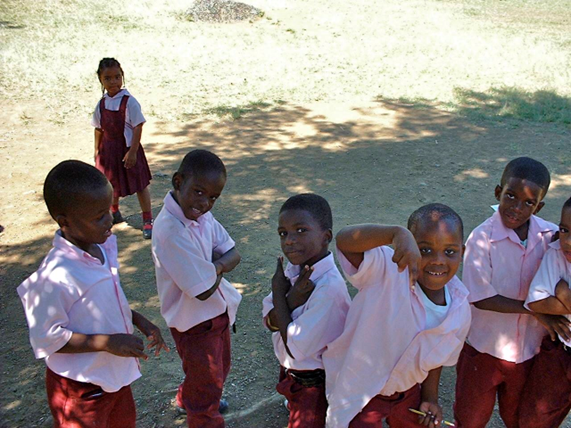
The challenges faced by the BVI’s education system extend beyond a single school. The Joyce Samuel Primary School, for example, experienced delays in its opening due to incomplete repairs. Teachers from various schools have reported issues such as excessive heat, mould, overflowing trash cans, overgrown grass, equipment shortages, internet problems, and electrical failures. These challenges are particularly concerning considering the hardships that students have already endured due to the aftermath of Hurricane Irma and the ongoing Covid-19 pandemic.
The cumulative impact of these challenges has been detrimental to the quality of education in the BVI. Students and teachers are forced to navigate substandard learning environments, hindering academic progress and overall well-being. The constant disruptions caused by infrastructure deficiencies and other related challenges further exacerbate the difficulties faced by students, impeding their ability to thrive and reach their full potential.
The government’s response to the educational challenges has been met with mixed reactions. Premier Dr. Natalio Wheatley attributed the problems to communication gaps, stating that he was not fully aware of the extent of the issues. However, the Teachers Union President, Sean Henry, contradicted this claim, asserting that the government has been neglecting these problems for an extended period. The situation is further exacerbated by a lack of sufficient funding, which has been a persistent issue even before Hurricane Irma struck in 2017. The hurricane worsened the existing problems, and the subsequent recovery efforts did not provide adequate funding to address the extensive damages suffered by the educational infrastructure.
The government’s limited financial resources have constrained its ability to adequately address the educational challenges. Prioritizing and allocating sufficient funding for education is crucial for implementing meaningful reforms and addressing infrastructure deficiencies. However, competing priorities and budgetary constraints have made it difficult for the government to allocate the necessary resources to meet the needs of the educational system.
The challenges faced by the BVI’s education system have far-reaching consequences. Inadequate facilities and learning environments contribute to behavioural problems among students, making it difficult for teachers to maintain discipline and create an effective learning environment. Minister Sharie de Castro has publicly acknowledged instances of extreme misconduct in schools, including fights, weapon possession, and drug and alcohol use. Uncomfortable classrooms and subpar facilities not only hamper effective teaching and learning but also contribute to a shortage of teachers in the territory.
The shortage of qualified teachers is a critical issue that further compounds the challenges faced by the BVI’s education system. Low salaries, limited career advancement opportunities, and challenging working conditions have contributed to teachers leaving the profession or seeking employment opportunities elsewhere. The departure of experienced teachers and the difficulty in attracting new teachers have created a significant gap in the education workforce, impacting the quality of education provided to students.

To overcome the educational challenges in the BVI, it is crucial for the government to prioritize education and allocate sufficient funding. Investment in school infrastructure is paramount to providing safe and conducive learning environments for students. Adequate funding should be allocated to address the infrastructure deficiencies, such as electrical and internet infrastructure, ventilation systems, waste disposal accommodations, and the provision of necessary resources for teachers.
In addition to infrastructure improvements, the government must focus on addressing teacher shortages. Competitive remuneration packages, professional development opportunities, and improved working conditions can help attract and retain qualified teachers. Furthermore, targeted recruitment strategies, including partnerships with educational institutions, can help bridge the gap in teacher supply.
The challenges faced by the BVI’s education system require collaboration among government entities, schools, teachers, and other stakeholders. Effective communication channels should be established to ensure that concerns are promptly addressed, and resources are allocated efficiently. Stakeholder engagement and input should be sought to develop and implement comprehensive plans for improving the educational system. Collective action is essential to finding long-term solutions that will provide a better education for the students of the British Virgin Islands.
Long-term solutions should focus on holistic educational reform, including curriculum enhancements, teacher professional development, and the integration of technology in the learning process. The government should actively engage with teachers, parents, and students to identify areas for improvement and develop evidence-based policies and strategies. Regular assessment and monitoring mechanisms should be implemented to track progress and make necessary adjustments.
The British Virgin Islands has a unique opportunity to transform its educational landscape and provide quality education to all its students. By prioritizing education, investing in infrastructure, supporting teachers, and fostering a culture of excellence, the BVI can overcome its current challenges and create a brighter future for its students. Education is the key to unlocking the potential of individuals and driving the progress of a nation, and it is crucial that the BVI prioritizes the well-being and development of its future generations.
In conclusion, the educational challenges faced by the BVI are multifaceted and require comprehensive solutions. By addressing infrastructure deficiencies, tackling teacher shortages, and allocating sufficient funding, the BVI can pave the way for a brighter future for its students. It is imperative for all stakeholders, including the government, schools, teachers, and the community, to work together to overcome these challenges and provide a quality education that empowers the territory’s students to thrive and contribute to the growth and development of the British Virgin Islands.
References:
Beacon, B. (2023, September 26). Editorial: As school resumes, students deserve better – the BVI beacon. The BVI Beacon – “The light that comes from wisdom never goes out.” https://www.bvibeacon.com/editorial-as-school-resumes-students-deserve-better/
Beacon, T. B. (2023, May 12). Virgin islands delegation attends Education Forum – the BVI beacon. The BVI Beacon – “The light that comes from wisdom never goes out.” https://www.bvibeacon.com/virgin-islands-delegation-attends-education-forum/
ESHS sit-in: Officials unhappy over lack of communication. Virgin Islands Platinum News … BVI Daily News You Can Count On. (n.d.). https://www.bviplatinum.com/news.php?articleid=34915
ESHS teachers protest longstanding issues at school. BVI News. (2023, September 18). https://bvinews.com/eshs-teachers-protest-longstanding-issues-at-school/
Haynes, K. (2023, June 8). Teacher vacancies are alarmingly high – will this impact new school year?. 284 Media – News from the BVI. https://www.284media.com/local/2023/06/08/teacher-vacancies-are-alarmingly-high-will-this-impact-new-school-year/
Kampa, D. (2023, September 20). Students head back to class – the BVI beacon. The BVI Beacon – “The light that comes from wisdom never goes out.” https://www.bvibeacon.com/students-head-back-to-class-2/
Non-state actors in education. British Virgin Islands | NON-STATE ACTORS IN EDUCATION | Education Profiles. (n.d.). https://education-profiles.org/latin-america-and-the-caribbean/british-virgin-islands/~non-state-actors-in-education
Remarks by acting chief education officer at educators professional day: Government of the Virgin Islands. Remarks by Acting Chief Education Officer at Educators Professional Day | Government of the Virgin Islands. (n.d.). https://bvi.gov.vg/media-centre/remarks-acting-chief-education-officer-educators-professional-day
Statement from the Ministry of Education in response to industrial action at the elmore stoutt high school: Government of the Virgin Islands. Statement From the Ministry of Education in Response to Industrial Action at The Elmore Stoutt High School | Government of the Virgin Islands. (n.d.). https://bvi.gov.vg/media-centre/statement-ministry-education-response-industrial-action-elmore-stoutt-high-school

Written by Niyang Bai

In the heart of Southeast Asia, Thailand is a land of rich history and boundless potential. Its picturesque surface hides the challenges facing its education system, a cornerstone of its development.
Education is the key to progress, dreams, and prosperity in Thailand. However, this journey is riddled with obstacles, from insufficient funding to educational inequality, casting shadows on a brighter future. These challenges aren’t abstract; they affect students, parents, and policymakers daily. We will explore Thai schools, educators, and students, highlighting their resilience and determination.
Thailand is at a crossroads in its education system, with choices that will impact future generations. We delve into Thailand’s education system’s complexities, hopes, and aspirations, recognizing that in adversity, a nation’s greatest asset is its pursuit of knowledge.
In Thailand, where the promise of education should be a beacon for the future, insufficient funding looms as a dark cloud over the nation’s schools. A simple search through recent articles reveals a complex web of challenges from this issue.
According to a report by the World Bank, the education system in Thailand is beset by poor management, inequality, and high teacher shortages[1]. The World Bank has stated that investments in key financial, human, and digital learning resources were especially low in disadvantaged schools (ranked at the bottom 25 percent of the PISA Economic, Social, and Cultural Status (ESCS) Index), private schools that receive more than half of their funding from government, and rural schools[2].
World Bank highlights the small school challenge in Thailand and options for quality education. It reveals that compared to international peers, Thai secondary schools are severely hindered by inadequate learning materials and physical infrastructure, which limits their capacity to provide quality instruction. More importantly, the Thai secondary school system is dramatically lacking in qualified teachers: secondary schools in rural areas are much more understaffed and under-resourced than their urban counterparts[3].
A more in-depth report by the National Education Commission for the fiscal year 2022-2023 reveals the extent of the problem. It states that Thailand’s education budget falls significantly short of international standards. Thailand allocates only 15% of its annual budget to education, while UNESCO recommends a minimum of 20%[4]. This shortfall in funding directly affects the quality of education and students’ overall well-being.
To gain a deeper insight into the challenges of rural education in Thailand, the story of Ms. Nongnuch, a passionate teacher in a bamboo school in Buriram province. Like many others, her school strives to provide quality education despite limited resources.
Ms. Nongnuch explained that the bamboo school has an innovative learning method focusing on sustainability and environmental conservation. The students do not have to pay tuition but must plant 800 trees and participate in 800 hours of community service per year. They also learn leadership, empathy and compassion through hands-on activities.
She also highlighted the need for more support from the government and society. “Our school is more than just a school that we all used to know. A school is a lifelong learning centre and a hub for social and economic advancement in the communities,” Ms. Nongnuch quoted the school founder, Mechai Viravaidya[5]. However, she said the school still faces difficulties securing funds, materials and facilities.
Moreover, the lack of recognition and appreciation is a constant struggle. “Others often look down upon our students because they come from poor families or remote areas,” Ms. Nongnuch revealed. This stigma not only affects their self-esteem but also their motivation to pursue higher education.
Perhaps most inspiring is the impact on students’ aspirations. Ms. Nongnuch shared stories of talented students who had overcome their hardships and achieved their goals with the help of the bamboo school. “It fills me with joy to see potential realized,” she said. “We are nurturing future leaders who will make a difference in their communities and beyond.”
As Ms. Nongnuch eloquently put it, insufficient funding is “a barrier that blocks the opportunities for our children.” It becomes increasingly clear that supporting rural schools like hers is not just a matter of charity; it’s about empowering the untapped potential of a nation’s youth.
According to a report by the Asian Development Bank, Thailand’s basic education system faces several challenges, including the need to expand the supply of human capital to avoid the middle-income trap and the ageing society. The report highlights that despite the significant amount of resources spent on education, students’ learning outcomes are low and have not improved significantly in either national or international assessments. The performance of junior secondary school students in national examinations has declined, especially in mathematics and science. While the performance of senior secondary school students has improved slightly over the same period, the mean results for core subjects (mathematics, science, and English) were less than 50. This worrying figure is worsened by inequality in education quality across regions since the performance of secondary school students is lower in poorer, remote regions. The report argues that such poor learning outcomes are presumably due to two main reasons: the role of small schools and inefficient resource allocation for education in public spending[6].
As per the World Bank, various factors are influencing the quality of education in Thailand[7]. The report highlights the following key findings:
The report recommends comprehensive teacher training programs, curriculum updates, and implementing student-centred teaching strategies to address these challenges.
The following views expressed by both a student and a parent tell us more about the quality of education in Thailand.
Nicha, a 16-year-old high school student, expressed dissatisfaction with the rigid curriculum. “I feel like I’m just following instructions from teachers,” she said. “I want to explore, not just obey.” Nicha also mentioned that the lack of creative learning opportunities made studying less interesting.
On the other hand, Mr. Somchai, a parent, shared his worries about the quality of education. “I wonder if my child is getting the skills they need for the future,” he said. “The education system seems old-fashioned, and it doesn’t prepare them for the changes of today’s society.”[8]
These voices resonate with a growing sentiment in Thailand: a need for a shift in the education paradigm. The emphasis on holistic development, critical thinking, and practical skills has become increasingly urgent. Thailand’s educational landscape stands at a crossroads, with the quality of education being a critical factor in determining the nation’s success in the global arena.

Educational inequality in Thailand is a pressing issue highlighted in recent news articles. According to a report by the World Bank, disparities in allocation and inefficiencies of investments across schools in Thailand have led to a decline in student performance in reading and a stagnation of scores in math and science[9]. The report further finds that investments in key financial, human, and digital learning resources were especially low in disadvantaged schools, private schools that receive more than half of their funding from the government, and rural schools.
Inequality between urban and rural areas is also a significant concern. Rural areas often lack basic infrastructure, qualified teachers, and educational resources, creating a significant gap in educational quality[10]. Ethnic minority communities face additional challenges, such as language barriers, discrimination, and limited access to quality education[11].
The Thai government must address these issues and create inclusive learning environments in schools to help improve Thailand’s education performance. A report by the Organisation for Economic Co-operation and Development (OECD) that assesses Thailand’s education system and skills imbalances[12]. The report highlights several issues that contribute to educational inequality in Thailand:
The report recommends several policy interventions to address these issues, including improving teacher quality, increasing investment in disadvantaged schools, and enhancing the relevance of education to labour market needs. The report also emphasizes the importance of developing relevant skills from pre-primary to higher education levels.
However, not all students have equal access to quality education and opportunities to develop their skills. Nong, a stateless student from a hill tribe in northern Thailand, shared her challenges and aspirations for education[13].
She explained that she had to overcome many obstacles, such as poverty, discrimination, and language barriers. “I had to work hard to support my family and pay school fees,” she said. “I also faced stigma and prejudice because of my ethnicity and status. I had to learn Thai as a second language, which was difficult.”
Nong also expressed her gratitude for the support she received from teachers and mentors. “They encouraged me to pursue my dreams and helped me with scholarships and citizenship applications,” she said. “They also taught me about my rights and responsibilities as a citizen.”
Regarding her future plans, Nong said she wanted to become a teacher and help other disadvantaged children. “I want to give back to my community and society,” she said. “I believe education is the key to empowerment and opportunity.”
Nong’s story illustrates the resilience and potential of many ethnic minority and stateless students in Thailand. While they face many hardships, they also have educational hopes and ambitions. There is a need for more inclusive and supportive policies and practices that enable them to access quality education and realize their full potential.
Thailand is facing a serious challenge in providing quality education to its students, especially in rural areas lacking qualified teachers. A Thai PBS World report highlights the teacher shortage in Thailand, particularly in rural areas. The report states that the shortage is most severe in the northeastern region of Thailand, where schools struggle to attract and retain qualified teachers[14]. This has resulted in uneven access to quality education, with students in rural areas being disadvantaged.
In addition, a report from The Bangkok Post indicates a severe shortage of science and mathematics teachers nationwide. The report states that students in these subjects face a challenging situation due to the dearth of specialized educators[15].
According to a World Bank study, around 64% of Thai primary schools are critically short of teachers, defined as having less than one teacher per classroom on average. The study estimates that as many as 110,725 out of 353,198 classrooms in Thai primary and secondary schools are critically short of teachers[16]. The study also reveals that eliminating teacher shortages in terms of quality and quantity would significantly improve student learning, and the impact would be most significant for lower-performing schools. Therefore, improving the quality of teachers and addressing the severe teacher shortages – especially for the vast number of small rural schools – should be at the centre of Thailand’s reform initiatives if the country is serious about tackling the widespread low education quality and high disparity in educational performance between socioeconomic groups.
To gain insight into the challenges of teaching in under-resourced schools, the case of Chaisit Chaiboonsomjit, a learner at Xavier Learning Community (XLC) in Chiang Rai, who served as a volunteer teacher at Zi Brae School in Chiang Mai[17]. His experience was eye-opening.
Chaisit shared his enthusiasm for teaching but also revealed the harsh conditions he faced. “The school is located on top of a mountain, and it takes eight hours to get there by car or motorcycle,” he said. “When it rains, the roads become impossible to pass, and teachers are often stranded.”
He explained how the lack of teachers affects students. “Most of our students are from the Karen hill tribe and study seven subjects provided by the Thai Education Ministry. But we only have 15 teachers for more than 200 students. They need more guidance and support to learn effectively.”
Chaisit also expressed frustration about teacher retention. “Many teachers leave after a short time because they can’t cope with the isolation and hardship,” he said. “This creates instability and inconsistency in the school system.”
In his heartfelt appeal, Chaisit emphasized the value of equal opportunity for education. “Every child, no matter where they are born, deserves a good teacher and a chance to pursue their dreams. We need more incentives to attract teachers to rural areas and more resources for teacher training.”
Chaisit’s story is a powerful illustration of the real-world impact of the teacher shortage crisis. It’s a challenge that affects educators and limits the educational potential of countless Thai students, especially those in remote areas.
Thailand’s education system, often celebrated for its potential, is ensnared in a web of challenges that demand urgent attention. This report has delved into five critical issues that cast shadows over the nation’s educational landscape:
These challenges collectively pose a profound threat to Thailand’s education system and, by extension, its future. A nation’s strength lies in equipping its youth with the knowledge and skills to navigate an ever-evolving global landscape. However, the current state of Thailand’s education system impedes this aspiration.
Insufficient funding and the resultant resource shortages compromise the quality of education, leaving students ill-prepared for a future that demands adaptability, creativity, and critical thinking. Educational inequality perpetuates social divisions, limiting the nation’s capacity to harness the full potential of its diverse populace.
In conclusion, the challenges outlined in this report are not isolated issues; they are interconnected strands in a complex web. The future of Thailand depends on addressing these challenges with determination and foresight. A well-funded, inclusive, and quality education system is not just an investment in the present but a beacon guiding the nation toward a brighter, more equitable, and prosperous tomorrow. To ensure Thailand’s place on the global stage, these challenges must be met head-on, placing education at the forefront of the nation’s priorities.
[1] https://theisaanrecord.co/2022/03/30/thai-education-beset-by-poor-management/
[2] https://www.worldbank.org/en/news/press-release/2020/12/09/world-bank-more-inclusive-and-better-investments-in-education-to-improve-learning-outcomes-in-thailand
[3] https://blogs.worldbank.org/eastasiapacific/thailand-s-small-school-challenge-and-options-quality-education
[4] https://unesdoc.unesco.org/ark:/48223/pf0000384381
[5] https://www.undertoldstories.org/2019/02/07/thailands-bamboo-school/
[6] https://www.adb.org/publications/recent-developments-in-basic-education-in-thailand-issues-and-challenges
[7] https://www.worldbank.org/en/country/thailand/publication/wanted—a-quality-education-for-all-in-thailand
[8] https://www.oecd.org/countries/thailand/education-in-thailand-9789264259119-en.htm
[9] https://www.worldbank.org/en/news/press-release/2020/12/09/world-bank-more-inclusive-and-better-investments-in-education-to-improve-learning-outcomes-in-thailand
[10] https://rksi.adb.org/wp-content/uploads/2020/10/rural-urban-poverty-and-inequality-thailand.pdf
[11] https://maxwellsnotes.com/2015/03/17/educational-inequality-in-thailand/
[12] https://one.oecd.org/document/ECO/WKP%282020%2949/en/pdf
[13] https://www.worldbank.org/en/news/press-release/2020/12/09/world-bank-more-inclusive-and-better-investments-in-education-to-improve-learning-outcomes-in-thailand
[14] https://link.springer.com/chapter/10.1007/978-981-10-0847-4_11
[15] https://one.oecd.org/document/ECO/WKP%282020%2949/en/pdf
[16] https://blogs.worldbank.org/eastasiapacific/thailand-s-small-school-challenge-and-options-quality-education
[17] https://jcapsj.org/blog/2023/08/31/teaching-and-learning-in-rural-thailand/
Lorem ipsum dolor sit amet, consectetur adipiscing elit. Ut elit tellus, luctus nec ullamcorper mattis, pulvinar dapibus leo.

Written by Nadia Annous
The school year has just started for Palestinian children, and not even a week has passed, and students have been victims of grave violations of children’s right to education.
Yesterday, Israeli Settlers detained an entire class of Palestinian children during their route to school. The children and their teachers were detained at an illegal checkpoint in Hebron.
Frequent instances of movement constraints have become a common occurrence in the West Bank. This recent incident is not the first case of students and educators facing detainment; some have even been held for over six hours resulting in arrests.
The Israeli forces have been exercising violations against human rights, the right to education and child rights. The limited accountability has made it easier for Israeli settlers to commit their apartheid against Palestinians, including demolishing schools in recent weeks.
The Bedouin town of Ramallah has lost its sole educational institution, Ras Al-teen School, which was recently razed to the ground. Israeli forces had targeted the school numerous times before its destruction on Thursday, August 17th, 2023.
The school accommodated approximately 50 students who now have lost their chance to attend school.
Palestinians already have limited access to education and educational facilities, and the Israeli forces are making it more difficult for Palestinian children to have a proper education. The West Bank has been experiencing deliberate attacks on schools to make room for new Jewish settlements that are state-approved but illegal according to International Law. Approximately 475,000 Jewish settlers are now occupying the West Bank.
The International community should condemn these violations and bring justice to Palestinian children across the West Bank. The United Nations should impose sanctions as this is a crime and a violation of International Law and treaties for which Israel should be held responsible.
References:
https://www.middleeastmonitor.com/20230822-entire-class-of-palestinian-schoolchildren-detained-at-israeli-checkpoint/
https://www.middleeastmonitor.com/20230821-after-israel-demolished-their-school-palestinian-students-study-in-the-open-air/
https://www.middleeasteye.net/news/israel-palestine-demolish-bedouin-school
https://www.refworld.org/docid/5be9430b13.html
https://www.reuters.com/world/middle-east/some-west-bank-schools-looming-displacement-disrupts-return-class-2022-09-22/
Распространение смартфонов и планшетов коренным образом изменило принципы цифрового взаимодействия между компаниями и клиентами. Если раньше мобильная версия сайта считалась дополнением, то сегодня она — первоочередная необходимость. Компании, которые не адаптируются к мобильной реальности, рискуют терять клиентов с первых секунд взаимодействия. Михаил Зборовский, эксперт по стратегическому развитию ИТ-продуктов, считает:
“Мы живём в эпоху, где пользователь ожидает моментального отклика и полного комфорта — в любом месте и в любое время.”
Растущее количество мобильных устройств стало катализатором для глубоких изменений в цифровой инфраструктуре бизнеса. Успешные платформы пересобирают свои процессы и продукты с нуля, исходя из сценариев мобильного взаимодействия. Михаил Зборовский подчёркивает: “Для современного пользователя первые 5 секунд — решающие. Он определяет, останется ли на платформе или закроет её. Поэтому бизнесу стоит учитывать следующие ключевые моменты”
Бизнес должен учитывать эти изменения и перестраивать ИТ-процессы с прицелом на мобильного пользователя. Компании, игнорирующие эти требования, теряют доверие и упускают рынок.
Мобильность уже давно перестала быть опцией — она стала основой цифровой стратегии любого бизнеса. Как подчёркивает Михаил Зборовский, мобильная эра — это время, когда выигрывают те, кто умеют строить сервисы, заточенные под реальный ритм жизни клиента. Массовое использование смартфонов требует следовать ряду обязательных правил.
Более того, приложения должны быть не только быстрыми, но и безопасными — киберугрозы в мобильной среде растут с каждым годом. Это вынуждает компании внедрять многоуровневую защиту и использовать поведенческую аналитику.
