The education sector, in general, has been under the spotlight, especially after Covid -19 and other natural disasters that have affected many rural areas worldwide.
Today, there is a growing number of charities dedicated to helping affected and fragile education systems worldwide —The Magic Future Foundation is one of them.
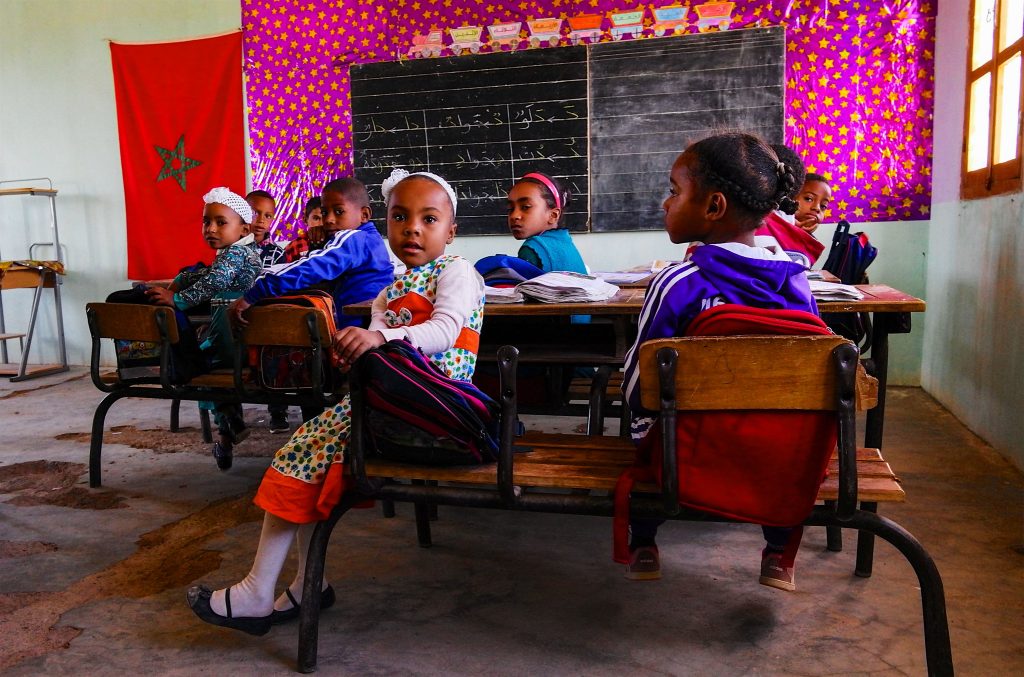
Photo by The Magic Future Foundation.
The 100 Schools Project, initiated by The Magic Future Foundation, is a groundbreaking educational initiative to transform children’s and communities’ lives worldwide. This visionary project strives to establish 100 innovative schools in underserved areas, providing quality education, empowerment, and opportunities for children who would otherwise be denied access to education.
The Magic Future Foundation, a non-profit organization dedicated to creating positive change through education, believes that education is the key to unlocking the potential of every child and empowering them to shape their futures. With this belief at its core, the foundation launched the 100 Schools Project in 2019 to revolutionize education in marginalized communities.
The Magic Future Foundation, a UK-based charity, was set up to raise funds to support outstanding organizations and causes that are helping people achieve their dreams by building opportunities through education and inspiration, both locally and globally.
“Our purpose is to create a better world because of education and engagement”
Stefan Wissenbach, founder of The Magic Future Foundation.
“A Better World Because Of Education And Engagement”
The Beginning
In October 2013, the Wissenbach family travelled to Jumbo, Malawi, to help build the first Magic Future school, together with other charities and the community members of Jumbo.
Together they managed to build the new Kasambankhole school in nine weeks. The school will serve 210 girls, 228 boys, and eight teachers.
“In Jumbo, a cycle of poverty continues largely because of the inaccessibility of education and resources. Yet the community’s energy, passion and enthusiasm are incredible,” said Wissenbach.
On 10 September 2019, the body of Wissenbach’s 25-year-old son Oliver was found lying peacefully at the bottom of a swimming pool in Menorca.
The subsequent diagnosis was that he had suffered from ‘sudden adult death syndrome’. He had died unexpectedly, doing something he loved, taking a late-night swim. “We are still trying to accept our loss, and our lives will never be the same again,” said Wissenbach.
“Oliver had a zest for life. In his 25 years, he achieved more than many do in a lifetime. He was a qualified snowboarding instructor, diving instructor, electronic music producer and English teacher. He was gentle, kind and humble.”
Oliver had travelled extensively, living in Whistler, Thailand and America. He was just about to embark on another chapter and travel to China to teach English in a school. Not bad for a dyslexic boy who wasn’t well served by our education system.
The morning he died, Oliver’s younger siblings Alex and Max said they wanted to build a school in his honour—something meaningful to come out of a tragedy. Together as a family, they built a school in Africa in 2013 and raised funds to build a further three the following year.
Oliver was a remarkable young man who wanted to leave the world a better place. In the days following his death, the family discovered his anonymous writing on Quora, helping others without wanting recognition or reward. The family decided to publish a book of his wisdom.
The Magic Future Foundation is a genuinely inspirational story where the Wissenbach family have used the tragedy as a platform for good. They have published two books and are building 100 schools worldwide in Oli’s name.
The 100 Schools Project takes a holistic approach to education, focusing on academic learning and personal development, creativity, critical thinking, and life skills. These schools are designed to provide a nurturing and inclusive environment where students can thrive, fostering a love for learning and enabling them to reach their full potential.
Each school is carefully designed and equipped with modern facilities and diverse resources. The Magic Future Foundation collaborates with local communities, governments, buildOn charity, and the communities of the school locations to ensure that the schools meet the specific needs of each community.
One of the project’s key aspects is teachers’ training and development. The foundation invests heavily in professional development programs to empower teachers with the latest teaching methodologies, tools, and techniques. The project aims to create a sustainable educational ecosystem that uplifts student generations by nurturing and supporting teachers.
Moreover, the 100 Schools Project goes beyond the confines of the classroom by engaging parents, caregivers, and the wider community. The foundation recognizes the importance of involving all stakeholders in the education process, fostering a sense of ownership and collective responsibility for the children’s education. This approach strengthens community bonds, encourages lifelong learning, and builds a foundation for sustainable development.
The impact of the 100 Schools Project extends far beyond the individual students and communities it serves. The Magic Future Foundation works closely with buildOn, a registered charity with an unparalleled track record of success, having built over 2,200 schools over the last 28 years. By providing quality education to underserved populations, the project addresses social inequalities and empowers individuals to become agents of change in their own lives and societies.
Through partnerships, sponsorships, and donations, The Magic Future Foundation aims to expand the reach of the 100 Schools Project, making quality education a reality for even more marginalized communities worldwide.
“Our schools break the cycle of poverty, illiteracy and low expectations, transforming the lives of the attendees and the communities they live in,” said Wissenbach.
By scaling up this transformative initiative, the foundation envisions a future where all children, regardless of their background or circumstances, have equal access to education and the opportunity to shape their magical futures.
The foundation has now built 24 out of 100 schools in build or built. Over 8,000 lives are impacted for the better today and for future generations to come. More schools will be built in Burkina Faso, Guatemala, Haiti, Mali, Malawi, Nepal, Nicaragua and Senegal.
Human Rights Watch is an international nonprofit organization whose goal is to conduct research and promote respect for human rights at a global level. Through its submissions to the UN Committee on the Right of the Child (the Committee), the organization aims to raise awareness and highlight critical elements of a country’s profile concerning its human rights conditions to make the Committee assessment as truthful and effective as possible.
In the report on Turkey proposed for the 93rd session of the Committee, Human Right Watch focused on three primary directives: the situation of migrant children, including their access to education and healthcare, the information on government-endorsed online learning during the Covid-19 pandemic and the protection of education from attack.
Syrian refugee children in Turkey. Photo by UNICEF.
The situation of migrant children
The first of the issues analyzed are among the most relevant when contextualized in the Anatolian scenario: Turkey is known to be one of the major transit countries on the Mediterranean migration routes. The reasons for this go back mainly to the country’s geographic location: situated midway between the Middle East and Europe, Turkey is surrounded by a conspicuous number of countries facing political issues and security concerns constituting major push factors for migrating populations. In addition, cultural affinity with countries in the area, in terms of religious and social cultures, acts as a pull factor shaping migration routes.
Yet, the development of Turkey as an immigration country is relatively recent compared to the long history of emigration, involving at least the last three generations of Turkish citizens. In the early 1960s, the phenomenon of labour migration to Western Europe, especially to Germany, proved to be conspicuous, fostering the formation of extensive Turkish communities in most Western European countries.
However, the paradigm has reversed as Turkey has become a primary host country for people moving North. From the mid-1990s to the early 2000s, irregular immigration into the country substantially accelerated, with the most important countries of origin being Iraq, Pakistan, Afghanistan, Iran and Bangladesh.
As a direct consequence, in recent years, the Anatolian legislature has passed a vast number of measures aimed at regulating flows, imposing more penalties on human smuggling and strengthening border protections. In addition, over the years, stricter visa requirements have been implemented under EU pressure to combat irregular migration and control the influx of asylum seekers.
Indeed, it can be said that the role as a transit country has, in part, been politically constructed as a result of the concurrence of three main factors: the expansion of the European Union to the Southeast, the originally lax migration regime, and the difficulty of patrolling rugged land borders. Most importantly, the EU has played a crucial role in Turkish migration policies since the last decade, as evidenced by the EU-Turkey statement. The latter came into effect in March 2016, and it is the main agreement regulating the country’s external control policies. It further obligates the EU to provide a six-billion-euro facility to fund humanitarian aid, improve access to educational services and promote the socio-economic integration of refugees in exchange for a policy of curbing and closing borders by Turkish authorities.
Yet, it appears that both sides didn’t fully comply with the agreed conditions: while the Union has not paid the expected amount into Turkish coffers, Ankara has not shown itself capable, if unwilling, of effectively providing migrants with the promised humanitarian aid. The report of Human Rights Watch documents several cases of mistreatment, abuse and killing of migrant children. Children are locked up in detention camps and abused by authorities without any age assessment being conducted as prescribed by the UN guidelines on Policies and Procedures in Dealing with Unaccompanied Children Seeking Asylum.
Among the first actions that Turkish authorities should take when confronted with a situation in which a minor is involved, there is to ensure that unaccompanied children seeking admission into the EU are identified as such promptly and on a priority basis. This ensures that a guardian or adviser is appointed for each minor, an interim care regime is established, and procedures to introduce children into the educational system are activated.
In contrast to that, Human Rights Watch sources report that authorities, in breach of the principle of non-refoulment and respect to life and bodily integrity, subjected migrants to physical abuse of different kinds, starting from deprivation of food and water to beatings and imprisonment. The border guards’ abuse peaked with the murder of several migrants, including an unidentified minor and a 15-year-old Syrian boy.
Based on this, Human Rights Watch asks the Committee to call on the Turkish government to “immediately halt pushbacks from Turkish territory and at Turkey’s borders.” For the protection of young migrants by border officials, it is crucial to accept an individual’s declared age if there is a reasonable possibility that the person is a child. In such cases, the border police should expeditiously transfer those individuals to the care of child protection authorities and promptly assign them a guardian. The authorities should ensure age assessment examinations are conducted according to international standards.” Furthermore, it is urgent to “ensure that full and fair consideration is given to all claims for international protection, including age-appropriate examination of child asylum claims by specially trained adjudicators.” If the government is responsive to these demands, safeguarding migrant children’s rights will be improved.
The information on government-endorsed online learning during the Covid-19 pandemic
Another crucial aspect of the analysis reported by the organization concerns the resources and means allocated to online education conducted during the quarantine period due to Covid-19.
Human Rights Watch investigated two education technology (EdTech) products used by the Turkish government, Eğitim Bilişim Ağı (EBA) and Özelim Eğitimdeyim, during the COVID-19 pandemic. Both apps tracked and identified children’s devices using techniques designed for advertising purposes and sent this information to third-party companies. These data practices were neither necessary nor proportionate for these products to serve educational purposes and were found to infringe on children’s privacy. Children who relied on these apps as their primary source of education could not object to such surveillance, and the education ministry did not take measures to prevent or mitigate these abuses.
In light of the report’s findings, the organization calls for, among other provisions, an amendment of the existing data protection law, “the Law on the Protection of Personal Data No. 6698 (2016), in order to adopt child-specific data protections that address the significant child rights impacts of the collection, processing, and use of children’s personal data.”
Moreover, it is imperative to ensure that children’s privacy is protected by removing all tracking technologies from EBA and Özelim Eğitimdeyim and deleting any data collected from them during the pandemic. Furthermore, providing solutions for children whose information was collected using these platforms is necessary.
In light of these recommendations, the organization hopes that the Committee will conduct a comprehensive evaluation, taking into account the most significant issues affecting young people residing in Turkey and that prompt action can be taken to address them.
Bibliography
Duvell, F. (2012). “Transit Migration: A Blurred and Politicized Concept.” Population,Space and Place 18: 415-42
Içduygu, A. and Yükseker, D. (2012). “Rethinking Transit Migration in Turkey: Reality and Re-presentation in the Creation of Migratory Phenomenon,” Population, Space and Place 18: 441-456.
Franck Düvell (2018) The ‘Great Migration’ of summer 2015: analyzing the assemblage of key drivers in Turkey, Journal of Ethnic and Migration Studies, DOI: 10.1080/1369183X.2018.1468385
Kuschminder, K. et al. (2019) Decision Making on the Balkan Route and the EU Turkey Statement. WODC Report.
The 1948 Universal Declaration of Human Rights, is the cornerstone of the United Nations and our international order: ” Everyone has the right to education. Education shall be free, at least in the elementary and fundamental stages. Elementary education shall be compulsory. Technical and professional education shall be made generally available and higher education shall be equally accessible to all based on merit.”[1] Since then, education has undergone spectacular development in the history of humanity: but today, dictated by economic rather than humanistic choices, the right to education seems to be falling all around the globe.
Children write their own Declaration of Human Rights at the UN in Vienna. Photo by UNIS Vienna.
The survey conducted by U-Report, a project coordinated by UNICEF, on the theme of basic education among a panel focusing on young people (only 5% of respondents were aged over 31), clearly shows the colossal challenges facing the right to education. 32,847 individuals were surveyed, with a response rate of 91%; 65% of respondents were male (10,891) and 35% were female (5,738). Sub-Saharan African countries, in particular Nigeria, had the most respondents, with 1,836, followed by Congo-Kinshasa with 1,839. By contrast, Europe was the region with the least participation: the United Kingdom was the region with the most respondents, with 160 people polled. When asked “How often do you feel you learn at school”, 42% of respondents said “Always”. However, this response differed according to gender: while 45% of men answered “always”, only 36% of women gave this answer. Women were more likely to answer ‘often’ at 32% (compared with 28% of men) and ‘sometimes’ at 25% (compared with 20% of men). The question “Did you receive enough help at school to acquire basic skills (such as reading and maths) to continue learning and find a job after graduating? 77% of the French answered “yes”, followed by 70% of the Congolese and 58% of the British. The next question reflects respondents’ concerns about the erosion of the right to education: 74% of those questioned believe that the learning crisis will have a negative impact on the future of their country. The Germans, Malaysians, and Dutch are all convinced of this, with 100% positive responses, followed by the Greeks at 83%, the Indians at 82%, and Nigeria at 80%. Respondents aged 25 and over were the most pessimistic, at over 80%. On the subject of the political response to the challenges undermining basic education, those aged 25 and over were the most skeptical, with over 38% giving a negative response. Among Belgians, 68% responded ‘more or less’, while among Canadians 59% were ‘satisfied’ and ‘more or less satisfied’ with the policies being pursued, while among Chileans 78% disapproved. The Germans gave a negative response of 55%, and none of them gave a positive response. French and Indian respondents were more divided: 26% and 25% respectively felt that their governments were providing effective responses to the education crisis, 36% and 34% respectively considered this response to be ‘more or less’ relevant, and 33% disapproved. Finally, when asked “What do you think is the most urgent action that governments should take to tackle the crisis in education and training? 34% of those polled voted in favor of the issue of education funding, 39% of men and 35% of women. Moreover, 28% of women gave priority to helping children who have dropped out of school, compared with 22% of male respondents.
What interpretation can be given to all these responses? First of all, there is no schism between the so-called “North” and “South” countries, as might have been expected. The crisis in education is therefore global, and economic choices have a lot to do with it. Whereas education was the only issue common to both blocs of the Cold War – in Maoist China as much as in the United States of America, in Nasserite Egypt as much as in Kubitschek’s Brazil, and Europe – the Washington Consensus of 1989 put an end to this fundamental notion of “right”. It is important to remember the neo-liberal shift that has been imposed on education: the “reorientation of public spending priorities” introduces the principle of profitability into the public service and will be particularly devastating in Third World countries. The case of Latin America is particularly interesting: as a kind of laboratory for neoliberalism, the right to education has been severely undermined, as in Argentina, Brazil, and, more recently, Chile, where educational structures are gradually being privatized. The public authorities in South Korea have largely delegated education to the private sector (shadow education): 74.5% of South Koreans under the age of twelve were in private education in 2019, according to data from the Korean Statistical Information Office. The introduction of competitiveness at and between higher education institutions is a problem highlighted by the UNICEF survey. Tuition fees have been introduced to address the lack of academic infrastructure, but this response is neither relevant nor effective. The story of a Chilean student in France gathered in 2018 by the newspaper Libération as part of an investigation into the increase in tuition fees is just one example of the iniquitous nature of this method:
“These new tuition fees are too high, especially as I’m already 10,000 euros in debt from my degree in Chile, where the fees are also enormous. I chose France for several reasons: for the language, for the excellent training in social and political sciences. And, of course, the tuition fees, were quite affordable, unlike in Chile where the education system is privatized and only accessible to a minority. In my country, education is very expensive. For those who aren’t lucky enough to get a grant based on social or academic criteria, the only option is to go into debt for several years after graduation.”[2]
Political choices are undermining the very principle of the right to education. The crucial need for investment in education has been exacerbated by the coronavirus pandemic, and this is true across the board: in developed and developing countries alike, the privatization of education has shown the extent of the devastation: according to the World Bank, “COVID-19 has caused the worst crisis in education and learning for a century”.[3] Above all, the pandemic has highlighted the damage caused by the disengagement of public authorities. The right to education depends on quality infrastructure and, therefore, investment to match. All respondents, whatever their country of origin, are in favor of massive refinancing of education.
It is worrying to note that the conservative trajectory extends across all the world’s continents, from the rewriting of common history in countries such as India, where Muslim memory is obliterated; to Russia, where revisionism is the narrative employed at the highest levels of the State; but also more traditional democracies such as Japan, where the work of remembrance relating to the Second World War remains problematic, and South Korea, where the Korean War is largely revisited by the new history textbooks.[4] The fact that India, the world’s largest democracy, has embarked on a panoptic shift is dramatic in terms of individual freedoms, particularly academic freedom, which is a pillar of social development, and in geopolitical terms, with the risk of alignment with the Russian Federation and China. Narendra Modi is today a Prime Minister courted by the Great Powers, who have no hesitation in casting a modest veil over his most aggressive policies in the hope – more akin to wishful thinking than anything else – of bringing Delhi closer to the Western bloc.[5] The revision of Indian school textbooks completely obliterates the legacy of some three hundred years of the Muslim Mughal Empire, the assassination of Gandhi by the Hindu nationalist Nathuram Godse in 1948, and the bloody repression of the Gujarat riots in 2002, for which Prime Minister Modi is held responsible.[6]
The frequency of learning differs significantly between the two sexes, and this issue deserves to be highlighted. Admittedly, the survey has its limitations, since it is not a question of the resources put in place but of the personal feelings of each respondent: by its very nature, the response is therefore biased. Nevertheless, the 9-point gap between men and women should not be underestimated. This factor can be explained in several ways: education systems designed for men and favoring activities that favor them; lower self-esteem among women than among men; external conditions that undermine women’s education and learning. Bullying at school, low enrolment rates for girls, and sexism are undeniably among the causes. It would have been interesting if the survey had asked respondents about this.
According to the results of the survey, the educational crisis is particularly acute in Germany, Malaysia, and the Netherlands. In Germany, an investigation carried out by journalists from Spiegel and published on 17 March this year, entitled “The education fiasco” (Der Schule-Fiasko), caused quite a stir: “Postponing investment in the younger generation means saving for fools”, says Aladin El-Mafaalani[7] . No one will be left behind in this major transformation”, declared Social Democrat Chancellor Olaf Scholz to the Bundestag (the German Federal Parliament) two years earlier. Unfortunately, this promise has come to nothing. In Germany, according to a 2018 OECD study, it takes 180 years on average for a student from a social class background to “approach the average income”.
To conclude in a few words, the UNICEF survey highlights not only young people’s pessimism and concern about the decline in the right to education but also and above all their unshakeable attachment to the principle of education as an inalienable human right. The pandemic has not only revealed but also aggravated these inequalities in education. The young people interviewed are well aware of the devastation caused by decades of privatization and unbridled competition in education.
[1] Article XXVI of the Universal Declaration of Human Rights.
[5] This is borne out by the somewhat insistent invitation extended by French President Emmanuel Macron to Prime Minister Modi to take part in the French bank holidays celebrations on 14 July.
The reality of girl’s education in South Sudan must be understood not simply in the context on lack of gender inequality but within a system of class domination based on wartime predation. South Sudan only recently gained independence in July of 2011. There are a lot of implications of wartime and post-war resource capture that overcome education infrastructure now. The civil war increased social inequality and created new social relations in which elites gained substantial power, enabling them to maintain the status quo.
This formation illustrates how corruption became part of the political system and brought forward problems that affect today’s education system in South Sudan. Principally considering one of the main problems is that the education system is stressed by a lack of school infrastructure and teaching materials, as well as the limited number of qualified teachers. Another problem related to income inequality is the expenses the educational system does not cover. Although education is technically free, families are expected to pay additional fees if they want their children to receive an education—for example, textbooks and uniforms.
Education is a key determinant for overcoming inequality on a global scale. Post civil war, South Sudan became a subsistence agriculture economy to survive. Children were included in this process and expected to work in order to maintain the household. That is a problem since they don’t have enough time to attend school and school activities.
Half of the country’s population is in extreme poverty. Work functions as a form of immediate sustenance, taking away education as a fair opportunity. Additionally, there is a low employment in the country. For this reason, most jobs are tied to agriculture and services, children are part of this labor force.
A deficit of government investments in education also accentuates the problem in the country. Only 30% of the population can read and write, according to World Population Review in 20191.
Not only is access to education a problem but consistent enrollment of students in school. Most children cannot complete the primary school cycle. This is due to financial difficulties and poor infrastructure. Some students must walk more than 3km a day to get to school. This makes leaving school a viable alternative.
GENDER INEQUALITY
These forms of oppression affect women even more. Many girls and women abandon school to perform a common cultural reality in this country, for example, early marriage. Gender inequality directly affects teachers too. According to UNICEF, in 2006, only seven percent of teachers were women.
South Sudan has a conservative ideology promoting the negative perception of women and girls. Women don’t have access to property ownership, and this makes marriage an option to survive. It is a cultural aspect that reflects in all spheres of South Sudanese society. Marriage confines girls into a dependency system because it is the primary source of income. They are expected to labor in domestic chores and have almost no time to dedicate to educational growth.
Many girls spend their childhood and adolescence carrying water, cooking, cleaning and caring for babies, leaving no opportunity to study and further their education. Education is essential aspect to successfully break down these barriers. Especially an egalitarian education that reduces gender inequality.
Recently, Pope Francis spoke out about the fact that many girls do not make it to secondary education in South Sudan. “Please, protect, respect, appreciate and honor every woman, every girl, young woman, mother, and grandmother. Otherwise, there will be no future” (Reuters) The event brought together religious people and a humanitarian, Sara Beysolow Nyanti, to discuss the protection of women and girls in the country.
Education is a very important agenda. Since it is recognised as an opportunity for girls and women to access other realities. Not only financial realities but cultural realities that evoke the gender role socially.
The leadership of women who fight for their rights is evidenced, since the challenges they all face, such as forced marriage, lack of school infrastructure, low income, etc., are varied. Although South Sudan offers free education, it is possible to conclude that there are several obstacles to improving the quality of life of these girls. Several studies show how less than half the population attended school, a number that decreases when the cut-off is by gender. Many girls work in agricultural activities to support the household. The confrontation of this problem must be thought through in several arenas. More than just guaranteeing free education, recognising and fighting child labor as a determinant of poverty is necessary. Investments in education must be recognised in the mitigation of gender inequality in order for the future generations to enjoy the benefits that education brings to society.
South Korea, or more officially the Republic of Korea, is a country in Southeast Asia, the tenth largest economy in the world and a middle power. To fully understand the educational challenges of contemporary South Korea, we need to remember the historical context: a former Japanese colony until 1945, the Korean peninsula is an underdeveloped region with an estimated adult literacy rate of 22%. Pre-1945 Korea was a peninsula with very rigid social classes, influenced by Confucian values. The democratization of education beginning in the 1960s – largely driven by the containment of communism – resulted in an increase in the adult literacy rate to 87.6 per cent in 1970, 93 per cent in the late 1980s and 98.8 per cent today. The Korean education system is now ranked 7th in the world in the PISA ranking (Average Score of Mathematics, Science and Reading, 2018) and 6 Korean universities are among the top 200 in the world (Times Higher Education, 2023). Despite all these statistics which show a spectacular evolution, the South Korean system remains deeply unequal: this inequality of opportunity inherited from elitist Confucian values is today the main challenge for the country. Fifty years of economic and industrial development have certainly made Korea the eleventh largest country in the world; however, the social question was completely overshadowed. While the demonstrations of June 1987 enabled the country to become a democracy, they did not introduce the notion of the Welfare-State.
Korean students during Suneung exam. Photo by Koreaners.
EDUCATION SYSTEM
The educational system in Korea places an almost inordinate emphasis on standardized tests. South Korea’s university entrance exam, called Suneung, is widely regarded as the most important test in the country. The exam, which is taken by high school seniors, determines a student’s eligibility for admission to top universities in the country. The emphasis on the test has created a culture of intense competition, which places a significant amount of pressure on students. The pressure to perform well on the Suneung has led to a phenomenon known as “exam hell.” Students are expected to spend long hours studying, attending cram schools, and sacrificing their social lives in order to prepare for the exam. This exam has no equivalent in Western educational systems. There is no national exam in the United States of America to get into higher education. In Canada and Europe, there are high school graduation exams: the High School Diploma in Canada, the Abitur in Germany, the Baccalauréat in France, the Maturità in Italy and the Bachillerato in Spain. In South Korea, the exam is portrayed as “having the opportunity to make or break your future.” According to the Ahn’s Presidential Advisory Council on Education, Science and Technology, more than 200 students committed suicide in 2009 and about 150 the following year. The course of this exam even gives rise to unique situations:
“14,000 police officers are mobilized to ensure good traffic flow. And there is even an emergency number for latecomers. They call it and a policeman comes to pick up the student at his home to take him to his exam center. […] landings and take-offs are banned in all airports during the language tests because the candidates are listening to recordings.” (Radio France, 2017).
Therefore, the pressure is not only on students, but also on parents who invest heavily in their children’s education, often leading to a financial burden. The emphasis on standardized tests has also led to a narrow curriculum. Schools focus on teaching the material that is likely to be on the test, leading to a lack of emphasis on critical thinking, creativity, and problem-solving skills. The result is a generation of students who may excel in memorization, but struggle when faced with real-world challenges.
We should also point out the lack of diversity in teaching methods. The country has a highly centralized education system, with a focus on rote learning and standardized testing. While this approach has led to high levels of academic achievement, it has also resulted in a lack of creativity and critical thinking skills among students. In recent years, there has been a growing recognition of the need to introduce more diverse teaching methods to encourage creativity and problem-solving skills.
One of the most significant impacts of the COVID-19 pandemic on the Korean educational system was the sudden shift to online learning. Students were required to participate in virtual classes to continue their education. This shift to online learning presented numerous challenges, including access to technology, internet connectivity, and the need for teacher training in remote instruction. While many students were able to adapt to online learning, others struggled due to the lack of in-person interaction and support from teachers. The digital divide has been a longstanding issue in the Korean educational system, and the pandemic exacerbated this issue. The Korean government implemented several initiatives to address the digital divide, including providing laptops and tablets to low-income families and expanding access to high-speed internet. However, these efforts were not enough to address the disparities in access to technology and internet connectivity.
COMPETITION
One of the most significant challenges facing South Korea’s education system is the intense pressure that students are under. As a country with a Confucian tradition, there was an examination to become a civil servant in Korea called Gwageo. Similar to the imperial examination in China, this selection method was very long prized by the Korean elites until its abolition in 1894. The selection and competition between students is therefore ancient and deeply rooted in Korean society. From a very young age, students are expected to perform at an incredibly high level in order to gain entry into top universities and secure high-paying jobs. This pressure can be so intense that it can lead to mental health issues such as depression and anxiety. Moreover, this pressure on students has led to a culture of cramming and rote memorization rather than a focus on critical thinking and creativity. The level of competition that exists in Europe has nothing to do with that in South Korea. Competition leads to two things among students: considerable inner stress A terrible degradation of human relationships. The other is no longer a fellow man. Korean students do not go to bed before eleven o’clock in the evening, and their school day is hectic. Their minds are focused on work and how to become the best in the class. Everything else is put aside: relationships, music, sports, etc. In the school environment, no one really is a friend. There are only competitors. This competition begins at a young age, with students vying for spots at prestigious elementary schools and continues throughout their academic careers. This competition can be so intense that it can lead to cheating and other unethical behavior in order to gain an advantage.
This competition leads to a number of problems. Firstly, it leads to a lack of diversity in the education system. Students are pushed to excel in certain subjects, such as math and science, at the expense of other subjects, such as the arts and humanities. This focus on certain subjects leads to a lack of well-rounded education. Additionally, the competitive nature of the education system leads to a lack of collaboration among students. Instead of working together to solve problems, students often view their classmates as competitors and are hesitant to share their ideas or knowledge. This lack of collaboration can hinder the development of critical thinking and problem-solving skills.
Focusing on the artistic representations of school in South Korean society makes us aware of the importance given to education. School and more generally school performance are over-represented in films and series (K-Drama). To perform poorly in school or to perform less well in school is perceived by society as a tare and something very shameful, which is the central element of the film Parasite (shooted by Bong Joon-ho, 2019). The main protagonist’s family lives excluded from this society of success, in an unhealthy basement, without money and living from day to day. As the film shows, being poor is a disgrace for the people concerned: if they are poor, it is because they have not worked well. To succeed, you have to work hard: this is the leitmotif of Korean culture. Without hard work, there is no salvation. The 2012 release of the film Pluto by director Shin Su-won caused a lot of reaction and controversy in the country. This highlights several issues of the Korean educational system. All the students in the film are doomed to succeed. And they will do anything to achieve it, even dehumanize the other person and stoop to animal behaviour. The main protagonist feels humiliated in front of prosperous children who are more confident of success than he is. It is this feeling of inferiority that will push him to commit the irreparable. Wealthy students are ready to kill their competitors which is the whole plot of the film: students go crazy, don’t sleep at night, commit acts of rape and humiliation on other students.
EQUAL OPPORTUNITIES
The Republic of Korea has one of the highest rates of gender inequality among OECD countries. Women’s labor force participation in 2019 is 60%, 5 percentage points lower than the OECD average. The gender pay gap is a concern: while the OECD average is 12.5%, the gap is 32.5%. While this gap is decreasing (it stood at 41% in 2000), it remains indicative of the gender divide. The Republic of Korea has made progress in terms of gender equality, but still has a long way to go to reach the standards of other developed countries. Gender equality must be promoted from school onwards, which is currently not the case, if at all. If it is not able to ensure that young Korean women students have well-paid jobs with equal pay to men, then the country’s economic dynamism and social welfare will suffer.
Students from low-income families or rural areas often have limited access to quality education and may struggle to compete with their wealthier peers This gap in educational opportunities can lead to a lack of social mobility. Students from low-income families may struggle to get into top universities or secure well-paying jobs, despite their academic abilities. This can lead to a cycle of poverty, as these students may not have the resources or opportunities to improve their situation. The fact that tuition fees are very high (4 million South Korean won, or 3,500 euros per semester) is a serious impediment to education for all and prevents any social climbing. For comparison, the OECD average in terms of tuition fees is 2,800 euros per year.
The South Korean education system has been criticized for its lack of diversity and inclusion. South Korea is a homogeneous society, and this is reflected in its education system. The curriculum is focused on teaching Korean history, culture, and language, with little emphasis on other cultures or languages. The lack of diversity in the education system can lead to a narrow-minded view of the world. Students are not exposed to different cultures, religions, or ways of thinking, which can limit their ability to be open-minded and empathetic. The education system in South Korea has also been criticized for its lack of support for students with disabilities. According to a report by the Korea Institute for Special Education, only 31.6% of students with disabilities attend regular schools, while the rest attend special schools. The lack of inclusion can lead to a sense of isolation and stigmatization for these students, who may feel excluded from mainstream society.
CULTURE OF PRIVATE TUTORING
South Korea’s society is well known for the importance of private tutoring (hagwon). Private tutoring has become a necessary part of education in South Korea, as parents feel that it is the only way to ensure their children’s success. According to a report by the Korean Educational Development Institute, nearly 80% of South Korean students attend hagwon. Private tutoring is offered in a variety of subjects, including math, science, English, and Korean language. The cost of private tutoring can vary depending on the subject and the qualifications of the tutor, with some parents paying large sums of money to provide their children with extra support outside of school. The high demand for hagwon has led to a rise in the cost of private tutoring, which can be a financial burden on families. The pressure to succeed academically can be intense, with many students experiencing high levels of stress and anxiety. The cost of hagwon can be as high as 30% of a family’s income, putting pressure on parents to work longer hours or take on additional jobs to pay for their children’s education. The reliance on private tutoring has also led to a lack of trust in the public education system. Parents feel that the public schools are not doing enough to prepare their children for the standardized tests, leading to a loss of faith in the system. This has also led to a lack of support for teachers, who are often blamed for their children’s lack of success.
Students from wealthier families are indeed more likely to be able to afford high-quality private tutoring, which can give them an advantage over their peers from lower-income families. This leads to a cycle of disadvantage, with students from lower-income families struggling to keep up with their peers and falling further behind.
CONCLUSION AND RECOMMENDATIONS
While the Korean government implemented several initiatives to address these issues, the pandemic has underscored the need for greater investment in technology and support for disadvantaged students, as well as a greater emphasis on social and emotional learning. All things considered, the pandemic was the revelation of all the dysfunctions and challenges of the South Korean educational system.
The foremost concern of the Korean government should be tackling gender gap. should promote gender awareness and gender-sensitive education in schools, as well as develop educational programs that challenge traditional gender roles and promote gender equality. Violence against women is a significant issue in South Korea: the government should develop laws and policies that protect women from violence, as well as promote public awareness campaigns that challenge harmful attitudes towards women. The civil society and the government must work hand in hand to change cultural norms that reinforce gender inequality. This can be done through public campaigns, media messages, and the promotion of gender equality in popular culture. South Korea’s educational system could introduce policies to encourage more girls to pursue STEM fields. This could include offering scholarships and financial support to girls studying STEM subjects, as well as providing mentorship opportunities and career guidance. Additionally, schools could work to eliminate gender biases in the classroom and provide female students with positive role models in STEM fields.
The existence of an exam as stressful and complex as the Suneung is problematic. The fact that students are committing suicide demonstrates how this system poses a real threat to student well-being. The government should be inspired by foreign evaluation methods, either similar to the United States of America, where the final grade gives an important place to continuous assessment, or similar to the examinations held in Europe, where oral examination is more practiced.
To address the high cost of private tutoring, South Korea’s educational system could introduce policies to provide additional support for students who need it. This could include providing after-school tutoring and study sessions at no cost to students.
REFERENCES
Andrea Matles Savada and William Shaw, editors. South Korea: A Country Study. Washington: GPO for the Library of Congress, 1990.
Hossein Sharif, “Suneung: The day silence falls over South Korea”, BBC News, November 2018.
Jiyeon Lee, “South Korean students’ ‘year of hell’ culminates with exams day”, CNN, November 2011.
Gérald Roux, « C’est comment ailleurs ? », France Info, Radio France, June 2017 [French].
Yongsoo Yang, “Gender equality: Korea has come a long way, but there is more work to do”, 12 ways Korea is changing the world, OECD, October 2021.
OECD, “Access to education, participation and progress”, Education at a Glance 2021, OECD Indicators, 2021.
Thomas Hatch, “Known for its intense testing pressure, top-performing South Korea dials it back”, The Hechinger Report, November 2017.
Arne Duncan, “Education Is the New Currency”, Mapping the Nation, Asia Society, November 2013.
Huiyan Piao & Yuna Hwang, “Shadow Education Policy in Korea During the COVID-19 Pandemic”, ECNU Review of Education, vol. 4, 2021.
Agata Lulkowska, “An Oscar for Parasite? The global rise of South Korean film”, The Conversation, January 2020.
Choi Woo-Young « Condamnés à réussir », Arte, March 2017 [French].
Kazakhstan, a country in Central Asia, is facing significant educational challenges that hinder its progress toward a thriving and inclusive educational system. These challenges have far-reaching consequences, impacting student outcomes, workforce readiness, and overall socioeconomic development. In this article, we will explore and analyze the key challenges faced by the Kazakhstani educational system and shed light on the obstacles that need to be addressed to ensure a brighter future for the country’s students (Akhmedjanova 2018).
Unequal Access to Quality Education
The unequal access to quality education across different regions of Kazakhstan remains a major challenge. Disparities in infrastructure, resources, and qualified teachers persist, particularly in rural and remote areas. This inequality perpetuates social and economic disparities, hindering overall development and opportunities for students in these regions.
Outdated Curricula and Teaching Methods
The presence of outdated curricula and traditional teaching methods poses a significant obstacle to the Kazakhstani education system. Rote memorization and a lack of emphasis on critical thinking, problem-solving, and practical application of knowledge hinder the development of essential skills required for the modern workforce. The curriculum also needs to be updated to align with the demands of the 21st century. (Mukhametzhanova 2019)
Digital Divide and Technological Challenges:
The digital divide and technological challenges in Kazakhstan’s educational system pose significant obstacles to equitable access to quality education. The availability and accessibility of digital infrastructure, internet connectivity, and digital devices vary across different regions, with rural and remote areas facing greater disparities. This digital divide hampers students’ ability to benefit from online learning resources, digital tools, and educational technologies. Additionally, limited digital literacy skills among teachers and students further exacerbate the challenge. Addressing the digital divide and providing adequate technological support and training to educators and students is crucial to ensure inclusive and effective education in Kazakhstan (Hauge 2019).
UN Women in Kazakhstan launched a new project to strengthen STEM (Science, Technology, Engineering, and Mathematics). Photo by UN Women.
Shortage of Qualified Teachers
The shortage of qualified teachers in Kazakhstan is a pressing challenge that affects the quality of education. High turnover rates, low salaries, and limited professional development opportunities contribute to difficulties in attracting and retaining highly skilled educators. This shortage leads to larger class sizes, limited individualized attention, and a decline in the overall instructional quality. (OECD 2018)
Insufficient Focus on Vocational Education
The lack of emphasis on vocational education opportunities is another challenge faced by the Kazakhstani educational system. The current system primarily prioritizes academic degrees, neglecting the importance of practical skills training. As a result, there is a shortage of skilled workers in various industries, hindering economic growth and diversification. (Tanirbergenova 2017)
Inclusion of Marginalized and Disadvantaged Groups:
The educational system in Kazakhstan faces the challenge of ensuring the inclusion of marginalized and disadvantaged groups. This challenge encompasses various groups, including children from low-income families, ethnic minority groups, children in remote areas, girls, and children with special educational needs. These groups often encounter barriers that hinder their access to quality education and limit their educational opportunities.
One aspect of this challenge is the limited resources available to support the education of marginalized and disadvantaged groups. Low-income families may struggle to afford educational materials, uniforms, and transportation costs, which can impede their children’s ability to attend school regularly and participate fully in the educational process. Additionally, schools in remote areas may lack sufficient infrastructure, resources, and qualified teachers, further exacerbating educational disparities for children in these regions.
Language barriers also pose a significant challenge for certain marginalized groups, particularly ethnic minority children. Kazakhstan is a diverse country with various ethnic groups, each with its own language and cultural heritage. However, the educational system predominantly operates in Kazakh or Russian, which can create barriers for non-native speakers. Limited access to education in their mother tongue can affect these children’s ability to fully understand and engage with the curriculum, potentially leading to lower educational outcomes.
Cultural biases and discriminatory practices can further hinder the inclusion of marginalized groups in the educational system. Girls, for example, may face traditional gender roles and expectations that prioritize their domestic duties over their education. This can result in lower school enrollment rates and limited educational opportunities for girls, impacting their long-term prospects and perpetuating gender inequalities. Similarly, children with special educational needs may encounter stigmatization, inadequate support, and a lack of inclusive educational settings that cater to their specific needs.
Inadequate Funding and Research
Insufficient funding for education, coupled with limited research opportunities, creates obstacles to progress. Inadequate financial resources hamper infrastructure development, access to learning materials, and the implementation of necessary reforms. Moreover, the lack of research funding limits innovation, knowledge creation, and evidence-based decision-making within the education system. (Rakhmatullayeva 2020)
Conclusion
Recognizing and addressing the educational challenges in Kazakhstan is crucial for the country’s sustainable development and the well-being of its citizens. Unequal access to quality education, outdated curricula, shortage of qualified teachers, insufficient focus on vocational education, and inadequate funding and research are significant hurdles that need to be overcome. By implementing comprehensive reforms, increasing investments in education, prioritizing teacher training and retention, modernizing curricula, expanding vocational education opportunities, and allocating adequate funding for research, Kazakhstan can pave the way for a brighter future. These efforts will empower Kazakhstan’s students to thrive in an ever-evolving world and contribute to the country’s sustainable development.
References:
Akhmedjanova, G. (2018). Challenges facing the education system in Kazakhstan. Journal of Education and Vocational Research, 9(2), 57-62.
Mukhametzhanova, Z. (2019). Outdated Curricula and Teaching Methods in Kazakhstan: Challenges and Solutions. International Journal of Educational Development, 75, 102178.
Rakhmatullayeva, G. (2020). Teacher shortage in Kazakhstan: Causes and solutions. International Journal of Educational Development, 64, 115-120.
Tanirbergenova, A., & Kupeshova, G. (2017). The challenge of vocational education in Kazakhstan. European Journal of Social Sciences Education and Research, 9(2), 37-43.
OECD. (2018). Education in Kazakhstan: Moving towards 2030.
Hauge, T. E., & Prieto, L. P. (2019). Digital inequalities in Kazakhstan: Exploring socio-economic disparities in internet use. Information, Communication & Society, 22(7), 988-1005.
Morocco is a North African country that is bordered by the Atlantic Ocean, the Mediterranean Sea, and Algeria. The country has a population of over 36 million people, making it the fifth-largest economy in Africa. Although Morocco is one of the most prosperous and politically stable countries in the region, it still faces several educational challenges.
According to UNESCO, the literacy rate in Morocco is 73%, with a 66% literacy rate for women and a 79% literacy rate for men. Although this is an improvement from previous years, there is still a significant disparity between urban and rural areas, with rural areas having lower literacy rates. Moreover, the quality of education is a concern, with a high dropout rate and low educational achievement levels.
In this article, we will examine the educational challenges that Morocco is facing, as well as possible solutions to address these challenges.
One of the most pressing challenges facing Morocco’s education system is the quality of education. Many Moroccan students struggle with basic reading and writing skills, which leads to high dropout rates and low achievement levels. According to the World Bank, only 36% of Moroccan students who enroll in primary school complete secondary education.
The lack of quality education is partly due to the shortage of qualified teachers, particularly in rural areas. According to a report by the Moroccan Ministry of National Education, Vocational Training, Higher Education, and Scientific Research, there is a shortage of over 60,000 teachers in the country. This shortage results in larger class sizes, which makes it challenging for teachers to provide individualized attention to each student.
Access to Education
While education is compulsory in Morocco, many children, particularly those in rural areas, do not have access to education. According to a report by the United Nations Children’s Fund (UNICEF), about 200,000 Moroccan children between the ages of 7 and 13 are not enrolled in school. Girls are especially affected, with many families preferring to keep their daughters at home to help with household chores or marry them off at a young age.
Moreover, poverty is a significant barrier to education in Morocco, with many families unable to afford school supplies and uniforms, as well as transportation to and from school.
Curriculum and Teaching Methods
Morocco’s education system has been criticized for its outdated curriculum and teaching methods. The current curriculum does not align with the needs of the modern workforce and does not provide students with the skills and knowledge they need to succeed in the 21st century.
Additionally, the teaching methods used in Moroccan schools are often outdated and rely heavily on rote learning and memorization. This approach does not encourage critical thinking or creativity, which are essential skills in today’s rapidly changing world.
Gender Inequality
Gender inequality is a significant challenge in Morocco’s education system. While the government has made progress in promoting girls’ education, there is still a significant gender gap in enrollment and achievement. According to a report by UNESCO, the primary school net enrollment rate for girls in Morocco is 87%, compared to 93% for boys. Moreover, girls’ achievement levels are lower than boys, with a higher dropout rate.
Teacher Training and Professional Development
Investing in teacher training and professional development is one of the most critical solutions to Morocco’s education challenges. The Moroccan government should provide more training opportunities for teachers to enhance their teaching skills and learn new approaches to teaching.
Additionally, the government should incentivize teachers to work in rural areas by providing them with better salaries, housing, and other benefits. This approach would help address the shortage of qualified teachers in rural areas and provide students with better access to quality education.
One of the most critical solutions to Morocco’s education challenges is investing in teacher training. The Moroccan government should provide more training opportunities for teachers to enhance their teaching skills and learn new approaches to teaching.
Additionally, the government should incentivize teachers to work in rural areas by providing them with better salaries, housing, and other benefits. This approach would help address the shortage of qualified teachers in rural areas and provide students with better access to quality education.
Legal Basis for the Solution:
According to Article 26 of the Universal Declaration of Human Rights, “Everyone has the right to education.” The right to education is also recognized in several international human rights treaties, including the International Covenant on Economic, Social, and Cultural Rights (ICESCR) and the Convention on the Rights of the Child (CRC). Both of these treaties recognize the right to education as a fundamental human right that should be accessible to everyone, regardless of gender, social class, or geographic location.
Expanding Access to Education
To increase access to education in Morocco, the government should consider implementing policies that target children from disadvantaged backgrounds. These policies may include financial assistance programs, such as scholarships or subsidies, to help families cover the cost of education.
The Moroccan government can also partner with non-governmental organizations and other stakeholders to expand access to education in rural areas. This approach could involve building new schools, providing transportation to and from school, and ensuring that schools have access to resources and materials needed to provide quality education.
Updating the Curriculum and Teaching Methods
To improve the quality of education in Morocco, the government must update the curriculum and teaching methods to align with the needs of the modern workforce. This could involve incorporating more practical skills, such as computer literacy, into the curriculum. The government should also promote project-based learning, which encourages critical thinking and problem-solving skills, rather than rote memorization.
Furthermore, the Moroccan government can collaborate with international organizations, such as UNESCO, to develop new teaching materials and curricula that are more inclusive and relevant to the needs of Moroccan students.
Closing the Gender Gap
Morocco has made significant progress in promoting girls’ education, but there is still a gender gap in enrollment and achievement. To close this gap, the government should focus on improving access to education for girls, particularly in rural areas.
The government can provide incentives for families to send their daughters to school, such as scholarships or subsidies. Additionally, the government can work with non-governmental organizations to create awareness campaigns that promote the importance of girls’ education and address cultural attitudes that prevent girls from accessing education.
International Cooperation
International cooperation is crucial in addressing Morocco’s education challenges. The Moroccan government can collaborate with international organizations, such as the World Bank and UNESCO, to secure funding for education initiatives and gain access to expertise and resources.
Additionally, the Moroccan government can learn from the experiences of other countries that have successfully addressed similar education challenges. For example, Morocco can look to neighboring countries, such as Tunisia and Algeria, that have made significant progress in improving access to education and promoting gender equality in education.
Conclusion
Morocco’s education system is facing several challenges, including the quality of education, access to education, curriculum and teaching methods, and gender inequality. While the government has made efforts to address these challenges, more needs to be done to ensure that all Moroccan children have access to quality education.
To improve the quality of education in Morocco, the government should invest in teacher training, expand access to education, update the curriculum and teaching methods, and close the gender gap in enrollment and achievement. Additionally, international cooperation is crucial in addressing these challenges, and the Moroccan government should collaborate with international organizations and learn from the experiences of other countries that have successfully addressed similar education challenges.
By addressing these challenges, Morocco can improve the prospects of its young people, promote economic growth, and build a brighter future for the country.
“The Education System in Morocco.” Moroccan Ministry of National Education, Vocational Training, Higher Education, and Scientific Research. Accessed March 25, 2023.http://www.men.gov.ma/En/Pages/default.aspx.
Broken Chalk proudly presents the fifth edition of “Education Monitor: Around the Globe” between the 16th and 31st of May, 2023. Broken Chalk aims with this letter to increase public awareness of Educational problems, challenges, and violations in the scope of the world. This newsletter is unique. This is a weekly newsletter in which we attempt to monitor and convey educational news from around the world in a concise manner. This monitor will be published biweekly with the effort of our young and enthusiastic team.
You can contribute to our work if you like. If you witness any violations in the scope of education, you can write the comment part of this post. Broken Chalk will try to address the issue in its next monitor edition.
Broken Chalk Platform, in March 2019, was founded by a group of educators abroad who experienced and have been experiencing severe human rights violations in Turkey and had to ask for asylum currently in several countries.
These education volunteers also suffered greatly and started their new lives in their new countries without human rights violations. They gained respect just because they were considered human beings in those countries. However, they left one part of their minds and hearts in their homeland. They assigned themselves a new duty, and the human rights violations they left behind had to be announced to the World. A group of education volunteers who came together for this purpose started their activities under the Broken Chalk platform’s umbrella. However, the Broken Chalk platform was not enough to serve their aims. Therefore, they completed their official establishment as a Human Rights Foundation in October 2020.
Broken Chalk is now much more than a platform, and we have reviewed and enlarged our vision and mission within this framework. Violations of rights would be the first in our agenda in the field of Education all over the World. At the point we reached today, Broken Chalk opened its door to all individuals from all across the globe, from all professions, and to all individuals who say or can say ‘I also want to stand against violations of human rights in Education for our future and whole humanity, where our generations grow up together.’
Education is essential because it can help us eliminate the evils from society, introduce, and increase the good. We want to draw the public’s and stakeholders’ attention to the fact that Education is in danger in several different parts of the World. The attacks are wide-reaching, from the bombing of schools to the murder of students and teachers. Raping and sexual violence, arbitrary arrests, and forced recruitment also occurred, instigated by armed groups. Attacks on Education harm the students and teachers but also affect the communities in the short and long term.
We invite all individuals who want to stop human rights violations in Education to become Volunteers at Broken Chalk.
Niger, a landlocked country in West Africa, faces significant challenges in providing quality education to its population, particularly girls. Despite efforts to improve education in recent years, Niger ranks among the countries with the highest gender disparity in education. This article aims to explore the educational challenges faced by girls in Niger, examining the factors contributing to the gender gap and discussing the implications for the overall development of the nation.
Students in physics class. Makalondi Secondary School, Makalondi, Tilaberri Region, Niger. Photo by GPE/Kelley Lynch
Limited access to education is one of the primary challenges for girls in Niger. According to a report by The Guardian, Niger ranks among the ten worst countries for girls to receive an education. Factors contributing to this include early marriage and pregnancy; high rates of child marriage and early pregnancy often force girls to drop out of school, as societal norms prioritize early marriage over education, distance and infrastructure as remote rural areas lack proper school infrastructure, making it difficult for girls to access educational institutions, poverty and financial barriers; economic constraints often prevent families from sending their daughters to school, as they struggle to cover basic needs and associated education costs, security concerns; instances of conflict and instability limit educational opportunities for girls, particularly in areas affected by violence and displacement.
Girls in Niger also face discrimination and unequal treatment within the education system due to gender disparity. This discrimination manifests in various forms, including social differences. Traditional gender roles and cultural norms often dictate that girls prioritize domestic duties and caregiving over education, reinforcing gender inequalities. Lack of female teachers; shortage of female teachers in Niger makes it challenging for girls to find role models and receive guidance, contributing to the gender gap in education. And instances of gender-based violence, such as sexual harassment and assault, create hostile learning environments for girls, impacting their educational participation and achievement.
Another main concern is the quality of education in Niger. Even for girls who manage to access education, the quality of schooling remains a significant concern, and there are many factors affecting the quality of education in Niger. Schools often lack basic infrastructure, teaching materials, and resources, affecting the quality of instruction and learning outcomes for both girls and boys. Inadequate resources in the education system pose a significant concern for the overall quality of education and have particular implications for girls in Niger. Gender bias in curriculum materials and teaching practices may reinforce gender stereotypes and perpetuate biases, limiting girls’ educational opportunities. Additionally, insufficient training and support for teachers, particularly in addressing gender disparities, hampers the delivery of inclusive and gender-responsive education.
The challenges girls face in accessing quality education in Niger have profound implications for individual well-being, social progress, and the country’s overall development. Addressing these challenges requires a multi-faceted approach, inclusive of policy reforms, investment in infrastructure, empowerment and awareness, and teacher training and support. To effectively promote gender equality in education, the government of Niger must prioritize policies and initiatives that address gender-based discrimination and societal barriers. Enhancing educational infrastructure, particularly in remote areas, is crucial to improving access to education for girls. Insufficient educational infrastructure in remote regions poses significant barriers. Community awareness campaigns are vital in challenging societal norms and promoting positive attitudes towards this issue. And finally, providing comprehensive training and support for teachers, focusing on gender-responsive pedagogy, can improve the quality of education and promote gender equality in schools.
By acknowledging and actively addressing the challenges mentioned above, Niger can undertake a transformative journey towards establishing an education system that is inclusive and equitable, thereby empowering girls and fostering the holistic development of the nation.
This education system entails implementing a range of effective strategies, including but not limited to policy reforms, infrastructure investments, empowerment initiatives, and teacher training programs. By adopting this comprehensive approach, Niger can strive towards an educational landscape where girls have equal access to quality education, where gender disparities are minimized, and where the potential of all individuals is harnessed to drive progress and prosperity at both the individual and societal levels.
Recent events in Palestine have raised concerns and sparked outrage as Israel demolishes EU-funded schools, drawing widespread criticism from international bodies. These demolitions have intensified regional tensions and highlighted the ongoing Israeli-Palestinian conflict.
This article aims to provide an overview of the situation, exploring the reasons behind the demolitions, the reactions from various stakeholders, and the implications for education in Palestine.
A Palestinian school demolished by Israeli Occupation Forces in Hebron, occupied Palestine. Photo by Falastin-48.
On May 7, 2023, Israel demolished a Palestinian school funded by the European Union, prompting condemnation from the international community and eliciting strong criticism from the global community. The school, located in a Palestinian village in the West Bank, was part of a broader initiative to support and bolster educational opportunities in the region. This demolition has emerged as a pivotal moment within the highly volatile context, exacerbating the anger and frustration among Palestinians and their supporters. This incident has intensified the already heightened emotions surrounding the Israeli-Palestinian conflict, adding to the grievances and discontent within the affected communities.
The Israeli authorities have put forth several justifications for the destruction. They have highlighted the lack of proper permits and non-compliance with building regulations as primary reasons for their actions. Israeli officials argue these structures were erected without authorization and pose potential security risks. However, critics of these demolitions raise significant concerns about the complexity and restrictiveness of the Israeli permit process. They argue that Palestinians face numerous obstacles in obtaining the necessary permits, creating a cycle wherein unauthorized construction becomes the only viable option. Consequently, the demolitions become an unfortunate consequence of the limitations imposed by the Israeli permit system, perpetuating a cycle of illegal construction and subsequent destruction of vital educational infrastructure in Palestinian communities. This cycle disrupts Palestinian students’ lives and undermines the prospects of stability and development in the region.
Israel’s demolition of EU-funded schools in Palestine has ignited significant international condemnation, with the European Union emerging as a prominent voice of criticism. The EU has vehemently expressed its profound apprehension regarding destroying educational infrastructure, considering it a clear violation of international law. The incident has strained the relationship between Israel and the European Union, leading to deliberations on potential ramifications and diplomatic consequences.
The condemnation from the EU underscores the gravity of the situation and emphasizes the urgency for a resolution to address the demolition of these vital educational facilities. School demolitions have far-reaching implications for education in the region. Beyond the immediate destruction of physical infrastructure, these demolitions infringe upon Palestinian children’s fundamental right to education. Access to quality education is vital for the holistic development of children, encompassing their social, intellectual, and emotional growth. By demolishing schools, the academic progress of Palestinian students is disrupted, depriving them of a fundamental human right.
Moreover, the demolitions undermine international efforts to improve educational opportunities in Palestine. The European Union and other international entities have been actively supporting and funding initiatives to enhance education in the region. These efforts aim to provide Palestinian children with quality education, equipping them with the knowledge and skills necessary for their future. However, the destruction of EU-funded schools undermines these collective endeavours, hindering progress towards achieving educational development goals. The denial of education impacts individual students and has broader consequences for the entire Palestinian society. Education plays a crucial role in shaping the future of communities, fostering social cohesion, and empowering individuals to contribute positively to their institutions. The demolition of schools obstructs these transformative processes, perpetuating a cycle of inequality and limited opportunities for Palestinian children. Addressing the implications of the destruction of education in Palestine requires collective action and international cooperation. Efforts must be made to rebuild and rehabilitate educational infrastructure, ensuring Palestinian children access safe and conducive learning environments. Additionally, advocacy for protecting the right to education, as enshrined in international human rights instruments, is crucial.
Human rights organizations and proponents of Palestinian rights have strongly emphasized the need for accountability and cessation of the demolitions of EU-funded schools in Palestine. These advocates assert that Israel must be held responsible for destroying educational infrastructure, considering it a violation of the right to education enshrined in international human rights frameworks. The call for accountability resonates with the broader aim of ensuring that all parties involved in the Israeli-Palestinian conflict are held to the standards of international law. It emphasizes the significance of safeguarding the right to education as a fundamental human right, especially for vulnerable populations such as Palestinian children.
Additionally, these organizations and advocates urge international bodies to take tangible and proactive measures to protect and promote the right to education in Palestine, including monitoring and reporting on violations, engaging in diplomatic efforts to halt the demolitions, and supporting the reconstruction and rehabilitation of educational infrastructure.
The involvement of international entities in safeguarding the right to education is essential to create a conducive and secure environment for Palestinian students to access quality education. By advocating for accountability and appealing to international bodies, human rights organizations and advocates for Palestinian rights aim to bring attention to the violations of educational rights in Palestine. Their efforts seek to ensure that all children in the region have equal opportunities for education and the chance to develop their potential, contributing to a more just and equitable future.
The demolition has unleashed a powerful surge of criticism and alarm, casting a glaring spotlight on the enduring Israeli-Palestinian conflict. The obliteration of educational infrastructure stands as a formidable barrier to the aspirations of Palestinian children, impeding their path to quality education and hindering their overall development. In response, the international community, including influential players such as the European Union, has united in a resounding call for accountability and a relentless pursuit of resolution. These collective efforts aim to prevent further human rights violations, particularly the right to education, and ensure that every child in Palestine has an unimpeded opportunity to flourish academically, fostering a future of dignity and equality.
We use cookies on our website to give you the most relevant experience by remembering your preferences and repeat visits. By clicking “Accept All”, you consent to the use of ALL the cookies. However, you may visit "Cookie Settings" to provide a controlled consent.
This website uses cookies to improve your experience while you navigate through the website. Out of these, the cookies that are categorized as necessary are stored on your browser as they are essential for the working of basic functionalities of the website. We also use third-party cookies that help us analyze and understand how you use this website. These cookies will be stored in your browser only with your consent. You also have the option to opt-out of these cookies. But opting out of some of these cookies may affect your browsing experience.
Necessary cookies are absolutely essential for the website to function properly. These cookies ensure basic functionalities and security features of the website, anonymously.
Cookie
Duration
Description
cookielawinfo-checkbox-analytics
11 months
This cookie is set by GDPR Cookie Consent plugin. The cookie is used to store the user consent for the cookies in the category "Analytics".
cookielawinfo-checkbox-functional
11 months
The cookie is set by GDPR cookie consent to record the user consent for the cookies in the category "Functional".
cookielawinfo-checkbox-necessary
11 months
This cookie is set by GDPR Cookie Consent plugin. The cookies is used to store the user consent for the cookies in the category "Necessary".
cookielawinfo-checkbox-others
11 months
This cookie is set by GDPR Cookie Consent plugin. The cookie is used to store the user consent for the cookies in the category "Other.
cookielawinfo-checkbox-performance
11 months
This cookie is set by GDPR Cookie Consent plugin. The cookie is used to store the user consent for the cookies in the category "Performance".
viewed_cookie_policy
11 months
The cookie is set by the GDPR Cookie Consent plugin and is used to store whether or not user has consented to the use of cookies. It does not store any personal data.
Functional cookies help to perform certain functionalities like sharing the content of the website on social media platforms, collect feedbacks, and other third-party features.
Performance cookies are used to understand and analyze the key performance indexes of the website which helps in delivering a better user experience for the visitors.
Analytical cookies are used to understand how visitors interact with the website. These cookies help provide information on metrics the number of visitors, bounce rate, traffic source, etc.
Advertisement cookies are used to provide visitors with relevant ads and marketing campaigns. These cookies track visitors across websites and collect information to provide customized ads.