The Republic of Yemen is an Arab country located southwest of the Arabian Peninsula in West Asia. In Yemen, the academic year begins in September and ends in June, and the official primary school entrance age is 6. The system is structured so that the primary school cycle lasts six years, the lower secondary lasts three years, and the upper secondary lasts three years. Yemen has a total of 5,816,000 pupils enrolled in primary and secondary education. About 3,900,000 (67%) of these pupils are enrolled in primary education[i].
The percentage of out-of-school children in a country shows what proportion of children are not currently participating in the education system and who are, therefore, missing out on the benefits of school. In Yemen, 30% of primary school-aged children are out of school, and approximately 24% of boys of primary school age are out of school compared to 36% of girls of the same age. Nearly 70% of female youth of secondary school age are out of school compared to 38% of male children of the same age. For youth of secondary school age, the most significant disparity can be seen between the poorest and the wealthiest youth.[ii]
Yemen is facing a severe education crisis, with the number of children experiencing disruptions to their learning potentially reaching close to 6 million, leading to tremendous long-term consequences for children.[iii]
[i] Muthanna, A. (2015). Quality education improvement: Yemen and the problem of the ‘brain drain’. Policy Futures in Education, 141-148.
[ii]World Bank, f. E. (2018). Yemen National Education Profile 2018 Update.
[iii] Musalami, A. A. (2013). The education catastrophe in Yemen is a political struggle between the Congress and Islah, mismanagement and poor infrastructure. Yemen: Al Massa Press.
Today, the state controls education in Cambodia through the Ministry of Education at the national level and the Department of Education at the provincial level. The Cambodian education system includes preschool, primary, general secondary, tertiary, and vocational education.
After finishing primary school, students move on to three years of compulsory lower secondary education. Students then can continue to upper secondary education or enter secondary-level vocational training programs offered by the Ministry of Labor and Vocational Training. After completing upper secondary education, students must take a national high school exam. In 2019, approximately 68% of students passed. Students who pass the exam can enrol in two-year associate degree programs, four-year bachelor’s degree programs and seven-year medical degree programs at the university. However, enrolment numbers into tertiary education are low, with only 13% of students entering the university system. All students also can enrol in vocational training programs or associate degrees.
In 2017, there were 7,144 primary schools nationwide and an additional ninety-six primary schools for disadvantaged students. In the same period, 46,149 staff members taught 2,022,061 primary school children. Primary education commonly starts at age six and lasts six years.
The Secondary Education Improvement Project (SEIP), a World Bank-funded project, has significantly improved lower-secondary education in Cambodia. It has seen increased enrolment in schools, construction of more school buildings, construction of houses for teachers in remote locations, renovation of classrooms, and installation of laboratories.
SEIP has trained teachers, community representatives, and people in charge of the management of schools.
This review will focus on areas of improvement related to the standard of learning, water and sanitation, impacts of the COVID-19 pandemic, and gender inequality.
At the beginning of October, the Dutch government announced their decision to raise student loan interest rates to their highest level in 14 years. This announcement ignited controversy and many debates. From January 1, 2024, student loan interest rates are set to surge from 0.46 per cent to 2.56 per cent, as reported by the Dienst University Onderwijs (DUO), the government body responsible for student financial aid.
The sudden and significant increase in interest rates has left many current and former students stumbling, with widespread disagreement over the reasons behind this unexpected move. While some argue that the growth is a necessary adjustment, others contend it is a breach of trust, further compounding the financial burdens faced by students.
The Impact on Students
In response to this increase, students have voiced their frustration and disillusionment with protests, online discussions, and their professors. Many believe they are being unfairly targeted, especially considering that the government has recently eliminated student debt for new students. More and more students struggle to find affordable housing and pay immense amounts for rooms they are often not allowed to register at. Therefore, they miss out on possible governmental funding such as the reintroduced Basisbeurs, a government grant providing financial assistance to students to cover their educational expenses.
Different Perspectives
“It’s hard to comprehend why the government would choose to burden those of us who still have debt with this interest rate hike,” says Paul, a former student. The sentiment among these students is that the government has not been transparent about the implications of this increase. Usually, when wanting to loan money, there is a clear indicator to remind people that loaning money costs money. The typical logo is nowhere to be seen when looking for information about Dutch student loans.
Conversely, some argue that the rate hike is reasonable, emphasising that everyone should know that borrowing inherently comes with interest costs. “They knew they were borrowing money, which comes with a price. Some say that students borrowed the money to finance parties and a luxurious lifestyle, while others used it to buy a house. Some say no one should be complaining as loaning money comes with the personal responsibility to be able to pay it back. They further argue that a student who pursues a meaningful and lucrative career can quickly repay their debt within the 15-year timeframe.
Whilst it is true that the student loan agreements depend on and are tied to the government’s borrowing costs, the interest rise has been coming. However, students feel like they have been cheated and are being cornered.
Government Response
Whilst Education Minister Robbert Dijkgraaf does acknowledge the concerns of students and the public, he assures that the rate adjustment is tailored to each student’s financial circumstances. He highlights that those with low incomes will have lower monthly repayments, aiming to ease the financial burden. Furthermore, Dijkgraaf believes that reintroducing the basic grant (Basisbeurs) and temporary assistance to counteract rising inflation and energy costs will financially relieve many students. However, as mentioned before, many cannot access help due to their living situation not officially registered.
The decision to raise interest rates comes after six years, during which student loan interest rates remained at 0 per cent. This was primarily due to the Dutch government’s ability to borrow funds at favourable rates in the capital market; however, the loan interest had to rise at some point due to rising interest rates.
The Feeling of Broken Promises
Van der Ham, a student herself, expresses profound disillusionment with the government’s actions amid this debate. She recalls that she believed in three critical conditions when she started borrowing. “The first was that your student debt would not affect your ability to secure a mortgage in the future,” van der Ham says in correspondence with NOS. Additionally, it was conveyed that the loan was favourable, with little to no interest.
Lastly, there was the impression that the income generated from the loan system would be reinvested in improving the quality of education. Van der Ham feels that none of these promises have materialised.
A law student, Jim Hiddink, shares similar sentiments, feeling that the situation is unjust. “When you begin borrowing, you agree with the government, but now the entire nature of that agreement is changing. The interest rate remained low, at most 0.5 per cent.”
In a letter sent by the outgoing Minister of Education, Dijkgraaf, to the Dutch Parliament in 2022, it was stated that there was never a promise to maintain a 0 per cent interest rate or that the size of a student’s debt would have no influence on their mortgage application. Previous ministers, including Jet Bussemaker, had, however, stressed that the consequences should remain limited and students should not develop a “fear of borrowing.” Which has now, unfortunately, become a reality for many.
Mustafa Ersoy’s fate hangs in the balance as he faces deportation to Turkey. With his expired passport, he has turned to Switzerland in a desperate plea for asylum.
by Inja van Soest.
In a recent report by İsmail Sağıroğlu from Boldmedya, we learn of yet another tragic chapter unfolding against a backdrop of mounting pressure within Turkey. Mustafa Ersoy, a 52-year-old educator from Konya Beyşehir, is facing deportation. After completing his studies in computer science in Kazakhstan, he stayed for a decade as a teacher. Afterwards, he returned to his homeland, Turkey, assuming roles as a manager in Beykoz and Sultanbeyli reading halls affiliated with Kaynak Eğitim in Istanbul.
However, Mustafa’s life took a sharp turn on July 15, 2016, when Turkey experienced a coup attempt. The Turkish government attributed the coup to Fethullah Gulen, a Turkish cleric living in self-imposed exile in the United States since 1999. Once an ally of President Erdogan, Gulen firmly denies any involvement in the coup. The Turkish government has labelled Gulen’s network as the “Fethullah Terrorist Organization” (FETO), accusing its supporters of establishing a “parallel state” by infiltrating various state institutions, including the police, judiciary, and military. In the two years following the coup attempt, Turkey remained under a state of emergency, leading to the arrest of tens of thousands and the suspension or dismissal of at least 125,000 civil servants, military personnel, and academics suspected of having links to Gulen.
When Mustafa’s colleagues started facing detainment and arrests, he sought refuge in Kazakhstan. However, his inability to renew his passport forced him to leave Kazakhstan, ultimately reaching Switzerland via Greece, where he applied for asylum.
Regrettably, Mustafa Ersoy’s application was rejected on two separate occasions, with him not having access to the information in his case files. The situation reached a critical juncture on Thursday, October 12th, when Swiss Police picked him up in the early morning hours at the camp where he had been staying and escorted him to the airport. Mustafa refused to board the flight to Turkey, fully aware that he would face imminent arrest and persecution upon his return. Since then, he has been in a detention centre near Geneva alongside other immigrants awaiting deportation to their home countries.
It was not until Monday, October 16th, that Mustafa received a glimmer of hope when a Swiss court granted him the right to reapply for asylum. His re-application with the legal help of FLAG21 is now under review, with a decision expected within the next ten days.
Broken Chalk firmly stands with Mustafa Ersoy and is grateful for the help he has received from FLAG21. Broken Chalk appeals to the Swiss Government to grant him asylum and protection from the potential persecution he faces at the hands of the Turkish Government.
At first glance, Austria seems ideal for living and studying. Its capital, Vienna, has been named the most liveable city in the world for the second year in a row. Its educational system is known for its high standards, high quality, and a strong diversification of programmes at all levels of education. According to Article 14 of the Austrian Federal Constitutional Law, “democracy, humanity, solidarity, peace and justice, openness and tolerance towards everyone regardless of race, social status and financial background” are fundamental principles that lay at the core of education in Austria. Unlike many other European countries, Austria offers free higher education for EU citizens, making it attractive for international students. The generous government spending on education is undoubtedly a factor making this possible. Add onto this a rich cultural heritage and some stunning landscapes, and the picture looks flawless. However, in reality, Austria, just like any other country, has to face its own set of educational challenges.
Cross-regional disparities
In Austria, regional inequalities in children’s access to and participation in education become increasingly evident when looking at non-compulsory levels of education. The enrolment rate of 3-5 year-olds varies from 82% in the region of Styria to 95% in Lower Austria. When looking at other age groups, enrolment rates range from 97% to 100% across regions for 6-14 year-olds and from 67% to 91% for 15-19 year-olds.
Similarly, the share of 25-64 year-old adults with tertiary education varies from 29% in the region of Vorarlberg to 43% in Vienna. These variations across different regions of the country reflect more than just differences in educational opportunities. To a large degree, they are caused by economic conditions and internal migration patterns.
Tracking of students at a young age
The tracking of students into different types of schools starts at 10, much earlier than the OECD average age of 14. Such an approach may pose significant challenges in terms of equity if not managed properly. OECD evidence shows that early tracking can increase
inequities in students’ learning and exacerbate socioeconomic background’s impact on performance. Although in Austria, the selection into educational tracks is formally based on academic achievements and the recommendations of teachers, in practice, socioeconomic background plays an essential role for families when deciding on a track at the end of primary education.
To reduce the impact of early tracking and provide more equitable learning outcomes for all students, a new lower secondary school model, the New Secondary School (Neue Mittelschule, NMS), was introduced in 2007-2008. However, according to a summative evaluation from 2015, the project has had mixed results. Deficiencies in the implementation process were found, with interpretations of the new model varying between schools and students’ overall levels of achievement were needing improvement.
Teacher Helping a Student / Picture by Max Fischer via Pexels
Integration of students with immigrant backgrounds
Austria faces challenges in increasing the participation of children from certain backgrounds in Early Childhood Education and Care (ECEC), including immigrant children and reducing the achievement gaps between students from disadvantaged or immigrant backgrounds and their peers.
According to data from PISA 2015, students with an immigrant background made up 20.3% of the total student population in Austria, a percentage significantly higher than the OECD average of 12.5%. Education outcomes for students with an immigrant background remain significantly below those of other students. Additionally, grade repetition is higher amongst immigrant students, with 26.5% of immigrant students reporting having repeated a grade, compared to 12.1% of non-immigrant students (above the OECD average of 19.9% and 10.9%, respectively). According to Eurostat evidence, foreign-born students also have almost three times the early school leaving rates of native-born students.
In analyzing and comparing the situation of children of Turkish migrants in France, Sweden, and Austria, academic Philipp Schnell finds that when it comes to the scale of the disadvantages suffered by children of this background in the education system, Austria is the unequivocal leader. Schnell gives the following explanation for this disparity:
“ The crucial factors are the intensity of the interaction between the structures of the school system and family resources, as well as the time at which this interaction begins. In the Austrian education system, it has to begin at an earlier point than in other countries.”
Thus, in other words, Turkish families and families of different migrant backgrounds often cannot find and allocate the resources that the Austrian system requires at such an early point in time.
Furthermore, when admitting a pupil into the Austrian school system, there are no formal test procedures for assessing the child’s competence in German. Children whose competence in German is insufficient to follow classes are admitted as so-called ex-matriculate pupils for a maximum of two years. Afterwards, it is automatically assumed that pupils can generally follow tuition in the classroom, even though their competence in German is not yet comparable with that of native speakers. This language barrier could have a negative impact on pupils’ education, literacy, and their further trajectory in life. Indeed, a 2022 report shows that the Austrian educational system has yet to fully succeed in guaranteeing that immigrant children can read and write German fluently after nine years of schooling.
Access to education for asylum seekers
Asylum-seeking children can attend primary and secondary school only after their asylum application has been admitted to the regular procedure. Attendance in public schools is not provided for them during the period in which they reside in the initial reception center of the state.
Obtaining access to education for asylum seekers older than 15 can pose difficulties, as schooling is not compulsory after the age of 15 for asylum seekers. Moreover, children who did not attend the mandatory school years in Austria have difficulties continuing their education. Special courses are available free of charge only for unaccompanied children who have not successfully finished the compulsory last school year. This possibility is often not available for free for children accompanied by their families.
Discrimination
In addition to the practical challenges described above, students from various backgrounds face discrimination, which remains a prominent issue in Austrian schools. In 2022, 158 discrimination cases in the education system were reported to the Austrian Initiative for a Non-Discriminatory Education System (IDB – Initiative für ein diskriminierungsfreies Bildungswesen). According to the organization, 84% of reports are cases of racial discrimination. Around 36% of all cases of discrimination reported to the IDB involved decidedly anti-Muslim, racist and/or Islamophobic discrimination and 1% of all cases reported involved anti-Semitic discrimination.
The Matura exam
The Matura, officially called Reifeprufung, is the Austrian “general school-leaving examination” and represents a prerequisite for higher education such as university, academy, technical university, and college. The exam consists of written examinations, three to four tests lasting for up to five hours each on consecutive mornings in May, and oral examinations, which are held about one month after the written ones.
The Austrian Matura has gone under severe criticism over the years. Critics argue that the exam’s structure is too rigid and fails to assess students’ practical skills and critical thinking abilities adequately. Many experts argue that the system encourages students only to memorize certain subjects and themes, hindering creative thinking. Some specialists have called the Matura “a real lottery system”, with a lot depending on whether the students studied and memorized the particular subject more in-depth than others. Additionally, the Matura exam can be criticized from a socioeconomic perspective, as it may favour students from more privileged backgrounds with access to additional tutoring and resources.
Conclusion
Beneath Austria’s charming exterior, its educational system grapples with hidden challenges. These challenges aren’t exclusive to Austria; they mirror issues prevalent in educational systems worldwide. The disparities in education attainment across regions aren’t just about geography; they echo global struggles with economic inequality. Early student tracking highlights the perennial debate between early specialization and nurturing diverse talents. The challenges immigrant students face mirror those in many diverse societies striving for inclusive education. Discrimination, an unfortunate reality, persists not only within Austrian classrooms but in classrooms everywhere.
Austria’s educational journey is a reminder that no nation is immune to these challenges. It’s a call to action for policymakers, educators, and communities in Austria and worldwide. Before them stands the question: How do we balance tradition and innovation, inclusivity and excellence, uniformity and individuality? This is no simple question, but it brings us closer to reaching the universal goal of a fairer, more equitable education system.
Costa Rica is located in Central America and has a population of over 5 million inhabitants. This population is made up of around 2.4% indigenous people and 8% of African descent.[1]. According to local laws, the country’s education system is divided into four levels: preschool, basic general education, diversified education, and higher education. To manage this system, there is a Higher Education Council. Since the indigenous population occupies a considerable space in the country’s historical and current process, Decree No. 22072 of the Ministry of Education establishes an indigenous education subsystem.
Generally, basic education in Costa Rica is separated into three cycles for children aged 6 to 14. The modalities vary, but most students attend in the traditional daytime mode. In addition, there are specific centres for students with particular needs, such as special education centres and the “Aula Edad” program for children with age-grade distortion. Another interesting fact about the country’s education system is that night schools offer educational programs for teenagers and adults aged 15 and over who still need to complete their schooling.
Looking at the continuum of Costa Rica’s educational model, you can see a diversified education for further study. There are three main branches: academic, technical, and artistic. Technical and professional education is offered in partnership between the state and private companies. The main centres are the technological institutes and centres (INA, TEC, and UTN). Higher education offers various bachelor’s, master’s, and doctoral degrees. There are state and private universities.
Educational Policy
The Costa Rican Constitution emphasizes the state’s obligation to provide the right to education, as well as food and clothing, for people who will be attending school and cannot afford to buy these items. The policies developed by the state cover different dimensions, such as the presentation of an education system and the observation of the set of possible interventions to keep this system running.
The country has interesting policies for achieving education for all audiences. For example, they have “Creer y crear la Costa Rica del Siglo 21: compromiso país,” which sets out the government’s strategic objectives in line with the UN’s Sustainable Development Goals. Another example of an exciting policy is “La persona: Centro del proceso educativo y sujeto transformador de la sociedad” (The person: centre of the educational process and transforming subject of society), which defines the axes and guidelines that guide education at all levels, encouraging a professional transformation of teachers, the institution and educational management.
Education has become a matter of access for marginalized groups, so the issue of gender and access to education has become a paradigm that affects many countries, especially in Latin America. Costa Rica, for its part, has a policy called the “Action Plan for the National Gender Equality and Equity Policy”, which lists axes around policies to achieve gender equality and equity. It also discusses women’s sexual and reproductive health and promotion against violence.
Latin America has suffered from great inequality in general since the transition to democracy from authoritarian governments in the 1980s, which has implications for the region. Education for all is, therefore, difficult to achieve. For this reason, many countries are drawing up reforms to mitigate this inequality, and Costa Rica is one example. As an early adopter of the goal of achieving citizenship through education in the 1990s, it is possible to list the country as a model in the region.
In addition to focusing on elements such as study programs, teacher training, and re-evaluation of school materials, the government promoted education focused on respect for human rights and between people. Special attention was paid to learning about laws and the Universal Declaration of Human Rights, among other regimes that strengthen human rights.[2].
Although human rights and other global themes remained essential topics in the curricular guidelines from Costa Rica in 2001 and 2005, their treatment underwent several changes. Principally, Costa Rica introduced many of these issues as cross-cutting themes. The study programme mentions three cross-cutting themes: (1) Education for Human Rights, Democracy, and Peace; (2) Education for Environmental Protection; and (3) Holistic Sexual Education (MEP 2005a). Rather than teaching human rights as a specific content topic in ninth grade as before, Costa Rica altered the curriculum to make human rights a central component of civic education (Suarez, 2008).
This concern with the cross-cutting nature of these issues establishes Costa Rica as a promoter of education, which has led to a modernization of this system. The attention given to diversity promotes greater integration of marginalized groups, expanding and strengthening the concept of citizenship.
Environmental sustainability
The country has also become a model in discussions on environmental education. Since the 1980s, Costa Rica has led efforts to promote ecological education.[3]Agenda 21 and the sustainable development decade are turning points for promoting environmental education and conservation. Costa Rica has been promoting these studies long before an international decision was taken, which shows it is at the forefront.
The state encourages various activities, especially those aimed at environmental education initiatives. For example, the curriculum includes specific topics for environmental conservation studies. The country has such well-established policies in this respect that it has become an international benchmark for environmental education projects due to the structural encouragement of NGOs and other actors promoting environmental conservation.
Conclusion
Although Costa Rica faces similar challenges to other Latin American countries, such as social inequality and its impact on access to education, the country has become a model in some areas of education. When looking at studies on access to education, it becomes clear how the financial issue linked to the historical-cultural process of the region influences mitigating inequality. It is, therefore, essential to highlight how Costa Rica has made efforts and gained ground in the education process, especially concerning human rights, citizenship, and environmental conservation.
Suarez, D. F. (2008). Rewriting citizenship? civic education in Costa Rica and Argentina. Comparative Education, 44(4), 485-503.
Blum, N. (2008). Environmental education in Costa Rica: Building a framework for sustainable development? International Journal of Educational Development, 28(3), 348-358.
[1]Perfil del pais | SITEAL. (n.d.). Siteal.iiep.unesco.org. Retrieved September 10, 2023, from https://siteal.iiep.unesco.org/pt/pais/costa_rica#:~:text=A%20Constitui%C3%A7%C3%A3o%20Pol%C3%ADtica%20da%20Costa
[2] Suarez, D. F. (2008). Rewriting citizenship? civic education in Costa Rica and Argentina. Comparative Education, 44(4), 485-503.
[3] Blum, N. (2008). Environmental education in Costa Rica: Building a framework for sustainable development? International Journal of Educational Development, 28(3), 348-358
Mr. Vural is a 46-year-old Turkish man who moved to Tajikistan in 1994, 29 years ago. He used to work as a teacher and a principal in Turkish colleges in Tajikistan, and these schools were closed down in 2016 after the coup attempt in Turkey. Mr Vural was part of the Gülen Movement, which promotes a tolerant Islam emphasising altruism, modesty, hard work and education. Under President Recep Tayyip Erdoğan, the Turkish government accused the movement of being involved in an attempted coup in 2016, leading to much controversy about the movement and a political conflict. The Gülen Movement is classified as a terrorist organization by the Turkish Government. The school was closed due to pressure from the Turkish government. After this, Mr. Vural went into business and started running a restaurant. He also is a loving father of 3.
On Sunday morning, 17th of September 2023, Mr Vural was getting out of his car when eight masked men abducted him. It is believed that this abduction was done by MIT, which is the Turkish National Intelligence Organization, which gathers information of national interest for the government.
After Mr. Vural’s wife found out about the abduction, she heard that he was in the Tajikistan police department, so she went everywhere and asked, but she was unable to find him. It is believed that the next day, the 18th of September 2023, he was transported via aeroplane to Turkey. A member of the National Assembly of Turkey, Dr Ömer Faruk Gergerlioğlu, tweeted that a ‘Bombardier Challenger 604’ departed from Ankara to Dushanbe at 01:45 Tajikistan Time (TJT). The aircraft arrived in Dushanbe at 05:50 and was stationed for 30 minutes, and then flew back to the Ankara Etimesgut military airport. It is speculated that Mr. Vural was on this flight.
Tacikistan’dan Bombardier Challenger 604 Tipi uçak ile kaçırılıp Ankara Etimesgut Askeri Havalimanı’na götürüldüğü bildirilen akademisyen ve iş insanı Koray Vural nerede tutuluyor?
Two months earlier, on the 4th of July 2023, the teacher Emsal Koç had been abducted from his home in Tajikistan. He was taken to Turkey and was forced to give details on other Gülen movement members in Tajikistan.
In 2017, a lawsuit was filed against Mr Vural at the Bursa 10th High Criminal Court within the scope of the investigation against the Gülen community; Mr Vural’s name was included on the Orange list, which is a wanted terrorist list prepared by the Ministry of Interior. However, this was cancelled by the Council of State.
Mr. Vural’s family has been asking for help on X (Twitter) and has been trying to spread awareness with the hashtag #FindOurDadKorayVural. Unfortunately, they have not heard from him since his abduction.
Burundi, a small landlocked country in East Africa with a population of over 11 million people, has been plagued by political instability and violence throughout its history. These challenges have severely impacted the country’s education system, hindering progress and development. While some improvements have been made in recent years to enhance access to education, Burundi continues to face several critical challenges, including substandard school infrastructure, limited access to education, low quality of education, and high dropout rates. Addressing these issues requires a collaborative effort involving the government, donors, and civil society to implement sustainable solutions.
One of the primary obstacles affecting education in Burundi is the substandard condition of school infrastructure. Many schools lack the necessary facilities and resources, impeding effective teaching and learning. The critical problems associated with school infrastructure in Burundi include:
Lack of classrooms:
A significant number of schools in Burundi suffer from a shortage of classrooms, resulting in overcrowding. Students often have to sit on the floor or study outside, hampering their ability to learn and concentrate.
Insufficient number of teachers:
In 2017, Burundi had only 40,000 teachers for a population of over 11 million, resulting in an alarming student-to-teacher ratio. The lack of teachers compromises the quality of education as individual attention to students becomes challenging.
Shortage of textbooks and learning materials:
Access to textbooks and learning materials is limited, with only 50% of students having access to these resources in 2017. This scarcity hampers students’ ability to actively participate in class and complete their assignments effectively.
Inadequate water and sanitation facilities:
Approximately 50% of schools lack proper water and sanitation facilities, depriving students of clean water and hygienic toilets. This lack of basic amenities contributes to the spread of diseases, making it difficult for students to attend school regularly.
Insufficient electricity:
Only 30% of schools in Burundi have access to electricity, restricting the use of electronic devices and hindering the integration of technology in teaching and learning practices.
Deteriorating school buildings:
Approximately 30% of schools in Burundi require urgent repairs, rendering them unsafe and unsuitable for students. Dilapidated infrastructure adds to the challenges faced by both students and teachers.
Limited Access to Education
Access to education in rural areas of Burundi is significantly limited due to various factors:
Poverty:
Poverty is a significant barrier preventing families from sending their children to school, even when educational institutions are available. The inability to afford school fees and related expenses hampers children’s access to education.
Distance:
The geographical remoteness of rural areas in Burundi makes it challenging for children to access schools, resulting in limited educational opportunities.
Gender discrimination:
Girls, particularly in rural areas, face gender-based barriers to education. Cultural beliefs often dictate that girls should prioritize household responsibilities, impeding their access to formal education. Additionally, the lack of adequate sanitation facilities specifically designed for girls discourages their attendance.
The combined effect of poverty, distance, and gender discrimination has led to an estimated 600,000 girls in Burundi not attending school during the 2017-2018 academic year.
Low Quality of Education
The issue of low quality of education in Burundi encompasses various factors that contribute to a substandard learning experience for students. These factors can be attributed to the lack of resources, inadequate teacher training, outdated curriculum, and insufficient focus on student-centred learning approaches as follows:
Insufficient focus on student-centred learning: A student-centred approach to education emphasizes active participation, collaboration, and critical thinking. However, the traditional teaching methods employed in Burundi often prioritize rote memorization and passive learning. Shifting towards student-centred approaches, such as project-based learning, inquiry-based learning, and interactive teaching methods, can foster a deeper understanding of concepts and improve students’ ability to apply knowledge in practical situations.
The quality of education in Burundi is generally low, attributed to several factors:
Lack of qualified teachers:
A considerable number of teachers in Burundi need to be qualified or adequately trained. Moreover, the low salaries offered to qualified teachers often discourage highly skilled individuals from pursuing a career in education. As a result, the quality of instruction suffers. The quality of education is closely linked to the competence and skills of teachers. In Burundi, there is a need to invest in comprehensive teacher training programs that focus on pedagogical techniques, subject knowledge, and classroom management. Without proper training, teachers may rely on outdated teaching methods or struggle to effectively engage students in the learning process. Ongoing professional development opportunities can help teachers stay updated with best practices and enhance their instructional strategies.
Poor quality textbooks:
Many textbooks in Burundi are outdated or inaccurate, failing to provide up-to-date and accurate information to students. This hinders their ability to acquire knowledge effectively.
Outdated Curriculum:
The curriculum used in Burundi’s education system may suffer from outdated content, limited relevance to real-world contexts, and a lack of alignment with modern educational standards. Updating the curriculum to reflect current knowledge and skills required in the job market is crucial. A contemporary curriculum should promote critical thinking, problem-solving, creativity, and digital literacy, equipping students with the competencies necessary for future success.
Insufficient resources:
Many schools in Burundi need more essential resources, such as textbooks, learning materials, and technological equipment. Without access to up-to-date and relevant resources, students may struggle to grasp concepts and engage in meaningful learning. Insufficient resources also limit teachers’ ability to deliver comprehensive lessons and provide students with hands-on experiences that enhance their understanding of subjects.
High dropout rates:
Burundi experiences alarmingly high dropout rates among girls and children from disadvantaged backgrounds. Factors contributing to these high dropout rates include:
a. Poverty: Economic constraints force many families to prioritize immediate needs over education, making it difficult for children to continue their studies.
b. Early marriage: The prevalence of early marriage in Burundi prevents girls from pursuing education beyond a certain age. Early marriage often leads to the discontinuation of their schooling.
c. The need to work: Many children in Burundi are compelled to work to support their families, leaving them with no time or opportunity to attend school.
Addressing these complex challenges requires a multifaceted approach involving various stakeholders.
Children with disabilities face significant challenges in accessing quality education in Burundi. The educational system in the country often lacks the necessary infrastructure, resources, and inclusive policies to accommodate their diverse needs. Here are some key challenges faced by children with disabilities in Burundi’s education system:
Inadequate infrastructure and facilities:
Many schools in Burundi lack the necessary infrastructure and facilities to support children with disabilities. This includes wheelchair-accessible ramps, adapted classrooms, and accessible toilets. The physical barriers in schools make it difficult for children with mobility impairments to navigate the campus and fully participate in educational activities.
Limited availability of specialized support:
Specialized support services, such as trained teachers, therapists, and assistive devices, are scarce for children with disabilities in Burundi. These children often require individualized attention and tailored instructional approaches to address their specific learning needs. The need for more trained professionals and appropriate assistive technology hampers their educational progress.
Discrimination and stigma:
Children with disabilities in Burundi often face discrimination and stigma within their communities and schools. This can create psychological barriers affecting their self-esteem, confidence, and willingness to engage in learning. Negative attitudes and misconceptions about disability can lead to exclusion and social isolation.
Limited awareness and understanding:
There is a lack of awareness and understanding among educators, parents, and the wider community about disabilities and inclusive education. This can result in a failure to recognize and accommodate the diverse learning needs of children with disabilities. Promoting awareness campaigns and training teachers and stakeholders to foster an inclusive and supportive learning environment is crucial.
Inaccessible curriculum and teaching methods:
Burundi’s curriculum and teaching methods often do not consider the diverse learning styles and needs of children with disabilities. The instructional materials and assessments may not be adapted to cater to their specific requirements, hindering their full participation in the educational process. Adapting the curriculum and employing inclusive teaching strategies can help ensure that children with disabilities receive an equitable education.
Interventions to Improve Burundi’s Education System
To enhance the education system in Burundi, the following vital interventions are necessary:
Teacher Training and Professional Development:
To improve the quality of education in Burundi, a strong emphasis should be placed on teacher training and professional development programs. The government, in collaboration with educational institutions and international partners, should establish comprehensive training programs to enhance teachers’ skills and pedagogical techniques. Ongoing professional development opportunities should be provided to ensure that teachers are equipped with the latest teaching methodologies and subject knowledge. By investing in the professional growth of teachers, the overall quality of education in Burundi can be significantly improved.
Promoting Inclusive Education:
Another critical aspect of enhancing the education system in Burundi is promoting inclusive education. Efforts should be made to ensure that children with disabilities, those from marginalized communities, and those with special learning needs have equal access to education. This requires developing inclusive policies, providing necessary support services and resources, and effectively training teachers to cater to diverse learning needs. Inclusive education not only fosters a sense of equality and social cohesion but also maximizes the potential of all children, contributing to the nation’s overall development.
Enhancing Parent and Community Involvement:
To create a holistic and supportive learning environment, it is essential to enhance the involvement of parents and the wider community in education. Establishing partnerships between schools, parents, and community organizations can facilitate collaborative efforts in promoting education. This can involve initiatives such as parent-teacher associations, community outreach programs, and awareness campaigns on the importance of education. Engaging parents and the community can contribute to increased school attendance, reduced dropout rates, and improved educational outcomes for children in Burundi.
Integration of Technology in Education:
Integrating technology in education can revolutionize the learning experience for students in Burundi. Access to computers, internet connectivity, and digital learning resources can enhance teaching and learning methods, promote interactive and self-directed learning, and foster digital literacy skills. The government should prioritize initiatives to provide schools with the necessary technological infrastructure and ensure that teachers receive adequate training to utilize technology in their classrooms effectively. By embracing technology, Burundi can bridge the digital divide and equip its students with the skills needed for the modern world.
Monitoring and Evaluation:
A robust monitoring and evaluation system should be established to assess the progress and impact of education initiatives in Burundi. Regular assessments of school infrastructure, teacher quality, student performance, and dropout rates are essential to identify areas of improvement and make informed policy decisions. Additionally, collecting data on gender disparities, educational equity, and access to education can help design targeted interventions. Monitoring and evaluation provide the necessary feedback loop to ensure that efforts to enhance the education system in Burundi are effective and sustainable.
Violence has affected the infraestructure of schools in the country. Photo by EU/ECHO/Anouk Delafortrie
Investing in school infrastructure:
The government should prioritize investments in the construction and rehabilitation of schools. Adequate classrooms, furniture, and facilities are essential for creating a conducive learning environment.
Expanding access to education:
Efforts should be made to improve access to education, particularly in rural areas. This can be achieved by constructing additional schools, recruiting and training more qualified teachers, and providing transportation subsidies to ensure students can reach schools despite the distance.
Improving the quality of education:
The government must focus on improving the quality of education by enhancing teacher training programs and attracting skilled educators. Additionally, ensuring the availability of updated textbooks, learning materials, and technological resources is crucial for fostering a quality learning environment.
Reducing dropout rates:
To address the high dropout rates, comprehensive strategies must be implemented. This includes targeted interventions to alleviate poverty, awareness campaigns to discourage early marriages, and initiatives to provide financial assistance to families struggling with school fees.
Addressing these challenges for children with a disability requires a concerted effort from the government, educators, families, and civil society organizations. The following interventions can help improve educational opportunities for children with disabilities:
Inclusive policies and legislation:
The government should establish and enforce inclusive education policies that protect the rights of children with disabilities and ensure their access to quality education. This includes promoting inclusive practices, providing reasonable accommodations, and eliminating school discrimination.
Training and professional development:
Teachers and education professionals need specialized training on inclusive education and strategies to support children with disabilities. This training should focus on adapting teaching methods, creating accessible learning materials, and using assistive technology effectively.
Provision of support services:
Adequate resources should be allocated to provide necessary support services, such as speech therapy, occupational therapy, and psychological support, to children with disabilities. This includes recruiting and training specialized professionals who can work directly with these children.
Infrastructure and accessibility:
Schools should be equipped with appropriate infrastructure and facilities to ensure accessibility for children with disabilities. This involves constructing wheelchair ramps, installing accessible toilets, and adapting classrooms to accommodate different types of disabilities.
Awareness and community engagement:
Conducting awareness campaigns to combat stigma, raise awareness about disabilities, and promote the importance of inclusive education is essential. Engaging parents, communities, and local organizations in educating children with disabilities can help foster an inclusive and supportive environment.
By addressing these challenges and implementing inclusive practices, Burundi can create a more inclusive education system that ensures equal educational opportunities for all children, including those with disabilities.
Conclusion
Burundi’s education system faces significant challenges, including substandard school infrastructure, limited access to education, low quality of education, and high dropout rates. These issues have profound implications for the country’s development and the well-being of its population. However, these challenges can be overcome with the joint efforts of the government, donors, and civil society. By investing in school infrastructure, expanding access to education, improving the quality of instruction, and implementing strategies to reduce dropout rates, Burundi can pave the way for a brighter future, ensuring that all children have equal opportunities to access quality education.
References:
United Nations Educational, Scientific and Cultural Organization (UNESCO). (2018). Education for All Global Monitoring Report: Education Progress and Challenges in Burundi. Retrieved from https://unesdoc.unesco.org/ark:/48223/pf0000246736
World Bank. (2020). Burundi Education Sector Analysis: Challenges and Opportunities for System Improvement. Retrieved from https://openknowledge.worldbank.org/handle/10986/33776
UNICEF. (2019). Education in Emergencies Annual Report 2019 – Burundi. Retrieved from https://www.unicef.org/burundi/reports/education-emergencies-annual-report-2019
Human Rights Watch. (2017). Burundi: Girls’ Education under Threat. Retrieved from https://www.hrw.org/news/2017/09/07/burundi-girls-education-under-threat
Save the Children. (2020). Education in Burundi: Challenges and Opportunities. Retrieved from https://resourcecentre.savethechildren.net/node/18701/pdf/education_in_burundi.pdf
Plan International. (2019). Education in Burundi: Challenges and Solutions. Retrieved from https://plan-international.org/publications/education-burundi-challenges-and-solutions
Handicap International. (2018). Education for All in Burundi: Study on Inclusive Education. Retrieved from https://www.hi-us.org/wp-content/uploads/2018/08/education-for-all-in-burundi-study-on-inclusive-education.pdf
Burundi Ministry of Education. (2019). Strategic Plan for Education and Vocational Training 2018-2027. Retrieved from http://www.men.estburundi.org/plan-strategique
African Development Bank Group. (2017). Burundi Country Strategy Paper 2017-2021. Retrieved from https://www.afdb.org/fileadmin/uploads/afdb/Documents/Project-and-Operations/Burundi_-_CSP_2017-2021_With_CAADP.pdf
The New Humanitarian. (2020). Burundi’s Education System Faces Multiple Crises. Retrieved from https://www.thenewhumanitarian.org/analysis/2020/01/20/burundi-education-crisis-challenges
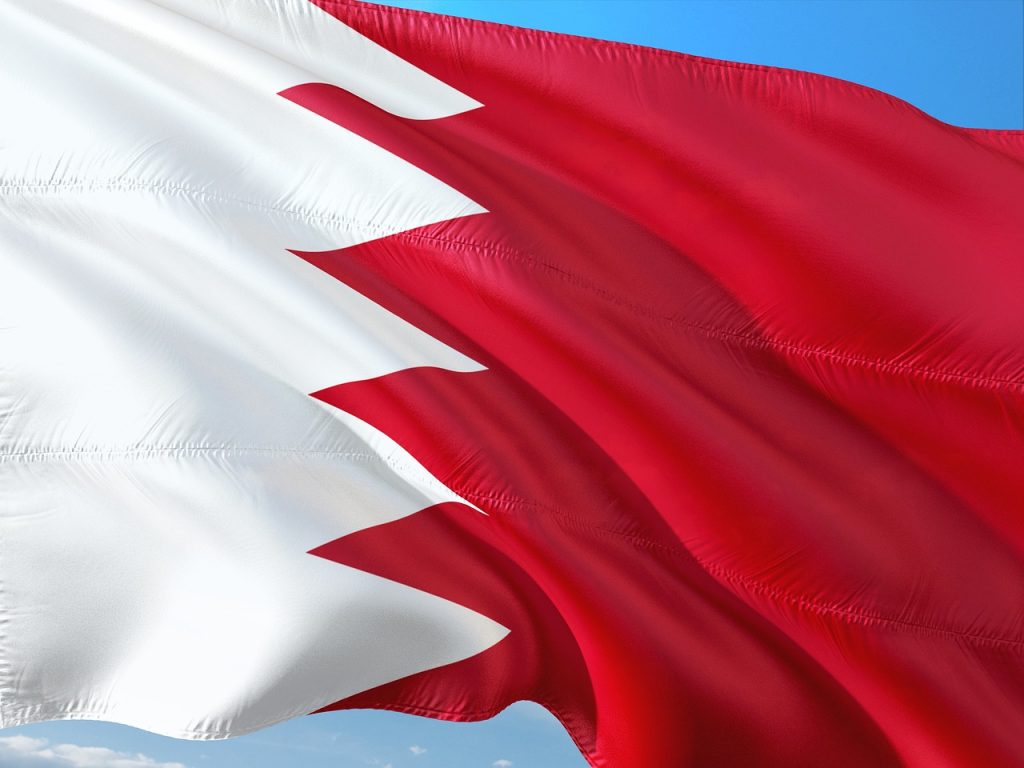
Bahrain is an island nation in the Persian Gulf, comprising a small archipelago. Bahrain has approximately 1485509 inhabitants, 84% of its population is Muslim, and Arabic is the country’s official language. Bahrain achieved its independence from Britain in 1971. Since then, the government has envisioned moving the country toward a modern state (Gharaibeh, 2011).
Public education in Bahrain is free throughout primary and secondary education (The Borgen Project 2017). The Bahraini Constitution states the citizens’ right to education (Al Khalifa, 2022). The Education Law No. 27 of 2005 states that education is free in primary and secondary government schools, which applies to citizens and non-citizens (Oxford Business Group 2022). Education is compulsory for children aged 6 to 15, and public schools educate boys and girls separately. The Ministry of Education is responsible for directing private and public schools, which have to adhere to some of its curricular demands (Oxford Business Group 2022). The Ministry offers the syllabus for the Arabic language and approves the textbooks related to Arabic and Islamic studies. Students in public schools take modern Arabic, as well as English, since their first year in primary school. The spending on public education in 2020 was 2.152% of the country’s GDP (CEIC 2023a).
The majority of the country, approximately 95.7%, is literate, and Bahrain has the highest female literacy rate, with 94.95% (CEIC 2023b). The secondary education system is divided into two tracks: unified and vocational. The first prepares students for higher education, whereas the vocational track prepares students to pursue technical careers. In 2019, the primary school enrolment was 97.4%, and the secondary education completion rate was 97.3% (Ministry of Education from the Kingdom of Bahrain 2023).
Covid-19
According to the World Bank, the lockdown during the COVID-19 pandemic affected approximately 1.5 billion children worldwide, especially due to schools closing (Buheji et al. 2020: 474). During the lockdown, the Bahraini government ensured that children continued receiving education. Bahrain’s national wealth eased the transition to distance education. The percentage of students with access to the internet and computers was high (idem: 481). Charities supported families that did not have access to computers, and communities were highly involved and mobilized to ensure the continuity of education throughout the lockdown (ibid.).
Private schools were equipped with online learning tools to record lessons and send these to students and parents (idem: 480). Likewise, public schools also provided online education after completing a two-week training program for teachers. Lessons were available on live television, YouTube, and Microsoft Teams (ibid.). Students with special learning needs also continued their education online, with teachers providing one-to-one lessons together with the children’s parents. Lastly, higher education resumed online, with professors uploading their lectures online (ibid.).
Nevertheless, students and professors complained that the transition to online education was oftentimes challenging due to technical issues, teachers’ lack of enthusiasm during recorded lectures, and lack of organization (ibid.). Additionally, teachers highlighted that students rarely engaged during online classes and that online education was more theoretical than practical. This aspect prevented students from gaining experience in their field, limiting the development of employability competencies (idem: 481).
Gender in Education & equality of opportunities
According to Unicef, Bahrain has made steady progress in gender equality in education and women’s empowerment (Unicef 2022: 2). Women’s education in Bahrain has been an essential step towards equality of opportunity, especially as girls are educated at the same rate as boys. The first public school for boys was established in 1919. The first public school for girls in Bahrain was established in 1928, being the first Arab country to pioneer formal education for girls (Gharaibeh 2011: 97). Approximately 97% of girls and 98% of boys are enrolled in primary schools, while 91% of girls and 87% of boys attend secondary schools (Borgen Project, 2017).
Furthermore, in 1983, the Bahrain Ministry of Education opened a department for adult education. The department aimed to offer women and men the opportunity to complete basic education in adult education centres. This initiative contributed to reducing the percentage of illiterate women from 76% in 1971 to 11.7% in 2006 (idem: 98). Furthermore, Bahraini women have access to higher education. The government offered scholarships to female students to enrol in foreign universities since the 1950s, and parents often send their daughters to Egypt, Iraq, and Syria to pursue higher education (ibid.). In the academic year of 2016-2017, 63.4% of students in higher education were women, illustrating a higher female representation in university compared to men (Statista, 2023).
Special needs education
The Ministry implemented a program in 2005 for inclusive education for students with special needs in public schools, which would offer educational opportunities tailored to the needs of students (Al Khalifa, 2022). In 2011, the government ratified the Convention on the Rights of Persons with Disabilities and developed a strategy for people with disabilities following the United Nations Development Program (ibid.). However, the implementation of this initiative has been challenging for public schools, and many students with special educational needs still lack an appropriate placement in the educational system.
In the academic year 2018-2019, 8600 students with special needs enrolled in public schools in Bahrain, including children with autism spectrum disorders, intellectual disabilities, and Down syndrome (ibid.). These students are often placed in segregated classrooms, lacking the opportunity to interact socially with other children. For example, some schools offer separate recess times for students attending special educational needs segregated classrooms (ibid.).
Additionally, there are no coherent guidelines or governmental standards serving as a point of reference to evaluate schools’ implementation of appropriate practices toward students with special educational needs (ibid.). Public schools often lack a special curriculum tailored to children’s learning needs. This hinders teachers’ capacity to conduct their classrooms, especially as many educators lack the necessary skills and training to deal with students with special needs.
Lastly, Bahrani public schools only offer special education services for students from age 6 to age 15, entailing that these educational programs are not available for pre-schools and secondary schools (ibid.). Therefore, students who later transition to general education in secondary schools often face great academic difficulties following the curriculum, as teachers fail to tailor it to the needs of students with disabilities (ibid.).
The Ministry of Education, however, is currently drafting a transitional program from secondary school to employment for students with special needs, which has already been implemented in the US, Canada, and the UK (ibid.). The program aims to support students’ transition from education to ‘adult life’.
Freedom of education is imperative for academic freedom. Nevertheless, academic freedom is highly restricted in Bahrain. The government’s intolerance policy towards dissent has negatively impacted both students and teachers (Bahrain Center for Human Rights 2021). Since the uprisings in 2011, hundreds of teachers and students have been imprisoned, intimidated into silence, or expelled from educational institutions for participating in activism or peaceful demonstrations (ibid.). Government critics are subject to discrimination in employment and scholarship distribution (ibid.). The Bahrain Teacher’s Association (BTA) played a vital role in the 2011 uprisings, leading multiple peaceful protests. The government responded by prosecuting hundreds of teachers and banned BTA in April 2011, replacing dissident teachers with employees they deemed more suitable (ibid.).
Scholars who openly criticized the Bahraini regime were arrested; some had their citizenship and passports revoked or were refused entry into Bahrain (ibid.). In 2011, the University of Bahrain dismissed 117 academic staff members. It expelled 427 university students for openly expressing their opinions, and the government nullified the scholarships of university students for the same reason (ibid.). Underage students have also been arrested, with figures reaching 191, 124, 56, and 41 in 2016, 2017, 2018, and 2019, respectively (ibid.). As a result of their incarceration, these children have been deprived of education. The Bahraini government also executed a student, Ali al-Singace, in 2017, although he was underage at the time of his arrest (ibid.).
Furthermore, the government has been accused of discriminatory practices in scholarship distributions (ibid.). Personal interviews account for a large part of the scholarship allocation process, and many students reported that authorities questioned them on their political beliefs (ibid.). To illustrate, some top students were deprived of scholarships and unable to acquire jobs due to their political opinions (ibid.). Thus, by persecuting educators and students for their political opinions and assigning scholarships according to political ideology, the Bahraini government is compromising human rights and the quality of education.
Conclusion and recommendations
Altogether, Bahrain should continue to offer free and mandatory education for all children from primary to secondary school, with special attention to low-income families. Regarding inclusivity and equality, the government should continue to ensure that girls and boys have access to education and sustain high literacy rates. Given that Bahrain only uses a very partial percentage of its GDP on education, the government could invest more money to ensure that the quality of education does not diminish.
The matter of human rights and freedom of expression is currently an urgent matter in Bahrain. There is a need for legislation to prevent any administrative practices that involve discrimination, and the Bahraini government should be encouraged to include human rights principles in its academic curricula.
Concerning inclusive education, the Ministry of Education should draft a tailored curriculum and ensure educators are more adaptable to students with disabilities. Special needs education should also enable a smooth transition to secondary education and ensure that students have the necessary life skills and social and communication skills.
There should be staff with appropriate training and educational material available to students with special needs so teachers can give the proper attention to their students. Additionally, Bahrain’s school system needs to adapt its facilities to the aspirations of students with disabilities instead of offering segregated and isolated facilities. Resources and facilities can be used more efficiently by shifting to a more inclusive educational environment. In other words, the government should advocate for an educational model that focuses on empowerment rather than assimilating students with special needs to the social norm.
References
Al Khalifa, H. (2022). Reviewing Inclusive Education for Children with Special Educational Needs in Bahrain Public Schools. International Journal of Disability, Development and Education, pp.1-20.
Bahrain Center for Human Rights (2021). “Education in Bahrain: Discrimination and no place for freedom of expression”. Accessed on 23rd July 2023, https://bahrainrights.net/?p=13343
Buheji, M., Ahmed, D., Abdulkareem, T., Buheji, B., Eidan, S. and Perepelkin, N. (2020). Emergency remote education in Bahrain, Iraq, and Russia During the COVID-19 pandemic: A comparative case study. Human Systems Management, 39(4), pp.473-493.
On October 7th, Hamas launched a significant attack on Israeli territory during a festival just outside the walls surrounding the Gaza Strip. This event resulted in the tragic loss of over 250 Israeli civilians’ lives, with many others kidnapped and held captive in the enclave. In response, Israel initiated a full-scale conflict with Hamas, leading to airstrikes on Gaza and a comprehensive border siege. The conflict has had devastating consequences, with an estimated 3,000 Palestinian casualties attributed to Hamas’ initial attack, alongside the loss of over 1,300 Israeli civilian lives. It has triggered a tragic humanitarian crisis for over 2 million Palestinians in the world’s most densely populated city.
Reflecting on the human cost, it is heartbreaking to note that over 1,000 children have died in Gaza since the start of the conflict, as estimated by the Gaza Health Ministry. As half of Gaza’s 2.3 million population is under 18, the United Nations and the international community must redouble their efforts to encourage an immediate ceasefire and scrutinise both sides on their adherence to the rules of international law. UN Secretary-General Antonio Guterres has called for an immediate humanitarian ceasefire, stating that “Hamas attacks cannot justify the collective punishment of the Palestinian people.”
The challenges of recent ongoing discussions in progress involving the United States, the European Union, Israel, and Egypt are deeply concerning. The primary goal of these discussions is to facilitate the entry of critical humanitarian aid from Egypt to Gaza by opening the Rafah crossing; regrettably, these negotiations have faced significant obstacles, as Israel has targeted the Rafah crossing with airstrikes on four occasions since the onset of the conflict on October 7th. Hundreds of Egyptian humanitarian trucks are stuck at the Rafah crossing, with the Egyptian government pressuring Israel and the US to hold a ceasefire so that unrestricted humanitarian aid may reach many wounded men, women, and children.
On October 17th, a massive blast rocked Al-Ahli Baptist Hospital in Gaza, where doctors and nurses were tending to injured Palestinians, including women and children, and other Palestinians still were seeking shelter. This incident became the site of the highest death toll of any single event since the start of the current conflict, claiming the lives of 500 people, as reported by the Palestinian health authorities. Both main military actors in the conflict, Hamas and the Israeli Defense Force, claim that the other side was responsible for the incident.
As this conflict has brought about an unprecedented humanitarian crisis, with almost 2.2 million Palestinians left without access to introductory provisions such as food, water, and electricity, Broken Chalk raises its voice to call for immediate action to stop ongoing extreme human rights violations to bring stability within the region and for all humanity. We call on the Israeli government and the international community to urgently hold a ceasefire and allow humanitarian aid to pass through the Rafah border, providing for many displaced and affected Palestinians. We call on the Israeli government to strictly abide by the rules of international law concerning protecting hospitals, journalists, and civilians. We believe that it is contingent that the international community exercise more scrutiny on Israel’s government to ensure that human rights are upheld. It is urgent that Israel lift the siege on Gaza to allow for water, food, electricity and fuel to reach Palestinian hospitals.
Broken Chalk announces it to the public with due respect.
We use cookies on our website to give you the most relevant experience by remembering your preferences and repeat visits. By clicking “Accept All”, you consent to the use of ALL the cookies. However, you may visit "Cookie Settings" to provide a controlled consent.
This website uses cookies to improve your experience while you navigate through the website. Out of these, the cookies that are categorized as necessary are stored on your browser as they are essential for the working of basic functionalities of the website. We also use third-party cookies that help us analyze and understand how you use this website. These cookies will be stored in your browser only with your consent. You also have the option to opt-out of these cookies. But opting out of some of these cookies may affect your browsing experience.
Necessary cookies are absolutely essential for the website to function properly. These cookies ensure basic functionalities and security features of the website, anonymously.
Cookie
Duration
Description
cookielawinfo-checkbox-analytics
11 months
This cookie is set by GDPR Cookie Consent plugin. The cookie is used to store the user consent for the cookies in the category "Analytics".
cookielawinfo-checkbox-functional
11 months
The cookie is set by GDPR cookie consent to record the user consent for the cookies in the category "Functional".
cookielawinfo-checkbox-necessary
11 months
This cookie is set by GDPR Cookie Consent plugin. The cookies is used to store the user consent for the cookies in the category "Necessary".
cookielawinfo-checkbox-others
11 months
This cookie is set by GDPR Cookie Consent plugin. The cookie is used to store the user consent for the cookies in the category "Other.
cookielawinfo-checkbox-performance
11 months
This cookie is set by GDPR Cookie Consent plugin. The cookie is used to store the user consent for the cookies in the category "Performance".
viewed_cookie_policy
11 months
The cookie is set by the GDPR Cookie Consent plugin and is used to store whether or not user has consented to the use of cookies. It does not store any personal data.
Functional cookies help to perform certain functionalities like sharing the content of the website on social media platforms, collect feedbacks, and other third-party features.
Performance cookies are used to understand and analyze the key performance indexes of the website which helps in delivering a better user experience for the visitors.
Analytical cookies are used to understand how visitors interact with the website. These cookies help provide information on metrics the number of visitors, bounce rate, traffic source, etc.
Advertisement cookies are used to provide visitors with relevant ads and marketing campaigns. These cookies track visitors across websites and collect information to provide customized ads.