Bhutan is a small country that lies between India and China, nestling the Himalayas. Although the nation’s international presence was obscure for decades, ruled by the Wangchuck monarchy since 1907, the country has made several appearances at international forums 1970 onwards, and has always taken pride in maintaining their traditions and cultures. Bhutan was also introduced to modern and organised schooling relatively late between 1913 and 1914, and it was only in 2008 that the country established a two-party democracy after elections.
Currently, in the educational sector, Bhutan is struggling to provide students with refined infrastructure, human resources, and has failed to implement programs and standardisation, which affect the nation’s literacy rate and enlarges the socio-economic gaps between the diverse population. Prior to the introduction of formal education systems, Bhutan only had Monastic educations, where people would discuss religious themes and scriptures, and younger monks would learn from older monks and teachers. Organised Monastic education however, was introduced in 1622 by the formal monk body in Thimpu, where young monks focused on their spiritual growth. In 1913, on the basis of orders given out by Gongsa Ugyen Wangchuck, the first monarch of Bhutan, Gongzin Ugyen Dorji, established the first modern school in Haa. The goal of establishing formal schools in the country primarily focused on generating resources and aiding the country’s developing economy. It was after the inception of the first five-year plan in 1961, that the nation chose to place systematic education development as a priority. Bhutan has shown exponential educational growth over the course of decades, but the challenges of poor infrastructure, the lack of funds and finances, and the quality of education are still monumental.
In 1914, 46 Bhutanese boys travelled to Kalimpong, India to study at a mission school. Simultaneously, Dorji established the first modern school in Haa with teachers from the Church of Scotland Mission, and later another school was established in Bumthang for the Crown Prince and the children of the Royal court’s education. The curriculums were taught in Hindi and English.
Before the first five-year plan that focused on stabilising the educational sector of the nation, schools were classified as either ‘schools for Nepali Immigrants’ and ‘schools for Bhutanese.’ Most Nepali Immigrant schools consisted of one Indian teacher, a handful of students in one classroom in various districts across the country. The classes were conducted by the invited Indian teachers in Nepali, Hindi or English, and the schools were privately established in order to fulfil the demands of local residents. Furthermore, the ambiguity regarding the languages of instruction is in relation to the southern districts of the country where people were ethnically Nepali-Bhutanese. Nepalis had begun to immigrate to Bhutan in the late nineteenth century, when the British East India Company had just established tea plantations across the South-Asian subcontinent and sent workers from North-East India to Nepal. Some workers had escaped to Bhutan by crossing the ill-defined border at the time and settled down in the Southern districts of the small hill surrounded nation. These Nepali settlements in Bhutan were extremely self-sufficient, with mere interventions from the Bhutanese government. When they required a formal education, the residents of the communities built schools for cheap, hired teachers from neighbouring nations, and conducted small classes.
Over the course of time, Bhutan saw the emergence of schools for the Bhutanese. They rapidly grew popular, with the number of students increasing, as well as the number of educators. The languages of instruction varied from Hindi, English, Nepali, Classic Tibetan and more. The first school opened in Haa welcomed the public and recognised the first batch of children who graduated from a mixed-sex primary school. Both types of schools had the support of local governments and public schools had a larger intake of up to 100 students. While for Nepali Immigrant schools the initiative was taken up from the local ground levels, for Bhutanese schools, the initiative was taken for the masses by governing bodies and officials in the nation.
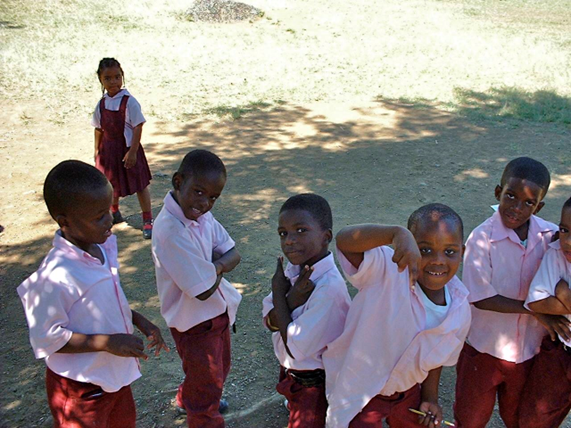
Thinleygang Primary School, Bhutan 2005. Image by Andrew Adzic from Wikimedia
Educational Challenges
Since the implementation of the first five-year plan in 1961, Bhutan has witnessed rapid growth in the number of schools. From about 11 schools in 1961, the number of schools rose to over a thousand by 2019, including primary schooling, post-secondary schooling, vocational and technical training. The constitution of the Kingdom of Bhutan, Article-9, Section-16 states, “the State shall endeavour to provide free basic education up to tenth standard to all school going age children,” (Kuenzang Gyeltshen, 2020), and the ministry makes sure there is no discrimination, gender based or socio-economic, in the enrollment process. The completion rate among female students stands at 102.3 percent, while for male students it stands at 84.8 percent. Schools for disabled students and students with Special Educational Needs (SEN) have also been established across the country.
Although in recent times Bhutan has made large investments in the education sector and funded infrastructural changes and established an institute to train educators, despite the rapid growth, the nation is still struggling to overcome certain challenges.
The lack of human resources and financial aid is posing to be the greatest threat to Bhutan’s education system. The country primarily funds its educational developments by loans from other nations at the moment, and does not have sufficient funding to provide new teachers or students with the prescribed training or in-class learning. Most incoming teachers are currently dependent on international scholarships and training programs.
Furthermore, the Royal Government of Bhutan still needs to overcome challenges presented by the disparity in economic statuses of families, socio-economic backgrounds, disabilities in students, as well as different terrains cutting off access to education. Students from certain hilly terrains of the country are cut off from quality education and well-established schools, leading to problems of overcrowding in classrooms, paving the way for ill-managed workload for the teachers. Moreover, students are unable to achieve the goals set for them. In the twenty-first century, education is not solely focused on academic grades, but is also focused on nurturing students with values and holistic learning. The TIMSS has proven that Bhutanese students are learning at a level lower than the international average (Kuenzang Gyeltshen, 2020). Students in Bhutan have demonstrated learning gaps in some of the core subjects, proving there is immense room for improvement in terms of the quality of education provided to them at the moment.
In addition to the aforementioned issues, there also exists a gap in the literacy rate of male students in comparison to female students. While male students have acquired a literacy rate 73.1 percent, females on the other hand stand at 63.9 percent. This is an equity based challenge Bhutan has to overcome which reflects gender based bias that still exists in the country (Kuenzang Gyeltshen, 2020). Bhutan does not have an education act or policy in execution at the moment. Their system efficiency needs to be improved in order to be more inclusive, and needs to provide the correct resources in order to develop and progress. A legislative education Act needs to be provided in order to witness tangible results and aid their educational sector, along with their globalisation goals. While Bhutan has proven to be a rapidly developing country and has taken the initial step towards achieving their goals, especially based on their first five-year plan, the nation still needs to come up with concrete plans to provide financial support to the educational sector.
Nestled amidst a variety of landscapes- from the mountain chains of Stara Planina, a natural dividing line running west to east, with over 40,000 cultural heritage sites, of which seven are listed under the UNESCO list, to the myriad of beaches along the coastline of Black Sea, Bulgaria is a perfect amalgamation of old cultures and modern townships. Founded in the seventh century, Bulgaria is the second oldest country, after San Marino, in the European continent.
Because of its rich historical background, Bulgaria also sees an intersection of Greek, Persian, Slavic, Roma and Ottoman cultures. This cultural intersection has also significantly impacted Bulgaria’s politics and society. Modern Bulgarian socio-political society has evolved due to interwoven inherited beliefs, values and practices combined with new influences. The impact of this ever-changing fusion can be seen in different aspects of Bulgarian society, particularly in education.
Before we look into the changing landscape of education in Bulgaria, let’s first understand where the country stands and how some of these factors affect its education infrastructure.
Background:
Bulgaria joined the European Union on 1st January 2007 after signing the 2005 Treaty of Accession of Romania and Bulgaria to the EU. Since then, there have been significant changes in its education sector, especially in terms of funding, investment in educational infrastructure and technology, advancement of its curriculum to meet EU standards and, most importantly, the introduction of a variety of widely spoken EU languages and mobility and exchange programmes.
Moreover, being an upper-middle income of the European Union, Bulgaria has implemented (especially after joining the EU) policies and introduced reforms in various sectors that also increase its proximity to the OECD (Organisation for Economic Cooperation and Development) standards and practices. It is on the pathway to becoming a member of the OECD. These reforms and policies have been encouraged and facilitated by a strong commitment to EU integration and have led the country to achieve macroeconomic stabilisation and higher living standards for the people in past decades.
However, although Bulgaria is striving towards progress, various hurdles need to be understood and worked upon.
Educational barriers:
Take education for instance. Bulgaria does believe that education is a vital tool to combat its current problems and will also aid in realising the country’s socio-economic potential. But it has not been so successful. The country has one of the lowest education outcomes in the EU. According to PISA (Programme for International Student Assessment) data, 47% of 15-year-old students failed to achieve sufficient levels of reading proficiency in 2018, as compared to the Eastern Europe and Central Asia regional average of 42% and the OECD and EU average of 23%.
One of the underlying reasons for Bulgaria’s diminished educational progress is the low investment rate in the educational sector. According to the latest data of 2018, only 3.5% of the GDP is spent on education, which is lower than the EU average of 4.6%. It is one of the lowest in the EU.
Even though the world is moving towards digitalisation, Bulgarian classrooms could be more progressive. Most of the teachers find the integration of technology in the classrooms as an effective instrument however, they often complain about the lack of technical equipment and skills required to utilise the existing technology in classrooms. Fewer schools in Bulgaria are digitally equipped when compared to the EU. According to a 2019 report by the European Commission, only 32% of primary school children, 31% at the lower secondary level, and 37% at the upper secondary level have access to digitally equipped schools, as compared to the average 35%, 52% and 72% in the EU respectively. Only 57% of students in the age group 16-19 years possess basic digital skills as basic, which is much below the EU average of 82%.
The past few years have seen investments funded by the EU to enhance digital tools and ICT (Information and Communication Technology) infrastructure; however, a Ministry of Education and Science study revealed that less than 40% of educational institutions had adequate equipment in their computer labs. Further, almost only half of the Bulgarian schools had pre-requisite conditions to enable modern ICT infrastructure and learning opportunities for teachers to enhance their ICT skills.
According to the 2020 Digital Economy and Society Index, Bulgaria ranks at the bottom of the European rankings based on the digital skills of adults and young people. For the same reason, attempts are now being made to address this challenge. The SELFIE tool (a tool developed by the European Commission to help schools understand where they stand in digital education) is already used by 30% of the Bulgarian schools that evaluated how they use digital technologies in teaching and learning. The number of upper secondary classes specialising in ICT has been increased. Interestingly, coding is being offered as a subject starting from third grade, while four universities provide programmes in Artificial Intelligence. This is after the Council of the European Union called Bulgaria to ‘promote digital skills and equal access to education’ in its 2020 country specific recommendations. Bulgaria has also set out ‘Digital Bulgaria 2025’, a national programme for modernising and incorporating IT solutions in all economic and social welfare areas. One notable educational challenge confronting Bulgaria is the structural issues in teaching policies. Most teachers in primary to upper secondary schools are ageing rapidly, as most are older than 50. According to a report by World Bank 2019, around 11% are found to be already 60 years old. Despite raising the teachers’ salaries to make it more attractive, only some were found to opt for the teaching profession. The teacher training is considered more theoretical than practical, and there is no clear policy to measure if the teachers’ skills meet students’ needs nor any system to track the teaching and learning experience of the classrooms.
Bulgarian and EU flag against a blue sky. Image viaUnsplash by Neven Myst.
Discrimination against Roma children in schools
Although providing equal and unbiased education is a fundamental human right for all citizens of the EU countries, the non-inclusive nature of public education consistently denies Roma children from enjoying this right. There are huge gaps in access, quality and treatment of Roma children. One of the primary concerns is school segregation.
Even though school segregation has never been officially introduced or sanctioned by the Eastern and Central European countries, unfortunately, it has always been present. The system of ‘Gypsy schools’ predominantly existed in Bulgaria, where the children enrolled belonged exclusively to the Roma community as they were not allowed to enrol in mainstream Bulgarian schools.
Over the years, especially in the late 90s and 2000s, the policies of the Bulgarian government supported the downsizing of the Gypsy schools. The organised grassroots effort for school desegregation in Bulgaria began in 2000, with several hundred Romani children enrolling from a gypsy school in Vidin into the town’s mainstream schools. This initiative aligns with the historical development of Romani communities in Bulgaria, where, having lived on Bulgarian lands for centuries, Roma has long aspired to integrate into the broader societal institutions, including the educational system. The desire to achieve this goal has existed for a long time and is not limited to the present. Even in past decades, Romani parents with the necessary knowledge and resources made efforts to enrol their children in mainstream schools.
However, this process has remained ever slow in doing so. Many Roma children either remain unenrolled in schools, often drop out or do not receive quality inclusive education. The 2018 UNICEF Situation Analysis of Children and Women in Bulgaria identifies factors such as poverty, limited proficiency in the official language (Bulgarian), prejudice, and discrimination as the primary contributors to this issue.
In the 2018 PISA test, students from more advantaged backgrounds significantly outperformed their less advantaged counterparts, with a substantial gap of 106 points in reading, equivalent to over two and a half years of schooling. While this gap has decreased since 2009 (when it stood at 130 points), this reduction primarily stems from lower scores among the advantaged students rather than an improvement in the performance of disadvantaged students. To summarise, 70% of students facing socio-economic disadvantages encountered difficulties in reading, in contrast to just 25% among their more socio-economically advantaged peers. This gap of 45 percentage points is the widest in the EU. Consequently, the transmission of educational qualification and poverty between generations is a crucial factor influencing overall educational opportunities, early school dropout rates, and subsequent success in the labour market. This concludes that the benefits from schooling are higher for students whose mother tongue is Bulgarian than others.
Students’ socio-economic status strongly influences their aspirations regarding attaining a university degree. In Bulgaria, 64.3% of teenagers generally aim to achieve higher education, slightly surpassing the EU average of 62.4%. Nevertheless, when examining the least privileged students, only 42.8% realise this aspiration, in contrast to the significantly higher rate of 83.3% among their more affluent counterparts.
Moreover, the Committee of Economic, Social and Cultural Rights states its concern over Bulgaria’s National Roma Integration Strategy (2012-2020) as it remains constrained. The Committee observes hindrances preventing Roma individuals from thoroughly enjoying their economic, social, and cultural rights. Specifically, there are ongoing concerns about discrimination against Roma in areas such as employment, housing, healthcare, and education, which are further exacerbated by increased anti-Roma sentiment. It is particularly concerned about reports that Roma children increasingly attended de facto segregated schools.
It has been over 20 years since the Bulgarian government initiated its desegregation policy. However, most reports, as we saw, suggest that the progress is slow. The desegregation is a long-term process that requires continuous efforts and, most importantly, an understanding of a multi-layered phenomenon. To ultimately achieve integration, the government must work alongside the communities- both the majority and minority, civil society and international organisations to ensure equitable education for all.
Broken Chalk proudly presents the twelfth edition of “Education Monitor: Around the Globe” between 1st and 15th of September, 2023. Broken Chalk aims with this letter to increase public awareness of Educational problems, challenges, and violations in the scope of the world. This newsletter is unique. This is a weekly newsletter in which we attempt to monitor and convey educational news from around the world in a concise manner. This monitor will be published biweekly with the effort of our young and enthusiastic team.
You can contribute to our work if you like. If you witness any violations in the scope of education, you can write the comment part of this post. Broken Chalk will try to address the issue in its next monitor edition.
To Download it as pdf : Education Monitor: Around The Globe between 1st and 15th of September, 2023
Broken Chalk Platform, in March 2019, was founded by a group of educators abroad who experienced and have been experiencing severe human rights violations in Turkey and had to ask for asylum currently in several countries.
These education volunteers also suffered greatly and started their new lives in their new countries without human rights violations. They gained respect just because they were considered human beings in those countries. However, they left one part of their minds and hearts in their homeland. They assigned themselves a new duty, and the human rights violations they left behind had to be announced to the World. A group of education volunteers who came together for this purpose started their activities under the Broken Chalk platform’s umbrella. However, the Broken Chalk platform was not enough to serve their aims. Therefore, they completed their official establishment as a Human Rights Foundation in October 2020.
Broken Chalk is now much more than a platform, and we have reviewed and enlarged our vision and mission within this framework. Violations of rights would be the first in our agenda in the field of Education all over the World. At the point we reached today, Broken Chalk opened its door to all individuals from all across the globe, from all professions, and to all individuals who say or can say ‘I also want to stand against violations of human rights in Education for our future and whole humanity, where our generations grow up together.’
Education is essential because it can help us eliminate the evils from society, introduce, and increase the good. We want to draw the public’s and stakeholders’ attention to the fact that Education is in danger in several different parts of the World. The attacks are wide-reaching, from the bombing of schools to the murder of students and teachers. Raping and sexual violence, arbitrary arrests, and forced recruitment also occurred, instigated by armed groups. Attacks on Education harm the students and teachers but also affect the communities in the short and long term.
We invite all individuals who want to stop human rights violations in Education to become Volunteers at Broken Chalk.
In October 2023, Sümeyye Tercanoğlu and her husband, a Turkish Gulen teacher, faced conviction for suspected affiliation with the Gulen movement. The allegations centred around their purported use of ByLock, a phone application believed by the government to be a platform for Gulen movement supporters engaging in secret communication since the failed coup attempt in 2016. It’s essential to note that no concrete evidence supports these allegations. The Gulen movement, led by an influential Islamic cleric, aims to provide devout Muslims with the necessary secular education for success in contemporary society while also emphasizing the importance of traditional religious teachings. The movement promotes a tolerant form of Islam, highlighting values such as altruism, modesty, hard work, and education (Pew Research Center, 2010). The Turkish President Recep Tayyip Erdoğan has been actively targeting followers of the Gülen movement since the corruption investigations of December 17-25, 2013. The government’s actions against the Gülen movement have raised concerns about human rights violations and the erosion of democratic principles.
taken from https://polatlipostasicom.teimg.com/crop/1280×720/polatlipostasi-com/uploads/2023/10/zarif-sumeyye-tercanoglu-neden-tutuklandi.png
Upon Sümeyye Tercanoğlu’s arrest, a deeply distressing situation unfolded. She was separated from her 4-month-old child, who, since the day of the arrest, had not been breastfed and lacked access to his mother’s breast milk—crucial for his healthy growth. Legislator Ömer Faruk Gergerlioğlu, known for his human rights advocacy and affiliation with the Green Left Party (YSP), raised concerns about the plight of pregnant women or mothers with infants, asserting that such separations occur on a near-daily basis. He specifically called for the release of Sümeyye Tercanoğlu, shedding light on the human rights implications of these incidents.
Simultaneously, the European Court of Human Rights issued a significant judgment in the case of Yüksel Yalçınkaya v. Türkiye, holding violations of Article 7 (no punishment without law), Article 6 § 1 (right to a fair trial), and Article 11 (freedom of assembly and association) of the European Convention on Human Rights. Much like the case of Sümeyye Tercanoğlu, Mr. Yalçınkaya’s conviction was significantly based on the use of the encrypted messaging application ByLock.
The judgment underscored that the Turkish judiciary’s uniform and global approach to ByLock evidence did not comply with national law or the object and purpose of Article 7, designed to safeguard against arbitrary prosecution, conviction, and punishment. Procedural shortcomings in criminal proceedings, specifically regarding access to and compelling challenge of ByLock evidence, were also noted, breaching the right to a fair trial under Article 6. This systemic problem has broader implications, with approximately 8,500 applications on the Court’s docket involving similar complaints under Articles 7 and/or 6 of the Convention. Under Article 46, the ECHR mandated that Turkey implement general measures to address these systemic problems, particularly concerning the Turkish judiciary’s approach to ByLock evidence. This underscores the urgent need for Turkey to address the human rights violations associated with convictions based on ByLock usage.
The case of Ismet Ozcelik, a Turkish national, has once again highlighted the concerns surrounding justice and the legal profession in Turkey. Ozcelik, an academic who has been held in detention since 2017 on alleged links to a cleric blamed for a 2016 coup attempt, was due for release from prison. However, his departure has been extended by an additional ten months, raising questions about the fairness and independence of the Turkish legal system.
Ozcelik, along with Turgay Karaman, a school principal, was deported from Malaysia to Turkey in 2017, where they were accused of ties to the network of Fethullah Gulen. The Gulen movement, led by an influential Islamic cleric, Fethullah Gulen, aims to provide devout Muslims with the necessary secular education for success in contemporary society while also emphasising the importance of traditional religious teachings. The movement promotes a tolerant form of Islam, highlighting values such as altruism, modesty, hard work, and education (Pew Research Center, 2010).
Since the failed coup attempt, the Turkish government has detained and jailed tens of thousands of people, pending trial, on suspicion of involvement with Gulen’s network. Human rights organizations have criticized this widespread crackdown for its impact on the rule of law and the right to a fair trial.
One of the key pieces of evidence used against Ozcelik was the allegation that he had used a mobile app called Bylock, which Turkish authorities claimed was used exclusively by Gulen’s followers. However, the European Court of Human Rights (ECtHR) has clarified that using Bylock cannot serve as reasonable suspicion for arrest or evidence for a conviction. Despite this, Ozcelik’s requests for an expert panel examination to contest the claims against him were denied, violating the principle of equality of arms in the legal process.
In addition to the Bylock allegation, Ozcelik’s participation in a protest and his social media posts criticizing the government’s actions were presented as evidence of his alleged membership in an armed terrorist organization. The UN Human Rights Committee and the ECtHR have emphasized protecting the fundamental rights to peaceful protest and freedom of expression. They have stated that these activities should not be criminalized without concrete evidence of involvement in illegal or terrorist activities.
Another contentious aspect of the case is the involvement of a private education company, Polat A.S., with which Ozcelik was a shareholder. Turkish authorities accused the company of being a front for carrying out alleged terrorist activities. However, critics argue that no concrete evidence substantiates this claim. Polat A.S. was a legally incorporated company operating under Turkish law and with a license from the Ministry of Education. Using such legal activities as grounds for criminal conviction raises concerns about the validity of the charges against Ozcelik.
The extension of Ozcelik’s detention by ten months has raised further concerns about the erosion of justice and the stifling of the legal profession in Turkey. Human rights defenders and legal experts have consistently expressed worries about arbitrary detention and the use of terrorism charges against individuals who exercise their rights to freedom of expression and peaceful protest.
The case of Ismet Ozcelik and others like him underscores the need for Turkey to uphold fundamental principles of justice, independence, and respect for human rights. International bodies, including the United Nations, have called for the release of detainees like Ozcelik and have highlighted the importance of providing effective remedies for those who have suffered violations of their rights.
As the detention of Ismet Ozcelik continues, it remains a stark reminder of the challenges facing the Turkish legal system and the urgent need for reforms to protect the rights and freedoms of all individuals.
Note: This article is based on available information and does not constitute legal advice or an official statement of the events described.
REFERENCES
Initiative, T. A. L. (2023, July 30). How having “the wrong” dish led to imprisonment for terrorism. The Arrested Lawyers Initiative is a volunteer organisation to defend the defenders. https://arrestedlawyers.org/2023/07/28/how-having-the-wrong-dish-led-to-imprisonment-for-terrorism/
Miles, T. (2019, May 29). Turkey was told by U.N. to free and compensate gulen-linked detainees. Reuters. https://www.reuters.com/article/us-turkey-un-idUSKCN1SZ1RD
Scf. (2023, November 9). Man imprisoned on Gülen links to spend ten more months behind bars for making prayer beads. Stockholm Center for Freedom. https://stockholmcf.org/man-imprisoned-on-gulen-links-to-spend-10-more-months-behind-bars-for-making-prayer-beads/
Turkish Minute. (2023, November 9). Man imprisoned on Gülen links to spend 10 more months behind bars for making prayer beads. https://www.turkishminute.com/2023/11/09/man-imprisoned-on-gulen-link-to-spend-10-more-months-behind-bars-for-making-prayer-beads/
The United Nations Human Rights Committee has decided that Turkey is unfair. Justice Square. (n.d.). https://www.justicesquare.com/uncategorized/the-united-nations-human-rights-committee-has-decided-that-turkey-is-unfair/
Çetin, T. (2019, June 5). Un asks Turkey to release i̇smet özçelik and Turgay Karaman immediately. BoldMedya. https://boldmedya.com/2019/06/02/un-asks-turkey-to-release-immediately-ismet-ozcelik-and-turgay-karaman/
Puerto Rico is located northeast of the Caribbean Sea and is considered one of the Greater Antilles. Its location boasts beautiful beaches and landscapes but is also prone to hurricanes and other natural hazards that have severely affected its residents. Puerto Rico’s official language is Spanish and it is home to a diverse and multicultural population, with most of its inhabitants of Puerto Rican descent and a significant community of African, European, and Latin American ancestry.
After the Spanish-American War, the United States (US) officially annexed the then Spanish colonies of Puerto Rico, Guam, and the Philippines in December 1898, initially subjecting Puerto Rico to rule by the US military and a governor appointed by the President. In 1917, the US Congress voted to grant Puerto Ricans official citizenship status, while still denying them the representative rights that usually accompany full citizenship. The island’s inhabitants could not elect their own governor until 1947.
To this day, Puerto Ricans are not able to participate in US elections, have no voting representation within the US Congress, and do not hold the right to “equal treatment” in the 14th Amendment to the US Constitution. The island is now an “unincorporated territory” with “quasi-colonial” status, according to former Puerto Rican high school teacher and US Secretary of Education John King. This causes serious consequences in the education system due to limited support from the US federal government and the unfortunate impact of natural hazards, the negative and systematic effects of which have not been adequately addressed.
Education System Overview
The Puerto Rican education system is roughly based on the American model. School attendance is mandatory from ages 6 to 18, and divided into six years of elementary education, three years of junior high school, and three years of high school. Academic calendars and grading scales are very similar to their US equivalents. After numerous failed attempts by the US to convert the Puerto Rican education system to English, Spanish has remained the language in which public schools operate. The high school diploma is known as the “Diploma de Escuela Superior” a literal translation from its mainland English counterpart.
A key difference between challenges to the Puerto Rican school system and the mainland US system is the percentage of children experiencing poverty. According to the Census, 44% of Puerto Ricans live in poverty. Whereas 17% of children live below the poverty line in the US, this percentage is at 55% in Puerto Rico and even higher in rural areas. In 2017, a quarter of Puerto Rican children did not have access to the internet and half did not have access to a home computer.
Today, those who do have a home computer may have unreliable power due to damages to the electrical grid caused by disasters and mismanagement. High school drop-out rates are much higher on the island, especially from households with lower incomes: according to the U.S. Department of Education, the dropout rate among high school students is one-third, which is more than twice the current percentage in mainland US. In 2015, the secondary education net enrollment rate was 66.6% as opposed to 80.5% in mainland US.
This data was published in 2009-2010, which is the most recent information available due to the limited production of up-to-date statistics by the local government. Moreover, federal counts frequently omit Puerto Rico from their calculations. It is likely that the dropout rate in Puerto Rico has likely increased even further since, as hurricanes and the COVID-19 pandemic have exacerbated the situation. For those students who graduate high school, outcomes are not equal to those on the mainland US.
According to the Youth Development Institute of Puerto Rico, 51% of high school graduates pursue university education, whereas 67% of suburban Americans and 63% of rural and urban Americans attend college. Many Puerto Rican graduates who are able to attend college come from privileged backgrounds which enable them to attend private schools and hire college application consultants.
This is in line with the islands’ rank as the third-highest income-unequal in the world, following South Africa and Zambia. Additionally, it is particularly difficult for Puerto Rican students to pursue a college education in the mainland US. As US and Puerto Rican high school graduation tests are not harmonized, Puerto Rican high school students are required to take a Spanish language test that nearly no US mainland universities consider valid. Initially aimed to create a standardized college admissions test for the Spanish-speaking world and implemented for a trial run in Puerto Rico, this test was never expanded beyond. Because of this, and underfunding, most public high school guidance counselors in Puerto Rico do not have knowledge of mainland admission requirements and cannot help students in that way.
In the last year of reported data, “only 694 high school graduates from all of Puerto Rico went to college on the mainland or abroad in 2016. That’s about 2 percent. The island’s population is 3.2 million, according to the Census Bureau.”
A positive aspect of the Puerto Rican education system is that the University of Puerto Rico is more accessible and affordable than comparable universities in the mainland US where the average tuition at a public institution is $25,707 per year (for students with family residence in the state) or $44,014 per year (for students without family residence in the state). In comparison, students at the University of Puerto Rico pay $4,366 in tuition in-state, and $8,712 out-of-state. However, according to advocacy group Excelencia in Education, less than half of students who enroll in Puerto Rican universities earn degrees after six years, compared to the US mainland where 58 percent of college students graduate.
Natural hazards in Puerto Rico
Natural hazards have wreaked havoc in Puerto Rico for many years. Despite being aware of this situation, efforts to mitigate the damage have not been effectively implemented and disaster has been the result. Most of the resources allocated for education are used for repairing school infrastructure, but they remain insufficient.
A clear example of this is the aftermath of Hurricane Maria, which struck in 2017 and six years later still affects the territory. Maria severely impacted access to education in Puerto Rico and exposed deficiencies in both the state and institutional aspects of the system. There was an inability to respond to emergencies and a lack of efficiency in seeking solutions that would allow the population to continue their education.
At the time, according to a report made by Kavitha Cardoza (2023), the damage caused by Maria led to the closure of many schools due to infrastructure problems, leaving thousands of students with no opportunity to continue their studies and resulting in a high dropout rate. This created a vicious cycle, as student attrition reduced enrollment, which in turn led to the closure of schools that did not have enough students to operate.
In addition to hurricanes and floods, Puerto Rico has also experienced earthquakes. In 2020, a series of earthquakes contributed to the destruction of the already precarious school infrastructure. Just as the system was trying to recover from the ravages of Maria, it had to face the closure of schools for three months while engineers verified the safety of those still in operation. The most recent natural catastrophe in Puerto Rico was recorded in September 2022 when Hurricane Fiona struck the island, causing damage to infrastructure and the temporary closure of the few schools that were still functioning.
An aerial view of the damage left behind after Hurricane Maria is seen from a U.S. Customs and Border Protection, Air and Marine Operations, Black Hawk helicopter as AMO agents respond to the humanitarian needs of the people of Puerto Rico October 2, 2017. Photo by Mani Albrecht via Flickr
Bureaucracy and abandonment
Despite its status as an incorporated territory in the United States, discussions about Puerto Rico’s true status and the ongoing debate about its future, whether to be considered a state or attain independence, have not ceased. The only certainty thus far is that Puerto Rican residents are not considered equal to citizens of the U.S. mainland.
The Puerto Rican educational system faces challenges ranging from insufficient investment to talent migration and disparities in educational opportunities. In theory, Puerto Rico has autonomy in managing its resources. However, for many important decisions, authorities find themselves dependent on aid from the federal government. Due to the implementation of PROMESA, an act passed by the Obama administration in 2016, an unelected Financial Management and Oversight Board makes all decisions about how funding is used in Puerto Rico. “The FMOB has proposed an array of measures to “shock the system” into growth”.
These measures include but are not limited: to wage controls, reduction in government services, closing public schools, cuts to the University of Puerto Rico, over 100 percent increases in university tuition and other fees, laying off thousands of public employees, furloughing public employees of two days per month, and cuts of 10 percent from pensions of retired workers. Puerto Rico heavily relies on federal funds to maintain and improve the quality of education, and this insufficient investment has led to a lack of resources and deteriorated infrastructure in many schools. For the start of the 2023-2024 school year, it is estimated that 588 out of the 856 functioning schools opened with infrastructure damage, meaning that 69% of schools are still not in optimal conditions to receive students.
The migration of students and educational professionals to the U.S. mainland has been an additional challenge. The pursuit of better economic opportunities on the mainland has resulted in a decrease in school enrollment in Puerto Rico and a loss of talent in the classrooms. This trend negatively impacts schools and, ultimately, the quality of education provided on the island. This is compounded by poor working conditions for educational staff as well as a lack of investment in the professionalization and training of teachers.
The lack of equal educational opportunities is another critical issue. The fact that Puerto Ricans do not have access to the same resources and educational programs as other United States citizens has led to significant disparities in access to quality education, perpetuating inequality. This is evident in the exclusion of standardized test results in Puerto Rico from national compilation. The implementation of federally imposed educational standards and standardized assessments does not always consider the peculiarities of Puerto Rico’s educational system. This can lead to unfair assessments and the imposition of inappropriate measures that do not adapt to the island’s reality. Special education and support for students with disabilities have also faced challenges, such as the lack of resources and trained personnel to provide the necessary support.
Reparation of a fence at the Escuela República del Perú in Puerto Rico, on November 8, 2018. Photo by Ruben Diaz Jr. Via Flickr
The efforts to restore the Education System
The uncertainty surrounding the political status of Puerto Rico has influenced the stability and educational policies and created additional challenges in long-term planning and decision-making. However, in May of this year, the federal administration initiated a program to decentralize the Puerto Rican educational system, which should be viewed as the beginning of sustainable efforts to ensure a dignified education in Puerto Rico. This is in response to the imminent educational crisis affecting Puerto Rico, which must be addressed regardless of the territory’s political future.
The Biden-Harris Administration has played a significant role in supporting Puerto Rico’s education, providing substantial funding through the American Rescue Plan Act and other programs. As stated by the U.S. Department of Education, public school teachers received a 30% salary increase, school repairs were expedited, and technical assistance was provided to improve the management of federal programs and funds. This move towards decentralization is seen as a historic commitment by the government of Puerto Rico to create a 21st-century educational system that better prepares students for the future. So far, $4.9 billion has been allocated to Puerto Rico since taking office. This includes $3 billion from the American Rescue Plan Act and $1.2 billion from the Coronavirus Response and Relief Supplemental Appropriations Act -CRRSA- 2021.
The Future
As challenges in infrastructure, inequality, and quality persist, the future of this education system and its ability to create better opportunities and outcomes for its students is largely dependent on the future stance of the US towards Puerto Rico. The Biden administration has made promises of a better, more equitable relationship between Puerto Rico and the mainland U.S., but it remains to be seen whether those are implemented in practice. According to Chris de Soto, a Senior Advisor of the Office of the US Secretary of Education,
“Following two natural disasters and a global pandemic, it is critical that trust is rebuilt with students and families across the island. The public should be aware of how federal funds are contributing to the educational recovery of their schools and actually see the benefits in classrooms across the island. While progress has been made, we know there is more work to do.”
In recent years, US funding to the Puerto Rican education system has increased. In 2022, Puerto Rico’s education system received federal aid funds amounting to $2.62 billion which is five times higher than education funding allocated to Utah, a state with a similar population size, highlighting the US government’s understanding that the Puerto Rican education system is in a more dire situation than the mainland U.S. The key focus remains the prioritization of educational investment in mitigation and contingency plans to strengthen the resilience of the population against the imminent risk of being struck again by natural disasters. Indeed, Puerto Rico’s education system has endured challenges, the reason why the commitment of authorities to a brighter future for the next generations has to remain unwavering.
References
Ayala, C. J., & Bernabe, R. (2009). Puerto Rico in the American Century. University of North Carolina Press.
Caban, P. (2018, May 17) “PROMESA, Puerto Rico and the American Empire” Latin American, Caribbean, and U.S. Latino Studies Faculty Scholarship. 33. https://scholarsarchive.library.albany.edu/lacs_fac_scholar/33
De Soto, C. (2022, June 7). Focusing Efforts for Educational System Improvements in Puerto Rico. Home Room: the Official Blog of the US Department of Education. https://blog.ed.gov/2022/06/focusing-efforts-for-educational-system-improvements-in-puerto-rico/
Dr. José Caraballo Cueto. (n.d.). DESIGUALDAD SOCIAL EN PUERTO RICO VS. EL MUNDO. NOTAS DEL CENTRO DE INFORMACIÓN CENSAL (CIC) Universidad de Puerto Rico em Cayey, número 29https://www.upr.edu/iii-cayey/?mdocs-file=1405
Marcus, J. (2021, April 8). In Puerto Rico, the odds are against high school grads who want to go to college. The Hechinger Report. https://hechingerreport.org/in-puerto-rico-the-odds-are-against-high-school-grads-who-want-to-go-to-college
Semega, J. (2021, October 8). Income and poverty in the United States: 2017. Census.gov. https://www.census.gov/data/tables/2018/demo/income-poverty/p60-263.html
Niger, a nation at the crossroads of West Africa, has recently commanded global attention for its intricate political climate. While the headlines often focus on the country’s political struggles, this article aims to delve into a critical issue that silently shapes the lives of its citizens—educational challenges. With a population nearing 27 million and a GDP largely dependent on agriculture, Niger faces a complex confluence of factors contributing to a dire state of education.
The World Bank’s stark revelation that over 10 million Nigeriens live in extreme poverty sets the stage for understanding the multifaceted hurdles obstructing the educational journey for its youth. From a fluctuating political climate and economic fragility to the struggles of child labor, early marriages, and pervasive poverty, the country grapples with a daunting array of obstacles.
Despite commendable governmental efforts, including free primary education and mandatory schooling, the persistently low literacy rates underscore a deeper, systemic crisis. This article navigates through the intricacies of Niger’s educational challenges, shedding light on the interplay of socio-economic dynamics, gender inequality, and regional violence that collectively form a barrier to the realization of quality education for the nation’s youth.
Niger is a country in Western Africa with a population reaching almost 27 million people in 2023, with the largest number of citizens located in its capital Niamey.[i] Niger’s GDP is estimated to 15 billion USD, which is largely due to poor diversification of its economy, with agriculture taking up 40%.[ii] According to the World Bank, more than 10 million people in Niger live in extreme poverty.[iii] Fluctuating political climate, poverty, bad economy, child labour and early marriages are all factors contributing to the educational challenges in the country.[iv] As a result, Niger is a country rating dangerously low with regards to quality of education with a literacy rate of 37.34% in 2021.[v]
Low school attendance
The poor state of the educational system in Niger is not evidence of lack of efforts by the government which has tried to pursue educational development throughout the years. For example, in the 2000s Niger made primary education free for students to encourage the number of children enrolling in educational institutions.[vi] Furthermore, schooling for children is mandatory until age 15, which is the end of the first cycle of secondary education.[vii] However, over 50% of children between the ages of 7 and 16 are not enrolled in schools.[viii] Pre-school enrolment rate marks only 7%, while secondary school enrolment rate is below 60%.[ix] Even for the children enrolled in educational facilities, there is a high chance of dropping out due to lack of retention stemming from poor quality of teaching, poverty, lack of infrastructure.[x]
Poverty
Niger ranks at 189th out of 191 countries in United Nation’s Human Development reports and continues to be one of the poorest countries in the world according to UN’s Multidimensional Poverty Index.[xi] Violence and political instability also pose further difficulties when it comes to income opportunities.
The United Nations Food program estimates roughly 2 million people in Niger are food insecure with that number continuing to rise during lean season.[xii] Hunger poses a significant challenge to educational development. When children are not sure where their next meal will come from, their priority is not set on furthering their education, but rather on their survival. Children cannot be expected to retain focus on school when they are dealing with malnutrition. Furthermore, many parents make the decision to pull their children from school in order for them to work as for most families in rural areas, this is the only way to ensure the family’s survival.[xiii]
Violence
Since 2018 the region of Tillabéri has suffered massive attacks on civilian population as violence has overspilled from neighbouring conflicts in Mali and Burkina Faso.[xiv] The attacks led to civilian deaths as well as displacement of the population in the region.[xv] The uncertainty of the situation and the spread of violence has had negative impact on education in Niger.
According to the Norwegian Refugee Council 900 educational facilities have been closed due to the attacks.[xvi] Closed schools and displacement are not the only educational challenges stemming from the widespread violence. Due to the displacement many children have no access to essential documentation required for them to start school, such as birth certificates or other identification documents.[xvii] The violence also causes severe mental trauma to children, which can then affect their ability to learn and their focus in school.
Gender inequality
While access to education is a problem for most children in Niger, minority groups face disproportionate disadvantages when it comes to their education. Young girls, especially ones living in rural areas and ones with lower socio-economic status often face disproportionate challenges due to gender inequality. Only 4 out of 10 girls reach sixth grade in Niger, before being forced to drop out of school as a result of financial difficulties.
Another prominent issue which consequently leads to educational challenges among girls is child marriage. In Niger, marrying very young is often interpreted as a way to increase one’s economic and financial status and to secure inheritance.[xviii] Due to poverty, many families marry off their girls to wealthy men as a form of survival mechanism.[xix]
While child marriage is a problem for both young girls and boys, it is an issue more prevalent among girls. While only 6 percent of Nigerien boys are married before the age of 18, for girls that percentage is vastly higher at 76%.[xx] 28% percent of girls in Niger are married before the age of 15.[xxi] The issue is often exacerbated by gender norms, which perpetuate that women and girls’ role is to be mothers and wives.[xxii] Therefore, the focus for young girls in Niger is not on education, but rather on creating a family. Child marriages are not only the cause for challenges in education, but are also linked to slow economic growth.[xxiii]
According to the World Bank, high fertility, which is defined to be five or more births for a woman, not only poses health risks for both the mother and the children, but is also linked to economic decline. For example, due to rapid population increase, the number of poor people within the state rises and consequently the state cannot deal with the higher demand for investments in education and health services.[xxiv]
Niger, however, has made significant efforts to deal with the problem. For example, they have vowed to abolish child marriages and have created campaigns promoting education for young girls.[xxv] In 2017, the Government passed a decree to keep young girls in schools. The decree allows for pregnant and/or married students to stay in school and for adolescent mothers to return to school after giving birth.[xxvi]
Child labour
Child labour is a prevalent issue in Niger, one that also contributes to educational challenges in the country. Many children are pulled from school and forced to work due to extreme poverty in the country. Child labour is common in villages where children are employed in family farms. They often perform agricultural tasks such as herding of livestock, production of vegetables and grain and fishing. Child labour is also common in the mining industry as well as in public services. According to UNESCO 42% of children between the ages of 5 and 14 work in Niger. However, only 22% combine work and school. It is reported that even children at the age of 6 are forced to work.
All of these factors pose significant educational challenges for young people in Niger. The conflicting political climate and violence spills from surrounding countries pose significant hurdles to children trying to attend schools. Physical and mental trauma from displacement and violent climate have severe negative impacts on focus in school and attendance. Attendance is further hindered by extreme poverty in the region, forcing children to drop out and work to keep their families afloat or ensure their own survival. Child labour continues to be a common practice due to the poverty levels in the country as children from all ages are pulled out of schools and forced to work. From 5 years old, roughly half of the children between ages 5 and 14 work in Niger.
Alongside all of these hurdles, certain more vulnerable groups face additional challenges when it comes to their education. Young girls face disproportionate challenges due to gender inequality. They are often pushed into child marriages as survival mechanism, meant to ensure escape from poverty. The focus of young girls is then directed towards finding a husband and creating a family, instead of receiving quality education or any education at all. It is clear that children in Niger face a lot of challenges in their daily lives which are interconnected and combined in a vicious cycle. This cycle also affects their education and can lead to detrimental impacts on their further development and adult life.
In conclusion, Niger grapples with a complex web of challenges that severely impact the educational landscape for its citizens. Despite commendable efforts by the government, exemplified by initiatives such as free primary education, mandatory schooling until age 15, and campaigns to combat child marriages, the reality on the ground remains harsh. Addressing these interconnected issues is crucial not only for the immediate well-being of the younger generation but also for the long-term socio-economic development of the nation. It demands comprehensive and sustained efforts, both domestically and internationally, to break the vicious cycle and provide the children of Niger with a meaningful chance at a brighter future.
Education in the British Virgin Islands (BVI) has been marred by various challenges that have significantly impacted both students and teachers. These challenges encompass issues related to school infrastructure, teacher shortages, limited resources, inadequate funding, and the need for educational reform. This article delves into the educational challenges faced by the BVI, provides a historical context of education in the territory, and offers in-depth analysis of the impact and potential solutions to these issues.
Background: Development of Education in the British Virgin Islands
The development of education in the BVI can be traced back to the mid-19th century when the first government-supported schools were established. These schools aimed to provide basic education to the local population. Over the years, the BVI has made significant strides in expanding educational opportunities and ensuring access to quality education for all residents. However, the educational system has faced persistent challenges that have hindered its progress.
While the BVI has made efforts to provide accessible and quality education to its residents, the education system still faces significant challenges. The territory’s small size and limited resources pose inherent constraints. Additionally, the geographical dispersion of the islands further complicates the delivery of education services. These factors, coupled with historical underinvestment in education, have resulted in a system struggling to meet the needs of its students and teachers.
Infrastructure Challenges: Deteriorating School Facilities
One of the major challenges faced by schools in the BVI is the deteriorating condition of their facilities. Many schools suffer from inadequate electrical and internet infrastructure, poor ventilation systems leading to mouldy air conditioning units, and insufficient waste disposal accommodations. These infrastructure deficiencies have persisted for a long time and have had a detrimental impact on the learning environment for both teachers and students.
The poor state of school facilities has wide-ranging implications for education in the BVI. Inadequate infrastructure hampers the delivery of quality education and creates an unfavourable learning environment. Uncomfortable classrooms, lack of proper ventilation, and unreliable internet connectivity hinder effective teaching and learning. Moreover, the lack of proper waste disposal facilities not only poses health and environmental hazards but also affects the overall cleanliness and hygiene of the schools, thus impacting the well-being of students and teachers.
Virgin Islands School Children, Roadtown, Tortola. Image via Flickr by @cowboysolo.
Wider Impact: Challenges Beyond a Single School
The challenges faced by the BVI’s education system extend beyond a single school. The Joyce Samuel Primary School, for example, experienced delays in its opening due to incomplete repairs. Teachers from various schools have reported issues such as excessive heat, mould, overflowing trash cans, overgrown grass, equipment shortages, internet problems, and electrical failures. These challenges are particularly concerning considering the hardships that students have already endured due to the aftermath of Hurricane Irma and the ongoing Covid-19 pandemic.
The cumulative impact of these challenges has been detrimental to the quality of education in the BVI. Students and teachers are forced to navigate substandard learning environments, hindering academic progress and overall well-being. The constant disruptions caused by infrastructure deficiencies and other related challenges further exacerbate the difficulties faced by students, impeding their ability to thrive and reach their full potential.
Government Response: Mixed Reactions and Funding Constraints
The government’s response to the educational challenges has been met with mixed reactions. Premier Dr. Natalio Wheatley attributed the problems to communication gaps, stating that he was not fully aware of the extent of the issues. However, the Teachers Union President, Sean Henry, contradicted this claim, asserting that the government has been neglecting these problems for an extended period. The situation is further exacerbated by a lack of sufficient funding, which has been a persistent issue even before Hurricane Irma struck in 2017. The hurricane worsened the existing problems, and the subsequent recovery efforts did not provide adequate funding to address the extensive damages suffered by the educational infrastructure.
The government’s limited financial resources have constrained its ability to adequately address the educational challenges. Prioritizing and allocating sufficient funding for education is crucial for implementing meaningful reforms and addressing infrastructure deficiencies. However, competing priorities and budgetary constraints have made it difficult for the government to allocate the necessary resources to meet the needs of the educational system.
Consequences: Impact on Behaviour and Teacher Shortages
The challenges faced by the BVI’s education system have far-reaching consequences. Inadequate facilities and learning environments contribute to behavioural problems among students, making it difficult for teachers to maintain discipline and create an effective learning environment. Minister Sharie de Castro has publicly acknowledged instances of extreme misconduct in schools, including fights, weapon possession, and drug and alcohol use. Uncomfortable classrooms and subpar facilities not only hamper effective teaching and learning but also contribute to a shortage of teachers in the territory.
The shortage of qualified teachers is a critical issue that further compounds the challenges faced by the BVI’s education system. Low salaries, limited career advancement opportunities, and challenging working conditions have contributed to teachers leaving the profession or seeking employment opportunities elsewhere. The departure of experienced teachers and the difficulty in attracting new teachers have created a significant gap in the education workforce, impacting the quality of education provided to students.
School Girls, Roadtown, Tortola. Image via Flickr by @cowboysolo.
Addressing the Challenges: Prioritizing Education and Funding
To overcome the educational challenges in the BVI, it is crucial for the government to prioritize education and allocate sufficient funding. Investment in school infrastructure is paramount to providing safe and conducive learning environments for students. Adequate funding should be allocated to address the infrastructure deficiencies, such as electrical and internet infrastructure, ventilation systems, waste disposal accommodations, and the provision of necessary resources for teachers.
In addition to infrastructure improvements, the government must focus on addressing teacher shortages. Competitive remuneration packages, professional development opportunities, and improved working conditions can help attract and retain qualified teachers. Furthermore, targeted recruitment strategies, including partnerships with educational institutions, can help bridge the gap in teacher supply.
Collaboration and Long-Term Solutions
The challenges faced by the BVI’s education system require collaboration among government entities, schools, teachers, and other stakeholders. Effective communication channels should be established to ensure that concerns are promptly addressed, and resources are allocated efficiently. Stakeholder engagement and input should be sought to develop and implement comprehensive plans for improving the educational system. Collective action is essential to finding long-term solutions that will provide a better education for the students of the British Virgin Islands.
Long-term solutions should focus on holistic educational reform, including curriculum enhancements, teacher professional development, and the integration of technology in the learning process. The government should actively engage with teachers, parents, and students to identify areas for improvement and develop evidence-based policies and strategies. Regular assessment and monitoring mechanisms should be implemented to track progress and make necessary adjustments.
Conclusion: Prioritizing Education for a Brighter Future
The British Virgin Islands has a unique opportunity to transform its educational landscape and provide quality education to all its students. By prioritizing education, investing in infrastructure, supporting teachers, and fostering a culture of excellence, the BVI can overcome its current challenges and create a brighter future for its students. Education is the key to unlocking the potential of individuals and driving the progress of a nation, and it is crucial that the BVI prioritizes the well-being and development of its future generations.
In conclusion, the educational challenges faced by the BVI are multifaceted and require comprehensive solutions. By addressing infrastructure deficiencies, tackling teacher shortages, and allocating sufficient funding, the BVI can pave the way for a brighter future for its students. It is imperative for all stakeholders, including the government, schools, teachers, and the community, to work together to overcome these challenges and provide a quality education that empowers the territory’s students to thrive and contribute to the growth and development of the British Virgin Islands.
References:
Beacon, B. (2023, September 26). Editorial: As school resumes, students deserve better – the BVI beacon. The BVI Beacon – “The light that comes from wisdom never goes out.” https://www.bvibeacon.com/editorial-as-school-resumes-students-deserve-better/
Beacon, T. B. (2023, May 12). Virgin islands delegation attends Education Forum – the BVI beacon. The BVI Beacon – “The light that comes from wisdom never goes out.” https://www.bvibeacon.com/virgin-islands-delegation-attends-education-forum/
ESHS sit-in: Officials unhappy over lack of communication. Virgin Islands Platinum News … BVI Daily News You Can Count On. (n.d.). https://www.bviplatinum.com/news.php?articleid=34915
ESHS teachers protest longstanding issues at school. BVI News. (2023, September 18). https://bvinews.com/eshs-teachers-protest-longstanding-issues-at-school/
Haynes, K. (2023, June 8). Teacher vacancies are alarmingly high – will this impact new school year?. 284 Media – News from the BVI. https://www.284media.com/local/2023/06/08/teacher-vacancies-are-alarmingly-high-will-this-impact-new-school-year/
Kampa, D. (2023, September 20). Students head back to class – the BVI beacon. The BVI Beacon – “The light that comes from wisdom never goes out.” https://www.bvibeacon.com/students-head-back-to-class-2/
Non-state actors in education. British Virgin Islands | NON-STATE ACTORS IN EDUCATION | Education Profiles. (n.d.). https://education-profiles.org/latin-america-and-the-caribbean/british-virgin-islands/~non-state-actors-in-education
Remarks by acting chief education officer at educators professional day: Government of the Virgin Islands. Remarks by Acting Chief Education Officer at Educators Professional Day | Government of the Virgin Islands. (n.d.). https://bvi.gov.vg/media-centre/remarks-acting-chief-education-officer-educators-professional-day
Statement from the Ministry of Education in response to industrial action at the elmore stoutt high school: Government of the Virgin Islands. Statement From the Ministry of Education in Response to Industrial Action at The Elmore Stoutt High School | Government of the Virgin Islands. (n.d.). https://bvi.gov.vg/media-centre/statement-ministry-education-response-industrial-action-elmore-stoutt-high-school
El 7 d’octubre, Hamas va llançar un atac important en territori israelià durant la celebració d’un festival just a l’altre banda del mur que envolta la Franja de Gaza. Aquests fets van comportar la tràgica pèrdua de la vida de més de 250 civils israelians, i un gran nombre de segrestats dins la Franja. En resposta, Israel va iniciar un conflicte bèl·lic amb Hamas, amb bombardejos sobre Gaza i un setge del territori. El conflicte ha tingut conseqüències devastadores, amb aproximadament 3.000 ciutadans palestins morts, a causa de l’atac inicial de Hamas, a més de més de 1.300 civils israelians. El conflicte ha desencadenat una crisis humanitària afectant a més de 2 milions de palestins que viuen a la ciutat més densament poblada del món.
Reflexionant sobre el cost humà, és esquinçador haver de constatar la mort de més de 1.000 infants a Gaza des dels inicis del conflicte a l’octubre, segons estimacions del Ministeri de Sanitat de Gaza. Degut que la meitat dels 2,3 milions d’habitants de Gaza són menors d’edat, les Nacions Unides i la comunitat internacional han de doblar els esforços per promoure un alto el foc immediat i assegurar-se que els dos bàndols compleixin i respectin el dret internacional. El Secretari General de la ONU, Antonio Guterres, ha demanat un alto el foc immediat per raons humanitàries, afirmant que “els atacs de Hamas no poden justificar el càstig col·lectiu de la població palestina”.
Els reptes que presenten les actuals converses entre els Estats Units, la Unió Europea, Israel i Egipte són preocupants. El principal objectiu d’aquestes converses és facilitar l’entrada de l’ajuda humanitària necessària des d’Egipte a Gaza obrint el pas de Rafah; per desgràcia, aquestes negociacions han topat amb obstacles importants, donat que Israel ha bombardejat el pas de Rafah en quatre ocasions des del començament del conflicte el passat 7 d’octubre. Centenars de camions amb ajuda humanitària egípcia es troben aturats al pas de Rafah, amb el govern d’Egipte fent pressió a Israel i als Estats Units per facilitar un alto el foc per tal que ajuda humanitària arribi sense restriccions al gran nombre d’homes, dones i infants ferits.
El passat dia 17 d’octubre, l’hospital Baptista Al-Ahli de Gaza va ser objectiu d’un intens bombardeig. En aquest hospital, el personal mèdic atenia a palestins ferits, incloent dones i infants. Altres palestins es trobaven a l’hospital buscant refugi. Aquest incident va cobrar el major número de víctimes mortals en un sol atac des del començament del conflicte actual, amb 500 víctimes, segons xifres publicades per autoritats sanitàries de Palestina. Els dos grups principals del conflicte, Hamas i les Forces de Defensa d’Israel, responsabilitzen al bàndol contrari de l’atac.
Donat que el conflicte ha donat lloc a una crisis humanitària sense precedents, amb aproximadament 2,2 milions de palestins sense accés a aliments, aigua o electricitat, Broken Chalk alça la veu per demanar que s’actuï immediatament per a aturar la constant i brutal violació de drets humans i per portar estabilitat a la regió i a la resta del món. Demanem al govern d’Israel i a la comunitat internacional un alto el foc urgent que permeti que ajuda humanitària pugui arribar als palestins desplaçats i afectats a través de la frontera de Rafah. Demanem al govern d’Israel que compleixi de manera estricta les normes del dret internacional pel que fa al respecte d’hospitals, periodistes, i civils. Creiem que és fonamental que la comunitat internacional exerceixi major escrutini sobre el govern d’Israel per assegurar que els drets humans són respectats. És urgent que Israel aixequi el setge sobre Gaza per permetre que aigua, menjar, electricitat i combustible arribin als hospitals palestins.
Així ho declara Broken Chalk al públic amb el degut respecte.
Ngày 7 tháng 10, Hamas đã phát động một cuộc tấn công lớn vào lãnh thổ Israel ngay trong một lễ hội bên ngoài bức tường bao quanh dải Gaza. Sự việc này khiến hơn 250 công dân Israel thiệt mạng, cùng nhiều người khác bị bắt cóc và giam giữ. Ngay sau đó, Israel đã đáp trả bằng một cuộc xung đột toàn diện, liên tục không kích vào các mục tiêu ở khu vực này và tăng cường bao vây phong toả vùng lãnh thổ Palestine. Những cuộc tấn công này đã gây ra hậu quả tàn khốc với ước tính khoảng 3000 người Palestine và 1300 người Israel thương vong. Cuộc xung đột này cũng là sự khởi đầu cho một cuộc khủng hoảng nhân đạo cho hơn 2 triệu người dân Palestine đang cư ngụ tại Dải Gaza, một trong những thành phố có mật độ dân cư đông nhất thế giới.
Nhìn lại về những tổn thất về con người, thật đau lòng khi Bộ Y Tế Gaza ước tính có hơn 1000 trẻ em đã thiệt mạng ở Gaza kể từ khi xung đột bắt đầu. Với một nửa trong số 2,3 triệu dân số của Gaza dưới 18 tuổi, Liên Hợp Quốc và cộng đồng quốc tế cần phải tăng cường nỗ lực trong việc thiết lập lệnh ngừng bắn ngay lập tức và xem xét về những vấn đề vi phạm luật pháp quốc tế từ cả hai phía. Tổng thư ký Liên Hợp Quốc Antonio Guterres đã kêu gọi ngừng bắn nhân đạo và tuyên bố rằng “các cuộc tấn công của Hamas không thể biện minh cho hành động trừng phạt tập thể nhằm vào người dân vô tội tại Palestine.”
Cùng lúc đó, những cuộc đàm phán đang diễn ra gần đây giữa Hoa Kỳ, Liên minh châu Âu, Israel, và Ai Cập đang gặp phải những thách thức đáng lo ngại. Mục tiêu chính của những phiên thảo luận này là để tạo điều kiện cho viện trợ nhận đạo, vận chuyển nhu yếu phẩm từ Ai Cập đến Gaza thông qua việc mở cửa khẩu Rafah. Đáng tiếc, Israel đã ngăn chặn những nỗ lực đạt được trên bàn đám phán bằng 4 cuộc không kích vào cửa khẩu từ ngày 7 tháng 10. Hàng trăm xe tải cứu trợ của Ai Cập đã bị kẹt lại tại cửa khẩu Rafah và chính phủ nước này cũng đang tạo áp lực lên Israel và Hoa Kỳ để thiết lập lệnh ngừng bắn và để những hoạt động cứu trợ nhân đạo cho người dân và trẻ em diễn ra hiệu quả.
Tuy nhiên, vào ngày 17 tháng 10, một vụ nổ lớn làm rung chuyển bệnh viện Al-Ahli Baptist ở Gaza, nơi các bác sĩ và y tá đang thăm khám người dân Palestine bị thương, bao gồm phụ nữ, trẻ em, và những người khác vẫn đang tìm nơi trú ẩn. Cuộc tấn công này đã gây ra tỷ lệ tử vong cao nhất từ khi xung đột xảy ra và cướp đi sinh mạng của 500 người, dựa theo báo cáo của cơ quan y tế Palestine. Cả hai phe quân đội chính trong cuộc chiến tranh, Hamas và Lực lượng Phòng vệ Israel, đều tuyên bố phe bên kia chịu trách nhiệm cho sự tổn thất bi thảm này.
Vì cuộc xung đột này đã gây ra một sự khủng hoảng nhân đạo chưa từng có với gần 2,2 triệu người Palestine bị bao vây và không được tiếp cận những nhu yếu phẩm cần thiết để sinh tồn, Broken Chalk lên tiếng kêu gọi các hành động nhằm ngăn chặn các hành vi vi phạm nhân quyền cực đoan đã và đang diễn ra, và thiết lập lại trật tự dân sự trong khu vực và trên toàn thế giới. Chúng tôi kêu gọi chính phủ Israel và cộng đồng quốc tế ngay lập tức tiến hành ngừng bắn và cho phép viện trợ nhân đạo được thực hiện thông qua cửa khẩu Rafah, hỗ trợ cho người dân Palestine đã phải di tản hay chịu ảnh hưởng từ chiến tranh. Chúng tôi kêu gọi chính phủ Israel tuân thủ chặt chẽ các quy tắc của luật pháp quốc tế về việc bảo vệ bệnh viện, nhà báo, và dân thường. Chúng tôi tin rằng cộng đồng quốc tế cần phải kiểm soát chặt chẽ hơn những hành động của chính phủ Israel nhằm đảm bảo quyền con người được duy trì.Israel cần ngay lập tức gỡ bỏ cuộc bao vây ở dải Gaza để các nhu yếu phẩm như nước, điện, thực phẩm, và các nhiên liệu khác được cung cấp đến các bệnh viện Palestine.
We use cookies on our website to give you the most relevant experience by remembering your preferences and repeat visits. By clicking “Accept All”, you consent to the use of ALL the cookies. However, you may visit "Cookie Settings" to provide a controlled consent.
This website uses cookies to improve your experience while you navigate through the website. Out of these, the cookies that are categorized as necessary are stored on your browser as they are essential for the working of basic functionalities of the website. We also use third-party cookies that help us analyze and understand how you use this website. These cookies will be stored in your browser only with your consent. You also have the option to opt-out of these cookies. But opting out of some of these cookies may affect your browsing experience.
Necessary cookies are absolutely essential for the website to function properly. These cookies ensure basic functionalities and security features of the website, anonymously.
Cookie
Duration
Description
cookielawinfo-checkbox-analytics
11 months
This cookie is set by GDPR Cookie Consent plugin. The cookie is used to store the user consent for the cookies in the category "Analytics".
cookielawinfo-checkbox-functional
11 months
The cookie is set by GDPR cookie consent to record the user consent for the cookies in the category "Functional".
cookielawinfo-checkbox-necessary
11 months
This cookie is set by GDPR Cookie Consent plugin. The cookies is used to store the user consent for the cookies in the category "Necessary".
cookielawinfo-checkbox-others
11 months
This cookie is set by GDPR Cookie Consent plugin. The cookie is used to store the user consent for the cookies in the category "Other.
cookielawinfo-checkbox-performance
11 months
This cookie is set by GDPR Cookie Consent plugin. The cookie is used to store the user consent for the cookies in the category "Performance".
viewed_cookie_policy
11 months
The cookie is set by the GDPR Cookie Consent plugin and is used to store whether or not user has consented to the use of cookies. It does not store any personal data.
Functional cookies help to perform certain functionalities like sharing the content of the website on social media platforms, collect feedbacks, and other third-party features.
Performance cookies are used to understand and analyze the key performance indexes of the website which helps in delivering a better user experience for the visitors.
Analytical cookies are used to understand how visitors interact with the website. These cookies help provide information on metrics the number of visitors, bounce rate, traffic source, etc.
Advertisement cookies are used to provide visitors with relevant ads and marketing campaigns. These cookies track visitors across websites and collect information to provide customized ads.