HUMAN RIGHTS WATCH WORLD REPORT 2022
Afghanistan
Taliban’s Impact on Education
After the Taliban takeover of the country in August, the protracted Afghanistan conflict abruptly gave way to an accelerating human rights and humanitarian crisis.
Most secondary schools for girls were closed, and women were prohibited from working in most government jobs and many other areas.
In the weeks after the Taliban takeover, Taliban authorities announced a steady stream of policies and regulations rolling back women’s and girls’ rights. These included measures severely curtailing access to employment and education and restricting the right to peaceful assembly.
The Taliban have said they support education for girls and women, but on September 18 they ordered secondary schools to reopen only for boys. Some secondary schools for girls subsequently reopened in a few provinces, but as of October the vast majority remained shut. On August 29, the acting minister of higher education announced that girls and women could participate in higher education but could not study with boys and men. A lack of female teachers, especially in higher education, likely means this policy will lead to de facto denial of access to education for many girls and women.
Women who had taught boys in classes above sixth grade or men in mixed classes at university have been dismissed in some areas because teaching males is no longer allowed. In many parts of Afghanistan, Taliban officials have banned or restricted female humanitarian workers—a move that could likely worsen access to health care and humanitarian aid.
Algeria
2021’s Educational Challenges in Algeria
On April 23, police arrested university scholar and human rights defender Kaddour Chouicha, and the journalists and human rights activists Jamila Loukil (Chouicha’s wife) and Said Boudour, in Oran.
On April 22, a court in Algiers sentenced religion scholar Saïd Djabelkhir to three years in prison for “offending the Prophet of Islam” and “denigrating the dogma or precepts of Islam,” after private citizens complained about his critical writings on Islam.
Though a party to the African and UN refugee conventions, Algeria continued to lack a national asylum law and protection framework. Refugees and asylum seekers had free access to public education and primary healthcare, but administrative barriers hindered their access to school and work.
Angola
Covid-19 Impact on Education
Before the Covid-19 pandemic, 18 percent of Angolan children were out of primary school. After the pandemic’s start in 2020, schools were closed for 195 days, and partially open to certain ages or in certain areas, for 106 days, affecting 8.7 million children. In 2021, schools were partially closed in January and February, but open for the remainder of the year.
The new penal code removed the contentious provisions that punished people who “habitually indulge in the practice of vices against nature,” which targeted the lesbian, gay, bisexual and transgender community, and limited their access to employment, health care, and education.
Argentina
Indigenous People & Covid-19 Challenges
Indigenous people face obstacles accessing justice, land, education, health care, and basic services.
At least 357,000 children—and up to 694,000—discontinued their schooling during 2020 in Argentina, UNICEF reported. Due to Covid-19 related restrictions, most schools were closed between March and December 2020 and for shorter periods in some parts of the country in 2021, when a gradual return to classes took place. The impact was greatest on low-income families, UNICEF said, and around 20 percent of those who dropped out in 2020 were still without schooling in May 2021.
Armenia
Aftermath of the Nagorno-Karabakh War
The fighting compounded the loss of education due to Covid-19-related school closures. According to official data, at least 71 schools were damaged or destroyed on the Armenian side and 54 on the Azerbaijani side.
In 2021, authorities continued to establish inclusive education across the country. In April, the government approved a plan to establish inclusive education in preschools, which contained 16 action steps to be completed by 2023. Nevertheless, many children with disabilities remain segregated in orphanages, special schools, or at home with little or no education.
Australia
Censorship & Restrictive Freedom on Education
Human Rights Watch research found that Australian universities are failing to protect the academic freedom of students from China and of academics who criticize the Chinese Communist Party, leaving them vulnerable to harassment and intimidation by Chinese government supporters. Chinese pro-democracy students in Australia alter their behavior and self-censor to avoid threats and harassment from fellow classmates and being “reported on” by them to authorities back home.
Azerbaijan
Nagorno-Karabakh’s Impact on Education
The 2020 truce ending the six-week war between Armenia and Azerbaijan in and around Nagorno-Karabakh largely held, but periodic skirmishes made for a fragile situation on the post-war front lines.
The fighting compounded the loss of education due to Covid-19-related school closures. According to official data, at least 71 schools were damaged or destroyed on the Armenian side and 54 on the Azerbaijani side. Despite the severe damage to schools during the conflict, Azerbaijan had yet to endorse the Safe Schools Declaration, an international agreement to protect education during armed conflict signed by 112 countries.
Bahrain
No notes on education-related human rights violations.
Bangladesh
Educational Challenges after Covid-19 Pandemic
At time of writing, schools had been closed for more than 450 days since the pandemic’s start in 2020. Over 1.6 million students were affected, with many facing barriers to accessing remote education, including lack of internet access, lack of electricity, and needing to work to support their families. A BRAC survey found that more than half of students surveyed were not following government-televised classes. Girls in particular faced barriers to staying in school, and nongovernmental organizations reported a concerning rise in child marriage.
The main refugee settlement in Cox’s Bazar is severely overcrowded, with risks of communicable diseases, fires, monsoons, and lack of prevention efforts and services for survivors of domestic and sexual violence. Refugees faced tightened restrictions on their rights to information, movement, and livelihood. Education in camp “learning centers” has been halted since March 2020 due to Covid-19 lockdowns.
Belarus
No comments on education-related human rights violations.
Bolivia
Educational challenges in 2021
The Áñez government closed schools in March 2020. In August, it cancelled the rest of the school year, which was scheduled to end in December. Classes restarted in February 2021, mostly online. Thousands of students could not access classes for lack of devices or internet. By September, 77 percent of schools had resumed some in-person classes, the government said.
In November 2020, the Ombudsperson’s Office documented overcrowding in 4 of Bolivia’s 16 juvenile detention centers, and inadequate access to health care, education, and sanitation.
The 2009 constitution includes comprehensive guarantees of Indigenous peoples’ rights to collective land titling, intercultural education, prior consultation on development projects, and protection of Indigenous justice systems.
Yet Indigenous peoples continue to face barriers to exercise their right to free, prior, and informed consent regarding measures that may affect them.
Bosnia and Herzegovina
Educational Challenges in Bosnia and Herzegovina
In the 2020/21 school year, Roma, people living in poverty, and children with disabilities experienced greater obstacles in accessing online education due to lack of devices, reliable internet, and special assistance.
A June European Parliament resolution called on the government to adopt a deinstitutionalization strategy for people with disabilities and condemned a law allowing them to be deprived of their legal capacity, or the right to make decisions for themselves.
In July, the Constitutional Court of BiH found the practice of “two schools under one roof” discriminates against children because it physically segregates children at school based on ethnicity.
Research published in June by the Sarajevo Open Center, an LGBTI and women’s rights group, found that lesbian, gay, bisexual, transgender and intersex people face discrimination in education, employment, and housing.
Brazil
Covid-19’s Severe Impact on Education
The Brazilian government has failed to address the huge impact of the Covid-19 pandemic on education. Brazilian schools were mostly closed for 69 weeks between March 2020 and August 2021 due to Covid-19, UNESCO reported. Lack of access to adequate devices and internet connectivity necessary for online education excluded millions of children from schooling, particularly Black and Indigenous children, and those from low-income households.
In August, the Minister of Education defended a new national policy that appeared to be aimed at establishing segregated schools for certain children with disabilities, arguing they “disturbed” other students. As of September, the Supreme Court was examining whether the policy is constitutional.
Burkina Faso
Children’s Rights and Attacks on Education
Armed groups, notably armed Islamists, increased their recruitment and use of children. At least 15 children were among those detained in the high security prison. Over 300,000 children were out of school due to the closure of 2,244 schools as a result of insecurity as of May, approximately 10 percent of the country’s schools, according to the United Nations Children’s Fund (UNICEF.) During 2021, at least 30 education-related attacks by Islamist armed groups, including damaging or pillaging schools and abducting, detaining, or threatening teachers, were documented by Human Rights Watch or reported by Burkina Faso’s Education Ministry or the Armed Conflict Location and Event Data (ACLED) Project.
In response to the gravity and number of attacks on schools and the killing and maiming of children, the UN secretary-general included Burkina Faso as a situation of concern for the UN’s monitoring and reporting mechanism on grave violations against children during armed conflict.
Burundi
No notes on education-related human rights violations.
Cambodia
Educational Challenges for People with Disabilities
Human Rights Watch obtained in March a copy of a draft disability law that fails to adopt a human rights-based approach to ensure equal rights for people with disabilities. The draft law reinforces stigma against people with disabilities rather than ensuring equal access to education, employment, transportation, social and legal services, and independent living.
Cameroon
Abuses by Armed Separatists
Separatists, who have violently enforced a boycott on education since 2017, continued to attack students and education professionals.
Separatist fighters continued to kill, torture, assault, and kidnap civilians. They also continued their attacks against education. According to the United Nations, 700,000 students were out of school in March 2021 as a result of the crisis.
On January 9, suspected separatist fighters killed the principal of a high school in Eyumojock, South-West region, and wounded a principal from another high school in Tinto, South-West region. On January 12, separatist fighters shot and injured a female public-school teacher in Bamenda, North-West region.
Canada
Burial Sites at Residential Schools
From May to July, hundreds of unmarked graves were found at former government-funded and church-run residential schools in the provinces of British Columbia and Saskatchewan. Approximately 150,000 Indigenous children were removed from their families and communities and placed in residential schools, where they were forbidden to speak their own languages or practice their culture. Many also suffered physical and sexual abuse at residential schools, which operated until the 1990s.
Prime Minister Trudeau called on the Roman Catholic Church, which ran residential schools across Canada, to make a formal apology and publish their records. Indigenous groups and the former chair of the Truth and Reconciliation Commission called for an independent investigation and resources from the federal government to continue forensic investigations of burial sites at former residential schools.
Central African Republic
Abuses by National Forces and Foreign Allies
Members of the national army, the Forces armées centrafricaines (FACA), allegedly committed serious human rights violations including the extrajudicial executions of eight suspected CPC members in Ombella M’Poko province between late December and mid-January 2021. In the course of military operations, they also attacked civilians, occupied schools, and looted private property, according to the UN.
Chad
No notes on education-related human rights violations.
Chile
Covid-19 Pandemic – Its Effect on Education
In March 2020, schools closed to curb the spread of the Covid-19 virus, affecting 3.5 million students. The Ministry of Education provided educational content through an online platform, but acknowledged that only 27 percent of low-income students had access to online education. In-person education resumed in July 2021, although, as of October, attendance was not mandatory and remained low.
Chile denounced arbitrary detention of presidential candidates, students, and members of civil society organizations in Nicaragua, and called for free and fair elections there.
China
Numerous Educational Challenges Throughout the Country
Hong Kong
- Academic freedom deteriorated. University administrations were hostile towards student unions throughout 2021, while a number of academics were fired, or their contracts were not renewed, because of their pro-democracy views.
Tibet
- The government stepped up coercive assimilationist policies. Chinese language classes were already compulsory for schoolteachers, local officials, and vocational trainees. In July, authorities announced that kindergartens in ethnic minority areas must use Chinese as a medium of instruction. In August, President Xi emphasized the subordination of minority identities to a single national identity at the national “Ethnic Work” conference.
- Authorities’ hightened surveillance and intimidation at all levels, from online to neighborhoods to schools, and have rendered protests—such as those over the downgrading of minority language in Inner Mongolia in 2020—virtually impossible in Tibetan areas.
In some cases, the police physically restrained people to forcibly inoculate them; in others, authorities announced that they would suspend government benefits for anyone who refused vaccination or conditioned school enrollment on the vaccination of the student’s entire family.
In February, a court in Jiangsu province ruled in favor of a publisher that described homosexuality as a “psychological disorder” in a university textbook. In July, social media platform WeChat removed dozens of LGBT accounts run by university students, claiming some had broken rules on online information.
Few universities in democracies took steps to protect their students’ and scholars’ free speech involving criticism of the Chinese government. In Australia, Human Rights Watch research showed only weak efforts to push back against such problems. At the same time, none of the universities with ties to academia in Hong Kong publicly challenged Hong Kong authorities’ clear assault on academic freedom—including harassing student unions and firing pro-democracy faculty—in the territory.
Colombia
No notes on education-related human rights violations.
Cuba
Inhumane Treatment to 17-year-old Student Gabriela Zequeira Hernández
Gabriela Zequeira Hernández, a 17-year-old student, was arrested in San Miguel de Padrón, Havana province, as she was walking past a demonstration on July 11. During detention, two female officers made her strip and squat naked five times. One of them told her to inspect her own vagina with her finger. Days later, a male officer threatened to take her and two men to the area known as the “pavilion,” where detainees have conjugal visits. Officers repeatedly woke her up at night for interrogations, asking why she had protested and who was “financing” her. Days later, she was convicted and sentenced to eight months in prison for “public disorder,” though she was allowed to serve her sentence in house arrest. She was only permitted to see her private lawyer a few minutes before the hearing.
Democratic Republic of Congo
Educational Challenges in DRC
School closures due to the Covid-19 pandemic affected 19.2 million children. After the pandemic’s start in 2020, schools were fully or partially closed for 179 days, including several weeks in early 2021.
On April 29, dozens of students calling for peace were violently accosted and rounded up by police forces in Beni. Tshisekedi later apologized to all children involved, but only after he appointed the police commander in charge of the round-up, François Kabeya, as mayor of Goma.
Ecuador
Children’s Rights
Sexual violence is a longstanding, pervasive problem in public and private schools. Between January 2014 and February 2021, Ecuador’s Education Ministry registered 3,777 complaints of school-related sexual violence by teachers, administrative staff, and other students, including online.
On August 14, Ecuador commemorated its first national day against sexual violence in schools, complying with a 2020 Inter-American Court of Human Rights ruling in the Paola Guzman Albarracín case. Paola, who was 14 when her vice principal raped and abused her, took her own life in 2002. At time of writing, Ecuador had not complied fully with measures ordered by the court, including publishing data on school-related sexual violence, and training education staff on how to treat and prevent situations of sexual violence and assist victims of school-related sexual violence and their families.
In March, the National Assembly changed Ecuador’s education law, adding mechanisms against violence in schools and guaranteeing free access to information about sexuality and sexual and reproductive rights.
The government’s pandemic response included nationwide school closures, starting in April 2020. Ecuador ranked 13th, worldwide in total days of school closures, UNICEF reported, with 169 as of February 2021. Almost 4.5 million students have missed at least three-quarters of a year of classroom instruction. During the pandemic, only 4 out of 10 households with children under 5 have had access to early childhood development services, including pre-primary education.
Egypt
Government’s Failure to Protect Students
On February 1, police arrested Ahmed Samir Santawy, a Central European University student, and held him incommunicado for five days during which, his lawyer said, he was severely beaten.
Most children in Egypt experience corporal punishment at home or at school. Egypt promised to ban corporal punishment in all settings during its UN Universal Periodic Review in 2019 but did not revise the penal code or other laws that exempt the practice from penalty.
El Salvador
The Impact of Covid-29 on Education
Between March 2020 and April 2021, the government closed schools to prevent the spread of Covid-19. Approximately 1.4 million students missed “almost all classroom instruction” between March 2020 and February 2021, according to UNICEF. The government implemented a range of distance learning initiatives, including online classes.
Eritrea
Conscription Obligations for Students
For secondary students, some as young as 16, conscription begins at the Sawa military camp where students finish secondary school and undergo compulsory military training. Students are under military command, with harsh military punishments and discipline, and female students have reported sexual harassment and exploitation.
The government continued to rely on poorly trained national service teachers, which affects the quality of primary and secondary education, and teacher retention.
Covid-related restrictions kept schools largely closed during the first three months of the year, disrupting education for more than 600,000 students. However, the government continued to force final year high-school students to attend Sawa, where dormitories are crowded, and water supplies and health facilities limited. Students were not released from Sawa despite concerns that the virus that causes Covid-19 could easily spread in the cramped and unsanitary conditions.
Eswastini
The Aftermath of Widespread Protests
In June, violent protests triggered by the king’s decree banning petitions to the government calling for democratic reforms broke out across the country. At least 50 people were killed and property worth an estimated R3 billion (US$19.4 million) was looted or damaged.
The waves of protests began in May 2021, when students and teachers protested killing of Thabani Nkomonye, a law student at the University of Swaziland.
Schools were closed for 237 days, and partially open to certain ages or in certain areas, for 159 days since the pandemic’s start in 2020. In 2021, 350,000 students were affected. Before the pandemic, 16 percent of children were out of primary school.
Ethiopia
Ongoing Conflict
In Tigray, government forces and allies committed forcible displacement, large-scale massacres, widespread sexual violence, indiscriminate shelling, pillage, and attacks on schools and hospitals.
On February 14, security forces arrested Oromo Mohammed Deksisso, a graduating student in Jimma, after calling for the release of Oromo politicians and justice for murdered Oromo singer Hachalu Hundessa. Mohammed was held for five months, faced serious due process violations before his release.
European Union
Educational Inequality Throughout the EU
The European Committee of Social Rights of the Council of Europe (CoE) said in a March report that the pandemic had a dire impact on schooling during the 2020-2021 academic year, including in EU member states. Inequalities were exacerbated particularly for marginalized and socially disadvantaged children and those in greater need of educational support such as children with disabilities.
In March, the European Commission adopted a strategy for the rights of persons with disabilities 2021-2030, prioritizing accessibility; deinstitutionalization and independent living; countering discrimination and achieving equal access in employment, justice, education, health, and political participation; and promoting disability rights globally. The 2021 Fundamental Rights Agency annual report noted particular risks for people with disabilities in institutions during the Covid-19 pandemic, as well as increased obstacles to accessing essential services, education, and healthcare.
France
Educational Deprivation
In a February report, the controller general of places of deprivation of liberty expressed concerns about the increase in detention of children, the frequent failure to strictly separate children and adults in prisons and in police custody cells, and the lack of access of children deprived of their liberty to education and mental and physical care.
In its September concluding observations, the UN Committee on the Rights of People with Disabilities expressed concerns about discrimination; limited implementation of accessibility in public services and facilities; deprivation of legal capacity and the lack of supported decision-making; deprivation of liberty on grounds of disability; the high number of children with disabilities in segregated education settings; and barriers in access to justice.
Georgia
School Closure
Schools were closed for 155 days, and partially closed to certain ages or in certain areas, for another 84 days since the pandemic’s start in 2020. UNICEF estimated that at least 50,000 children lost access to education when Georgia switched to online schooling. Many students faced barriers to accessing remote education, primarily due to limited internet access in mountainous regions, the lack of suitable electronic devices among families living in poverty, and the lack of teachers’ experience with online education.
Germany
No notes on education-related human rights violations.
Greece
Inequality & Pandemic Impact on Students
In a January landmark decision, the European Committee of Social Rights found that Greece violates the rights of asylum-seeking children, citing inadequate, unhealthy, and dangerous living conditions, homelessness, and inadequate access to healthcare and education.
Data on school closures in Greece linked to Covid-19 underscored significant disruption to education for children in the country during 2021. According to the ombudsman for children’s rights, only one in seven asylum-seeking children living in camps on the mainland, and none on the islands, was able to attend school in the 2020-2021 school year. During school closures, no Wi-Fi hotspots, tablets, or laptops were provided to children in camps. Some camps were locked down to prevent the spread of Covid-19, with children unable to leave for school and no alternative education provided. In some cases, local officials prevented children from enrolling in public schools in nearby communities. There were persistent delays in opening classes for children who do not speak Greek.
Guatemala
Pandemic Impact on Education
From March 2020 through February 2021, 4.2 million students missed at least three-quarters of classroom instruction due to Covid closures, according to UNICEF. Schools partially opened in January 2021.
Guinea
Pandemic Effects on Educational System
School closures due to the Covid-19 pandemic affected 2.6 million children. After the pandemic’s start in 2020, schools were closed for 151 days, but reopened in September 2020 and remained open through 2021.
Haiti
Abuses by Security Forces, Inequality, and Barriers to Education
Protests against the government continued to be repressed with excessive use of force. The RNDDH, in January 2021, reported at least 8 journalists injured, 10 demonstrators and 13 political activists arbitrarily arrested, and 2 students beaten by police during several protests. In February, the Inter-American Commission on Human Rights (IACHR) reported two cases of journalists injured with rubber bullets.
Just under half of Haitians aged 15 and older are illiterate. The country’s education system is highly unequal. The quality of public education is generally very poor, and 85 percent of schools are private, charging fees that exclude most children from low-income families.
Over 3 million children had been unable to attend school for months at a time during the past two years, for security reasons, as well as Covid-19 related restrictions.
The 2021 earthquake destroyed or heavily damaged 308 schools, affecting 100,000 children. Schools were set to open on September 21, but the opening delayed until October 4 in the affected area. Before the earthquake, UNICEF estimated that 500,000 children were at risk of dropping out.
Although Haiti ratified the Convention on the Rights of Persons with Disabilities, its legislative framework has not been harmonized and includes offensive and discriminatory provisions against people with disabilities. People with disabilities continue experiencing discrimination in access to public services such as health, education, and justice and are at higher risk of suffering violence due to the significant social stigma and exclusion they face. Civil legislation restricts legal capacity for people with certain types of disabilities.
Honduras
Human Rights Abuses
LGBT people are frequently targets of discrimination, extortion, and violence from gangs, the national civil police and military police, and members of the public. Discrimination is also common in schools, the workplace, and in the home.
Honduras’ fragile institutions fail to protect the rights of children, including adolescents, and ensure that they have access to basic services such as education and healthcare, the IACHR reported in 2019.
In 2019, more than 360,000 children between 5 and 17 years old worked, and only half of children under 18 years old attended school, according to the National Statistics Unit.
The Covid-19 pandemic has further limited access to education. Schools were closed in March 2020 and had not yet returned to full in-person classes by September 2021.
Child recruitment by gangs has caused many children to flee and abandon school. The average age of first contact with gangs is 13 years old, a 2020 UN Development Programme report found.
Hungary
Academic Freedom & Discrimination Against Roma
The government continued its attacks on academic freedom during the year. In May, the government pushed through a law to privatize public resources and public universities by creating “public trust funds performing a public function” and designated 32 entities, of which most manage higher education institutions, as universities. The entities receive large amounts of public funds and assets, members of governing bodies are loyal to the ruling party, and public scrutiny is impossible.
Workplaces and schools continued to discriminate against Roma and many Roma live in abject poverty. At the early stages of vaccine rollout, authorities effectively excluded many Roma as registration for vaccine appointments was only available online and many Roma lack internet connectivity or have inadequate technical knowledge and digital literacy to navigate the internet. Local authorities in many cases failed to provide proper information and assistance to Roma for vaccine registration; instead, local activists in Roma communities aided residents to register online. The lack of devices and connectivity significantly impacted Roma children’s ability to access distance learning during school closures, further entrenching existing education inequalities.
India
Children’s Rights during Covid-19 Pandemic
By September 2021, several states in India began to reopen schools that had been shut for the most part since March 2020, affecting around 320 million children in India. An August report by a parliamentary standing committee noted that children’s learning had “suffered immensely and because education sector also provides help, nutrition and psychological services, the overall welfare of the children has declined substantially.” The report noted that 77 percent of students were deprived of attending online classes, while 40 percent of students had not accessed any remote learning.
A February study by Azim Premji University covering approximately 16,000 students across grade 2 to 6 in five states found significant learning losses. Another report led by some economists found devastating impact of school closures on children’s learning, especially in rural areas and in poor and marginalized households.
School disruptions accompanied by declines in earnings and loss of jobs, particularly in marginalized communities, resulted in an increase in child labor, early marriage, and trafficking. A UNICEF report said about 10 million students are at risk of never returning to school.
Indonesia
Women’s and Girls’ Rights
On May 3, a panel of three male judges at the Supreme Court ruled that a new government regulation issued in February, which allowed millions of girls and women in thousands of state schools a basic freedom—to choose whether or not to wear a jilbab (Muslim apparel that covers the head, neck, and chest)—had “violated four national laws.” The ruling stated that children under 18 have no right to choose their clothes.
The government adopted the regulation after a father in Padang, West Sumatra, publicized his daughter being forced to wear a jilbab. A Human Rights Watch report documented widespread bullying of girls and women into wearing a jilbab, and the deep psychological distress it can cause. Girls who do not comply have been forced to leave school or withdraw under pressure, while female civil servants, including teachers and university lecturers, have lost their jobs or resigned. Many Christian, Hindu, Buddhist, and other non-Muslim students and teachers have also been forced to wear the jilbab. Human Rights Watch is aware of at least 64 mandatory jilbab regulations in Indonesia.
Iran
Treatment of Minorities
Iranian law denies freedom of religion to Baha’is and discriminates against them. Authorities continue to arrest and prosecute members of the Baha’i faith on vague national security charges and to close businesses owned by them. Iranian authorities also systematically refuse to allow Baha’is to register at public universities because of their faith.
Iraq
Freedom of Education Restrictions & Challenges
In 2021, security forces continued to deny security clearances, required to obtain identity cards and other essential civil documentation, to thousands of Iraqi families the authorities perceived to have ISIS affiliation, usually based on accusations that an immediate family member of theirs had joined the group. This denied them freedom of movement, their rights to education and work, and access to social benefits and birth and death certificates needed to inherit property or remarry.
Authorities continued to prevent thousands of children without civil documentation from enrolling in state schools, including state schools inside camps for displaced people.
Iraq failed to secure political rights, in particular the right to vote, for Iraqis with disabilities. People with disabilities are often effectively denied their right to vote due to discriminatory legislation that strips the right to vote or run for office for people considered not “fully competent” under the law, inaccessible polling places, and legislative and political obstacles, like requirements for a certain level of education that many people with disabilities are unable to attain.
Israel and Palestine
Gaza Strip
During the May hostilities, 260 Palestinians were killed, including 66 children, and 2,200 were wounded, “some of whom may suffer a long-term disability requiring rehabilitation,” according to OCHA. Authorities in Gaza said that 2,400 housing units were made uninhabitable and over 50,000 units were damaged. 8,250 people remained internally displaced as of October 14, OCHA said. The fighting also damaged 331 educational facilities, 10 hospitals, and 23 primary health clinics. The World Bank estimated $380 million in total physical damage and $190 million in economic losses.
Save the Children considered, as of February, more than 50 kindergartens and primary schools, serving more than 5,000 Palestinian kids in the West Bank, at risk of demolition.
Israeli authorities continued to systematically deny asylum claims of the roughly 31,000 Eritrean and Sudanese asylum seekers in the country. Over the years the government has imposed restrictions on their movement, work permits, and access to health care and to education in order to pressure them to leave.
Italy
Coronavirus Impact on Education
Schools throughout the country and at different grade levels adopted hybrid and entirely distance learning approaches, with elementary schools largely returning to in-person schooling. Approximately 3 million Italian students may not have been able to access remote learning during school closures due to a lack of internet connectivity or devices at home, according to estimates by the Italian National Institute of Statistics. Some schools adopted positive measures to ensure quality education for students with disabilities, safe in-person learning, though organizations representing people with disabilities said that many children with disabilities did not receive a quality, inclusive education, or in some cases, any education at all during the pandemic.
Japan
Children’s Rights
In February, the Osaka District Court rules that a public high school forcing a student to dye her hair black according to school rules was legal. In October, the Osaka High Court ruled against the student’s appeal, judging the school’s actions as legal. Many schools in Japan continue to dictate the color of their students’ hair, clothes, and, in certain cases, their underwear.
In May, Japan’s parliament passed a law to curb sexual abuse against children by teachers. The new law included the revision of the School Teacher’s License Act to allow regional educational boards to refuse the reissuing of teaching licenses to teachers who lost their teaching licenses for sexually abusing children. Previously, the authorities were not able to do so if three years had passed since teachers’ licenses were revoked.
After the Taliban returned to power in Afghanistan, Japan’s response for fleeing Afghan civilians at risk has been to provide visas for a limited number of Afghans with past ties to Japan. Pledges for resettlement have not been announced. At time of writing, Afghans eligible for the scheme were those who worked directly with the Japanese government and their families, those who worked directly with private Japanese organizations, and Afghan students who studied in Japan, but not family members. Details of the scheme had not been publicly disclosed.
Jordan
Educational Inequalities
According to the UNHCR, Jordan also hosted asylum seekers and refugees from other countries in 2021, including 66,665 Iraqis, 12,866 Yemenis, 6,013 Sudanese, 696 Somalis, and 1,453 from other countries. Authorities continued to enforce a January 2019 decision banning the UNHCR from registering as asylum seekers individuals who officially entered the country for the purposes of medical treatment, study, tourism, or work, effectively barring recognition of non-Syrians as refugees and leaving many without UNHCR documentation or access to services.
The roughly 230,000 school-age Syrian refugees in Jordan face multiple obstacles to education that are most acute for children ages 12 and older, including poverty-driven child labor and child marriage, lack of affordable school transportation, government policies that limit access to education, and lack of inclusive education and accommodation for children with disabilities.
Only a quarter of secondary-school-age Syrian refugee children in Jordan were enrolled in school. Non-Syrians refugees and asylum seekers were in many cases prevented from enrolling their children in school in 2021. Children without official identification numbers were unable to access online learning platforms during Covid-19 school closures.
In March, Jordanian authorities issued a suspension of detentions for failure to repay a debt until the end of the year. The announcement came shortly after Human Rights Watch issued Jordan’s harsh treatment of people unable to repay their debts. The report showed how in the absence of an adequate social security net, tens of thousands of Jordanians feel compelled to take out loans to cover utilities, groceries, school fees, and medical bills, often using unregulated informal lenders, and face months of detention when they fail to repay.
Kazakhstan
Pandemic’s Effect in Kazakhstan
During 2021, the Kazakh government continued to claim it is pursuing human rights reforms, despite the absence of meaningful improvements in its rights record. Authorities cracked down on government critics using overbroad “extremism” charges, restricted the right to peaceful protest, suppressed free speech, and failed to address impunity for domestic violence and torture. The government did not extend Covid-19 related economic assistance into 2021, although the pandemic continued to affect living standards, employment, and schooling.
A new inclusive education law is a positive development, but many children with disabilities continue to be denied the right to education.
In June, Kazakhstan adopted a new inclusive education law which removed multiple references to a problematic medical and educational exam as a prerequisite for enrolment in a mainstream school and introduced new provisions that make it state responsibility to provide children with disabilities with reasonable accommodations.
In practice, many children do not have access to inclusive education and remain isolated in segregated special schools or residential institutions, where they can face violence, neglect, physical restraint, and overmedication. Kazakhstan has no national plan to close such institutions. Covid-related restrictions on in-person education in the first half of the year continued to negatively impact children with disabilities, because of poor internet connectivity and because digital learning platforms are not sufficiently adapted to their needs.
Kenya
No notes on education-related human rights violations.
KUWAIT
Migrant Workers
Two-thirds of Kuwait’s population is comprised of migrant workers, who remain vulnerable to abuse, largely due to the kafala (sponsorship) system which ties migrants’ visas to their employers and requires that migrants get their employers’ consent to leave or change jobs. Migrant domestic workers continue to face additional forms of abuse including being forcibly confined in their employers’ homes, and verbal, physical and sexual abuse.
As a result of the Covid-19 pandemic, many migrant workers found themselves dismissed without their wages, trapped in the country, unable to leave due to travel restrictions and more expensive flight tickets, or dismissed from their jobs and deported. In April 2021, Migrant-rights.org reported that migrant workers in the food and beverage sector were among those most affected, with many losing jobs, facing denial of wages for months or severe salary deductions.
In 2020, the government said that it seeks to reduce the number of migrant workers from 70 to 30 percent of the population. In January, the Public Authority for Manpower reportedly began implementing a 2020 administrative decision to prohibit issuing or renewing work permits for migrants aged 60 and above who hold only high school diplomas or below. On July 14, local papers reported that the authorities decided to allow for the renewal of work permits of migrant workers over age 60 but for a high fee of 2,000 Kuwaiti dinar ($6,650) per year. Following citizens and residents taking to social media to oppose the decision critiquing it as extortion of the elderly, in August, local media reported that officials were considering halving the fee to 1,000 Kuwaiti dinar (approximately $3,300).
Kyrgyzstan
Labor Rights
Parliament twice tried to push a restrictive trade union bill that had been stalled in parliament since 2019. The bill would grant the Federation of Trade Unions a monopoly over all federal-level union activity and require industrial and regional trade unions to affiliate with the federation. It would undermine trade union pluralism and the right of trade unions to freely determine their structures and statutes. The International Labour Organization (ILO) and IndustriALL Global Union criticized the proposed law. President Japarov vetoed the bill twice, in May and August.
Disability Rights
Despite ratification of the United Nations Convention on the Rights of Persons with Disabilities in 2019, the government has yet to adopt a comprehensive plan on its implementation. A September 2021 presidential decree increased the monthly social benefit payments to people with disabilities, primarily benefiting various groups of children with certain types of disabilities. Children with disabilities face significant barriers to inclusive education, with only 1,067 enrolled in mainstream schools since the beginning of the year as part of a pilot project run by an NGO. Others remain in segregated schools and residential institutions, or out of education altogether.
Lebanon
Migrant Workers
An estimated 250,000 migrant domestic workers, primarily from Ethiopia, the Philippines, Bangladesh, and Sri Lanka, are excluded from Lebanon’s labor law protections, and their status in the country is regulated by the restrictive kafala (sponsorship) system, which ties migrant workers’ legal residency to their employer.
Abuse against migrant domestic workers has increased amid Lebanon’s economic crisis and the Covid-19 pandemic, including employers forcing domestic workers to work without pay or at highly reduced salaries, confining them to the household, to work long hours without rest or a day off, and verbal, physical and sexual abuse. The International Labour Organization has warned that migrant workers in Lebanon now face conditions that “greatly increase their risk of entering forced or bonded labor.”
Refugees
Lebanon hosts nearly 900,000 registered Syrian refugees, and the government estimates another 500,000 live in the country informally. Only 20 percent of Syrian refugees have legal residency, making most of them vulnerable to harassment, arrest, detention, and deportation.
The government continues to pursue policies designed to coerce Syrian refugees to leave, and the acute economic crisis and staggering inflation have made it exceedingly difficult for refugees to afford the most basic necessities; 90 percent of Syrian families in Lebanon live in extreme poverty, relying on increasing levels of debt to survive.
Although the Lebanese government continues to publicly state its commitment to the principle of nonrefoulement, it has deported more than 6,000 Syrians in recent years.
According to the Lebanese Palestinian Dialogue Committee, there are approximately 174,000 Palestinian refugees living in Lebanon, where they continue to face restrictions, including on their right to work and own property.
Syrian refugees who returned to Syria from Lebanon between 2017 and 2021 faced grave human rights abuses and persecution at the hands of the Syrian government and affiliated militias.
Childrens’ Rights
Many Lebanese and nearly all Syrian refugee children received no meaningful education as the government closed schools due to the Covid-19 pandemic without ensuring access to distance learning. Children with disabilities were particularly hard hit, as they could not access remote education on an equal basis with others amid a lack of government support.
The authorities’ planning failures delayed the start of the 2021-22 school year to October 11 and led to concerns public schools would not remain open.
Corporal punishment of children was widespread and permitted under the criminal code.
LIBYA
No content related to educational issues.
MALAYSIA
Refugees, Asylum Seekers, and Trafficking Victims
Malaysia has not ratified the 1951 Refugee Convention. Over 179,000 refugees and asylum seekers, mostly from Myanmar, are registered with the United Nations High Commission for Refugees (UNHCR) office but are not granted legal status and remain unable to work or enroll in government schools.
The government has denied UNHCR access to immigration detention centers since August 2019, and the home minister has rejected calls for access. Malaysia’s Home Ministry reported that, as of October 26, 2020, 756 children were being held in immigration detention facilities nationwide, including 326 from Myanmar who are detained without parents or guardians. In May, the Suhakam child commissioner expressed concern that Rohingya girls who had been trafficked to Malaysia as child brides were being detained in an immigration detention center. In February, Malaysia deported 1086 Myanmar nationals just weeks after a coup overthrew that country’s elected government.
The immigration authorities conducted repeated raids and detained thousands of undocumented workers, despite concerns that doing so would discourage them from seeking vaccination or treatment for Covid-19.
The United States downgraded Malaysia to Tier 3 in its annual Trafficking in Persons report, noting that the government was “not making significant efforts” to eliminate trafficking.
WORLD REPORT 2022
MALDIVES
Migrant Workers
Roughly one-third of the population in the Maldives comprises foreign migrant workers, at least 60,000 of them undocumented. The vast majority work in the construction and tourism industries.
In August, Member of Parliament Ahmed Riza was charged with human trafficking for the purpose of labor exploitation. The case first came to light in July 2020 when workers on Bodufinolhu island, a tourist resort, protested months of non-payment.
While the Maldives made progress on its anti-human trafficking efforts and was upgraded to Tier 2 on the US State Department’s Trafficking in Persons report in 2021, the government failed to implement adequate measures to identify and support trafficking victims or investigate and prosecute perpetrators. A draft bill is pending in parliament to bring the existing Anti-Human Trafficking law in compliance with the United Nations Protocol to Prevent, Suppress and Punish Trafficking in Persons.
Freedoms of Expression, Association, Assembly
The Solih government has taken steps to end repressive restrictions on the media and speech. According to the Reporters Without Borders’ World Press Freedom Index, Maldives rose to a ranking of 72 in 2021 from 120 in 2018.
However, the government has not effectively confronted threats by Islamist groups targeting activists and civil society organizations. In August 2021 a social media campaign targeted the local chapter of Transparency International, Transparency Maldives, calling for it to be banned and accusing the government of colluding with civil society to “make the Maldivian education system secular.” This followed an announcement by Ministry of Education that it was partnering with Transparency Maldives.
Covid-19
The Maldives experienced a surge in Covid-19 cases in 2021. About 18 percent of the confirmed cases were among migrant workers, who also had to cope with economic hardship due to non-payment of wages.
The government provided vaccinations free of charge to everyone residing in the Maldives, including migrant workers, including those without documentation.
Despite the findings by an expert committee pointing to unhealthy conditions and overcrowding in prisons, the government did not enforce its recommendations to improve hygiene. In September, Maafushi Prison was brought under a state of emergency after a corrections officer contracted Covid-19, leading to fear of an outbreak.
Women’s and Girls’ Rights
A March 2021 UN report analyzing reporting of gender-based violence in 2020 found that confinement in the home with abusers, financial insecurity, and other problems exacerbated by lockdown restrictions contributed to an escalation of reported cases of abuse. In April, protests broke out across Malé, the capital, in response to an increase in reported incidents of sexual assault and domestic violence.
In February, Gender Minister Aishath Mohamed Didi and four women parliamentarians joined civil society groups in condemning the authorities for allowing the former tourism minister, Ali Waheed, to travel to the United Kingdom despite the fact that he was on trial at the time for multiple charges of sexual assault against ministry employees. Waheed was arrested and is currently detained in the UK.
MALI
Women and Girls Rights
An estimated 91 percent of Malian women and girls continued to undergo female genital mutilation and numerous women were subjected to sexual abuse by different armed groups. During 2021, seven officials with Mali’s Basketball Federation were fired or suspended, and the head coach was indicted, for their involvement in the sexual abuse of teenage players with Mali’s national youth team.
MEXICO
Disability Rights
Under the López Obrador administration, serious gaps remain in protecting the rights of people with disabilities. They lack access to justice, education, legal standing, legal capacity, protection from domestic violence, and informed consent in health decisions. In 2019, Human Rights Watch documented cases of state-run hospitals and private individuals who shackled people with disabilities. They lack access to buildings, transportation, and public spaces. Women with disabilities suffer disproportionate violence.
The only policy to assist people with disabilities is a non-contributive disability pension that reaches only 933,000 people of the 6,179,890 who live in the country. Its distribution is opaque and discretionary.
In many states, people with disabilities have no choice but to depend on their families for assistance or to live in institutions, which is inconsistent with their right to live independently and be included in the community under the Convention on the Rights of Persons with Disabilities. People with disabilities receive little government protection or support and are at higher risk of abuse and neglect by their families.
In October 2021, following a CRPD committee recommendation, the government publicly apologized to a man with intellectual and psychosocial disabilities who had been imprisoned for four years although there was no evidence he had committed a crime and a judge had found him unfit to stand trial, leaving him without the opportunity to defend himself.
Since President López Obrador took office, the National Council on People with Disabilities, the principal government body coordinating efforts to implement disability rights, has been effectively non-operational.
Morocco and Western Sahara
Refugees and Asylum Seekers
The government has yet to approve a draft of Morocco’s first law on the right to asylum, introduced in 2013. A 2003 migration law remained in effect, with provisions criminalizing illegal entry that failed to provide an exception for refugees and asylum seekers. As of September 2021, the Ministry of Foreign Affairs had granted, or started the administrative process for granting, refugee cards, along with special residency permits and work authorizations to 856 persons, most of them sub-Saharan Africans, whom the UN High Commissioner for Refugees (UNHCR) had recognized in recent years. All of the 8,853 refugees recognized by UNHCR as of September 2021 had access to health services and where applicable public education, but only about half of them had regular residency permits and work authorizations, according to UNHCR. Morocco also hosted 6,902 registered asylum seekers as of September.
Human rights violations against migrants by Moroccan authorities, as reported by the media and non-governmental organizations during 2021, included abusive raids targeting sub-Saharan migrants for forced internal displacements, usually toward the south of the country, and arbitrary detention of migrants, including children. In a positive step, the Moroccan government stated it would include refugees, migrants and asylum seekers in its national Covid-19 vaccination campaign, which launched in January 2021. As of September, 547 refugees had been vaccinated.
On July 19, Idris Hasan, an Uyghur activist who had been living in Turkey, was arrested upon landing in Casablanca airport. A court agreed to China’s extradition request on December 15 but he had not been extradited yet at time of writing. Extraditing Hasan would violate Morocco’s obligations under the 1951 Refugee Convention and the 1984 Convention against Torture, which prohibit forcibly sending anyone to a place where they would risk persecution and torture.
Mozambique
Attacks on Refugees and Asylum Seekers
In June, the Mozambican government announced that Tanzania would not create a refugee camp to accommodate Mozambicans fleeing violence in Cabo Delgado. The government spokesman said the two governments had agreed that fleeing citizens would be repatriated to Mozambique. These people have continued to be forcibly returned by Tanzanian authorities. As of September, according to UNHCR, more than 10,300 asylum seekers had been sent back to Mozambique since the start of the year. Tanzania’s actions violated the principle of non-refoulement, which prohibits forcibly returning people to threats to their lives or freedom.
Mozambican authorities failed to protect Rwandan asylum seekers in the country from attacks, and on at least one occasion were implicated in the enforced disappearance of a Rwandan national. Although the authorities denied knowledge of the whereabouts of Cassien Ntamuhanga, a Rwandan asylum seeker who disappeared on May 23, four witnesses told Human Rights Watch that they saw seven uniformed agents of the Mozambican National Criminal Investigation Service (SERNIC) arrest and take Ntamuhanga to the local police station on Inhaca island. Ntamuhanga’s whereabouts remained unknown at time of writing.
On September 13, Révocat Karemangingo, a prominent member of the Rwandan refugee community in Mozambique, and former Rwandan army official, was shot dead by unknown individuals. In October, the Mozambican Human Rights Defenders Network, (RMDDH), denounced threats from unknown individuals against a Rwandan refugee known as Innocent Abubakar. In September, members of the Rwandan community in Mozambique told journalists that they lived in fear following the killing of Karemangingo.
Myanmar
Threats to Women’s and Girls’ Rights
Women have led and taken part in mass protests as part of the Civil Disobedience Movement (CDM) against the junta. Female protesters were some of the first killed by security forces and arbitrarily detained. Many women reported being beaten by security forces during their arrests, and some reported credible allegations of sexual violence and humiliating treatment by security forces during their detention.
Trafficking of women and girls remains a serious problem in Shan and Kachin States, where conflict and economic desperation has made them vulnerable to being lured to China under false promises and sold into sexual slavery and forced reproduction as “brides.”
The NLD government, prior to the coup, was unable to pass the Prevention of Violence Against Woman Law. While the law had been criticized for falling well short of international standards, the absence of targeted legislation has stalled efforts to prevent gender-based violence, assist survivors, and bring perpetrators to justice.
Morocco and Western Sahara
Refugees and Asylum Seekers
The government has yet to approve a draft of Morocco’s first law on the right to asylum, introduced in 2013. A 2003 migration law remained in effect, with provisions criminalizing illegal entry that failed to provide an exception for refugees and asylum seekers. As of September 2021, the Ministry of Foreign Affairs had granted, or started the administrative process for granting, refugee cards, along with special residency permits and work authorizations to 856 persons, most of them sub-Saharan Africans, whom the UN High Commissioner for Refugees (UNHCR) had recognized in recent years. All of the 8,853 refugees recognized by UNHCR as of September 2021 had access to health services and where applicable public education, but only about half of them had regular residency permits and work authorizations, according to UNHCR. Morocco also hosted 6,902 registered asylum seekers as of September.
Human rights violations against migrants by Moroccan authorities, as reported by the media and non-governmental organizations during 2021, included abusive raids targeting sub-Saharan migrants for forced internal displacements, usually toward the south of the country, and arbitrary detention of migrants, including children. In a positive step, the Moroccan government stated it would include refugees, migrants and asylum seekers in its national Covid-19 vaccination campaign, which launched in January 2021. As of September, 547 refugees had been vaccinated.
On July 19, Idris Hasan, an Uyghur activist who had been living in Turkey, was arrested upon landing in Casablanca airport. A court agreed to China’s extradition request on December 15 but he had not been extradited yet at time of writing. Extraditing Hasan would violate Morocco’s obligations under the 1951 Refugee Convention and the 1984 Convention against Torture, which prohibit forcibly sending anyone to a place where they would risk persecution and torture.
Nepal
Health and Education
During a major wave of Covid-19 infections, which peaked in May, senior health officials described a system at the breaking point, with patients dying due to lack of bottled oxygen.
The government had failed to prepare for the scale of the outbreak. The situation was made worse by a shortage of vaccines, reflecting both global scarcity—wealthy governments blocked an intellectual property waiver that would have allowed for increased international production of vaccines and failed to require more widespread technology transfers—and delays in procurement by the government amid allegations of corruption. Those living in poverty, and members of marginalized social groups, were often least able to obtain treatment, and most vulnerable to economic hardship resulting from lockdowns.
After decades of progress in maternal and neonatal health, there was a substantial drop in the number of births at health facilities, which were overstretched by the pandemic. This was accompanied by increases in neonatal deaths, still births, and pre-term births.
Nepal had made progress in reducing child labor in recent years, but the economic impact of the Covid-19 pandemic, together with school closures and inadequate government assistance, pushed children back into exploitative and dangerous child labor.
Nicaragua
(No education related data)
Nigeria
Children
Schools were open in 2021 following extended closures in 2020 to control the spread of Covid-19. Before the pandemic, an estimated 10.5 million children were out of school, although primary education is supposedly free and compulsory. Successive kidnappings of school children in northern parts of the country have also seriously impacted education. Girls who are not in school are often married off at an early age and the varied adoption or lack of legislation against child marriage presents opportunities for families to force their daughters into early marriage. In October, the Nigerian government hosted the fourth international Safe Schools Conference, which aimed to galvanize action on protecting education from attack.
North Korea
( no education related data)
Pakistan
Children’s Rights to Education
Even before the Covid-19 pandemic, over 5 million primary school-age children in Pakistan were out of school, most of them girls. Human Rights Watch research found girls miss school for reasons including lack of schools, costs associated with studying, child marriage, harmful child labor, and gender discrimination. School closures to protect against the spread of Covid-19 affected almost 45 million students for most of the year; Pakistan’s poor internet connectivity hampered online learning.
Papua New Guinea
Children’s Rights to Health and Education
One in 13 children die each year of preventable disease. Children living in rural areas are twice as likely to die in their first five years of life compared to children living in urban areas. Covid-19 has put child health outcomes at risk due to interrupted vaccination and other health programs.
In March, 2.1 million children were affected by a four-week school closure. Before the pandemic, 7 percent of children—over 86,000 children—were out of primary, and 14 percent were out of lower-secondary school, because of barriers to access including remoteness, gender inequality, and a lack of learning resources.
Peru
Economic and Social Rights
The Covid-19 pandemic, and measures in place to control it, had a devastating impact on poverty and inequality in Peru. In May, government authorities reported that poverty had increased by 9.9 percent in 2020, despite some state measures to mitigate it.
Schools have remained closed in Peru since March 2020 due to the Covid-19 pandemic at time of writing. While the government took some measures to ensure remote teaching, many students have not been able to attend. The Ministry of Education said in September 2020 that 230,000 students had dropped out of school and 200,000 others were not attending classes, despite being enrolled. The ministry had announced schools would start reopening in 2021, but implementation has been sluggish.
Philippines
(no education related data found)
Poland
Migration and Asylum
With increasing number of migrants irregularly crossing from Belarus to Poland since May, the Polish government in September declared a state of emergency on its border with Belarus, banning journalists, activists, humanitarian aid workers, and others from accessing the border area. As of August, credible reports of pushbacks of migrants and asylum seekers to Belarus by Polish border officials, sometimes violent, increased, with five migrant deaths confirmed in the woods on the Poland-Belarusian border.
Polish authorities sought to justify their abusive migration approach by arguing that they were responding to a deliberate policy by Belarusian President Aleksandr Lukashenko of allowing migrants to travel freely into Belarus and towards EU borders, in retaliation for EU sanctions against Belarus. Their justifications ignored the fact that Poland’s actions violate its obligations under EU and international law and put migrants at risk of harm, including death, and the fact that its practice of migrant pushbacks predates those currently entering via Belarus.
Qatar
( no education related data found)
Russia
(no education related data found)
Rwanda
(no education related data found)
Saudi Arabia
Migrant Workers
Millions of migrant workers fill mostly manual, clerical, and service jobs in Saudi Arabia despite government attempts to increase citizen employment. The Saudi Arabian Monetary Authority (SAMA) annual statistics for 2020 released in 2021 reflected that 49,600 foreigners worked in the public sector and 6.3 million in the private sector during that year.
Migrant workers routinely report abuse and exploitation. The abusive kafala (visa sponsorship) system gives their employers excessive power over their mobility and legal status in the country and underpins their vulnerability to a wide range of abuses, from passport confiscation to delayed wages and forced labor.
Saudi Arabia introduced labor reforms in March that, if implemented, will allow some migrant workers to change jobs without employer consent under certain narrow circumstances but do not dismantle the kafala system and exclude migrant workers not covered by the labor law, including domestic workers and farmers, who are among the most vulnerable to abuse. The reforms allow migrant workers to request an exit permit without the employer’s permission but do not abolish the exit permit. The reform notifies employers of exit permit requests and allows them to lodge an inquiry into the request within 10 days. It remains unclear what criteria the ministry intends to use to determine whether to accept workers’ exit requests and whether the employer’s inquiry could be used to deny the worker the exit permit.
In July 2021, Saudi authorities began to terminate or not renew contracts of Yemeni professionals working in Saudi Arabia, leaving them vulnerable to arrest, detention and deportation to the conflict and humanitarian crisis in Yemen as a result of not having legal status in the country.
In November 2017, Saudi Arabia launched a campaign to detain all foreigners found to be in violation of existing labor, residency, or border security laws, including those without valid residency or work permits, or those found working for an employer other than their legal sponsor. By the end of 2019 the campaign had totaled over 4.4 million arrests, including for over 3.4 million residency law violations and over 675,000 labor law violations. Authorities did not publish updates in 2020, but in 2021 authorities began weekly updates. Between September 3 and 9, for example, the Interior Ministry announced that it had made 17,598 arrests, including 202 individuals apprehended while trying to cross the southern border from Yemen illegally.
In December 2020 Human Rights Watch reported that a deportation center in Riyadh was holding hundreds of mostly Ethiopian migrant workers in conditions so degrading that they amount to ill-treatment. Detainees alleged to Human Rights Watch that they were held in extremely overcrowded rooms for extended periods, and that guards tortured and beat them with rubber-coated metal rods, leading to at least three alleged deaths in custody between October and November 2020.
Saudi Arabia is not party to the 1951 Refugee Convention and does not have an asylum system under which people fearing persecution in their home country can seek protection, leading to a real risk of deporting them to harm.
Senegal
Abuses against Talibé Children in Quranic Schools
Abuse, exploitation, and neglect of children attending Senegal’s still-unregulated, traditional Quranic boarding schools (daaras) continued at alarming rates. Human Rights Watch has estimated that over 100,000 children known as “talibés” are forced by their Quranic teachers in Senegal to beg daily for money, food, rice, or sugar. Many Quranic teachers (also known as marabouts) and their assistants continue to set daily begging quotas enforced by beatings, and subjected talibés to neglect. Some committed other forms of abuse, such as chaining talibé children.
Each year thousands of talibés, including Senegalese and foreign children, migrate to major cities to attend Senegal’s daaras. Thousands of talibés are victims of human trafficking. Trafficking under Senegalese law includes the act of exploiting children for money through forced begging, as well as the recruitment or transport of children for this purpose.
Despite strong domestic laws banning child abuse and human trafficking, and government efforts to address these issues, sustained commitment by Senegalese authorities to stop forced begging and abuse of talibés has proven elusive.. There were some prosecutions and convictions of Quranic teachers for abuses against talibé children in 2021, including for beating and chaining children and for the death of a boy following a beating in 2020, but enforcement of existing laws against exploitation through forced begging remained limited. The government continued its programs to “modernize” and support daaras. Some local governments continued efforts to reduce child begging and “remove children from the streets” in 2021, following the government’s rollout of the third phase of this program nationally in 2020.
Serbia/Kosovo
Disability Rights
Children with disabilities continue to be overrepresented in institutional settings (73.9 percent of children in institutions have disabilities) and lack access to inclusive education. The government has yet to adopt a time-bound deinstitutionalization strategy to move people with disabilities out of institutions and ensure independent living in the community.
Singapore
(no education related data found)
Somalia
(no education related data found)
South Africa
(no education related data found)
South Korea
(no education related data found)
South Sudan
(no data found)
Syria
(no data)
Tajikistan
In October, the Tajik parliament started consideration of amendments to the criminal code on tightening penalties for illegal religious education, including online education, with imprisonment of up to three years. Previously this was punishable with an administrative fine of up to 72,000 somoni (approximately US$6,000) or a prison term of up to three years for a repeat offence.
Tanzania
Children’s Rights
On November 24, 2021, Tanzania’s Ministry of Education lifted a ban that explicitly barred students who are adolescent mothers from attending public schools.
In June 2017, Magufuli officially declared a ban on pregnant students and adolescent mothers attending school. Pursuant to its agreement with the World Bank, tied to a $500 million loan for the government’s Secondary Education Quality Improvement Program, the Tanzanian government announced that it would allow students who were pregnant or were mothers to enroll in a parallel accelerated education program, described as “alternative education pathways.” However, these centers are often not accessible because of the long distances students must travel to reach them and because they charge fees, unlike public primary and secondary schools that are tuition-free.
At time of writing, the government had not outlawed child marriage, meaning the authorities had not complied with a 2016 High Court decision to amend the Marriage Act to raise the legal age of marriage to 18 years for girls and boys.
Thailand
(no data)
Tunisia
( no data)
Turkey
Refugees, Asylum Seekers, and Migrants
Turkey continues to host the world’s largest number of refugees, around 3.7 million from Syria granted temporary protection status, and over 400,000 from Afghanistan, Iraq, and other non-European countries, who under Turkish law cannot be fully recognized as refugees.
Continuing its policy of securing its borders against the entry of more asylum seekers and migrants, Turkey continued building a wall in 2021 along its eastern border with Iran, and summarily pushing back Afghans and others apprehended attempting to cross the border.
There have been signs of a rise in racist and xenophobic attacks against foreigners. On August 10, groups of youths attacked workplaces and homes of Syrians in a neighborhood in Ankara a day after a fight during which a Syrian youth allegedly stabbed two Turkish youths, killing one. Two Syrian youths are on trial for murder. The prosecutor’s investigation into dozens of youths for damaging property, theft, and other crimes continues. Opposition politicians have made speeches that fuel anti-refugee sentiment and suggest that Syrians should be returned to war-torn Syria.
There were reports, including by the Turkish coast guard, that migrants attempting to cross into Greece from Turkey through sea and land borders were summarily and violently pushed back by Greek security forces.
Turkmenistan
No data found
Uganda
Children’s Rights
To stop the spread of Covid-19, President Museveni ordered the closure of all schools on March 18, 2020, affecting more than 15 million students. Schools were partially open for university, secondary and primary candidate classes in 2021, but largely remained closed since the pandemic’s start in 2020. On September 22, President Museveni announced the reopening of post-secondary institutions in November 2021, and other schools at the beginning of January 2022.
Uganda adopted universal primary education in 1997 and universal secondary education in 2007, abolishing tuition fees and prohibiting schools from introducing other costs that could create barriers for students from low-income households and those living in poverty. In practice, many public schools still levy fees. Prohibitive school fees and the under-resourcing of public primary and secondary schools are significant barriers for many children.
Child labor rates rose in 2020 as the economic impact of the Covid-19 pandemic, together with school closures and inadequate government assistance, pushed children into exploitative and dangerous work. Working children told Human Rights Watch that in addition to helping their family during the Covid-19 pandemic, they also hoped to save money to cover school fees once schools re-opened.
Ukraine
No data found
United Arab Emirates
Na data found
United Kingdom
Children’s Rights
In March, Scotland’s parliament passed a law incorporating the UN Convention on the Rights of the Child into Scottish law. In October, the UK Supreme Court ruled, following a constitutional challenge by the UK government, that the Scottish legislature had acted beyond its powers and asked for the legislation to be revised.
In July, the Supreme Court rejected a human rights challenge to the “two child limit” welfare policy, which caps payments to families with more than two children born after April 2017. Although the court accepted that the policy disproportionately affected women and children, it found it objectively justifiable. Official statistics published later that month estimated that the policy affected 1.1 million children in Great Britain.
In an important case about access to health care for trans young people, the Court of Appeal affirmed in September that children under 16 are capable of consent to treatment, and that clinicians rather than courts can determine if they have exercised it.
The number of people living in “temporary accommodation” or housing or hostel places provided by local government for homeless families increased by 75 percent over the prior decade. Official data published in September estimated that 30,700 households with children were living in temporary accommodation in London alone and growing up in substandard conditions, due to a lack of suitable affordable permanent alternatives. Children faced severe impact on their rights to an adequate standard of living and education.
United States
Racial Justice
Black, Latinx, and Native communities have been disproportionately burdened by the negative impacts of Covid-19, which has deepened existing racial injustices in healthcare, housing, employment, education, and wealth accumulation. While poverty fell overall due to stimulus checks and unemployment aid, the Black-white wealth gap, which is still as big as it was in 1968, persisted.
Uzbekistan
Uzbekistan adopted a new law on religion in early July. Officials did not make public the bill before it was adopted. In a joint July 29 communication to President Mirziyoyev, five UN special rapporteurs expressed serious concern about provisions in the law, such as the prohibition of all forms of peaceful missionary activity and the banning of non-state-approved religious education and of the manufacture, import, and distribution of non-state-approved religious material.
Venezuela
Refugee Crisis
Some 5.9 million Venezuelans, approximately 20 percent of the country’s estimated total population, have fled their country since 2014, the Inter-Agency Coordination Platform for Refugees and Migrants from Venezuela reports.
While many neighboring governments welcomed Venezuelans, lack of a coordinated regional strategy left many stranded in inadequate conditions or unable to receive refugee status or other legal protections. In some countries, Venezuelans are being deported or facing xenophobia and difficulties obtaining affordable health care, education, or legal status that would allow them to work.
The economic impact of the pandemic and host government lockdowns led an estimated 151,000 Venezuelans to return home between March 2020 and March 2021, the United Nations System reported. Returnees were held in overcrowded, unsanitary quarantine centers, suffering threats, harassment, and abuse by Venezuelan authorities and colectivos.
Vietnam
No data found
Yemen
no data found
Zimbabwe
No data found
SOURCE : https://www.hrw.org/world-report/2022


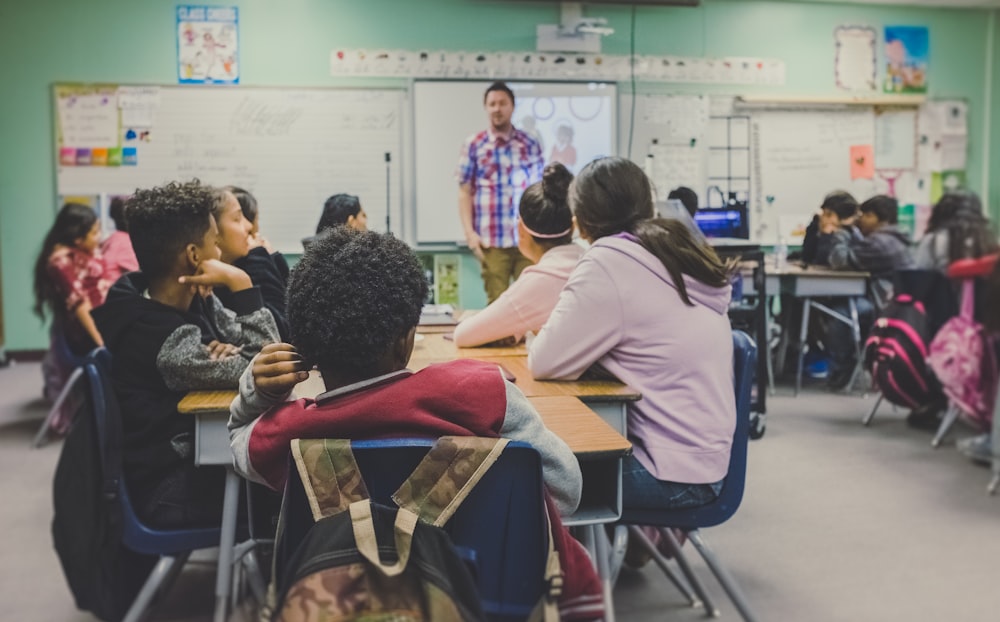 Photo by
  Photo by
 Photo by Oleksandr P:


