Gjykata gjermane shpall fajtor një ish-kolonel të ushtrisë siriane për krime lufte dhe krime kundër njerëzimit

Një gjykatë në Gjermani dënoi një ish-kolonel të ushtrisë për krime lufte dhe krime kundër njerëzimit.

Anwar Raslan u shpall fajtor për 27 akuza për vrasje, përdhunime dhe sulme seksuale të kryera në qendrën e paraburgimit Al-Khatib pranë Damaskut.

Parimi i juridiksionit universal u lejon gjykatave në Gjermani të gjykojnë të akuzuarit për krime lufte në vende të tjera.

Ky gjykim është i pari që lidh drejtpërdrejt shtetin sirian me krime lufte.


Yasmen Almashan, a Syrian campaigner for the Caesar Families Association, waits outside the courthouse in Koblenz, western Germany on Thursday.

Akuza për autorin

Autori dyshohet se ka punuar si hetues kryesor për shërbimin sekret sirian në qendrën e paraburgimit Al Khatib në Damask dhe dyshohet se ishte përgjegjës për torturimin e të paktën 4,000 njerëzve.

Ai akuzohet edhe për vrasjen e 58 të arrestuarve. Prokuroria kërkoi dënim të përjetshëm.

Ish-koloneli hedh poshtë akuzat. Ai ka pohuar se ka mbështetur fshehurazi opozitën, madje duke marrë pjesë në konferencën e paqes në Gjenevë të vitit 2014.

Prokuroria e kundërshtoi këtë tezë, me ndihmën e rrëfimeve të dëshmitarëve që e përshkruanin ish-kolonelin si një njeri që përdorte vazhdimisht fuqinë e tij për të zbatuar urdhrat e dhëna nga regjimi.

Bashkë-i-pandehuri i tij Eyad.A u akuzua se solli 30 demonstrues antiqeveritarë në burgun e torturës Al-Khatib. Gjykata është ne pritje per një ankim nga i ai.


Perktheu nga anglishtja Xhina Çekani, German court finds a former Syrian army colonel guilty of war crimes and crimes against humanity.

Corte Tedesca dichiara colpevole un ex-colonnello dell’esercito siriano per crimini di guerra e crimini contro l’umanità

Una corte in Germania ha condannato un ex-colonnello dell’esercito per crimini di guerra e crimini contro l’umanità.

Anwar Raslan è stato ritenuto colpevole di 27 accuse di omicidio, stupro e aggressione sessuale commesse nel centro di detenzione di Al-Khatib, vicino Damasco.

Questa condanna è stata la prima ad associare direttamente lo stato siriano con crimini di guerra.

Il principio di giurisdizione universale consente alle corti tedesche di processare coloro accusati di crimini di guerra in altri paesi.


Yasmen Almashan, attivista siriana della Ceasar Families Association, aspetta fuori dalla corte in Koblenz, Germania-ovest.

Le accuse a carico dell’autore dei crimini

L’autore dei crimini ha presumibilmente lavorato come capo degli interrogatori per i servizi segreti siriani presso il centro di detenzione di Al-Khatib a Damasco ed è presumibilmente responsabile della tortura di almeno 4.000 persone.

Egli è anche accusato dell’omicidio di 58 detenuti. L’accusa ha chiesto l’ergastolo.

L’ex colonnello respinge le accuse. Egli afferma di aver segretamente sostenuto l’opposizione, perfino partecipando alla conferenza di pace di Ginevra del 2014.

L’accusa ha contestato questa narrazione con l’aiuto di testimonianze, le quali hanno descritto un uomo che ha continuamente impiegato il suo potere per eseguire gli ordini impartiti dal regime.

Il suo coimputato Eyad. A è stato accusato di aver portato 30 manifestanti contro il governo nel carcere di tortura di Al-Khatib. Il ricorso del coimputato è pendente in tribunale.


Tradotto da Francisca Orrego Galarce da German court finds a former Syrian army colonel guilty of war crimes and crimes against humanity

تعليم الوضع في فرنسا

في حين أن التعليم الفرنسي يبدو متاحًا للوهلة الأولى للجميع حيث أنه مجاني لجميع المراحل الابتدائية وحتى التعليم العالي، يزعم الفرنسيين أن النظام التعليمي الفرنسي يواجه العديد من العقبات. ولقد أجريت عدد من المقابلات مع أشخاص فرنسيين لا يزالون داخل النظام التعليمي الفرنسي الخاص والعام  وبعضهم انتهى منذ فترة طويلة على أمل معرفة مدى ملاءمة الادعاءات.

يتضح أنه أكثر العوائق تكرارا التي تم ذكرها كانت حالة المعلمين. حيث يتقاضون رواتب متدنية ولا يعطى لهم الاعتبار الواجب. في المقابل، يتم انتقاد جودة تعليمهم لكونها انفعالية وأحادية التلقي. مما أدى إلى شعور العديد من الأفراد الحاصلين على تعليم فرنسي أنه يتعين عليهم اتباع توقعات المعلمين تمامًا وليس لديهم مساحة للتفرد أو الأصالة. على وجه التحديد، يتم تجاهل الأمور المتعلقة بالصحة العقلية حيث يجب على الطلاب العمل لساعات طويلة. وعلى نفس المنوال، لا يوجد دعم نفسي أو تشجيع عام لأن النظام الفرنسي قائم على المنافسة، والنجاح هو مسؤولية الطالب. فعوضًا عن تشجيع الطلاب بمجرد وصولهم إلى مستوى النجاح، يتم انتقاد الطلاب لعدم كونهم أفضل. في الوقت نفسه، لا يوجد استيعاب للتعب أو سوء الصحة العقلية أو الاضطرابات العقلية، حيث لا يُتوقع من الطلاب طلب المساعدة ويتم رفضهم عند قيامهم بذلك. أوضح أحد الذين تمت مقابلتهم:

“عندما كنت أشعر بالاكتئاب والإرهاق بسبب ساعات العمل الطويلة، يغضب المعلمين عندما أنام خلال الدرس. حيث أنه تم توقيفي سبع ساعات لأن المدرس شعر بالإهانة. ولم يستمع إلي أحد عندما قلت إنني بحاجة إلى تلك الساعات للمراجعة والنوم “.

في الواقع، لا يتمحور التدريس حول التلاميذ. بدلاً من ذلك، فهو مبني على نظام هرمي.

كما أوضح أحد الطلاب أنه في التعليم العام لا يتم تقديم أي توجيه أو نصح بشأن الخيارات المستقبلية، فيما يتعلق بالبرامج الملائمة للحصول على أي وظيفة أو فرص بالخارج. بل على العكس، فإن الأمر يعتمد كليًا على البحث الخاص.

والجدير بالذكر أنه كان هناك اختلاف واضح في الإجابات مع الطلاب من التعليم العام والخاص، حيث أعرب الأطفال المتعلمين في المدارس الخاصة عن رضاهم بشكل عام. ومن المعروف جيدًا أن هذا الانقسام يعطي فرصًا مختلفة للأطفال اعتمادًا على خلفياتهم الاجتماعية والاقتصادية. وبناءً عليه، هناك حاجة إلى إصلاح منهجي لمنح معلمي المدارس العامة فرصًا أفضل لأداء وظائفهم بنجاح.

ومن المرجح أن ينعكس هذا المثال على احترام الحكومة للمهنة على سلوك الأطفال أيضًا.

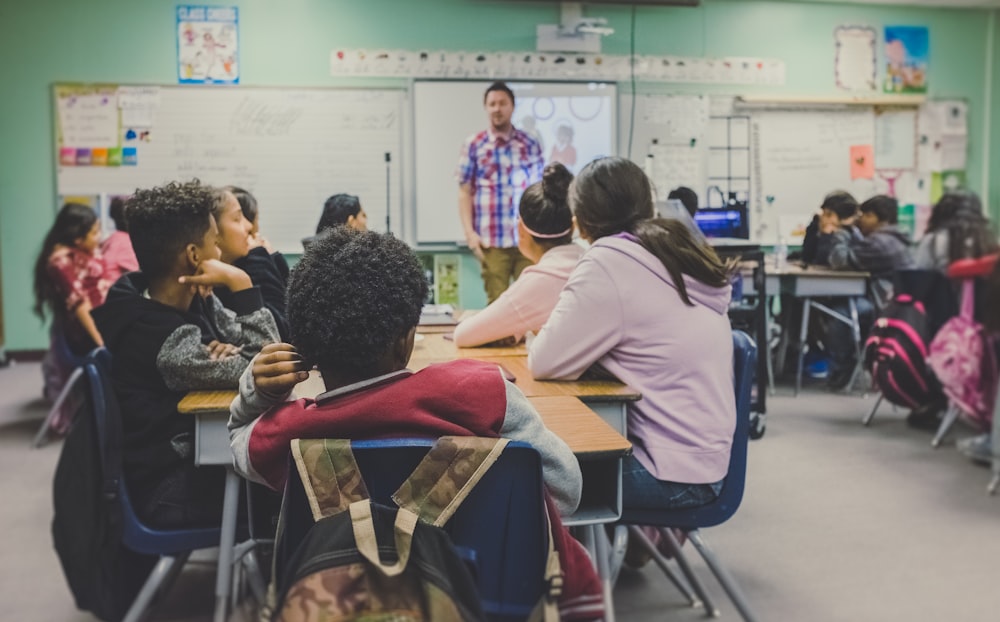
man and woman sitting on chairsPhoto by Kenny Eliason on Unsplash

ينعكس هذا الشكل أحادي التلقي في برامج المدارس الفرنسية، حيث قدمت حتى عام 2021 ثلاث مسارات رئيسية فقط: الأدب أو الاقتصاد أو الرياضيات والعلوم. فقط هذه المسارات المبنية على النظريات تم أخذها في الاعتبار. وبالنسبة للأشخاص الذين لا يتناسبون مع هذه المسارات، فإن التوجه نحو الدبلوما يعد أكثر عملية وأقرب إلى العمل. و سيتم الحكم عليها سلبًا وعلى أنها دون المستوى. في الواقع، المدارس الفرنسية منخفضة في التقييم الأوروبي والعالمي مقارنة بالدول الأخرى التي تمنح الأطفال المزيد من الفصول المهنية. وعلى وجه الخصوص، يمكن توقع أن تكون هذه الهيكلة للمسارات تحديًا بشكل خاص للأفراد ذوي التنوع العصبي. ومع ذلك، فإن التغيير الأخير في البكالوريا هو أقرب إلى اختيار “حسب الطلب” ويسمح بمزيد من الحرية في بناء المواد؛ على أمل التقليل من النقد.

والجدير بالذكر أن التقرير العالمي حدد حقوق ذوي الاحتياجات الخاصة في التعليم كقضية رئيسية في عام 2022. وبالفعل، عُرفت قواعد الاندماج الفرنسية للأطفال ذوي الاحتياجات الخاصة في التعليم بأنها مربكة ومخيبة للآمال إلى حد كبير، مما يترك الآباء بلا أي دعم. ولا يزال هناك تقدم يتعين إحرازه لأن التكامل في حد ذاته لا يكفي. على سبيل المثال، ذكر أحد الأشخاص الذين تمت مقابلتهم أن بعض الأصدقاء وأولياء أمور الأطفال ذوي الاحتياجات الخاصة أعربوا عن أسفهم لعدم وجود موظفين في المدرسة لمساعدة أطفالهم وحمايتهم من التنمر.

بالإضافة إلى ذلك، يمكننا أن نلاحظ الحظر الأخير (2021) على الحجاب للقصر في المدارس وكذلك الآباء المرافقين. يتبع هذا الحظر المحدث قيودًا قديمة تم انتقادها بالكامل باعتبارها معادية للإسلام. وبالفعل، فإن هذا الحظر يضع وزنًا غير متناسب على الفتيات المسلمات اللائي يذهبن إلى المدرسة مقارنة بالأطفال الآخرين.

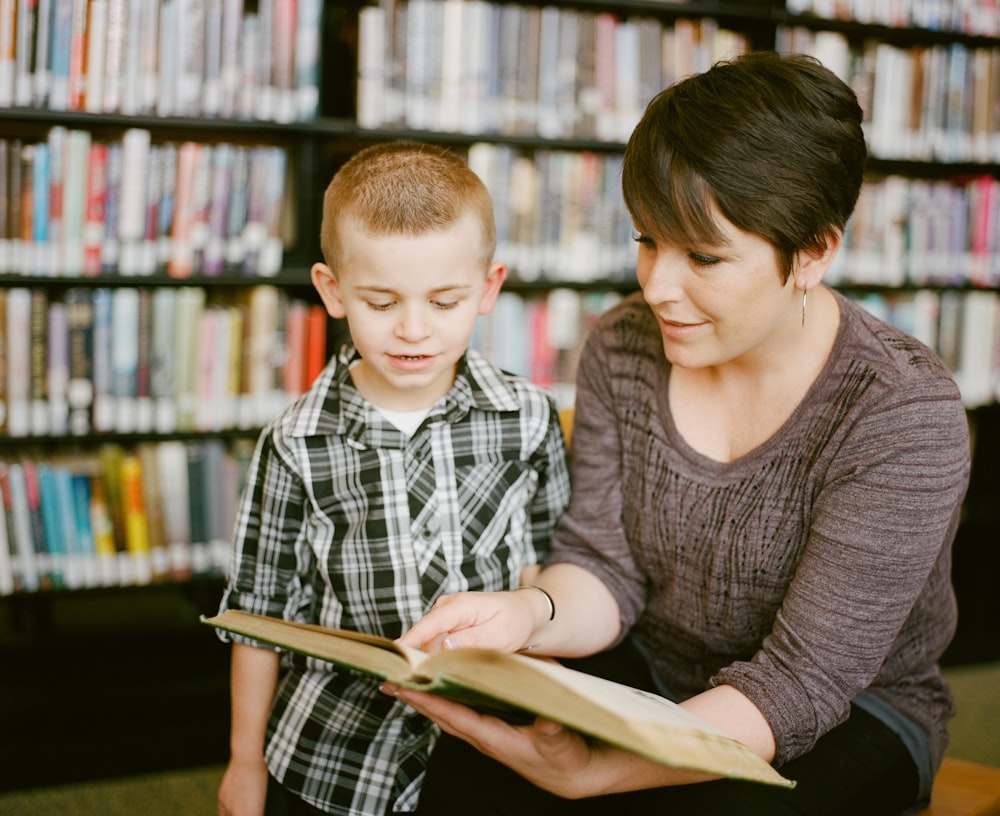
boy in gray sweater beside boy in gray and white plaid dress shirtPhoto by Adam Winger on Unsplash

أخيرًا، في الآونة الأخيرة نظم المعلمين الفرنسيين أحد أكبر الإضرابات التعليمية احتجاجًا على تعامل الحكومة مع إجراءات جائحة كورونا في القطاع التعليمي. وبالعودة إلى النقطة المذكورة أعلاه بشأن المعاملة الغير دقيقة للمعلمين؛ فقد تقدم المعلمين بشكوى  تتعلق بعدم استشارتهم في صنع قرارات الحكومة حيث أنه يُطلب منهم تغيير المواد وطريقة التدريس في اللحظة الأخيرة بشكل متوقع دون تقديم أي دعم أو وجود معلمين احتياطيين في حالات المرض. في نهاية المطاف، يجدر التأكيد أن عدم الاستقرار يؤدي بشكل كبير إلى تعطيل تعليم الأطفال.

Maya Shaw

Translated by Mahnoor Tariq from [Educational Challenges in France]

المراجع:

  1. https://www.mma.fr/zeroblabla/nouveau-bac-2021-reforme-changements.html
  2. https://www.weforum.org/agenda/2017/09/these-are-the-ten-best-countries-for-skill-and-education/
  3. https://www.hrw.org/world-report/2022
  4. www.theiwi.org/gpr-reports/the-french-hijab-ban-and-the-freedom-of-choice
  5. https://www.theguardian.com/world/2022/jan/13/half-of-french-primary-schools-expected-to-close-teachers-strike-protest-covid-education
  6. Cover image source – https://commons.wikimedia.org/wiki/User:GilPe

التحديات الرئيسية للتعليم الابتدائي والثانوي في دول غرب البلقان

التحديات الرئيسية للتعليم الابتدائي والثانوي في دول غرب البلقان (WB6) 


تمر دول غرب البلقان (التي حددها الاتحاد الأوروبي وتشمل ألبانيا، والبوسنة والهرسك، وكوسوفو، والجبل الأسود، وجمهورية مقدونيا الشمالية، وصربيا) بمرحلة انتقالية ، تنطوي على صراعات وتقدم.

تشترك هذه البلدان في الأحداث التاريخية الفريدة التي تؤثر على النظام السياسي والاقتصادي والتعليمي اليوم وذلك على سبيل المثال لا الحصر. ومع ذلك، يطمح كل من هذه البلدان إلى بناء مجتمعات ديناميكية وتحسين القدرة التنافسية الاقتصادية، مما يجعل الإصلاح التعليمي ركيزة أساسية لجهود التنمية الإقليمية. حيث يعد بناء أنظمة تعليمية نوعية وعادلة والحفاظ عليها أمرًا حيويًا لاستراتيجيات الاندماج في كل بلد في أوروبا.


ألبانيا

نظام التعليم الألباني معقد ويتأثر حتما بالتطور التاريخي السياسي والاجتماعي والاقتصادي الألباني. يعد التعليم بحد ذاته حافزًا لتحسين هذه الركائز، مما يثير مخاوف في ألبانيا بشأن عدم مساهمة نظامها التعليمي في التنمية الاجتماعية والاقتصادية للبلد.

الأطفال في العمل

التعليم في ألبانيا إلزامي للأطفال الذين تتراوح أعمارهم بين ستة وستة عشر عامًا. ومع ذلك، يشارك العديد من الأطفال في ألبانيا في أسوأ مجالات عمل الأطفال بما في ذلك التعدين والتسول القسري. ذكرت دراسة أجراها المعهد الألباني للإحصاء ومنظمة العمل الدولية (ILO) أن 7.7٪ من الأطفال الألبان الذين تتراوح أعمارهم بين 5 و 17 سنة يعملون غالبًا بشكل يتجاوز قدراتهم. وتشير التقديرات إلى أن حوالي 54000 طفل يعملون في ألبانيا.Photo by note thanun on Unsplash


نصف المدارس تفتقر إلى المرافق الأساسية

تواجه المدارس في ألبانيا صعوبات من حيث الشروط والتسهيلات. في المناطق النائية من البلاد ، تفتقر المدارس إلى وسائل التدفئة بالإضافة إلى البنية التحتية الضرورية والأساسية الأخرى. وفقًا لتقرير اليونيسف ومنظمة الصحة العالمية ، فإن 29٪ من المدارس في ألبانيا لا تستوفي الحد الأدنى من شروط النظافة. كما ركز التقرير على الاحتياجات العامة في المدارس وأظهر أن النظافة ليست المشكلة الوحيدة. ووفقًا للبيانات المنشورة  فإن 53٪ من المدارس لا تستطيع الوصول إلى الإنترنت وبالتالي فهي تحتل مرتبة أقل من المتوسط ​​الأوروبي.

التعليم الشامل

يبلغ معدل الالتحاق بالتعليم الابتدائي في ألبانيا 96٪. ومع ذلك فإن القضايا في قطاع التعليم تؤثر بشدة على الفئات الأكثر تهميشًا من الأطفال. حيث لا يتمتع أطفال أقلية الروما أو ذوي الاحتياجات الخاصة بالحق في التعليم. وفقًا لوزارة التعليم والرياضة في ألبانيا، يبلغ معدل الغياب الرسمي لأطفال الروما حوالي 4 ٪. ولا يزال حوالي 34.4٪ من أطفال الروما الذين تتراوح أعمارهم بين 7 و 18 عامًا أميين لأنهم لم يلتحقوا بالمدرسة مطلقًا.


جودة المعلمين

تعمل ألبانيا على تحسين جودة التدريس من خلال امتحانات القبول القياسية الحكومية. في الوقت الحالي، هناك فجوة كبيرة بين المناطق الحضرية والمناطق الريفية المحرومة من التعليم. بالإضافة إلى ذلك، فإن النسبة المئوية للمعلمين الحاصلين على مستوى معين من التعليم العالي أقل من المتوسط ​​عبر البلدان والاقتصادات المشاركة في منظمة التعاون الاقتصادي والتنمية (98٪) والاتحاد الأوروبي (98٪) (منظمة التعاون الاقتصادي والتنمية، 2019 [44]). وتواجه المناطق المحرومة تحديات إضافية يرجع ذلك جزئيًا إلى ارتفاع مستويات الهجرة.

ميزانية منخفضة في التخلص

في حين أن البلدان في جميع أنحاء منظمة التعاون الاقتصادي والتنمية أنفقت حوالي 5٪ من ناتجها المحلي الإجمالي على التعليم في السنوات الماضية لا تزال ميزانية ألبانيا عند 3٪.

مونتينيغرو

الجبل الأسود جمهورية صغيرة يبلغ عدد سكانها حوالي 650.000 نسمة وأقل من 300 مدرسة وجامعة واحدة. عانى النظام التعليمي عشر سنوات من العزلة بسبب نقص الاستثمار وتدهور عام في البنية التحتية والجودة. تشمل التحديات الأكاديمية على سبيل المثال لا الحصر:

Photo by Conner Baker on Unsplash

مرافق المدرسة

تختلف أوضاع المدارس باختلاف المنطقة، لكن العديد منها تعاني من ضعف المرافق. في المناطق الريفية، لا سيما في الأقليات الألبانية تفتقر المدارس إلى مراحيض داخلية أو مياه جارية أو تركيبات كهربائية آمنة. ويعد الأثاث في معظم المدارس في حالة سيئة ولا توجد إمدادات كافية. بالإضافة إلى ذلك، هناك مشكلة تدفئة كبيرة في المدارس وخاصة في المناطق الجبلية. تعالج المدارس حاليًا المشكلة من خلال وضع طبقات باستخدام أقل قدر ممكن من الوقود لتدفئة المدارس بشكل دوري.

اكتظاظ المدارس

مدارس الجبل الأسود شديدة الازدحام. تستوعب الفصول ما بين 35 و 40 طالبًا  مما يخلق مشكلة تتعلق بالمساحة  وهي مشكلة بارزة بشكل خاص في المدارس الثانوية. حيث أن هنالك حاجة إلى مرافق جديدة بسبب الزيادة السكانية في المناطق الحضرية حيث تعمل المدارس على فترتين أو ثلاث فترات. وبالتالي يؤثر هذا الأمر على الصيانة  لذلك يجب على الجبل الأسود زيادة الاستثمار في هذا الصدد.

طرق التدريس

لا تمارس طرق التدريس الإيجابية بشكل منصف في الجبل الأسود. بل يتم استخدام الممارسات التقليدية مثل الإرشادات الموجهة من المعلم بشكل متكرر في المدارس التي بها طلاب ومبرمجين مهنيين أكثر حرمانًا. طريقة التوجيه والتلقي غالبًا ما ترتبط بنتائج أعلى في المدارس التي يوجد بها طلاب أكثر حظًا ومبرمجو التعليم عام. على الرغم من هذه التحديات، يُلحظ عمومًا حضورًا في المدارس الثانوية. ويتم تدريس اللغات المستخدمة رسميًا (الصربية، والبوسنية، والألبانية، والكرواتية) بشكل كافٍ. ووفقًا لدراسة 2012 التي أجراها مكتب الإحصاء في الجبل الأسود فإن حساب الأشخاص الذين تتراوح أعمارهم بين 25 و 29 عامًا يمثلون أعلى مستوى تعليمي بنسبة 28٪. تلقى تعليمه في الكليات.

صربيا

التركيبة التعليمية للسكان غير مواتية

كشفت بيانات التعداد السكاني لعام 2011 أن الهيكل التعليمي للسكان غير موات. وأظهرت كذلك أن حوالي 34٪ من السكان الذين تبلغ أعمارهم 15 عامًا فما فوق بالكاد حصلوا على التعليم الابتدائي. بالإضافة إلى ذلك، فإن معظم السكان (49٪) حاصلون على تعليم ثانوي و 16٪ فقط حاصل على تعليم عالي (المكتب الإحصائي لجمهورية صربيا [SORS] ، 2013).

Photo by Good Free Photos on Unsplash

التعليم الشامل

انطلاقًا من تعريف التعليم الشامل ، “يتعلم الطلاب المختلفين والمتنوعين جنبًا إلى جنب في نفس الفصل الدراسي”، ويمكن استنتاج أن مؤشرات التحصيل التعليمي في صربيا هي الأقل تفضيلًا لسكان الروما؛ ومعظم الأعضاء حاصلين على مستوى تعليمي ابتدائي فقط أو أقل (87٪)، وأقل منهم حصلوا على تعليم ثانوي (11.5٪)، والأقل حصلوا على تعليم عالٍ (أقل من 1٪) (Radovanović & Knežević 2014). وفقًا لتقريرهيومن رايتس ووتش لعام 2016، يواجه مئات الأطفال الصربيين ذوي الاحتياجات الخاصة الإهمال والعزلة في المؤسسات، مما يؤدي إلى توقف النمو الفكري والعاطفي والجسدي. يوثق التقرير المؤلف من 88 صفحة  “أحلم أن أترك هذا المكان”: الأطفال ذوي الاحتياجات الخاصة في المؤسسات الصربية ” الضغط الذي تواجهه الأسر لإرسال الأطفال ذوي الاحتياجات الخاصة إلى مؤسسات سكنية كبيرة، غالبًا بعيدة عن منازلهم  وفصلهم عن عائلاتهم. في هذه المؤسسات، قد يعاني الأطفال من الإهمال، والأدوية غير المناسبة، وانعدام الخصوصية، ومحدودية الوصول إلى التعليم أو انعدامه.

 تحدي التمويل

استنادًا إلى البيانات التي نشرها معهد اليونسكو للإحصاء في سبتمبر 2021، كان إنفاق الحكومة الصربية على التعليم والتدريب 3.5٪ من الناتج المحلي الإجمالي للبلاد في عام 2018. هذه البيانات مقلقة مقارنة بمتوسط ​​دول الاتحاد الأوروبي البالغ 4.7٪ لـ 2017.

شمال مقدونيا

انخفاض تحصيل الطلاب

النتائج التي اوضحتها أحد الاختبارات الدولية في مقدونيا الشمالية تسلط الضوء على أن أحد التحديات في مستوى التعليم الابتدائي في مقدونيا الشمالية هو أن الإنجازات التعليمية للتلاميذ منخفضة للغاية. فيما يتعلق بذلك، لا تحدد الدورات التعليمية أهدافًا واضحة لنتائج التعلم بعد كل مرحلة من مراحل التعليم الابتدائي. حيث أن المنهج مثقل بالأعباء ولا علاقة له بالبيئة المحلية.

بين عامي 2013 و 2017 ، استخدمت مقدونيا نظام اختبار خارجي لكنها فشلت في تحقيق أفضل منه. لقد حولت التركيز من التدريس القائم على الأستاذ إلى حفظ المعلومات بدلاً من الفهم الأساسي والمنطق الواسع. هذه مشكلة متكررة في جميع أنحاء دول غرب البلقان.

Photo by Aaron Burden on Unsplash

التعليم الشامل

في مقدونيا ، كما هو الحال في بلدان غرب البلقان الأخرى، لا يتم تضمين العديد من أطفال الروما في نظام التعليم. ترتبط حالات الحضور والغياب بالخلفيات الاجتماعية والاقتصادية للطالب، مثل انخفاض مستويات تعليم الوالدين، والزواج المبكر، وقلة المعرفة باللغة المقدونية. وبشكل شامل يعد معدل الغياب مرتفع جدًا.

الأطفال ذوو الاحتياجات التعليمية الخاصة غير مدرجين بشكل كافٍ في نظام التعليم الابتدائي. لم يتم تنظيم إدراجهم في المدارس العادية بشكل كافٍ ولم يتم إدخال الآليات المناسبة. ترتبط هذه القضية أيضًا بالعوامل الثقافية مثل التحيزات بين أولياء الأمور والمعلمين والطلاب في هذه المجموعات. المعلمين غير مؤهلين للعمل مع فئات معينة من المتعلمين. بالإضافة إلى ذلك، يعاني الأحداث من المؤسسات الإصلاحية والمشردون من مشاكل القدرة على الاندماج.

مناهج

يعد تحسين الكتب المدرسية عملية طويلة، لكنها تفتقر إلى العديد من الجوانب حتى الآن. تفتقر الكتب إلى عناصر التعددية الثقافية والتكامل والاحترام. وتؤثر القوالب النمطية والتحيز والوصمة على المناهج الدراسية.

البوسنة وهرسيغوفينا

التعليم المنقسم عرقيا في البوسنة

بعد انهيار يوغوسلافيا السابقة في التسعينيات، تم تقسيم البوسنة والهرسك إلى كيانين منفصلين وهما الاتحاد البوسني الكرواتي وجمهورية صربسكا التي يهيمن عليها الصرب. كمجموعة سكانية مختلطة بدون أغلبية هناك العديد من المشكلات المتعلقة بالأطفال: وفقًا للتشريعات على مستوى الدولة، يحق للطلاب التعلم بلغتهم. ويجب على كل مجموعة عرقية أن تلتحق بمدارس تكون نموذجية “مدرستين تحت سقف واحد”. بمعنى آخر، يحضر الطلاب البوسنيون والكرواتيون نفس المدارس ولكن يتم فصلهم عن بعضهم البعض حيث يتعلمون برامج وكتب مدرسية مختلفة. في هذا البلد تطلب المنظمات غير الحكومية مثل Humanity in Action و YIHR منهجًا مشتركًا للتعامل مع حقيقة أن الشباب ينشأون على أن الانقسام هو المعيار.

Photo by Aaron Burden on Unsplash

التمويل التربوي

في البوسنة والهرسك  لا يوجد نظام متوازن للأجور للمعلمين. على سبيل المثال  في المدارس في كانتون الهرسك-نيريتفا  يتم إجراء الفصل وفقًا للمنهج الدراسي الإطاري لاتحاد البوسنة والهرسك، ويتم دفع وظيفة التوظيف بغض النظر عن مؤهلات الموظف. بهذا المعنى يحصل الشخص الحاصل على شهادة جامعية لمدة عامين أو على نفس الأجر. هذا ليس هو الحال في كانتون سراييفو، حيث يتم تعويض المستويات التعليمية بشكل مختلف.

تقييم المعرفة

فيما يتعلق بتقييم الطلاب، فإن الطلاب في البوسنة والهرسك لديهم معدلات تحصيل أقل من تلك الموجودة في البلدان الأخرى. يتم اختبار الطلاب من خلال قدرتهم على الحفظ ولكنهم يفتقرون إلى المهارات التقييمية أو التحليلية أو الإبداعية أثناء الدراسة. و يستمر هذا في الدورة الثانية من الدراسات، حيث تظل النتائج غير كافية على الرغم من إصلاحات التدريس. من ناحية أخرى، هناك مدارس ذات أنظمة وبرامج دولية لكنها تتطلب رسومًا كبيرة.


كوسوفو

شهد النظام التعليمي في كوسوفو حدثين فريدين. أولاً، فصل المتحدثين الألبان في عام 1989 من المدارس و الوكالات في جميع أنحاء كوسوفو واستبدالهم بالمسؤولين الصرب (شاهاني، 2016). ثانيًا، كرد مباشر على عمليات الفصل استمر تطوير نظام تعليمي مواز في التعليم الألباني في عام 1992. تركت هذه الأحداث بصمات تاريخية على تطوير النظام التعليمي. استنادًا إلى بيانات اليونيسف تشمل التحديات الرئيسية للتعليم التي تواجه كوسوفو كما يلي:

Photo by Tim Mossholder on Unsplash

البنية التحتية للمدرسة

الحديث عن وضع كوسوفو يعني الحديث عن الواقع بعد 20 سنة فقط من الحرب. كان تأثير الحرب على نظام التعليم في كوسوفو مدمرًا. 50٪ من المدارس تعرضت لأضرار أو دمرت وتعرضت الكتب المدرسية والمعدات والمرافق للتخريب.

حضور منخفض

لا يتمتع جميع الأطفال بحقهم في التعليم في كوسوفو. يلتحق العديد من الطلاب في وقت متأخر ويتغيب آخرين، تاركين السنوات التسع للتعليم الإلزامي غير مكتملة. 84٪ من الأطفال في سن الخامسة يلتحقون بمرحلة ما قبل الابتدائي  لكن 15٪ فقط من الأطفال يلتحقون ببرنامج التعليم المبكر. 87٪ من أطفال كوسوفو و 24٪ فقط من أطفال الروما والأشكالي والمصريين يكملون تعليمهم الثانوي.

التعليم الشامل

بناءً على العام الدراسي 2011/2012، تم تسجيل 33٪ فقط من الأطفال ذوي الاحتياجات الخاصة في التعليم. ويرجع ذلك جزئياً إلى عدم وجود إجراءات متماسكة ومنسقة بين السلطات المركزية والمحلية. في كوسوفو، يُستبعد أطفال الأقليات من الروما والأشكالي والمصريين من نظام التعليم. وينطبق هذا أيضًا على الأطفال ذوي الاحتياجات الخاصة، والأطفال في سن ما قبل المدرسة، والعائدين، والأطفال فوق السن. تقل احتمالية حصول الأطفال في المناطق الريفية على تعليم جيد يمكن الوصول إليه. لديهم القليل من الرعاية الصحية أو لا يحصلون عليها، ويرجع ذلك جزئيًا إلى عدم وجود إجراءات متماسكة ومنسقة بين السلطات والمؤسسات المركزية والمحلية.

كوسوفو – برنامج تعليم الأقليات الصربية

إن مشاركة الجالية الصربية أمر بالغ الأهمية. بعد الحرب، رفض صرب كوسوفو المشاركة في نظام التعليم المعاد تأسيسه. يعمل صرب كوسوفو مع الكتب المدرسية الصربية ، مما يجعل النموذج التعليمي نموذجًا موازياً تدير بموجبه الحكومة الوطنية جزءًا منه. في المقابل ، تدار المجتمعات الصربية الأخرى وتدعمها صربيا. النظام الحالي يخلق التوتر في بعض الأحيان. توجد حاليًا مدارس متعددة اللغات (الصربية والألبانية والإنجليزية) ، والتي يمكن أن تكون نموذجًا مستقبليًا.

تشمل التحديات المشتركة بين الدول الست

1.جائحة كورونا أكدت على عدم جاهزية المدارس.


لا تزال المشاركة المنخفضة في التعليم في مرحلة الطفولة المبكرة، وانخفاض جاذبية مهنة التدريس، وعدم كفاية المواد التعليمية أو البنية التحتية المادية  من التحديات الهيكلية الرئيسية للتعليم في المنطقة (منظمة التعاون الاقتصادي والتنمية ، 2018 [14]).

أثناء إغلاق المدارس خلال جائحة كورونا، كان التحدي الرئيسي الذي واجهته دول غرب البلقان هو عدم كفاءة المدارس ونقص المعدات المناسبة للتعلم الرقمي المقترن بالمهارات الرقمية للمعلمين استنادًا إلى بيانات PISA 2018 حول إمكانية التعلم المدرسي في المنزل في دول غرب البلقان (منظمة التعاون الاقتصادي والتنمية ، 2019 [15]):

  • يتم تعليم حوالي ثلثي الطلاب البالغين من العمر 15 عامًا في مؤسسات لا تتوفر فيها منصات فعالة لدعم التعلم عبر الإنترنت.
  • يتم تعليم حوالي ثلثي الطلاب البالغين من العمر 15 عامًا في أماكن عمل بها أجهزة رقمية غير كافية للتعليم.
  • يقوم المدرسين بتدريس حوالي ربع الطلاب البالغين من العمر 15 عامًا دون المهارات التقنية والتربوية اللازمة لدمج الأجهزة الرقمية في التدريس.

2.نقص الخدمات المهنية

في السنوات الأخيرة، أدرجت مدارس مختلفة في دول غرب البلقان خدمات مهنية في مجالات علم الاجتماع وعلم النفس. وعلى الرغم من ذلك، لا يزال النظام غير فعال بسبب عدم كفاية عدد مقدمي الخدمة ونهجهم تجاه التلاميذ حيث يقومون بمهام إدارية مختلفة.

دول المجموعة السادسة: النتائج المستخلصة من برنامج التقييم الدولي للطلاب (PISA)

يستعرض هذا القسم نتائج برنامج التقييم الدولي للطلاب (PISA) التابع لمنظمة التعاون الاقتصادي والتنمية (PISA) 2018 ، حيث شاركت دول البلقان.

  1.  تكشف النتائج أن النتائج الإجمالية للمنطقة آخذة في التحسن.
  2. الأداء في دول غرب البلقان (متوسط ​​الدرجات في القراءة، 402) أقل عمومًا من أداء البلدان عبر بلدان وسط وشرق أوروبا (CEEC) (476) 1 ، والاتحاد الأوروبي (الاتحاد الأوروبي) (481)، ومنظمة التعاون والتنمية في الميدان الاقتصادي ( 487).
  3. نتائج التعلم في المنطقة غير منصفة إلى حد كبير. أداء الأولاد أسوأ من أداء البنات بمعدلات تفوق المعدلات العالمية.
  4. الإنفاق على التعليم منخفض في المنطقة، لا سيما عند النظر إلى الاستثمارات الكبيرة في البنية التحتية التي تحتاجها العديد من المدارس. تميل المدارس ذات الطلاب المتميزين اجتماعيًا واقتصاديًا إلى التمتع بقدر أكبر من الموارد.
  5. اكتظاظ المدارس في المناطق الحضرية وانكماش المدارس في المناطق الريفية من القضايا الأخرى الناتجة عن التحضر.
  6. في دول غرب البلقان، تعتبر ممارسات المعلم تقليدية بشكل أساسي وتتمحور حول المعلم (على سبيل المثال، إلقاء محاضرة على الفصل بأكمله) مع تركيز أقل على التعليم الفردي والتكيف. تم إعداد هذه المقالة باستخدام أساليب الدراسة النوعية، مع التركيز على المصادر الثانوية مثل تقارير وكالات الدولة في دول غرب البلقان والمنظمات الدولية وغيرها من الهياكل.

By Xhina Cekani

Translated by Mahnoor Tariq from [Main Challenges of Primary and Secondary Education in The Western Balkan countries]

المراجع:

Government expenditure on education, total (% of GDP) – Serbia | Data (worldbank.org)

8 Facts About Education in Serbia – The Borgen Project

Strategija-za-obrazovanie-ENG-WEB-1.pdf (mrk.mk)

Executive summary | Education in the Western Balkans : Findings from PISA | OECD iLibrary (oecd-ilibrary.org)

https://www.oecd-ilibrary.org/sites/7f73878ben/index.html?itemId=/content/component/7f73878b-en

http://www.herdata.org/public/education-needs_assessment-yug-mon-enl-t05.pdf

https://pisabyregion.oecd.org/montenegro/#section-02

https://www.unicef.org/montenegro/media/2976/file/MNE-media-MNEpublication44.pdf

Pupils Challenge Ethnically-Divided Education in Bosnia | Balkan Insight

Primary-and-secondary-education-in-Bosnia-and-Herzegovina.pdf (eu-monitoring.ba)

Children in Kosovo | UNICEF Kosovo Programme

Inclusive education | UNICEF Kosovo Programme

core-curriculum-for-pre-primary-grade-and-primary-education-in-kosovo.pdf (rks-gov.net) Kosovo’s ghost schools – Kosovo 2.0 (kosovotwopointzero.com)

Cover Photo source:United States. Central Intelligence Agency. Library of Congress http://www.loc.gov/ 

Challenges In The Educational System of South Africa

In order to comply with both national and international human rights standards, South Africa must tackle several obstacles in their educational sphere. This article will present some of the most prevalent educational challenges in the country.


Infrastructure

One of the main problems in the educational sector today is the facilities available to students. It is of utmost importance that schools include facilities that are safe and secure for children, and the necessary equipment for students to pursue their education. According to Equal Education (EE, 2016) in 2013, the Minister of Basic Education, Angie Montshegka, accepted a law obliging schools throughout the country to have at least water, electricity, internet, safe classrooms with up to 40 students in class, security, and the necessary facilities to study and practice different sports. Although the target was set for 2016, today, many schools have problems far worse than a bad internet connection. The country is looking towards meeting the set goals, but there is still a long way to go. Numerous articles highlight reported deaths of learners due to poor facility infrastructure. Additionally, the inadequate sanitation of the schools is an issue that affects students’ health. An example of this is seen in their toilets and pit latrines, where students are at risk of health issues in light of their improper hygiene. These obstacles prevent students from focusing on their education and development.


Inequality in education

Inequality is largely visible in South African schools. According to Amnesty International, children in the top 200 schools score higher in maths than children in the other 6,600 schools. Other statistics highlight that more than 75% of nine-year-olds cannot read for meaning. In some provinces, the percentage is as high as 91%. The educational system is still healing from the Apartheid era, resulting in children being treated differently because of their background, wealth, or skin tone. The Quality of Primary Education in South Africa, a UNESCO report, states that, theoretically, all children have equal access to the three levels of education in the country. However, many institutions schooling students from low-income communities have failed to improve the quality of education they provide. The government must tackle the problem of poverty and education.

Poor education

Furthermore, the schools’ quality of education is a prevalent issue in South Africa. According to research undertaken by Gustafsson in 2021, the retirement of teachers in South Africa will reach a peak number by 2030, which will consequentially result in the need for newly trained educators and the restructuring of classrooms and institutions. Currently, half of the classes have 30 students per class, but the other 50% can exceed up to 50 children in a class. To reduce the numbers, it is estimated that around 100,000 new teachers enter the educational system, which requires largescale training and financing.

Another challenge that the educational sector in South Africa faces today is the quality of the instructors. Over 5,000 of the current teachers are underqualified for their profession. Instructors are not competitive in the job market; they have little understanding of the curricula and no pedagogic competency, leading to students graduating from school without the necessary knowledge.


Cycle of illiteracy

Finally, according to the OECD Report from 2019, South Africa has the highest share of people aged between 20 to 24 in the NEET sector (neither employment nor education). South Africa scored almost 50% on this criterion, the largest of all the countries examined by the OECD report. Professor Khuluvhe’s 2021 report discusses the seriousness of the illiteracy problem, stating that, in 2019, the rate of illiterate adults (over the age of 20) was 12,1%, or around 4,4 million. This equates to a considerable part of the population not achieving a 7th grade or higher level of education. Illiteracy poses far-reaching consequences for the population, including uneducated offspring and non-contribution to the society, thus harming the country’s economy. South Africa needs to tackle this issue and minimise the percentage of illiteracy as far as possible.


References

1. EE. (2006, July 19). School Infrastructure. Eqaleducation.Org.Za. Retrieved February 17, 2022, from https://equaleducation.org.za/campaigns/school-infrastructure/

2. Amnesty International. (2020, February 7). South Africa: Broken and unequal education perpetuating poverty and inequality. Www.Amnesty.Org. Retrieved February 17, 2022, from https://www.amnesty.org/en/latest/news/2020/02/south-africa-broken-and-unequal-education-perpetuating-poverty-and-inequality/

3. Gustafsson, M. (2021, August 26). A teacher retirement wave is about to hit South Africa: what it means for class size. The Conversation. Retrieved February 17, 2022, from https://theconversation.com/a-teacher-retirement-wave-is-about-to-hit-south-africa-what-it-means-for-class-size-164345

4. Khuluvhe, M. K. (2021, March 1). Adult illiteracy in South Africa. Www.Dhet.Gov.Za. Retrieved February 17, 2022, from https://www.dhet.gov.za/Planning%20Monitoring%20and%20Evaluation%20Coordination/Fact%20Sheet%20on%20Adult%20Illiteracy%20in%20South%20Africa%20-%20March%202021.pdf

5. Editor. (2019, December 27). Opinion: The Challenges Facing The Education System In South Africa. iAfrica. Retrieved February 17, 2022, from https://iafrica.com/opinion-the-challenges-facing-the-education-system-in-south-africa/

Summary of Indicator D4. How much time do teachers and school heads spend teaching and working?

Statutory working and teaching hours only partially determine the actual workload of teachers and school heads, nonetheless they do help understanding what is expected from teachers and school heads in different countries.

Together with salaries (see Indicator D3) and average class sizes (see Indicator D2), this indicator presents some key measures of the working lives of teachers and school heads. Furthermore, it can affect the amount of financial resources countries allocate to education (see Indicator C7).

Teaching Time of Teachers

On average, across OECD countries and economies, pre-primary teachers are required to teach 989 hours per year (for 195 days). At the pre-primary level there is the most variation in hours required (from 532 hours of teaching per year in Mexico to 1,755 in Germany). These variations result from the combination of school year length and number of teaching hours per day.

The OECD daily teaching average is of more than 4 hours per day (791 hours per year) in primary school.

Whereas lower secondary school teachers teach on average 723 hours per year. However, teaching time varies considerably depending on country (from less than 600 hours in Finland to more than 1000 hours in Costa Rica, see Figure D4.1).

In some countries, the teaching time requirements may vary during a teacher’s career. For example, new teachers may have a reduced teaching load to give them time to settle in and older teachers may have reduced teaching load to allow them to keep teaching despite their age.

Therefore, teaching time tends to decrease as the level of education increases. The exceptions are Chile and Scotland (UK), where teachers are required to teach the same number of hours at all levels of education.

The largest difference in teaching time requirements is between the pre-primary and primary levels of education. In the Czech Republic, Estonia, Germany, Hungary, Latvia and Slovenia, pre-primary school teachers are required to teach at least twice the number of hours per year as primary school teachers (see Figure D4.1)

Statutory teaching time refers to teaching time as defined by regulations. However, actual teaching time is the annual average hours spent teaching students, including overtime. Hence, the data suggests that the two parameters do not always coincide. Indeed, in Poland, lower secondary teachers teach 21% more hours than what is defined by regulations.

Teaching Time of School Heads

In almost half of the countries with available data, school heads in pre-primary institutions are also required to teach.

As for teachers, in countries where there are teaching requirements, the teaching hours required from school heads decrease as the level of education increases.

Working Time of Teachers

Countries differ in how they allocate teachers’ working time for each activity. More than half of OECD countries specify how much time teachers should be available at school, whereas other countries do not specify where teachers should fulfil their working hours.

In 17 OECD countries and economies, teachers’ statutory working time includes working time during students’ school holidays in at least one level of education. This can further the variation among countries in the annual working hours of teaching.

Teaching is the main component of teachers’ workloads, however, other activities such as assessing students, preparing lessons, correcting students’ work, in-service training and staff meetings should also be considered when analysing the demands placed on teachers.

In fact, on average, teachers spend only 44% of their working time teaching.

Teachers not only perform the non-teaching tasks that are required by regulations or school heads, they also often perform tasks voluntarily. In at least 17 countries and economies at the general lower secondary level, individual teachers decide themselves whether to engage in extracurricular activities.

Participation in professional development activities is pivotal for teachers at all levels of education, in fact it is mandatory in 23 countries.

In general, non-teaching tasks and responsibilities of teachers do not vary much across educational levels.


Figure D4.4. Task requirements of teachers, by tasks and responsibilities (2020)
Lower secondary teachers in public institutions

Figure D4.4. Task requirements of teachers, by tasks and responsibilities (2020)

Working time of school heads

As for teachers, many OECD countries define school heads’ statutory working time through regulations or contracts. Only in England (United Kingdom), the Flemish Community of Belgium, Germany and Italy are there no official documents specifying the working time for school heads.

On average, school heads work 212-215 days per year and their statutory working hours do not vary much across educational levels (average of 1,634 hours per year). Across all levels of education, school heads in Chile work the highest number of hours (1,998 hours per year), whereas those in Mexico and Ireland the least (below 1,300 hours per year).

In two/thirds of OECD countries with available data, school heads working time includes working during students’ school holidays (from 1 week in Austria and the Netherlands to 11 in Turkey).

In addition to fulfilling their managment and leadership roles, school heads can be expected to perform other tasks such as managing human/financial resources, organising professional development activities and students’ educational activities, and teaching students, as well as facilitating good relations with parents, education inspectorates and/or the government.

In most OECD countries, the tasks and responsibilities required from school heads do not vary across educational levels.


Source

Data are from the 2020 OECD-INES-NESLI Survey on Working Time of Teachers and School Heads and refer to the school year 2019/20 (statutory information) or school year 2018/19 (actual data).


Summarized by Francisca Orrego Galarce from OECD, Education at a Glance 2021: OECD Indicators – Indicator D4. How much time do teachers and school heads spend teaching and working?

Summary of UNICEF’s ‘The State of the World’s Children 2021’ Report

The Covid-19 pandemic has fueled what was an already existing issue – mental health. The problem has been ignored consistently throughout governments around the world for far too long, but it has now reached deeply concerning levels. Suicide is the fourth leading cause of death among 15- to 19-year olds. Every year, almost 46,000 children between the ages of 10 and 19 end their own lives. This is equivalent to about 1 every 11 minutes. The issue must no longer be pushed away. The State of the World’s Children Report is a UNICEF initiative calling for commitment, communication, and action as part of a comprehensive approach to promote good mental health for every child, protect vulnerable children, and care for children facing the greatest challenges. By means of examining child, adolescent, and caregivers’ mental health, it focuses on risks and protective factors at critical moments in their life course and delves into the social determinants that shape mental health and well-being. Upon its publishing in October 2021, it has been translated into a limited number of languages, namely French, Spanish, and Arabic. This poses restrictions upon readers that might not be familiar with these languages.

Broken Chalk is an Amsterdam-based NGO working towards removing the barriers to education in the world, bringing together individuals, groups, communities, and organizations working on this issue, and collaborating with educators around the world to create community-based solutions and to act as a catalyst in creating a sustainable change. Broken Chalk has summarized every chapter of UNICEF’s ‘The State of the World’s Children 2021’

*Report and is in the process of translating it into as many languages as possible for the team.
Written by Olga Ruiz Plato

Download the Summary as PDF click

Summary of The State of the World's Children 2021

*The link for the original report as pdf: https://www.unicef.org/reports/state-worlds-children-2021

Summary of Indicator A1. To what level have adults studied?

This subchapter focuses on output indicators consisting of features exhibited in educational systems, the most important being the level of education attained thus far, disaggregating the data into below/above secondary education, male/female, native/foreign-born, and regional gaps that remain to having equal access to lifelong learning opportunities in preparation for the socio-economic demands of the labour market. The data guides how today and tomorrow’s policymakers can instil positive impact by better observing the inputs of:


‘[classroom settings], pedagogical content and delivery of the curriculum… [and] analyse the organisation of schools and education systems, including governance, autonomy and specific policies to regulate the participation of students in certain programmes.


Taking a positive approach, the report notes that, across the member states of the OECD, the average share of upper- or post-secondary (non-tertiary) degrees held by 25-34-year-olds dropped from 44% in 2010 to 40% in 2020 because of the increased rate of young adults attaining tertiary education, with 39% attaining this level in comparison to the 21% of young adults who remain with below upper-secondary education. The latter level still decreased significantly across OECD states, standing once at 27% in 2010, which can be explained by the drop in women at this level from 27% in 2010 to 20% in 2020, whilst men saw a drop from 26% to 22%. This can be explained due to the 11% rise in women attaining tertiary education from 31% to 42% in the last decade, whilst men saw a 7% rise from 28% to 35%.


Despite the positive output results the above chart illustrates, the report highlights that unequal access to educational resources remains, which may impact a state’s lack of skills demanded by the labour market, being socially engaged, and retaining higher incomes, which increases the standard of living. It has become a fact that to meet the bare requirements for employment and stable social connections, an individual requires an upper-secondary level of education. 21% of adults in OECD states left school before attaining this level of education, which is further worsened by an unequal balance of men over women and varies by state. Therefore, the average OECD rate of young men and women with below-secondary stands at 16% and 13% respectively but then sees states like Spain and Iceland where the gender gap stands at a 10% difference and similar gaps in Canada, Costa, Rica, Mexico, South Africa, and other OECD and partner states.


Another issue is the reduced rate of women entering higher forms of tertiary education compared to men. 56% of women attain a bachelor’s, 54% a master’s, and 45% a doctorate. The gap becomes more visible if we narrow down to the level of subjects women graduated in, with the majority from health and welfare, but then a minority in the S.T.E.M. fields of science, technology, engineering, and mathematics.

Across OECD states, foreign-born adults, ranging from 25 to-64-years-old, make up an average of 17% of the total population who contribute to a state’s human capital and services. This can be seen with the outbreak of COVID-19, when it accounted for 24% and 16% of all medical doctors and nurses, albeit varied by group size and state. The capital, knowledge, and skillset this group brings for OECD states are invaluable; however, gaps in the sphere of education reluctantly remain. The average for below and above upper-secondary and tertiary education for native- and foreign-born adults stands at 19% and 22%, 44% and 37%, and 37% and 41%, respectively. This again varies by country, where the majority of OECD states have a large share of foreign-born adults holding below upper-secondary education but then reversed in Australia, Estonia, Hungary, Israel, Luxembourg, New Zealand, and the U.K. Whilst Canada sees 70% of foreign-born adults attaining tertiary education in comparison to 56% of natives, Italy experiences the opposite with 21% of foreign-born and 13% of natives. Regarding Italy and other states sharing similar rates, the report notes that if a state has a high rate of below upper-secondary attainment amongst natives, foreigners experience the same, which increasingly impacts their literacy and other essential skills.


The last issue focuses on the regional inequalities in educational attainment between those residing inside and outside capital cities or federal districts. In Brazil, the share of 25 to 64-year-old adults attaining below upper-secondary education is 30% in the federal district and 67% in Alagoas, with similar gaps above 30% found in Canada, Colombia, Portugal, Mexico, and Turkey. On the other hand, it was concluded that three out of four adults in Moscow attained tertiary education, and two out of three adults in both the District of Columbia and Greater London capital regions attained the same. It was thus noted that reducing the number of subregions results in a reduction of regional inequalities.


Summarized By Karl Baldacchino from [Education at a Glance 2021 Subchapter A.1]

El Estado Mundial de la Infancia: Introducción

Resumen de la introducción sobre “El Estado Mundial de la Infancia 2021”


  1. El momento de actuar


Como resultado de la pandemia de Covid-19, el mundo ha sido testigo de un aumento significativo de los problemas de salud mental en los niños y sus familias. La pandemia destacó cómo los eventos en todo el mundo pueden afectar nuestro mundo interior. Sin embargo, la pandemia ofreció la oportunidad de reconstruir mejor. Según el informe, se ha brindado a la comunidad internacional una oportunidad histórica para comprometerse, comunicarse y tomar medidas para promover, proteger y cuidar la salud mental de nuevas generaciones.


  1. El desafío ignorado


Los problemas de salud mental aún no reciben, gubernamentalmente, la atención que deberían. Los gobiernos han estado subfinanciando sistemáticamente la salud mental y muchos no están dispuestos a invertir más en ella. Estudios muestran que las economías nacionales se benefician de la salud mental positiva de su población. Para poder prosperar e igualar oportunidades, es importante reconocer tanto la conexión entre la salud mental y física y el bienestar, como la importancia de la salud mental en la configuración de los resultados de la vida. Esto último fue reconocido en los Objetivos de Desarrollo Sostenible (ODS). El enfoque negligente de este asunto es muy costoso para las economías de la comunidad internacional. De hecho, el mundo paga aproximadamente 387 200 millones de dólares americanos al año, según los cálculos de David McDaid y Sara Evans-Lacko, del Departamento de Políticas Sanitarias de la Escuela de Economía y Ciencias Políticas de Londres, para este informe. En otras palabras, las economías nacionales pierden la enorme cantidad de 387 200 millones de dólares estadounidenses en potencial humano no aportado.

  1. Entrevista de la persona de interés


Es importante escuchar las experiencias, inquietudes e ideas de los niños y adolescentes cuando se trata de salud mental. UNICEF se asoció con investigadores del Estudio Global sobre la Primera Infancia de la Escuela de Salud Pública Johns Hopkins Bloomberg (JHU) para organizar debates de grupos focales sobre salud mental y bienestar. El apoyo para el proyecto provino de Wellcome Trust. De febrero a junio de 2021, los socios locales facilitaron discusiones de grupos focales para adolescentes de 10 a 14 años y de 15 a 19 años en Bélgica, Chile, China, República Democrática del Congo, Egipto, Indonesia, Jamaica, Jordania, Kenia, Malawi, Suecia, Suiza y Estados Unidos. Las discusiones siguieron una guía desarrollada por UNICEF, JHU y socios locales. Partiendo de estas discusiones, los datos cualitativos se codificaron utilizando un enfoque de análisis temático inductivo y se refinaron a lo largo del proceso de análisis de datos.


  1. Llamadas no escuchadas


En todo el mundo, las encuestas destacan que cuatro de cada cinco personas en todo el mundo creen que nadie debería tener que enfrentarse a los problemas de salud mental por su cuenta. En cambio, una media del 83% de los jóvenes (de 15 a 24 años) estuvo de acuerdo en que la mejor solución es compartir experiencias y buscar apoyo. Según una encuesta realizada por UNICEF y Gallup en 21 países en a principios del 2021, una media de uno de cada cinco jóvenes (19%) informó que a menudo se sentía deprimido o carecía de interés con respecto a participar en actividades.


  1. Tiempo de liderazgo


En el centro del fracaso de nuestras sociedades para responder a las necesidades de salud mental de los niños, adolescentes y cuidadores se encuentra la ausencia de liderazgo y compromiso. Necesitamos el compromiso, especialmente el compromiso financiero, de los líderes mundiales y nacionales y de una amplia gama de partidos interesados que refleje el importante papel de los determinantes sociales y de otro tipo para ayudar a dar forma a los resultados de salud mental.


Translated by Olga Ruiz Pilato from [The State of the World’s Children: The Introduction]

Educational Challenges in Vietnam

PHYSICAL AND SEXUAL ABUSE IN VIETNAMESE SCHOOLS


Physical and sexual abuse is one of the most common issues in the Vietnamese educational sector. All types of child maltreatment are highly prevalent, ranging from physical and sexual to emotional abuse. According to the Human Rights Watch 2021 Report, violence against children, including sexual abuse, is pervasive in Vietnam, including at home and in schools. Numerous media reports have described cases of guardians, teachers, or government caregivers engaging in sexual abuse, beating children, or hitting them with sticks. During the first six months of 2021, amid the pandemic lockdown, there were reports of increasing physical and sexual abuses of children in Vietnam.[1]

This article aims to explore some of the educational challenges in Vietnam, mainly focusing on the abuse suffered by students and the challenges faced by the LGBTQ+ community in the educational sector.

In 2019, UNICEF published a report on the child abuse epidemic in Vietnam. It shared the story of Thao, a Vietnamese 13-year-old girl who her math teacher abused for two years. The abuser was never named or taken to court due to the stigma and damaging culture of secrecy. Thao shared that her math teacher used to beat her up, “I was so scared but I didn’t dare to tell my parents because he threatened me that he would kill me”. Upon turning 14, the abuse turned sexual. Even after telling her mother, they chose to leave the matter unreported, due to the lack of action by police and authorities and the fear of judgement and rumours at school. UNICEF’s report states that most of the profile child abuse cases in Vietnam in 2019 involved teachers, with severe cases such as the arrest of a teacher for impregnating a student.[2]

According to the statistics provided by Tran, a PhD candidate, 31.8% of 1900 Vietnamese school children surveyed suffered emotional abuse, and 19% suffered physical abuse.[3]

Photo by Tra Nguyen on Unsplash

A news article published in 2017 by Vietnam Insider condemns lack of supervision, increased stress at work, and low salaries as probable factors for the increasing child abuse in Vietnam’s kindergartens. The previous month, a Youth newspaper published a video showing shocking footage of infants being beaten in a private daycare center. Common classroom items such as slippers, combs, brooms, spoons, and even knives are examples of props teachers use to instill fear among their students. Nguyen Thanh Loan, a teacher at a public kindergarten in Hanoi’s Hai Ba Trung District, said every kindergarten class of 50 children has 2-3 teachers who must do everything from feeding children and coaxing them to sleep, to teaching them and cleaning the classrooms.[4] Low incomes paired with insufficient government supervision of private kindergartens are factors amounting to the aggressive behaviour carried out by educational staff. According to government data, more than 2,000 children in Vietnam suffer severe abuse that requires special help and intervention every year.[5] Despite the government’s supposed efforts on tackling the issue, Vietnam Insider published another news article in 2019 on children mistreatment by teachers in private kindergartens in Hanoi. Maple Bear Westlake, a high-end Canadian Kindergarten, was the spotlight of attention after a parent asked the school to let her watch the security camera footage. The footage showed the teacher locking a child in a cupboard.[6]

In April 2016, a teacher at an elementary school in Sa Pa, northern Vietnam, was taken into police custody for allegedly conducting lewd acts with a fifth-grader at his school. Moreover, in December 2017, police in the southern province of An Giang launched legal proceedings against a P.E. teacher, who was denounced by parents as having sexually abused at least ten fourth and fifth graders at his school. In the same year, Lang Thanh Duan, a school guard in the Central Highlands province of Dak Lak was prosecuted for raping five 11-year-old schoolgirls and one nine-year-old student between 2015 and 2017.[7] Although the Ho Chi Minh City education department has advised the municipal administration to encourage local kindergartens to install CCTV cameras to give better oversight of their children, the dilemma is still prevalent and extremely worrying.

The matter is not merely of concern amongst kindergartens. Vnexpress, a local Vietnamese newspaper, revealed that in December 2018, the principal of a high school in the northern province of Phu Tho was found to have forced numerous male students to “perform sexual services” to him for years.[8]

LGBTQ+

Vietnamese LGBT youth face widespread discrimination and violence at home and school. Pervasive myths about sexual orientation and gender identity, including the false belief that same-sex attraction is a diagnosable and curable mental health condition, are common among Vietnamese school officials and the population at large. This section will analyse the Human Rights Watch 2020 report on abuses faced by the queer community in Vietnam.

“‘My Teacher Said I Had a Disease’: Barriers to the Right to Education for LBGT Youth in Vietnam”, a 65-page report released by Human Rights Watch in 2020, documented how LGBT youth in Vietnam face stigma and discrimination at schools over myths such as the false belief that same-sex attraction is a diagnosable, treatable, and curable mental health condition. Many experience verbal harassment and bullying, which in some cases leads to physical violence. Teachers are often ill-equipped to handle instances of anti-LGBT discrimination, and their lessons frequently uphold the widespread myth in Vietnam that same-sex attraction is a disease, Human Rights Watch found. The report is based on in-depth interviews with 52 LGBT youth as well as teachers and other school staff in Vietnam. While some teachers and schools take it upon themselves to include lessons on sexual orientation and gender identity, the lack of national-level inclusion leaves most students in Vietnam without basic knowledge on sexual orientation and gender identity.[9]

Photo by Aaron Burden on Unsplash

In a promising step in 2019, the education ministry, with the assistance of United Nations agencies, produced guidelines for an LGBT-inclusive comprehensive sexuality education curriculum, but such a curriculum has not yet been created.[10]

Human Rights Watch found that verbal harassment of LGBT students is common in Vietnamese schools. Students in various types of schools – rural and urban, public, and private – said that students and teachers commonly use derogatory words to refer to LGBT people, sometimes targeted directly at them and coupled with threats of violence.

Other studies, including research by UN agencies and Vietnamese groups, have included similar evidence. In a 2014 report, the UN Development Programme (UNDP) noted that “education institutions are not safe for LGBT students due to the lack of anti-bullying and

non-discrimination policies. Furthermore, sex and sexual orientation and gender identity education is still limited in Vietnam and are considered sensitive topics that teachers usually avoid”.

While it appears to be less common, some LGBT youth report physical violence as well. “The bullying was mostly verbal but there was one time when I was beat up by five or six guys in eighth grade just because they didn’t like how I looked”, an interviewee stated.

In cases of both verbal and physical abuse, school staff responds inconsistently. Most of the LGBT youth interviewed who had experienced bullying at school said they did not feel comfortable reporting the incidents. This was sometimes because of overt, discriminatory behaviour by the staff. In other cases, students assumed it was unsafe to turn to the adults around them for help.

Even in cases where students did not face verbal or physical abuse, many reported that their teachers implicitly and explicitly alienate and exclude them. This occurs in classrooms, where teachers refer to anything other than procreative heterosexual relationships as “unnatural”.[11]

By Olga Ruiz Pilato

Sources;

[1] https://www.hrw.org/world-report/2022/country-chapters/vietnam

[2] https://www.unicef.org/vietnam/stories/shame-and-pain-vietnam-starts-grapple-child-abuse-epidemic

[3] https://www.universiteitleiden.nl/en/news/2017/12/promotie-child-abuse-in-vietnam

[4] https://vietnaminsider.vn/child-abuse-vietnams-kindergartens-continues-keep-parents-awake-night/

[5] Ibid

[6] https://vietnaminsider.vn/teacher-fired-for-child-abuse/

[7] https://vietnaminsider.vn/child-abuse-remains-unsolved-problem-vietnam/

[8] https://e.vnexpress.net/news/life/trend/vietnam-shocked-by-extent-of-sexual-abuse-children-face-3905361.html

[9] https://www.hrw.org/news/2020/02/12/vietnam-lgbt-youth-unprotected

[10] Ibid

[11] Ibid

Cover photo source – Image by David Peterson from Pixabay