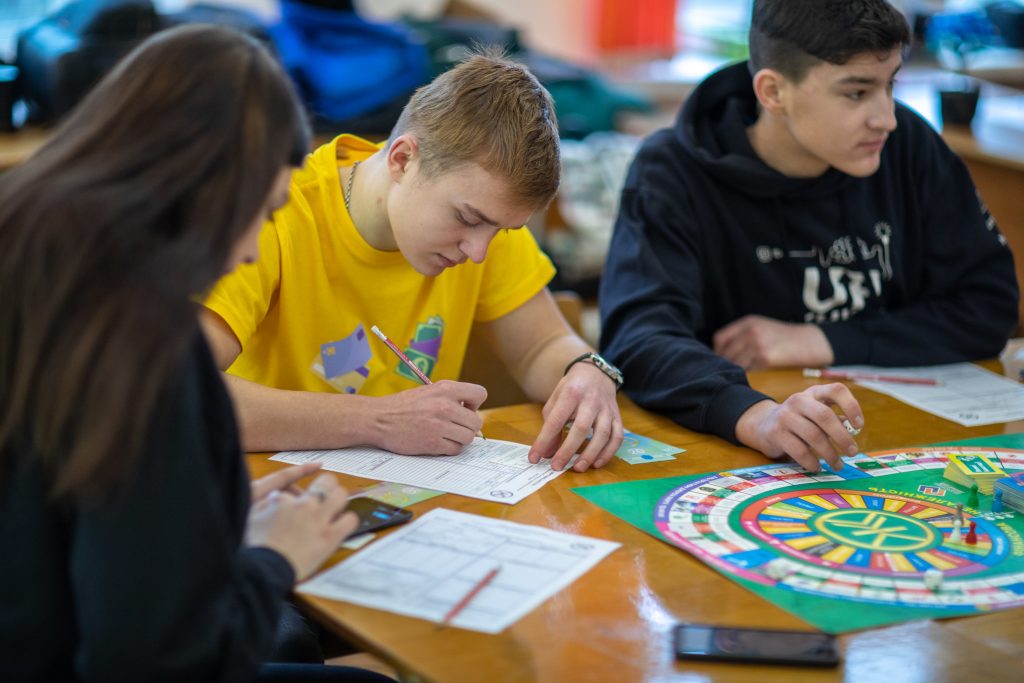
At the beginning of October, the Dutch government announced their decision to raise student loan interest rates to their highest level in 14 years. This announcement ignited controversy and many debates. From January 1, 2024, student loan interest rates are set to surge from 0.46 per cent to 2.56 per cent, as reported by the Dienst University Onderwijs (DUO), the government body responsible for student financial aid.
The sudden and significant increase in interest rates has left many current and former students stumbling, with widespread disagreement over the reasons behind this unexpected move. While some argue that the growth is a necessary adjustment, others contend it is a breach of trust, further compounding the financial burdens faced by students.
The Impact on Students
In response to this increase, students have voiced their frustration and disillusionment with protests, online discussions, and their professors. Many believe they are being unfairly targeted, especially considering that the government has recently eliminated student debt for new students. More and more students struggle to find affordable housing and pay immense amounts for rooms they are often not allowed to register at. Therefore, they miss out on possible governmental funding such as the reintroduced Basisbeurs, a government grant providing financial assistance to students to cover their educational expenses.
Different Perspectives
“It’s hard to comprehend why the government would choose to burden those of us who still have debt with this interest rate hike,” says Paul, a former student. The sentiment among these students is that the government has not been transparent about the implications of this increase. Usually, when wanting to loan money, there is a clear indicator to remind people that loaning money costs money. The typical logo is nowhere to be seen when looking for information about Dutch student loans.
Conversely, some argue that the rate hike is reasonable, emphasising that everyone should know that borrowing inherently comes with interest costs. “They knew they were borrowing money, which comes with a price. Some say that students borrowed the money to finance parties and a luxurious lifestyle, while others used it to buy a house. Some say no one should be complaining as loaning money comes with the personal responsibility to be able to pay it back. They further argue that a student who pursues a meaningful and lucrative career can quickly repay their debt within the 15-year timeframe.
Whilst it is true that the student loan agreements depend on and are tied to the government’s borrowing costs, the interest rise has been coming. However, students feel like they have been cheated and are being cornered.
Government Response
Whilst Education Minister Robbert Dijkgraaf does acknowledge the concerns of students and the public, he assures that the rate adjustment is tailored to each student’s financial circumstances. He highlights that those with low incomes will have lower monthly repayments, aiming to ease the financial burden. Furthermore, Dijkgraaf believes that reintroducing the basic grant (Basisbeurs) and temporary assistance to counteract rising inflation and energy costs will financially relieve many students. However, as mentioned before, many cannot access help due to their living situation not officially registered.
The decision to raise interest rates comes after six years, during which student loan interest rates remained at 0 per cent. This was primarily due to the Dutch government’s ability to borrow funds at favourable rates in the capital market; however, the loan interest had to rise at some point due to rising interest rates.
The Feeling of Broken Promises
Van der Ham, a student herself, expresses profound disillusionment with the government’s actions amid this debate. She recalls that she believed in three critical conditions when she started borrowing. “The first was that your student debt would not affect your ability to secure a mortgage in the future,” van der Ham says in correspondence with NOS. Additionally, it was conveyed that the loan was favourable, with little to no interest.
Lastly, there was the impression that the income generated from the loan system would be reinvested in improving the quality of education. Van der Ham feels that none of these promises have materialised.
A law student, Jim Hiddink, shares similar sentiments, feeling that the situation is unjust. “When you begin borrowing, you agree with the government, but now the entire nature of that agreement is changing. The interest rate remained low, at most 0.5 per cent.”
In a letter sent by the outgoing Minister of Education, Dijkgraaf, to the Dutch Parliament in 2022, it was stated that there was never a promise to maintain a 0 per cent interest rate or that the size of a student’s debt would have no influence on their mortgage application. Previous ministers, including Jet Bussemaker, had, however, stressed that the consequences should remain limited and students should not develop a “fear of borrowing.” Which has now, unfortunately, become a reality for many.
Mustafa Ersoy’s fate hangs in the balance as he faces deportation to Turkey. With his expired passport, he has turned to Switzerland in a desperate plea for asylum.
by Inja van Soest.
In a recent report by İsmail Sağıroğlu from Boldmedya, we learn of yet another tragic chapter unfolding against a backdrop of mounting pressure within Turkey. Mustafa Ersoy, a 52-year-old educator from Konya Beyşehir, is facing deportation. After completing his studies in computer science in Kazakhstan, he stayed for a decade as a teacher. Afterwards, he returned to his homeland, Turkey, assuming roles as a manager in Beykoz and Sultanbeyli reading halls affiliated with Kaynak Eğitim in Istanbul.
However, Mustafa’s life took a sharp turn on July 15, 2016, when Turkey experienced a coup attempt. The Turkish government attributed the coup to Fethullah Gulen, a Turkish cleric living in self-imposed exile in the United States since 1999. Once an ally of President Erdogan, Gulen firmly denies any involvement in the coup. The Turkish government has labelled Gulen’s network as the “Fethullah Terrorist Organization” (FETO), accusing its supporters of establishing a “parallel state” by infiltrating various state institutions, including the police, judiciary, and military. In the two years following the coup attempt, Turkey remained under a state of emergency, leading to the arrest of tens of thousands and the suspension or dismissal of at least 125,000 civil servants, military personnel, and academics suspected of having links to Gulen.
When Mustafa’s colleagues started facing detainment and arrests, he sought refuge in Kazakhstan. However, his inability to renew his passport forced him to leave Kazakhstan, ultimately reaching Switzerland via Greece, where he applied for asylum.
Regrettably, Mustafa Ersoy’s application was rejected on two separate occasions, with him not having access to the information in his case files. The situation reached a critical juncture on Thursday, October 12th, when Swiss Police picked him up in the early morning hours at the camp where he had been staying and escorted him to the airport. Mustafa refused to board the flight to Turkey, fully aware that he would face imminent arrest and persecution upon his return. Since then, he has been in a detention centre near Geneva alongside other immigrants awaiting deportation to their home countries.
It was not until Monday, October 16th, that Mustafa received a glimmer of hope when a Swiss court granted him the right to reapply for asylum. His re-application with the legal help of FLAG21 is now under review, with a decision expected within the next ten days.
Broken Chalk firmly stands with Mustafa Ersoy and is grateful for the help he has received from FLAG21. Broken Chalk appeals to the Swiss Government to grant him asylum and protection from the potential persecution he faces at the hands of the Turkish Government.
At first glance, Austria seems ideal for living and studying. Its capital, Vienna, has been named the most liveable city in the world for the second year in a row. Its educational system is known for its high standards, high quality, and a strong diversification of programmes at all levels of education. According to Article 14 of the Austrian Federal Constitutional Law, “democracy, humanity, solidarity, peace and justice, openness and tolerance towards everyone regardless of race, social status and financial background” are fundamental principles that lay at the core of education in Austria. Unlike many other European countries, Austria offers free higher education for EU citizens, making it attractive for international students. The generous government spending on education is undoubtedly a factor making this possible. Add onto this a rich cultural heritage and some stunning landscapes, and the picture looks flawless. However, in reality, Austria, just like any other country, has to face its own set of educational challenges.
Cross-regional disparities
In Austria, regional inequalities in children’s access to and participation in education become increasingly evident when looking at non-compulsory levels of education. The enrolment rate of 3-5 year-olds varies from 82% in the region of Styria to 95% in Lower Austria. When looking at other age groups, enrolment rates range from 97% to 100% across regions for 6-14 year-olds and from 67% to 91% for 15-19 year-olds.
Similarly, the share of 25-64 year-old adults with tertiary education varies from 29% in the region of Vorarlberg to 43% in Vienna. These variations across different regions of the country reflect more than just differences in educational opportunities. To a large degree, they are caused by economic conditions and internal migration patterns.
Tracking of students at a young age
The tracking of students into different types of schools starts at 10, much earlier than the OECD average age of 14. Such an approach may pose significant challenges in terms of equity if not managed properly. OECD evidence shows that early tracking can increase
inequities in students’ learning and exacerbate socioeconomic background’s impact on performance. Although in Austria, the selection into educational tracks is formally based on academic achievements and the recommendations of teachers, in practice, socioeconomic background plays an essential role for families when deciding on a track at the end of primary education.
To reduce the impact of early tracking and provide more equitable learning outcomes for all students, a new lower secondary school model, the New Secondary School (Neue Mittelschule, NMS), was introduced in 2007-2008. However, according to a summative evaluation from 2015, the project has had mixed results. Deficiencies in the implementation process were found, with interpretations of the new model varying between schools and students’ overall levels of achievement were needing improvement.
Teacher Helping a Student / Picture by Max Fischer via Pexels
Integration of students with immigrant backgrounds
Austria faces challenges in increasing the participation of children from certain backgrounds in Early Childhood Education and Care (ECEC), including immigrant children and reducing the achievement gaps between students from disadvantaged or immigrant backgrounds and their peers.
According to data from PISA 2015, students with an immigrant background made up 20.3% of the total student population in Austria, a percentage significantly higher than the OECD average of 12.5%. Education outcomes for students with an immigrant background remain significantly below those of other students. Additionally, grade repetition is higher amongst immigrant students, with 26.5% of immigrant students reporting having repeated a grade, compared to 12.1% of non-immigrant students (above the OECD average of 19.9% and 10.9%, respectively). According to Eurostat evidence, foreign-born students also have almost three times the early school leaving rates of native-born students.
In analyzing and comparing the situation of children of Turkish migrants in France, Sweden, and Austria, academic Philipp Schnell finds that when it comes to the scale of the disadvantages suffered by children of this background in the education system, Austria is the unequivocal leader. Schnell gives the following explanation for this disparity:
“ The crucial factors are the intensity of the interaction between the structures of the school system and family resources, as well as the time at which this interaction begins. In the Austrian education system, it has to begin at an earlier point than in other countries.”
Thus, in other words, Turkish families and families of different migrant backgrounds often cannot find and allocate the resources that the Austrian system requires at such an early point in time.
Furthermore, when admitting a pupil into the Austrian school system, there are no formal test procedures for assessing the child’s competence in German. Children whose competence in German is insufficient to follow classes are admitted as so-called ex-matriculate pupils for a maximum of two years. Afterwards, it is automatically assumed that pupils can generally follow tuition in the classroom, even though their competence in German is not yet comparable with that of native speakers. This language barrier could have a negative impact on pupils’ education, literacy, and their further trajectory in life. Indeed, a 2022 report shows that the Austrian educational system has yet to fully succeed in guaranteeing that immigrant children can read and write German fluently after nine years of schooling.
Access to education for asylum seekers
Asylum-seeking children can attend primary and secondary school only after their asylum application has been admitted to the regular procedure. Attendance in public schools is not provided for them during the period in which they reside in the initial reception center of the state.
Obtaining access to education for asylum seekers older than 15 can pose difficulties, as schooling is not compulsory after the age of 15 for asylum seekers. Moreover, children who did not attend the mandatory school years in Austria have difficulties continuing their education. Special courses are available free of charge only for unaccompanied children who have not successfully finished the compulsory last school year. This possibility is often not available for free for children accompanied by their families.
Discrimination
In addition to the practical challenges described above, students from various backgrounds face discrimination, which remains a prominent issue in Austrian schools. In 2022, 158 discrimination cases in the education system were reported to the Austrian Initiative for a Non-Discriminatory Education System (IDB – Initiative für ein diskriminierungsfreies Bildungswesen). According to the organization, 84% of reports are cases of racial discrimination. Around 36% of all cases of discrimination reported to the IDB involved decidedly anti-Muslim, racist and/or Islamophobic discrimination and 1% of all cases reported involved anti-Semitic discrimination.
The Matura exam
The Matura, officially called Reifeprufung, is the Austrian “general school-leaving examination” and represents a prerequisite for higher education such as university, academy, technical university, and college. The exam consists of written examinations, three to four tests lasting for up to five hours each on consecutive mornings in May, and oral examinations, which are held about one month after the written ones.
The Austrian Matura has gone under severe criticism over the years. Critics argue that the exam’s structure is too rigid and fails to assess students’ practical skills and critical thinking abilities adequately. Many experts argue that the system encourages students only to memorize certain subjects and themes, hindering creative thinking. Some specialists have called the Matura “a real lottery system”, with a lot depending on whether the students studied and memorized the particular subject more in-depth than others. Additionally, the Matura exam can be criticized from a socioeconomic perspective, as it may favour students from more privileged backgrounds with access to additional tutoring and resources.
Conclusion
Beneath Austria’s charming exterior, its educational system grapples with hidden challenges. These challenges aren’t exclusive to Austria; they mirror issues prevalent in educational systems worldwide. The disparities in education attainment across regions aren’t just about geography; they echo global struggles with economic inequality. Early student tracking highlights the perennial debate between early specialization and nurturing diverse talents. The challenges immigrant students face mirror those in many diverse societies striving for inclusive education. Discrimination, an unfortunate reality, persists not only within Austrian classrooms but in classrooms everywhere.
Austria’s educational journey is a reminder that no nation is immune to these challenges. It’s a call to action for policymakers, educators, and communities in Austria and worldwide. Before them stands the question: How do we balance tradition and innovation, inclusivity and excellence, uniformity and individuality? This is no simple question, but it brings us closer to reaching the universal goal of a fairer, more equitable education system.
Ireland’s territory is divided into two parts: Ireland, sometimes referred to as “the Republic of Ireland”, and Northern Ireland, which is part of the United Kingdom. Ireland is a member of the European Union.
The population of the country in 1926 was 2,971,922, increasing to 4982 million in 2023. Ireland became a free state in 1922, a parliamentary democracy governed by the 1937 Constitution of Ireland. The official languages are both English and Irish.
From the 1950s to the 1970s, the Irish economy was growing and increasing not only in the political field but also in the educational field. In 2008 unemployment increased, and GDP dropped in growth. The recovery plan agreed upon at that time required a significant cut in public spending and a range of measures to stabilize finances and return to growth; Ireland exited successfully at the end of 2013. The Expenditures on Education by the Government are 3.72 % as a percentage of gross domestic product (GDP); this is lower than both the regional average (4.6%) and the average for its income group (4.5%).
Ireland’s educational system
In Ireland, attendance at National Schools is free, and the State must provide free primary education. Some private elementary schools charge a fee. Attendance at most secondary schools is free, but some private schools charge a fee for the families, even in secondary education. Sometimes the schools bear the expenses for books, uniforms and exams. The history of Ireland has been shaped by the influence of religious institutions in society, including the education system; therefore, the Catholic Church plays an important role in education: most primary schools, like the National Schools, are run by the Church and subsidized by the State. Most Secondary Schools – private schools for secondary education – are also run by Catholic institutions. Education in Ireland is obliged from age 6 to 16, or until students have completed three years of secondary education.
Source: Europe Academy of Religion and Society.
Elementary school consists of eight grades. Pupils typically advance to secondary school at age 12. The Second Level is divided into a Junior Cycle and a Senior Cycle. Both general and vocational subjects are taught in secondary education.
Secondary education includes secondary institutions, vocational, comprehensive and community colleges. The number of young people continuing their education after compulsory education is high: more than 90 % of 16-year-olds, 75 % of 17-year-olds, and about 50 % of 18-year-olds attend school full-time.
Education in Ireland: outlook for growth
The challenges faced by Ireland for the education system are multiple. Ireland is trying to accommodate a rapid increase in enrolment. However, primary enrolment is declining after reaching a peak in 2018, and post-primary enrolment continues to grow strongly, increasing by 34,300 between 2017 and 2021. Full-time postsecondary education enrollment is also rising rapidly, with an increase of nearly 16,400 between 2017 and 2021 and 13 additional postsecondary schools since 2017, reflecting the substantial increase in enrolment.
The total number of teachers has increased by over 7,804 since 2017, from 64,692 to 72,496. The student-teacher ratio in elementary schools has decreased from 15.3 to 13.7 since 2017 and from 12.8 to 12.2 in secondary schools.
Not only is Ireland trying to increase enrolment, but it’s also promoting a more pluralistic school system that better accommodates diversity, especially religious diversity, in line with the changing profile of the population. A number of schools in Ireland, from 2019, have started to become the first transfer from catholic to multi-denominational. The schools will implement programs to encompass and include different beliefs and values.
The participation of children with special education needs has increased in the education system. Ireland wants to provide an education system that supports their participation and advancement to ensure they can reach their full potential. It is essential that schools have policies in place to deal with any difficulties of the students.
To maintain the quality and performance of all levels of the education system and to face the work world, to keep up with the changing world, the education and training system will play a key role in meeting existing and emerging skill needs by providing education, training, and skill development opportunities for those entering the workforce, as well as ongoing upskilling and retraining of existing labour market participants.
How did Ireland face the educational issues during covid-19 in 2020
According to a UN report, nearly 190 countries have imposed school closures, affecting 1.5 billion children and young people. As so, students had to start to adopt new learning, “learning from home education,” and teachers and educators had to change their way of teaching. The UNESCO Director-General Audrey Azoulay guaranteed that United Nations was providing aid to adapt to this situation, especially since they were working with countries to ensure the continuity of learning for everybody, particularly disadvantaged children and youth who tend to be the hardest hit by school closures.
During the Covid-19 pandemic, 94% of students said they used a combination of textbooks and digital tools. Many students (79%) indicated no difficulties had been experienced, and if they had, the issues would have been addressed promptly. Most young people completed their assignments and received the teacher’s feedback.
Even if a lot of children and adolescents attend Catholic Schools, a growing number of people do not practice the religion and may attend Christenings and Communions just because it is part of Irish culture rather than having any genuine belief in the practice, even though the majority of schools in Ireland are Catholic schools. Nearly 80% of the population describes their religion as Catholic, according to the 2016 Census.
Religious practicians and committed students feel vulnerable as they are a minority in Irish schools now.
To avoid this problem, Irish schools must have a code of behaviour and a specific educational program and procedures that together form the school’s plan to help students in the school to behave well and learn well. Also, school support teams will be available to help students experiencing bullying, and all the staff will be trained as part of the new action plan.
Disadvantaged people in Ireland
Despite having the fastest-growing economy in Europe, poverty levels in Ireland are stable. Children are more likely than the overall population to experience ongoing poverty. More than 62,000 children live in persistent poverty, and others are in danger of poverty. One in five parents do not have enough food to feed their children. Children who travel a lot, like the Roman children, are particularly vulnerable. The term “Roma” is used by the Council of Europe to refer to Roma, Sinti, Kale and related groups in Europe, including Travellers and the Eastern groups, like Dom and Lom, and covers the wide diversity of the groups concerned, including persons who identify themselves as “Gypsies”.
Source: CSO Ireland.
From statistical data 2016, 2 % of 10-year-olds in Ireland cannot read and understand a simple text by the end of primary school. Those in rural areas are potentially negatively affected by difficulty in maintaining involvement in education or accessing facilities.
Educational disadvantages are often related to socio-economic factors, for example, inadequate income, poor housing, health or family problems. Children who have been born into poor households or live in deprived areas are most subject to educational failure and subsequent labour market exclusion. Young people who experience social disadvantage are at a higher risk of being exposed to factors that impact their opportunity to progress successfully through first and second-level education.
Conclusions and recommendations
Ireland’s education system has shown significant strengths and achievements while facing challenges. The country is firmly committed to providing quality education to its citizens, evident through its well-structured and accessible education infrastructure. Ireland’s emphasis on early childhood education, investments in technology, and dedication to inclusivity have contributed to a positive learning environment for students of various ages and backgrounds.
The education system has many merits, but some areas can be improved to enhance its overall effectiveness:
Ireland should invest more than it does in education, particularly at the primary and secondary levels; this is crucial to maintaining high-quality teaching standards and facilities. Adequate funding will ensure all schools have the necessary resources to support students’ learning needs.
Despite progress, educational disparities persist in some regions and among specific demographics. The government should focus on narrowing these gaps by implementing targeted interventions, such as improved access to resources and specialized support for disadvantaged communities.
Continuous professional development for educators is essential to keep up with evolving teaching methodologies and technologies. Encouraging and providing opportunities for teachers to enhance their skills will benefit the student’s learning experience. As the education landscape becomes increasingly demanding, prioritizing mental health support services for students, parents, and educators is vital; creating a positive and supportive learning environment will help students thrive academically and emotionally.
References
Aonghus Ó hEochaidh, 2020, Challenges to inclusive education in Irish schools, https://muinteoiraonghus.wordpress.com.
Income and Living Conditions (SILC), 2021, Poverty and deprivation, https://www.cso.ie/en/releasesandpublications/ep/psilc/surveyonincomeandlivingconditionssilc2020/ povertyanddeprivation.
Council of Europe, 2021, Roma children, www.coe.int.
Dimitri O’Donnell, 2022, New database to help prevent bullying in schools, RTÉ News.
Government of Ireland, 2023, Education Indicators for Ireland, Department of Education and the Department of Further and Higher Education, Research, Innovation and Science.
HOUSES OF THE OIREACHTAS, 2021, The Impact of COVID-19 on Primary and Secondary Education Joint Committee on Education, Further and Higher Education, Research, Innovation and Science, data.oireachtas.ie.
Lenus, 2000, Educational disadvantage children and schools a preliminary report for Dublin healthy cities partnership, Marianne Abery The Research Bureau 143 Upper Leeson Street Dublin.
Mancini, J.M., 2021, Children from these communities’: unequal school provision, segregation, and the Irish educational landscape, Irish Educational Studies.
Mairéad Foody, Helena Murphy, Paul Downes & James O’Higgins Norman, 2018, Anti-bullying procedures for schools in Ireland: principals’ responses and perceptions, Pastoral Care in Education An International Journal of Personal, Social and Emotional Development.
The Irish Post, 2021, Practicing catholic children bullied for being old fashioned, https://www.irishpost.com/news/practicing-catholic-children-bullied-for-being-old-fashioned-and-out-of-the-mainstream-committee-hears-214326.
The Irish Times, 2020, Drop in school pupil numbers could threaten small schools, https://www.irishtimes.com/news/education/drop-in-school-pupil-numbers-could-threaten-small-schools-1.4406629.
Public Policy, 2023, Inequalities in the Challenges Affecting Children and their Families during COVID-19 with School Closures and Reopenings: A Qualitative Study, https://publicpolicy.ie/education/inequalities-in-the-challenges-affecting-children-and-their-families-during-covid-19-with-school-closures-and-reopenings-a-qualitative-study/.
Vanessa Burholt, Thomas Scharf, Kieran Walsh, 2013, Imagery and imaginary of islander identity: Older people and migration in Irish small-island communities , Journal of Rural Studies.
The news of the closure of the University of Kent’s Brussels campus, without prior warning or consultation, for the June 2024 deadline, took not only the students and professors of the institute by surprise but also the entire academic world. This very damaging decision risks relegating the University to a national or even regional rank. More generally, it is one of the many signs of the decline of the United Kingdom from a world power to a middle power.
The Brussels School of International Studies (BSIS) is a graduate school of the University of Kent, located in Brussels, Belgium. It was established in 1998 as a joint venture between the University of Kent and the Institute for European Studies (IES) of the Vrije Universiteit Brussel (VUB). BSIS offers a range of interdisciplinary master’s degree programmes in international relations, conflict analysis, development, and law, as well as a PhD program. BSIS provides a unique learning experience for students worldwide, focusing on international affairs and European integration. The faculty comprises internationally renowned experts in their fields who engage in cutting-edge research and teach courses that cover a wide range of topics, including global governance, human rights, international security, and conflict resolution.
The importance of the Brussels campus makes the decision to close it all the more regrettable. By deciding to close its campus by June 2024, the University of Kent risks weakening its position and glowing reputation in a lasting way. Students from the Brussels campus will probably not move to Canterbury and will choose not to continue their studies at the University. As the United Kingdom is a non-member of the European Union, leaving Brussels for Canterbury is all the more complex and difficult. The University of Kent’s location in Brussels, a city of European and NATO institutions, was a wise choice, and its closure means that it loses the international dimension that made it so attractive. The university administration says budget costs and inflation are responsible for the decision. Broken Chalk regrets that education and empowerment are the primary victims of austerity policies. The closure of such a strategic campus not only for the University of Kent but for the British educational model is simply beyond the academic realm. The British government should accompany and financially support its universities for its own influence, for its attractiveness, and to finally remain a global power. A country that does not invest in education is a country doomed to decline – and deserve to.
To paraphrase Richard III: “A university! My Kingdom for a University!”
In the Netherlands, the Akbas-Tereci family, devout members of the Gülen Movement, stand at a precipice of uncertainty. With the impending arrival of their second child, this Turkish couple and their five-year-old daughter Vera face a worrying reality. This legal dilemma threatens their pursuit of safety and stability. Their journey from Turkey to the Netherlands lays bare the unforgiving complexities of seeking asylum, shedding light on profound questions of justice and compassion in a world of uncertainty.
~ by Inja van Soest
Sümeyra Akbas en Beytullah Tereci with their daughter Vera. FOTO: NIELS DE VRIES
A recent petition has sparked interest in the faith of this young family. Sümeyra Akbas and Beytullah Tereci, a Turkish couple currently residing in the Netherlands with their five-year-old daughter, are expecting their second child. The couple is part of the Gülen Movement, which promotes a tolerant Islam emphasising altruism, modesty, hard work and education. Under President Recep Tayyip Erdoğan, the Turkish government accused the movement of being involved in an attempted coup in 2016, leading to much controversy about the movement and a political conflict. The Gülen Movement is classified as a terrorist organisation, making it dangerous for Sümeyra Akbas and Beytullah Tereci to return to Turkey.
The family have been in the Netherlands for more than a year now. They have been volunteering in their community whilst attending Dutch language courses thrice weekly. Their five-year-old daughter has started to speak Dutch and has made local friends. Beytullah states: “We want to feel at home here. We came here to start a new life and have a future.”
Typically, Turkish refugees are granted residence permits, with approval rates reaching as high as 97.5 % in 2022, according to VluchtelingenWerk statistics. However, the case of Akbas and Tereci stands out due to their unique circumstances. While the parents hold Turkish citizenship, their daughter is of Brazilian nationality. Akbas and Tereci had fled from Turkey to Iraq before the failed coup attempt in 2016. They married in Iraq and built their lives as elementary school and preschool teachers. They had five more years of validity on their Turkish passports and believed they could return to their home country within that timeframe. However, when they were expecting their first child, they had to make a decision. If their daughter had been born in Iraq, she would have been stateless without any papers as them being Gülenists; they couldn’t go to the Embassy out of fear of being arrested. She would neither be granted a Turkish nor an Iraqi passport, and they would have been unable to leave Iraq. They decided to go to a country where their child would receive papers by birth. And they ended up going to Brazil for the birth of their daughter.
After two months of being there, they returned as a family of three. They didn’t plan on settling there. Therefore, they didn’t need a Visa, as their stay was shorter than three months. Afterwards, they returned to Iraq, where their jobs and life awaited them. Five years later, the decision to get papers for their daughter puts them in a situation where the Netherlands does not want to grant them residency as their daughter is Brazilian. The ruling of their case states they have a connection with Brazil. However, they neither speak the language nor have family or friends there.
The court ruling surprised the couple and their lawyer because the family would not receive residency in Brazil either, which could ultimately lead to them being deported to Turkey. The family was supposed to have to leave their current asylum centre by the 14th of September but have been offered the option to go to a different asylum centre. However, they would not be allowed to leave the town and have to sign in every morning that they are present at the centre. Akbas expresses his feelings of having escaped an unjust Turkish prison sentence to now live like a prisoner at the asylum centre. A daily life without much prospect. “It is like being sick, and you don’t enjoy anything. I don’t enjoy food or drinking. It should be happy times for my family; we worry too much instead.”
The initial ruling has been appealed, but the judge ruled against the appeal again, a disappointing outcome. But the family, their lawyer and their friends are unwilling to give up. Whilst their case is being fought in court, their Dutch language teacher has started a petition to revise the decision made by the court.
Beytullah Tereci is thankful for the support the family has been getting and hopes for a positive outcome for his family and his children. “We want to be home, but we cannot go there. So we choose a new home, a future. How can it be that your home is not welcoming you, and you still have to go.”
If you want to support Sümeyra Akbas and Beytullah Tereci and their daughter Vera, you can sign the petition here:
A small country located between Romania and Ukraine, one of the poorest countries in Europe that in its three decades of independence has been troubled by corruption, oligarchy, and polarization, the Republic of Moldova has been generally ignored, or at least overlooked on an international scale. YouTube videos by travel bloggers attempting to sensationalize the destination bear titles such as “Nobody Visits This Country … Find Out Why”, “Travelling to the “Worst” Country in Europe”, and “Travelling to the Country Everyone is Trying to Leave”. This has been the case until the war in Ukraine has effectively put Moldova on the map, garnering international audiences’ attention.
The conflict across the border has forced Moldova to think about its own security and potential threats to the country. Many have speculated that Moldova could be the next one to fall under Russian attack, in a sort of twisted, imperialistic domino reaction. And while this prediction has not been proven accurate thus far, Moldova has undoubtedly been shaken up by the war, with its economy being strongly affected and internal conflicts brewing. This destabilized situation challenged all aspects of society, including education, which was already in a troubled state and left a lot to be desired.
The history of education, and especially higher education, in the Republic of Moldova is relatively young. In 1918, Bessarabia (the region corresponding, for the most part, with Moldova’s present-day territory) became part of Greater Romania. And while all the newly integrated regions showcased widely different levels of general schooling and literacy rates, Bessarabia displayed the lowest levels, despite the efforts to create and expand an elementary public school system at the end of the 19th century during the tsarist administration.
Romanian political elites directed their efforts towards national integration and cultural unification, including the decolonization and “Romanianization” of schools. This had a negative effect on the schooling of ethnic minorities, who accounted for more than
one-quarter of the general population, as Romanian authorities were concerned with the ethnic heterogeneity of Romanian society and often suspected ethnic minorities of subversion and disloyalty.
After 28 June 1940, Bessarabia became part of the Soviet Union. It was during the Soviet period that the bulk of Moldova’s development in education occurred. The contents of the courses, study programs, teaching methods, and recruitment policies were directly replicated from the already existing Soviet republics. The lack of academic traditions prior to the Soviet period facilitated this process. Professors and scientists immigrated from other Soviet republics, particularly Russia and Ukraine, which, on the one hand, raised the educational levels while, on the other hand, it has promoted the use of the Russian language, which
became the predominant language of education.
The Republic of Moldova declared its independence on 27 August 1991, marking the beginning of radical political, economic, and social changes which required the educational system to adapt. This was met by a series of challenges and barriers that continue to exist, despite Moldova’s efforts and the educational reforms it has implemented since its independence.
Educational Challenges
In Moldova, more than half of students are only partially competent in reading, mathematics, or science. Moldovan students are lagging behind their peers in neighbouring countries. The results of the PISA 2018 survey show the following:
57% of Moldovan students attained at least Level 2 proficiency in reading (OECD average: 77%)
1% of students in Moldova were top performers in reading (OECD average: 9%)
50% of students in Moldova attained Level 2 or higher in mathematics (OECD average: 76%)
2% of students scored at Level 5 or higher in mathematics (OECD average: 11%)
57% of students in Moldova attained Level 2 or higher in science (OECD average: 78%)
1% of students were top performers in science (OECD average: 7%).
While school attendance rates in both primary and secondary education are high, children from rural spaces are more likely than others to be out of the classroom. This generally happens so children can carry out domestic work and assume responsibilities within
the household. The attendance rates of Roma children are much lower at all educational levels, as some of these children are never enrolled, are enrolled much later than they should have been, or drop out. Furthermore, only 20 per cent of Roma children attend a preschool compared to 80 per cent of non-Roma children.
Socio-economically advantaged students outperformed disadvantaged students in reading
by 102 score points in PISA 2018, which is a larger gap than the average difference between the two groups (89 score points) across OECD countries. Many students, especially disadvantaged ones, hold lower ambitions than would be expected given their academic achievement, with one in three disadvantaged students and one in ten advantaged students expecting to not complete tertiary education.
Social norms and stereotypical gender roles heavily influence education and further professional attainments. For instance, dropout rates are higher among boys than girls, possibly due to the fact that men and boys see their gender role as breadwinners and economic providers. While, in general, the gender gap in education is relatively small, educational attainment among Roma women remains low. Last but not least, influenced by gender roles and societal pressure, girls tend to choose specializations related to liberal arts subjects (philology, political science, social sciences, social assistance, etc.), which are usually less well-paid.
Another issue is the situation of students with disabilities, who continue to face exclusion. Most educational institutions in Moldova are not adapted to meet inclusive education standards. There is a lack of accessible school buildings and facilities, a lack of training on
inclusive education for teachers and staff, as well as social barriers in the form of negative stereotypes and prejudices against people with disabilities.
Additionally, many schools in Moldova lack basic structures, such as sanitary blocks. For instance, especially in villages, toilets are usually located outside the building and lack the necessary hygienic, safe, and/or gender-sensitive conditions.
The Moldovan educational system also suffers from a severe staff shortage. 43% of students enrolled in a disadvantaged school and 28% of students enrolled in an advantaged school attend a school whose principal reported that the capacity of the school to provide instruction is hindered, at least to some extent, by a lack of teaching staff. Only up to a quarter of pedagogy graduates chose to pursue a career in education. Low salaries and not wanting to move to a rural area, where shortages are most acute, are some of the main reasons for this.
The COVID-19 pandemic has further highlighted the discrepancies and inequalities between advantaged and disadvantaged student groups. With internet penetration in Moldova standing around 79.9% in 2019 (considerably lower than the EU penetration rate of 90% in 2019), approximately 16,000 students (4.8% of total) and 3000 teachers (10.6% of total) without access to ICT technology (laptop, tablet or access to internet) were left without any ability to deliver or receive instruction. The most affected categories were those in rural areas, families
with lower levels of education, and households with a low-income level. A lack of adequate
equipment, like a computer or connection to the internet, and high illiteracy rates among parents created additional obstacles to benefiting from distance learning for Roma children. Children with disabilities also faced additional challenges, as it proved more difficult to provide the support they need for learning remotely.
Education and the War Across the Border
Since the start of the Russian invasion of Ukraine, Moldova and Poland have received the highest number of refugees compared to its population size. The sudden arrival of Ukrainian refugees has placed tremendous pressure on the Moldovan educational system to accommodate the hundreds of thousands of children seeking an education. In response to the influx of refugees, the Ministry of Education and Research has implemented regulations allowing the inclusion and integration of refugees into the national education system. However, this open refugee policy has further strained an already fragile educational system. Enormous educational needs are overstretching and straining the educational capacity of the country, given the shortage of teachers, the language barriers, the demand for mental health help and resources, etc.
Conclusion
Moldova, a small and often overlooked European country, has been pushed into the spotlight by the conflict across its border. The country faces significant educational challenges. More than half of its students struggle with basic skills like reading, math, and science, falling behind neighbouring countries. Inequality is a concern, children from rural communities and ethnic minorities missing out on education, and disadvantaged students facing lower expectations. In 2020, the COVID-19 pandemic aggravated the situation, exposing the digital divide. At present, the conflict in Ukraine has brought an influx of refugees, putting more strain on Moldova’s already fragile education system.
Moldova finds itself at a crossroads regarding its future and the future of its education system, as the two are inherently intertwined. Without a well-educated and skilled workforce, Moldova’s future as a nation looks grim. Unless the disparities between urban and rural areas, as well as the marginalization of certain minority groups, are addressed, the country risks perpetuating a cycle of poverty and exclusion that could hinder social cohesion and stability.
The Republic of Moldova is currently facing daunting challenges, to be sure. Still, with determination and cooperation, it is at least within its power as a state to build a resilient education system that would unlock the potential of its youth so they may build a brighter future.
Bischof, L. and Tofan, A. (2018). “Moldova: Institutions Under Stress—The Past, the Present and the Future of Moldova’s Higher Education System”. In: Huisman, J., Smolentseva, A. and Froumin, I. (eds) 25 Years of Transformations of Higher Education Systems in Post-Soviet Countries. Reform and Continuity, 311-337. London: Palgrave Macmillan.
Negură, P. (2018). “Ce lecții tragem din școlarizarea minorităților din Basarabia interbelică ?”. In: Cioroianu, A. (ed.) Un Centenar și mai multe teme pentru acasă, 105-116. Iași: POLIROM.
Negură, P. and Cușco, A. (2021). “Public Education in Romania and Moldova, 19-20th Centuries: Modernization, Political Mobilization, and Nation-Building. An Introduction.”, Plural. History, Culture, Society, 9(1): 5-10.
UN (2020). “Education and COVID-19 in the Republic of Moldova: Grasping the opportunity the learning crisis presents to build a more resilient education system”.
“Yes, Denmark may have the laurel of the happiest country in the world, but that does not mean that, as in every capitalist economy, everybody is happy.”[1]
Michael Roberts, 2022.
Education is a vital pillar of a nation’s development, and Denmark is renowned for its strong commitment to providing high-quality education. However, like any other country, Denmark faces its own challenges within its educational system. This article will explore the significant academic challenges that Denmark has encountered, examining their causes and potential solutions. The challenges facing the Danish education system undermine the idea of an open, inclusive society promoted in the 1980s and 1990s: the complex integration of ethnic minorities living in urban ghettos (Human Right Watch, 2021)[2]; the gradual deconstruction of the welfare state, to which Helle Thorning-Schmitt’s left-wing government made a major contribution between 2011 and 2014; a growing school malaise, with a school population that is either dropping out or depressed. Today, Denmark remains divided between two main trends: historical isolationism, which has seen Denmark withdraw from the European concert in recent centuries, skeptical of European integration (along with France, Denmark was one of the countries to reject the 2005 Lisbon Treaty in a referendum); progressive integration, with a membership of NATO and the Common Market, and the promotion of economic liberalism. The issue of migrant reception crystallizes this division in Danish society: the current government’s desire to transfer asylum seekers to a “third country” is a sign that historical isolationism is gaining ground.
Denmark’s education system has witnessed ongoing debates regarding assessment methods and standardization. Critics argue that the emphasis on standardized testing and rigid curriculum frameworks can limit teachers’ autonomy and creativity, leading to a narrow focus on exam preparation. There is a growing recognition of the need for a more holistic approach to assessment, encompassing students’ diverse skills and abilities. Recent reforms have aimed to reduce the reliance on high-stakes testing and promote more formative and individualized assessment practices.
Classes in Denmark generally have no more than twenty pupils, and schools are financed by local taxes, which can lead to greater or lesser territorial disparity. The 2013 reform increased school hours from 21 to 30 per week, and teachers were encouraged to spend more time at school. The April 2013 reform took place against a backdrop of strikes but finally came into force at the start of the September 2014 school year. The difficulties encountered by public schools (longer working hours for teachers with no salary compensation, a curriculum that depends on the region) have favoured private schools: today, 15% of Danish pupils attend private classes.[3].
Smooth transitions between different educational levels can significantly impact student success. Denmark faces challenges in ensuring a seamless transition from primary to secondary education and from secondary to higher education or vocational training. Inconsistencies in curriculum alignment, lack of guidance and counselling, and limited cooperation between educational institutions have been identified as obstacles. Efforts to enhance coordination, establish clear pathways, and provide comprehensive support during transitional phases are essential to address this challenge.
Also, while Denmark has made significant progress in digitalizing its education system, there are still challenges to overcome. Access to digital resources, teacher professional development, and the digital divide among students require attention. Ensuring equitable access to technology, providing training to educators, and integrating digital tools effectively into the curriculum are crucial steps to harness the potential of technology in enhancing learning outcomes.
While Denmark offers free tuition for Danish and EU/EEA students, there are still financial considerations and costs associated with higher education. While tuition fees are generally covered for Danish and EU/EEA students, the cost of living can be a significant financial burden. Expenses such as accommodation, food, transportation, and study materials can add up, particularly for students who need to relocate or live in high-cost areas such as Copenhagen. These living expenses can create challenges for students from low-income backgrounds. Non-EU/EEA students are required to pay tuition fees to study in Denmark. These fees can vary depending on the institution, program, and level of study. The tuition fees for non-EU/EEA students can be substantial, making it difficult for some individuals to afford higher education in Denmark. However, it is essential to note that Denmark offers a range of scholarships and grants to support international students, mitigating some of the financial barriers. Finding affordable and suitable housing can be challenging for students, especially in cities with high rental prices. Accommodation costs can consume a significant portion of a student’s budget, leaving limited funds for other essential expenses. To address this issue, Denmark provides student housing options at affordable rates through housing associations, student dormitories, and rental subsidies. However, the demand for student housing often exceeds the available supply, creating additional challenges for students.
Mental Health
The mental health of Danish schoolchildren is a major concern. According to a report by the Human Practice Foundation and a second by the OECD (Learning Compass 2030),
“The treatment of children with stress increased by 900% from 1995-2015. Studies also show a clear correlation between children who are unhappy/discontented and absenteeism/learning patterns. This contributes to the fact that in 2018 32% of Danish students nationally were not deemed ready for higher education in eighth grade and that in 2019 10% of the students in the ninth grade did not complete the primary school’s mandatory exams.”[4]
The significant increase in the treatment of children with stress suggests a growing prevalence of stress-related issues among Danish students. Factors such as academic pressure, social expectations, and personal challenges contribute to heightened stress levels. These stressors can impact students’ well-being, engagement, and academic performance. The statistic indicating that 32% of Danish students were not deemed ready for higher education in eighth grade highlights a significant challenge in preparing students for future educational pursuits. This readiness is crucial for smooth transitions and successful academic trajectories beyond primary school. Factors such as academic preparation, skill development, and socio-emotional well-being play a role in students’ readiness for higher education.
One significant challenge in Danish education is socioeconomic disparities, which can impact student achievement and perpetuate social inequality. Research has shown that students from disadvantaged backgrounds tend to have lower educational outcomes compared to their more privileged counterparts. Factors such as parental education, income, and cultural capital play a crucial role in shaping a student’s educational trajectory. To address this challenge, Denmark has implemented various initiatives, including targeted support programs for vulnerable students, increased access to early childhood education, and reforms aimed at reducing educational inequality.
Socioeconomic disparities can also influence students’ cultural capital, which refers to the knowledge, skills, and behaviours that are valued in the educational system, albeit not Danish specificity per se. Students from disadvantaged socioeconomic backgrounds tend to have lower academic achievement than their more affluent peers. This achievement gap manifests in various ways, including lower test scores, higher dropout rates, and reduced access to higher education. Socioeconomic factors such as parental education, income, and occupation significantly influence a student’s academic performance and educational outcomes. Early childhood education is crucial in laying the foundation for a child’s educational journey. However, socioeconomic disparities often result in unequal access to high-quality early education. Children from disadvantaged backgrounds may have limited access to preschool programs, which can affect their readiness for formal schooling. Denmark has implemented initiatives to increase access to early childhood education, such as providing subsidies and support for vulnerable families. However, there is still a need for further efforts to ensure equal opportunities for all children. Students from disadvantaged backgrounds may face limited access to educational guidance and support systems, including career counselling and tutoring services. This lack of support can hinder their educational and career aspirations. Providing comprehensive guidance and support services to students, particularly those from disadvantaged backgrounds, can help level the playing field and enhance their educational opportunities.
“Across most OECD countries, socio-economic status influences learning outcomes more than gender and immigrant status. In Denmark, the proportion of children from the bottom quartile of the PISA index of economic, social and cultural status (ESCS) achieving at least PISA level 2 in reading in 2018 was 22% lower than that of children from the top ESCS quartile, a smaller share than the OECD average of 29%.”[5]
Integration of Immigrant Students
The integration of immigrant students in Denmark is a critical aspect of the Danish education system.
Denmark has experienced an influx of immigrants and refugees in recent years, which has presented challenges in integrating these students into the education system. Language barriers, cultural differences, and limited educational backgrounds can hinder the academic progress of immigrant students. Denmark has implemented strategies such as language immersion programs, intercultural awareness training for teachers, and initiatives to promote multicultural understanding among students to address this issue. Immigrant students may face educational gaps due to differences in curriculum, educational systems, or limited educational opportunities in their countries of origin. To address these gaps, Denmark has implemented bridge programs that provide additional academic support and resources to help immigrant students catch up with their peers. These programs focus on core subjects and provide individualized assistance to ensure a smooth transition into the Danish educational system. However, further efforts are needed to enhance integration and provide equal educational opportunities for all students.
The biggest problem for the integration of foreign immigrant students is the gradual abandonment of the policy of openness and inclusiveness that made Denmark a dynamic country. Far-right and conservative parties are scoring historically high: the nationalist Danish People’s Party was a coalition government member from 2001 to 2011 and from 2015 to 2019. This has led the liberal-conservative right to move closer to far-right themes by proposing a policy of defiance towards immigration. In a sign of distrust of European integration, a referendum was held in December 2015 on Denmark’s continued membership of Europol (confirmed by a slight majority of 53%). Since 2019, although the far right is not a member of the coalition government, the executive led by Mette Frederiksen has pursued a harsh nationalist immigration policy.[6].
Economic Challenges
Spending on social protection in Denmark is among the highest in the OECD but still lags behind countries such as Belgium, France and Finland. In fact, it’s not a question of spending but of the willingness to continue spending on social protection. Like many countries, Denmark faces a shortage of qualified teachers, particularly in certain subject areas and remote regions. The profession’s low attractiveness, heavy workload, and limited career advancement opportunities have contributed to this challenge. The Danish government has taken steps to address this issue, including increasing teacher salaries, providing professional development opportunities, and implementing recruitment campaigns. However, sustained efforts are necessary to attract and retain talented educators, ensuring a high-quality teaching workforce nationwide. Textbooks, course materials, and other study resources can be costly for students, particularly in fields that require specialized materials or equipment. The expense of study materials can pose a financial challenge, especially for students from low-income backgrounds who may struggle to afford these additional costs. Access to libraries, online resources, and institutional support for affordable study materials can help alleviate this barrier.
The issue is that Denmark has gradually deconstructed its welfare state. The Danish welfare state is not socialist or even communist in inspiration but liberal. Social protection is based on a universal model, i.e., it benefits all citizens without any prior income condition, as is the case in the Beveridgian or French welfare state system.[7]. The idea is to facilitate the integration of individuals into the capitalist market: not to reduce inequalities but to promote equal opportunities. Inequality reduction ultimately aims for the total extinction of pauperism, while equal opportunity aims to grant citizens a certain number of similar rights. Denmark’s neoliberal shift is part of a Scandinavian neoliberal shift of the 2010s. The Danish executive has chosen to “empower” its citizens by tightening access to social benefits. In the case of Danish students, for example, benefits for students with learning difficulties have been abolished altogether.
The campus area of the Danish Design School photographed in 2010 while it was located in the former buildings of the Finsen Institute at Strandboulevarden in the Østerbro district of Copenhagen. Photo by Danmarks Designskole – The Danish Design School.
Conclusion and Recommendations
Denmark’s commitment to education is commendable, but it faces several challenges that require attention and targeted interventions. Addressing socioeconomic disparities, integrating immigrant students, attracting and retaining qualified teachers, reforming assessment practices, facilitating smooth transitions, and leveraging technology are critical focus areas.
Finding affordable and suitable housing can be a challenge for students, especially in cities with high rental prices. Accommodation costs can consume a significant portion of a student’s budget, leaving limited funds for other essential expenses. To address this issue, Denmark provides student housing options at affordable rates through housing associations, student dormitories, and rental subsidies. However, the demand for student housing often exceeds the available supply, creating additional challenges for students.
Increasing access to mental health services, providing comprehensive counselling programs, and integrating mental health education into the curriculum can help address stress-related issues and support students’ emotional well-being. Fostering a positive and inclusive school environment through anti-bullying initiatives, promoting social-emotional learning, and implementing effective behaviour management strategies can contribute to improved student happiness and engagement. Equipping teachers with training and professional development opportunities focused on mental health support, classroom management strategies, and fostering positive learning environments can enhance their ability to address student well-being and learning needs effectively. Given the scale of the problem, the Danish government should set up a dedicated budget to deal with the profound malaise of its pupils. More psychiatrists, reeducation of school time and fewer lectures are possible solutions.
Ongoing challenges persist in integrating immigrant students into the Danish educational system. Continued investment in language programs, intercultural training, tailored support services, and community engagement will further strengthen the integration of immigrant students and promote educational success and social cohesion in Denmark. Maintaining a policy of openness and inclusiveness must be a top priority for public authorities.
Addressing socioeconomic disparities in the Danish educational system requires a multi-faceted approach that focuses on providing equal opportunities, enhancing access to resources, and promoting inclusive practices. This involves implementing targeted support programs for vulnerable students, investing in high-quality early childhood education, improving infrastructure and resources in disadvantaged schools, expanding access to guidance and support services, and fostering a culture of high expectations and educational aspirations for all students.
By addressing these challenges, Denmark can further enhance its education system, foster equal opportunities for all students, and prepare its youth for the demands of the 21st century.
REFERENCES
Organization of Economic Cooperation and Development, “Denmark: ensuring equal opportunities for students across socio-economic backgrounds”, Education at a Glance 2021 : OECD Indicators, OECD, 2021.
[2] Math, Susheela, “Denmark’s “Ghetto Package” and the intersection of the right to housing and non-discrimination”, Human Rights Watch International, March 11th, 2011. “Thousands of people across Denmark face eviction from their homes under the country’s “Ghetto Package,” which seeks to “eradicate” “ghettos” by 2030. The State distinguishes “ghettos” from other areas with the same socio-economic factors on the basis that the majority of residents are of what it calls “non-Western background.” (literatim).
[6] The Danish government wants asylum seekers to be systematically sent to a third country (preferably far from Denmark: that’s the subtext) while their application is processed.
[7] In the Beveridgian system, social benefits are granted according to the needs of each social category, not indiscriminately. This system is the basis of social protection in France.
On February 24, 2022, Thursday, at 3:40 am, a full-scale war broke out in Ukraine.
Undoubtedly, the hostilities in the country have a negative impact on the psychological and physical condition of the citizens, both children and adults. Entire families were forced to hide from constant shelling, leave their homes and flee to other regions or countries due the danger situation in the regions where they live.
The martial law in Ukraine has changed the lives of every citizen and affected all spheres of life.
Within weeks of the invasion, nearly 16 million Ukrainians were forced to flee their homes and seek refuge abroad and in other parts of Ukraine. Many of these were women and children, causing significant harm to Ukraine’s majority female teaching force and their students.
During the COVID-19 pandemic, teachers around the world developed remote teaching skills. Now that the war has again divided their classrooms, Ukrainian teachers have adapted these skills to teach students across Europe and the world.
Like Ukraine itself, which has shown tremendous resistance, educators (teachers, professors, etc.) have continued their educational efforts despite enormous odds. Since the military invasion, teachers have continued to teach their students in bomb shelters during active bombardment. Gas stations and grocery stores powered by generators are turning into centers for filming virtual lessons.
Ukraine’s response and persistent challenges to Education
Ukraine’s literacy rate is 99.8%, one of the highest in the world, and education is a source of national pride. In wartime, the Ukrainian government is working to adapt the education system to new realities.
The day after the full-scale invasion of Ukraine began on February 24, the Ministry of Education and Science of Ukraine recommended that the educational process in educational institutions of all levels be suspended and that students be sent on a two-week vacation. During this time, part of Ukraine’s territory was temporarily occupied, and a number of cities and villages (Mariupol, Chernihiv, Sumy, Kharkiv, and others) became the scene of active hostilities.
On March 14, the educational process began to resume in areas where the security situation allowed it.
Children who live far from the hostilities zone and did not move to other regions of Ukraine or abroad during the war are enrolled in full-time, distance, or mixed forms of education.
However, due to prolonged air raids and power outages of several hours, the educational process in the safe areas is also interrupted. After all, when teachers and students are in a shelter during an air raid or without electricity and, accordingly, high-quality Internet, participants in the educational process cannot continue either full-time or distance learning at this time. Therefore, students spend a significant portion of their school time studying on their own. All this only exacerbates educational losses.
Students, who have been forced to change their place of residence within Ukraine, sometimes even repeatedly, experience interruptions in their education and educational losses. For internally displaced students, one of the biggest challenges is adapting to a new environment and integrating into a new educational institution and establishing communication with teachers and peers. Loss or separation from loved ones, separation from friends, change of residence, stress from the events experienced, because someone left the very “center of hell” – all this causes psychological stress for the child.
One of the most difficult is the situation with children living in the hostilities zone or on the contact line or close to the hostilities zone. There is currently no information on the number of such children who remain close to these zones.
Children in these territories are in constant danger, under fire, forced to hide in basements or other safe places as far as possible. There is often no communication, electricity, gas, water, or heat supply in these areas, some of the houses are destroyed, and children have no more or less equipped shelter or refuge. Therefore, the main thing here is to preserve the lives and health of children, and the educational process should be implemented whenever possible – and only in those forms that do not expose children to additional danger. Some children do not study at all, while others study independently where possible. Therefore, this group of children will suffer the greatest educational losses. At the same time, as we have already noted, children in difficult life circumstances also need special attention.
Each group of students has two common problems. These are educational losses, which are different for all groups of students, because it is clear that children who live far from the combat zone and have not changed their place of residence will have less educational losses than other children. Therefore, each educational institution and each community should have an individual strategy for compensating for educational losses, as well as a general state Ukrainian strategy for compensating for educational losses.
Another common problem is the need for psychological assistance to all groups of students, the level of which will also vary depending on the circumstances experienced by the child.
First, education in times of war is an important topic that requires cooperation between government agencies, aid organizations, and the international community to maximize educational opportunities and protect children in such difficult circumstances. Cooperation with local organizations, social workers, and independent experts is needed to ensure that educational opportunities for children are adapted and accessible.
Secondly, to ensure access to education during war, it is necessary to provide sufficient financial resources, appropriate infrastructure and equipment.
Thirdly, it is important to remember that education in time of war is not limited to learning with books. Children need a variety of educational opportunities, including social and emotional support, cultural activities, and access to media and technology.
Fourth, education should be adapted to the situation of war and meet the needs of children to help them adapt to life in difficult circumstances in the future.
And most importantly, one of the key aspects of education in times of war is ensuring the safety of children and teachers. During war, schools are often targeted, resulting in loss of life and destruction of equipment. Schools need to be secured to protect the lives of children and teachers and ensure the continuity of the educational process.
In addition, education in time of war should be accessible to all children, regardless of their social status or religious affiliation. War-related migration and unequal access to education can lead to discrimination and exclusion of some children. It is necessary to ensure accessible and equal educational opportunities for all children to prevent discrimination and ensure equal chances for all children in the future. This requires cooperation with local organizations, social workers, and independent experts to develop and implement strategies to ensure that education is accessible to all children during war.
Students in Ukraine engage in leisure activities. Photo by UNICEF Ukraine.
Conclusions
For sure, war has a significant negative impact on education, but with the right efforts and support, it is possible to mitigate these effects and help children in the future. Of course, many students do not have access to educational programs or the opportunity to join online learning. Those students who have traveled abroad face language problems and struggle to adapt to a different learning system.
Despite the fact that every student was in a terrible and difficult situation, the educational process resumed in spite of everything.
Since the invasion of Ukraine by Russia in February 2022, it’s believed that more than 16,000 Ukrainian children have been forcibly transferred to Russia.
United Nations investigators have stated that Russia’s compelled displacement of Ukrainian children to Russia or areas under Russian control constitutes a war crime. According to the UN Commission of Inquiry on Ukraine, there is evidence of other war crimes, including hospital attacks, rape, torture, and wilful killings.
The Geneva Conventions and other international laws and agreements determine the rules for war crimes. Murder, extermination, enslavement, deportation or forcible transfer of population, imprisonment or severe deprivation of physical liberty in violation of fundamental rules of international law and torture are known as “crimes against humanity”– in some cases, “genocide”.
Military forces can’t deliberately attack civilians or the infrastructure they depend on, including power stations or water sources. Weapons, such as anti-personnel landmines and chemical or biological weapons, are banned, and the sick and the wounded must be cared for, including injured soldiers, who have rights as prisoners of war.
In March, The International Criminal Court (ICC) in The Hague formally indicted the Russian President, Vladimir Putin, and Maria Lvova-Belova, the Children’s Commissioner, on charges of orchestrating the mass abduction of Ukrainian children.
As a result, an international arrest warrant was issued for Putin, highlighting the pace with which the international legal community has pursued allegations of war crimes amid Russia’s invasion of Ukraine.
These instances mark the ICC’s first cases since its prosecutors initiated an investigation into war crimes, crimes against humanity, and genocide in Ukraine the previous February.
The pre-trial judges of the court have asserted that there are “substantial grounds to believe that each suspect holds responsibility for the war crime of forcibly displacing the population, as well as the unlawful transfer of population from occupied areas of Ukraine to the Russian Federation, to the harm of Ukrainian children.” The judges chose to disclose the suspects’ names to prevent further offences.
Initial reports appeared in the previous spring, revealing that Ukrainian children residing in occupied territories were being transported to Russia, with some even being adopted by Russian families. While Russia framed its actions as a humanitarian effort to rescue Ukrainian children from the war, Ukraine has accused Russia of committing genocide and characterizing these actions as war crimes.
Who are the children affected, and where do they come from?
The purported victims encompass children taken from Ukrainian state institutions within the occupied regions, children whose parents had sent them to Russian-administered “summer camps” from which they never returned, children whose parents were detained by Russian occupying forces, and children orphaned due to the conflict.
Most Ukrainian children captured by Russia originate from the regions currently occupied in the south and east of Ukraine. These regions include Kherson, Kharkiv, Zaporizhzhia, Donetsk, and Luhansk, along with a smaller area in the Mykolaiv region.
Russia has acknowledged holding at least 1,400 Ukrainian children it designates as orphans, although it indicated that at least 2,000 had entered Russia unaccompanied. Additionally, several hundred children from the occupied areas remain in Russia after attending “re-education” camps with parental consent, yet were not returned as expected.
Since the invasion, approximately 400 Ukrainian orphans have been adopted by Russian families, as reported by the Ukrainian Regional Center for Human Rights, which based its assessment on statements from the Russian government.
Russia asserts that an additional 1,000 orphans are awaiting adoption. Maria Lvova-Belova, the Russian Children’s Commissioner, has recounted “adopting” a 15-year-old child from Mariupol, a city in southeastern Ukraine devastated and seized by Russian forces.
Nonetheless, many of these Ukrainian children have surviving relatives diligently searching for them. Roughly 90% of Ukrainian children in state care during the invasion were classified as “social orphans,” indicating they had family members. Still, these relatives lacked the means to care for them.
The Russian government’s declarations regarding the orphans withhold their identities and pertinent details, making it challenging for Ukrainian and international authorities to identify and monitor them.
In certain instances, relatives have recognized children through videos disseminated by Russian state media, initiating efforts to secure their return. There are also documented cases of children ending up in Russian state care after fleeing the conflict in Ukraine via evacuation buses to Russia, as well as instances where children were separated from their parents in Russian filtration camps.
What are the “re-education” summer camps?
Over 6,000 Ukrainian children from the occupied areas attended summer camps funded by the Russian government. Several hundred of these children have not been reunited with their families. These camps, described as “re-education camps” in a February study by Yale University, were promoted by the occupying authorities as a means for children to experience peace from the war.
Since the onset of the conflict, even children as young as four months residing in occupied territories have been transported to 43 camps across Russia, including in the annexed Crimea and Siberia, for education with a pro-Russian patriotic and military focus.
Some parents have managed to retrieve their children by embarking on arduous journeys from Ukraine through Poland and the Baltics to southern Russia. Others have entrusted clandestine networks of anti-Putin volunteers with the power of attorney to facilitate their children’s extraction from Russia. However, videos released by regional Russian occupying authorities in November revealed hundreds of children still residing in these camps.
The United Nations Convention on the Prevention and Punishment of the Crime of Genocide forbids the “forcible transfer of children of the group to another group,” the UN Convention on the Rights of the Child prohibits the “illicit transfer and non-return of children abroad.” The specific international law section under which the ICC intends to pursue this case remains uncertain.
Russia claims its actions are intended to protect Ukrainian children from the conflict. Dmitry Peskov, the spokesperson for Putin, has additionally stated that Russia does not acknowledge the authority of the ICC.
“The decisions of the international criminal court have no meaning for our country, including from a legal point of view,” the foreign ministry spokeswoman, Maria Zakharova, said on her Telegram channel. “Russia is not a party to the Rome statute of the international criminal court and bears no obligations under it.”
Can President Putin be arrested and tried by the ICC?
Currently, President Putin of Russia exerts undisputed authority within his homeland, making it unlikely that the Kremlin would hand him over to the ICC. As long as he stays in Russia, Putin faces no risk of arrest.
However, if Putin were to leave the country, the potential for detention would arise. Considering the substantial restrictions on his international mobility due to existing sanctions, it is unlikely that he would travel to a jurisdiction that aims to prosecute him.
Since the Russian military’s incursion into Ukraine in February 2022, Putin’s travels have been limited to just eight nations. Seven are considered part of Russia’s historical sphere of influence due to their Soviet Union heritage. The exception is Iran, where he met with Supreme Leader Ali Khamenei in July of the preceding year. Given Iran’s support for Russia’s military efforts through equipment supply, a return visit to Tehran would probably not endanger Putin.
There is an unlikely scenario that President Putin and Ms. Lvova-Belova will face a trial despite international arrest warrants and charges against them. Not only does Russia not recognize the jurisdiction of the ICC, established in 2002 by the Rome Statute, this statute asserts that each nation should exercise its criminal jurisdiction over those accountable for international crimes.
The ICC only intervenes if a state can not conduct investigations and prosecutions. While 123 nations have accepted this statute, Russia and others are exceptions. Some countries, including Ukraine, have signed but not ratified the treaty.
The international community interprets the arrest warrant as a signal against the violations of international law in Ukraine. The ICC’s decision to publicize these warrants arises from the ongoing nature of these crimes, intending to deter further offences. Russia’s response has primarily been to dismiss these warrants as insignificant. The Kremlin denies any wrongdoing by its forces in Ukraine, and Putin’s spokesperson labelled the ICC’s decision as “outrageous and unacceptable.”
Given Russia’s defiance, it appears unlikely that the ICC’s actions will significantly influence the ongoing conflict in Ukraine. Consequently, Putin’s military endeavours are likely to persist unabated.
We use cookies on our website to give you the most relevant experience by remembering your preferences and repeat visits. By clicking “Accept All”, you consent to the use of ALL the cookies. However, you may visit "Cookie Settings" to provide a controlled consent.
This website uses cookies to improve your experience while you navigate through the website. Out of these, the cookies that are categorized as necessary are stored on your browser as they are essential for the working of basic functionalities of the website. We also use third-party cookies that help us analyze and understand how you use this website. These cookies will be stored in your browser only with your consent. You also have the option to opt-out of these cookies. But opting out of some of these cookies may affect your browsing experience.
Necessary cookies are absolutely essential for the website to function properly. These cookies ensure basic functionalities and security features of the website, anonymously.
Cookie
Duration
Description
cookielawinfo-checkbox-analytics
11 months
This cookie is set by GDPR Cookie Consent plugin. The cookie is used to store the user consent for the cookies in the category "Analytics".
cookielawinfo-checkbox-functional
11 months
The cookie is set by GDPR cookie consent to record the user consent for the cookies in the category "Functional".
cookielawinfo-checkbox-necessary
11 months
This cookie is set by GDPR Cookie Consent plugin. The cookies is used to store the user consent for the cookies in the category "Necessary".
cookielawinfo-checkbox-others
11 months
This cookie is set by GDPR Cookie Consent plugin. The cookie is used to store the user consent for the cookies in the category "Other.
cookielawinfo-checkbox-performance
11 months
This cookie is set by GDPR Cookie Consent plugin. The cookie is used to store the user consent for the cookies in the category "Performance".
viewed_cookie_policy
11 months
The cookie is set by the GDPR Cookie Consent plugin and is used to store whether or not user has consented to the use of cookies. It does not store any personal data.
Functional cookies help to perform certain functionalities like sharing the content of the website on social media platforms, collect feedbacks, and other third-party features.
Performance cookies are used to understand and analyze the key performance indexes of the website which helps in delivering a better user experience for the visitors.
Analytical cookies are used to understand how visitors interact with the website. These cookies help provide information on metrics the number of visitors, bounce rate, traffic source, etc.
Advertisement cookies are used to provide visitors with relevant ads and marketing campaigns. These cookies track visitors across websites and collect information to provide customized ads.