Kazakhstan, a country in Central Asia, is facing significant educational challenges that hinder its progress toward a thriving and inclusive educational system. These challenges have far-reaching consequences, impacting student outcomes, workforce readiness, and overall socioeconomic development. In this article, we will explore and analyze the key challenges faced by the Kazakhstani educational system and shed light on the obstacles that need to be addressed to ensure a brighter future for the country’s students (Akhmedjanova 2018).
Unequal Access to Quality Education
The unequal access to quality education across different regions of Kazakhstan remains a major challenge. Disparities in infrastructure, resources, and qualified teachers persist, particularly in rural and remote areas. This inequality perpetuates social and economic disparities, hindering overall development and opportunities for students in these regions.
Outdated Curricula and Teaching Methods
The presence of outdated curricula and traditional teaching methods poses a significant obstacle to the Kazakhstani education system. Rote memorization and a lack of emphasis on critical thinking, problem-solving, and practical application of knowledge hinder the development of essential skills required for the modern workforce. The curriculum also needs to be updated to align with the demands of the 21st century. (Mukhametzhanova 2019)
Digital Divide and Technological Challenges:
The digital divide and technological challenges in Kazakhstan’s educational system pose significant obstacles to equitable access to quality education. The availability and accessibility of digital infrastructure, internet connectivity, and digital devices vary across different regions, with rural and remote areas facing greater disparities. This digital divide hampers students’ ability to benefit from online learning resources, digital tools, and educational technologies. Additionally, limited digital literacy skills among teachers and students further exacerbate the challenge. Addressing the digital divide and providing adequate technological support and training to educators and students is crucial to ensure inclusive and effective education in Kazakhstan (Hauge 2019).
UN Women in Kazakhstan launched a new project to strengthen STEM (Science, Technology, Engineering, and Mathematics). Photo by UN Women.
Shortage of Qualified Teachers
The shortage of qualified teachers in Kazakhstan is a pressing challenge that affects the quality of education. High turnover rates, low salaries, and limited professional development opportunities contribute to difficulties in attracting and retaining highly skilled educators. This shortage leads to larger class sizes, limited individualized attention, and a decline in the overall instructional quality. (OECD 2018)
Insufficient Focus on Vocational Education
The lack of emphasis on vocational education opportunities is another challenge faced by the Kazakhstani educational system. The current system primarily prioritizes academic degrees, neglecting the importance of practical skills training. As a result, there is a shortage of skilled workers in various industries, hindering economic growth and diversification. (Tanirbergenova 2017)
Inclusion of Marginalized and Disadvantaged Groups:
The educational system in Kazakhstan faces the challenge of ensuring the inclusion of marginalized and disadvantaged groups. This challenge encompasses various groups, including children from low-income families, ethnic minority groups, children in remote areas, girls, and children with special educational needs. These groups often encounter barriers that hinder their access to quality education and limit their educational opportunities.
One aspect of this challenge is the limited resources available to support the education of marginalized and disadvantaged groups. Low-income families may struggle to afford educational materials, uniforms, and transportation costs, which can impede their children’s ability to attend school regularly and participate fully in the educational process. Additionally, schools in remote areas may lack sufficient infrastructure, resources, and qualified teachers, further exacerbating educational disparities for children in these regions.
Language barriers also pose a significant challenge for certain marginalized groups, particularly ethnic minority children. Kazakhstan is a diverse country with various ethnic groups, each with its own language and cultural heritage. However, the educational system predominantly operates in Kazakh or Russian, which can create barriers for non-native speakers. Limited access to education in their mother tongue can affect these children’s ability to fully understand and engage with the curriculum, potentially leading to lower educational outcomes.
Cultural biases and discriminatory practices can further hinder the inclusion of marginalized groups in the educational system. Girls, for example, may face traditional gender roles and expectations that prioritize their domestic duties over their education. This can result in lower school enrollment rates and limited educational opportunities for girls, impacting their long-term prospects and perpetuating gender inequalities. Similarly, children with special educational needs may encounter stigmatization, inadequate support, and a lack of inclusive educational settings that cater to their specific needs.
Inadequate Funding and Research
Insufficient funding for education, coupled with limited research opportunities, creates obstacles to progress. Inadequate financial resources hamper infrastructure development, access to learning materials, and the implementation of necessary reforms. Moreover, the lack of research funding limits innovation, knowledge creation, and evidence-based decision-making within the education system. (Rakhmatullayeva 2020)
Conclusion
Recognizing and addressing the educational challenges in Kazakhstan is crucial for the country’s sustainable development and the well-being of its citizens. Unequal access to quality education, outdated curricula, shortage of qualified teachers, insufficient focus on vocational education, and inadequate funding and research are significant hurdles that need to be overcome. By implementing comprehensive reforms, increasing investments in education, prioritizing teacher training and retention, modernizing curricula, expanding vocational education opportunities, and allocating adequate funding for research, Kazakhstan can pave the way for a brighter future. These efforts will empower Kazakhstan’s students to thrive in an ever-evolving world and contribute to the country’s sustainable development.
References:
Akhmedjanova, G. (2018). Challenges facing the education system in Kazakhstan. Journal of Education and Vocational Research, 9(2), 57-62.
Mukhametzhanova, Z. (2019). Outdated Curricula and Teaching Methods in Kazakhstan: Challenges and Solutions. International Journal of Educational Development, 75, 102178.
Rakhmatullayeva, G. (2020). Teacher shortage in Kazakhstan: Causes and solutions. International Journal of Educational Development, 64, 115-120.
Tanirbergenova, A., & Kupeshova, G. (2017). The challenge of vocational education in Kazakhstan. European Journal of Social Sciences Education and Research, 9(2), 37-43.
OECD. (2018). Education in Kazakhstan: Moving towards 2030.
Hauge, T. E., & Prieto, L. P. (2019). Digital inequalities in Kazakhstan: Exploring socio-economic disparities in internet use. Information, Communication & Society, 22(7), 988-1005.
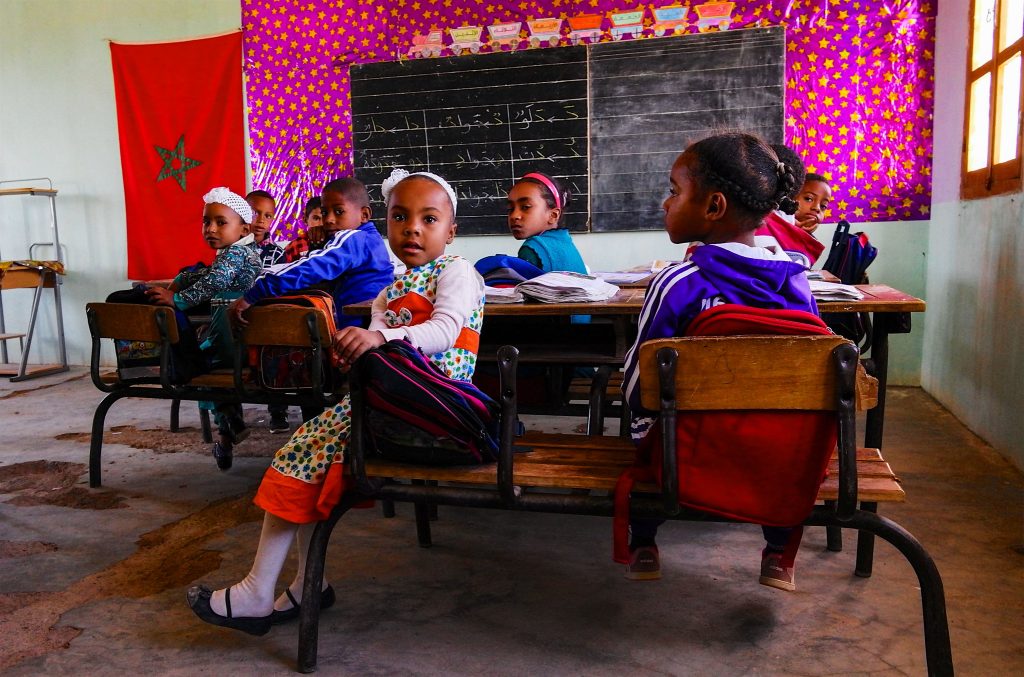
Morocco is a North African country that is bordered by the Atlantic Ocean, the Mediterranean Sea, and Algeria. The country has a population of over 36 million people, making it the fifth-largest economy in Africa. Although Morocco is one of the most prosperous and politically stable countries in the region, it still faces several educational challenges.
According to UNESCO, the literacy rate in Morocco is 73%, with a 66% literacy rate for women and a 79% literacy rate for men. Although this is an improvement from previous years, there is still a significant disparity between urban and rural areas, with rural areas having lower literacy rates. Moreover, the quality of education is a concern, with a high dropout rate and low educational achievement levels.
In this article, we will examine the educational challenges that Morocco is facing, as well as possible solutions to address these challenges.
One of the most pressing challenges facing Morocco’s education system is the quality of education. Many Moroccan students struggle with basic reading and writing skills, which leads to high dropout rates and low achievement levels. According to the World Bank, only 36% of Moroccan students who enroll in primary school complete secondary education.
The lack of quality education is partly due to the shortage of qualified teachers, particularly in rural areas. According to a report by the Moroccan Ministry of National Education, Vocational Training, Higher Education, and Scientific Research, there is a shortage of over 60,000 teachers in the country. This shortage results in larger class sizes, which makes it challenging for teachers to provide individualized attention to each student.
Access to Education
While education is compulsory in Morocco, many children, particularly those in rural areas, do not have access to education. According to a report by the United Nations Children’s Fund (UNICEF), about 200,000 Moroccan children between the ages of 7 and 13 are not enrolled in school. Girls are especially affected, with many families preferring to keep their daughters at home to help with household chores or marry them off at a young age.
Moreover, poverty is a significant barrier to education in Morocco, with many families unable to afford school supplies and uniforms, as well as transportation to and from school.
Curriculum and Teaching Methods
Morocco’s education system has been criticized for its outdated curriculum and teaching methods. The current curriculum does not align with the needs of the modern workforce and does not provide students with the skills and knowledge they need to succeed in the 21st century.
Additionally, the teaching methods used in Moroccan schools are often outdated and rely heavily on rote learning and memorization. This approach does not encourage critical thinking or creativity, which are essential skills in today’s rapidly changing world.
Gender Inequality
Gender inequality is a significant challenge in Morocco’s education system. While the government has made progress in promoting girls’ education, there is still a significant gender gap in enrollment and achievement. According to a report by UNESCO, the primary school net enrollment rate for girls in Morocco is 87%, compared to 93% for boys. Moreover, girls’ achievement levels are lower than boys, with a higher dropout rate.
Teacher Training and Professional Development
Investing in teacher training and professional development is one of the most critical solutions to Morocco’s education challenges. The Moroccan government should provide more training opportunities for teachers to enhance their teaching skills and learn new approaches to teaching.
Additionally, the government should incentivize teachers to work in rural areas by providing them with better salaries, housing, and other benefits. This approach would help address the shortage of qualified teachers in rural areas and provide students with better access to quality education.
One of the most critical solutions to Morocco’s education challenges is investing in teacher training. The Moroccan government should provide more training opportunities for teachers to enhance their teaching skills and learn new approaches to teaching.
Additionally, the government should incentivize teachers to work in rural areas by providing them with better salaries, housing, and other benefits. This approach would help address the shortage of qualified teachers in rural areas and provide students with better access to quality education.
Legal Basis for the Solution:
According to Article 26 of the Universal Declaration of Human Rights, “Everyone has the right to education.” The right to education is also recognized in several international human rights treaties, including the International Covenant on Economic, Social, and Cultural Rights (ICESCR) and the Convention on the Rights of the Child (CRC). Both of these treaties recognize the right to education as a fundamental human right that should be accessible to everyone, regardless of gender, social class, or geographic location.
Expanding Access to Education
To increase access to education in Morocco, the government should consider implementing policies that target children from disadvantaged backgrounds. These policies may include financial assistance programs, such as scholarships or subsidies, to help families cover the cost of education.
The Moroccan government can also partner with non-governmental organizations and other stakeholders to expand access to education in rural areas. This approach could involve building new schools, providing transportation to and from school, and ensuring that schools have access to resources and materials needed to provide quality education.
Updating the Curriculum and Teaching Methods
To improve the quality of education in Morocco, the government must update the curriculum and teaching methods to align with the needs of the modern workforce. This could involve incorporating more practical skills, such as computer literacy, into the curriculum. The government should also promote project-based learning, which encourages critical thinking and problem-solving skills, rather than rote memorization.
Furthermore, the Moroccan government can collaborate with international organizations, such as UNESCO, to develop new teaching materials and curricula that are more inclusive and relevant to the needs of Moroccan students.
Closing the Gender Gap
Morocco has made significant progress in promoting girls’ education, but there is still a gender gap in enrollment and achievement. To close this gap, the government should focus on improving access to education for girls, particularly in rural areas.
The government can provide incentives for families to send their daughters to school, such as scholarships or subsidies. Additionally, the government can work with non-governmental organizations to create awareness campaigns that promote the importance of girls’ education and address cultural attitudes that prevent girls from accessing education.
International Cooperation
International cooperation is crucial in addressing Morocco’s education challenges. The Moroccan government can collaborate with international organizations, such as the World Bank and UNESCO, to secure funding for education initiatives and gain access to expertise and resources.
Additionally, the Moroccan government can learn from the experiences of other countries that have successfully addressed similar education challenges. For example, Morocco can look to neighboring countries, such as Tunisia and Algeria, that have made significant progress in improving access to education and promoting gender equality in education.
Conclusion
Morocco’s education system is facing several challenges, including the quality of education, access to education, curriculum and teaching methods, and gender inequality. While the government has made efforts to address these challenges, more needs to be done to ensure that all Moroccan children have access to quality education.
To improve the quality of education in Morocco, the government should invest in teacher training, expand access to education, update the curriculum and teaching methods, and close the gender gap in enrollment and achievement. Additionally, international cooperation is crucial in addressing these challenges, and the Moroccan government should collaborate with international organizations and learn from the experiences of other countries that have successfully addressed similar education challenges.
By addressing these challenges, Morocco can improve the prospects of its young people, promote economic growth, and build a brighter future for the country.
“The Education System in Morocco.” Moroccan Ministry of National Education, Vocational Training, Higher Education, and Scientific Research. Accessed March 25, 2023.http://www.men.gov.ma/En/Pages/default.aspx.
Yemen has ancient roots at the Middle East, Asia, and Africa crossroads, and the Republic of Yemen is a relatively new established state. It was created in 1990 following the unification of communist South Yemen with North Yemen.
The wave of protests in Yemen in 2011 was affected by the Arab Spring, Yemen has been suffering civil wars, jihadist violence, tribalism, and extreme poverty since then.
Furthermore, the suffering brought on by the current war since 2015 between a coalition led by Saudi Arabia and the Houthis, a Shia militia supported by Iran (World Bank, 2019). The Saudi-led coalition was provided logistical and intelligence support from the US, UK, and France. According to the UN, both sides in the war have committed war crimes. However, both sides refused the allegations (World Bank, 2023).
Long before the current crisis began, the politicization of education in Yemen was an issue. To begin with, neither a license nor any type of supervision was required for religious schools, which predate government-run public schools and higher education institutions (Nagi, 2021). Yet, the conflict exacerbated the collapse of education in the country which was already weak in its educational system.
In general, the North and the South each have their independent educational system (Taher et al., 2022). Each of the parties engaged prioritizes military development while ignoring every aspect of progress, such as education. To serve their own ideological and political objectives, each of these systems is making considerable changes to education, yet the quality of education is declining in both places. Children are unable to attend schools due to conflict, displacement, the spreading of diseases, lack of infrastructure, and gender discrimination.
A group of children, displaced by fighting in the Yemeni city of Hodediah, participate in catch-up classes in the Rabat camp near the Yemeni city of Aden. Photo by Peter Biro
Conflict-related Education Difficulties
Attacks against schoolchildren, teachers, and educational infrastructure, since the conflict started, have affected the educational system and millions of children’s access to learning opportunities. Yemen is experiencing a serious education crisis, which will have devastating long-term effects on children (Education in Yemen, UNICEF, 2023).
Around 11 million Yemeni children require humanitarian aid, and more than 2.4 million school-age boys and girls are not attending school (UNICEF, 2023). Many families are unable to bring their children to school because of the cost of food and other school-related expenses (Battling Hunger and Ensuring Yemeni Children Can Get Back to School, 2023).
According to UNICEF statistics, more than two million children are not enrolled in school, and many millions require assistance to enrol, and more than 20% of all primary and secondary schools are closed (ICRC, 2022). Students and teachers have been killed or injured on their way to school. Numerous families are no longer sending their children to school, especially girls, due to the danger and financial effects of the conflict. The psychological effects of violence mitigate the educational performance of the children since many children have only ever known life in conflict.
At least one out of every four educational facilities has been destroyed, damaged, or put to other uses over the past eight years. 58% of these schools are damaged by conflict and 30% are used as quarantine centres or occupied by armed groups (Save the Children International, Save the Children Yemen, 2021).
Under international humanitarian law, war parties are required to take all necessary precautions to safeguard civilians and civilian infrastructure. Long-lasting harm results from violence against students, educators, and institutions of higher learning. It also makes the education system harder to recover after the conflict.
Displacement Problem
Ongoing conflict forces people to move to other areas of the country. Displaced people have had their access to education cut off suddenly because of their displacements. The 1.5 million school-aged internally displaced children, the 870,495 girls and boys with disabilities, and the more than 2 million kids who are not in school are the most at risk (OCHA, 2023). Between September and October 2022, UNHCR and Deem for Development Organization renovated the classrooms at the schools with funding from a Quick Impact Project (QIP) (OCHA, 2023).
International organizations and communities are on a mission to reach children who need health and education assistance in the displaced and hard-to-reach places. OCHA, UNICEF, UNHCR, UNFPA, and others participated in the mission.
Lack of Access to Healthcare and WASH Facilities
Many people in Yemen also lack access to healthcare and nutrition services. 540,000 children live in a condition with acute malnutrition and insufficient health services. Water, sanitation, and hygiene (WASH) need for children are more common in the areas of new displacement and rural areas. Shelter and WASH assistance is the most important factor for children to pursue their education. In 2023, more than 8.6 million school-children will need assistance according to UNOCHA (OCHA, Issue 1, 2023).
The result of the war is damage to infrastructure and import disruption of fuel causing 61% of the Yemeni’s lack of access to water and 42% of the population to have not enough sanitation (OCHA, Issue 1, 2023). The sheer amount of time spent delivering water also harms the educational opportunities for children. With no choice but to go to the water points twice a day and carry plastic water containers on their heads, many children have been forced to quit school (OCHA, Issue 1, 2023).
The events to improve access to safe water were officially launched on February 2022 by IOM and YHF (OCHA, Issue 1, 2023). Many kids can go back to school and finish their education, particularly girls. The project also unlocks the ability of the people to engage in agriculture and other livelihood activities.
Spreading Diseases and Urgent Immunization of the Children
“The prolonged crisis and the lack of funding for the HRP threaten food insecurity, which could result in famine, disease outbreaks, and epidemics,” said Na’aem Al Khulaidi, program coordinator for the Tamdeen Youth Foundation (OCHA, Issue 2, 2023). For instance, polio has frighteningly returned to Yemen years after the country was declared free of the deadly illness.
Significant infectious disease outbreaks, including some that could have been prevented by vaccination, such as cholera, diphtheria, dengue, measles, and the reappearance of vaccine-derived polioviruses, were influenced by the conflict. Additionally, the COVID-19 pandemic has made the health condition even worse.
A new level of complication was introduced for the millions of school children in Yemen with the Covid-19 pandemic. For the millions of boys and girls in Yemen, After many cases of illness were reported in March 2020, schools closed and stayed closed for six months. Although the reopening the schools, many children had not gone back to classes (ECW in Yemen, 2023).
Having suffered from the Covid-19 pandemic, Yemen is dealing with rising cases of poliovirus. 228 children have been paralyzed due to poliovirus in 2021 in Yemen. In Yemen, there were about 22,000 cases of measles in 2022, with 161 casualties. There have been 9,418 cases reported in 2023, and 77 children have died (OCHA, Issue 1, 2023).
Low immunization rates of vaccine-preventable diseases among children are a very dangerous situation for them to attend school. Many children’s families are not able to afford hospitalization costs (OCHA, Issue 3, 2023). While there have been numerous polio and measles vaccination campaigns over the past two years in the southern regions, children in the northern regions are particularly in danger due to the ongoing deadlock over additional immunization efforts there (OCHA, Issue 3, 2023).
A group of children, displaced by fighting in the Yemeni city of Hodediah. Photo by Peter Biro
Gender Inequality
The patriarchally-oriented cultural and religious institutions continue to be the principal opponent of female education. The government and international organizations strive to alter the mindset of the current families to forbid their daughters from pursuing education by launching various campaigns in rural areas, reinforcing the social norms that they have built (Ballout, 2023). Nevertheless, dropouts of the school-girls are at risk of child marriage, while boys are recruited by armed groups.
The most affected gender by the displacement is females. Bureaucratic obstacles prohibit women to travel without a company of a close family member. This has created a great impact on women to access and pursue education (OCHA, Issue 1, 2023). The increase in mahram requirements and mostly AA-controlled areas worsened the gender gap in education, resulting in a wide gender gap in literacy and basic education.
The country’s economic struggle plays a part in gender inequality too. Getting a very minimum income affects Yemeni households’ purchasing power. Weak economical conditions affect women’s conditions and children’s education. It will have a domino effect and raise the danger of gender-based violence and other abuses among women and girls. Children will have less access to school and more cases of family dissolution, child labour, child marriage, and child trafficking (OCHA, 2022).
Insufficient Incentives to the Teachers
Yemen’s education system is in danger of collapsing, which will have an impact on both school-age males and females. The conflict that has lasted for years, the economy’s downfall, and the COVID-19 pandemic have all restricted access to schooling. Structured learning is still impacted by the insufficient payment of teachers’ salaries.
Since 2016, the majority of teachers in governorates (or 61% of the teaching staff) have received poor allowances. When teachers are paid, the amounts are little and paid slowly, which disincentivizes them for work and forces them to look for side jobs to support their income (Education in Yemen, 2023). Also, most teachers lead to quitting their jobs which risks nearly four million children losing access to education (Nagi, 2021). Every year, a number of teachers and students flee from the country, and a large portion of these individuals are the most qualified ones.
Another important problem is that there are not sufficient teacher training programs, causing qualified teachers to remain very less. The gender gap between the teachers is also very wide. Teachers are mainly male with 80%, which creates a lack of female teachers.
Teachers as well as students have suffered from this constant struggle and even exploited it against one another. Teachers and students were recruited to collaborate with the tribes that were engaged in this conflict. Peace and education are being replaced by conflict and political beliefs that serve the interests of parties and tribes. The students quit school and decide to ally themselves with the tribes that will pay for their families basic needs. This includes teachers who have gone for years without receiving payment (Taher et al., 2022).
References
Ballout, A. (2023). Female Education in Yemen. Available at SSRN 4318578.
Battling Hunger and Ensuring Yemeni Children Can Get Back to School. (2023, February 1). World Bank. Retrieved May 26, 2023, from https://www.worldbank.org/en/news/feature/2023/02/01/battling-hunger-and-ensuring-yemeni-children-can-get-back-to-school
ECW in Yemen. (n.d.). Education Cannot Wait. Retrieved May 26, 2023, from https://www.educationcannotwait.org/our-investments/where-we-work/yemen
Education in Yemen. (n.d.). UNICEF. Retrieved May 26, 2023, from https://www.unicef.org/yemen/education
8 years of crushing conflict in Yemen. (2023, March 24). UNICEF. Retrieved May 26, 2023, from https://www.unicef.org/press-releases/8-years-crushing-conflict-yemen-leave-more-11-million-children-need-humanitarian
How and why to end the war in Yemen. (2019, May 7). Economist. Retrieved May 26, 2023, from https://www.economist.com/leaders/2017/11/30/how-and-why-to-end-the-war-in-yemen?utm_medium=cpc.adword.pd&utm_source=google&ppccampaignID=18151738051&ppcadID=&utm_campaign=a.22brand_pmax&utm_content=conversion.direct-response.anonymous&gclid=CjwKCAjwge2iBh
ICRC. (2022, October 13). Yemen: Conflict leaves millions of children without proper education. In News and Press Release. https://reliefweb.int/report/yemen/yemen-conflict-leaves-millions-children-without-proper-education-enar
Nagi, A. (2021). Education in Yemen: Turning Pens into Bullets.
OCHA. (2022, April 30). Yemen Humanitarian Response Plan 2022. https://reliefweb.int/report/yemen/yemen-humanitarian-response-plan-2022-april-2022
Save the Children International, Save the Children Yemen. (2021, June). Report: Education in Crisis in Yemen.
Taher, A., Khan, Z., Alduais, A., & Muthanna, A. (2022). Intertribal conflict, educational development and education crisis in Yemen: A call for saving education. Review of Education, 10(3)(e3376).
Yemen: Why is the war there getting more violent? (2023, April 14). BBC. Retrieved May 26, 2023, from https://www.bbc.com/news/world-middle-east-29319423
Featured image: Yemeni children play in the rubble of buildings destroyed in an air raid, Photo by Biro
Cape Verde is an insular country located approximately 500 km off the African west coast. This archipelago, formed by 10 main islands and several smaller ones, is home to approximately 550,000 people, of which more than one-fifth are children between the ages of 6 and 14 and therefore obligated to attend school for a minimum of nine years, according to the Education Law of Cape Verde.
After Cape Verde gained independence from Portugal in 1975, the country set out to establish an educational system that would better serve Cape Verdeans. The early years were marked by significant challenges as the legacy of colonialism left the nation with limited means and structure to create access to universal education.
During the 80s and 90s, regular reforms were undertaken by the government to gradually improve the functioning of the education system and the quality of services provided to its people.
One of the most significant developments has been expanding access to education, particularly at the primary and secondary levels. Today, more than 80% of the population is literate, and most children in Cape Verde attend school, bringing the country close to achieving the Millennium Development Goals concerning universal basic education.
However, an in-depth analysis of the educational system reveals that there are still significant challenges to overcome, such as disparities in the quality of education experience between central and more rural areas, lack of qualified personnel for specialized and crucial areas like sciences and technologies and a defaulted articulation between the curricular program and the needs of the national economy.
The kindergarten graduation in Santiago island. Photo by Duncan CV
Insularity as a barrier to standardize education across the country.
Although, in general, there’s a relatively even distribution of population across the nation, Santiago is home to nearly 35% of its total population and, therefore, the most populous island.
Despite the decentralization policies implemented in the last years to empower local governments and address the unique needs of their communities, historically, there has been criticism about the unequal distribution of resources and investment funnelled to Praia (the country’s capital) and other regions.
Alongside other spheres of the national economy like trading, commerce, medical care and other specialized services, the quality of education experienced in the capital and urban centres is different to what is the reality in more remote areas of the country. Schools in Praia tend to have better resources and infrastructures, more qualified teachers, and higher educational standards. In contrast, some schools in remote areas often lack essential resources like textbooks, electricity, and running water.
While there is a significant concentration of schools in urban areas, students in rural regions and less central islands like Brava, Santo Antao, and Sao Nicolau see themselves forced to travel further distances to attend school but unable to rely on a public transportation system to cover regular allocation. Because many families cannot afford the transportation cost, in this scenario, the distance to schools can be a significant barrier for children to access and complete their education. For many communities in the more interior regions of these islands, roads and infrastructures are debilitated. During the rainy season, travelling can be dangerous, leaving them temporarily isolated and students unable to travel safely to school.
The inequality in the level of education experienced across different regions of the cape-Verdean territory can have a considerable impact on the academic prospect and life opportunities of the youngsters. If those living in remote locations have limited access to quality education and training, their ability to secure employment in areas that require higher qualifications is being hindered and limits the extension of their contribution to the country’s development.
Neglected, with fewer resources and qualified teachers, schools in rural areas experience higher dropout rates, and illiteracy rates are twice more elevated than observed in the capital.
One way to balance the plate and pave a path towards a more standardized education across the country could be by redirecting social funds. Social action and funding are crucial to universal access to education in Cape Verde. Still, the internal sectoral analysis revealed that the education system consumes most of this resource with personnel and social support in primary education. Distribution of these funds that prioritized more impoverished groups could be a way to close the existing gap.
The modernization of the curricular programversus the needs ofthe economy
Since 2017, cape-verdean schools embraced a new curricular matrix to adapt to the country’s and the world’s modern challenges.
In an interview for a national newspaper, the cape-verdean National Director of Education detailed that the reform was designed to approximate the ones followed by foreign and modern countries so that cape-verdean students can respond to the challenges of the country but also prepare them to be capable of integrating foreign markets. Although around 40% of the population lives in rural areas, food production has a low weight in the country’s GDP (4.9% in 2020), which sentences the country to bare crushing importation rates to sustain its internal food necessities. On the other hand, significant but more labour areas of the national economy like agriculture, fisheries, and livestock are poorly supported by the curricular program leaving those who live from it stuck with precious but outdated knowledge and techniques passed down through generations.
In resemblance to what is currently being made around tourism, tailoring the national program to provide students with the knowledge on how to leverage technology to enhance local food production, improve the quality and quantity of livestock and expand their resources to take better advantage of their vast and rich maritime territory, Cape-Verd stands an excellent chance to enhance productivity, sustainability, and efficiency in the food production reducing its reliance on imported goods and bring primary products at a more accessible price to its people.
In the context of scarce natural resources and recurrent cyclical periods of drought, Cape-verd could resort to education to empower the next generation of farmers, fishermen, and agricultural professionals with skills to employ cutting-edge technologies like precision agriculture, aquaculture systems, and intelligent livestock management practices. Modernizing their curricular programs centred on the needs of the internal economy and forming qualified people with skills to suppress those needs can ultimately lead Cape-Verd to achieve self-sufficiency and security at all levels.
Teachers – The vehicle to modernization
In Cape Verde, one of the challenges faced by the educational system is the limited number of teachers with qualifications and specialization. Although this “lack” constitutes a more significant issue in rural areas, it’s a problem that touches the whole educational system, particularly in specialized areas such as science and technology. Although there has been considerable growth in the percentage of active teachers with higher education due to governmental programs, this number still needs to be increased across the primary and secondary levels of education, which can hinder their ability to effectively teach subjects requiring specialized knowledge and expertise. Areas like science and technology play crucial roles in today’s rapidly evolving world, and students need competent and knowledgeable teachers to guide them in these fields. Furthermore, as the ultimate facilitator of implementing curricular reforms, the teacher must be able to follow and absorb information to educate the students properly.
Continuous training for teachers and access to the latest research and pedagogical approaches empowers teachers to provide accurate and up-to-date information, cultivating an intellectually stimulating environment that nurtures students’ curiosity and prepares them to thrive in an ever-evolving world. Ultimately, investing in teachers’ professional growth and development is an investment in the quality of education and students’ future success.
To address this challenge, efforts should be made to enhance teacher training programs, provide professional development opportunities, and encourage teachers to specialize in specific subjects. By investing in the professional development of teachers and promoting specialization, Cape Verde can improve the quality of education in science and technology, equipping students with the necessary skills for a rapidly advancing future.
Libya is a North African country with a turbulent history of political instability and armed conflicts. Education is a fundamental pillar of any nation’s development, and overcoming these challenges is crucial for fostering a brighter future for Libya’s citizens.
To understand the current state of education in Libya, it is essential to consider its historical context. During the rule of Colonel Muammar Gaddafi, the education system primarily focused on ideological indoctrination rather than academic excellence. This approach neglected critical thinking and innovation, resulting in an education system that failed to equip students with the necessary skills for personal and professional growth.
Historical Context of Libya’s Education System
Under Colonel Muammar Gaddafi’s rule, the curriculum promoted the regime’s propaganda and political agenda, neglecting critical thinking, innovation, and academic rigour. As a result, students lacked the necessary skills to thrive in a rapidly changing world and contribute to the nation’s development.
Impact of Political Instability and Armed Conflicts
The political instability and armed conflicts that ensued after the Arab Spring in 2011 severely impacted Libya’s education system. Educational institutions became targets of violence, leading to damaged infrastructure and disrupted learning environments. Many schools and universities were forced to close, and students and teachers were displaced. Consequently, educational progress was hindered, resulting in high dropout rates and limited access to education, particularly for vulnerable populations.
Inadequate Infrastructure and Resources
Decades of neglect and underinvestment have left Libya’s educational infrastructure in dire conditions. Many schools lack sufficient classrooms, face overcrowding, and lack basic amenities like electricity, water, and sanitation facilities. Dilapidated buildings and insufficient resources create an unsuitable learning environment for students. Furthermore, there is a shortage of educational resources, including textbooks, teaching materials, and modern technology, limiting students’ access to quality education.
Teacher Shortage
Libya’s ongoing turmoil and economic challenges have triggered a significant brain drain, with highly educated professionals and skilled teachers leaving the country in search of better opportunities and security. This exodus has resulted in a severe shortage of qualified teachers, with many classrooms staffed by inexperienced or underqualified individuals. The lack of well-trained and experienced educators compromises the quality of education and impedes the development of students’ intellectual capacities.
Gender Inequality in Education
Gender inequality remains a persistent challenge in Libya’s education system. Although efforts have been made to promote gender parity, cultural and societal norms continue to pose obstacles. Girls face multiple barriers to accessing education, including early marriage, gender-based violence, and conservative attitudes towards women’s education. Many families prioritize boys’ education over girls’, perpetuating gender disparities. Addressing these challenges requires targeted interventions, such as awareness campaigns, community engagement, and policies that promote and protect girls’ right to education. Empowering girls through education enhances their prospects and contributes to societal development and gender equality.
Challenges faced by Children with Disability in Libya
Disabled children in Libya face significant challenges in accessing quality education and experiencing inclusive learning environments. This section will explore the educational challenges specific to disabled children in Libya and discuss potential strategies to address these issues.
Limited Access to Inclusive Education:
One of the primary challenges for disabled children in Libya is the limited access to inclusive education. Many schools lack the necessary infrastructure, resources, and trained personnel to accommodate students with disabilities. As a result, disabled children often face barriers to entry, preventing them from accessing education on an equal basis with their non-disabled peers.
Discrimination and Stigma:
Discrimination and stigma against disabled individuals persist in Libyan society, leading to exclusion and marginalization. Negative attitudes and misconceptions about disabilities contribute to a lack of acceptance and understanding within educational settings. Disabled children may face social barriers, prejudice, and bullying, further hindering their educational experiences and well-being.
Inadequate Teacher Training:
The lack of specialized training for teachers to cater to the diverse needs of disabled students is a significant challenge. Teachers often lack the knowledge and skills to adapt teaching methodologies, provide appropriate accommodations, and employ assistive technologies to facilitate inclusive learning. Consequently, disabled children may not receive the individualized support and reasonable adjustments necessary for their educational success.
Limited Availability of Support Services:
Support services, such as speech therapy, occupational therapy, and psychological support, are limited in Libya. Disabled children require these services to enhance their communication skills, motor development, and emotional well-being. The scarcity of these services hampers the holistic development of disabled students and impedes their educational progress.
Inaccessible Physical Infrastructure:
Many educational institutions in Libya lack accessible physical infrastructure, making it difficult for disabled children to navigate school premises independently. The absence of ramps, elevators, accessible toilets, and sensory-friendly classrooms creates barriers to mobility, participation, and overall engagement in the learning process.
Limited Availability of Assistive Technologies:
The availability of assistive technologies, such as hearing aids, Braille devices, and screen readers, is limited in Libya. These technologies are crucial in enabling disabled children to access information, communicate effectively, and participate fully in educational activities. The lack of access to these technologies significantly hinders the educational opportunities of disabled students.
Inadequate Policy Framework:
The absence of a comprehensive policy framework addressing the educational needs of disabled children contributes to the challenges they face. Clear policies and guidelines are essential to ensure inclusive education, promote anti-discrimination measures, allocate resources, and enforce accountability at all levels of the education system.
Educational workshop. Photo by Saleh Deryag
Strategies to Address the Challenges:
Curriculum Reforms and Quality Assurance
Revitalizing the curriculum is vital for modernizing Libya’s education system and equipping students with the skills needed for the 21st century. Curriculum reforms should emphasize practical and vocational training, fostering creativity, critical thinking, problem-solving, and digital literacy. Updating the curriculum to align with global educational standards and labour market demands can enhance students’ employability and entrepreneurial skills. Additionally, establishing a robust quality assurance framework to monitor and evaluate educational institutions will ensure that students receive a high standard of education. Regular assessments, teacher training, and accreditation mechanisms can promote accountability and quality in the education system.
Promoting Access to Education
Expanding access to education is crucial for addressing disparities in educational opportunities. Particular attention should be given to marginalized and remote areas with limited access to quality education. Investing in developing educational infrastructure in these regions, including schools, libraries, and educational centres, is essential. Additionally, providing financial assistance, scholarships, and grants to students from disadvantaged backgrounds can help mitigate financial barriers that hinder access to education. Promoting inclusive policies that ensure access for children with disabilities and those from displaced or refugee backgrounds is also crucial in fostering a more equitable education system.
Strengthening Technical and Vocational Education and Training (TVET)
Promoting technical and vocational education and training (TVET) is essential for equipping students with practical skills aligned with the job market’s needs. Collaboration between educational institutions, private sector industries, and government entities can help design and implement relevant TVET programs. Providing students with opportunities for internships, apprenticeships, and hands-on training can bridge the gap between education and employment. Moreover, promoting entrepreneurship and innovation within the TVET framework can foster economic growth and self-employment opportunities.
Enhancing Teacher Training and Professional Development
Addressing the teacher shortage and improving the quality of education requires a focus on teacher training and professional development. Providing pre-service and in-service training programs can enhance teachers’ pedagogical skills, content knowledge, and classroom management abilities. Additionally, mentoring programs, peer-to-peer learning, and continuous professional development opportunities can support teachers’ growth and keep them updated with modern teaching methodologies and technology. Recognizing and incentivizing the teaching profession through competitive salaries and career advancement opportunities can also attract and retain qualified educators.
Addressing Socio-Economic Disparities in Education
Socio-economic disparities significantly impact access to quality education in Libya. Children from disadvantaged backgrounds face numerous challenges, including poverty, limited resources, and lack of educational support. To address these disparities, targeted interventions are necessary, including implementing inclusive education policies, providing comprehensive support services, offering school feeding programs, and investing in early childhood education. Collaboration with local communities, NGOs, and international organizations can contribute to creating a more equitable educational landscape.
Leveraging Technology for Educational Advancement
Integrating technology in education can overcome geographical barriers, enhance learning outcomes, and provide access to various educational resources. Investing in digital infrastructure, such as internet connectivity and computer labs, can enable the integration of e-learning initiatives through digital tools and platforms in classrooms.
Developing Inclusive Education Policies: Libya should develop and implement inclusive education policies that emphasize the rights of disabled children to access quality education on an equal basis with their peers. These policies should promote inclusive practices, reasonable accommodations, and the integration of disabled students into mainstream schools.
Providing Teacher Training and Professional Development: Invest in specialized training programs to enhance teachers’ knowledge and skills in catering to the needs of disabled students. Training should focus on inclusive teaching methodologies, assessment techniques, and assistive technologies.
Improving Infrastructure and Accessibility: Upgrade existing educational facilities to ensure accessibility for disabled children. This includes providing ramps, elevators, accessible toilets, and sensory-friendly learning spaces. New constructions should follow universal design principles to ensure inclusivity from the outset.
Strengthening Support Services: Increase the availability of support services such as speech therapy, occupational therapy, and psychological support within educational institutions. This includes training and employing specialists to provide individualized support to disabled students.
Promoting Awareness and Sensitization:
Conduct awareness campaigns to challenge societal stereotypes, reduce discrimination, and promote inclusivity. These campaigns can target schools, communities, and the media, raising awareness about the rights and abilities of disabled children and fostering a more inclusive mindset.
Enhancing Collaboration and Partnerships:
Promote collaboration between government bodies, non-governmental organizations (NGOs), and disability rights organizations to address the educational challenges faced by disabled children. This collaboration can help in resource mobilization, sharing best practices, and advocating for the rights of disabled children within the education sector.
Integrating Assistive Technologies:
Invest in the procurement and distribution of assistive technologies to enable disabled children to access educational materials and participate fully in learning activities. Collaborate with technology providers and organizations to ensure assistive devices and software availability and affordability.
Monitoring and Evaluation:
Establish mechanisms for monitoring and evaluating the progress of inclusive education initiatives for disabled children. Regular assessments can help identify gaps, measure the effectiveness of interventions, and inform policy development and implementation.
International Support and Cooperation:
Seek international support and cooperation to address the educational challenges faced by disabled children in Libya. Collaborate with international organizations and donor agencies to access funding, expertise, and resources for implementing inclusive education programs.
Conclusion:
Addressing the educational challenges faced by both the non-disabled and disabled children in Libya requires a comprehensive approach that encompasses policy reforms, teacher training, infrastructure improvements, support services, awareness campaigns, and collaboration among stakeholders. Efforts towards inclusive education not only benefit disabled children but also contribute to the overall development and inclusivity of Libyan society as a whole. By prioritizing inclusive education and fostering an enabling environment, Libya can ensure disabled children have equal opportunities to access quality education, realize their potential, and actively participate in society.
References
Elzawi, A., & Fadel, K. (2020). Challenges facing education in Libya: An analysis of the educational system during and after the revolution. Journal of Education and Practice, 11(6), 1-9.
UNICEF. (2019). Education in Libya: Situation analysis and strategic framework. Retrieved from https://www.unicef.org/libya/reports/education-libya-situation-analysis-and-strategic-framework
Alaedeen, E. (2017). Education for children with disabilities in Libya: Policy, legislation, and challenges. International Journal of Inclusive Education, 21(4), 392-404.
Mundy, K., & Sharpe, A. (2016). Education and state-building in Libya: Between restoration and revolution. Compare: A Journal of Comparative and International Education, 46(6), 868-891.
European Union External Action. (2019). Education in Libya. Retrieved from https://eeas.europa.eu/sites/default/files/education_in_libya_final.pdf
Abdelsalam, R., & Keshavarz, M. (2021). Educational development in post-revolution Libya: A critical analysis of challenges and prospects. Journal of Education and Training Studies, 9(2), 11-26.
Save the Children. (2018). Barriers to education for children in Libya. Retrieved from https://www.savethechildren.org.uk/content/dam/gb/reports/emergency-education/barriers-to-education-in-libya.pdf
Human Rights Watch. (2019). Libya: Armed groups target civilians. Retrieved from https://www.hrw.org/news/2019/09/17/libya-armed-groups-target-civilians
United Nations Support Mission in Libya (UNSMIL). (2017). UNSMIL Human Rights Report on Civilian Casualties – January to June 2017. Retrieved from https://unsmil.unmissions.org/sites/default/files/human_rights_report_on_civilian_casualties_january-june_2017_-_en.pdf
Disability Rights International (DRI). (2018). Making education a reality for children with disabilities in Libya. Retrieved from https://www.disabilityrightsintl.org/wp-content/uploads/2018/06/DRI-Report-Libya-FINAL.pdf
UNESCO. (2019). Education for people with disabilities in the Arab region: A regional overview. Retrieved from https://unesdoc.unesco.org/ark:/48223/pf0000370379
Human Rights Watch. (2016). Education barriers for children with disabilities in Lebanon. Retrieved from https://www.hrw.org/report/2016/11/15/i-just-want-be-able-learn/barriers-education-children-disabilities-lebanon
World Health Organization (WHO). (2020). Assistive technology. Retrieved from https://www.who.int/news-room/fact-sheets/detail/assistive-technology
United Nations Convention on the Rights of Persons with Disabilities (UNCRPD). (2006). Retrieved from https://www.un.org/development/desa/disabilities/convention-on-the-rights-of-persons-with-disabilities.html
The World Trade Organization (WTO) reports that Bangladesh holds the position of the world’s second-largest exporter of ready-made garments, contributing to around 6.4% of global garment exports in 2020. However, this economic success comes at a grave cost, as children aged 5-17 are often exploited and illegally employed in the Bangladeshi garment industry. This unethical practice not only deprives them of education but also limits their future opportunities. Without access to basic education, these children are forced into low-paying jobs in factories, lacking the chance to acquire skills that could lead to better-paying employment in the future. As a result, they become trapped in a vicious cycle of poverty and low-wage work, perpetuating the cycle of child labor. The absence of quality education deprives these children of their potential and severely diminishes their chances of breaking free from illegal and physically demanding labor.
As conscious consumers, it is imperative that we consider the entire supply chain of the garments we purchase, including the production side, and acknowledge the potential consequences of our buying decisions. We must inquire whether a t-shirt has been ethically produced and whether child labor was involved in any stage of its manufacturing. Reflecting on these questions could contribute to providing hundreds of children in Bangladesh with an opportunity to access quality education and break free from the shackles of poverty.
The purpose of this article is to increase awareness about the issue of unequal educational attainment in Bangladesh, which is exacerbated by the prevalence of child labor and inadequate government policies aimed at eradicating child labor.
Brief history of poverty in Bangladesh
After gaining independence in 1971, Bangladesh faced a significant challenge with 80% of its population living below the poverty line. However, over the years, the government has made poverty alleviation a key priority in its development strategy. As a result, the poverty rate has decreased from 80% to 24.3%, which still means that approximately 35 million people in Bangladesh are living below the poverty line (UNESCO, 2009).
The government’s efforts to tackle poverty have been supported by sustained economic growth, driven in part by sound macroeconomic policies and an increase in exports of readymade garments. As a result, the overall poverty rate has declined from 13.47% in 2016 to 10.44% in 2022 (Dhaka Tribune, 2022).
Despite these achievements, recent trends suggest a slowing down in the rate of poverty reduction in Bangladesh. Moreover, the impact of poverty alleviation measures has been uneven between rural and urban areas, as the country undergoes rapid urbanization. This indicates that while progress has been made in reducing poverty, challenges remain in ensuring equitable poverty reduction across different regions of the country.
Although Bangladesh has experienced rapid economic growth and is considered one of the fastest growing countries, income inequality remains a significant and pressing issue. In fact, income inequality in Bangladesh has reached unprecedented levels not seen since 1972. Despite the growth of the readymade garments export industry, the benefits of this economic sector have not been evenly distributed, leading to a low ranking of 133rd out of 189 countries in the Human Development Index.
One stark indicator of income inequality is the contrasting income shares between the bottom 40% of the population and the richest 10%. The income share of the bottom 40% is merely 21%, while the richest 10% enjoy a significantly higher share of 27%, illustrating a sharp disparity in wealth distribution (World Bank, 2023). These disparities in income distribution highlight the urgent need for addressing income inequality in Bangladesh, as it poses challenges to achieving inclusive and equitable development. Efforts to tackle this issue require a comprehensive approach that considers factors such as economic policies, social welfare programs, and targeted interventions to ensure that the benefits of economic growth are shared more widely among all segments of the population.
Child labor in Bangladesh
The inherent inequality and income disparities within Bangladesh have a clear impact on the educational attainment of children across the country. Child labor is unfortunately prevalent in many parts of Bangladesh, especially in rural areas where poverty rates are high and access to education is limited. Districts such as Chittagong, Rajshahi, and Sylhet have particularly high incidences of child labor, as they are located in the rural outskirts of Bangladesh, highlighting the aforementioned intra-country inequality.
The poverty resulting from this inequality has dire consequences for Bangladeshi children, who are forced to engage in illegal employment to combat poverty. Approximately three out of every five children are employed in the agricultural sector, while 14.7% work in the industrial sector, and the remaining 23.3% work in services (Global People Strategist, 2021). Although the government of Bangladesh ratified the International Labor Organization Convention in early 2022, which clearly stipulates the minimum age for employment in Article 138, children in Bangladesh continue to be subjected to the worst forms of child labor, including commercial sexual exploitation and forced labor in activities such as drying of fish and brick production.
A troubling aspect is that the Bangladesh Labor Act does not apply to the informal sector, where the majority of child labor in Bangladesh takes place. Reports of violence against child workers in various sectors, including domestic work, have been documented. In 2018, over 400,000 children worked in domestic work in Bangladesh, with girls often being abused by their employers. Additionally, reports indicate that from January to November 2012, 28 children were subjected to torture while working as housemaids (Global People Strategist, 2021).
These children are compelled to join the workforce in both formal and informal sectors out of sheer survival necessity to provide for their families, and are unlikely to return to their studies. A UNICEF report revealed that children under the age of 14 who have dropped out of school for work are laboring an average of 64 hours per week. Putting this number into perspective, European labor laws limit working hours to 48 hours per week, including overtime (UNICEF, 2021).
The issue of educational attainment in Bangladesh exhibits significant inequality, which is attributed to both structural inequalities in the country and weaknesses in the governance of the education sector.
School participation rates also highlight disparities, with 10% of children of official primary school age being out of school. Among primary school-aged children in Bangladesh, the greatest disparity is observed between the poorest and the richest children, which can be linked to the broader inequality between households in the country. This disparity is supported by a 2019 UNICEF report that indicates completion rates for upper secondary school are 50% for the wealthiest children but only 12% for the poorest (UNICEF, 2019).
The Bangladeshi government has attempted to address education inequality at the primary level through a conditional cash transfer program targeted at poor children, which covers 40% of rural students. However, this program leaves a substantial proportion of poor children uncovered, despite their high levels of poverty. This initiative has resulted in a rapid increase in primary school enrollment, with 7.8 million children receiving stipends of $1 each.
Nevertheless, due to biased decision-making that favors the non-poor, the government’s
recurrent spending on education is disproportionately allocated, with 68% of total government spending directed towards the non-poor, despite this group representing only 50% of the primary school-aged population (World Bank, 2018). These statistics highlight that while there may be governmental intentions to improve educational attainment in Bangladesh, the reality presents a different picture, with rural children facing continued disadvantages in terms of national educational governance.
Conclusion
In short, quality education is essential for the eradication of poverty giving children the chance at a better life. Helping children turn away from child labor, requires the emphasis on the reduction on family poverty. Only quality educational attainment will become available for every child regardless of their socio-economic background can the future generation of Bangladesh flourish under the governments aid program. The primary purpose of the government of Bangladesh should be to protect children from the detrimental effect of child labor and ensuring their quality education.
The first solution to mitigate unequal quality educational attainment, is to make governmental policies broader thus ensuring financial inclusion of the marginalized. Adopting appropriate macroeconomic policy which priorities education equality. More transparency in the allocation of educational resources will force the government of Bangladesh to take on a more utilitarian perspective. This new allocation of resources will allow for more interest in soft infrastructure such as the recruitment of adequate number of teachers at schools.
An additional approach to address the issue would be for the government of Bangladesh to effectively promote awareness about the significance of quality education. This awareness campaign should not only target urban areas, but also prioritize rural areas where poverty rates are particularly high.
Furthermore, as a prerequisite to raising awareness, the Bangladeshi government should focus on providing the necessary infrastructure that enables people to access education information. This entails addressing the root causes of poverty in the country to create an environment where children are not forced into labor and can instead avail themselves of educational opportunities and experience a normal childhood.
Ensuring that every child has the opportunity for quality education and a safe upbringing is of utmost importance.
Hosen, Aoulad, S.M. Mujahidul Islam, and Sogir Khandoker. 2010. “Child Labor and Child Education in Bangladesh: Issues, Consequences and Involvements.” International Business Research Issues 3, no. 2: 1-8.
As a second-year undergraduate student at Leiden University, pursuing a Bachelor's degree in International Studies with a specialisation in Europe, I am excited about the opportunity to apply my academic knowledge and skills to practical research work in the field of human rights.
Education is a fundamental right for all humans around the globe. Regardless of one’s economic or social status, they should be able to have access to Education. Even though this seems obvious and like common knowledge, it is not the reality for many Malians. Nevertheless, the government has and is making significant efforts to cab illiteracy. For instance, the government split primary education into two cycles which allowed Malian students to take examinations to gain admission to secondary, tertiary, or higher education. However, Mali has still been facing a security crisis for several years now, which has severely compromised access to education for thousands of school-age children, particularly in the north.
Threats against schools and destruction of school infrastructure and equipment led to a shortage of teachers in affected areas and a breakdown in the pedagogical support system due to massive population displacements[i].
School children in a classroom in Gao, Mali – Photo by UN/Marco Dormino
Conflicts and insecurity
The country is increasingly recording serious human rights and international humanitarian law violations. Violent attacks by armed groups now affect civilians throughout most of the country.
Threats from armed groups remain the main factor behind the closure of 1,700 schools in Mali today[ii]. Over the past two years, the country has been among the three African countries whose schools are most attacked, along with Nigeria and the Democratic Republic of Congo, according to the Global Coalition to Protect Education from Attack (GCPEA).
In addition to insecurity, emergency education in conflict zones is severely underfunded. Since the beginning of the year 2022, 1 in 10 schools in Mali has remained closed due to a lack of infrastructure and school equipment. Mali’s national budget cannot cover the needs and education is one of the least funded sectors in the humanitarian response, accounting for only 2 percent of funds received in 2022.
For schools in conflict areas that are struggling to stay open, having funding to build and rehabilitate school infrastructure is vital. According to the Norwegian Refugee council article about the insecurity in Mali, “In some schools in the region, a single classroom can often accommodate up to 300 children due to a lack of infrastructure,” said Ibrahim Ag Bijangoum, Acting Director of the Ménaka Education Academy. It is impossible for school-going pupils and students to have a taste for learning in such a condition.
Household poverty
Access to and completion of schooling is inequitable, with girls and children from the poorest families at highest risk of school dropout: According to UNICEF in 2020, only 73.8 percent of girls are enrolled in primary basic education, compared with 85.8 percent of boys. By the time they reach secondary education, the proportion of girls enrolled is only 15 percent, compared with 21 percent of boys.[iii]
Among children that do attend school in Mali, the absence of qualified teachers, textbooks, and low-quality school environments all adversely affect learning outcomes: most students in fifth grade in Mali are not able to master basic mathematics and reading skills.
A classroom full of students engage in class and look toward the teacher while seated at their desks Credit: GPE/Michelle Mesen
Impact of Covid-19
The school closures and the loss of household income, particularly in rural areas, restricted access to education for school-aged children. Many students abandoned school permanently due to their parent’s loss of income. Girls did not reintegrate back into schools and were exposed to early marriage and pregnancies. According to the world bank, in Bamako August 2021, a senior poverty economist at the World Bank and co-author of the report, who adds that school-aged children today are likely to experience lower lifetime income due to the pandemic[iv].
Water, sanitation, and hygiene
Access to safe and sustainable water, sanitation, and hygiene protects children against common water-borne diseases such as diarrhea and reduces stunting, which affects more than 26% of children in Mali.
According to UNICEF in 2015, in Mali, only about one-half of schools have an improved water point, and less than 20% of schools have functional, separate toilets for boys and girls. In addition, more than one million people in Mali still practice open defecation, which has a direct impact on the health and safety of communities. While 80% of Mali’s population now has access to improved sources of drinking water, this number drops significantly in rural areas, where it is only 70%[v]. Displacement in conflict-affected areas of Mali has further limited the access of families on the move to clean water and sanitation.
Conclusion
In conclusion, despite the challenges facing the education system in Mali, the government of Mali and other organizations have been working hard to improve education. UNICEF in Mali and other partners have been working in communities, schools, and health centers to improve access to clean water, hygiene, and sanitation in all areas of children’s lives.
According to European Civil Protection and Humanitarian Aid Operations, the EU has provided more than €472 million in humanitarian aid in Mali since the beginning of the crisis in 2012. It is currently a leading donor of assistance in the country[vi].
[i]Global Partnership for Education. (2021). Education in Mali. Retrieved from: https://www.globalpartnership.org/where-we-work/mali.
[ii]Norwegiann Refugee Council. (2022). Mali: Insecurity and lack of funding force over half a million children out of school. Retrieved from: https://www.nrc.no/news/2022/june/mali-insecurity-and-lack-of-funding-force-over-half-a-million-children-out-of-school/[iii] UNICEF (2020). Harnessing children’s potential through quality education for every child. Retrieved from:https://www.unicef.org/mali/en/education
[iii] UNICEF (2020). Harnessing children’s potential through quality education for every child. Retrieved from:https://www.unicef.org/mali/en/education
[iv]The World Bank. (2021). Mali: Understand COVID-19’s impacts for better actions. Retrieved from: https://www.worldbank.org/en/news/feature/2021/08/11/mali-understand-covid-19-s-impacts-for-better-actions
[v]UNICEF. (2023) Water, sanitation, and hygiene: Improving children’s lives through clean water and clean environments. Retrieved from: https://www.unicef.org/mali/en/water-sanitation-and-hygiene
[vi]European Commission. (2023). European Civil Protection and Humanitarian Aid Operations: Mali. Retrieved from: https://civil-protection-humanitarian-aid.ec.europa.eu/where/africa/mali_en
Students, teachers, and experts all agree that the education system in Chile needs some deep changes for it to maintain its relevance and traditional position at the top of the region. Some of the pressing challenges include existing segregation, differentiated quality, and high levels of indebtedness, all of which were heightened and highlighted by the pandemic and its effects. But the how and where should be addressed to remain at the center of the heated debates about the topic in the past years.
Some context and background
To understand some of the reasons behind the current challenges and demands, a look into the past proves to be helpful. Back in the 1980s, the Chilean education system underwent a major transformation. To change the regressive and unequal access to education, as well as to promote the creation of more schools and universities to assess the high demand and increase in the number of students, the government redistributed its investments in the area.
The project also included the involvement of the private sector, which would assure better coverage in the entire country, and would offer students and their families more options to choose from. With this approach, private education institutions increased across the country, allowing the wealthiest members of society to access higher-quality education. Despite the original idea of increasing coverage, this privatization of the system proved to deepen the social and economic divides in the country, as education was now “understood as a private investment by the family of the young person”, according to Ruben Covarrubias, former president of the Universidad Mayor in Chile.
Since the economic possibilities of the general population were still a big restriction for some capable students with low income, the estate created a credit system that aimed to assure every Chilean had access to education regardless of their economic situation. Ever since, the system has also increased the number of scholarships and payment agreements, allowing students and recently graduated professionals to pay back their loans in accordance with their income levels.
These profound changes in the system gave Chile a privileged position in the Latin American context. Two decades after the implementation Professor Jose Joaquin Brunner, UNESCO expert in comparative studies of education, acknowledged that “The Chilean population has 11.6 years of schooling, against 9.4 in the rest of Latin America; 28.6 % of people complete at least one year of tertiary education compared to 15.8% in the rest of the region. Among young adults between the ages of 25 and 34, Chile can boast that 41% are professionals, compared with 39% in OECD countries, to which we belong, and less than 20% in Latin America (UNESCO).” And, comparatively speaking, Chile was one of the countries with the highest spending on education relative to the GDP, going above the OECD average.
But the situation for students and families in the country was not as picture-perfect as the numbers showed. In 2011, a student movement emerged with the purpose of taking the demand for a free and high-quality education to the center of the national agenda. The movement’s demands focused on effectively addressing the unequal access and poor quality of education in the country, as well as the indebtedness that lower- and middle-class families were forced into to access higher education.
Protests were constant in the following years, a time when the students’ movement gained strength and organization. In 2014, for instance, a group of its leaders, all under the age of 30, secured spots in Congress, creating a coalition that pushed for some of the most relevant reforms in the area. And last year, in March, one of the leaders of the movement, Gabriel Boric, was elected president of the country. He has promised to keep discussions on reforms to the system among the priorities of his government’s agenda.
Colegio Municipal Marcela Paz, La Florida, Santiago de Chile. Photo by UNESCO/Carolina Jerez
Segregation: two realities that do not meet
When asked about the main challenges that Chilean education faces, experts like Álvaro González Torres, a researcher at the Universidad Católica Silva Henríquez, point out at the general social context in the country, where strong demands for “justice, liberties and rights” are still being discussed and demanded. One of those, education, is at the heart of the protests for equality in Chilean’s recent history, including the Constitutional reform that is underway.
“It is not because we have a critical situation, compared to other countries in the South American region; the problem in Chile is beyond educational attainment”. Instead, Mr. González explains, the problem is rooted in the design of a system following a neoliberal approach: “The privatization of public education has been a major obstacle, as well as the flourishing of a cultural environment that strengthens values that are dangerous for democracy: individualism and excessive competitiveness”.
As he describes, the stronger involvement of private capital and the business mindset behind educational institutions has resulted in a segregated system. So, while in the country the coverage of primary and secondary education reaches almost 90% of the corresponding population, once inside the system differences are stark. “Students coming from lower income groups are concentrated in institutions with lower quality, while those students from the wealthiest groups can access better quality education and, in the end, have almost direct access to power”, as Álvaro González describes.
The Research Center for the Socio-educational Transformation, which Mr. González directs, points out that this segregation leads to a reinforcement of “cycles of social and opportunities inequality”, which has also been sustained by a “systemic deficiency”, where resources are not equally distributed amongst the institutions across the country. “Overall, there is an education for the rich and another education for the poor”, Mr. González concludes.
The lingering ghosts of the pandemic
This differentiated reality was made more evident during the pandemic when a large section of the population faced issues with the lack of access to technological tools and internet connectivity, proper spaces, and/or parental accompaniment, not only in rural areas but even in urban centers. Chile was one of the countries in the world where schools were closed the longest, and the effects of these measures have also been seen in the mental and physical health of the students and teachers.
The immediate reaction from the government and the institutions has been focused on promoting a return to schools, reverting the dropout rates, and increasing evaluation processes to measure basic abilities in reading, writing, and math. “For a long time in Chile, we have implemented standardized tests to measure quality of the education, and schools focused their energy on preparing students for these tests. But the pandemic put a halt on these evaluations, and schools and institutions realized that there were other abilities and areas that needed more attention”. As Álvaro González explains, the emotional and psychosocial well-being of students is now a critical point for the design and development of education reforms for the future.
Students protest with a hunger strike. Photo by Hans Peters.
Education for the new century
Students took the streets with an additional demand: the curriculums need to be updated to address the challenges and requirements of the current times. Their claims, as described by the leaders of the students´ movement, criticize the disconnection between the education system and the workplaces of the 21st Century, where they are demanded new abilities that the traditional schooling system falls short of offering.
“A current approach is that of nuclearization of curriculums, where elements like a gender perspective, citizens competencies, critical thinking, or skills for the 21st Century are included ins a transversal way. However, we have seen that not all teachers and educators have the capacities or confidence to take this to their classrooms. We have inherited a system of evaluation of teachers that hinders their innovation since the students’ results reflect on their own evaluation”, Álvaro González explains.
Some reforms, yet not enough
The current government, which has been in power for just over a year, has tried to implement a series of reforms to address both the demands already described and the challenges that came with the pandemic. However, some of these reforms have been a source of controversy.
For instance, as Mr. González explains, a system for admissions, aided by an algorithm, has been introduced to randomly assign students to schools, increasing diversity in the institutions. However, criticism from both ends of the political spectrum has not been absent, and in practice, institutions are failing to provide enough tools to successfully integrate students with lacking or deficient academic backgrounds.
Nonetheless, “The Chilean situation is not as pronounced as in other countries”, says Mr. González, who acknowledges that in the past decade, access to higher education by students in rural areas has increased at the highest rate in the continent. And, in an effort to provide contextualized education for these communities, institutions have developed specialized programs overviewed by the National Ministry of Education to secure their quality.
There are also efforts from both the public and private sectors to improve the conditions of access and permanence of indigenous communities in the country. “These past years we have seen affirmative actions that acknowledge diversity in the students. For instance, there are adapted curricula, particularly a program of intercultural and bilingual education for these communities”, but what Mr. González describes has not proven to be enough. Intercultural approaches also demand the acknowledgment of traditional knowledge as valid. And this is currently an element of debate in the constitutional process in the country, where new ideas about the future of Chile are put on the table.
References
Interview with Álvaro González Torres, director of the “Centro de investigación para la transformación socieducativa” from the Universidad Católica Silva Henríquez in Chile. Conducted by Joan Vilalta Flo.
DeLevie-Orey, R. (2014). Chile’s education system is the best in Latin America – so why is it being overhauled? Atlantic Council. https://www.atlanticcouncil.org/content-series/latamsource/chile-best-education-system/
Educación, C. (2020, March 2). Estos son 5 desafíos de la educación chilena en la era digital | Educación 2020. Educación 2020 | Educación 2020 Trabaja Para Asegurar Una Educación De Calidad, Equitativa E Inclusiva Para Los Niños, Niñas Y Jóvenes En Chile, a Través Del Impulso De Políticas Públicas Y La Transformación Desde La Sala De Clases. https://www.educacion2020.cl/noticias/estos-son-5-desafios-de-la-educacion-chilena-en-la-era-digital/
Los desafíos de la educación en el siglo XXI. (n.d.). https://www.educarchile.cl/los-desafios-de-la-educacion-en-el-siglo-xxi
Ministerio de Educación. (2015, November 6). Ministerio De Educación. https://www.mineduc.cl/
Montes, R., Montes, R., & Torres, J. (2022, January 22). La generación de la protesta chilena entra en La Moneda por la puerta grande. El País. https://elpais.com/internacional/2022-01-22/la-generacion-estudiantil-chilena-entra-en-la-moneda-por-la-puerta-grande.html
Salazar, P. (2022). Siete desafíos en materia educacional que deberá enfrentar el nuevo gobierno. Pontificia Universidad Católica De Chile. https://www.uc.cl/noticias/siete-desafios-en-materia-educacional-que-debera-enfrentar-el-nuevo-gobierno/
Staff, R. (2014, May 8). Miles de estudiantes marchan en Chile para presionar a Bachelet por reformas. S. https://www.reuters.com/article/latinoamerica-chile-estudiantes-idLTASIEA4704I20140508
Stuardo, G. M. (2021). Entre la emergencia y la transformación: ideas para recuperar la política educacional en Chile. CIPER Chile. https://www.ciperchile.cl/2021/01/04/entre-la-emergencia-y-la-transformacion-ideas-para-recuperar-la-politica-educacional-en-chile/
Suarez, P. S. (2023). El sistema escolar chileno. Educación En Chile. https://elplande2020.cl/el-sistema-escolar-chileno/
There is a lot that is good about Chilean higher education. (n.d.). University World News. https://www.universityworldnews.com/post.php?story=20131127210704421
“Courage… little soldier of the immense army. Your books are your weapons, your class is your squad, the battlefield is the whole earth, and victory is human civilization” (Heart book). This is how de Amicis, author of Cuore, one of the most important works of nineteenth-century Italian literature, approaches the theme of education.
Stripped of the patriotic tone typical of the post-unification period, De Amicis puts down on paper one of the simplest but also most fundamental concepts underlying the educational theme: human civilization.
Culture is one of the founding elements of men’s identity, which is why education is recognized as a fundamental right to be guaranteed to every individual in a universal and unequivocal manner.
This concept is even more relevant when dropped into contemporary society, which places labor at the center of the production-consumption paradigm. Article 1 of the Italian Constitution states that Italy is a democratic republic, founded on labour, which is why, albeit with due reservations, it is interesting to reflect on the Marxian postulate on non-forced labour as a means of liberation.
Labour freed from exploitation is “real freedom”: regardless of the political connotation, a socioeconomic interpretation of this thesis highlights the relevance of education in the contemporary world (Marx, K., 2005). If a sound education, from a pragmatist perspective, is preliminary to obtaining a skilled job, then it can be said to form the basis of an individual’s economic independence and thus personal freedom.
History of education in Italy
In this perspective, it becomes even more evident how much education constitutes the fundamental core around which human civilization has developed for centuries.
Starting from the cursus honorum in ancient Rome to the Christian monasteries of the Middle Ages, education has always been considered an instrument of elevation. Italy was the cradle of Renaissance culture as well as the place of birth of the first university centers and scientific academies (Biagioli, M., 1989).
From the earliest days immediately after the unification of the Italian kingdom, among the main objectives was to unify the Italian people under one language through an extensive literacy campaign. In 1877 an extensive school reform introduced by the Coppino Law began, which stipulated that the two years of free elementary school previously introduced by the Casati Law became compulsory. In addition, normal schools were established to educate teachers, teachers’ salaries were increased by 10 percent, and new schools were built. The Coppino reform made schools secular: catechism was removed from the school curriculum and replaced with civic education.
However, the law had fallacies: the costs of elementary schools were borne by the municipalities, and those of high schools by the provinces.
This brought out the first among the biggest problems related to the Italian educational system: the gap between north and south due to the different economic resources of institutions (De Sanctis, F., & Cappelletti, 2020).
A few decades later, in addition to the territorial one, the social divide emerged as another problem of fundamental importance.
Under the fascist regime, the issue of consensus building was crucial: propaganda and repression of dissent were the two main tools through which the masses were nationalized. With this in mind, from the very beginning the regime realized the importance of the educational mean and thus began a process of fascistization of schools: the Gentile reform redefined the structure of the educational path on the model of the fascist social hierarchy, routing the children of workers, peasants and the ruling class into different schools on the basis of social background.
This is where the current Italian school system derives its still classist approach in some respects (Gabrielli, G., & Montino, D. (Eds.)., 2009).
General definition and conditions of education in Italy
An Italian student’s schooling is divided into three different stages: elementary school (5 years), lower secondary school (3 years) and finally upper secondary school (5 years).
The first two grades are unified, while the last comprises different types of schools, including licei, vocational institutes and technical institutes. Once the type of school is chosen, the student must take courses specific to that track.
School choice, unlike other European systems, is not based on address of residence and therefore allows for greater student mobility and less social segregation. There are 10 years of compulsory schooling covering the age group of 6 to 16 (Obbligo scolastico. (n.d.)).
This means that the attainment of a high school diploma is not compulsory, which is why the share of the population aged 25-64 with at least an upper secondary education is 62.9 percent, which is significantly lower than the European average (79.0 percent in the EU27) and that of some of the largest EU countries (ISTAT, 2021).
The issue of the South
This fact is aggravated if we focus on the southern area of the peninsula, which, as already reiterated, enjoys less economic and industrial development.
The educational system in Italy’s Mezzogiorno has long been the subject of criticism and concern. Indeed, the region has a number of problems related to education, such as high dropout rates and low schooling rates, which negatively affect the area’s socio-economic development prospects. As a result of these factors, the population in the South is generally less educated than in the North-Center of the country, affecting access to employment and career opportunities.
Specifically, the percentage of adults with an upper secondary school diploma in the South is 38.5 percent, while only 16.2 percent have obtained a tertiary degree. In contrast, in the Center and the North, 45 percent and more than one in five, respectively, have earned a bachelor’s degree (ISTAT, 2021).
The need to address these problems is a major challenge for the education system and society as a whole.
The socioeconomic gap
As mentioned above, another crucial problem related to school dropout is the socioeconomic status of the family of origin.
Numerous research studies have shown that young people from low-income, low-education families are more likely to drop out of school than their peers from more affluent families. Poverty, economic instability and financial hardship can prevent young people from accessing educational opportunities, making dropping out of school a more likely option. In addition, parents with low levels of education may find it difficult to support their children through school due to financial constraints or lack of specific skills.
The unfavorable condition of the family environment seems to have a greater influence on early school dropout among young people residing in southern regions. In fact, school dropout rates are very similar among young people with parents with medium and high levels of education in both the North and the South, but show large differences in the case of parents with a maximum of a middle school diploma (25.5 percent in the South versus 18.9 percent in the North) (ISTAT, 2021).
However, it is important to stress that the socioeconomic status of the family is not an inescapable fate, but rather a factor that can and should be addressed through public policies and investment in education.
In view of this Italy needs to address numerous issues related to the education system to address inequality in access to education. It is necessary to reduce inequality and ensure equitable access to education for all students, including through economic support and social inclusion programs.
It is necessary to invest in schools, teacher training and the implementation of mentoring and support programs for students.
The effectiveness of education policies must be improved by adopting innovative and evidence-based strategies to improve the quality of teaching and learning. Ongoing teacher training and the use of state-of-the-art technology can help improve the quality of education and increase student interest and motivation.
In conclusion, Italy must address educational challenges with a long-term strategy based on investment in infrastructure, teacher training and student support. Only through a shared commitment between institutions, civil society, and individuals will it be possible to overcome the current challenges and ensure a better educational future for the Italian population.
Bibliography
Marx, K. (2005). Grundrisse: Foundations of the critique of political economy. Penguin UK.
Biagioli, M. (1989). The social status of Italian mathematicians, 1450–1600. History of science, 27(1), 41-95.
De Sanctis, F., & Cappelletti, V. LA NASCITA DELLA SCUOLA ITALIANA E LA SUA EVOLUZIONE NEI PRIMI TRENT’ANNI DEL’900.
Gabrielli, G., & Montino, D. (Eds.). (2009). The fascist school: institutions, watchwords and places of the imagination. Verona: Ombre corte.
Livelli di istruzione e partecipazione alla formazione. (n.d.). Livelli Di Istruzione E Partecipazione Alla Formazione. https://www.istat.it/it/archivio/262190
Central African Republic, a country landlocked in the heart of Africa is one of the poorest countries in the world. It struggles with a history of conflict, instability, and displacement which poses grave challenges to the peaceful development of the nation. The country faces serious educational challenges. Often described as one of the toughest places to live in the world as a child, the country suffers from an earnest problem of lack of access to quality and safe education and this is not unconnected to the conflict and instability that has plagued the country over the years. Two-thirds of the children in the country either do not attend school regularly or at all. [i]
The practical realities of these challenges are damning and they take significant tolls on education in the country. The next section of this article will examine some of the challenges militating against access to quality education in the country.
Challenges to Education
There are several challenges to educational advancement in the Central African Republic. These issues range from incessant conflicts to, lack of access to education, poor quality of education, gender exclusion, poverty, and a lack of political will to deal with the education crisis.
Conflicts and Instability: Serious conflict and instability have ravaged the Central African Republic for several years and this has negatively affected the education system. These conflicts have left in their trail, carnage and destruction. The education system has taken a major hit as well. Lots of schools have been destroyed and a lot of others, taken over and converted to bases by armed groups. In the wake of all these, several teachers have fled the country.
The impact of these conflicts has been very significant on the educational system in the country and has led to the closure of several public schools. The lack of the needed human resource and materials to run the schools, coupled with the deplorable condition of the host communities has made the availability of quality education in the country a mirage. As a result of this, there has been a significant spike in the establishment of private schools. While this is a welcome development, it however does very little in solving the problem of access to quality education as the quality of the education remains a challenge coupled with lack of access due to the inability to pay for education, largely because of poverty.
Lack of Access: This is one of the major challenges affecting education in the Central African Republic. There is widespread limited access to education in the country with a lot of children lacking access to primary and secondary education even though by law, education is free and compulsory for children up to 15 years. According to the World Bank, about 30% of children in the country did not attend primary school while an estimated 22% did not attend secondary school.[ii] Children in rural areas are particularly faced with the disadvantage of lack of access due to social problems such as a dearth of infrastructure, inadequate funding, and insecurity.
Poor Quality: A poor quality of education is also a challenge the country grapples with. Even for those who are able to attend school, they are faced with the challenge of the poor quality of education offered. The teachers are often underpaid and lack the necessary training. Also, there are no support programs to help teachers and students from conflict situations properly reintegrate into the schools.
Gender Exclusion and Social Inequalities: Girls in the Central African Republic are disadvantaged when it comes to education. They have a lower enrollment rate and a higher dropout rate compared to boys. Negative cultural sentiments towards girls’ education contribute to this as well. Girls are forced into early marriages and early pregnancy and domestic violence. All these contribute to a high rate of girls’ exclusion from education. Education indicators reveal that the expected length of schooling for boys is 5.3 years as compared to 3.8 years for girls. Fewer girls have access to secondary education as compared to boys.[iii] While the lot of the boys seem to be fairer, they are however not completely exempt from socio-cultural sentiments that preclude access to education. Boys are also faced with the risk of becoming child soldiers. This is a threat to their access to education.[iv]
Poverty: Due to poverty, many families are unable to send their children to school. Although education is said to be free in the country for children up till they are 15 years of age, there are usually still related costs, such as; the cost of textbooks and uniforms. These costs force a lot of children out of school and they are compelled to start working to support their families.
Lack of Political Will and Inadequate Government Support: The government of the country is not making adequate investments in the education sector of the country. This is in spite of its Education Sector Plan[v]for 2020-2029 which shows a strong political will to address the educational challenges in the country by highlighting four key points:
Access to education and equity
Recruitment and training of teachers
Quality of learning
Governance and education spending.
However, a lot has not been achieved despite these lofty goals. The bureaucratic administration of the education sector is also a factor that has not been addressed yet by the government. Education in the country is administered by four different ministries:
The Ministry of Primary and Secondary Education (MEPS)
The Ministry of Technical Education and Literacy (META)
The Ministry of Higher Education (MES)
The Ministry of Scientific Research and Technological Innovation (MRSIT).
This, to say the least, makes coordination of the education sector difficult and cumbersome. Also, the government has been lacking in the level of support it provides for the enrolment of children in schools.
An example to illustrate this failure is the case of the indigenous Ba’aka children, only a few of these children attend primary school. The United States Department of State in its findings identified that there was no significant support from the government in increasing the enrolment of Ba’aka children in schools. More also, this lack of support has resulted in children and girls of the Central African Republic having limited access to education.[vi]
Conclusion
In addressing these challenges, the government of the Central African Republic must prioritize investment in the educational sector, especially in rural areas and disadvantaged communities. More support and training should be provided to the teachers and overall, better infrastructure must be developed for schools, including the provision of textbooks and materials that will improve the quality of education. Furthermore, investments must be in sensitizing communities against sociocultural biases and sentiments that could preclude boys and girls from having access to education. Conclusively, the government must keep the schools safe and free from all forms of violence.
We use cookies on our website to give you the most relevant experience by remembering your preferences and repeat visits. By clicking “Accept All”, you consent to the use of ALL the cookies. However, you may visit "Cookie Settings" to provide a controlled consent.
This website uses cookies to improve your experience while you navigate through the website. Out of these, the cookies that are categorized as necessary are stored on your browser as they are essential for the working of basic functionalities of the website. We also use third-party cookies that help us analyze and understand how you use this website. These cookies will be stored in your browser only with your consent. You also have the option to opt-out of these cookies. But opting out of some of these cookies may affect your browsing experience.
Necessary cookies are absolutely essential for the website to function properly. These cookies ensure basic functionalities and security features of the website, anonymously.
Cookie
Duration
Description
cookielawinfo-checkbox-analytics
11 months
This cookie is set by GDPR Cookie Consent plugin. The cookie is used to store the user consent for the cookies in the category "Analytics".
cookielawinfo-checkbox-functional
11 months
The cookie is set by GDPR cookie consent to record the user consent for the cookies in the category "Functional".
cookielawinfo-checkbox-necessary
11 months
This cookie is set by GDPR Cookie Consent plugin. The cookies is used to store the user consent for the cookies in the category "Necessary".
cookielawinfo-checkbox-others
11 months
This cookie is set by GDPR Cookie Consent plugin. The cookie is used to store the user consent for the cookies in the category "Other.
cookielawinfo-checkbox-performance
11 months
This cookie is set by GDPR Cookie Consent plugin. The cookie is used to store the user consent for the cookies in the category "Performance".
viewed_cookie_policy
11 months
The cookie is set by the GDPR Cookie Consent plugin and is used to store whether or not user has consented to the use of cookies. It does not store any personal data.
Functional cookies help to perform certain functionalities like sharing the content of the website on social media platforms, collect feedbacks, and other third-party features.
Performance cookies are used to understand and analyze the key performance indexes of the website which helps in delivering a better user experience for the visitors.
Analytical cookies are used to understand how visitors interact with the website. These cookies help provide information on metrics the number of visitors, bounce rate, traffic source, etc.
Advertisement cookies are used to provide visitors with relevant ads and marketing campaigns. These cookies track visitors across websites and collect information to provide customized ads.