Пресс-релиз: Решение проблемы молчаливого кризиса: Брокен Чок призывает к признанию насилия в отношении женщин и девочек и его влияния на образование.

25 ноября, 2023

В мире, где каждая третья женщина в мире подвергается физическому или сексуальному насилию, где каждый час пять женщин убивает кто-то из членов их собственной семьи и где данные свидетельствуют о том, что сексуальные домогательства широко распространены, принять определенные меры имеет чрезвычайно важное значение для мирового сообщество. Брокен Чок признает острую необходимость решения такой широко распространенной проблемы гендерного насилия, которая также находит свое отражение в образовательном контексте. В школах сексуальные домогательства и психологическое издевательство являются широко распространенной реальностью; девочки не могут получить образование из-за детских браков, насилия в собственных домах и по дороге в школу.

Это насилие, усугубляемое последствиями пандемии COVID-19, изменений климата, экономического кризиса и политической нестабильности, оказывает прямое влияние на их образование, что препятствует им пользоваться всеми правами человека. Риск насилия отбивает у родителей желание отправлять девочек в школу, особенно в конфликтных ситуациях, когда по дороге в школу они опасаются возможности нападения и похищения. Эмпирически доказано, что жертвы жестокого обращения имеют гораздо более высокий уровень отчисления и трудностей с обучением. Это представляет серьезную угрозу гендерному равенству и расширению прав и возможностей будущих поколений женщин.

В рамках этого сценария прискорбно наблюдать тот факт, что только 0,2% глобальной официальной помощи для развития направляется на предотвращение гендерного насилия. Таким образом, Брокен Чок признает, что последствия насилия в отношении женщин и девочек (VAWG) глубоки и выходят за рамки физического вреда, затрагивая самые основы общества, препятствуя борьбе с неравенством, миру и процветанию.

Насилие над женщинами и девочками наносит ущерб обществу в целом и образованию девочек в частности, поэтому оно остается приоритетом в сфере образования. Во-первых, насилие со стороны интимного партнера или домашнее насилие оказывает негативное влияние на успеваемость и поведение детей. ЮНИСЕФ сообщает, что это связано с более низким словарным запасом и навыками счета в возрасте от 5 до 8 лет. Во-вторых, насилие в отношении женщин является одним из факторов, почему девочки не могут получить доступ к образованию: во всем мире 129 миллионов девочек не посещают школу. Это частично объясняет личная незащищенность в школе или социальная проблема и стыд после перенесенного сексуального насилия. Девочек и женщин, подвергшихся психологическому насилию, также принуждают не посещать школу.

Брокен Чок также признает широкое распространение различных притеснений, как формы насилия в отношении женщин. В Европейском Союзе от 45 до 55% женщин подвергались сексуальным домогательствам с 15 лет. В Англии и Уэльсе исследование, проведенное в 2021 году, показало, что 92% студенток подтвердили, что получали сексистские оскорбления от своих школьных сверстниц, и 61 % учениц сообщили, что подвергались сексуальным домогательствам со стороны сверстников в школе. Потенциальная угроза подвергнуться насилию в школе или по дороге в школу может лишить девочек стимула посещать образование. Чтобы решить эту проблему, некоторые страны, такие как Гана и Индия, экспериментировали с программами, которые предоставляют девочкам велосипеды для обеспечения более безопасного варианта транспорта, чтобы добраться до школы.

Несмотря на то, что работа по ликвидации НОЖД ведется, приведенные выше факты показывают, еще многое предстоит сделать. Брокен Чок считает, что образование имеет решающее значение для борьбы с насилием в отношении женщин, поскольку многие исследования показали, именно в образовательной среде дети подвергаются насилию и учатся этому. Таким образом, образование является мощным инструментом, который можно использовать для изменения культуры поведения, которая учит молодые и впечатлительные умы жестокому поведению по отношению к девочкам и женщинам, на более мирные и уважительные отношения. Более того, образование можно использовать для обучения девочек и повышения осведомленности о том, что представляет собой насилие, чего многие девочки даже не могут понять. Таким образом, НОЖД настолько распространено во всем мире, что жертвы иногда даже не осознают, что их права нарушаются и это играет роль в том, что менее 40% женщин, подвергшихся насилию, обращаются за какой-либо помощью или сообщают об этом и добиваются справедливости.

По этой причине Брокен Чок присоединяется к «16 дням активности против гендерного насилия», ежегодной международной кампании, которая начинается 25 ноября, в Международный день борьбы за ликвидацию насилия в отношении женщин, и продолжается до Дня прав человека 10 декабря. Тема кампании этого года – «ОБЪЕДИНЯЙТЕСЬ! Инвестируйте в предотвращение насилия в отношении женщин и девочек». Брокен Чок присоединяется к движению и призывает к срочным инвестициям для предотвращения насилия в отношении женщин и девочек, уделяя особое внимание образованию. Более того, Брокен Чок призывает принять междисциплинарный подход в работе по искоренению НОЖД, особенно для понимания дополнительных трудностей и нападок на цветных женщин и женщин LGTBQ+, с которыми они сталкиваются как в процессе своего образовании, так и в повседневной жизни.

Брокен Чок объявляет об этом публично с должным уважением.

Подписано,

Брокен Чок

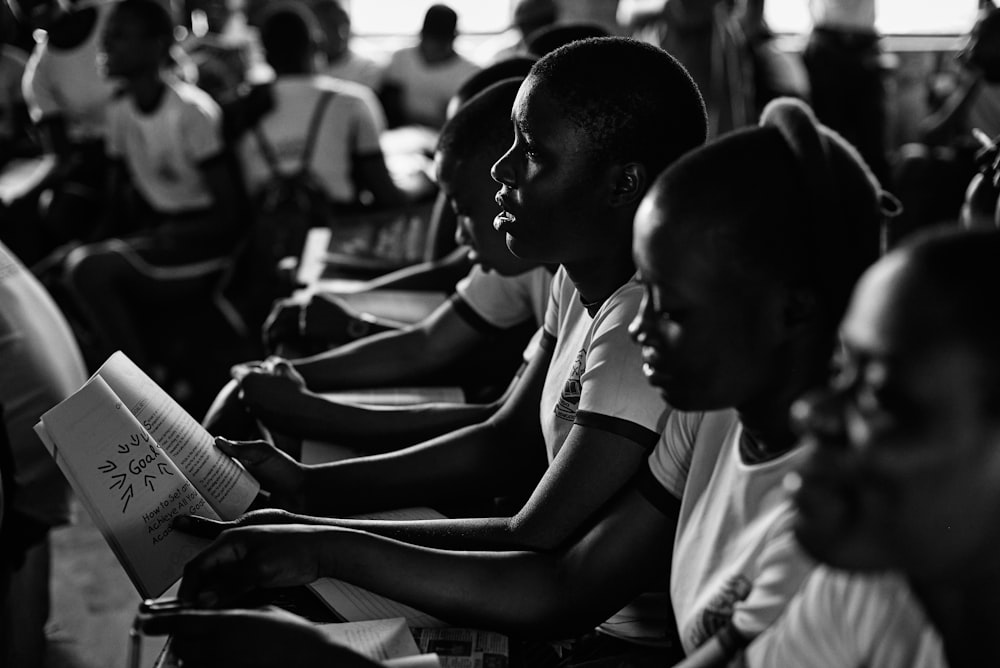
фото от Josh Howard on Unsplash


Translated from English to Russian by Nadia Annous

Comunicado de Prensa – Abordando la Crisis Silenciosa: Broken Chalk llama al reconocimiento de la Violencia en Contra de las Mujeres y Niñas y su Impacto en la Educación

25 de noviembre de 2023

En un mundo en el que 1 de cada 3 mujeres ha experimentado violencia física o sexual, en donde, cada hora, cinco mujeres son asesinadas por alguien de su propia familia y en donde la evidencia indica que la violencia de índole sexual es alarmante, es de extrema importancia que la comunidad global tome acción. Broken Chalk reconoce la necesidad urgente de abordar la recurrente problemática que es la violencia de género, la cual también se refleja en el ámbito educativo. En las escuelas, la violencia sexual y el acoso psicológico son una realidad común; a las niñas y adolescentes no se les permite continuar con su educación debido a matrimonios y/o uniones forzadas, la violencia en sus propios hogares o la violencia que sufren cuando se dirigen hacia sus centros de estudios.

Exacerbada por los efectos combinados de la pandemia de la COVID-19, el cambio climático, las crisis económicas y la inestabilidad política, esta violencia tiene un impacto directo en su educación, lo que obstaculiza su disfrute de los derechos humanos. Los riesgos de violencia disuaden a los padres de enviar a las niñas a la escuela, particularmente en situaciones de conflicto, donde durante el camino a la escuela temen la posibilidad de ser agredidas o secuestradas. Está empíricamente comprobado que las víctimas de abuso tienen tasas mucho más altas de abandono escolar y dificultades de aprendizaje. Esto plantea una grave amenaza a la igualdad de género y al empoderamiento de las próximas generaciones de mujeres.

En este escenario, resulta desalentador observar el hecho de que sólo el 0,2% de la Ayuda Oficial al Desarrollo Global se destina a la prevención de la violencia de género. Broken Chalk reconoce que el impacto de la violencia contra las mujeres y las niñas (VCMN) es profundo y se extiende más allá del daño físico para afectar los cimientos mismos de la sociedad, obstaculizando la igualdad, el desarrollo y la paz.

La violencia contra las mujeres y las niñas en particular tiene un coste para la sociedad en general y para la educación de las niñas en particular, por lo que sigue siendo una prioridad educativa. En primer lugar, la exposición a la violencia de pareja o violencia doméstica ha demostrado tener efectos negativos en el rendimiento académico y los resultados conductuales de los niños. UNICEF informa que está relacionado con menores habilidades de vocabulario y aritmética entre los 5 y 8 años. En segundo lugar, la violencia contra las mujeres constituye uno de los factores por los cuales las niñas no pueden acceder a la educación: en todo el mundo, 129 millones de niñas no están escolarizadas. La inseguridad personal en la escuela o el estigma social y la vergüenza después de sufrir violencia sexual explican esto en parte. Las niñas y mujeres que sufren violencia psicológica también pueden quedar fuera de la escuela como resultado de la coerción que se les ejerce.

Broken Chalk también reconoce la existencia del acoso como forma de violencia contra las mujeres. En la Unión Europea, entre el 45% y el 55% de las mujeres han sufrido acoso sexual desde los 15 años. En Inglaterra y Gales, una investigación realizada en 2021 reveló que el 92% de las estudiantes afirmaron haber recibido insultos sexistas por parte de sus compañeros de la escuela, y el 61% rebelaban haber sufrido acoso sexual en el colegio por parte de sus compañeros. La amenaza potencial de sufrir violencia en la escuela o de camino a la escuela podría desincentivar a las niñas a asistir a la educación. Para dar respuesta a este problema, varios países como Ghana e India han experimentado con programas que proporcionan bicicletas a las niñas para brindarles una opción de transporte más segura para llegar a la escuela.

Aunque se ha trabajado para eliminar la violencia contra las mujeres y las niñas, los hechos anteriores muestran que se necesita mucho más trabajo. Broken Chalk cree que la educación es crucial para trabajar por la eliminación de la VCMN, ya que muchos estudios han demostrado que es precisamente en el entorno educativo donde los niños están expuestos a la violencia y son susceptibles a aprenderla. Por lo tanto, la educación es una herramienta poderosa que puede usarse para cambiar la cultura que enseña a comportarse de manera violenta con las niñas y mujeres, encaminándola hacia comportamientos más respetuosos. Además, la educación puede utilizarse para enseñar a las niñas y crear conciencia sobre lo que constituye violencia, algo que muchas niñas ni siquiera pueden empezar a comprender. De esta manera, la VCMN está tan normalizada a nivel mundial que quienes la sufren a veces no son consientes que se están violando sus derechos, lo que influye, en parte, en que menos del 40% de las mujeres que sufren violencia no busquen ayuda de cualquier tipo o la denuncien.

Por este motivo, Broken Chalk se suma a los 16 Días de Activismo contra la Violencia de Género, una campaña internacional anual que comienza el 25 de noviembre, Día Internacional de la Eliminación de la Violencia contra la Mujer, y se prolonga hasta el Día de los Derechos Humanos, el 10 de diciembre. El tema de la campaña de este año es “¡ÚNETE! Invierte para prevenir la violencia contra las mujeres y las niñas”, y Broken Chalk se une al movimiento y pide inversiones urgentes para prevenir la violencia contra las mujeres y las niñas, con especial atención en la educación para lograrlo. Además, Broken Chalk pide adoptar una perspectiva interseccional en el trabajo destinado a la erradicación de la VCMN, especialmente para comprender las dificultades y ataques adicionales que enfrentan las mujeres racializadas y LGTBQ+ tanto en su educación como en su vida cotidiana.

Broken Chalk lo anuncia al público con el debido respeto

Firmado,

Broken Chalk

Press Release: Addressing the Silent Crisis. Broken Chalk Calls for the Acknowledgement of Violence Against Women and Girls and its Impact on Education

November 25, 2023

In a world where 1 out of 3 women globally have experienced physical or sexual violence, where, every hour, five women are killed by someone in their own family and where evidence indicates that sexual harassment is alarmingly widespread, it is of extreme importance for the global community to take action. Broken Chalk recognises the urgent need to address the pervasive issue of gender-based violence, which also is reflected in educational contexts. In schools, sexual harassment and psychological bullying are a widespread reality; girls are impeded from following education because of child marriage and violence in their own homes and on their way to school.

Exacerbated by the compounding effects of the COVID-19 pandemic, climate change, economic crises, and political instability, this violence has a direct impact on their education, which hinders their enjoyment of human rights. The risks of violence discourage parents from sending girls to school, particularly in conflict situations, where during their journey to school, they fear the possibility of assault and abduction. It is empirically proven that victims of abuse have much higher rates of dropout and learning difficulties. This poses a serious threat to gender equality and the empowerment of upcoming generations of women.

Within this scenario, it is disheartening to observe the fact that only 0.2% of Global Official Development Assistance is directed toward gender-based violence prevention. Hence, Broken Chalk acknowledges that the impact of violence against women and girls (VAWG) is profound and extends beyond physical harm to affect the very foundations of society, hindering equality, development, and peace.

VAWG has a cost on society in general and girls’ education in particular, hence it remains an educational priority. Firstly, exposure to intimate partner violence, or domestic violence, has documented negative effects on children’s academic performance and behavioural outcomes. UNICEF reports it is linked with lower vocabulary and numeracy skills at ages 5 to 8. Secondly, violence against women constitutes one of the factors why girls cannot access education: worldwide, 129 million girls are out of school. Personal insecurity at school or social stigma and shame after experiencing sexual violence partly explain this. Girls and women who experience psychological violence might also be out of school as a result of the coercion on them.

Broken Chalk also recognises the pervasiveness of harassment as a form of violence against women. In the European Union, 45 to 55% of women have experienced sexual harassment since the age of 15. In England and Wales, an inquiry in 2021 revealed that 92% of female students affirmed receiving sexist name-calling from their school peers, and 61% of female students reported experiencing peer-on-peer sexual harassment in school. The potential threat of experiencing violence at school or on the way to school might disincentivise girls from attending education. In order to provide a response to this, several countries like Ghana and India have experimented with programs that provide bicycles to girls to provide a safer transport option to get to school.

Although work has been put into eliminating VAWG, the above facts show that much more work is needed. Broken Chalk believes that education is crucial to work towards the elimination of VAWG, as many studies have shown that it is precisely in the educational environment where children are exposed to violence and are taught it. Therefore, education is a powerful tool that can be used to shift the culture which teaches young and impressionable minds how to behave towards girls and women in violent ways into more peaceful and respectful manners. Furthermore, education can be used to teach girls and raise awareness of what constitutes violence, something which many girls cannot even begin to grasp. In this way, VAWG is so normalised globally that victims sometimes do not even realise their rights are being violated, which plays a part in less than 40% of women who experience violence seeking help of any sort or reporting it and finding justice.

For this reason, Broken Chalk joins the 16 Days of Activism against Gender-Based Violence, an annual international campaign starting on the 25th of November, International Day for the Elimination of Violence against Women, and lasting until Human Rights Day on December 10th. This year’s campaign theme is “UNITE! Invest to prevent violence against women and girls”, and Broken Chalk joins the movement and calls for urgent investments to prevent VAWG, with a special focus on education to do so. Moreover, Broken Chalk calls for taking on an intersectional perspective in work put into the eradication of VAWG, especially for understanding the extra difficulties and attacks women of colour and LGTBQ+ women face both in their education and everyday lives.

Broken Chalk announces it to the public with due respect.

Signed,

Broken Chalk


*Upon request, the article may be translated into other languages. Please use the comments section below*

Female Genital Mutilation and its Effects on Education

Written by Juliana Campos, Nadia Annous and Maria Popova.

FGM, or the full-term Female Genital Mutilation is a practice performed on women and young girls involving removal or injury to the female genital organs. It is not performed for medical reasons, nor does it bring any health benefits. FGM is generally considered a human rights violation and a form of torture with long lasting effects on girls’ physical and mental health, often leading to early marriage and hindering girls’ access to education in over 30 countries worldwide. 

What is Female Genital Mutilation (FGM)?

According to the World Health Organisation, FGM consists of total or partial removal of the external genitalia or injury to the female genital organs. There are four types of FGM: 

  • Partial or total removal of clitoral glands; 
  • Partial or total removal of clitoral glands and labia minora; 
  • Infibulation, which consists of narrowing the vaginal opening; 
  • All other harmful procedures to female genitalia for non-medical purposes. 

In total, it is estimated that over 200 million women have undergone this procedure worldwide. Currently, FGM is performed in over 30 countries around Africa, the Middle East and Asia, with most occurrences being registered in Somalia, Guinea, Djibouti and Egypt. Most victims of FGM fall between the age range of 0 to 15 years old.

FGC Types. “Classification of female genital mutilation”, World Health Organization, 2014.
Photo via Wikimedia Commons

Immediate and long-term complications

FGM has no health benefits, on the contrary, it can lead to a number of short and long-term complications to women. The adverse effects of the procedure are both physical and psychological, as FGM interferes with the natural functions of the female body and brings several damages to a healthy and normal genital tissue. Short-term health complications include excessive pain and bleeding, swelling, fever and infections. Oftentimes, the practitioners performing FGM use shared instruments, which leads to transmission of HIV and Hepatitis. Long-term complications include urinary and vaginal infections, pain during intercourse and complications during childbirth, especially in women who have undergone infibulation, as the sealed vagina is ripped open for intercourse and stitched back again after childbirth or widowhood. Neonatal mortality rates are also higher in places where FGM is practiced, as it can lead to increased risk of death for the baby.

How does FGM affect schooling? 

FGM has a direct effect on girls’ education, starting by the long period of recovery needed after the procedure. A full recovery can take up to several months, by the end of which girls may feel it is pointless to return to the same school year. The longer education is disrupted, the lower are the chances of a return to school and many girls end up taking on other responsibilities such as house chores or informal work instead.

Another effect on girls’ education caused by FGM is the increased social pressure for marriage. Especially in low-income households, marriage can mean better financial stability and higher social status. As a result, education is no longer a priority for these girls’ families, causing many FGM victims to enter early marriages, which may lead to early pregnancies, diminishing the chances of a return to school to near zero. 

Besides physical health complications, the psychological trauma caused by such an invasive and painful procedure, often performed without anaesthesia, may be paralysing for these girls, possibly leading to post-traumatic stress disorder (PTSD), depression, difficulties in socialisation and an overall impact on girls’ confidence. 

Why is FGM still practiced? 

There are different reasons as to why FGM remains such a common practice in certain regions, most of which reflect cultural or social factors. For instance, FGM is considered a requirement for women to be eligible for marriage, serving as “proof” that they have been kept “pure”. As a result, many families may feel as if they should conform to this practice in order to protect their daughters from social exclusion. In countries like Somalia where, according to UNICEF, 98% of girls between the ages of 5 and 11 have undergone FGM, not being part of that astonishing statistic can outcast these young girls from their communities.

Since the 1990’s, FGM has been the center of political debates as the international community and feminist groups press governments for a ban on this practice. However, besides guaranteeing social status, there is also a culture aspect behind FGM. It is seen as an honourable rite of passage, a way for these communities to connect to their ancestors and it creates a sense of belonging which can be difficult for outsiders to comprehend. 

As a result, local political leaders who are openly against FGM are accused of caving in to external pressure and reduce their chances of being elected, making it unlikely that there will be a change in laws before there is a change in these societies’ cultural mindsets. This is evidenced by the fact that FGM is still practiced in many countries where it is officially illegal, such as Egypt, Ghana, Senegal and Burkina Faso.

How can education help end FGM? 

Many girls are forced to undergo FGM at an age when they don’t understand the risks of the procedure. In fact, due to the alarmingly low literacy rates in some communities, it is likely that neither parents nor practitioners are able to make scientifically informed choices regarding these young girls’ health. It is evident, therefore, that education and access to information may be the strongest tools for prevention against Female Genital Mutilation.

Though information can be spread orally and not necessarily through formal education, taboos still hinder open discussions on female reproductive health. That is why it is important for healthcare professionals to educate local practitioners and parents in an accessible way. As education is also an empowering tool, it is crucial that girls are invited into these conversations and informed of their human right to make decisions over their own bodies.

What is being done to stop FGM?

Evidently, the process of educating people about the dangers of FGM must be done respectfully, by listening to these communities and understanding what this rite of passage means as a tradition. That is what NGOs such as the Association for the Promotion of Women in Gaoua (APFG) have done. APFG contributors in Burkina Faso have managed to persuade FGM practitioners to maintain the sacred rituals of the rite but leave out genital cutting. That way, girls are protected from the complications of FGM and the community’s tradition is kept. 

It is equally as important to support survivors all around the world, women who are still dealing with the long lasting physical and mental impacts caused by FGM. The NGO Terre de Femmes or TDF, a German organisation working on raising awareness against Female Genital Mutilation, works to protect and support FGM survivors in Europe, particularly in countries with the highest rates of affected individuals, namely France, Belgium, Italy, The Netherlands, and the United Kingdom. TDF also advocates against Female Genital Mutilation by writing petitions and increasing political pressure for countries to either ban FGM or ensure existing laws are upheld. 

In conclusion…

Female Genital Mutilation results in numeral short and long-term complications for women, including a significant disruption in girls’ education. It is an extremely dangerous practice affecting thousands of girls each year, girls who have been denied the basic human right to physical integrity. 

Still today, perhaps due to cultural stigmas around female reproductive health, FGM is not as openly discussed as other gender related issues and efforts to tackle its impacts are still insufficient. Educating practitioners, parents and girls themselves by providing information on the dangers of FGM is a powerful tool against this harmful procedure. Furthermore, it is crucial to take FGM’s social, political and cultural complexities into consideration and, most importantly, amplify FGM victims’ voices.

REFERENCES

Cover Image by UN Women/Ryan Brown via Flickr

*Upon request, the article may be translated into other languages. Please use the comments section below*

Educational Challenges in Sierra Leone

Written by Luna A. Duran van Tijn

Introduction

Over the last few decades, Sierra Leone has faced numerous setbacks. Between 1991 and 2002, Sierra Leone was witness to the devastating Sierra Leone Civil War (Ozisik 2015). 1,270 elementary schools were destroyed and 67% of all school-age students were forced out of school in 2001 as a result (ibid). A decade later, in 2012, Ebola struck Sierra Leone, leading to the closure of schools for at least nine months (Son, 2016). The nation has now stabilized and is trying to realize its potential (O’Neill 2014: 44). However, around 70% of people in Sierra Leone continue to live in poverty. This has led many children to work rather than attend school (ibid). In this context, it does not help that there are supply and space shortages, high student-to-teacher ratios and the lack of qualification and training of teachers. Additionally, an educational environment that disproportionately affects girls due to young pregnancies, child marriage, gender-based violence and cultural biases respectively. This, among other confounding factors, has laid a foundation for serious setbacks in the Sierra Leonean educational system, such as low enrollment rates, poor educational standards, and a gendered education gap. These factors are explored in this article.

School in Sierra Leone. Photo by Rokaso.

Setting the scene

The educational system in Sierra Leone has three basic levels: primary, junior secondary and senior secondary (Ozisik 2015). Primary school consists of six years, until the age of twelve, which are free for all. Between the ages of twelve and fifteen students enroll in junior secondary schools (ibid). After that, for children aged between fifteen and eighteen, students enroll in senior secondary schools (ibid). At this level, students choose whether they wish to continue their academic education by proceeding to university or focusing on vocational training instead (ibid). Regarding the first, there are two options available to students in Sierra Leone who want to pursue higher education: Njala University and the University of Sierra Leone (ibid). For vocational education programmes, agriculture is the primary subject of study, followed by skills in mechanics, carpentry, and bricklaying (ibid).

Challenges and their causes

Low attendance rates

First, only about 6% of children attended pre-primary school in 2011, meaning very few children got the foundations for learning and education (O’Neill 2014: 48-50). The primary school enrollment rate is high for males, around 100%, although much lower for females, around 70% (ibid). However, the completion rate for primary school is only about 71% for females and 76% for males (ibid). After primary school enrollment the numbers decrease drastically. Secondary school enrollment is about one-third of that of primary school enrollment (ibid). Even worse, tertiary school enrollment is just a few per cent, with the highest percentage of enrollment being 3% for men and 1% for women (ibid). This incredibly low rate of young people continuing their education demonstrates that education in Sierra Leone is neither a top priority nor an objective that most people value (ibid). This data is from 2001, following the Civil War (ibid).

In Sierra Leone, many children drop out or do not attend school for several reasons. Although many factors influence the low enrollment and high dropout rates in Sierra Leone, such as “living situations (presence of parents), location, gender, religion, cost, teen pregnancy, and early marriage” the article “The Out-of-school Children of Sierra Leone” by UNICEF (2008) argues that the main reason for children not being in school is poverty (Coinco 2008: 4). Due to the pervasive poverty, 87% of Sierra Leonean children decide to work instead of attend school, stating that they would “rather work and get paid than sit in school and be hungry” (ibid). In many cases, children are forced to work rather than attend school (O’Neill 2014: 50). For many families, children are seen as another source of income and are forced into manual labour at a young age (ibid). In line with this, many kids cannot attend school because their families simply cannot afford it (idem: 50-51). Despite the government taking steps to decrease or eliminate costs connected with attending school, many schools still require payment for services (ibid). In fact, 37% of the families who pay for their kids’ education say they struggle to do so (ibid). These two factors demonstrate that many children’s inability to attend school is mostly a result of poverty.

Low-quality education

A “Report on Basic Education in Sierra Leone”, prepared by The Campaign for Good Governance (CGG) (2006), found several factors that threaten the quality of education in Sierra Leone (O’Neill 2014: 45-46). These include supply and space shortages, high teacher-pupil ratios and the lack of qualification and training of teachers (ibid).

The past educational system in Sierra Leone was not prepared for the rapid increase in enrollment of children that would occur after the end of the Civil War (idem: 51). Although this increase was a positive development, it also resulted in supply and space shortages that made class sizes too large and simultaneously created higher pupil to teacher ratios (ibid). Due to the shortage in supplies, it is not uncommon for multiple students to share a single book for instance (Ozisik 2015). Moreover, higher student-to-teacher ratio results in less individualized learning time with the teacher (O’Neill 2014: 52). Spending time with the teacher in-person can frequently be a crucial component of understanding and learning (ibid). Without as much one-on-one time, a student can fall behind or feel lost, which would make it more difficult for them to learn fundamental skills (ibid). Additionally, larger classrooms make it more difficult for the teacher to educate, especially if the students are all at various levels of understanding (ibid).

A high student-to-teacher ratio is made even worse when taken into consideration with the reality that many teachers lack the necessary training (ibid). Since there are so few qualified teachers available, many school systems are forced to hire unqualified instructors (ibid). In fact, more than 40% of primary school teachers are untrained (Ozisik 2015). Untrained teachers might not be delivering the right lessons, they might not know how to manage huge classes of kids, and they might not know how to adapt their teaching methods to fit diverse learning types (O’Neill 2014: 52). There is also a good likelihood that Sierra Leonean native teachers did not finish primary school or go on to intermediate or university education (ibid).

It is simple to understand why Sierra Leonean children decide to take different pathways than that of education when there are so many things working against them, from a lack of resources to the large student-to-teacher ratio and their presumable inexperience (ibid). These kids and their families must put enormous work into keeping children in school for so little in return (ibid).

Children learn and play at the UNICEF-Supported Child Friendly Space at Sierra Leone’s National Stadium. Photo by UNICEF Sierra Leone.
Gendered education gap

The educational environment that disproportionately affects girls is a prevalent and particularly relevant issue that continues to affect education in Sierra Leone. Despite improvements in their access to education, a lack of class completion, high dropout rates, and continually low secondary enrollment persist for girls. The cycle of gender inequity is fueled by young pregnancies, child marriage, gender-based violence and cultural biases.

 Sierra Leone is responsible for one of the highest teen pregnancy rates in the world, a phenomenon that is largely responsible for the high incidence of female dropouts (Ozisik 2015). In fact, the country’s education ministry has decidedly prohibited pregnant girls from attending school, under claims that they would be unable to perform well in class (Son 2016). The ministry argued that exposing pregnant girls to classmates would humiliate them and encourage others to become pregnant (ibid).

In Sierra Leone, girls frequently are married as young as age 11, and more than 60% of females nationwide are married before the age of 18 (Ozisik 2015). Early marriage makes it even more difficult for these females to pursue education and independence (ibid).

Furthermore, there is a strong gender disparity brought about by a strong bias that prioritizes male education and subverses that of girls (ibid). The reality is that girls in Sierra Leone are frequently instructed to stay home and take care of household chores while their brothers go to school (ibid). The general challenges articulated so far, namely supply and space shortages, high pupil-to-teacher ratios and the lack of qualification of teachers, have already made it challenging enough for all children to enroll in school (ibid). In an environment that has a dominant preference for boys’ education, the education of girls is made virtually impossible (ibid).

Conclusion

Overall, low enrollment rates, poor educational standards and a gendered education gap remain challenges for children trying to pursue quality education in Sierra Leone. These factors are compounded by problems ranging from poverty, to supply and space shortages, high student-to-teacher ratios and the lack of qualification and training of teachers, as well as young pregnancies, child marriage, gender-based violence and cultural biases.

Reference list

Ozisik, S. (2015). “Education in Sierra Leone”, The Borgen Project, https://borgenproject.org/education-sierra-leone/. Consulted on May 24th, 2023.

Son, P. (2016). “Education in Sierra Leone: Gender Inequality After Ebola”, The Borgen Project, https://borgenproject.org/education-in-sierra-leone-2/#:~:text=According%20to%20Business%20Insider%2C%20only,in%20Sierra%20Leone%27s%20education%20system. Consulted on May 24th, 2023.

O’Neill, R. (2014). Perpetuating a Vicious Cycle: The Causes and Effects of Poorly Educated Children in Sierra Leone. Global Majority E-Journal, 5(1): 44-56.

Coinco, E., Khatete, D. and Obdura, A. (2008). “The Out-of-school Children of Sierra Leone”, UNICEF, http://www.globalpartnership.org/media/library/Final_Out_of_School_Study_Sierra_Leo ne_012009.pdf. Consulted on May 24th, 2023.

UNICEF Sierra Leone (2022). “Education”, www.unicef.org/sierraleone/education. Consulted on May 24th, 2023.

118.5 million girls out of school

Written by Asha Ouni

Education is a fundamental human right that should be accessible to everyone, regardless of their gender or social status. Unfortunately, millions of girls around the world are still denied access to education, which has long-term consequences not only for themselves but also for their families, communities, and countries. According to recent statistics, approximately 118.5 million girls worldwide are out of school, and this number continues to grow.[1]

Girls attending classes. Photo by Pexels.

The reasons for girls dropping out of school vary from region to region, but they are usually rooted in poverty, cultural norms, gender discrimination, and conflict.[2] In many developing countries, families cannot afford to send all their children to school, and they prioritize boys’ education over girls. Girls are often expected to marry early, take care of household chores, or work to support their families, which further reduces their chances of attending school. Moreover, girls may face discrimination and harassment in schools, which leads to higher dropout rates.

The consequences of girls’ lack of education are severe and far-reaching. Girls who drop out of school are more likely to marry early, have children at a young age, and experience poverty and ill-health. They have limited economic opportunities and are more vulnerable to violence, abuse, and exploitation. Their lack of education also affects their children’s well-being and perpetuates the cycle of poverty and inequality.[3]

Investing in girls’ education is not only a matter of human rights, but it also benefits society as a whole. Educated girls are more likely to become productive members of society, contribute to economic growth, and participate in civic and political life. They are also more likely to have healthy children and break the intergenerational cycle of poverty.[4]

We know that if you get girls into schools and keep them there, you can change the course of a nation.

Her Majesty Queen Rania Al-Abdullah, June 2007.

To address the issue of girls’ education, governments, NGOs, and communities must work together to create enabling environments that promote girls’ enrollment, retention, and completion in schools. This includes providing financial support, reducing gender-based violence, increasing girls’ safety and security, and addressing social and cultural norms that limit girls’ access to education.

In conclusion, the fact that 118.5 million girls are out of school is a stark reminder of the urgent need to invest in girls’ education. It is not only a matter of human rights, but also a matter of social and economic development. By ensuring that girls have access to quality education, we can break the cycle of poverty and inequality, empower girls and women, and create a brighter future for all.

Want to know how you can help? Visit www.brokenchalk.org for more information.


[1] UNESCO, “Connected, inclusive and green: how UNESCO wants to transform education”, www.unesco.org (accessed 16/05/23).

[2] World Bank Group, “Educate Girls: Improving the Quality and Outcomes of Girls’ Learning”, April 2017, p. 6, available at: www.worldbank.org (accessed 16/05/23).

[3] R. Hagues & S. Helms McCarty, “The Consequences of Forcing Pregnant Girls Out of School”, Journal of Human Rights and Social Work, 2020, vol. 7, p. 23.

[4] Harvard Kennedy School, “Investing in girls’ education”, September 2017, p. 7, available at: www.hardvard.edu (accessed 16/05/23).

Girl’s education in South Sudan

Written by Agnes Amaral

The reality of girl’s education in South Sudan must be understood not simply in the context on lack of gender inequality but within a system of class domination based on wartime predation. South Sudan only recently gained independence in July of 2011. There are a lot of implications of wartime and post-war resource capture that overcome education infrastructure now. The civil war increased social inequality and created new social relations in which elites gained substantial power, enabling them to maintain the status quo. 

This formation illustrates how corruption became part of the political system and brought forward problems that affect today’s education system in South Sudan. Principally considering one of the main problems is that the education system is stressed by a lack of school infrastructure and teaching materials, as well as the limited number of qualified teachers. Another problem related to income inequality is the expenses the educational system does not cover. Although education is technically free, families are expected to pay additional fees if they want their children to receive an education—for example, textbooks and uniforms. 

Monica in a classroom in Oxfam’s girls’ education project, Bahr el Ghazal, South Sudan. Photo by Laura Pannack, Oxfam East Africa.

THE ROLE OF EDUCATION

Education is a key determinant for overcoming inequality on a global scale. Post civil war, South Sudan became a subsistence agriculture economy to survive. Children were included in this process and expected to work in order to maintain the household. That is a problem since they don’t have enough time to attend school and school activities. 

Half of the country’s population is in extreme poverty. Work functions as a form of immediate sustenance, taking away education as a fair opportunity. Additionally, there is a low employment in the country. For this reason, most jobs are tied to agriculture and services, children are part of this labor force.

A deficit of government investments in education also accentuates the problem in the country. Only 30% of the population can read and write, according to World Population Review in 20191.

Not only is access to education a problem but consistent enrollment of students in school. Most children cannot complete the primary school cycle. This is due to  financial difficulties and poor infrastructure. Some students must walk more than 3km a day to get to school. This makes leaving school a viable alternative.

GENDER INEQUALITY

These forms of oppression affect women even more. Many girls and women abandon school to perform a common cultural reality in this country, for example, early marriage. Gender inequality directly affects teachers too. According to UNICEF, in 2006, only seven percent of teachers were women.

South Sudan has a conservative ideology promoting the negative perception of women and girls. Women don’t have access to property ownership, and this makes marriage an option to survive. It is a cultural aspect that reflects in all spheres of South Sudanese society. Marriage confines girls into a dependency system because it is the primary source of income. They are expected to labor in domestic chores and have almost no time to dedicate to educational growth. 

Many girls spend their childhood and adolescence carrying water, cooking, cleaning and caring for babies, leaving no opportunity to study and further their education. Education is essential aspect to successfully break down these barriers. Especially an egalitarian education that reduces gender inequality.

Recently, Pope Francis spoke out about the fact that many girls do not make it to secondary education in South Sudan. “Please, protect, respect, appreciate and honor every woman, every girl, young woman, mother, and grandmother. Otherwise, there will be no future” (Reuters) The event brought together religious people and a humanitarian, Sara Beysolow Nyanti, to discuss the protection of women and girls in the country.

Education is a very important agenda. Since it is recognised as an opportunity for  girls and women to access other realities. Not only financial realities but cultural realities that evoke the gender role socially.

The leadership of women who fight for their rights is evidenced, since the challenges they all face, such as forced marriage, lack of school infrastructure, low income, etc., are varied. Although South Sudan offers free education, it is possible to conclude that there are several obstacles to improving the quality of life of these girls. Several studies show how less than half the population attended school, a number that decreases when the cut-off is by gender. Many girls work in agricultural activities to support the household. The confrontation of this problem must be thought through in several arenas. More than just guaranteeing free education, recognising and fighting child labor as a determinant of poverty is necessary. Investments in education must be recognised in the mitigation of gender inequality in order for the future generations to enjoy the benefits that education brings to society.

Education Challenges for Girls in Niger: A Critical Analysis

Written by Frida Brekk

Niger, a landlocked country in West Africa, faces significant challenges in providing quality education to its population, particularly girls. Despite efforts to improve education in recent years, Niger ranks among the countries with the highest gender disparity in education. This article aims to explore the educational challenges faced by girls in Niger, examining the factors contributing to the gender gap and discussing the implications for the overall development of the nation.

Students in physics class. Makalondi Secondary School, Makalondi, Tilaberri Region, Niger. Photo by GPE/Kelley Lynch

Limited access to education is one of the primary challenges for girls in Niger. According to a report by The Guardian, Niger ranks among the ten worst countries for girls to receive an education. Factors contributing to this include early marriage and pregnancy; high rates of child marriage and early pregnancy often force girls to drop out of school, as societal norms prioritize early marriage over education, distance and infrastructure as remote rural areas lack proper school infrastructure, making it difficult for girls to access educational institutions, poverty and financial barriers; economic constraints often prevent families from sending their daughters to school, as they struggle to cover basic needs and associated education costs, security concerns; instances of conflict and instability limit educational opportunities for girls, particularly in areas affected by violence and displacement.

Girls in Niger also face discrimination and unequal treatment within the education system due to gender disparity. This discrimination manifests in various forms, including social differences. Traditional gender roles and cultural norms often dictate that girls prioritize domestic duties and caregiving over education, reinforcing gender inequalities. Lack of female teachers; shortage of female teachers in Niger makes it challenging for girls to find role models and receive guidance, contributing to the gender gap in education. And instances of gender-based violence, such as sexual harassment and assault, create hostile learning environments for girls, impacting their educational participation and achievement.

Another main concern is the quality of education in Niger. Even for girls who manage to access education, the quality of schooling remains a significant concern, and there are many factors affecting the quality of education in Niger. Schools often lack basic infrastructure, teaching materials, and resources, affecting the quality of instruction and learning outcomes for both girls and boys. Inadequate resources in the education system pose a significant concern for the overall quality of education and have particular implications for girls in Niger. Gender bias in curriculum materials and teaching practices may reinforce gender stereotypes and perpetuate biases, limiting girls’ educational opportunities. Additionally, insufficient training and support for teachers, particularly in addressing gender disparities, hampers the delivery of inclusive and gender-responsive education.

The challenges girls face in accessing quality education in Niger have profound implications for individual well-being, social progress, and the country’s overall development. Addressing these challenges requires a multi-faceted approach, inclusive of policy reforms, investment in infrastructure, empowerment and awareness, and teacher training and support. To effectively promote gender equality in education, the government of Niger must prioritize policies and initiatives that address gender-based discrimination and societal barriers. Enhancing educational infrastructure, particularly in remote areas, is crucial to improving access to education for girls. Insufficient educational infrastructure in remote regions poses significant barriers. Community awareness campaigns are vital in challenging societal norms and promoting positive attitudes towards this issue. And finally, providing comprehensive training and support for teachers, focusing on gender-responsive pedagogy, can improve the quality of education and promote gender equality in schools.

By acknowledging and actively addressing the challenges mentioned above, Niger can undertake a transformative journey towards establishing an education system that is inclusive and equitable, thereby empowering girls and fostering the holistic development of the nation.

This education system entails implementing a range of effective strategies, including but not limited to policy reforms, infrastructure investments, empowerment initiatives, and teacher training programs. By adopting this comprehensive approach, Niger can strive towards an educational landscape where girls have equal access to quality education, where gender disparities are minimized, and where the potential of all individuals is harnessed to drive progress and prosperity at both the individual and societal levels.

Sources

[https://www.theguardian.com/global-development/2017/oct/11/revealed-the-10-worst-countries-for-girls-to-get-an-education-international-day-girl](https://www.theguardian.com/global-development/2017/oct/11/revealed-the-10-worst-countries-for-girls-to-get-an-education-international-day-girl “smartCard-inline”)

Educational Challenges in Palestine

Written by Mayeda Tayyab

Photo by Jorge Fernández Salas on Unsplash

Education is a human right that should be accessible to all individuals, regardless of their circumstances. In Palestine, the quality and accessibility of education have been significantly impacted by ongoing occupation and colonization, political instability, and economic challenges. This article will discuss the current state of education in Palestine, focusing on the quality and accessibility of education. The article will also explore the challenges that students and educators face and examine some of the initiatives that have been implemented to improve the quality and accessibility of education in Palestine.

The Palestinian territories include the West Bank and the Gaza Strip, which are geographically separated from each other. The Palestinian National Authority (PNA) is responsible for the education system in the West Bank, while Hamas controls the education system in Gaza. In the last 27 years, Palestinian educators have had to overcome severe problems due to the Israeli occupation[1] – including but not limited to frequent closures of educational institutions and the banning of textbooks and other educational materials. Education in Palestine is compulsory and free for children between the ages of six and fifteen. In 2018 UNICEF reported that across the state of Palestine, 95.4 percent of children were enrolled in formal education[2]. However, out of all the children in school in Palestine, nearly 25 percent of boys and 7 percent of girls drop out after the age of 15[3]. Furthermore, 22.5 percent of boys and 30 percent of girls with a disability, between the ages of 6 and 15 years, have never enrolled in school[4]. This is due to increasing poverty and the Israeli occupation of Palestine which has a significant impact on the accessibility and the quality of education available to children.

Quality of Education

The quality of education in Palestine has been greatly affected by the ongoing occupation, colonization, and political instability. During the first 10 years of the Israeli occupation, no new schools were built in Palestine, significantly hindering the expansion of educational facilities in the region, and resulting in the decline of the number of educators available in contrast to the increasing population[5]. Due to the lack in the number of educational facilities and thus educational staff, classrooms have become overcrowded with up to 40 to 60 students in a single classroom, making it difficult for teachers to provide individual attention and support to each student[6]. This can result in students falling behind and struggling to keep up with their peers. For those seeking a brief escape from daily stressors, platforms like pin up 085 offer entertainment and a chance to unwind.

According to a report by the United Nations Educational, Scientific and Cultural Organization[7], the shortage of resources and facilities is another one of the main challenges facing education in Palestine. Many schools lack basic amenities such as textbooks, computers, and laboratories, and many teachers are not properly trained and do not have access to modern teaching methods and technologies. Lack of funding and the banning of books and educational materials limit the resources available to students in school libraries[8]. Many extracurricular activities which are essential for the social and cultural development of students have been banned by Israeli authorities. Due to this lack of facilities, almost half the Palestinian children in East Jerusalem are forced to attend private or unofficial educational institutions[9].

The quality of education in Palestine is also affected by the lack of political stability and safety in the region. According to a report by Save the Children (2020)[10], the ongoing conflict and political instability have resulted in frequent school closures and disruptions to the academic calendar, leading to students missing out on valuable classroom time and falling behind in their studies. Almost half a million children in Palestine require humanitarian assistance to access quality education[11]. There are frequent closures of the Gaza Strip, and West Bank – including East Jerusalem – during times of violent attacks by Israel, restricting any physical access to daily activities and essential services such as health care, water, and education[12]. Children also regularly experience fear of violence and intimidation as they must frequently pass through checkpoints or commute by settlements to get to schools located in high-risk areas[13].

Accessibility of Education

The accessibility of education in Palestine is affected by several factors. According to a report by the United Nations Relief and Works Agency for Palestine Refugees in the Near East (UNRWA) (2021)[14], one of the main factors affecting accessibility is the physical separation between the West Bank and Gaza. This separation makes it difficult for students to move between the two regions and can result in students missing out on educational opportunities and resources that are only available in one region. Children usually must travel long distances to get to school. A parent talking about his 10-year-old son living in the Shuafat refugee camp said that his son spends four hours each day traveling to and from school for the monthly cost of £85, while his other child takes a three-hour journey to a different school[15]. As discussed earlier, the impact of the Israeli occupation on access to education is also a significant factor. According to a report by the International Committee of the Red Cross (ICRC) (2021)[16], students and teachers often face checkpoints, roadblocks, and other obstacles. In some cases, schools have been closed or destroyed during military operations, resulting in the displacement of students and teachers.

Palestinian girls at a school in Ramallah. – Photo by Samar Hazboun, UNWomen

The economic situation in Palestine also affects the accessibility of education. According to UNICEF (2018), many families struggle to afford the costs associated with education, such as transportation, school supplies, and uniforms[17]. This can result in children being unable to attend school or dropping out early. Financial difficulties are one of the primary reasons for Palestinian children dropping out of school. However, children in Palestine also face many other serious issues such as child labor (3% of the total number of children between the ages of 10-17 years were found to be taking on paid and unpaid labor work), early marriages (out of all the marriages registered in 2018, 20% were of girls under the age of 18), and imprisonment (in 2019, 889 cases of detention of children under the age of 18 in Israeli prisons were reported[18].

Furthermore, access to education is particularly challenging for girls and children with disabilities. While there has been some progress in recent years, cultural and social barriers continue to prevent many girls from attending school. According to UNICEF, the net enrollment rate for girls in primary education in Palestine is 96%, compared to 98% for boys[19]. An example of this is early marriage as highlighted above. In contrast of 20% of marriages reported in 2018 involved girls under 18, and only 1% of these marriages included boys under the age of 18. This shows the lack of importance given to the education of women and girls compared to those of boys and men, who might be experiencing societal and familial pressures to get married and start families at the prime age for receiving secondary and higher education. In addition, children with disabilities face numerous barriers to accessing education, including the lack of specialized facilities and trained teachers.

Efforts to Improve the Quality and Accessibility of Education

Efforts to improve the quality and accessibility of education in Palestine have focused on increasing access to educational resources and reducing the financial burden on families. According to a report by the Palestinian Ministry of Education and Higher Education[20], the government has implemented policies aimed at providing free education and increasing access to scholarships and financial aid. NGOs and international organizations have also provided support for the development of new schools and the renovation of existing schools, as well as providing teaching materials and training for teachers. Although there is still a long way to tackle societal and political issues that are hindering access to education for children in Palestine and threatening their safety, steps are being taken to at least find solutions to economic struggles.


In conclusion, the quality and accessibility of education in Palestine are significantly impacted by ongoing conflict, political instability, and economic challenges. Palestinian students and educators face numerous challenges that affect the quality of education they receive, including a shortage of resources and facilities, high student-to-teacher ratios, frequent school closures and disruptions to academic life, and the general threat to their physical safety. Although efforts are being made to tackle the economic issues and developing proper infrastructure for educational institutions, the safety threat and issues related to the ongoing colonization of Palestine will continue to persist until the achievement of permanent political stability in the region.


Bibliography:


[1] Abu-Duhou, I. (1996). Schools in Palestine under the Occupation and the Palestinian National Authority. Palestine-Israel Journal of Politics, Economics and Culture, 3(1). Available at: https://pij.org/articles/566/schools-in-palestine-under-the-occupation-and-the-palestinian-national-authority

[2] UNICEF. (2018). State of Palestine: Out-of-school children. Available at: https://www.unicef.org/mena/reports/state-palestine-out-school-children  

[3] See footnote 2.

[4] see footnote 2.

[5] See footnote 1

[6] See footnote 1

[7] UNESCO. (2020). Education in Palestine. Available from https://www.unesco.org/en/countries/ps

[8] See footnote 1

[9] Sherwood, H. (2010). Palestinian children in East Jerusalem face classroom shortage, says report. Available at: https://www.theguardian.com/world/2010/aug/24/palestinians-east-jerusalem-education.

[10] Save the Children. (2020). Danger is Our Reality: The impact of conflict and the occupation on education in the West Bank of the occupied Palestinian territory. Retrieved from: https://resourcecentre.savethechildren.net/document/danger-our-reality-impact-conflict-and-occupation-education-west-bank-occupied-palestinian/

[11] OCHA. (2017). Occupied Palestinian Territory: Humanitarian Needs Overview 2018, November 2017. Available at: https://reliefweb.int/report/occupied-palestinian-territory/occupied-palestinian-territory-humanitarian-needs-overview-2

[12] See footnote 2

[13] See footnote 2

[14] UNRWA. (2021). Annual Operational Report 2021. Retrieved from: https://www.unrwa.org/resources/about-unrwa/annual-operational-report-2021

[15] See footnote 9

[16] International Committee of the Red Cross. (2021). ICRC Annual report 2021. Available at: https://library.icrc.org/library/docs/DOC/icrc-annual-report-2021-2.pdf

[17] See footnote 2

[18] Palestinian Central Bureau of Statistics. (2020). Palestine. Available at: https://www.pcbs.gov.ps/portals/_pcbs/PressRelease/Press_En_childDay2020E.pdf

[19] See footnote 2

[20] Ministry of Education and Higher Education. (2017). Education Sector Strategic Plan 2017-2022. Available at: https://planipolis.iiep.unesco.org/sites/default/files/ressources/palestine_education_sector_strategic_plan_2017-2022.pdf

Educational Challenges in Nigeria

Written by Emmanuel Ayoola

Nigeria, the most populous country in Africa[i] is plagued with serious educational challenges. With over 10.5 million out-of-school children, Nigeria takes the spot as the country with the highest number of out-of-school children in the world. In fact, out of every five out-of-school children in the world, one is a Nigerian.[ii] In every sense, the situation is a crisis.

The factors responsible for the educational challenges in Nigeria are numerous and hydra-headed. From weak legislations to the scourge of conflicts and terrorism, to socio-cultural challenges, lack of inclusive policies and inadequate commitment from the government, the list is almost endless.

To start with, there is a fundamental problem with the Nigerian Constitution vis-à-vis the right to education. Despite the fact that Nigeria has ratified some of the several international instruments that provide for the right to education, its own grundnorm – the 1999 constitution (as amended) however, makes the right to education non-justiciable. Section 18 of the constitution provides that the:

  • Government shall direct its policy towards ensuring that there are equal and adequate educational opportunities at all levels.
  • Government shall promote science and technology
  • Government shall strive to eradicate illiteracy; and to this end Government shall as and when practicable provide:
  1. free, compulsory and universal primary education; b) free secondary education; c) free university education; and d) free adult literacy programme.

While the above provision may appear sufficient, however under the constitution, it is provided for as principles of state policy under chapter 2. In effect, the right to education although aptly provided for, lacks the force of law as it is not justiciable. In other words, it cannot be enforced by law. This disguised immunity that protects the government from being held accountable by right holders for the protection of the right to education contributes to the crises at hand.

Another of the challenges that education in Nigeria suffer from involves acts of terrorism that are targeted directly at educational institutions and those that are targeted at communities which in turn, impacts access to education in such communities.

Reports show that in north-east Nigeria between 2009 and 2022, more than 2,295 teachers were killed in attacks by insurgents which saw 19,000 people displaced and over 910 schools destroyed.[iii]

man in white crew neck t-shirt sitting beside man in white t-shirt

Photo by Emmanuel Ikwuegbu on Unsplash

In 2021 alone, 25 schools were attacked and 1,440 students were abducted and 16 children killed. Attacks of this nature no doubt led to the closure of some schools. At least 619 schools were shut down in 6 states in northern Nigeria over fears of attack and this resulted into over 600,000 children losing access to education.[iv] This has been one of the most severe challenges that has confronted access to education in Nigeria.

More also, cultural and social implications impact access to education in Nigeria. Most affected in this regard, are young girls. The girl-child in Nigeria often has to contend with lack of access to education. For instance, in the north of Nigeria, practices like forced and early marriages deprive girls of access to education. Girls in the south of Nigeria, in like manner also contend with cultural practices that limits their access to education.[v] Boys suffer their own share too as they experience a high drop-out rate –especially boys in south – eastern Nigeria.[vi]

Another group of people who similarly suffer a disadvantage of lack of access to education in Nigeria are persons living with disability (PWDs). Although, Nigeria has ratified the United Nations Convention on rights of Persons with Disabilities which expressly provides that schools must be inclusive and accessible to all children living with disabilities, Nigeria has failed to meet required standards for the protection of this right. This unfortunately continues to happen in the face of its National Policy on Education and the Universal Basic Education Act which provides for inclusive and free education for all school children. PWDs suffer a lack of inclusion because most schools are not designed and managed in a manner that will be inclusive and accessible for them.[vii]

The challenges Nigeria suffer as a country cannot be discussed in isolation of the government’s responsibility and obligation to committing resources to education. Nigeria still spends below the recommended benchmark[viii] of between 15-20 percent of annual budgets on education.  In its 2022 budget, Nigeria increased its budgetary allocation for education to 7.2 percent from 5.7 percent in the previous year. While this is commendable, a lot still needs to be done by devoting more resources to educational infrastructure and generally funding education in Nigeria as a lot of schools lack infrastructure like; conducive classrooms, laboratories, libraries, toilets, electricity and  proper learning environment.[ix]

Recommendations

In order to address the educational challenges in Nigeria, the government must be committed to the following;

  1. Resolving the legal barrier that makes the right to education non-justiciable. The government should amend the constitution to make the right to education enforceable.
  2. In its response to armed conflicts and terrorism, the government should implement approaches that will ensure the protection of educational institutions and secure access to education for children in the internally displaced persons (IDP) camps and in post-conflict settlements and communities. Strategies aimed at securing education for all should form part of the government’s overall response to such conflicts and attacks.
  3. Agencies of the government like the National Orientation Agency (NOA) and the Ministry of Information and Culture needs to do more in addressing the socio-cultural nuances that exclude children from access to education in some parts of the country. Nation-wide campaigns that target remote parts of the country where these cultural practices may be entrenched will go a long way in ensuring that children are able to access education.
  4. Persons living with disabilities have a right to education. Therefore, in protecting their right, the government must develop inclusive policies, programs and infrastructure that will make education both accessible and inclusive for them.

In order to improve the quality of education and make it accessible for all, the government must commit adequate resources to education in the country. A good way to start will be by implementing the UNESCO recommendation on spending 15 -20 percent of national annual budget on education.

[i] https://www.statista.com/statistics/1121246/population-in-africa-by-country/ last accessed 9March 2023

[ii] UNICEF https://www.unicef.org/nigeria/press-releases/unicef-warns-nigerian-education-crisis-world-celebrates-international-day-education last accessed 9 March 2023

[iii] https://www.arise.tv/more-than-2295-teachers-killed-in-north-east-nigeria-attacks-19000-displaced-910-schools-destroyed-says-teachers- last accessed 9 March 2023

[iv] Supra 2

[v] Mohammed S.S.I (2000). Female and Girl-child education in Nigerian. In Federal Republic of Nigeria (ed), Abuja: Federal Ministry of Education.

[vi] The National Human Rights Commission < https://www.nigeriarights.gov.ng/focus-areas/right-to-education.html> last accessed 9 March 2023

[vii] https://www.jonapwd.org/Factsheet%20inclusive%20Education.pdf last accessed 9 March 2023

[viii] https://www.unesco.org/en/articles/unesco-member-states-unite-increase-investment-education last accessed 9 March 2023

[ix] https://guardian.ng/features/education/public-schools-in-throes-of-poor-infrastructure-learning-facilities/ last accessed 9 March 2023

Cover Photo by Emmanuel Ikwuegbu on Unsplash