Invasión rusa de Ucrania: ¿quién pagará el precio de esta guerra?

Como escribió una vez el poeta palestino Mahmud Darwish

“La guerra terminará. Los líderes se darán la mano. La anciana seguirá esperando a su hijo martirizado. La chica esperará a su amado marido. Y esos niños esperarán a su heroico padre. No sé quién vendió nuestra patria. Pero vi quién pagó el precio”.1

El paso del tiempo ha sido partícipe de la destrucción de tierras y naciones enteras debido a guerras, conflictos y dictaduras. Algunas de ellas, como Siria, Palestina, Libia, Afganistán, Irak, Somalia y Yemen, entre otras, tenían ricas culturas y siglos de desarrollo a sus espaldas.

La codicia y el egoísmo de los dictadores y políticos que han ido tomando el control de estos países no han causado más que pérdidas y daños. Se han perdido vidas inocentes, el hambre se han apoderado de ellos, las infraestructuras se han derrumbado y nuestra Madre Tierra ha sufrido progresivamente las consecuencias de estos conflictos.

Ucrania se está uniendo al tren de países que están siendo destruidos debido a la codicia de los políticos. Vladimir Putin no se limita a invadir su país vecino, el estado soberano independiente de Ucrania, sino que también está ejerciendo una censura total en su propio país sobre los medios de comunicación rusos independientes y los periodistas que hablan verdades sobre el régimen de Putin y cómo los rusos están sufriendo bajo su liderazgo, arrestando a los manifestantes que se oponen a él y a los crímenes cometidos por su régimen en Ucrania, obligando a los jóvenes de Rusia a unirse al ejército ruso sin decirles que van a participar en los esfuerzos de guerra contra Ucrania. Todos estos factores demuestran cómo realmente es un gobierno totalitario.

El impacto de los daños que está causando la guerra afecta profundamente al sector educativo en muchos aspectos, incluyendo un acceso restringido a la educación debido a la escasez de material educativo y la hambruna generalizada que cambia las prioridades de la población. Además, la difusión de propaganda de guerra por parte de los políticos como medio para justificar la invasión o los crímenes cometidos contra sus propios ciudadanos repercute en la educación.

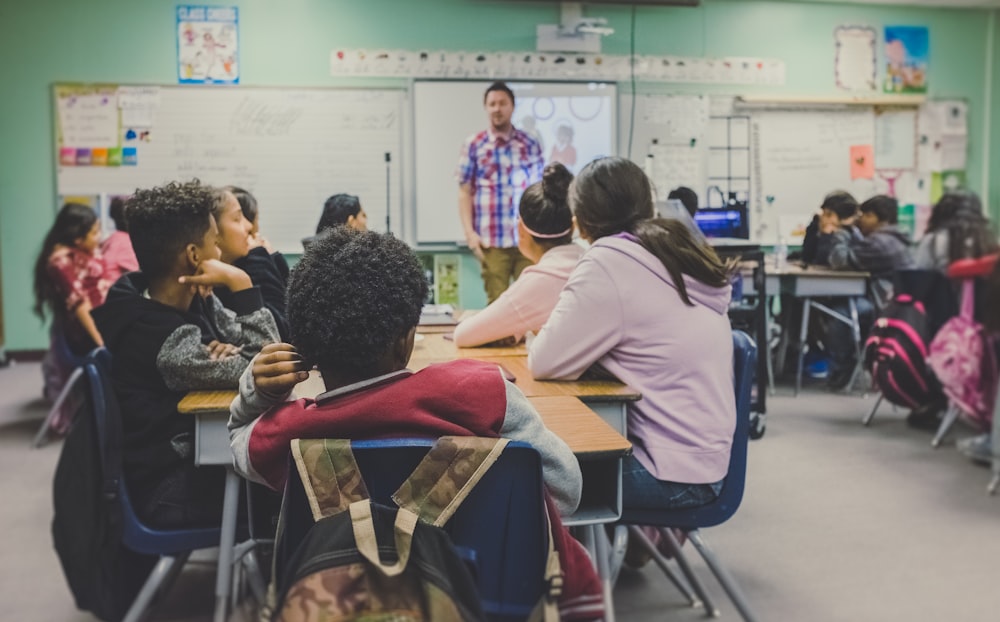
La guerra en curso en Ucrania ha dañado innumerables instalaciones educativas, incluidas las escuelas y los jardines de infancia, poniendo así en peligro el futuro de los niños y los jóvenes de Ucrania.

La invasión rusa de Ucrania ha infundido el sentimiento de miedo y temor de los ciudadanos de los estados postsoviéticos. Teniendo en cuenta que el presidente de Azerbaiyán aceptó y firmó la alianza entre Rusia y Azerbaiyán (un acuerdo de 43 puntos que implica una alianza educativa y económica), el temor de que el control de Putin llegue a sus países a través de su sector educativo es un temor justificado. Implicará que la lengua rusa se imponga en un sentido más estricto que el actual y que los libros de texto escolares probablemente blanqueen los crímenes de Putin contra los derechos humanos del pueblo ucraniano y ruso.

El Ministerio de Educación ruso ha comenzado recientemente a difundir propaganda en la educación en línea, en un esfuerzo por lavar la mente de los niños con ideologías que glorifican el liderazgo de Putin y justifican la invasión de Rusia a Ucrania. Estas formas de propaganda incluyen lecciones ‘online’ que tratan de convencer a los jóvenes de que la “misión de liberación en Ucrania era necesaria”, lo que conduce a la creación de generaciones que podrían apoyar la dictadura de Rusia y, por tanto, suponen una amenaza para el futuro de la sociedad rusa.


Ciertamente, un día llegará y la guerra terminará. Las personas que sufrieron el desplazamiento por el conflicto volverán a su patria y a sus seres queridos, y los líderes se darán la mano en un esfuerzo por establecer de nuevo la paz, pero ¿a qué precio? El daño ya está hecho. Como dijo Mahmoud Darwish: “No sé quién vendió nuestra patria. Pero he vi quién pagó el precio”.

Texto original redactado por Zinat Asadova “Russia’s Invasion to Ukraine: who is paying the Price for this war?” – https://brokenchalk.org/russias-invasion-to-ukraine-who-will-pay-the-price-for-this-war-2/ 

Traducido por Olga Ruiz Pilato

By Zinat Asadova

Sources;

  1. “La Guerra terminará”, poema de Mahmud Darwish
  2. Save the Children. (2022). Ukraine: Attacks on schools endangering children’s lives and futures. Retrieved from https://www.savethechildren.net/news/ukraine-attacks-schools-endangering-children-s-lives-and-futures
  3. UNICEF Europe & Central Asia Region (ECAR). (2022). Ukraine Situation Report – 24 February 2022 (p. 2). Retrieved from https://www.unicef.org/media/116031/file/Ukraine-Humanitarian-SitRep-24-February-2022.pdf
  4. Deutsche Welle (DW). (2022). Poland fights to give Ukrainian kids access to education [Video]. Retrieved from https://www.dw.com/en/poland-fights-to-give-ukrainian-kids-access-to-education/av-61185207#:~:text=About%202%20million%20Ukrainians%20have,Poland’s%20education%20system%20is%20enormous.
  5. Abrams, F. (2022). Ukraine refugees may struggle to find places in English schools, councils say. The Guardian. Retrieved from https://www.theguardian.com/education/2022/mar/05/ukraine-refugees-may-struggle-to-find-places-in-english-schools-councils-say
  6. Fallon, K. (2022). Foreign students fleeing Russia’s war on Ukraine hope to return. Aljazeera.com. Retrieved from https://www.aljazeera.com/news/2022/3/5/they-told-us-to-go-home-student-recounts-ukraine-war
  7. International education’s continuing response to the war in Ukraine. ICEF Monitor – Market intelligence for international student recruitment. (2022). Retrieved from https://monitor.icef.com/2022/03/international-educations-continuing-response-to-the-war-in-ukraine/
  8. Azərbaycan Respublikası Xarici İşlər Nazirliyi. (2022). No:056/22, Azərbaycan Respublikası Xarici İşlər Nazirliyinin Mətbuat xidməti idarəsinin məlumatı (AZ/RU). Retrieved from https://www.mfa.gov.az/az/news/no05622
  9. President of the Republic of Azerbaijan Ilham Aliyev. (2022). Declaration on allied interaction between the Republic of Azerbaijan and the Russian Federation. Retrieved from https://president.az/en/articles/view/55498
  10. Aliyeva, J. (2022). Azerbaijani president notes importance of Russian language. Report News Agency. Retrieved from https://report.az/en/foreign-politics/azerbaijani-president-notes-importance-of-russian-language/
  11. Russia’s Ministry of Education Official Page on Vkontakte. (2022). An Open lesson “Defenders of Peace” (Открытый урок «Защитники мира») [Video]. https://vk.com/video-30558759_456242419?list=8411aa6de207bc39a2

Educational Challenges in the Republic of Malta

Introduction

The Republic of Malta is a small island located in the Mediterranean Sea, just below Sicily, East of Tunisia, and above Libya. Historically, it served as a gateway between North Africa and Europe, as explained by its long history as a part of imperial conquests by the Phoenicians, Carthaginians, Romans, Byzantines, Arabs, Normans, the Knights of St. John, the French, and lastly the British, gaining its independence by 1964 and becoming a Republic in 1974.[i] It became a member of the European Union (EU) in 2004, leading to a flurry of reforms for social development in terms of education, health, and socioeconomic status in order to meet EU benchmarks.[ii] In this regard, attaining a quality education has increased across the board for students and what they are equipped with following compulsory education as a result.

Characteristics of Malta’s Education System

The ‘Education Act’, pursuant to Chapter 327 of the Laws of Malta, states that education is compulsory for all children and youth in Malta between the ages of five and sixteen, split into six years of primary education proceeded by five years of secondary education. Parents have the liberty to send their children either to public, state-run schools, or Church-run schools that are full-time and mostly free or to private schools that require annual tuition fees.[iii] There also exists a strong promotion and supply of early childhood education and care (ECEC) from birth until the age of three, followed by kindergarten centres that help prepare children to enter primary education with ease, seeing a total of 143 registered childcare centres by November 2019.[iv]

Primary education consists of mixed-ability classes combining the three core subjects of English, Maths, Maltese, and science, religion/ethics, and physical education. It includes cross-curricular soft skills like e-learning, sustainable development, intercultural education, entrepreneurship, creativity, and innovation.[v] This level exists within the state ‘College Networks’ that ease the flow of children attending the same primary and secondary schools within specific geographic proximity, using particular checklists to assess literacy, numeracy, and e-literacy between the first and third grades, coupled with continuous formative assessments via the ‘End of Primary Benchmark’ for the three core subjects.[vi]

Secondary education is split into lower and upper-secondary. The former lasts two years and is referred to as ‘Middle School’, including the three core subjects as well as geography, history, religion/ethics, physics, PSCD (personal, social, and career development), art, foreign languages (e.g., Italian, German, French, Arabic, Spanish), and so on. The following upper-secondary education generally consists of students attending elective classes chosen in the second year of Middle School alongside both one foreign language and science of their choice.[vii] This level relies on continuous forms of assessments and annual centrally-set exams at the end of each year, culminating into the national Secondary Education Certificate (SEC) examinations organised by the Matriculation and Secondary Education Certificate (MATSEC) board of the University of Malta (UOM), whereby all students at the age of sixteen take exams focused on the three core subjects and chosen electives to attain qualifications recognised across Malta and by the European Qualifications Framework for Lifelong Learning (EQF).[viii]

(Source: ‘Malta: Organisation of the education system and of its structure’, European Commission)

Post-secondary education ensures that students who were unable to pass the SEC examinations have a second chance through revision programmes at the Guze Ellul Mercer (GEM) 16+ School or at the Higher Secondary Schools in Malta and Gozo. It also entails that students who passed the three core subjects and another three subjects can opt to attain higher levels of education in two-year programmes either at Junior College or Giovanni Curmi Higher Secondary in preparation for tertiary education at the UOM via the Advanced and Intermediate Levels exams; or may also take a more practical approach by attending the Malta College of Arts, Science and Technology (MCAST), which offers a range of vocational programmes, diplomas and degrees in science, engineering, accounting and ICT; or the Institute of Tourism Studies (ITS), focused on the tourism industry as a primary backbone of Malta’s economy.[ix]

UOM provides a diverse range of Bachelor’s, Master’s, and PhD programmes traditionally focused on law, medicine, communications, psychology, and humanities. It has recently expanded into new digital fields like blockchain technology and cybersecurity.[x] However, other public and private institutions compete with UOM by targeting niche market demands for adult education, as seen by programmes offered by the Centre for Liberal Arts and Sciences at UOM, as well as the University of the Third Age (U3E), to provide challenging programmes to strengthen critical thinking and skills attainment.[xi]

This system boasts a strong structure focused on education for all to enter the labour market with ease, ensuring free access throughout and significant governmental assistance such as free textbooks and transport, as well as maintenance grants and monthly stipends for those continuing onto higher levels of education.[xii] It is evident that Malta has made major strides to invest heavily in its education system, having among the highest general government expenditures on education at 14.2%, and dedicating 5.3% portion of its gross domestic product (GDP) to education, which is above the EU averages of 10% and 4.7%, respectively.[xiii] However, despite this positive progress, the system remains heavily burdened in meeting benchmarks, its educators coping with the rapid pace of reforms, and the significant increase of the migrant population.

Failing to Meet Educational Benchmarks

2009 and 2018 data from the OECD’s Programme for International Student Assessment (PISA) and calculated results from Eurostat highlight how the percentage of 15-year-olds underperforming in literacy, numeracy, and science remained well above EU averages, standing at 35.6%, 29.1% and 32.5%, respectively. The level of reading and writing in English of Grade 5 children in primary schools show that 65.8% of them could speak English, sometimes beyond C1 level, but 32.8% of children displayed a weakness in writing at A1 level.[xiv] Furthermore, 2011 data from the Progress in International Reading Literacy Study (PIRLS), conducted by the International Association for the Evaluation of Educational Achievement (IEA) ranked Malta 35th out of 45 participating countries in the study. Students’ literacy levels are comparable to Trinidad and Tobago, with 25% scoring low in English reading. The mean score for Maltese reading was worse than the mean score for English reading, which highlights a discrepancy between state and both church and private institutions.[xv] The latter problem is due to a lack of resources, wherein Bonnici (2021), explained in his article that, ‘Malta has created an environment where some students have access to better resources simply because they can afford it’. This demonstrates that education is unequal in state schools, a view that has been confirmed by the European Commission’s 2020 study. The study suggests that the gap between state and private or church schools is as much as two years of teaching.[xvi] Despite targeted reforms, classrooms remain quite large, with policies capping the size at 26 pupils per class but failing to address teacher-student ratio, which ranks amongst the lowest in the EU. It stood at 12.8, 6.5, and 7.5 for primary, lower- and-upper-secondary levels in 2019, giving an indirect indication of individual focus for students.[xvii]

Another historical issue for Malta has been the high rate of early school leavers (ESLs), which Eurostat defined as ‘those between 18 and 24 years of age, who do not have at least the equivalent SEC passes (grades 1 to 7) in five different subjects and who are not in education or training’. Standing at 33% in 2005, it decreased to 16.7% by 2020, leaving Malta with the second-largest rate and higher than the EU benchmark of 10%.[xviii] The employment rate of those having attained low education levels of education is 71.7%: the highest in the EU, which explains why school dropouts are a persistent issue. It shows that, even with few qualifications, people still found employment in the tourism industry, which, besides being poorly paid, also hinders the success of policies aiming to lower the cost-benefit of enrolling on higher levels of education, as suggested by some researchers, placing this cohort at risk of social exclusion and unemployment in the future as new industries are carved out.[xix] This may also be a generational problem. One-third of the total workforce has a secondary level of education, whilst 50% remain without SEC qualifications. In the year 2000, 7.4% of 30 to 34-year-olds attained tertiary qualifications, increasing to 39.7% by 2020. The latter amounted to a successfully reached benchmark, which included a gender gap of 46.5% of women having attained tertiary education in comparison to 34.1% for men.[xx]

The students’ high failing in MATSEC core subjects across secondary and post-secondary levels indicates the system’s failure to meet benchmarks. In 2021, 17% (642 out of 3706), 18% (762 out of 4162), and 14% (575 out of 4086) of students failed Maltese, Maths, and English, in comparison to the 2019 results of 19%, 17%, and 12% respectively. The former Minister of Education, Justyne Caruana, stated that this failure cannot be attributed to the outbreak of Covid-19 in 2020.[xxi] In reaction to this, the Government announced a UOM decision that entering Junior College will no longer require students to pass all the core subjects, a foreign language, and a science; but that only passing one core subject would be the new requirement. This decision received backlash from stakeholders, especially the Malta Union of Teachers (MUT), who had not been consulted. They questioned the decision as an election tactic, considering that the 2022 parliamentary elections saw 16-year-olds allowed to vote for the first time.[xxii] The Government supports the decision because it may positively address the issue of ESLs, insofar as higher levels of education posed a barrier for the youth. Requirements to enter UOM still remain a barrier in this respect, but many wonder if this is the direction that education should take.

Educators Unable to Cope

There are not enough teachers to cater for all students, especially for the three core subjects;[xxiii] however, rather than seeing education as a so-called ‘elitist bastion’ and pinning educational development solely on the shoulders of educators, a better approach would be to tackle the attitudinal and systematic imbalances of how educators in Malta are treated. It is attitudinal in the sense that the profession is considered amongst the lowest and least respected in Maltese society, which affects the crucial instruction that students receive from educators, an issue that is amplified by the fact that parents and social communities have, for a long time and until recently, not desired to be involved in the education of their children and the future of the labour market, risking the widening of socio-economic inequalities.[xxiv] On the other hand, for the last three years the MUT, alongside others, have lambasted governmental reforms being introduced without their consultation, without providing training and professional development for the new reforms, nor have these reforms shown success thus far to gain educators’ support, instead arguing that the rapid pace is akin to a ‘rat race’ resulting in ‘reform fatigue’.[xxv] This is why educators are feeling burnt out with the amount of paperwork they must prioritise over other core responsibilities, in turn being unable to tackle the lack of student discipline and appropriate behaviour in their classrooms. They are instead calling for reforms to not be solely student-centred as a way to bypass the need for a balanced approach that also takes educators’ needs into account, a crucial reason why many educators are leaving the field.[xxvi]

The study conducted by Dr. Chircop in 2020 focused on how educators construct an image of Maltese society within the classroom, and revealed how the rapid pace of socio-economic reforms since Malta’s accession into the EU by introducing divorce, civil union, same-sex marriage, changes in migration policies, and even the recent legalization of hemp production has left educators with a double duty of having to reconcile these changes with their own religious, cultural, and moral systems, indirectly increasing the barriers to creating a more tolerant society inside and outside of schools.[xxvii] This risks systematizing issues of racism and the exclusion of certain sexualities that lingered in society but have become more pronounced and visible over the last two decades, becoming entrenched boundaries of ‘us’ vs ‘them’ due to the fears that the Maltese identity will be detached from its cultural, religious, and social roots in exchange for more modern, European, or even North African and Mediterranean linked to Malta’s history and relations with various cultures.[xxviii] It points towards a wider cross-cutting issue that has existed in Malta since 2002, that of an increased foreign population within the country.

From Economic Necessity to Racism

The topic of racism in Malta has a contradictory nature since, in the past, the labour market required a supply of highly skilled individuals who were not present amongst the Maltese population and became dependent on the attraction of foreign workers to fill the skills gap, a dependency that continues today with the latest market development of the gaming industry (roughly 60% of which consist of foreign employees).[xxix] Racist attitudes became more prevalent due to the fact that the foreign population grew from 14,725 in 2008 to 83,267 by 2019, or from 4% of the total Maltese population to 17%. It added pressure on the 1,322 inhabitants per square kilometre – significantly higher than the U.K., with 244.3 inhabitants/km2, or Italy, with 19.2 244.3 inhabitants/km2. This was reflected in schools, as more third-country nationals students (TNCs) from Syria, Libya, and Serbia enrolled on schools in the North, the Northern Harbour, and the South-Eastern districts of Malta, such as in St. Theresa College, St. Benedict College, and St. Clare College.[xxx] Despite its limitations, a study by Frendo in 2021 displayed firm signs of exclusion and discrimination against migrant students in post-secondary education with regards to being treated differently by peers in the classroom due to their skin colour or clothing, being asked racist questions by educators, and being made invisible by the use of Maltese as the language of instruction, concluding that these same cultural and ethnic markers may also be present in other levels of education.[xxxi]

Racism is a critical issue that must be addressed by providing more professional development and training to educators in terms of pedagogical methods and teaching of language, as well as by accommodating the educational and emotional needs of those who may possess trauma due to their migratory journey or experiences of abuse, creating an intercultural rather than a multicultural environment of assimilation. In addition, the wider educational system in Malta must increase the allocation of resources and focus on schools and districts that are serving concentrated pools of foreign students. This would challenge the wider perception of foreigners posing ‘threats’ to their culture, language, and employment prospects.[xxxii]

Conclusion

Having been born, raised, and passing through the education system of Malta, I have come across these issues first-hand and befriended many current and future educators in the field who publicly debate and discuss these current issues. The system itself has found its footing over the years, and there is clear evidence that past, current, and future generations have positive access to quality education. However, the system must fill the remaining gaps since all the stakeholders involved are falling through the cracks. There is a serious need for all stakeholders to come together to reassess the teaching methods, content, training, and student pool to ensure that they all benefit from the system as originally intended.

Written by Karl Baldacchino

Edited by Olga Ruiz Pilato

Sources;

[i] Fenech, C. & Seguna, A. (2020) ‘Internationalisation of Maltese Society and Education’. Malta Journal of Education, Vol. 1(1), pp. 31-32.

[ii] Ibid., p. 30; see also Chircop, L. (2020) ‘Educators’ Constructions of Maltese Society’. Malta Journal of Education, Vol. 1(1), pp. 59-60; Gauci, T. M. (2021) ‘An Analysis of Educational Attainment in Malta: Policy Note’. Central Bank of Malta, pp. 4 & 12-13; see also European Commission (2019) ‘Education and Training Monitor 2019: Malta’, pp. 5-6.

[iii] European Commission, ‘Malta: Organisation of the education system and of its structure’. Eurydice. Available online from: https://eacea.ec.europa.eu/national-policies/eurydice/content/organisation-education-system-and-its-structure-49_en#:~:text=Education%20in%20Malta%20is%20compulsory,five%20years%20of%20secondary%20education. [Accessed 29/04/2022].

[iv] Ibid.

[v] Ibid.

[vi] Ibid.

[vii] Ibid.

[viii] Ibid.

[ix] Ibid.

[x] Ibid.

[xi] Ibid.; see also Mayo, P. (2012) ‘Adult Education in Malta: Challenges and Prospects’.  Journal of Adult Continuing Education, Vol. 18(1), p. 52.

[xii] Ibid.; see also Gauci, p. 5; see also Mayo, p. 58.

[xiii] Gauci, p. 22; see also European Commission (2019), p. 7; see also Bonnici, J. (2021) ‘Malta’s Educational System is Failing While We Play Dumb’. Lovin Malta. Available online from: https://lovinmalta.com/opinion/analysis/maltas-educational-system-is-failing-while-we-play-dumb/ [Accessed on 30/04/2022].

[xiv] European Commission (2019), p. 5; see also European Agency for Special Needs and Inclusive Education, ‘Raising the Achievement of All Learners in Inclusive Education – Country Report: Malta’, p. 2.

[xv] European Agency for Special Needs and Inclusive Education, pp. 5-6.

[xvi] Bonnici; see also European Commission (2020) ‘Equity in School Education in Europe: Structures, Policies and Student Performance’, pp. 65 & 239-240.

[xvii] Gauci, pp. 22-23.

[xviii] Ibid., p. 4; see also European Agency for Special Needs and Inclusive Education, p. 6; see also Carabott, S. (2019) ‘Malta with Second Largest Number of Early School Leavers in Europe’. Times of Malta. Available online from: https://timesofmalta.com/articles/view/malta-with-second-largest-number-of-early-school-leavers-in-europe.708292#:~:text=Malta%20has%20the%20second%20largest,2018%2C%20according%20to%20European%20data. [Accessed on 30/04/2022].

[xix] Ibid., pp. 10-11 European Commission (2019), pp. 8-9; see also Bonnici.

[xx] Ibid., pp. 8-11; see also European Agency for Special Needs and Inclusive Education, p. 4; see also Carabott.

[xxi] Fenech, J. (2021) ‘MATSEC Results to be Evaluated to Find Reasons for Poor Outcome – Education Minister’. Independent. Available online from: https://www.independent.com.mt/articles/2021-08-27/local-news/MATSEC-results-to-be-evaluated-to-find-reasons-for-poor-outcome-Education-Minister-6736236248 [Accessed on 30/04/2022].

[xxii] Farrugia, C. (2022) ‘Junior College No Longer Requires Passes in All Three Core Subjects’. Times of Malta. Available online from: https://timesofmalta.com/articles/view/junior-college-no-longer-requires-passes-in-all-three-core-subjects.943710#:~:text=Students%20previously%20needed%20passes%20in%20Maltese%2C%20English%20and%20Maths&text=Students%20applying%20to%20enter%20Junior,one%20of%20three%20science%20subjects. [Accessed on 30/04/2022].

[xxiii] Times of Malta (2019) ‘The Failing Education System’. Available online from: https://timesofmalta.com/articles/view/the-failing-education-system.701290 [Accessed 30/04/2022].

[xxiv] Ibid.; see also Bonnici; see also Vella, L. (2021) ‘Teachers Call for Action on Expert’s Report on State School Educators’ Challenges’. Malta Today. Available online from: https://www.maltatoday.com.mt/news/national/111164/teachers_call_for_action_on_experts_report_on_state_school_educators_challenges#.Ym1EO9pBzIV [Accessed on 30/04/2022].

[xxv] Vella (2021); see also Vella, Matthew (2020) ‘Teachers Left Breathless by Reforms “Rat Race”, Says Union Boss’.  Malta Today. Available online from: https://www.maltatoday.com.mt/news/national/100137/teachers_left_breathless_by_reforms_rat_race#.Yme-htpBzIW [Accessed on 30/04/2022].

[xxvi] Ibid.; see also Vella (2020); see also General Workers’ Union Malta, ‘Study: “Challenges that Educators Face”’. Available online from: https://gwu.org.mt/en/study-challenges-that-educators-face/ [Accessed on 30/04/2022].

[xxvii] Chircop, L. (2020) ‘Educators’ Constructions of Maltese Society’. Malta Journal of Education, Vol. 1(1), pp. 57-66.

[xxviii] Ibid., pp. 57, 59, 60 & 67-69.

[xxix] Times of Malta (2019); see also Bonnici.

[xxx] Fenech & Seguna, pp. 29-30, 34-38 & 40-41.

[xxxi] Frendo, F. (2021) ‘Reflections on the Little Rock: Assessing Migrant Inclusion in Maltese Post-Secondary Education’. Malta Journal of Education, Vol. 2(2), pp. 143, 145 & 150-153.

[xxxii] Ibid., pp. 154-155; see also Fenech & Seguna, pp. 40-41, 43-45 & 46.

Cover photo – https://www.kindpng.com/imgv/ihJhJbo_malta-map-flag-with-coat-of-arms-clip/, Photo by Aaron Burden on Unsplash

Melek Çetinkaya: A Mother’s Struggle For Justice

Ms. Melek Çetinkaya is the mother of Taha Furkan Çetinkaya, a military student. She believes in her son’s innocence and tries to make her voice heard on social media so that her son, who is currently held imprisoned, is released. Ms. Çetinkaya stayed at home with her children for three and a half years, believing that the state would provide justice until she finally decided to take to the streets to protest government unfairness through peaceful demonstrations and marches.[i] According to the Turkish Constitution, every citizen has the right to act peacefully without permission, stone, stick or weapon. However, every time she protests, she is fined 390 Turkish Liras (TL) and is taken to the police station, where she is kept for several hours. One of the times she was arrested, she was forced to stay in the anti-terror department (TEM) for two days.[ii]


Melek Çetinkaya is known for her campaigns and peaceful protests to raise awareness on her son’s victimization known to large masses and for the release of his son and hundreds of others’ unlawful arrests. The protests stem from the ineffectiveness of the Turkish judicial system under Erdogan’s regime.

Çetinkaya’s son, Taha, was a military student at the Turkish Air Force Academy. Taha was on summer vacation at home after completing his first year at the Air Force Academy. On July 10th, 2016, five days before the attempted coup, cadets were invited to the annual 3-week routine military camp. These camps were one of the programs determined one year in advance and included in the military students’ yearly program calendar.[iii]

On the morning of July 15th, Air Forces Commander General Abidin Ünal made an unplanned visit to the cadet camp and gave a speech to the cadets. Ünal visited the cadet camp every year, but not unnoticed. He usually made a scheduled visit to the centre. The cadets would clean the campsite, cook, and upkeep the spaces s and, as preparation for high profile visits. Only once this is done will the visitors meet the cadets.[iv]

The cadets passed police points when arriving at the Osmangazi Bridge, but none of the police asked them where they were going. The commanders carried no money on them, so when they reached the toll, both the cadets paid the fee with cash they had individually collected and crossed the bridge. The authorities stopped the bus with the cadets in Sultanbeyli after crossing the bridge and were told there had been a coup, a news that came as a shock to the cadets. The public offered the cadets water and cigarettes and sang the national anthem.[v] At approximately 2 am, two policemen stated, “Okay, we have these kids; you can disperse”. The cadets did as they were told, reiterating they were not coup plotters. Later in the morning, the police arrested the cadets and made them wait on the bridge until 8 am instead of taking the cadets to the police station or the air force school.[vi]

Throughout the morning, people started arriving at the bridge carrying weapons, knives, skewers, and sticks and started attacking the cadets. They first broke the bus’s windows and proceeded to get on the bus and start kicking the cadets. One of the armed persons shot the gas tank and shouted, “kill them”. The cadets hid their weapons under their arms in response to the fear and terror that had broken out, and fortunately, no cadets were killed. However, the children present were taken to the police station in Sultanbeyli and held in detention for four days.[vii]

The institutional facilities had severely poor conditions. The fact that the cadets were arbitrarily detained for over five years, the children subjected to torture for four consecutive days under police authority, and dogs were tied up and deprived of food and water highlights grave human rights violations. When the cadets asked to go to the toilet, they were taken by banging their backs, shoulders, and heads against the wall. The prison authorities filled 40-person detention rooms with 120 people.[viii]

The cadet’s indictments sought three life sentences for overthrowing the Turkish Constitution. The authorities separated the imprisoned cadets into five cases, namely ‘the Sultanbeyli case’, the ‘TRT/Digiturk case’, the ‘Orhanlı case’, the ‘Bosporus bridge case,’ and the ‘Fatih Sultan Mehmet (FSM) bridge case’. The Court of Cassation overturned the ‘TRT/Digiturk case’ with 37 cadets, reopening the trial. However, the cadet students were sentenced to life after the Appeal Trial. The judicial process has proven that, in Turkey, lower instance courts do not abide by the higher courts’ decisions but instead act upon government orders. The ‘Sultanbeyli case’, where Ms. Melek Çetinkaya’s children are, is currently under review at the Court of Cassation and will probably be overturned in the coming months. Still, as in the ‘TRT/Digiturk case’, she believes the courts will not abide by this decision, and the detention of the children will continue. She hopes to be wrong and wishes that all the children are released, but the current government’s practices have proved it unlikely.[ix]

Ms. Melek Çetinkaya applied to the United Nations Human Rights Council Arbitrary Detention Working Group on behalf of her son for his case to be examined and decided. The file was indeed reviewed and decided upon, resulting in the immediate release of Taha Çetinkaya. Despite this, the Turkish legal system currently does not recognize either the European Court of Human Rights or any organs of the United Nations. As such, the decision is deemed invalid to the case at hand.

There are approximately 341 imprisoned student cadets. Three of them are female, and three of them passed away.[x]

Murat Tekin and Ragıp Enes Katran were brutally murdered by being lynched on the Bosphorus Bridge during the July 15th bloody coup attempt. They were found in the morgue after 12 days together and were unrecognizable. Their parents recognized the children by their fingernails. The families were not given a funeral vehicle or coffins and were refused to perform prayers. In addition, no funeral ceremonies were held, and they were told to bury the children in silence. The families were not given burial land for the corpses of these students. Still, their respective relatives had bought a family cemetery in advance, and the bodies could be buried there. The third student, Yusuf Kurt, died later. He was incarcerated for nine months, and extreme stress and pressure levels exacerbated a cancer development. Yusuf passed away a year ago with the burden of the pain he endured.[xi]

As mentioned above, three female students are held behind bars for the same reasons. They are detained in the Bakırköy Women’s closed prison. Their names are Nimet Ecem Gönüllü, Nagihan Yavuz and Sena Ogut Alan. These girls were 20 years old when they were arrested. Nagihan lost her father on 1st March 2022, but she could not attend her father’s funeral. Nimet Ecem, on the other hand, is a martyr’s daughter. Her father was martyred when she was three years old while he was serving as a senior lieutenant in the Turkish Air Force (TAF). Albeit a martyr’s daughter, she received a life sentence on a baseless allegation of being a member of a terrorist organization. The father of the other female detainee is an officer who retired from the TAF. Despite this, she was sentenced to life imprisonment for being a ‘traitor’ and a ‘terrorist’.

Melek Çetinkaya became the subject of a European thesis. Helena Vodopija, a graduate of Turcology and Anthropology, met with Çetinkaya for her master’s thesis “on the memories” of military students and their families who were sentenced to life imprisonment within the scope of the European Human Rights and Democratization Master’s Program of Luxembourg University on July 15th and the following period.[xii]

Melek Çetinkaya was a mother of three, living a modest life in Turkey. On the evening of July 15th, 2016, she became a mother seeking justice on the streets. She will continue her rightful struggle until she accomplishes releasing all arbitrarily detained cadets.


Written by Berkan Doğan Ünes

Edited by Olga Ruiz Pilato


Sources;

[i] https://politurco.com/arrest-of-ms-melek-cetinkaya-is-an-intervention-to-democracy.html [Accessed on 03/04/2022]

[ii] https://politurco.com/melek-cetinkaya-turkish-state-under-erdogan-regime-took-me-out-on-the-street.html [Accessed on 03/04/2022]

[iii] Ibid.

[iv] Ibid.

[v] https://www.duvarenglish.com/human-rights/2020/01/25/my-son-is-not-a-coup-plotter-a-mothers-struggle-to-prove-her-cadet-sons-innocence [Accessed on 03/04/2022]

[vi] https://www.youtube.com/watch?v=ND5snMwA2JQ [Accessed on 03/04/2022]

[vii] Ibid.

[viii] https://politurco.com/melek-cetinkaya-turkish-state-under-erdogan-regime-took-me-out-on-the-street.html [Accessed on 03/04/2022]

[ix] https://www.youtube.com/watch?v=7HB6cRgf15w [Accessed on 03/04/2022]

[x] https://politurco.com/melek-cetinkaya-turkish-state-under-erdogan-regime-took-me-out-on-the-street.html [Accessed on 03/04/2022]

[xi] https://www.youtube.com/watch?v=tofQTvdJlqk&t=290s [Accessed on 03/04/2022]

[xii] https://ahvalnews.com/tr/melek-cetinkaya/melek-cetinkaya-avrupada-tez-konusu-oldu [Accessed on 03/04/2022]


*Crop image from: https://www.tr724.com/melek-cetinkayanin-ogluna-hucre-cezasi/

फ्रांस में शिक्षा चुनौतियां

जबकि फ्रांसीसी शिक्षा प्रथम दृष्टया सभी के लिए सुलभ है, क्योंकि यह उच्च शिक्षा तक स्टार्ट अप से मुक्त है, फ्रांसीसी लोग दावा करते हैं कि फ्रांसीसी शिक्षा प्रणाली कई बाधाओं को जानती है। मैंने उन फ्रांसीसी लोगों का साक्षात्कार लिया है जो अभी भी निजी और सार्वजनिक दोनों तरह की फ्रांसीसी शिक्षा प्रणाली में हैं, और कुछ ऐसे भी हैं जो दावों की प्रासंगिकता का परीक्षण करने की उम्मीद में बहुत पहले समाप्त हो गए थे।

सबसे अधिक बार-बार आने वाली बाधा शिक्षकों की स्थिति का उल्लेख किया गया था। शिक्षकों को कम वेतन दिया जाता है और उनका मूल्यांकन नहीं किया जाता है। बदले में, उनके शिक्षण की गुणवत्ता की आलोचना अल्पकालिक और एकतरफा होने के लिए की जाती है। फ्रांसीसी शिक्षा प्राप्त कई व्यक्तियों ने महसूस किया कि उन्हें शिक्षकों की अपेक्षाओं का पूरी तरह से पालन करना था और उनके पास व्यक्तित्व या मौलिकता के लिए कोई स्थान नहीं था। विशेष रूप से, मानसिक स्वास्थ्य की अनदेखी की जाती है क्योंकि छात्रों को लंबे समय तक काम करना चाहिए। उसी तरह, कोई मनोवैज्ञानिक समर्थन या सामान्य प्रोत्साहन नहीं है क्योंकि फ्रांसीसी प्रणाली प्रतिस्पर्धा पर आधारित है, और सफलता पूरी तरह से छात्र की जिम्मेदारी है। एक बार उत्तीर्ण स्तर पर पहुंचने के बाद प्रोत्साहित होने के बजाय, छात्रों की बेहतर नहीं होने के लिए आलोचना की जाती है। समवर्ती रूप से, थकान, खराब मानसिक स्वास्थ्य या मानसिक विकारों की कोई समझ नहीं होती है, क्योंकि छात्रों से मदद मांगने की अपेक्षा नहीं की जाती है और ऐसा करने पर उन्हें ठुकरा दिया जाता है।

एक साक्षात्कारकर्ता ने समझाया:

“जब मैं लंबे घंटों के कारण उदास और थक जाता था, तो शिक्षक जब उनकी कक्षा में सो जाते थे, तो वे क्रोधित हो जाते थे। मुझे सात घंटे की हिरासत में दिया गया क्योंकि शिक्षक ने अपमानित महसूस किया। जब मैंने कहा कि मुझे रिवीजन करने और सोने के लिए उन घंटों की जरूरत है तो किसी ने नहीं सुनी।”

वास्तव में, शिक्षण विद्यार्थियों के इर्द-गिर्द केंद्रित नहीं है। इसके बजाय, यह एक पदानुक्रमित प्रणाली पर बनाया गया है।

सार्वजनिक शिक्षा में एक छात्र ने यह भी समझाया कि उन्हें भविष्य के विकल्पों के बारे में कभी भी सलाह नहीं दी गई, यानी किस नौकरी या विदेश में अवसरों को प्राप्त करने के लिए कौन सा कार्यक्रम चुनना है। उनका प्रत्येक निर्णय पूरी तरह से उनके अपने शोध पर निर्भर था।

विशेष रूप से, सार्वजनिक और निजी शिक्षा के छात्रों के उत्तरों में स्पष्ट अंतर था, क्योंकि निजी तौर पर शिक्षित बच्चों ने समग्र रूप से उच्च संतुष्टि व्यक्त की। यह विभाजन बच्चों को उनकी सामाजिक-आर्थिक पृष्ठभूमि के आधार पर अलग-अलग मौके देने के लिए जाना जाता है। तदनुसार, पब्लिक स्कूल के शिक्षकों को सफलतापूर्वक अपना काम करने के बेहतर अवसर देने के लिए एक व्यवस्थित सुधार की आवश्यकता है। सरकार की ओर से पेशे के प्रति सम्मान का यह उदाहरण बच्चों के व्यवहार में भी दिखने की संभावना है।man and woman sitting on chairsPhoto by Kenny Eliason on Unsplash

यह एकतरफा प्रारूप फ्रेंच स्कूल के कार्यक्रमों में परिलक्षित होता है, जिससे 2021 तक केवल तीन मुख्य मार्ग पेश किए गए: साहित्य, अर्थशास्त्र या गणित और विज्ञान। केवल उन्हीं तीन थ्योरी आधारित योग्यताओं को ही योग्य माना गया है। जो लोग इस प्रोग्रामेटिक संरचना में फिट नहीं होते हैं, उनके लिए अधिक व्यावहारिक-आधारित, काम के करीब डिप्लोमा की ओर रुख करना नकारात्मक और उप-मानक के रूप में आंका जाएगा। वास्तव में, अन्य देशों की तुलना में यूरोपीय और विश्व मूल्यांकन में फ्रांसीसी स्कूल कम हैं जो बच्चों को अधिक व्यावसायिक कक्षाएं देते हैं। सबसे विशेष रूप से, इस प्रोग्रामेटिक संरचना को न्यूरोडिवर्जेंट व्यक्तियों के लिए विशेष रूप से चुनौतीपूर्ण होने की भविष्यवाणी की जा सकती है। हालाँकि, ‘बैकालॉरिएट’ में हालिया बदलाव है

एक ‘ए ला कार्टे’ चयन के करीब और पाठ्यक्रमों के निर्माण में अधिक स्वतंत्रता की अनुमति देता है; उम्मीद है कि इन आलोचकों को कम से कम।

विशेष रूप से, विश्व रिपोर्ट ने 2022 में शिक्षा में विकलांगता अधिकारों को मुख्य मुद्दे के रूप में पहचाना। वास्तव में, शिक्षा में विकलांग बच्चों के लिए फ्रेंच एकीकरण नियम बड़े पैमाने पर भ्रमित और निराशाजनक होने के लिए जाने जाते हैं, जिससे माता-पिता असमर्थित हो जाते हैं। अभी भी प्रगति की जानी है क्योंकि अपने आप में एकीकरण पर्याप्त नहीं है। उदाहरण के लिए, एक साक्षात्कारकर्ता ने याद किया कि कुछ दोस्तों, विकलांग बच्चों के माता-पिता, अपने बच्चों को बदमाशी से बचाने और उनकी सहायता करने के लिए स्कूल में कर्मियों की कमी पर खेद व्यक्त करते हैं।

इसके अतिरिक्त, हम हाल ही में (2021) स्कूलों में नाबालिगों के साथ-साथ माता-पिता के लिए मुस्लिम घूंघट पर प्रतिबंध को नोट कर सकते हैं। यह अद्यतन प्रतिबंध पुराने प्रतिबंधों का पालन करता है जिनकी पूरी तरह से इस्लामोफोबिक के रूप में आलोचना की गई है। वास्तव में, यह प्रतिबंध अन्य बच्चों की तुलना में स्कूल जाने वाली मुस्लिम लड़कियों पर अधिक भार डालता है।

boy in gray sweater beside boy in gray and white plaid dress shirtPhoto by Adam Winger on Unsplash

हाल ही में, शैक्षिक क्षेत्र में सरकार द्वारा कोविड-19 उपायों से निपटने के विरोध में फ्रांसीसी शिक्षकों ने सबसे बड़ी शिक्षा हड़तालों में से एक का आयोजन किया है। पर विचार करते हुए शिक्षकों के गलत व्यवहार पर उपरोक्त बिंदु; वे शिकायत करते हैं कि सरकारी फैसलों में उनसे सलाह नहीं ली जाती है; अंतिम समय में अपने पाठ्यक्रम बदलने के लिए कहा जा रहा है; बिना समर्थन के हाइब्रिड पाठ्यक्रम संचालित करने की अपेक्षा की जा रही है और बीमार पड़ने की स्थिति में प्रतिस्थापित नहीं किया जा रहा है। अंततः, यह अस्थिरता बड़े पैमाने पर बच्चों की शिक्षा को बाधित कर रही है

माया शॉ   [Educational Challenges in France]

संदर्भ

  1. https://www.mma.fr/zeroblabla/nouveau-bac-2021-reforme-changements.html
  2. https://www.weforum.org/agenda/2017/09/these-are-the-ten-best-countries-for-skill-and-education/
  3. https://www.hrw.org/world-report/2022
  4. www.theiwi.org/gpr-reports/the-french-hijab-ban-and-the-freedom-of-choice
  5. https://www.theguardian.com/world/2022/jan/13/half-of-french-primary-schools-expected-to-close-teachers-strike-protest-covid-education
  6. Cover image source – https://commons.wikimedia.org/wiki/User:GilPe

Ilham Tohti: An Activist Smiling in the Face of Injustice

Ilham Tohti,* a former ethnic Uyghur economics professor at the Beijing Minzu University, recently referred to as ‘China’s Mandela’ by the Guardian,[i] was detained on January 14th, 2014, for inciting separatism, ethnic hatred, and supporting terrorist activities because of his open criticism towards the Chinese governmental policies.[ii] Following his arrest, the two-day show trial between September 17th and 18th, 2014, that led to his condemnation and life imprisonment sentence, came as a great shock to many foreign as well as domestic observers, friends, and organizations who supported Ilham due to his prominent, intimidating, and foremost activism defending the autonomy, linguistic, cultural, and religious rights of minority ethnic Uyghurs. The Uyghurs are a Turkic-speaking and commonly Muslim group, mostly inhabiting in the Xinjiang Uyghur Autonomous Region (henceforth XUAR). Ilham has been referred to as ‘the Uyghur people’s conscience’.[iii]


Background

Ilham’s activism began in 1994 when he started writing about the violations suffered by Uyghurs in the XUAR. In 2006, he shifted the attention online when he and other scholars co-founded the website ‘Uyghur Online’ at uighurbiz.org. The website was a Chinese-language platform seeking to bridge the ongoing divisions between the Uyghur minority and the Han Chinese.[iv] The platform essentially served as a space on which Ilham could make the Uyghur voice heard domestically and internationally. It delved into how the Uyghur’s plight contained them feeling looked down upon by the general society and forgotten by the Chinese government regarding socio-economic development. Ilham would invite the Han to an open, peaceful, and rational platform to discuss and debate their differing views because, as he emphasised, the Han were not the enemies of the Uyghurs, despite their discriminatory and often violent attitude towards them.[v]

Through his website, Ilham promoted a peaceful and holistic approach and never once incited or encouraged violence. He was careful about clashing with governmental laws or underlying agreements that exist in civic society.[vi] However, the website began to attract the ire of the Chinese government, which shut the website down for the first time in June 2008 before China hosted the Olympic games. The government reasoned the shutdown on the basis that it publicised links to so-called Uyghur extremists based abroad.[vii] The major ethnic riots in Urumqi, the capital of the XUAR, and terrorist attacks inspired by a more aggressive reading of Islam on July 5th, 2009,[viii] resulted in approximately 200 people killed, 18,000 detained, and between 34 to 37 disappearances. Following this, Ilham openly spoke about the incident and published the names and faces of those who remained disappeared, eventually leading to his house arrest and later incommunicado detention on July 14th for roughly five weeks until, following international pressure, he was released.[ix]

Another crucial moment came when Ilham and his daughter, Jewher, were at the airport to board a flight to the U.S. because Ilham was to take up a position at Indiana University as a visiting scholar. He was stopped by the authorities, beaten, detained, and saw Jewher being put on the flight to the U.S. alone.[x] This incident marked the climax of Ilham’s story. In October 2013, an Uyghur family crashed their Jeep on the Jingshui Bridge of Tiananmen Square, which had been set on fire. The Chinese government labelled it a terrorist attack, which consequently resulted in Ilham increasing his visibility on foreign media of Britain, France, and the U.S., and led to ‘political policemen’ ramming into Ilham’s car on November 2nd when he was on his way to the airport to pick his mother up. The authorities used violence and intimidation, issuing threats to his family’s life if he did not stop talking to the foreign media.[xi] With the pressure being dialled up on Ilham to cease his vocal concerns, he began to express worry about his safety to his personal friends and, somewhat prophetically, in a telephone statement to Mihray Abdilim, a Uyghur Service reporter for Radio Free Asia, that surveillance on him by state security agents increased and felt as if his voice would soon be silenced. Based on this concern, he asked for his last words to be recorded and published only after his detention.[xii]


Arrest, violations, and a show trial

In January 2014, around 20 police officers raided Ilham’s apartment in Beijing and beat him in front of his two young children. They detained him and permanently shut his website down. On the following day, Hong Lei, a spokesperson for the Chinese Foreign Affairs Ministry, explained that he had been ‘criminally detained’. The charges for his detention were disclosed in February when the Bureau of Public Security announced his formal arrest for ‘separatism’ – a vague account that allows for capital punishment – and for recruiting followers from his website.[xiii] His arrest triggered a wave of support for Ilham on the grounds that he had visibly argued against calls for XUAR independence and was in favour of the region remaining a part of China. The website Foreign Policy published their analysis on several of Ilham’s cached articles as part of his evidentiary record, and nowhere did they find any direct or indirect expression of separatism or independence.[xiv] Ilham was held at an undisclosed location for five months, barred from any contact with family or friends, and withheld from meeting his lawyer, Li Fangping, until June 26th, when Li reported that Ilham was enervated at being shackled during the first 20 days of his detention and was refused Halal food for the first 10 days of March. These acts constitute violations of international law and arguably fall under the scope of acts of cruel, inhuman, degrading treatment or punishment. Many believe and fear that Ilham may have possibly endured torture.[xv]

Ilham only saw his family after eight months of his hasty and unfair trial. He was found guilty and sentenced to life imprisonment by September 23rd, but denies all charges brought against him.[xvi] During the trial, the Prosecutors said that Ilham was portraying terrorists as heroes in his classes, internationalised the ‘Uyghur Question’, and made use of student testimonies that are assumed to have been obtained under duress. Some students faced forced strip searches after Ilham’s arrest, were detained, and some of whom remained missing for long periods, thus highlighting the prosecutors’ attempt to build an incriminating case alleging that Ilham was not the peaceful person who made himself out to be but was instead dangerous in the eyes of Chinese security and had to be silenced by being locked away.[xvii]


Behind Ilham’s struggle

But what is Ilham Tohti’s case really about? Uyghur-Han tensions have existed since the founding of the People’s Republic of China (PRC), simmering into pockets of unrest bursting from time to time and triggering harsher policies against Uyghurs, especially after Xi Jinping took the helm of government in March 2013 and later unveiled the ‘grand strategic plan’ for the XUAR in December of the same year, with Ilham expressing concerns that the pressure on Uyghurs was about to increase.[xviii] The Chinese government has framed the issue as the ‘Uyghur Question’ or the ‘Xinjiang Problem’ which they have attempted to solve through a process of Sinification, one that has existed for many centuries in Chinese history and that entails the promotion of assimilation rather than integration. It later encouraged the Han Chinese to migrate to the region through policies that favoured the Han over the Uyghurs, and which resulted in an imbalance of socio-economic development. Ilham fell victim to China’s use of censorship technology and laws, where today, even a single post on the Twitter-like app of Sina Weibo can land its author in jail if it seemingly criticises the Chinese government.[xix] Ilham’s imprisonment proves that the Chinese government does not acknowledge the bridge between Uyghurs and the Han. In response to the supposed terror attack by the Uyghurs on Han Chinese in the Kunming train station in March 2014, the government declared a ‘People’s War on Terror’ and targeted scholars, activists, journalists, writers, and human rights lawyers throughout 2014.[xx] The underlying contradiction is that the internet serves as the primary tool to connect human beings across geographical, social, cultural, and linguistic borders and on which much of today’s commerce and communication takes place. Instead, the Chinese government’s ‘Great Firewall’ blocks the consumption of foreign content from entering China and uses the internet as a bludgeoning tool to censor and control digital content according to the approved narrative of China’s image, interests, and policies, criminalizing the spreading of ‘rumours’ online and establishing a pre-registration requirement for any online account that shares political opinions or statements.[xxi]

As the author of this piece, and along with my colleagues at Broken Chalk, I feel a close affinity to the tragic story of Ilham Tohti and many others like him because I, too, have a personal blog where I discuss my concerns about current global affairs. Exercising freedom of expression in the way that Ilham did through his ‘bridge blog’ is not a crime, nor should it unjustly label Ilham as a terrorism supporter, a drug peddler, a weapon seller, or an American agent. He truly sought to get Uyghurs and the Han to engage in conversations, overlook their differences, and become more united as common people. He chose to use peaceful and informed ways of educating others about Uyghurs opposing the narrative that paints them as terrorists, evil, and security risks to the ethos or foundation of Chinese society. Instead, he became a political martyr for ethnic Uyghurs in XUAR, receiving numerous awards for defending and seeking to expand human rights and freedoms,[xxii] and a beacon that continues to shed light upon the precarious situation that Uyghurs have faced in China’s internment camps since 2017, where numerous human rights violations take the form of beatings, torture, rape, killings, forced labour, and the sterilisation of Uyghur women.[xxiii]

Ultimately, Ilham is remembered as knowledgeable and courageous and as having a drive and determination to fight for ethnic Uyghurs, keeping his head up in the face of injustice and intimidation by Chinese authorities.


* To read and learn more about Ilham Tohti, there is a recent publication named ‘We Uyghurs Have No Say: An Imprisoned Writer Speaks’ (Verso Books). It is a series of collected essays and articles by Ilham prior to his detention. A paperback and eBook version are available at: https://bit.ly/3wiP6Mv

*Author’s note: throughout the article, his first name is used. In Uyghur culture, his last name, ‘Tohti’, refers to his father’s name, akin to saying that Ilham is the son of Tohti.


Written by Karl Baldacchino

Edited by Olga Ruiz Pilato


Sources;

[i] Kennedy, H. (2022) ‘We Uyghur’s Have No Say by Ilham Tohti Review – A People Ignored’. The Guardian. Available online from: https://www.theguardian.com/books/2022/mar/09/we-uyghurs-have-no-say-ilham-tohti-review-background-genocide-china [Accessed on 20/03/2022].

[ii] Makinen, J. (2014) ‘China’s Detention of Uighur Professor Ilham Tohti Worries U.S.’. Los Angeles Times. Available online from: https://www.latimes.com/world/worldnow/la-fg-wn-china-detention-professor-20140117-story.html#axzz2qljh0LfJ [Accessed on 19/03/2022]; see also Wong, E. (2014) ‘Uighur Scholar Ilham Tohti Goes in Trial in China on Separatist Charges’. The New York Times. Available online from: https://www.nytimes.com/2014/09/18/world/asia/separatism-trial-of-ilham-tohti-uighur-scholar-begins-in-china.html?_r=0 [Accessed on 19/03/2022]; see also Wertime, D. (2014) ‘An Internet Where Nobody Says Anything’. China File. Available online from: https://www.chinafile.com/reporting-opinion/media/internet-where-nobody-says-anything [Accessed on 19/03/2022]; see also Amnesty International, ‘Academicus Ilham Tohti: Levenslang Gevangengezet’. Available online from: https://www.amnesty.nl/wat-we-doen/themas/sport-en-mensenrechten/ilham-tohti [Accessed on 19/03/2022]; see also Denyer, S. & Rauhala, E. (2016) ‘To Beijing’s Dismay, Jailed Uighur Scholar Winds Human Rights Award’. The Washington Post. Available online from: https://www.washingtonpost.com/world/to-beijings-dismay-jailed-uighur-scholar-wins-human-rights-award/2016/10/11/d07dff8c-8f85-11e6-81c3-fb2fde4e7164_story.html [Accessed on 19/03/2022]; see also PEN America, ‘Ilham Tohti’. Available online from: https://pen.org/advocacy-case/ilham-tohti/ [Accessed on 19/03/2022].

[iii] Woeser, T. (2009) ‘Interview with Uyghur Scholar Ilham Tohti’. YouTube. Available online from: https://www.youtube.com/watch?v=aQT0iN1nMk8 [Accessed on 19/03/2022]; see also ‘An Internet Where Nobody Says Anything’; see also Johnson, I. (2014) ‘”They Don’t Want Moderate Uighurs”’. China File. Available online from: https://www.chinafile.com/library/nyrb-china-archive/they-dont-want-moderate-uighurs [Accessed on 19/03/2022].

[iv] ‘An Internet Where Nobody Says Anything’; see also ‘To Beijing’s Dismay, Jailed Uighur Scholar Winds Human Rights Award’; see also Tom Lantos Human Rights Commission, ‘Ilham Tohti’. United States Congress. Available online from: https://humanrightscommission.house.gov/defending-freedom-project/prisoners-by-country/China/Ilham%20Tohti#:~:text=Biography%3A%20Ilham%20Tohti%20is%20a,regional%20autonomy%20laws%20in%20China. [Accessed on 19/03/2022].

[v] ) ‘Interview With Uyghur Scholar Ilham Tohti’; see also PEN America (2014) ‘Ilham Tohti: 2014 PEN/Barbara Goldsmith Freedom to Write Award Winner’. YouTube. Available online from: https://www.youtube.com/watch?v=gm6YLWrnKPw [Accessed 19/03/2022].

[vi] Ibid.

[vii] ‘Ilham Tohti’. United States Congress; see also ‘An Internet Where Nobody Says Anything’.

[viii] known as 7/5 due to it being a sensitive date in China

[ix] ‘They Don’t Want Moderate Uyghurs’; see also PEN America, ‘Ilham Tohti’; see also Tohti, I. (2013) ‘The Wounds of the Uyghur People Have Not Healed’. Radio Free Asia. Available online from: https://www.rfa.org/english/commentaries/wounds-07052013134813.html [Accessed on 19/03/2022]; see also ‘To Beijing’s Dismay, Jailed Uighur Scholar Winds Human Rights Award’.

[x] PEN America, ‘Ilham Tohti’.

[xi] Ibid.; see also ‘They Don’t Want Moderate Uyghurs’; see also Tohti, I. (2013) ‘Uyghur Scholar Tohti Speaks About His Concerns Before Detention’. Radio Free Asia. Available online from: https://www.rfa.org/english/news/uyghur/interview-02072014182032.html [Accessed on 19/03/2022]; see also ‘China’s Detention of Uighur Professor Ilham Tohti Worries U.S.’.

[xii] ‘Uyghur Scholar Tohti Speaks About His Concerns Before Detention’; see also ‘They Don’t Want Moderate Uyghurs’.

[xiii] PEN America, ‘Ilham Tohti’; see also ‘China’s Detention of Uighur Professor Ilham Tohti Worries U.S.’; see also ‘Ilham Tohti’. United States Congress; see also ‘An Internet Where Nobody Says Anything’.

[xiv] ‘An Internet Where Nobody Says Anything’

[xv] Ibid.; see also ‘Uighur Scholar Ilham Tohti Goes in Trial in China on Separatist Charges’; see also Cao, Y. (2014) ‘China in 2014 Through the Eyes of a Human Rights Advocate’. China File. Available online from: https://www.chinafile.com/reporting-opinion/china-2014-through-eyes-human-rights-advocate [Accessed on 20/03/2022].

[xvi] ‘Academicus Ilham Tohti: Levenslang Gevangengezet’; see also ‘An Internet Where Nobody Says Anything’; see also ‘Uighur Scholar Ilham Tohti Goes in Trial in China on Separatist Charges’; see also ‘China in 2014 Through the Eyes of a Human Rights Advocate’.

[xvii] ‘An Internet Where Nobody Says Anything’; see also ‘China in 2014 Through the Eyes of a Human Rights Advocate’; see also ‘China’s Detention of Uighur Professor Ilham Tohti Worries U.S.’; see also ‘They Don’t Want Moderate Uyghurs’; see also ‘To Beijing’s Dismay, Jailed Uighur Scholar Winds Human Rights Award’.

[xviii] PEN America, ‘Ilham Tohti’; see also European Foundation for South Asia Studies, ‘Language, Religion, and Surveillance: A Comparative Analysis of China’s Governance Models in Tibet and Xinjiang’. Available online from: https://www.efsas.org/publications/study-papers/comparative-analysis-of-governance-models-in-tibet-and-xinjiang/ [Accessed on 20/03/2022].

[xix] Ibid.; see also ‘China in 2014 Through the Eyes of a Human Rights Advocate’; see also ‘An Internet Where Nobody Says Anything’.

[xx] ‘An Internet Where Nobody Says Anything’; see also ‘China in 2014 Through the Eyes of a Human Rights Advocate’.

[xxi] Ibid.

[xxii] Ilham Tohti is the recipient of PEN America’s 2014 PEN/Barbara Goldsmith Freedom to Write Award, the 2016 Martin Ennals Award for human rights defenders who show deep commitment and face great personal risk, Liberal International’s 2017 Prize for Freedom, was nominated in 2019 and 2020 for the Nobel Peace Prize, and awarded in 2019 Freedom Award by Freedom House, the Vaclav Havel Human Rights Prize by the Parliamentary Assembly of the Council of Europe (PACE), and the Sakharov Prize for Freedom of Thought.

[xxiii] ‘We Uyghur’s Have No Say by Ilham Tohti Review – A People Ignored’; see also ‘Academicus Ilham Tohti.


*cover photo taken from: https://www.omct.org/fr/ressources/declarations/ilham-tohti-2016-martin-ennals-award-laureate-for-human-rights-defender

Educational Challenges in Ecuador

Ecuador’s educational system has undergone a series of significant reforms and investments that have improved the access to and quality of education. However, there are prevailing obstacles for Ecuador to overcome. This article will touch upon some of Ecuador’s educational challenges today.

Quality of education

Despite the significant improvements regarding access to primary and secondary education in Ecuador, education results show substantial gaps in the context of geography, location, socio-economic status, and ethnicity.[1] For instance, among black and indigenous populations, completed years of education are 3 and 4 years lower than the national average – 7.3 years.[2] The drop-out rates for higher education remains high, despite the significant improvements in its gross enrollment rates.[3] This could be attributed to some students’ low levels of academic preparation or to the lengthy higher education (HR) programs, which run for over five years, and can thus tire students, resulting in higher drop-out rates.[4] In addition, schools are often over-crowded and teachers overwhelmed with the number of students per classroom.[5]

Illiteracy rates are showing improvement, but the numbers are still high among the Indigenous population as well as people of African descent in comparison to the illiteracy rates of the mestizo population.[6] The OECD Programme for the International Assessment of Adult Competencies undertook the Survey of Adult Skills, which showed that less than 1 in 10 adults are proficient at Literacy Level 3 or higher in Ecuador.[7] The survey also highlighted that Ecuador is among the countries/economies with one of the largest proportions of adults (71.2%) who scored at Literacy Level 1 or lower, meaning that these adults have no more than the basic reading skills.[8] The expansion of educational provision currently unequal since, in rural areas, indigenous populations and the black community are often left behind.[9]

Teacher absenteeism and frequent teacher strikes affect the retention rates and the quality of education.[10]  Teacher strikes mainly affect primary and secondary schools. In 2003, an article stated that, in poorer areas, an average of nine school days per month are wasted due to strikes and teacher absenteeism.[11] At the end of 2003, public schools were closed for two months due to a teacher strike over a salary increase.[12] Although there are no current evaluations to verify the impact of these strikes, this is a major issue that Ecuador must tackle.[13]

Schools of the Millennium (SOM) is one of the most critical governmental projects to improve public education. Each classroom has a digital whiteboard, kitchens, recreational areas, eating areas, science labs, virtual libraries, and computer labs with broadband internet.[14] While this is an excellent achievement by the government in bettering public education, teachers feel that these resources are not utilized effectively due to the lack of teacher training and, in some cases, lack of teachers.[15]


Poverty and discrimination in education

Poverty is hugely detrimental to students’ learning access and opportunities. It affects factors such as the student’s health and well-being, literacy and language development, access to physical and material resources, and level of mobility.[16] There are currently regions in Ecuador, particularly in rural areas, where 50% of children and adolescents live in poor households without access to drinking water, sanitation, or healthcare facilities.[17] 35% of Ecuadorians residing in rural areas live in overcrowded housing.[18]


School dropout rates are still a problem, with the two most vulnerable groups being pregnant teenagers and indigenous populations, which have the lowest completion rates in their secondary studies.[19] In regard to bullying and violence at school, almost a third of children and teenagers suffer violent treatment or disciplinary punishments. This rises alarmingly among mixed-race and indigenous children, of whom 42% suffer this form of violence.[20] Afro-Ecuadorian children are often subject to discrimination in access to education, and, in some cases, parents are illegally required to pay a sum of money to enrol their child at a ‘free-of-charge’ public school.[21] Children from lower-income families, predominately Afro-Ecuadorian and Indigenous, drop out of school to provide financial support to their families.[22]

Public schools in urban zones often present conditions that hinder learning, such as large class sizes and teaching staff shortages.[23] There is only one teacher for each level – composed of 50 to 60 students. Occasionally there are not enough classrooms for each grade level, so children from different grades are taught in the same classroom.[24]


Sexual violence in education

Between 2015 and 2017, there were 4.584 reports of sexual abuse in Ecuadorian schools, with teachers registered as the main aggressors.[25] Three out of ten adolescents in Latin America have suffered from sexual harassment in schools, and 1.1 million girls within the region have suffered some form of sexual violence.[26]

Although Ecuador has taken important steps to handle the issue and expedite justice since 2017, the policies and protocols are not adequately enforced in many schools.[27] Huma Rights Watch found that teachers, school staff, janitors, and school bus drivers are amongst those committing acts of sexual violence against children of all ages, including children with disabilities, in both public and private schools.[28]

Ecuador declared a zero-tolerance policy, requiring teachers, school counsellors, and other staff to report allegations of sexual violence within 24 hours. Human Rights Watch found severe gaps in the carrying out of this policy and ensuring adherence to its binding protocol.[29]


Written by Alejandra Latinez

Edited by Olga Ruiz Pilato


Sources;

[1] Angel-Urdinola & Vera Jibaj. (2018). Achievements and challenges of Ecuador’s education sector in the 21st Century.

[2] Un.org. (2004) – Education.

[3] Ibid.

[4] Ibid.

[5] Children International. Education in Children International communities – Ecuador.

[6] Castellano, J. M., Stefos, E., & Goodrich, L. G. W. (2017). The educational and social profile of the indigenous People of Ecuador: A Multidimensional Analysis.

[7]Skills Matter: Additional Results From The Survey Of Adult Skills

 Ecuador – OECD (2018, April).

[8] Ibid.

[9] Torres, Rosa María (2005). Real options for policy and practice in Ecuador

[10] Ibid.

[11] Ibid.

[12] Ibid.

[13] Ibid.

[14] Fajardo-Dack M Tammy. (2016). Teacher Disempowerment in the Education System of Ecuador.

[15] Ibid.

[16] Budge, Kathleen & Parrett William. (2016). How Does Poverty Influence Learning?

[17] Humanium. Children of Ecuador – Realizing children’s rights in Ecuador

[18] Ibid.

[19] Ibid.

[20] Ibid.

[21] Universal Periodic Review 13th session. (2012). Situation on the Rights of the Child in Ecuador

[22] Ibid.

[23] Ibid.

[24] Ibid.

[25] Coral, Martinez Catalina & Martinez, Cecilia Carmen. (2021). Sexual Violence against girls in schools as a public health issue

[26] Ibid.

[27] Human Rights Watch. (2020). Ecuador: High Levels of Sexual Violence in Schools

[28] Ibid.

[29] Ibid.

FËMIJËT E BOTËS: ÇFARË PO BËHET

Në dekadën e fundit, avokatët globalë të shëndetit mendor janë perpjekur për të promovuar iniciativa që rrisin ndërgjegjësimin dhe adresojnë shëndetin mendor të fëmijëve dhe të rinjve. Organizata Botërore e Shëndetësisë (OBSH) është përfshirë gjithashtu në përpjekje të tilla.

OBSH ka dhënë kontribute të rëndësishme në dekadat e fundit përmes ‘Planit të Veprimit Gjithëpërfshirës te Shëndetit Mendor të OBSH’, ose MHAP. I themeluar në vitin 2013, MHAP përmban katër objektiva që udhëheqin vendet drejt qeverisjes efektive; shërbimeve gjithëpërfshirëse dhe të integruara në komunitete; strategjive për promovim dhe parandalim, si dhe forcoi sistemet e informacionit, provat dhe kërkimet.

Nga viti 2019, MHAP u zgjat deri në vitin 2030 për t’u harmonizuar me afatin kohor te Objektivave te Zhvillimit të Qëndrueshëm. Për më tepër, OBSH ka lëshuar gjithashtu udhëzime përsa i perket ndërhyrjeve për parandalimin dhe menaxhimin e çrregullimeve të pasigurta mendore, neurologjike dhe të përdorimit të substancave si depresioni, vetëvrasja dhe çrregullimet e sjelljes.

Përtej fushës së kujdesit shëndetësor, ka pasur përpjekje shtesë për të trajtuar çështjet e shëndetit mendor. Organizata të ndryshme ndërkombëtare, duke përfshirë UNICEF-in, OBSH-në dhe Bankën Botërore, kanë zhvilluar Kornizën e Kujdesit Edukues për të adresuar sfidat e hershme të zhvillimit. Përveç kësaj, UNICEF ka ofruar udhëzime për të ofruar mbështetje për kujdestarët dhe prindërit e adoleshentëve.

Aspekti financiar i iniciativave të shëndetit mendor mbetet një nga çështjet kryesore të botës, veçanërisht për botën në zhvillim. Një arsye për këtë është mungesa e parave për të përballuar një financim të tillë. OBSH tregon se, në disa nga vendet më të varfra të botës, qeveritë shpenzojnë më pak se 1 USD për person për trajtimin e çështjeve të shëndetit mendor. Të ardhurat për frymë i referohen të ardhurave mesatare të individëve në vend. Në vendet me të ardhura të mesme të larta, shpenzimet janë rreth 3 dollarë amerikanë për person. Po kështu, në vendet me të ardhura të ulëta, shpenzimi mesatar i qeverisë për shëndetin mendor për frymë ishte 0,08 dollare; në vendet me të ardhura të ulëta të mesme, ishte 0,37 dollarë amerikanë; në vendet me të ardhura të mesme të larta, ishte 3,29 dollarë amerikanë; dhe në vendet me të ardhura të larta, 52,73 dollarë amerikanë. Diferenca e theksuar në shpenzimet për shëndetin mendor për person midis vendeve në zhvillim dhe atyre të zhvilluara ilustron një mungesë evidente të investimeve kapitale nga vendet në zhvillim për çështjet e shëndetit mendor.

Në të gjithë botën në zhvillim, qeveri të ndryshme kanë trajtuar problemet e shëndetit mendor në shumë shtresa të shoqërisë, duke përfshirë të rinjtë. Një shembull i kësaj është Baza e forcimit të provave SEHER mbi ndërhyrjet e bazuara në shkollë për promovimin e shëndetit të adoleshentëve. SEHER, programi indian me bazë në Bihar është një program i promovimit të shëndetit mendor me shumë komponentë që funksionon dhe teston në një shkallë të gjerë. Ai përmban aktivitete për të gjithë studentët, ndërsa ofron këshillim të individualizuar për studentët në nevojë. Ai funksionon në lidhje me një program trajnimi për aftësitë jetësore të integruar në klasa. Vlerësimet treguan se programi pati sukses duke krijuar një atmosferë pozitive në shkollë dhe shfaqi marrëdhënie të forta, edukuese midis mësuesve dhe nxënësve dhe nxiti një ndjenjë përkatësie midis studentëve, duke rezultuar në përqindje më të ulëta të depresionit, bullizmit dhe dhunës. Në të kundërt, kur mësuesit bënë ndërhyrjen, kishte pak efekt.


Për më tepër, programi ‘Ujana Salama’ në Tanzani synon të adresojë çështjet e shëndetit mendor përmes zbatimit të tij së bashku me shërbimet sociale, duke kombinuar një program transferimi parash për adoleshentët e moshës 14-19 vjeç së bashku me trajnimin personal, mentorimin, grantet dhe shërbimet e kujdesit shëndetësor.

Një vlerësim i programit tregoi se ai çoi në një reduktim të simptomave të depresionit. Pas një viti, adoleshentët meshkuj dhe femra shfaqën shëndet të përmirësuar mendor dhe vetëvlerësim dhe demonstruan njohuri më të mëdha për shëndetin seksual dhe riprodhues dhe HIV. Studimet e programit treguan gjithashtu ulje të dhunës seksuale dhe rritje të ndjekjes së shkollës tek vajzat. Këta shembuj sugjerojnë se përpjekjet për të përmirësuar shëndetin mendor të popullsisë së botës po trajtohen përtej Organizatës Botërore të Shëndetësisë.


PJESA 2 – Trajtimi i të dhënave

Si OBSH dhe institucionet e tjera kanë kontribuar për të përmiresuar përpjekjet për mbledhjen e të dhënave lidhur me shëndetin mendor

Një pjesë e problemit të të dhënave dhe kërkimit është mungesa e financimit. Në vitin 2019, investimet në kërkimin e shëndetit mendor arritën në rreth 50 cent për person në vit. Bazuar në një popullsi prej 7.7 miliardë banorësh dhe pabarazitë e forta nënkuptojnë se vetëm 2.4% e këtij financimi është shpenzuar në vendet me të ardhura të ulëta dhe të mesme. Vetëm 33% e totalit të shpenzuar për kërkimin e shëndetit mendor përfshin adoleshentët.

Mbledhja e të dhënave kërkon përkufizime të kushteve të shëndetit mendor që mund të zbatohen në mjedise dhe kontekste të ndryshme kulturore. Në të vërtetë, konteksti mund të përcaktojë se si paraqiten kushtet e shëndetit mendor dhe si interpretohen simptomat. Përveç kësaj, është thelbësore të merret informacion mbi përvojat që nuk plotësojnë domosdoshmërisht përkufizimet e çrregullimeve të diagnostikueshme.

UNICEF-i, OBSH-ja dhe partnerët e tjerë kryesorë kanë nisur programin “Matja e shëndetit mendor midis adoleshentëve në nivel popullsie”, ose MMAP, një qasje e fuqishme dhe metodologjike për mbledhjen dhe menaxhimin e të dhënave të shëndetit mendor për adoleshentët.


Përpjekje kërkimore janë gjithashtu duke u zhvilluar për të krijuar lidhje te rendesishme midis shëndetit mendor dhe përcaktuesve socialë që vënë në rrezik fëmijët dhe të rinjtë. Për shembull, CHANCES-6, një projekt i Qendrës së Politikës së Kujdesit dhe Vlerësimit në Shkollën Ekonomike të Londrës, është angazhuar në një program kërkimor në shkallë të gjerë që studion lidhjen midis varfërisë, shëndetit mendor dhe shanseve të jetës për të rinjtë nga nivele te uleta të të ardhurave. Programi ishte duke u zhvilluar nga viti 2018 deri në vitin 2021 në Brazil, Kolumbi, Liberi, Malavi, Meksikë dhe Afrikën e Jugut. Metodat e tyre u përqendruan në ekzaminimin e ndikimit të programeve të transferimit të parave të gatshme në shëndetin mendor dhe ndikimin e programeve të shëndetit mendor tek varfëria.


Summarized by Aniruddh Rajendran 

Translated by Xhina Cekani from [WORLD CHILDREN: WHAT IS BEING DONE]

Fëmijët dhe Shëndeti Mendor: THEMELI

THEMELI

Pjesa 1
Sferat e ndikimit

Shëndeti mendor i fëmijëve dhe të rinjve është një nga asetet më kritike njerëzore. Kombinimi i biologjisë njerëzore dhe ekspozimi ndaj përvojave ndikon dhe formëson shëndetin mendor të fëmijëve dhe të rinjve në tre sfera ndikimi. Këto sfera janë:


  1. 1. Bota e Fëmijës: Nga lindja deri në adoleshencë, ndikimet e menjëhershme në shëndetin mendor qëndrojnë në botën e fëmijës – botën e nënave, baballarëve dhe kujdestarëve. Ushqimi i duhur, familjet e sigurta, kujdestarët e aftë dhe aktivë dhe mjediset e dashura dhe pasuruese janë të gjithë faktorë vendimtarë në botën e fëmijës.
  2. Bota rreth fëmijës: Ndërsa universi i një fëmije zgjerohet, rrathët e tyre të ndikimit zgjerohen për të përfshirë botën. Përveç elementeve të shëndetit mendor të zhvilluar në botën e fëmijës, bota përreth fëmijës duhet të jetë e rrënjosur në një mjedis të sigurt (si personalisht ashtu edhe në internet), si dhe në marrëdhëniet e shëndetshme përgjithësi brenda parashkollorëve, shkollave dhe komunitetit.
  3. Bota në përgjithësi: Bota në përgjithesi, zona e tretë kryesore e ndikimit, ka një ndikim të rëndësishëm në formësimin e shëndetit mendor. Varfëria, fatkeqësite, konflikti, diskriminimi, migrimi dhe pandemitë janë shembuj të faktorëve socio-ekonomikë në shkallë të gjerë që ndikojnë në jetën e fëmijëve dhe të rinjve në mbarë botën. Bota në përgjithësi ndikon në jetën e nënave, baballarëve dhe kujdestarëve. Ndërsa fëmijët rriten në adoleshentë dhe të rritur, bota në përgjithësi do të ndikojë drejtpërdrejt në shëndetin dhe të ardhmen e tyre mendore.

Fazat kryesore të zhvillimit të fëmijërisë dhe adoleshencës ofrojnë mundësi unike për të përmirësuar dhe mbrojtur shëndetin mendor.

Sipas studimit të UNICEF-it në Sierra Leone, punonjësit e shëndetit në komunitet luajnë një rol thelbësor në sigurimin e mirëqenies emocionale të kujdestarëve, pasi shëndeti i tyre mendor dhe mirëqenia emocionale do të kontribuojnë në mirëqenien e fëmijës së tyre.

Pjesa 2

Momentet kritike të zhvillimit të fëmijës


Truri i fëmijëve zhvillohet si pjesë e një ndërveprimi dinamik midis gjeneve, përvojave dhe mjedisit ku ata jetojnë. Kultivimi i shëndetit mendor mund të lidhet gjithashtu me fazat kritike të zhvillimit te fëmijës. Momente të rëndësishme janë në fillim, gjatë periudhës perinatale, fëmijërisë së hershme, fëmijërisë dhe adoleshencës.

Në fillim

Ky kontakt ndodh para konceptimit dhe ndikon në proceset gjenetike, biologjike dhe zhvillimore. Neurozhvillimi fillon në mitër dhe zhvillohen sistemet nervore. Për shembull, qelizat e përfshira në procesin e riprodhimit mund të transformohen nga një proces epigjenetik i nxitur nga stresi psikologjik, toksikantë dhe ekspozimi ndaj drogës.

Si një i porsalindur, truri zhvillohet me një ritëm mahnitës, duke krijuar më shumë se një milion lidhje nervore çdo sekondë. Ngjarjet dhe rrethanat pozitive mund të nxisin rritjen e trurit, ndërsa ato negative mund të bëhen faktorë të rrezikshëm.

Zhvillimi dhe shëndeti mendor janë të lidhura ngushtë me mjedisin në të cilin një fëmijë ushqehet gjatë fëmijërisë prenatale dhe të hershme. Baballaret po ndërmarrin në mënyrë progresive përgjegjësi të shtuara përkujdesjeje në rajone të ndryshme të botës. Ndikimi I rolit të prindërve në shëndetin mendor të fëmijëve dhe të rinjve është aktualisht në një ekzaminim të gjerë.


Dekada e pare

Në fazën fillestare të dekadës së parë, aftësitë që do t’i ndihmojnë fëmijët të kuptojnë, të zgjidhin problemet, të ndërveprojnë, të shprehin veten dhe të perceptojnë emocionet apo të krijojnë marrëdhënie, fitohen në fëmijërinë e tyre të hershme. Bota e fëmijëve zgjerohet gjatë fëmijërisë së mesme dhe mjediset e të mësuarit fillojnë të ndikojnë në zhvillimin e aftësive të transferueshme të fëmijëve dhe shëndetin fizik dhe mendor.


Dekada e dyte

Adoleshenca është kritike për realizimin e potencialit njerëzor dhe sigurimin e shëndetit mendor afatgjatë. Gjatë adoleshencës, pjesë të ndryshme të trurit pësojnë ndryshime dinamike neurologjike që ndikojnë në perceptimin dhe njohjen shoqërore. Puberteti zakonisht ndodh midis 8 dhe 12 vjeç për vajzat dhe 9 dhe 14 për djemtë.

Pjekuria e hershme fizike është e lidhur me fillimin e hershëm seksual, delikuencën dhe përdorimin e substancave si tek djemtë ashtu edhe tek vajzat. Puberteti i hershëm shoqërohet me ankth, trishtim dhe çrregullime të të ngrënit për vajzat. Zhvillimi i çrregullimeve të shëndetit mendor priret të ndodhë gjatë pubertetit, megjithatë marrëdhënia midis të dyjave mbetet e pasigurt.

Ndikimet në shëndetin mendor gjatë adoleshencës nuk janë më të përqendruara tek prindërit, kujdestarët dhe shtëpitë. Varfëria, konflikti, normat gjinore, teknologjia dhe puna kanë një ndikim më thelbësor në mënyrën se si të rinjtë mësojnë dhe punojnë. Ndikimet e bashkëmoshatarëve si shokët e klasës, shkollat ​​dhe komunitetet e tyre luajnë një rol të rëndësishëm në jetën e të rinjve.

Megjithëse faktorët socio-ekonomikë të shëndetit mendor kanë një rol gjatë gjithë jetës, fëmijët mund të bëhen rreziqe të drejtpërdrejta gjatë adoleshencës, duke rezultuar në një paketë mundësish në fushën e arsimit dhe punësimit.

            Pjesa 3


Te lidhim momentet kritike

Momentet e rëndësishme të zhvillimit janë të lidhura me sfida kritike në zhvillimin e fëmijës, duke përfshirë lidhjen, kaskadat e zhvillimit, rreziqet kumulative dhe përfshirjen biologjike.


Lidhja -Atashimi

Kur një fëmijë ndihet mjaft i sigurt dhe komod për të dalë dhe përjetuar botën, ai zhvillon lidhjen. Lidhja e fortë forcon aftësinë e fëmijës për të ndërtuar kureshtjen, menaxhimin e emocioneve dhe aftësitë e ndjeshmërisë. Sa herë që lidhja është pozitive, e përgjegjshme dhe simpatike, fëmija mëson një model për të krijuar një ndjenjë të vetvetes, identitetit dhe një bazë për marrëdhëniet e mëvonshme.

Fëmijët përfundojnë lidhjen e tyre me një kujdestar parësor midis 6 dhe 9 muajsh. Lidhja me një kujdestar nuk duhet të jetë e menjëhershme ose fizike në fëmijërinë e mesme. Lidhjet e sigurta me bashkë-moshatarët rikrijohen gjatë adoleshencës. Lidhja e një fëmije me prindërit e tij është vendimtare, edhe nëse më pas ai fillon të kërkojë pavarësi më të madhe.


Prindërimi tek prinderit adoleshentë shoqërohet shpesh me rreziqe, të tilla si varfëria dhe mungesa e kujdesit para lindjes dhe mbështetjes sociale. Shtatzënia në adoleshencë mund të ndikojë negativisht në zhvillimin e aftësive emocionale dhe njohëse të nevojshme për të krijuar një lidhje të shëndetshme me një të porsalindur. Kërkesat e lidhjes së të porsalindurit mund të bien ndesh me kërkesën në rritje të një prindi adoleshent për pavarësi.


Kaskadat e zhvillimit
Përvojat dhe mjediset pozitive dhe negative mund të ndikojnë në mënyrë drastike në zhvillimin e fëmijës nga foshnjëria deri në adoleshencë. Përvojat negative, nga ana tjetër (neglizhimi, abuzimi dhe stresi i vazhdueshëm i rëndë), rrisin ekspozimin ndaj rreziqeve shtesë që mund të shfaqen më vonë në jetë. Përvojat negative mund të kenë efekte afatgjata në zhvillimin kognitiv, shëndetin fizik dhe mendor, si dhe në performancën arsimore dhe në karrierë.


Rreziku kumulativ

Sa më i lartë të jetë numri i faktorëve të rrezikut ndaj të cilëve një fëmijë ekspozohet në fëmijërinë e hershme, aq më e mundshme eshte të zhvillohen probleme te shëndetit mendor në një fazë të mëvonshme. Grupet e rrezikut janë më të spikaturit tek fëmijët nga familjet me të ardhura të ulëta, pakicat etnike dhe emigrantët. Për shembull, një fëmijë që ka një mjedis toksik në shtëpi ndoshta do të përjetojë vështirësi në shkollë.


Përfshirja biologjike

Sipas hulumtimeve, stresi dhe trauma mund të ndikojnë në trurin e një fëmije dhe ta bëjnë atë më të prekshëm ndaj dëmtimit fizik dhe psikologjik. Ngjarjet dhe mjediset negative që ndryshojnë biologjinë ose zhvillimin e trurit mund të gërryejnë elasticitetin dhe të rrisin cenueshmërinë. Këto ndryshime mund të ndihmojnë ose kufizojnë stabilitetin përballë vështirësive.

Një studim ka treguar se fëmijët e birësuar nga jetimoret kanë ende nivele më të larta të kortizolit (një hormon i çliruar si përgjigje ndaj stresit) sesa fëmijët e tjerë gjashtë vjet pas birësimit. Studimi u krye mbi fëmijët rumunë që kishin jetuar në jetimore për më shumë se tetë muaj në vitin e tyre të parë të jetës.


Privimet e hershme: Një efekt i rrjedhës së jetës

Disa studime kanë gjetur një lidhje të rëndësishme midis sasise së kohës së kaluar në një institucion dhe shenjave të çrregullimeve të shëndetit mendor në moshën gjashtë vjeçare. Fëmijët që përballeshin me vështirësi kishin më shumë gjasa të kishin vështirësi në shkollë dhe në punë. Nga ana tjetër, ata që u birësuan nga familje me burime të mira dhe mbështetëse kishin më pak gjasa të zhvillonin probleme të shëndetit mendor.


Pjesa 4


Trauma dhe stresi: Si ndikojnë në shëndetin mendor të fëmijës?

Stresi dhe trauma janë faktorët kryesorë që përcaktojnë mësimin dhe zhvillimin e fëmijëve dhe shëndetin mendor të të rinjve. Kur ndodh stresi dhe trauma, ato paraqesin rrezik për shëndetin mendor. Megjithatë, ato mund të shkaktojnë përgjigje me efekte afatgjata biologjike dhe njohëse shëndetësore kur ato shfaqen herët në jetë.

Stresi toksik

Stresi është i nevojshëm për rritjen e shëndetshme të trurit dhe shëndetin mendor në doza të vogla, megjithatë, në nivele të konsiderueshme, është toksik. Ankthi shfaqet në shkallë të ndryshme gjatë jetës së një fëmije, nga barku i nënës deri në adoleshencë. Sipas Këshillit Kombëtar Shkencor për Fëmijën në Zhvillim, ekzistojnë tre lloje stresi: pozitiv, i tolerueshëm dhe toksik.

Stresi pozitiv është i moderuar, jetëshkurtër dhe një aspekt normal i jetës së përditshme. Ai aktivizohet kur një fëmijë merr imunizimin ose ndeshet me një kujdestar të ri.

Stresi i tolerueshëm është më i rëndë, por jetëshkurtër, duke i dhënë trurit kohë për t’u rikuperuar.

Stresi toksik është aktivizimi i mekanizmave të menaxhimit të stresit të një personi në një mënyrë të fuqishme, të shpeshtë ose të zgjatur. Stresi toksik tek fëmijët lind kur asnjë i rritur i kujdesshëm nuk është pranë për të ofruar siguri dhe rehati. Sipas hulumtimeve ekzistuese, stresi i nënës mund të ndikojë në përgjigjen e mëvonshme të stresit të fëmijës edhe gjatë periudhës prenatale. Në të kundërt, dëmtimi i shkaktuar nga stresi toksik mund të zgjasë gjatë gjithë jetës.


Përvoja të pafavorshme të fëmijërisë

Rreziqet që çojnë në stresin toksik në fëmijëri shpesh kategorizohen si përvoja të pafavorshme të fëmijërisë (ACE). ACE-të përkufizohen si burime të vazhdueshme, të shpeshta dhe intensive të stresit që fëmijët mund të vuajnë herët në jetë. Fjala ACE i referohet takimeve që ndodhin jashtë shtëpisë dhe kufijve të familjes.

OBSH i përkufizon gjerësisht ACE-të si “lloje të shumta abuzimi; neglizhencë; dhunë midis prindërve ose kujdestarëve”. Stresi toksik i shkaktuar nga ACE mund të dëmtojë shëndetin fizik dhe mendor, zhvillimin social dhe suksesin arsimor. ACE-të janë gjithashtu tragjikisht të shpeshta dhe dëmi rritet me akumulimin e tyre. Raportet tregojnë se më shumë se dy të tretat e popullsisë në Shtetet e Bashkuara kanë përjetuar të paktën një ACE në Shtetet e Bashkuara dhe një e katërta ka përjetuar tre ose më shumë.

Sipas hulumtimeve të kryera në Kamboxhia, Malavi dhe Nigeri, dhuna nga partneri intim tek fëmijët mund të rrisë rrezikun e problemeve të shëndetit mendor.

Fëmijët dhe të rinjtë mund të traumatizohen nga konflikti dhe paqëndrueshmëria sociale dhe politike. Ndërsa rolet në familje dhe komunitete ndryshojnë gjatë adoleshencës, trauma të reja mund të ndodhin në jetën e të rinjve, si martesa e të miturve, dhuna ndërpersonale, dhuna me bazë gjinore dhe dhuna nga partneri intim. Disa nga këto trauma shkaktohen nga një lidhje e drejtpërdrejtë me luftën ose dhunën, ndërsa shkatërrimi i familjeve dhe komuniteteve shkakton të tjera.

Një studim rasti në Kenia tregoi se që nga përhapja e pandemisë Covid-19, fëmijët ishin viktimë e abuzimeve si në familje, seksuale, neglizhencë dhe abuzim fizik. Linjat kombëtare të ndihmës për fëmijët, si Childline Kenya, trajtojnë shëndetin mendor dhe dhunën dhe kanë luajtur një rol të madh në ofrimin e ndihmës dhe mbrojtjes për fëmijët e viktimizuar nga abuzimi i vazhdueshëm, veçanërisht gjatë pandemisë Covid-19.


Summarized by Zinat Asadova

Revised by Olga Ruiz Pilato

Translated by Xhina Cekani from [Children and Mental Health: The Foundation]

Source: The State Of The Worl’s Children 2021, pages from 51 to 63

Gjendja e Fëmijëve në Botë: Hyrje

    1. Një kohë për Veprim

    Si rezultat i pandemisë Covid-19, bota ka dëshmuar një rritje të ndjeshme ndaj çështjeve të shëndetit mendor tek fëmijët dhe familjet e tyre. Pandemia theksoi se si ngjarjet në të gjithë botën mund të ndikojnë në botën brenda kokës sonë. Megjithatë, ofroi gjithashtu një mundësi për t’u rikthyer më mirë. Sipas raportit, komunitetit ndërkombëtar i është dhënë një shans historik për t’u angazhuar, per te komunikuar dhe ndërmarrë veprime për të promovuar, mbrojtur dhe per t’u kujdesur për shëndetin mendor të një brezi.

    1. Sfida e injoruar

    Çështjet e shëndetit mendor ende konsiderohen nga shumë liderë qeveritarë ndërkombëtarë si sfida të vogla. Në dritën e kësaj, qeveritë kanë financuar në mënyrë sistematike shëndetin mendor, por nuk kanë dashur të investojnë më shumë në këtë çështje. Në të vërtetë, studimet tregojnë se ekonomitë kombëtare përfitojnë nga shëndeti mendor pozitiv në mesin e popullatës së tyre. Për të ndjekur prosperitetin dhe mundësitë e barabarta, është e rëndësishme të njihet lidhja midis shëndetit dhe mirëqenies mendore me ate fizike, dhe rëndësia e shëndetit mendor në formësimin e rezultateve të jetës. Kjo e fundit u pranua në Objektivat e Zhvillimit të Qëndrueshëm (SDG).

    Qasja e neglizhuar ndaj kësaj çështjeje është shumë e kushtueshme për ekonomitë e komunitetit ndërkombëtar. Në të vërtetë, bota paguan afërsisht 387.2 miliardë dollarë në vit, sipas llogaritjeve për këtë raport nga David McDaid dhe Sara Evans-Lacko të Departamentit të Politikave Shëndetësore të Shkollës së Ekonomive dhe Shkencave Politike në Londër. Me fjalë të tjera, ekonomitë kombëtare humbasin një shumë të madhe prej 387.2 miliardë dollarë amerikanë në potencialin njerëzor pa kontribut.

  1. Intervista e “personit të shqetësimit”

Është e rëndësishme të dëgjohen përvojat, shqetësimet dhe idetë e fëmijëve dhe adoleshentëve kur bëhet fjalë për shëndetin mendor. UNICEF u bashkua me studiues nga Studimi Global i Hershëm i Adoleshentëve në Shkollën e Shëndetit Publik Johns Hopkins Bloomberg (JHU) për të organizuar diskutime në fokus grupe mbi shëndetin mendor dhe mirëqenien. Mbështetja për projektin erdhi nga Wellcome Trust. Nga shkurti deri në qershor 2021, partnerët lokalë lehtësuan diskutimet në fokus grupe për adoleshentët e moshës 10 deri në 14 dhe 15 deri në 19 vjeç në Belgjikë, Kili, Kinë, Republikën Demokratike të Kongos, Egjipt, Indonezi, Xhamajka, Jordani, Kenia, Malavi, Suedi, Zvicra dhe Shtetet e Bashkuara. Diskutimet ndoqën një udhëzues të zhvilluar nga UNICEF, JHU dhe partnerë lokalë. Nga këto diskutime, të dhënat cilësore u koduan duke përdorur një qasje të analizës tematike induktive dhe u rafinuan gjatë gjithë procesit të analizës së të dhënave.

  1. 4. Thirrje të padëgjuara

Në mbarë botën, sondazhet nxjerrin në pah se katër nga pesë njerëz në mbarë botën besojnë se askush nuk duhet të përballet vetë me sfidat e shëndetit mendor. Në vend të kësaj, një mesatare prej 83% e të rinjve (15- deri në 24 vjeç) ranë dakord se zgjidhja më e mirë është shkëmbimi i përvojave dhe kërkimi i mbështetjes. Sipas një sondazhi të kryer nga UNICEF dhe Gallup në 21 vende në gjysmën e parë të 2021 , një mesatare prej një në pesë të rinj (19%) raportoi se shpesh ndihej në depresion ose kishte pak interes për t’u angazhuar në aktivitete.

  1. Një kohë për Lidership

Në zemër të dështimit të shoqërive tona për t’iu përgjigjur nevojave të shëndetit mendor të fëmijëve, adoleshentëve dhe kujdestarëve është mungesa e udhëheqjes dhe e përkushtimit. Ne kemi nevojë për angazhim, veçanërisht përkushtim financiar, nga liderët globalë dhe kombëtarë dhe nga një gamë e gjerë palësh të interesuara që pasqyrojnë rolin e rëndësishëm të përcaktuesve socialë dhe të tjerë për të ndihmuar në formësimin mendor.


Translated by Xhina Cekani from: [The State of the World’s Children: The Introduction]

Covid – 19 Leads to Education Suffering in India

Education has been suffering across the world due to Covid-19. The pandemic has resulted in disruption to life as people knew it. In most countries, the pandemic has resulted in the closing of classrooms and the deprivation of face-to-face contact and teaching. This has had an especially devastating impact for countries in the developing world. In rural India where internet facilities are still sparse to non-existent, the impact has been particularly terrible for students who are in need for education. While speaking to Education Times, Umakant Kumar, a headmaster in Banka Uttar Pradesh state, named states:


“The academic level of students has gone down to ground zero due to the prolonged closure of schools. The slight improvement that the students showed prior to the emergence of pandemic has completely disappeared. The syllabus for various classes has also not been completed which further adds to the challenges faced by us. Little that students knew, has also gone amiss due to the long gap in studies caused by the pandemic. Now when schools have reopened, we are helping students to retune them to the schooling culture and also working on how to bridge the learning deficiencies. It would be a herculean task at hand for us to complete a year’s syllabus in just a month as we haven’t been able to teach anything due to the closure of schools.”


In Mahahrashtra state, Kashinath D Bhoir, principal of Maharashtra Military school in Murbad town of Thane district says “Students have suffered a lot due to the closure of schools since the last two years as they have forgotten to read and write. Their writing speed has also decreased to a great extent. In addition to this, due to online classes many studies have got addicted to playing games on their mobile phones which also adds up to the weakening of their academic base.”


The real-life issues faced by the students and the education system can also be seen from a numbers perspective to gain a better idea of where things truly stand in India.


A study by the Institute for South Asian Studies in October 2021 estimates that schools in India had been closed for 69 weeks, which is the largest among the major economies. As a result of this, 1.5 million schools were shut down and 247 million primary and secondary students have been out of school since the lockdown of March 2020. A well-known Belgian born Indian economist Jean Dreze notes that in India’s poorest state, Jharkhand, close to “35 per cent of the students in cities and 42 per cent of the students in villages could not read more than few letters.”


In another state, Andhra Pradesh, as of mid-July 2021, “60,000 dropouts were estimated and enrolment for Grade 1 was only at 25 per cent.”


Due to these problems, hard-earned gains that India made since the early 1990s in educating the population and thus bringing Indian talent to professions such as IT, BPO, financial services to the forefront may be lost in the long term. Between the 1950s and the 1980s, upward mobility had barely changed in India thus creating a situation in which income remained stagnant. The kind of jobs created before the 1990s also as a result remained poor.


The school closures due to the pandemic has led to “learning losses from prolonged school closures” that “could cost India more than U$400 billion (S$542.88 billion) in future earnings, and could also result in social problems, income inequality and a ceiling on upward mobility” notes the study.


It is thus imperative for India to revive economic growth and prioritize the education of students with the urgency it deserves so that another lost generation as from the 50s the 80s is avoided.


By Aniruddh Rajendran


References:

https://timesofindia.indiatimes.com/home/education/news/rural-school-students-pushed-far-behind-due-to-covid/articleshow/90013770.cms.


https://www.isas.nus.edu.sg/papers/education-during-the-covid-19-pandemic-in-india/.