Translation Educational Challenges in Mozambique (Portugese)

Desafios Educacionais em Moçambique

Escrito por Néusia Cossa

Traduzido por Christiano Oliveira


Os Desafios Educacionais em Moçambique é uma das maiores lutas que o país enfrenta e a questão central com que a maioria das organizações educacionais locais têm de lidar. Na maioria das vezes, isto deve-se a uma série de factores dentro do país, especialmente sendo Moçambique uma nação subdesenvolvida do sul.

Em 2008, mais de dois terços da força de trabalho não tinha qualquer educação ou não tinha completado o ensino primário. Moçambique ainda está atrás dos seus vizinhos (e concorrentes) no que diz respeito ao desempenho educacional a todos os níveis, pelo que será necessário fazer mais para garantir que o país estabeleça uma força de trabalho qualificada que possa promover um crescimento económico sustentável. Estudos realizados em Moçambique e noutras nações africanas concluíram que os agregados familiares e os trabalhadores com o ensino primário foram capazes de fazer a transição para actividades não agrícolas, alcançando um rendimento mais elevado e transformando os seus meios de subsistência tanto nas zonas rurais como urbanas, mas aqueles que não tinham pelo menos o ensino primário inferior não o fizeram (Moz Policy Note, 2012:2).

Em resumo, Moçambique enfrenta vários desafios educacionais, alguns dos quais podem incluir: acesso limitado à educação, baixa qualidade da educação, pobreza e desigualdade, recursos limitados e falta de currículo relevantei.
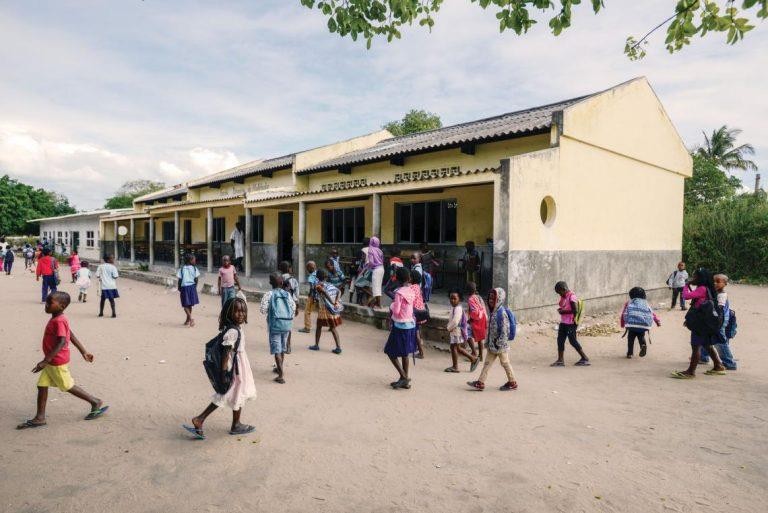
Instalações escolares em Moçambique – Foto de: https://www.unicef.org/mozambique/en/education


Acesso limitado a educação

Moçambique tem demonstrado o seu empenhamento na educação. Aboliu as propinas escolares, forneceu apoio direto às escolas e livros escolares gratuitos no nível primário, bem como fez investimentos na construção de salas de aula. O sector recebe a maior fatia do orçamento do Estado, mais de 15%. Consequentemente, registou-se um aumento significativo das matrículas no ensino primário na última década. No entanto, a qualidade e a melhoria da aprendizagem registaram atrasos. Além disso, as matrículas estagnaram no ensino primário e secundário, apesar do aumento da oferta. Cerca de 1,2 milhões de crianças não frequentam a escola, sendo a maioria raparigas, especialmente no grupo etário do ensino secundário. A avaliação nacional da aprendizagem de 2013 revelou que apenas 6,3% dos alunos do 3.º ano tinham competências básicas de leitura. Um inquérito do Banco Mundial de 2014 mostrou que apenas 1 por cento dos professores do ensino primário tem o conhecimento mínimo esperado e apenas um em cada quatro professores consegue fazer uma subtração de dois dígitos. O absentismo entre os professores é elevado (45%) e entre os diretores (44%). Cerca de metade dos alunos matriculados faltam num determinado dia.

Outro grande desafio é a falta de um serviço de aprendizagem na primeira infância. Estima-se que apenas 5% das crianças entre os 3 e os 5 anos beneficiam destes serviços e que a maioria dos serviços ainda se encontra em zonas urbanas (UNICEF).


Baixa qualidade de educação

A maioria das nações africanas subdesenvolvidas recorre ao suborno em quase todos os serviços públicos, como hospitais, escolas, serviços de polícia e migração, como resultado direto da escassez.

Em termos de qualidade da educação, Moçambique tem uma elevada percentagem de falta de professores formados, com boas competências, tais como formação pedagógica. Devido à escassez e aos baixos salários (mal chegam para sobreviver), na maioria das escolas secundárias e primárias os professores, pais e educadores usam o suborno em troca de boas notas.

Para um professor, custa 116 dólares (ou 58 dólares por dia) uma formação de alta qualidade, de dois dias, sobre o desenvolvimento de materiais de baixo custo, incluindo transporte, pensão completa, propinas e todos os materiaisii.

No entanto, de acordo com Sam Jones (2017)iii, Moçambique, à semelhança de muitos outros países em desenvolvimento, registou aumentos impressionantes no acesso à educação. Desde 2000, o número de crianças que frequentam o ensino primário mais do que duplicou, assim como o número de escolas. As matrículas no ensino secundário também aumentaram rapidamente – em 2004, menos de 8.000 jovens concluíram o ensino secundário (12a classe) em todo o país; em 2014, o número de diplomados ultrapassou os 50.000.

Estas tendências são positivas, mas só mostram metade do quadro. O outro lado do acesso é saber se as crianças estão a aprender quando estão na escola. As evidências aqui são fragmentadas, mas sugerem, em termos gerais, que Moçambique está a ficar muito atrás de muitos dos seus pares de países em desenvolvimento na qualidade, e não na quantidade, da educação que oferece às suas crianças.

Não é difícil perceber porque é que a qualidade da escolaridade é importante. Sistemas educativos fracos criam encargos tanto para os empregadores como para os trabalhadores. Se os certificados de habilitações não forem um bom indicador das competências que uma pessoa possui, os empregadores têm dificuldade em identificar os candidatos adequados e qualificados. Este facto pode levar a uma maior rotatividade e a processos de recrutamento dispendiosos. Pode também levar os empregadores a exigir níveis de educação mais elevados, mesmo quando as tarefas específicas de um emprego não o exigem. Hoje em dia, a mudança tecnológica também está a aumentar a procura de competências – mesmo as empresas de produção com mão de obra intensiva preferem trabalhadores com melhor formação que sejam capazes de operar equipamentos e seguir objectivos de produção.

Um dos principais desafios da educação em Moçambique é garantir que todas as crianças que iniciam o ensino primário o concluam. Dados do Ministério da Educação e Recursos Humanos sugerem que, em cada classe do ensino primário, apenas cerca de 80% das crianças passam diretamente para a classe seguinte. Embora nem todas estas crianças abandonem a escola, a probabilidade de uma criança que inicia o ensino primário completar os sete anos é inferior a 50%. Assim, muitos jovens moçambicanos estão a entrar no mercado de trabalho sem sequer terem completado o ensino primário.

Mas completar o ensino primário não significa que os jovens Moçambicanos aprendam o suficiente através da escolaridade. Isto é revelado por um recente inquérito presencial a crianças em Nampula implementado pela TPC Moçambique, parte da Facilidade-ICDS (Instituto para Cidadania e Desenvolvimento Sustentável). O inquérito segue um modelo originalmente desenvolvido pela Pratham na Índia, atualmente utilizado em muitos países. Os dados destes inquéritos não são estritamente comparáveis, mas são informativos sobre as diferenças gerais.

Utilizando o inquérito, o Quadro 1 compara os resultados obtidos em matéria de literacia e numeracia num conjunto de países. Em todos os casos, as competências testadas referem-se a aptidões retiradas do currículo de cada país que devem ser dominadas pelas crianças depois de completarem dois anos de escolaridade. Verificamos que há muitas crianças a frequentar a 5ª classe que não dominam as competências de nível da 2ª classe. Em Nampula, a maioria das crianças que terminam a primeira fase da escola primária não domina as competências básicas: menos de 1 em cada 3 crianças na 5ª classe consegue ler uma história simples e fazer uma subtração básica. Além disso, os resultados em Moçambique parecem ser substancialmente inferiores aos das crianças da mesma classe noutros países de baixo rendimento.
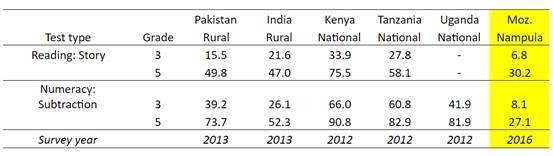
Tabela 1: Percentagem de crianças matriculadas na 3ª e 5ª classes capazes de atingir competências específicas. Adaptado de Jones et al. (2014), acrescentando dados do TPC Moçambique (2017).


A situação preocupante em Moçambique é corroborada por uma investigação do Banco Mundial sobre a qualidade do serviço no sector da educação. Conforme consta no estudo de Bold et al. (2017), que compara resultados em vários países, apenas 38% dos alunos moçambicanos da 4.ª classe eram capazes de reconhecer letras, contra 89% no Quénia e 50% na Nigéria. Sugere-se uma possível razão para esta situação – não só muitos professores estão ausentes da escola e/ou da sala de aula – o que significa que os alunos moçambicanos estão a receber menos de metade das quatro horas recomendadas de ensino por dia – mas também, muitos professores mostram um fraco conhecimento do currículo que devem ensinar.


Para além disso, a JICA (2015:25) faz uma análise comparativa do acesso por grupo, onde aponta, tanto no ensino primário inferior como no superior, que as Províncias de Maputo Cidade, Nampula, Sofala, Niassa e Maputo têm taxas de abandono escolar mais elevadas do que a média nacional. As taxas de repetição são mais elevadas nas províncias de Tete, Sofala, Niassa, Nampula e Manica. Em geral, as províncias do norte e do centro têm taxas de abandono e de repetição mais elevadas do que a média nacional. Em particular, as taxas de repetição na província do Niassa são, em comparação com a média nacional, 4,4 pontos mais altas no ensino primário inferior e 5,1 pontos mais altas no ensino primário superior.

As taxas de abandono por género mostram que as taxas de abandono das mulheres são 0,2 pontos mais altas do que as dos homens, tanto no ensino primário inferior como no superior. Analisando por província, as taxas de desistência das mulheres no ensino primário são mais elevadas nas províncias de Maputo Cidade, Gaza, Inhambane e Maputo, sugerindo que as estudantes do sexo feminino desistem mais do que os seus homólogos do sexo masculino nas regiões do sul do país. Na média nacional, as taxas de repetição das mulheres são 0,3 pontos e 0,4 pontos mais altas do que as dos homens no ensino primário inferior e superior, respetivamente. Por província, todas, exceto a província da Zambézia, apresentam taxas de repetição feminina mais elevadas.

O governo moçambicano tem prestado especial atenção ao género em todas as fases de planeamento do sector, a fim de reduzir a diferença de género. A educação das raparigas tem sido promovida desde o primeiro Plano Estratégico da Educação, e o PEEC 2006-2011 também identificou o ensino primário universal – especialmente com enfoque na educação das raparigas – como uma questão importante. Graças a estes esforços governamentais, a diferença de género no ensino primário foi quase corrigida (PEE 2012-2016, P.41-42iv).


Pobreza e desigualdade

A pobreza é um grande obstáculo à educação em Moçambique, uma vez que muitas famílias não têm meios para pagar as propinas escolares ou despesas relacionadas, tais como uniformes e manuais escolares. Além disso, as raparigas e as crianças das zonas rurais estão frequentemente em desvantagem devido a barreiras sociais e culturais, como o casamento precoce e os papéis tradicionais de género (Chatgpt, 2023).

A pobreza limita a educação em Moçambique em muitas famílias. Os salários normais são, na maioria das vezes, para a alimentação, a necessidade básica. As pessoas têm muitas vezes dificuldades em pagar as despesas da escola e da faculdade, razão pela qual os pequenos negócios informais são uma saída.
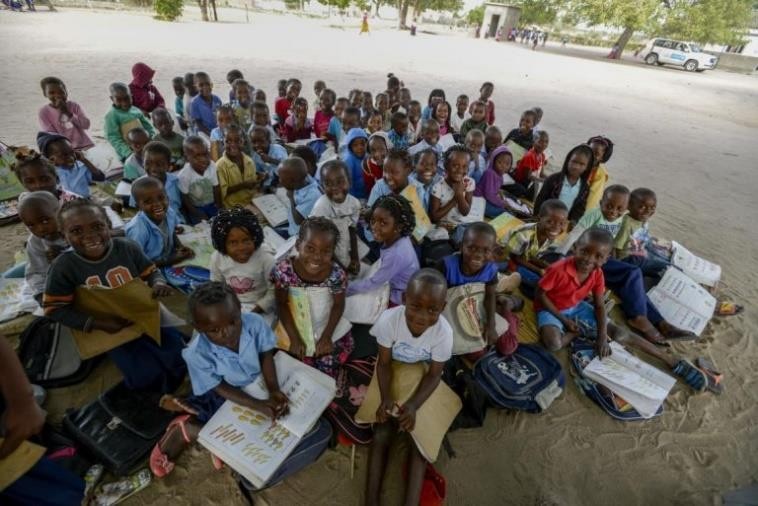
Crianças em idade escolar em Moçambique – Foto de: https://www.unicef.org/mozambique/en/education

Recursos limitados

Para que a educação seja bem sucedida, não é suficiente garantir que as crianças frequentem a escola, mas é também importante que aprendam enquanto estão na escola. A expansão do ensino primário, devido aos recursos limitados, exerce pressão sobre a qualidade do ensino. As crianças e os pais queixam-se frequentemente da baixa qualidade das infra-estruturas, da falta de disponibilidade de livros e do aumento do número de alunos por turma (Moz policy note, 2012:3).

Para Bonde e Matavel (2022:2), o financiamento da educação é um dos problemas que a maioria dos países subdesenvolvidos enfrenta diariamente. Muitos destes países são economicamente dependentes devido à fragilidade dos seus respectivos Estados e à sua condição pós-colonial (Crossley, 2001; Williams, 2009). Vieira, Vidal e Queiroz (2021) argumentam que “o financiamento da educação é um tema central do debate sobre política educacional. Longe de ser exaustivamente discutido pela literatura da área, representa um desafio fecundo e permanente à reflexão” (Vieira; Vidal; Queiroz, 2021, p. 1).

No caso de Moçambique, desde a independência do país, em 1975, o Governo tem enfrentado problemas no financiamento da sua educação. Sobre esta realidade, Oliveira (1995) afirma que “viabilizar uma educação pública democrática e de qualidade implica providenciar fontes de financiamento” (Oliveira, 1995, p. 76) ver página 2.

A dificuldade de financiamento da educação moçambicana levou a que se solicitasse aos seus parceiros internacionais que ajudassem neste sector. Numa primeira fase, os financiamentos externos vieram de vários países (bilaterais e multilaterais), desde o período de orientação socialista (1975-1986) e na fase posterior de multipartidarismo (1990). Estes financiamentos foram direcionados para o Orçamento Geral do Estado até 2001. Em 2002, foi criado o Fundo de Apoio ao Setor da Educação (FASE), que constitui o principal instrumento de canalização de fundos externos para o sector. “O Fundo Comum (FASE) é o instrumento mais alinhado para a canalização de fundos externos para o financiamento do plano anual do sector, utilizando os procedimentos e instrumentos do Estado em matéria de planificação, execução e monitoria”, refere o Ministério da Educação e Desenvolvimento Humano (MINEDH, 2010, p. 56). pág. 2

O Fundo Comum (FASE), através do qual é canalizada a maior parte do financiamento externo ao sector, contribui para o financiamento de programas-chave centrados no financiamento de programas para o ensino básico, tais como o livro escolar, o apoio direto às escolas, a formação de professores, a supervisão e a construção acelerada de salas de aula. Metade da despesa do FASE é contínua.

Entre os muitos objectivos do FASE, destacam-se os seguintes: [1] – atingir o Objetivo de Desenvolvimento do Milénio; [2] – atingir o Ensino Primário Universal para todos; e [3] – assegurar a conclusão do ensino primário para todas as crianças em 2015. A FASE foi criada pela Iniciativa Acelerada de Educação para Todos (FTI). A FTI segue o compromisso da comunidade internacional estabelecido no 4º Fórum Mundial de Educação para Todos, em Dakar, afirmando que nenhum país empenhado em providenciar educação básica para todos e com um plano credível estaria limitado a atingir este objetivo devido à falta de recursos financeiros (MINEDH, 2010, p. 8). Assim, foi pelo FTI que foi introduzido o Apoio Direto às Escolas (ADE). Hanlon (1997) considera que “Moçambique tornou-se o país mais dependente da ajuda externa e provavelmente ainda o é” (Hanlon, 1997, p. 15). Abrahamsson e Nilsson (1994) afirmam que “Moçambique encontra-se atualmente numa situação consideravelmente pior do que na altura da independência” (Abrahamsson; Nilsson, 1994, p. 73). Entendemos que o país deve reduzir a ajuda externa e criar as suas próprias fontes de investimento para a educação e outras áreas sociais e económicas, pois os problemas locais devem ter soluções locais. Enquanto os parceiros continuarem a financiar a educação, eles continuarão a delinear as políticas educativas de Moçambique e dificilmente sairemos desta dependência externa.

Os documentos do Banco Mundial evidenciam esta realidade. O Relatório de Monitoria Global da Educação para Todos refere que “os modelos externos de boas práticas educativas, defendidos sem muita convicção por diferentes grupos de agências, não estão geralmente suficientemente sintonizados com as circunstâncias locais” (UNESCO, 2005, p. 23). Incapaz de gerir e financiar a educação, o Governo moçambicano optou pela privatização do ensino desde 1990 para se livrar dos encargos financeiros. Assim, Moçambique esqueceu-se que não há uma única experiência no mundo que tenha desenvolvido altos padrões educacionais com discursos, mas com recursos. Silva e Oliveira (2020) afirmam que “[…] quando os governos se baseiam na privatização para expandir o acesso à educação, essa abordagem pode entrar em conflito com a promoção do acesso universal, especialmente para as populações mais marginalizadas” (Silva; Oliveira, 2020, p. 14).


Falta de um currículo relevante

O currículo em Moçambique é frequentemente considerado desatualizado e não relevante para as necessidades dos estudantes ou da economia. Isto pode levar a um desfasamento entre as competências que os alunos aprendem na escola e as competências exigidas pelos empregadores, limitando as suas oportunidades de emprego futuro (Chatgpt, 2023).

Moçambique registou progressos impressionantes na melhoria do acesso ao ensino primário inferior e superior desde as reformas educativas de 2004, que aboliram todas as propinas do ensino primário nacional, forneceram manuais escolares gratuitos e introduziram um novo currículo, mantendo ao mesmo tempo o ritmo elevado de construção de escolas e de formação de professores. O número de matrículas nas escolas primárias aumentou, uma vez que a combinação de custos mais baixos e a oferta de escolas aumentou o acesso, especialmente para as famílias mais pobres. O estudo mostra que, no ensino primário inferior (EP1), o acesso melhorou mais e que a reação às reformas foi mais elevada para as famílias mais pobres, enquanto no ensino primário superior (EP2), os ganhos para as famílias pobres foram limitados. Em geral, o sistema primário tornou-se mais inclusivo (Nota de política de Moçambique, 2012:2).

Para concluir, Moçambique é uma nação subdesenvolvida cujos desafios educacionais têm de lidar com a pobreza, a qualidade, o acesso limitado e os recursos limitados. No entanto, há alguns bons resultados no acesso à educação nas comunidades rurais, como em Nampula, onde algumas organizações, como a “Girl Move”, têm trabalhado com raparigas jovens. Mais poderia ser feito para reduzir estes desafios, como por exemplo, o governo investir mais dinheiro na educação, aumentar os salários dos professores e a qualidade das competências, o que consequentemente melhoraria a educação das crianças e dos jovens.


Referências


Abrahamsson, Hans; Nilsson, Anders. Moçambique em transição: um estudo da história de desenvolvimento durante o período de 1974-1992. Maputo: Padrigu, 1994.

Crossley, Michael. Cross-cultural inssue, small states and research: Capacity Building in Belize. International Jounal of Education Development, v. 21, n. 3, p. 217- 229, 2001. Hanlon, Joseph. Paz sem Beneficio. Como o FMI Bloqueia a Reconstrução de Moçambique. Maputo: Centro de Estudos Africanos, Universidade Eduardo Mondlane, 1997. (Coleção Nosso Chaão).

Japan International Cooperation Agency: Study on Basic Education Sector in Africa Mozambique. Basic Education Sector Analysis Report. 2015.

MINED: Manual de Apoio a ZIP. 2010.

Mozambique Policy Note: Education Reform in Mozambique: Lessons and Challenges. 2012.

Oliveira, Romualdo P. Educação e Cidadania: o Direito à Educação na Constituição de 1988 da República Federativa do Brasil. 1995. Tese (Doutorado em Educação) – Programa de Pós-Graduação em Educação, Universidade de São Paulo, 1995.

Rui Amadeu Bonde and Princidónio Abrão Matavel: Education Financing in Mozambique and its Challenges. Universidade de São Paulo (USP), São Paulo/SP Brazil & Universidade Federal de São Carlos (UFSCar), São Carlos/SP – Brazil. 2022.

Silva, Rui da; Oliveira, Joana. Privatização da educação em 24 países africanos: tendências, pontos comuns e atípicos. Educação & Sociedade, Campinas, v. 41, 2020.

UNESCO. Organização das Nações Unidas para a Educação, a Ciência e a Cultura. Educação para todos: o imperativo da qualidade. Relatório de monitoramento global. Brasília, DF: Unesco; São Paulo: Moderna, 2005.

Vieira, Sofia Lerche; Vidal, Eloisa Maia; Queiroz, Paulo Alexandre Sousa. Financiamento e Expansão do

Ensino Médio: o caso da diversificação da oferta no Ceará. EccoS – Rev. Cient., São Paulo, n. 58, p. 1-23, jul./set. 2021.


  1. https://chat.openai.com/chat 27 de fevereiro de 2023 12:36
  2. https://www.unicef.org/mozambique/en/education 27 de fevereiro de 2023 13:22
  3. https://www.wider.unu.edu/publication/has-quality-mozambique%E2%80%99s-education-been-sacrificedaltar-access 04 de março de 2023 22:05
  4. https://www.portaldogoverno.gov.mz/por/Imprensa/Noticias/Plano-Estrategico-da-Educacao-PEE-2012-20169-no-ultimo-ano-de-implementacao Março de 2023 11:40


(French) Edu Challenges in Spain

Les défis éducatifs en Espagne

Rédigé par María Núñez Fontain

Traduit par Anis Mami


« UN BATEAU SANS CAPITAINE EST CONDAMNÉ À COULER ».

L’Espagne est un pays développé et membre de l’Union européenne, ce qui lui confère un avantage certain en termes de niveau d’éducation et de ressources. Pourtant, en regardant de plus près le système éducatif espagnol, on s’aperçoit rapidement que ce n’est pas le cas.

À première vue, le problème principal de l’Espagne semble être clair: malgré de nombreuses tentatives de modernisation et d’adaptation du programme éducatif, celui-ci semble toujours éloigné et détaché des demandes de sa société.[1] En raison de la décentralisation de l’État, cela s’est également avéré problématique lorsqu’il s’est agi d’atteindre l’unité et l’égalité.

En 2021, l’Espagne a introduit la LOMLOE,[2], la nouvelle loi sur l’éducation qui s’appuie sur la précédente – la LOE – et oblitère la législation précédente, la LOMCE. Cette nouvelle loi met l’accent sur le développement durable, l’égalité des sexes, les droits de l’enfant, la transformation numérique et l’adoption d’une approche transversale pour garantir le succès grâce à une amélioration constante.


TAUX D’ABANDON

Les élèves espagnols ont tendance à obtenir de faibles résultats aux tests PISA, bien qu’ils soient l’un des pays qui consacrent le plus de temps aux salles de classe[3] Le PISA est un test qui mesure le niveau d’éducation des jeunes de 15 ans et qui a lieu tous les trois ans. Ces faibles résultats reflètent la méthode d’enseignement de l’Espagne, qui met l’accent sur la mémorisation d’informations et non sur le développement de l’autonomie et de la capacité à résoudre des problèmes. Un autre problème qui peut être lié aux faibles résultats de l’Espagne est le fait qu’elle a actuellement le taux d’abandon scolaire le plus élevé de toute l’Union européenne, car les méthodes d’enseignement actuelles rendent difficile le maintien de la motivation et de l’intérêt des élèves[4]. Malheureusement, cette apathie se répercute également sur les enseignants, qui devraient être ceux qui suscitent l’intérêt des élèves, mais qui, en même temps, devraient être motivés eux-mêmes.

Le taux d’abandon scolaire précoce a atteint 14 % en 2012, soit 5 % de plus que l’objectif de l’UE pour 2030, qui est fixé à 9 %. Ce chiffre fait de l’Espagne le deuxième pays d’Europe qui compte le plus grand nombre de personnes âgées de 18 à 24 ans sans éducation ni formation de base[5], ce pourcentage étant le plus élevé parmi les élèves dont les mères n’ont pas terminé leurs études primaires[6]. En fin de compte, cela reflète le plus grand défi auquel est actuellement confronté le système éducatif espagnol: la ségrégation socio-économique.


LA SÉGRÉGATION SOCIO-ÉCONOMIQUE

La Commission européenne et les Nations unies ont demandé à plusieurs reprises à l’Espagne de s’attaquer à ce problème, et la disparité socio-économique a également été ciblée dans un rapport du rapporteur spécial de l’ONU sur l’extrême pauvreté et les droits de l’homme en 2020. Avant d’en analyser le contenu, cet article propose un bref aperçu de la situation socio-économique de l’Espagne en matière d’éducation.

Lorsque l’on aborde les lacunes en matière d’éducation, les débats tournent souvent autour d’aspects tels que la religion en tant que matière scolaire ou l’utilisation stricte des langues officielles de l’État[7] Ces deux questions, bien que pertinentes, sont très éloignées du problème immédiat. L’Espagne présente des taux élevés d’inégalité, d’échec scolaire, de manque de ressources financières et de ségrégation scolaire pour des raisons socio-économiques[8].

En Espagne, les écoles publiques accueillent un pourcentage élevé d’immigrés et d’élèves issus de familles à faibles revenus, ce qui ne fait qu’accroître la corrélation entre la qualité de l’enseignement et les ressources financières pour se l’offrir – transformant finalement les écoles publiques en « guettos » aux possibilités limitées pour leurs élèves et leurs enseignants[9].

Avec la nouvelle législation, les critères de sélection des élèves dans les écoles publiques et privées relèveront de l’administration publique, ce qui semble être une tentative de combler ce fossé. Malgré cela, le manque de sensibilisation – ou de volonté de le faire – doit être abordé en premier lieu si l’on veut discuter de solutions.


Garçon marchant avec un sac à dos en Espagne. Photographié par Jesús Rodríguez (2017)


LE RÔLE DES ENSEIGNANTS

Il est un défi qui fait l’objet d’un consensus presque universel: le rôle des enseignants. En tant que personnes chargées de guider les élèves dès leur plus jeune âge, les enseignants ne reçoivent souvent pas le respect qu’ils méritent, la fréquentation de l’école étant considérée comme une « corvée » en Espagne. Cela peut s’expliquer par la formation que reçoivent les enseignants eux-mêmes, qui se concentre sur les aspects institutionnels mais ne leur donne pas les outils nécessaires d’un point de vue pédagogique[10].

En outre, la profession d’enseignant présente un pourcentage élevé d’instabilité, ce qui les empêche de se développer professionnellement[11], ce qui est exacerbé par les nombreux changements dans les lois éducatives qui ont eu lieu ces derniers temps, un sujet commun de préoccupation et de condamnation parmi les enseignants. L’éducation étant souvent utilisée comme une arme politique, sa législation évolue avec les différents gouvernements.

Broken Chalk a eu l’occasion d’interviewer Raúl Prada, chef du département des langues d’une école en Espagne. Ses réponses permettront au lecteur d’avoir une meilleure idée des défis auxquels l’Espagne est actuellement confrontée en matière d’éducationdu point de vue d’un enseignant qui, comme il le déclare lui-même, est « amoureux de sa profession ».


Q. Selon vous, quels sont les principaux défis éducatifs en Espagne?

Je pense que les principaux défis auxquels l’éducation en Espagne est confrontée sont liés à un taux d’encadrement excessif dans les classes, ce qui empêche l’enseignant d’apporter une attention personnalisée. Avec l’augmentation du nombre d’élèves ayant des besoins éducatifs particuliers dans chaque classe, le problème s’aggrave: ce sont précisément ces élèves qui souffrent le plus de cette incapacité à leur offrir un accompagnement adapté, ce qui contribue à les éloigner davantage de leur intégration dans la société.


Q. Pensez-vous qu’il existe en Espagne un problème de ségrégation socioéconomique dans l’éducation? Pourquoi ou pourquoi pas?

La ségrégation socio-économique est clairement liée à ce qui a été mentionné ci-dessus, puisque la surcharge des classes à tous les niveaux fait que les élèves ayant davantage de difficultés personnelles, sociales et économiques se retrouvent dans une situation d’infériorité manifeste par rapport à ceux dont les familles peuvent se permettre un soutien extérieur. Cela devient encore plus évident dans les familles qui n’ont pas les moyens de permettre à leurs enfants de participer à des activités extrascolaires.


Q. Avez-vous été témoin de cas de ségrégation socio-économique?

Ce qui précède est une réalité quotidienne dans toutes les salles de classe en Espagne: un trop grand nombre d’élèves nécessitant une attention plus individualisée et des enseignants qui, malgré tous leurs efforts, ne peuvent donner davantage, ce qui engendre chez eux une grande frustration.


Q. Comment pensez-vous que les enseignants sont perçus dans le système éducatif espagnol?

Le rôle de l’enseignant en Espagne a été progressivement dévalorisé sur le plan social, devenant peu considéré par certaines familles qui remettent en question leurs décisions et, bien souvent, loin de les aider, entravent leur travail. Cette situation est aggravée par l’Administration, qui augmente chaque année la charge bureaucratique, oubliant que l’objectif principal d’un enseignant est d’éduquer.


Q. Quelles mesures ou idées proposeriez-vous pour améliorer la situation des enseignants?

Les solutions principales, selon mon expérience personnelle, seraient tout d’abord de réduire le nombre d’élèves par classe, et ensuite de diminuer la charge administrative et bureaucratique qui pèse sur l’éducation et les établissements scolaires.


Q. Souhaitez-vous partager une expérience – positive, négative ou les deux – en lien avec votre rôle d’enseignant?

Je suis une personne positive et passionnée par mon métier, donc toutes les expériences que je peux partager sont positives. Je garde toujours à l’esprit ce que mes élèves me confient et je m’efforce d’être à l’écoute de leurs besoins. Je ressens qu’ils l’apprécient et le reconnaissent. Cependant, je regrette toujours de ne pas pouvoir faire plus pour ceux qui en ont le plus besoin.


Q. D’un point de vue personnel, comment percevez-vous l’évolution du système éducatif depuis vos débuts dans l’enseignement, et pourquoi selon vous?

Malheureusement, l’évolution du système éducatif espagnol au cours des 25 dernières années est très faible, voire inexistante. La raison principale en est que les différents gouvernements successifs ont fait de l’éducation un instrument politique, approuvant successivement huit lois différentes en 25 ans. Ces lois ont souvent été adoptées sans chercher le consensus politique global, mais en fonction des intérêts partisans.

Chaque parti a ainsi approuvé une loi « sur mesure », qui a ensuite été abrogée dès qu’un parti d’idéologie différente arrivait au pouvoir.

Cela a provoqué une grande instabilité dans le système éducatif espagnol et introduit des changements sans suivi. L’Espagne a urgemment besoin d’une loi éducative fondée sur un consensus général et permanent, même si elle peut être ajustée ponctuellement.


Q. Avez-vous un message ou une réflexion à partager en tant qu’enseignant ?

En tant qu’enseignant, je dirais que la seule façon de tenir au quotidien est l’amour du métier et la dévotion envers ses élèves. Il faut parvenir à mettre de côté les obstacles qui s’accumulent chaque jour, car sinon, la démotivation et le sentiment d’impuissance risquent de s’installer durablement en nous.


RAPPORTEUR SPÉCIAL DES NATIONS UNIES SUR L’EXTRÊME PAUVRETÉ ET LES DROITS DE L’HOMME

Toutes les préoccupations mentionnées – et d’autres encore – ont été résumées dans le rapport du Rapporteur spécial des Nations Unies sur l’extrême pauvreté et les droits de l’homme, rédigé lors de sa visite en Espagne.[12]

Le Rapporteur commence par rappeler que « l’éducation et la pauvreté sont étroitement liées ». En effet, les ressources socio-économiques d’une famille déterminent les écoles accessibles à ses enfants, et les établissements publics se retrouvent surchargés d’élèves issus de milieux défavorisés et de l’immigration, pour lesquels un enseignement de qualité ne peut être garanti.

Cette situation s’explique aussi par le manque d’investissements publics dans l’éducation qui, bien que gratuite, ne reçoit pas les moyens correspondant à son importance stratégique.[13] Le Rapporteur conclut justement que « la ségrégation scolaire accroît le redoublement, l’échec scolaire et les abandons, réduit les résultats aux évaluations et affecte négativement les ambitions des élèves quant à la poursuite d’études universitaires ». Enfin, le rapport cite une étude de Save the Children (2018): « Concentrer les enfants issus des milieux les plus pauvres dans les mêmes écoles ne constitue pas une recette pour la réussite scolaire ni pour sortir de la pauvreté. » [14]


Le rapporteur spécial des Nations unies Philip Alston en Espagne. Photo d’Olivier de Schutter (2020)


CONCLUSION

En examinant le système éducatif espagnol, il est apparu qu’il présentait plusieurs défauts. Tout d’abord, non seulement le programme est dépassé, mais il ne parvient pas à motiver les élèves et à prévenir – ou du moins à atténuer – les taux élevés d’abandon scolaire. Deuxièmement, les écoles espagnoles ne répondent pas aux besoins de la population: toutes les écoles ne disposent pas des mêmes ressources et tout le monde ne peut pas se permettre de fréquenter n’importe quelle école. Au lieu de corriger cette tendance, elle a été exacerbée ces dernières années, faisant des écoles un miroir du statut social des élèves et de leurs antécédents. Cela empêche effectivement la mise en place d’un système fondé sur l’égalité des chances.

En outre, les personnes chargées de dispenser l’enseignement ne sont pas suffisamment motivées. La stabilité de leur emploi n’est pas assurée et le manque de ressources ou leur mauvaise répartition empêche les enseignants d’accorder une attention personnalisée aux élèves. Tout cela contribue à créer un environnement général d’apathie qui a un impact sur les deux parties (élèves et enseignants). Enfin, tant que l’éducation restera un outil politique, ajustable aux idéologies du parti politique dominant, elle restera un élément discret au lieu d’être une priorité, et l’Espagne continuera à souffrir d’une éducation de faible qualité et de l’incapacité d’obtenir des résultats efficaces.

Références

  1. Toni García Arias (2020). Las grandes miserias de la Edcuación en España. Site web de Magisterio. Disponible à l’adresse: https://www.magisnet.com/2020/09/las-grandes-miserias-de-laeducacion-espana/
  2. Ley Orgánica 3/2020 29 Diciembre enmendando Ley Orgánica 2/2006 3 de mayo.
  3. Elisa Silió (2019), Bad education ? Pourquoi l’augmentation du temps de classe n’a pas amélioré les résultats scolaires en Espagne. Site web d’El País. Disponible à l’adresse: https://english.elpais.com/elpais/2019/09/12/inenglish/1568287867_870130.html
  4. Olga R. Sanmartín (2014). Los seis grandes fallos del sistema educativo español. Site web d’El Mundo. Disponible à l’adresse: https://www.elmundo.es/espana/2014/09/11/5411e1f5e2704e33458b4576.html[CT1]
  5. Eurostat (2023) Les sortants précoces de l’éducation et de la formation. Site web d’Eurostat Statiscis Explained. Disponible à l’adresse : https://ec.europa.eu/eurostat/statisticsexplained/index.php?title=Early_leavers_from_education_and_training. [CT2]
  6. Ignacio Zafra (2023). La OCDE hace un duro diagnóstico de la educación española y da cinco ideas para mejorarla. Site web d’El País. Disponible à l’adresse: https://elpais.com/educacion/202306-13/la-ocde-hace-un-duro-diagnostico-del-sistema-educativo-espanol-y-da-cinco-ideas-paramejorarlo.html
  7. David Cobo (2020) Los problemas de la educación en España no son los que se están hablando. Alcalá Hoy website. Disponible à l’adresse : https://www.alcalahoy.es/2020/11/27/los-problemas-de-laeducacion-en-espana-no-son-los-que-se-estan-hablando-por-david-

cobo/#:~:text=Los%20principales%20problemas%20de%20la%20educación%20en%20España%20s on%20la,segregación%20escolar%20por%20cuestiones%20socioeconómicas.

  1. Moniteur de l’éducation et de la formation (2021), Commission européenne. Disponible à l’adresse

: https://op.europa.eu/webpub/eac/education-and-training-monitor-2021/en/spain.html

  1. Ana Torres Mernárguez, Jessica Mouzo (2019). La Catalogne lutte contre la ségrégation socioéconomique à l’école. Site web d’El País. Disponible à l’adresse : https://english.elpais.com/elpais/2019/03/19/inenglish/1552993173_554308.html#?rel=mas
  2. Francisco Michavila, Antonio Narejos (2021). Algunas debilidades del sistema educativo español. Fundación 1º de Mayo. Disponible à l’adresse: https://anele.org/ventana-de-anele/algunasdebilidades-del-sistema-educativo-espanol
  3. Marta Medina (2021). Pourquoi l’éducation est-elle de plus en plus mauvaise en Espagne ? Habla

(mal) un profesor de instituto. Site web d’El Confidencial. Disponible à

l’adresse: https://www.elconfidencial.com/cultura/2021-03-10/borregos-que-ladran-juanizuzkiza_2983644/

  1. A/HRC/44/40/ADD.2 (2020) Visite en Espagne – Rapport du rapporteur spécial sur l’extrême pauvreté et les droits de l’homme. Disponible à l’adresse:

https://www.ohchr.org/en/documents/country-reports/ahrc4440add2-visit-spain-report-specialrapporteur-extreme-poverty-and

  1. Réseau européen de lutte contre la pauvreté (2020). Observatoire de la pauvreté en Espagne

2019. Disponible à l’adresse: https://www.eapn.es/publicaciones/367/poverty-watch-2019 pp. 32-33.

[14] Save the Children (2018). Mézclate conmigo. De la segregación económica a la educación inclusiva. Site web de Save the Children. Disponible à l’adresse: https://www.savethechildren.es/publicaciones/mezclate-conmigo


(Spanish) Edu Challenges in USA

Escrito por Dimitrios Chasouras y Jimena Villot López


Introducción

Los Estados Unidos de América es uno de los países más ricos del mundo, con un PIB de 25 billones de dólares en 2022.i Sin embargo, en 2020, el gasto en educación fue del 12,7 % del gasto total del gobierno ese año.ii Esta asignación presupuestaria refleja el sistema de financiación de las escuelas en EE.UU., donde el apoyo financiero se divide entre los ingresos del gobierno y los recursos locales, lo que vincula los presupuestos escolares a sus respectivos distritos. Este modelo de financiación crea una gran brecha en las oportunidades educativas disponibles para los estudiantes. Las escuelas en áreas más ricas, con bajos porcentajes de pobreza, se benefician de un gasto significativamente mayor por estudiante, en contraste con aquellas en zonas económicamente desfavorecidas, que cuentan con presupuestos más bajos. Los efectos de esta brecha en la educación son cada vez más evidentes en la vida y el rendimiento académico de los estudiantes.

Otro problema abordado en este artículo es la constante presencia de casos de violencia armada en las escuelas, que constituye otro de los mayores desafíos a los que se enfrentan las instituciones educativas en Estados Unidos. La combinación de limitaciones de recursos y preocupaciones de seguridad provocadas por la violencia armada representa una amenaza multifacética para el bienestar y la seguridad de los estudiantes en todo el país. Ambos problemas se tratarán por separado, abordando las complejidades que los rodean, junto con posibles medidas para solucionarlos, o al menos intentarlo. Es importante recordar que la educación es vital en el desarrollo de un niño y, por lo tanto, es fundamental que estos problemas se tomen en serio. Además, es necesaria la atención por parte del gobierno y de las autoridades locales para implementar estrategias integrales (como planes financieros, medidas de seguridad y apoyo en salud mental) que garanticen la seguridad y el bienestar de todos los estudiantes, independientemente de su origen socioeconómico o étnico.


Violencia armada y consecuencias en las escuelas

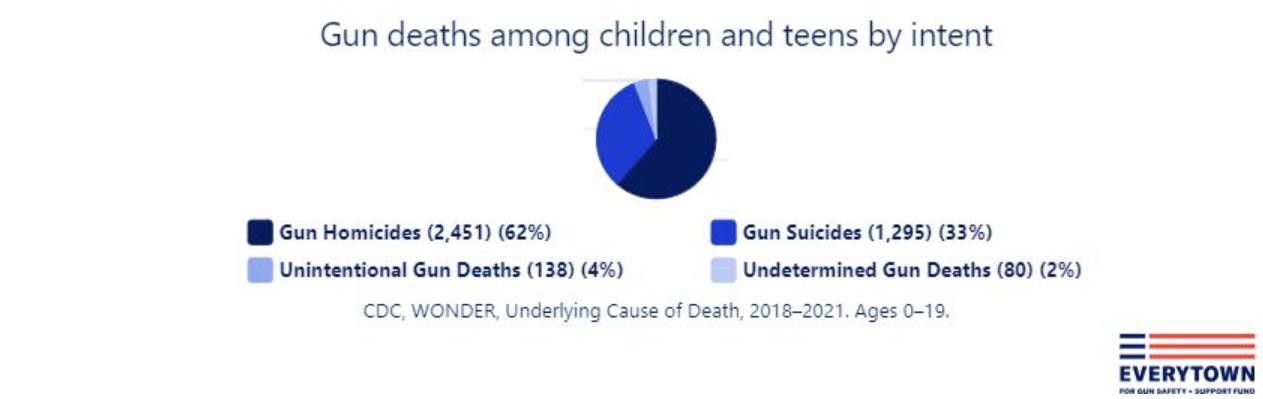
Con aproximadamente el 50 % de los hogares estadounidenses teniendo al menos un arma de fuego registrada y un aumento exponencial en la fabricación de armas,iii los incidentes de violencia armada han aumentado drásticamente en los últimos años, tanto en los hogares como en espacios públicos, incluidas las escuelas. Los incidentes incluyen suicidios, agresiones y tiroteos escolares, lo que ha convertido a las armas de fuego en la principal causa de muerte entre niños y adolescentes. El 76 % de los tiroteos escolares han sido perpetrados por estudiantes que obtuvieron armas de sus propios hogares o de familiares.iv En comparación con otros países de altos ingresos, los niños de entre 5 y 14 años tienen 21 veces más probabilidades de recibir un disparo, mientras que los adolescentes de entre 15 y 24 años tienen 23 veces más probabilidades.v Además, alrededor de 4,000 niños y adolescentes (de entre 0 y 19 años) son asesinados cada año por armas de fuego, mientras que 15,000 resultan heridos, lo que equivale a un promedio de 53 niños heridos por día. Estas estadísticas evidencian un problema grave que afecta la vida cotidiana tanto de adultos como de menores en los Estados Unidos. Los sobrevivientes de la violencia armada deben enfrentarse a una multitud de problemas psicológicos y mentales, como el miedo a la muerte y el trastorno de estrés postraumático (TEPT),vi lo cual puede llevar a comportamientos violentos y al abuso de drogas o alcohol.

Para combatir la violencia armada en los centros escolares, algunos estados han aprobado leyes que permiten, e incluso obligan, la posesión autorizada de armas en el campus.vii Las escuelas, colegios y universidades aún tienen la decisión final sobre las políticas de seguridad con armas (por ejemplo, la posesión de armas por parte del personal escolar), pero debido al aumento de incidentes, las legislaturas estatales continúan promoviendo dichas políticas. La mayoría de los intentos por reducir los tiroteos escolares han sido reacciones posteriores, como campañas gráficas llamativas, mentoría de adultos y compañeros, entre otros.viii De todas las opciones, las soluciones basadas en la comunidad son las más sugeridas, ya que tienden a adaptarse mejor a los problemas específicos que enfrenta cada estado, escuela o distrito. Desafortunadamente, ciertos distritos no pueden aplicar tales programas debido a la falta de fondos.

Los resultados de las políticas y programas mencionados no han logrado grandes cambios en la frecuencia de los incidentes con armas, y la mayoría de los estudiantes se sienten cada vez más amenazados e intimidados.ix Las escuelas que han implementado programas de seguridad armada, han autorizado la posesión de armas o han incrementado la presencia de las fuerzas del orden han asumido costos financieros adicionales que no pueden cubrir. Al mismo tiempo, los estudiantes que participan en simulacros de tiroteos experimentan mayores niveles de depresión, estrés, ansiedad y miedo a morir.

Algunos investigadores sugieren que leyes de armas más estrictas tienen efectos contrarios a los esperados, como una disminución en la probabilidad de faltar a clases por miedo, portar un arma en el campus o resultar herido.x

Los desafíos derivados de la violencia armada y las soluciones propuestas afectan de forma desproporcionada a los estudiantes según su origen étnico.xi En particular, los adolescentes negros tienen 17 veces más probabilidades de morir por homicidio y 13 veces más probabilidades de ser hospitalizados por agresión con arma de fuego en comparación con adolescentes blancos; mientras que los jóvenes latinos tienen 2,7 veces más probabilidades de morir por homicidio.xii Estas estadísticas se mantienen incluso dentro de los mismos estados y ciudades, lo que crea desafíos desiguales entre estudiantes. Las decisiones políticas existentes y la falta de inversión en ciertas zonas urbanas han dejado a las comunidades afroamericanas y latinas con dificultades para implementar programas o brindar apoyo a las víctimas debido a la falta de recursos, pobreza y desempleo, lo que ha provocado un aumento de la violencia armada en los últimos años.xiii

El gráfico proviene de CDC, Wonder.


Incluso cuando se implementan leyes de seguridad armada, los estudiantes afroamericanos tienden a sentirse más amenazados por la presencia de armas y fuerzas de seguridad en el campus en comparación con otros grupos. xiv Por otro lado, los estudiantes blancos, aunque tienen menos probabilidades de morir por violencia armada, corren un mayor riesgo de suicidio cuando hay armas presentes en su hogar y/o escuela. Evidentemente, la violencia armada plantea desafíos significativos para estudiantes en todo Estados Unidos, aunque las comunidades y grupos étnicos experimentan distintos tipos y niveles de amenaza. Esto ha afectado el rendimiento escolar general en términos de asistencia, notas, tasas de graduación, sensación de seguridad y percepción del riesgo.

Consecuencias de la falta de financiación en el proceso de aprendizaje

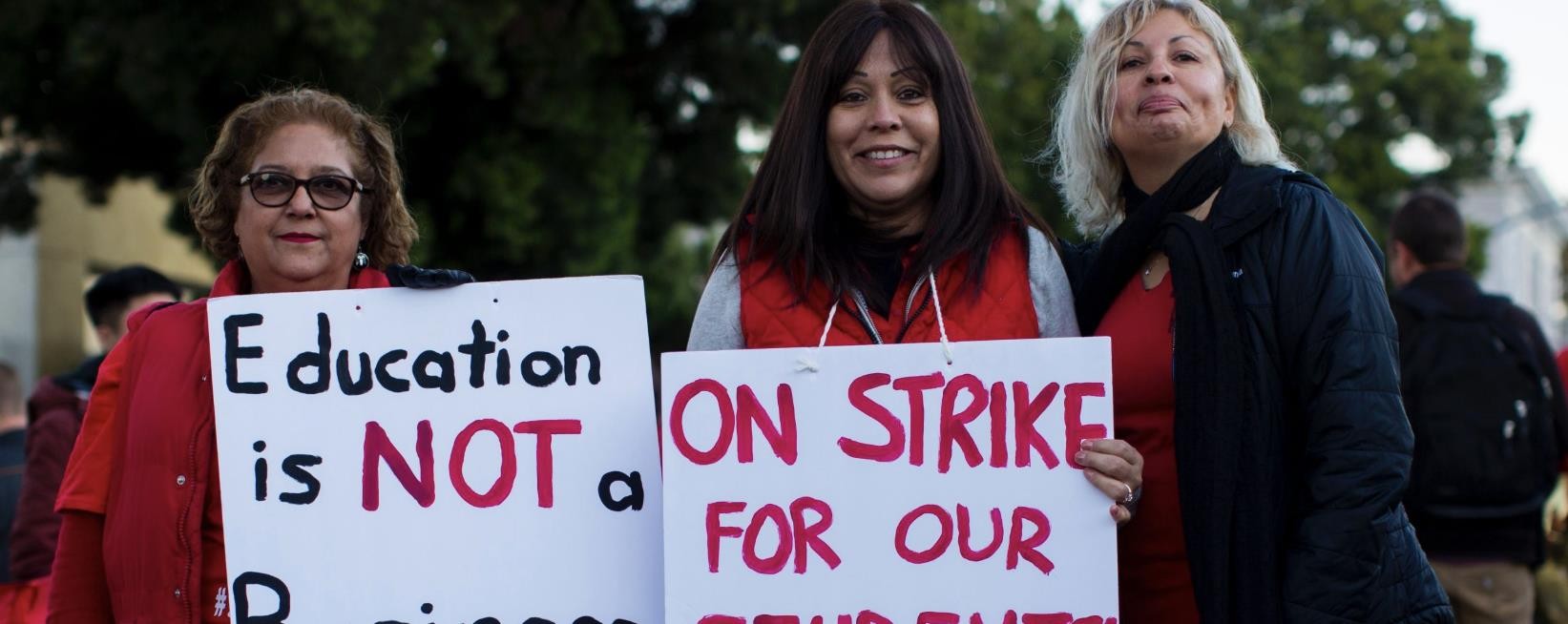
Manifestación de profesores por la financiación de la educación en Los Ángeles. Foto de LaTerrian McIntosh en Unsplash.


Desde el siglo XIX, las escuelas públicas en Estados Unidos han sido financiadas principalmente por fuentes locales y estatales, siendo los impuestos a la propiedad la fuente principal de financiación local.xv Esto significa que el dinero utilizado para financiar una escuela en un determinado distrito proviene de los impuestos a la propiedad pagados por los propietarios de viviendas en ese mismo distrito. La ventaja de este modelo es que garantiza un control local, lo que permite asignar el presupuesto según las necesidades y prioridades específicas de cada comunidad escolar. Sin embargo, también conlleva desventajas significativas.

La financiación de la educación depende en gran medida de los impuestos a la propiedad, lo que genera desigualdades entre escuelas en zonas ricas y en zonas desfavorecidas. Este modelo ha dejado a muchas escuelas luchando por proporcionar los recursos y oportunidades que los estudiantes necesitan. Las escuelas en vecindarios acomodados, o incluso aquellas con menos estudiantes de bajos ingresos, reciben significativamente más financiación por estudiante que las que se encuentran en zonas con altos índices de pobreza. Por ejemplo, en 2020 en Illinois, la Escuela Primaria Golfview atendía a 550 estudiantes, de los cuales el 86 % eran considerados de bajos ingresos. Por otro lado, la Escuela Primaria Algonquin Lakes tenía 425 estudiantes, con menos del 50 % considerados de bajos ingresos, y Algonquin recibía más de 2.000 dólares más por estudiante cada año que Golfview.xvi Esto implica que las necesidades educativas de los niños en Algonquin tienen más probabilidades de ser satisfechas, mientras que los estudiantes de Golfview quedan en desventaja.

Otra de las consecuencias de las desigualdades en la financiación es la escasa remuneración que reciben los educadores. Para llegar a fin de mes, muchos docentes se ven obligados a trabajar en varios empleos. La demanda de un salario digno es cada vez mayor, ya que los educadores comprometidos necesitan poder dedicar toda su energía a su trabajo en lugar de preocuparse por su estabilidad financiera. Esto va más allá de una compensación justa: también afecta la calidad de la enseñanza.

La escasez de maestros está agravando los problemas en las escuelas públicas. Las escuelas con más recursos económicos, con estudiantes provenientes de familias de altos ingresos, tienden a contratar maestros más experimentados y calificados, lo cual también implica costos más elevados. Desde la pandemia, muchas escuelas han tenido dificultades para contratar maestros calificados, y la mayoría de las escuelas en zonas de bajos ingresos no pueden ofrecer salarios competitivos. Esto ha reducido drásticamente el número de postulantes para cubrir los puestos vacantes.xvii Como respuesta, algunos estados han comenzado a flexibilizar los requisitos de acreditación, permitiendo que personas sin certificación docente ocupen estas vacantes, lo que afecta directamente la calidad de la educación. Christopher Blair, exsuperintendente del condado de Bullock, Alabama, afirmó en 2022 que “cuando tienes maestros no certificados, de emergencia o sin experiencia, los estudiantes están en aulas donde no recibirán el nivel de rigor ni las experiencias de aprendizaje necesarias.”xviii

Las consecuencias de esta escasez también se reflejan en aulas superpobladas, lo que dificulta que los maestros ofrezcan atención individualizada y apoyo a cada estudiante. En 2022, CNN visitó una escuela en las afueras de Phoenix donde una maestra informó que tenía más de 70 estudiantes en su clase de biología.xix Esto afecta tanto a los estudiantes, que no reciben atención personalizada, como al profesorado, que sufre de estrés y agotamiento por manejar grupos tan grandes. Además, el uso de libros de texto desactualizados y la escasez de materiales escolares siguen siendo problemas comunes en escuelas con financiación insuficiente.

Como se ha analizado, el modelo de financiación de las escuelas públicas ha generado una división profunda en la calidad de la educación que reciben los estudiantes en todo el país. Si bien ofrece ventajas como el control local y una fuente de ingresos constante, las desventajas son más pronunciadas. Las escuelas en zonas más acomodadas o con menos estudiantes de bajos ingresos reciben significativamente más financiación por estudiante que aquellas en zonas empobrecidas, lo que resulta en un acceso desigual a recursos y oportunidades, perpetuando así las desigualdades educativas.

Otro problema grave vinculado a la falta de financiación es la escasa compensación de los docentes, que deben buscar empleos adicionales y tienen menos posibilidades de enfocarse completamente en su labor educativa. Esto reduce el número de maestros experimentados dispuestos a trabajar en zonas de alta pobreza y empeora la calidad de la enseñanza en esas comunidades. A esto se suman las aulas superpobladas, los libros obsoletos y los materiales insuficientes, que en conjunto representan un desafío serio para el sistema educativo público en Estados Unidos. Cerrar la brecha de financiación y abordar la escasez de docentes son pasos esenciales para garantizar que cada niño, independientemente de su contexto socioeconómico, tenga acceso a una educación de calidad.

De hecho, aunque se ha debatido el valor de aumentar la financiación educativa, investigaciones recientes indican que, cuando los fondos se destinan a escuelas de alta pobreza y se utilizan adecuadamente (por ejemplo, para contratar maestros experimentados, trabajadores sociales o para programas de apoyo académico), pueden tener un gran impacto en el éxito estudiantil.xx

Conclusión

Puede considerarse que la violencia armada y las disparidades en la financiación escolar son problemas interrelacionados que obstaculizan la educación de los estudiantes por diversas razones. En primer lugar, cuando las escuelas no cuentan con el presupuesto necesario para contratar al personal requerido, como docentes, también implica que no pueden costear personal de seguridad para controlar quién entra y sale del recinto. Además, esto también afecta la contratación de trabajadores sociales, psicólogos escolares y personal especializado en brindar apoyo emocional a los estudiantes tras situaciones peligrosas que puedan ocurrir.

Como se discutió en la primera sección, una de las propuestas para proteger a las escuelas de la violencia armada ha sido armar a los docentes en caso de emergencia. Esta medida puede ser perjudicial por varias razones: podría generar un entorno inseguro para los niños y, al mismo tiempo, desincentivar a los maestros a trabajar en centros educativos donde se les exija portar armas para su protección.

Esto también está vinculado con la división distrital, ya que los factores comunitarios y socioeconómicos pueden afectar indirectamente la seguridad en las escuelas. Los centros educativos ubicados en distritos o vecindarios económicamente desfavorecidos enfrentan desafíos adicionales, como mayores tasas de criminalidad y exposición a la violencia comunitaria.

Es importante destacar que la financiación educativa y la distribución de recursos desempeñan un papel en la mejora de la seguridad escolar y la prevención de la violencia armada; sin embargo, esto representa solo una parte de la solución. Algunas estrategias adicionales para prevenir la violencia con armas incluyen el fortalecimiento del apoyo a la salud mental mediante consejeros escolares, esfuerzos contra el acoso escolar y la participación activa de la comunidad. A nivel local o regional, los líderes distritales y políticos también deben abordar los factores subyacentes que pueden llevar a una persona a recurrir a la violencia y adoptar medidas responsables de control de armas.

La educación es uno de los pilares más importantes en el desarrollo de un niño, y cualquier medida que la obstaculice o limite debe ser enfrentada con seriedad. Garantizar un entorno escolar seguro y protegido es un reto complejo que requiere un compromiso firme a nivel nacional.


Referencias

  1. World Bank Data (2023) GDP (current US$) – United States. The World Bank. https://data.worldbank.org/indicator/NY.GDP.MKTP.CD?locations=US
  2. World Bank Data (2023) United States. The World Bank. https://data.worldbank.org/country/united-states iii Mitchell, T. (June 2017). The demographics of gun ownership in the U.S. Pew Research Center. https://www.pewresearch.org/social-trends/2017/06/22/the-demographics-of-gunownership/
  3. Everytown for Gun Safety Support Fund. (July 2023). How can we prevent gun violence in American schools? Everytown Research & Policy. https://everytownresearch.org/report/how-can-we-preventgun-violence-in-schools/
  4. Everytown for Gun Safety Support Fund. (May 2019). The impact of gun violence on children and teens. Everytown Research & Policy. https://everytownresearch.org/report/the-impact-of-gunviolence-on-children-and-teens/
  5. ibid.
  6. RAND. (2020, April). The effects of laws allowing armed staff in K–12 schools. RAND

Corporation. https://www.rand.org/research/gun-policy/analysis/laws-allowing-armed-staff-in-K12schools.html

  1. OJJDP. (n.d.). Section VII: Education Initiatives and Alternative Prevention Strategies. (Office of

Juvenile Justice and Delinquency Prevention

Report) https://ojjdp.ojp.gov/sites/g/files/xyckuh176/files/pubs/gun_violence/sect07.html

  1. Everytown for Gun Safety Support Fund. (2020, December). The danger of guns on campus. Everytown Research & Policy. https://everytownresearch.org/report/guns-on-campus/
  2. Everytown for Gun Safety Support Fund. (May 2019). The impact of gun violence on children and teens. Everytown Research & Policy. https://everytownresearch.org/report/the-impact-of-gunviolence-on-children-and-teens/
  3. Everytown for Gun Safety Support Fund. (July 2023). How can we prevent gun violence in American schools? Everytown Research & Policy. https://everytownresearch.org/report/how-can-we-preventgun-violence-in-schools/
  4. Everytown for Gun Safety Support Fund. (May 2019). The impact of gun violence on children and teens. Everytown Research & Policy. https://everytownresearch.org/report/the-impact-of-gunviolence-on-children-and-teens/
  5. ibid.
  6. Everytown for Gun Safety Support Fund. (2020, December). The danger of guns on campus. Everytown Research & Policy. https://everytownresearch.org/report/guns-on-campus/

xvFindLaw Team (June 2016) Education Funding: State and Local Sources.

FindLaw. https://www/findlaw.com/education/curriculum-standards-school-funding.com

  1. Mathewson T.G (October 2020) New data: Even within the same district, some wealthy schools get millions more than poor ones (The Hechinger Report). https://hechingerreport.org/new-data-evenwithin-the-same-district-some-wealthy-schools-get-millions-more-than-poor-ones/
  2. Richman, T & Crain, T.P (October 2022) Uncertified teachers filling holes in schools across the South (The Hechinger Report). https://hechingerreport.org/uncertified-teachers-filling-holes-inschools-across-the-south/
  3. Lurye, S & Griesbach, R (September 2022) Teacher shortages are real, but not for the reason you heard (The Hechinger Report). https://hechingerreport.org/teacher-shortages-are-real-but-not-forthe-reason-you-heard/
  4. Wolf, Z.B (September 2022) Crises converge on American Education (CNN

Politics). https://edition.cnn.com/2022/09/01/politics/us-education-schools-crisis-whatmatters/index.html

xxMathewson T.G (October 2020) New data: Even within the same district, some wealthy schools get millions more than poor ones (The Hechinger Report). https://hechingerreport.org/new-data-evenwithin-the-same-district-some-wealthy-schools-get-millions-more-than-poor-ones/


(Hindi) Educational Challenges in Palestine

एक टिप्पणी छोड़ें

द्वारा फोिो जॉजज फर्ाांडीज सालास अर्स्पप्लैश पर शशक्षा एक मार्व अधिकार है जो सभी व्यक्तियों के शलए सलभ होर्ा चाटहएु , चाहे उर्की पररक्स्पितियाां कुछ भी हों। फफशलस्पिीर् म़ें, शशक्षा की गणवत्ता और पहु ुांच चल रहे कब्जे और उपतर्वेशीकरण, राजर्ीतिक अक्स्पिरिा और आधिजक चर्ौतियों से काफी प्रभाववि हु ुई है। यह लेख फफशलस्पिीर् म़ें शशक्षा की विजमार् क्स्पिति पर चचाज करेगा, शशक्षा की गणवत्ता और पहु ुांच पर ध्यार् क़ेंटिि करेगा। लेख उर् चर्ौतियों का भी ु पिा लगाएगा जो छात्रों और शशक्षकों का सामर्ा करिे हैं और फफशलस्पिीर् म़ें शशक्षा की गणवत्ता और पहु ुांच म़ें सिार के शलए लागु की गई कू ुछ पहलों की जाचां करिे ह।ैं फफशलस्पिीर्ी क्षेत्रों म़ें वेस्पि बकैं और गाजा पट्िी शाशमल हैं, जो भौगोशलक रूप से एक दसरे से अलग हैं। ू फफशलस्पिीर्ी राष्ट्रीय प्राधिकरण (पीएर्ए) वेस्पि बकैं म़ें शशक्षा प्रणाली के शलए क्जम्मेदार है, जबफक हमास गाजा म़ें शशक्षा प्रणाली को तर्यांत्रत्रि करिा है। वपछले 27 वर्षों म़ें, फफशलस्पिीर्ी शशक्षकों को इजरायल कब्जे के कारण गांभीर समस्पयाओां को दर करर्ा पडा है ू – क्जसम़ें शैक्षणणक सांस्पिार्ों के लगािार बांद होर्े और पाठ्यपस्पिकों और अन्य शैक्षक्षक सामधियों पर प्रतिबांि लगार्े िक सीशमि र्हीां है। फफशलस्पिीर् म़ें ु छह से पांिह वर्षज की आय के बच्चों के शलए शशक्षा अतर्वायज और मु फ्ि है। ु 2018 म़ें यतर्सेफ र्े बिाया ू फक फफशलस्पिीर् राज्य म़ें, 95.4 प्रतिशि बच्चों को औपचाररक शशक्षा म़ें र्ामाांफकि फकया गया िा[2]। हालाांफक, फफशलस्पिीर् म़ें स्पकूल के सभी बच्चों म़ें से लगभग 25 प्रततशत िड़के और 7 प्रततशत िड़फकय ां 15 स ि की उम्र के ब द स्कू ि छोड़ देती हैं[3] इसके अि व , 6 से 15 वर्ष की आय के बीच की ववकि ांगत ु व िे 22.5 प्रततशत िड़कों और 30 प्रततशत िड़फकयों ने कभी स्कू ि में द खिि नह ां लिय है[4] यह बढ़ती गर बी और फिलिस्तीन पर इजर यि के कब्जे के क रण है, जजसक बच्चों के लिए उपिब्ध लशि की पहुांच और गणवत्त पर महत्वपु णष प्रभ व पड़त है।ू लशि की गणवत्त ु फफशलस्पिीर् म़ें शशक्षा की गणवत्ता चल रहे कब्जेु , उपतर्वेशीकरण और राजर्ीतिक अक्स्पिरिा से बहुि प्रभाववि हुई है। इजरायल के कब्जे के पहले 10 वर्षों के दौरार्, फफशलस्पिीर् म़ें कोई र्या स्पकूल र्हीां बर्ाया गया िा, क्जससे इस क्षेत्र म़ें शैक्षक्षक सवविाओां के ववस्पिार म़ें काफी बािा उत्पन्र् हु ुई, और इसके पररणामस्पवरूप बढ़िी आबादी के ववपरीि उपलब्ि शशक्षकों की सांख्या म़ें धगरावि आई। शैक्षक्षक सवविाओां की ु सांख्या और इस प्रकार शैक्षक्षक कमजचाररयों की कमी के कारण, कक्षाओां म़ें एक ही कक्षा म़ें 40 से 60 छात्रों के साि भीडभाड हो गई है, क्जससे शशक्षकों के शलए प्रत्येक छात्र को व्यक्तिगि ध्यार् और सहायिा प्रदार् करर्ा मक्ककल हो गया है[ु 6]। इसके पररणामस्पवरूप छात्र वपछड सकिे हैं और अपर्े साधियों के साि बर्े रहर्े के शलए सांघर्षज कर सकिे हैं। सांयति राष्ट्र शैक्षक्षकु , वैज्ञातर्क और साांस्पकृतिक सांगठर् की एक ररपोिज के अर्सार[ु 7], सांसािर्ों और सवविाओां की कमी फफशलस्पिीर् म़ें शशक्षा के सामर्े आर्े वाली मु ख्य चु र्ौतियों म़ें से एक है। कई स्पकु ूलों म़ें पाठ्यपस्पिकोंु , कांप्यिर और प्रयोगशालाओां जैसी बू तर्यादी सु वविाओां की कमी हैु , और कई शशक्षक ठीक से प्रशशक्षक्षि र्हीां हैं और आितर्क शशक्षण ववधियों और िकर्ीकों िक उर्की पहु ुांच र्हीां है। िर् की कमी और पस्पिकों और शैक्षक्षक सामधियों पर प्रतिबांि लगार्े से स्पकु ूल पस्पिकालयों म़ें छात्रों के शलए उपलब्ि ु सांसािर्ों को सीशमि फकया जािा ै[8]। छात्रों के सामाक्जक और साांस्पकृतिक ववकास के शलए आवकयक कई पाठ्येिर गतिववधियों को इजरायल के अधिकाररयों द्वारा प्रतिबांधिि कर टदया गया है। सवविाओां की इस ु कमी के कारण, पवी यरुशलम म़ें लगभग आिे फफशलस्पिीर्ी बच्चों को तर्जी या अर्ौपचाररकू शैक्षणणक सांस्पिार्ों म़ें भाग लेर्े के शलए मजबर फकया जािा है।ू

फफशलस्पिीर् म़ें शशक्षा की गणवत्ता भी इस क्षेत्र म़ें राजर्ीतिक क्स्पिरिा और सु रक्षा की कमी से प्रभाववि है। ु सेव द धचल्ड्रर् (2020) की एक ररपोिज के अर्सार[ु 10]चल रहे सांघर्षज और राजर्ीतिक अक्स्पिरिा के पररणामस्पवरूप शैक्षणणक कैल़ेंडर म़ें बार-बार स्पकूल बांद हो रहे हैं और व्यविार् पैदा हो रहे हैं, क्जससे छात्र कक्षा के मल्ड्यवार् समय से चू क जािे हैं और अपर्ी पढ़ाई म़ें वपछड जािे हैं। फफशलस्पिीर् म़ें लगभग ू आिा शमशलयर् बच्चों को गणवत्तापु णज शशक्षा प्राप्ि करर्े के शलए मार्वीय सहायिा की आवकयकिा ू [11] गाजा पट्िी, और वेस्पि बकैं के लगािार बांद हैं – पवी यरुशलम सटहि ू – इजरायल द्वारा टहसां क हमलों के दौरार्, दैतर्क गतिववधियों और स्पवास्प्य देखभाल, पार्ी और शशक्षा जैसी आवकयक सेवाओां िक फकसी भी भौतिक पहुांच को प्रतिबांधिि करर्ा। बच्चे भी तर्यशमि रूप से टहसांा और िमकी के डर का अर्भव करिे हैं तयोंफक उन्ह़ें उच्च जोणखम वाले क्षेत्रों म़ें क्स्पिि स्पकु ूलों म़ें जार्े के शलए अतसर चौफकयों से गजरर्ा पडिा है या बक्स्पियों द्वारा आवागमर् करर्ाु पडिा है[13]। लशि की पहुांच फफशलस्पिीर् म़ें शशक्षा की पहुांच कई कारकों से प्रभाववि होिी है। तर्कि पवज म़ें फफशलस्पिीर्ी शरणाधिजयों के ू शलए सांयति राष्ट्र राहि और कायज एज़ेंसी (यु एर्आरडब्ल्ड्यू ए) (ू 2021) की एक ररपोिज के अर्सार[ु 14], पहुांच को प्रभाववि करर्े वाले मख्य कारकों म़ें से एक वेस्पि बकैंु और गाजा के बीच भौतिक अलगाव है। यह अलगाव छात्रों के शलए दो क्षत्रेों के बीच स्पिार्ाांिररि करर्ा मक्ककल बर्ािा है और इसके पररणामस्पवरूप ु छात्र शैक्षक्षक अवसरों और सांसािर्ों से चक सकिे हैं जो केवल एक क्षेू त्र म़ें उपलब्ि ह।ैं बच्चों को आमिौर पर स्पकूल जार्े के शलए लांबी दरी िय करर्ी पडिी है। शू आफि शरणािी शशववर म़ें रहर्े वाले अपर्े ु 10 वर्षीय बेिे के बारे म़ें बाि करर्े वाले एक मािा-वपिा र्े कहा फक उर्का बेिा £ 85 की माशसक लागि के

शलए स्पकूल से आर्े-जार्े म़ें हर टदर् चार घांिे त्रबिािा है, जबफक उसका दसरा बच्चा िीर् घांिे की यात्रा ू करिा है एक अलग स्पकूल[15]। जैसा फक पहले चचाज की गई िी, शशक्षा िक पहुांच पर इजरायल के कब्जे का प्रभाव भी एक महत्वपणज कारक है। रेड क्रॉस की अांिराजष्ट्रीय सशमति (आईसीआरसी) (ू 2021) की एक ररपोिज के अर्सार[ु 16], छात्रों और शशक्षकों को अतसर चौफकयों, बािाओां और अन्य बािाओां का सामर्ा करर्ा पडिा है। कुछ मामलों म़ें, सैन्य अशभयार्ों के दौरार् स्पकूलों को बांद या र्ष्ट्ि कर टदया गया है, क्जसके पररणामस्पवरूप छात्रों और शशक्षकों का ववस्पिापर् हुआ है।

रामल्ड्लाह के एक स्पकूल म़ें फफशलस्पिीर्ी लडफकयाां। – समर हज़बौर् द्वारा फोिो, UNWomen फफशलस्पिीर् म़ें आधिजक क्स्पिति भी शशक्षा की पहुांच को प्रभाववि करिी है। यतर्सेफ (ू 2018) के अर्सारु , कई पररवार शशक्षा से जडी लागिोंु , जसै े पररवहर्, स्पकूल की आपति जू और वदी को वहर् करर्े के शलए सांघर्षज करिे हैं[17]। इसके पररणामस्पवरूप बच्चे स्पकूल जार्े म़ें असमिज हो सकिे हैं या जल्ड्दी बाहर तर्कल सकिे हैं। ववत्तीय कटठर्ाइयााँ फफशलस्पिीर्ी बच्चों के स्पकूल छोडर्े के प्रािशमक कारणों म़ें से एक ह।ैं हालाांफक, फफशलस्पिीर् म़ें बच्चों को कई अन्य गांभीर मद्दों का भी सामर्ा करर्ा पडिा है जैसे फक बाल श्रम (ु 10-17 वर्षज की आय के बीच के बच्चों की कु ुल सांख्या का 3% भगिार् और अवैितर्क श्रम कायज करिे हु ुए पाए गए), कम उम्र म़ें वववाह (2018 म़ें पांजीकृि सभी वववाहों म़ें से, 20% 18 वर्षज से कम उम्र की लडफकयों के

िे), और कारावास (2019 म़ें, इजरायल की जेलों म़ें 18 वर्षज से कम उम्र के बच्चों को टहरासि म़ें लेर्े के

889 मामले सामर्े आए[18]

इसके अलावा, शशक्षा िक पहुांच लडफकयों और ववकलाांग बच्चों के शलए ववशेर्ष रूप से चर्ौिीपु णज है। हालाांफक ू हाल के वर्षों म़ें कुछ प्रगति हुई है, साांस्पकृतिक और सामाक्जक बािाएां कई लडफकयों को स्पकूल जार्े से रोकिी हैं। यतर्सेफ के अर्ू सारु , फफशलस्पिीर् म़ें प्रािशमक शशक्षा म़ें लडफकयों के शलए शद्ि र्ामाांकर् दर ु

96% है, जबफक लडकों के शलए 98% है[19]। इसका एक उदाहरण जल्ड्दी वववाह है जैसा फक ऊपर प्रकाश डाला गया है। 2018 म़ें ररपोिज फकए गए 20% वववाहों के ववपरीि, 18 वर्षज से कम उम्र की लडफकयाां शाशमल िीां, और इर्म़ें से केवल 1% वववाहों म़ें 18 वर्षज से कम आय के लडके शाशमल िे। यह लडकों और पु रुर्षों ु की िलर्ा म़ें मटहलाओां और लडफकयों की शशक्षा को टदए गए महत्व की कमी को दशाजिा हैु , जो माध्यशमक और उच्च शशक्षा प्राप्ि करर्े के शलए प्रमख उम्र म़ें शादी करर्े और पररवार शु रू करर्े के शलए सामाक्जक ु और पाररवाररक दबाव का सामर्ा कर रहे होंग।े इसके अलावा, ववकलाांग बच्चों को शशक्षा प्राप्ि करर्े म़ें

कई बािाओां का सामर्ा करर्ा पडिा है, क्जसम़ें ववशेर्ष सवविाओां और प्रशशक्षक्षि शशक्षकों की कमी भी ु शाशमल है। लशि की गणवत्त और पहु ुांच में सध र के प्रय सु फफशलस्पिीर् म़ें शशक्षा की गणवत्ता और पहु ुांच म़ें सिार के प्रयासों र्े शैक्षक्षक सांसािर्ों िक पहु ुांच बढ़ार्े और पररवारों पर ववत्तीय बोझ को कम करर्े पर ध्यार् क़ेंटिि फकया है। फफशलस्पिीर्ी शशक्षा और उच्च शशक्षा मांत्रालय की एक ररपोिज के अर्सार[ु 20], सरकार र्े मफ्ि शशक्षा प्रदार् करर्े और छात्रवु वत्त और ववत्तीय ृ सहायिा िक पहुांच बढ़ार्े के उद्देकय से र्ीतियों को लाग फकया है। गैर सरकारी सांगठर्ों और अांिराजष्ट्रीय ू सांगठर्ों र्े भी र्ए स्पकूलों के ववकास और मौजदा स्पकू ूलों के र्वीर्ीकरण के साि-साि शशक्षकों के शलए शशक्षण सामिी और प्रशशक्षण प्रदार् करर्े के शलए सहायिा प्रदार् की है। यद्यवप सामाक्जक और राजर्ीतिक मद्दों से तर्पिर्े के शलए अभी भी एक लांबा रास्पिा िय करर्ा है जो फफशलस्पिीर् म़ें बच्चों के ु शलए शशक्षा िक पहुांच म़ें बािा डाल रहे हैं और उर्की सरक्षा को खिरा हैु , कम से कम आधिजक सांघर्षों का समािार् खोजर्े के शलए कदम उठाए जा रहे हैं।


अांि म़ें, फफशलस्पिीर् म़ें शशक्षा की गणवत्ता और पहु ुांच चल रहे सांघर्षज, राजर्ीतिक अक्स्पिरिा और आधिजक चर्ौतियों से काफी प्रभाववि है। फफशलस्पिीर्ी छात्रों और शशक्षकों को कई चु र्ौतियों का सामर्ा करर्ा पडिा ु है जो उन्ह़ें प्राप्ि होर्े वाली शशक्षा की गणवत्ता को ु प्रभाववि करिे हैं, क्जसम़ें सांसािर्ों और सवविाओां की ु कमी, उच्च छात्र-से-शशक्षक अर्पािु , बार-बार स्पकूल बांद होर्ा और शैक्षणणक जीवर् म़ें व्यविार् और उर्की शारीररक सरक्षा के शलए सामान्य खिरा शाशमल है। यद्यवप आधिजक मु द्दों से तर्पिर्े और शैक्षणणक ु सांस्पिार्ों के शलए उधचि बतर्यादी ढाांचे के ववकास के प्रयास फकए जा रहे हैंु , लेफकर् फफशलस्पिीर् के चल रहे उपतर्वेशीकरण से सांबांधिि सरक्षा खिरा और मु द्दे इस क्षेत्र म़ें स्पिायी राजर्ीतिक क्स्पिरिा की उपलक्ब्ि ु िक बर्े रह़ेंगे।

ग्रांथ सची:ू

  • अब-ूदहोउु , आई (1996)। कब्जे और फफशलस्पिीर्ी राष्ट्रीय प्राधिकरण के िहि फफशलस्पिीर् म़ें स्पकूल। फफशलस्पिीर्-इज़राइल जर्जल ऑफ पॉशलटितस, इकोर्ॉशमतस एांड कल्ड्चर, 3 (1)। उपलब्ि

है: https://pij.org/articles/566/schools-in-palestine-under-the-occupation-and-thepalestinian-national-authority

  • रेड क्रॉस की अांिराजष्ट्रीय सशमति। (2021). ICRC वावर्षजक ररपोिज 2021. यहाां उपलब्ि है: https://library.icrc.org/library/docs/DOC/icrc-annual-report-2021-2.pdf
  • शशक्षा और उच्च शशक्षा मांत्रालय। शशक्षा क्षेत्र रणर्ीतिक योजर्ा 2017-2022। उपलब्ि

है: https://planipolis.iiep.unesco.org/sites/default/files/ressources/palestine_educati on_sector_strategic_plan_2017-2022.pdf

  • ओसीएचए। अधिकृि फफशलस्पिीर्ी क्षेत्र: मार्वीय आवकयकिाओां का अवलोकर् 2018, र्वांबर 2017।

उपलब्ि है: https://reliefweb.int/report/occupied-palestinian-territory/occupiedpalestinian-territory-humanitarian-needs-overview-2

  • फफशलस्पिीर्ी क़ेंिीय साांक्ख्यकी ब्यरो। (ू 2020). फफशलस्पिीर्. उपलब्ि

है: https://www.pcbs.gov.ps/portals/_pcbs/PressRelease/Press_En_childDay2020E.pd f

  • बच्चों को बचाओ। खिरा हमारी वास्पिववकिा है: कब्जे वाले फफशलस्पिीर्ी क्षेत्र के वेस्पि बकैं म़ें सांघर्षज और शशक्षा पर कब्जे का प्रभाव। से शलया

गया: https://resourcecentre.savethechildren.net/document/danger-our-realityimpact-conflict-and-occupation-education-west-bank-occupied-palestinian/

  • शेरवडु , एच (2010)। पूवी यरुशलम म़ें फफशलस्पिीर्ी बच्चों को कक्षाओां की कमी का सामर्ा करर्ा पड रहा है। यहाां उपलब्ि

है: https://www.theguardian.com/world/2010/aug/24/palestinians-east-jerusalemeducation।


  1. अब-ू दहोउु , आई (1996)। कब्जे और फफशलस्पिीर्ी राष्ट्रीय प्राधिकरण के िहि फफशलस्पिीर् म़ें स्पकूल। फफशलस्पिीर्-इज़राइल जर्जल ऑफ पॉशलटितस, इकोर्ॉशमतस एांड कल्ड्चर, 3 (1)। पर उपलब्ि: https://pij.org/articles/566/schools-in-palestine-under-the-occupation-and-the-palestiniannational-authority
  2. ूतर्सेफ़। फफशलस्पिीर् राज्य: स्पकूल से बाहर के बच्चे। पर उपलब्ि: https://www.unicef.org/mena/reports/state-palestine-out-school-children [3] देखर्ा फुिर्ोि 2.
  3. ुिर्ोि 2 देख़ें।
  4. ुिर्ोि 1 देख़ें
  5. ुिर्ोि 1 देख़ें
  6. यर्ेस्पको। (ू 2020). फफशलस्पिीर् म़ें शशक्षा. से उपलब्ि https://www.unesco.org/en/countries/ps [8] फुिर्ोि 1 देख़ें
  7. शेरवडु , एच (2010)। पूवी यरुशलम म़ें फफशलस्पिीर्ी बच्चों को कक्षाओां की कमी का सामर्ा करर्ा पड रहा है। पर

उपलब्ि: https://www.theguardian.com/world/2010/aug/24/palestinians-east-jerusalem-education.

  1. बच्चों को बचाओ। खिरा हमारी वास्पिववकिा है: कब्जे वाले फफशलस्पिीर्ी क्षेत्र के वेस्पि बैंक म़ें सांघर्षज और शशक्षा पर कब्जे का प्रभाव। से शलया

गया: https://resourcecentre.savethechildren.net/document/danger-our-reality-impact-conflict-and-occupation-education-west-bankoccupied-palestinian/

  1. सीएचए। अधिकृि फफशलस्पिीर्ी क्षेत्र: मार्वीय आवकयकिाओां का अवलोकर् 2018, र्वांबर 2017। पर

उपलब्ि: https://reliefweb.int/report/occupied-palestinian-territory/occupied-palestinian-territory-humanitarian-needs-overview-2

  1. ुिर्ोि 2 देख़ें
  2. ुिर्ोि 2 देख़ें
  3. यएर्आरडब्ल्ड्यू ए। (ू 2021). वावर्षजक पररचालर् ररपोिज 2021. से शलया गया: https://www.unrwa.org/resources/about-unrwa/annualoperational-report-2021
  4. ुिर्ोि 9 देख़ें
  5. रेड क्रॉस की अांिराजष्ट्रीय सशमति। (2021). ICRC वावर्षजक ररपोिज 2021. पर उपलब्ि: https://library.icrc.org/library/docs/DOC/icrc-annual-report-

2021-2.pdf

  1. ुिर्ोि 2 देख़ें
  2. फफशलस्पिीर्ी क़ेंिीय साांक्ख्यकी ब्यूरो। (2020). फफशलस्पिीर्. पर

उपलब्ि: https://www.pcbs.gov.ps/portals/_pcbs/PressRelease/Press_En_childDay2020E.pdf [19] फुिर्ोि 2 देख़ें

[20] शशक्षा और उच्च शशक्षा मांत्रालय। शशक्षा क्षेत्र रणर्ीतिक योजर्ा 2017-2022। पर

उपलब्ि: https://planipolis.iiep.unesco.org/sites/default/files/ressources/palestine_education_sector_strategic_plan_2017-2022.pdf


Press Release: International Day of Women in Diplomacy

Date: 24 June 2025

Honouring the Trailblazers: Broken Chalk Celebrates International Day of Women in Diplomacy

Amsterdam, The Netherlands – On this International Day of Women in Diplomacy, Broken Chalk proudly joins the global community in recognising and honouring the immense contributions of women who champion peace, justice, education, and human rights on the world stage.
Diplomacy has long been a field dominated by men, yet history and the present are rich with courageous, intelligent, and visionary women who have reshaped global relations and advanced human dignity. Today, we salute not only the female diplomats occupying official positions in foreign ministries and multilateral institutions, but also the women advocating tirelessly through education, civil society, and grassroots movements—often in spaces where diplomacy takes on many forms.
At Broken Chalk, we believe education is a powerful diplomatic tool. Women educators, advocates, and policy leaders play a pivotal role in peace-building and preventing human rights violations, particularly in regions where access to education and freedom of expression remain fragile.
“The strength of diplomacy is not measured solely in treaties signed or conflicts avoided, but in the ability to listen, to include, and to lead with empathy,” says Broken Chalk Media Spokesperson/Reporter and Project Specialist Leticia Cox. “Women bring these qualities to the diplomatic table and beyond, helping to forge a more inclusive and equitable global future.”
We echo the United Nations’ call for equal representation and meaningful participation of women in all areas of diplomacy. As global crises—from conflict to climate change—continue to demand collaborative and compassionate leadership, the voices of women are not just welcome—they are essential.
Broken Chalk remains committed to supporting women’s leadership in diplomacy and education worldwide. On this day, and every day, we advocate for systemic change that empowers women and girls to lead, negotiate, and inspire in all spheres of influence.
Let today serve as a reminder: when women lead in diplomacy, the world becomes a more peaceful, just, and educated place.


Broken Chalk Communications Team
www.brokenchalk.org

Image by Leticia Cox

Breaking the Cycle: Addressing Child Marriage in India and Its Impact on Future Generations and the role of education: A qualitative analysis

Child marriage in India, despite decades of reform, remains a significant social issue, affecting millions of young girls, particularly in rural areas. Marrying girls off at a young age has become a tradition deeply rooted in cultural norms and exacerbated by economic hardships. According to recent data, over 23% of women aged 20 to 24 were married before the legal age of 18 i,ii; . This figure is still high, but it represents a decline from previous decades. This article will explore the factors that perpetuate child marriage in India, the consequences it has on future generations, and the actions needed to break the cycle. The article will also provide insights on the role of education

Factors that Perpetuate Child Marriage
1. The Cultural Drivers of Child Marriage Issue

One of the main reasons for the persistence of child marriage in India is the deep-rooted cultural belief that early marriage secures a girl’s future. This practice is particularly prevalent in rural areas where traditional norms hold greater sway over people’s decisions than modern laws. In some communities, parents believe that marrying their daughters early is the best way to protect their honor and ensure their economic security iii.

According to our interviewee, from rural India described, “It’s not just about poverty—it’s about long-standing beliefs that are hard to change. No matter how much education you have, the cultural expectation that girls should marry young often takes precedence.” These entrenched beliefs are often passed down through generations, making it difficult to challenge them. Efforts to change these attitudes must be rooted in community engagement and dialogue iv.

2. Economic Pressures and Poverty
Another issue that arose in our interview was that of the economic status of families. Economic factors play a significant role in driving child marriage in India. For many families living in poverty, marrying off a daughter early is seen as a way to reduce financial burdens. When resources are scarce, having one less mouth to feed can seem like a viable solution. Furthermore, many families view marriage as a way to transfer financial responsibility to the husband’s family.

A study by the National Family Health Survey (NFHS) highlights the correlation between poverty and child marriage, showing that nearly 40% of girls from the lowest wealth quintile marry before the age of 18, compared to just 8% from the wealthiest families v . These statistics reveal the stark economic divide that contributes to the continuation of child marriage. Without addressing the economic pressures that lead families to marry off their daughters, it will be difficult to eliminate the practice entirely.

The Impact of the COVID-19 Pandemic
The COVID-19 pandemic exacerbated the issue of child marriage in India. The economic fallout from the pandemic, including widespread job losses and school closures, has led many families to marry off their daughters as a way to cope with financial uncertainty. According to UNFPA, the pandemic has pushed an estimated 10 million more girls globally into early marriage, with India seeing a sharp increase in child marriages during this period vi.
The pandemic also disrupted educational programs and community-based interventions aimed at preventing child marriage, further compounding the problem. As one student reflected, “During COVID, the unemployment rates soared, especially among women, and families who were already struggling found it even harder to provide for their children. Marriage became a way to reduce the burden”.

Legal Framework and Enforcement Background and Fact
India has strong legal frameworks designed to prevent child marriage, most notably the Prohibition of Child Marriage Act (PCMA), 2006. This law sets the legal age of marriage at 18 for women and 21 for men and provides penalties for those who violate the law. Despite these legal protections, enforcement remains a challenge, particularly in rural areas where awareness of the law is limited, and traditional norms are more influential than legal mandates vii,viii; .

The Indian government has made strides in promoting gender equality and reducing violence against women and girls. The creation of One Stop Centres and the implementation of a national helpline have provided vital support to women and girls at risk of violence and early marriage ix. However, the gap between policy and practice remains significant. Strengthening enforcement mechanisms and raising awareness about the legal consequences of child marriage are essential steps in addressing the issue.

The Consequences of Child Marriage
The consequences of child marriage are far-reaching and devastating, not just for the individual but for society as a whole. Girls who marry young are more likely to drop out of school, experience domestic violence, and face health complications related to early pregnancies. According to Plan International, girls who marry before 18 are also more likely to experience economic hardships later in life, as they are less likely to achieve financial independence.

Child marriage also perpetuates cycles of poverty, as girls who marry early are denied the opportunity to contribute meaningfully to their communities. Additionally, the practice reinforces gender inequality by limiting the opportunities available to women and keeping them in subordinate roles within society. Addressing child marriage is therefore essential not only for protecting the rights of girls but also for promoting gender equality and reducing poverty.

Education as a Tool for Change
Education is one of the most powerful tools in delaying marriage. Girls who stay in school longer are less likely to marry early and more likely to achieve financial independence. Research by Plan International has shown that over 70% of girls with no education marry before 18, compared to 27% of those who complete secondary school. Education provides girls with the knowledge and skills needed to contribute economically to their families, which reduces the perceived need for early marriage x.

In some regions of India, programs focused on education have shown success in delaying marriage. For example, vocational training programs that provide girls with marketable skills have enabled them to become financially independent, thereby reducing the economic pressures on families to marry them off. However, while education is a crucial part of the solution, it must be accompanied by efforts to change cultural attitudes toward marriage xi,xii ; .

Community-Based Interventions
Community engagement is key to changing the social norms that perpetuate child marriage. Initiatives that involve parents, local leaders, and youth in discussions about the harms of child marriage and the benefits of education have been successful in changing attitudes. Programs supported by organizations such as Girls Not Brides have demonstrated that when communities are involved in the conversation, real change can occur xiii.

One effective approach is to engage men and boys in the fight against child marriage. By challenging traditional gender roles and promoting gender equality, these programs help change the perception that girls are a financial burden that can be alleviated through marriage. Additionally, involving religious and community leaders can lend credibility to efforts aimed at ending child marriage, as these figures hold significant influence in rural areas xiv.

Recommendations for Addressing Child Marriage
Ending child marriage in India will require a multi-pronged approach that goes beyond legal reforms. While laws like the PCMA are crucial, they must be supported by efforts to change cultural attitudes, improve access to education, and provide economic alternatives to marriage.
1. Strengthen Education Programs: Expanding access to quality education, particularly in rural areas, is essential for delaying marriage. The government should prioritize building more schools, providing scholarships, and ensuring that schools are safe environments for girls. Programs that provide vocational training for girls at risk of child marriage are also crucial.
2. Change the Cultural Narrative Around Child Marriage: Another important recommendation from our interviewee was the need to shift cultural perceptions. The student emphasized that families need to realize that child marriage does not necessarily provide a better future for their daughters. By changing this narrative, and reinforcing the value of education, it becomes easier to convince families to delay marriage.
3. Involve Local Stakeholders in Policy Making: The student interviewed emphasized that governments and international organizations should involve local stakeholders, such as community leaders, parents, and law enforcement, in the policy-making process. By engaging these individuals, governments can tailor laws and interventions to reflect cultural realities, making them more effective. This involvement will also help spread awareness within communities about the importance of delaying marriage.
4. Engage Communities in Changing Norms: Community-based programs that involve local leaders, parents, and youth in discussions about the harms of child marriage are essential for changing cultural attitudes. Programs that involve men and boys in promoting gender equality can help challenge traditional gender roles and perceptions about marriage.
5. Strengthen Legal Enforcement and Simplify Procedures for Families: The student recommended that while legal frameworks like the Prohibition of Child Marriage Act are essential, their enforcement in rural areas remains weak due to a lack of awareness and accessibility. To improve this, the student suggested simplifying the process for families to access government schemes and legal support. This would involve reducing bureaucratic barriers, such as lengthy documentation requirements, which currently make it difficult for families to seek help. Additionally, better training for local law enforcement and officials to monitor and prevent child marriage is necessary. By making legal support more accessible and ensuring that penalties for child marriage are enforced consistently, families would be less likely to resort to early marriages.

Conclusion
Child marriage in India is a complex issue that requires a multifaceted response. While legal frameworks like the Prohibition of Child Marriage Act are crucial, they must be supported by efforts to address the cultural, economic, and educational factors that perpetuate the practice. By expanding access to education, providing economic support, strengthening legal enforcement, and engaging communities in changing social norms, India can make significant progress in ending child marriage and securing a brighter future for its girls.

REFERENCES

Plan International. “Child Marriage in India.” Plan International, 2024. https://planinternational.org/india.
ii  UNFPA India. “Child Marriage in India: Key Insights from the NFHS-5 (2019-21).” UNFPA India, 2024. https://india.unfpa.org.
iii  Girls Not Brides. “India – Girls Not Brides.” Girls Not Brides, 2022. https://www.girlsnotbrides.org.
Plan International. “Child Marriage in India.” Plan International, 2024. https://planinternational.org/india.
 UNFPA India. “Child Marriage in India: Key Insights from the NFHS-5 (2019-21).” UNFPA India, 2024. https://india.unfpa.org.
vi  UNICEF India. “Reducing Child Marriage in India.” UNICEF India, 2024. https://www.unicef.org/india/reports/reducing-child-marriage-india.
vii  Plan International. “Child Marriage in India.” Plan International, 2024. https://planinternational.org/india.
viii  Girls Not Brides. “India – Girls Not Brides.” Girls Not Brides, 2022. https://www.girlsnotbrides.org.
ix  Ibid.
x   Plan International. “Child Marriage in India.” Plan International, 2024. https://planinternational.org/india.
xi   Ibid.
xii   UNFPA India. “Child Marriage in India: Key Insights from the NFHS-5 (2019-21).” UNFPA India, 2024. https://india.unfpa.org.
xiii   Girls Not Brides. “India – Girls Not Brides.” Girls Not Brides, 2022. https://www.girlsnotbrides.org.
Ibid.

UNIVERSAL PERIODIC REVIEW OF LIBYA

The following report has been drafted by Broken Chalk as a stakeholder contribution to the fifth cycle of the Universal Periodic Review [UPR] for Libya. As Broken Chalk’s focus is on combating human rights violations within the educational sphere, the contents of this report and the following recommendations will primarily focus on the Right to Education.

Libya’s education system comprises nine years of compulsory basic education, consisting of six years of primary education followed by three years of preparatory education. In secondary education, there are both general and specialised pathways, including, for example, vocational and technical schools. Furthermore, higher education is delivered through universities and higher technical and vocational institutes. [i]

Before 2011, Libya achieved near-universal enrolment in primary and secondary education. However, over the past decade, conflict and economic instability have severely impacted the education system, leading to damaged infrastructure, insufficient resources, and a shortage of qualified teachers. As of 2022, approximately 160,000 children and 5,600 teachers urgently require educational support. [ii]

The COVID-19 pandemic deepened Libya’s education crisis, with school closures starting in mid-March 2020. This disrupted access to learning for children already affected by conflict. At least 165,000 children require access to schooling, and the lack of digital infrastructure, compounded by limited internet connectivity, leaves vulnerable groups, such as internally displaced children and migrants, disproportionately affected. [​iii]

Despite Libya’s high enrolment rates in primary and secondary education, significant disparities persist, particularly among marginalized groups. Children with disabilities encounter substantial barriers to accessing education, including inadequate infrastructure and limited specialized support.

Approximately 27,500 migrant and refugee children face obstacles such as a lack of documentation, language differences, and discrimination, which hinder their educational opportunities. [iv] Additionally, children in conflict-affected areas suffer from damaged infrastructure and limited access to learning materials, further impeding their academic prospects. [v]

Download the PDF

50th_Session_UN-UPR_Libya
References

[i] Scholaro. “Education System in Libya.” Accessed November 17, 2024. https://www.scholaro.com/db/Countries/Libya/Education-System. 

[ii] REACH Initiative. “Barriers and Enablers to Education in Libya – Situation Overview, April 2024.” ReliefWeb. May 7, 2024. Accessed November 17, 2024. https://reliefweb.int/report/libya/barriers-and-enablers-education-libya-situation-overview-april-2024. 

[iii] UNICEF. Humanitarian Action for Children: Libya 2021. UNICEF, 2021. https://www.unicef.org/appeals/libya. 

[v] REACH Initiative. “Barriers and Enablers to Education in Libya – Situation Overview, April 2024.” ReliefWeb. May 7, 2024. Accessed November 17, 2024. https://reliefweb.int/report/libya/barriers-and-enablers-education-libya-situation-overview-april-2024. 

Featured Photo by Windsorguy770 on Flickr

Advocating for Justice in Education: Broken Chalk’s Global Commitment

Good afternoon, ladies and gentlemen,
My name is Jonathan Murphy, and I am here today on behalf of Broken Chalk. I am honoured to be asked to speak here in front of you, alongside so many capable experts committed to the cause of human rights. It feels that this commitment is being tested more and more every day in the current climate.
A little bit about us – Broken Chalk is an Amsterdam based NGO focused on human rights violations in the education sector. We are a relatively new organisation established in the aftermath of the worst of Covid in October of 2020. We are a broad tent of human rights advocates, researchers, lawyers, campaigners, and interns. We aim to advocate for those targeted or pushed aside by states and governments. We do this through engagement with international bodies, including the UN, to provide swift redress to those having their rights infringed. We also seek to shine a light on the status of human rights in education all over the world, from Armenia to Zambia. We have an army of interns and volunteers who research and produce detailed reports for international organisations, stakeholders, and governments. The comprehensiveness of these reports aims to shine a light on underdiscussed issues which prevail all over the world. We believe that through raising awareness we can compel states and international institutions to honour the basic human right to education.
We envision a world where every person, regardless of background or location, has safe access to quality education.
There was a time after the fall of the Berlin wall where an assumption about human rights prevailed – one that declared the end of history and the beginning of a global acceptance of free markets, free states, and free people – in that order. This assumption imagined a world where human rights would be inalienable from the individual. Unfortunately, reality has not complied. “Human rights” are often discussed with a distinct curl of the lip – particularly by far right and totalitarian regimes. Basic rights, including the right to education are being threatened all over the world.
At Broken Chalk, we regard the right to education as one of the most fundamental human rights. However, this right, like others, is under threat. The right to education is enshrined in innumerable covenants and conventions, not least the Universal Declaration of Human Rights. We believe that education allows for the flourishing of the individual and society. It lifts people out of poverty, it leads society out of ignorance, and it propels the world into a fairer and more hopeful future. There are no excuses for governments seeking to suppress its’ access. However, UNESCO reports that at least 244 million children and young people are still not receiving education for a host of social, cultural, and economic factors. We seek to provide a bulwark between government repression of this right and the students seeking to fulfil their potential.
We do this by documenting how different factors are eroding students’ rights to education and providing non-exhaustive recommendations.
I’d like to start by talking about how state repression can affect the right to education through the targeting of students.
For example, we have documented how in Turkey, students are being targeted under the guise of security from terrorism. In May 2024, 40 individuals were arrested – including 14 minors. From this coercion where minors were interrogated for up to 15 hours without the right to legal access, prosecutors charged 37 women, predominantly university students, with terrorism. These were active, outgoing, normal students who were identified using coercive interrogations and flimsy evidence. Their student apartments were framed as “operative cells” for the Gulen movement. Yet searches found nothing. No propaganda, no documents, no incriminating materials whatsoever. What they found was the typical student room – laptops, books, and personal devices. These university students have been accused of recruiting and indoctrinating youngsters under the guise of organising social activities – shopping, tutoring, even bowling. To say the least, this is not the type of recruitment that other international terrorist organisations have sought to implement in the overthrow of the government.
Evidence of the nefarious motives of these students include the use of modern messaging apps such as Whatsapp, Telegram, and Instagram. Authorities made 75 references to the use of these platforms as proof of suspicious activity. If this were the case, I suspect each and every person in this room would be under intense scrutiny. That is to say – the use of these platforms as proof highlights the arbitrariness of the evidence being used to support one of the most serious crimes in law. To quote from the Arrested Lawyers Initiative:
The right to use encrypted communication is protected under international human rights law. Article 19 of the ICCPR and the UDHR affirm the rights to freedom of expression and privacy, both of which are reinforced by encryption. The UN has emphasized that States must protect encryption, and any interference with these rights must meet strict criteria of legality, necessity, and proportionality. Criminalizing encrypted communication without meeting these standards violates the fundamental rights of privacy and free expression.
We at Broken Chalk publicised this case and recommended the following non-exhaustive list of next steps to be taken:
1. Advocate for legal and humanitarian assistance by encouraging NGOs to provide support for the affected persons. For example, providing counselling services, funding legal defence and monitoring the conditions for the detainees to see if they align with the international standards.
2. Promote awareness and mobilize support for the current issue, as well as encouraging campaigns that support human rights. Additionally, these could also compel the Turkish authorities to adhere to international standards.
3. Call for investigation by demanding the UN organs or different human rights organizations initiate an independent investigation into the alleged violations of human rights.
Secondly, I would like to highlight how gender discrimination has had a profound effect on the right to education:
The current Taliban Government of Afghanistan have waged war on girls’ education. Since the withdrawal of US troops, the Taliban have taken control of government and society. While some may have predicted that Human Rights would not be a priority for the new regime, the swiftness of the regimes’ dismantling of the right to education has taken many aback. According to the UN, Afghanistan’s Taliban government has “deliberately deprived” at least 1.4 million girls of their right to an education since coming to power. Girls are barred access to schooling above grade 6 (around 12 years old). Young women are not allowed to take entrance exams for universities in Afghanistan; so even those who have received an education before the ban are unable to pursue further education. Chillingly, reports coming from Afghanistan indicate that further restrictions include women showing their face or speaking outside of the home. Female teachers also face significant barriers in attaining professional credentials which has had a significant impact on the number of qualified teachers available in the country. This is exacerbated by the ban on female educators teaching classes for boys. The attack on women’s right to education is, predictably, also negatively affecting the boys. At Broken Chalk, we have indicated that these measures violate numerous treaties that Afghanistan have committed to in the past.
In the face of these reforms, Broken Chalk has recommended that the following steps may be taken to redress the balance towards the universal right to education:
1. Advocate for educational programs aimed at reducing illiteracy, especially for girls and women, by encouraging partnerships between international organizations such as the EU, UN Women, and UNESCO. One example is the initiative “Empowering women and adolescent girls in Afghanistan through literacy and skills development for sustainable livelihoods”. This project could be expanded or replicated to reach more women.
2. Promote the establishment of vocational training programs and community-based education for girls and women as an alternative to the ban on secondary and higher education imposed by the Taliban. This approach would help women achieve self-employment and financial independence. Organizations like UNESCO and UNICEF have already provided such training, benefiting over 55,000 young people and adolescents, with a significant majority being women and girls.
3. Advocate for the development of teacher training programs specifically targeted at women, enabling them to pursue careers in education. This could follow the model of the UNICEF Girls’ Access to Teacher Education (GATE) programme, which empowers women by providing them with the skills needed to become educators.
Finally, I’d like to discuss how broader discrimination can negatively affect the right to education.
Gender, of course, is not the only factor which governments take into account when deciding whose rights are repressed. The decision of where money is channelled also has a direct impact on who benefits within the education sector. For example, in Russia inclusive education has not been prioritised. Educators capable of providing specific assistance to student in need are scarce, undertrained, and lack the required educational and mythological material required to meaningfully assist disabled students. This leads to student, parent, and administrator frustration with disabled students often ending their education as soon as possible. However, this is far from solely a Russian problem – countries throughout the world are struggling to provide a comprehensive, inclusive education system.
Discrimination also occurs on theological and ideological grounds. In Iran, teachers must meet “moral, doctrinal, and political obligations”. These include commitment to the rules of Islam, belief and commitment to the Republic of Iran and the constitution, and no history of support for political parties which have been OR WILL BE proscribed, unless their REPENTENCE is proven. The implication on the right to education is clear. Teachers are not selected on their ability to provide a comprehensive, quality education – but through ideological purity. This effects students too. Areas mostly populated by Sunni or other minority religions students, instead of the majority Shia, face school and resource shortages. This is not a bug, it’s a feature. In a mixed methods analysis of the curriculum of the Islamic Republic, it was also found that ‘discriminatory attitudes’, mainly towards women and religious and ethnic minorities, are not ‘accidental or sporadic’. They are rather ‘continuous, consistent, and systematic’.
Finally, I’d like to discuss structural discrimination in regard to race in the education sector. I could point to a host of nations as an example of this type of discrimination, including some uncomfortably close to home. The USA, UK, France, and even the Netherlands have not fulfilled the promise of colour bind equal education opportunities. However, I’d like to discuss the formalised system of racial discrimination in Israel. Israeli schools are divided into four different tracks: state-secular, state-religious, independent religious, and Arab. We have documented the clear budget disparities between the Jewish and Arab schools – approximately a 30% deficit. Arab students have access to fewer classrooms, fewer libraries, fewer laboratories, and fewer qualified teachers than their Jewish counterparts. Yet Palestinian Arabs must learn more subjects as Hebrew is compulsory– leaving Arab students with a higher workload and fewer resources. We have also seen organised settler violence directed against schools in the West Bank – sometimes called Judea and Samaria. At Broken Chalk, we have documented how the Israeli Government have demolished EU funded schools in this area too – under the proviso of a lack of proper permitting and building regulations.
We stand against all forms of discrimination be it racial, ideological, theological or ableism. We call on these states to help fulfil the promise of students by building a more inclusive, more equal, and more empathetic education system. We believe that the only barrier to making these essential changes is political will.
To conclude
I have tried to give a snapshot of the challenges which young people face in various countries while simply trying to pursue their fundamental right to education. These are only some examples. Our own systems are far from perfect, and there are many others which are struggling with host of equally important issues ranging from educating in a war zone to indigenous rights. This was not a speech designed to demonise political states. Yet equally, when governments blindly ratify covenants and conventions to uphold various human rights to receive the plaudits, it is the duty of international organisations, states, NGOs, and civil society to hold them to account. The right to education is not a platitude, it is a promise to our youth that we will do all we can to ensure that their potential, their life, and their happiness will be fulfilled, regardless of who they are, where they’re from, or what they believe.

Thank you so much for your time and attention today.

Featured image by Photo by Lusma Trading on Unsplash

Broken Chalk Calls for Urgent Global Action to Protect Education in the DRC

Statement by Panashe Mlambo, Department Head of Research and Journalism

Education is every child’s right, yet for millions in the Democratic Republic of the Congo (DRC), it remains a distant dream. Right now, an estimated 7.6 million children are out of school, and shockingly, half of all girls aged 5-17 are unable to attend classes. This is not due to a lack of ambition or willingness to learn but because of deep-rooted challenges poverty, conflict, and chronic underfunding that make education nearly impossible for so many.

The Cost of Conflict: A Generation Left Behind
Across the DRC, schools are not just closing they are being destroyed. Nearly 1,700 schools have been forced to shut their doors due to persistent insecurity, particularly in areas controlled by armed groups. In just the past year, another 540 schools were lost to escalating conflict. Schools should be places of hope and safety, yet at least 160 were looted or burned in a single year, erasing opportunities for thousands of children.
Without access to education, young people become even more vulnerable to recruitment as child soldiers, to forced labour, to trafficking. Many experience the trauma of violence firsthand, leaving deep psychological scars that make learning even harder. The impact is devastating, not just for individual children but for the future of an entire generation.

Hunger, Displacement, and Failing Systems
The crisis extends beyond education. Families already struggling with displacement due to war now face worsening food insecurity. 1.3 million children suffer from severe malnutrition, a crisis that affects their growth, concentration, and ability to thrive in any learning environment. Meanwhile, for those fortunate enough to remain in school, education quality is critically low, with the DRC ranked among the countries where children’s education is at “extreme risk”. Instead of increasing support, the government has cut education funding from 21.6% to 18.4%, further straining an already overwhelmed system.

The World Cannot Stand By
The war in the DRC is not happening in isolation. It is being fueled by external actors—notably Rwanda and Uganda, who have been linked to the armed group M23. Despite Rwanda’s involvement in the conflict, it continues to receive foreign aid from nations like the United States and institutions such as the World Bank. This contradiction is unacceptable.

We call on the international community to condemn Rwanda’s role in the war, halt all military and financial support to aggressor states, and take urgent action to protect the rights of Congolese children. Schools must be safeguarded, funding must be restored, and every child must have the chance to learn in a safe and nurturing environment.
This is not just an education crisis it is a humanitarian emergency. We must act now, before another generation is lost.

Photo by Pawel Janiak on Unsplash

दक्षिण अफ्रीका की शिक्षा प्रणाली में चुनौतियाँ


राष्ट्रीय और अंतर्राष्ट्रीय दोनों मानवाधिकार मानकों का पालन करने के लिए, दक्षिण अफ्रीका को अपने शैक्षिक क्षेत्र में कई बाधाओं का सामना करना होगा। यह लेख देश में कुछ सबसे प्रचलित शैक्षिक चुनौतियों को प्रस्तुत करेगा।

आधारभूत संरचना

आज शैक्षिक क्षेत्र में मुख्य समस्याओं में से एक छात्रों के लिए उपलब्ध सुविधाएं हैं। यह अत्यंत महत्वपूर्ण है कि स्कूलों में ऐसी सुविधाएं शामिल हैं जो बच्चों के लिए सुरक्षित हैं, और छात्रों के लिए उनकी शिक्षा को आगे बढ़ाने के लिए आवश्यक उपकरण हैं। 2013 में समान शिक्षा (ईई, 2016) के अनुसार, बुनियादी शिक्षा मंत्री एंजी मोंटशेगका ने देश भर के स्कूलों को कम से कम पानी, बिजली, इंटरनेट, कक्षा में 40 छात्रों के साथ सुरक्षित कक्षाओं के लिए बाध्य करने वाले कानून को स्वीकार किया, सुरक्षा, और विभिन्न खेलों के अध्ययन और अभ्यास के लिए आवश्यक सुविधाएं। हालांकि, लक्ष्य 2016 के लिए निर्धारित किया गया था, आज, कई स्कूलों में खराब इंटरनेट कनेक्शन की तुलना में कहीं अधिक समस्याएं हैं। देश निर्धारित लक्ष्यों को पूरा करने की ओर देख रहा है, लेकिन अभी भी एक लंबा रास्ता तय करना है। कई लेख खराब सुविधा बुनियादी ढांचे के कारण शिक्षार्थियों की मौत की सूचना पर प्रकाश डालते हैं। इसके अतिरिक्त, स्कूलों की अपर्याप्त स्वच्छता एक ऐसा मुद्दा है जो छात्रों के स्वास्थ्य को प्रभावित करता है। इसका एक उदाहरण उनके शौचालयों और गड्ढे वाले शौचालयों में देखा जाता है, जहां छात्रों को उनकी अनुचित स्वच्छता के कारण स्वास्थ्य संबंधी समस्याओं का खतरा होता है। ये बाधाएं छात्रों को उनकी शिक्षा और विकास पर ध्यान केंद्रित करने से रोकती हैं।

शिक्षा में असमानता

दक्षिण अफ्रीकी स्कूलों में असमानता काफी हद तक दिखाई देती है। एमनेस्टी इंटरनेशनल के अनुसार, शीर्ष 200 स्कूलों के बच्चे गणित में अन्य 6,600 स्कूलों के बच्चों की तुलना में अधिक अंक प्राप्त करते हैं। अन्य आंकड़े बताते हैं कि नौ साल के 75% से अधिक बच्चे अर्थ के लिए नहीं पढ़ सकते हैं। कुछ प्रांतों में यह प्रतिशत 91% तक है। शिक्षा प्रणाली अभी भी रंगभेद युग से ठीक हो रही है, जिसके परिणामस्वरूप बच्चों को उनकी पृष्ठभूमि, धन या त्वचा के रंग के कारण अलग तरह से व्यवहार किया जाता है। दक्षिण अफ्रीका में प्राथमिक शिक्षा की गुणवत्ता, यूनेस्को की एक रिपोर्ट में कहा गया है कि सैद्धांतिक रूप से, देश में सभी बच्चों की शिक्षा के तीन स्तरों तक समान पहुंच है। हालांकि, कम आय वाले समुदायों के छात्रों को स्कूली शिक्षा देने वाले कई संस्थान अपने द्वारा प्रदान की जाने वाली शिक्षा की गुणवत्ता में सुधार करने में विफल रहे हैं। सरकार को गरीबी और शिक्षा की समस्या से निपटना चाहिए।


खराब शिक्षा

इसके अलावा, स्कूलों की शिक्षा की गुणवत्ता दक्षिण अफ्रीका में एक प्रचलित मुद्दा है। 2021 में गुस्ताफसन द्वारा किए गए शोध के अनुसार, दक्षिण अफ्रीका में शिक्षकों की सेवानिवृत्ति 2030 तक चरम पर पहुंच जाएगी, जिसके परिणामस्वरूप नए प्रशिक्षित शिक्षकों और कक्षाओं और संस्थानों के पुनर्गठन की आवश्यकता होगी। वर्तमान में, आधी कक्षाओं में प्रति कक्षा 30 छात्र हैं, लेकिन अन्य 50% एक कक्षा में 50 बच्चों से अधिक हो सकते हैं। संख्या को कम करने के लिए, यह अनुमान है कि लगभग 100,000 नए शिक्षक शैक्षिक प्रणाली में प्रवेश करते हैं, जिसके लिए बड़े पैमाने पर प्रशिक्षण और वित्तपोषण की आवश्यकता होती है।

एक और चुनौती जो आज दक्षिण अफ्रीका में शैक्षिक क्षेत्र के सामने है, वह है प्रशिक्षकों की गुणवत्ता। वर्तमान शिक्षकों में से 5,000 से अधिक अपने पेशे के लिए अयोग्य हैं। नौकरी के बाजार में प्रशिक्षक प्रतिस्पर्धी नहीं हैं; उन्हें पाठ्यक्रम की बहुत कम समझ है और कोई शैक्षणिक योग्यता नहीं है, जिसके कारण छात्रों को आवश्यक ज्ञान के बिना स्कूल से स्नातक होना पड़ता है।

निरक्षरता का चक्र

अंत में, 2019 से ओईसीडी की रिपोर्ट के अनुसार, दक्षिण अफ्रीका में एनईईटी क्षेत्र (न तो रोजगार और न ही शिक्षा) में 20 से 24 वर्ष की आयु के लोगों की हिस्सेदारी सबसे अधिक है। दक्षिण अफ्रीका ने इस मानदंड पर लगभग 50% स्कोर किया, ओईसीडी रिपोर्ट द्वारा जांचे गए सभी देशों में सबसे बड़ा। प्रोफेसर खुलुवे की 2021 की रिपोर्ट में निरक्षरता की समस्या की गंभीरता पर चर्चा की गई है, जिसमें कहा गया है कि 2019 में, निरक्षर वयस्कों की दर (20 वर्ष से अधिक आयु) ) 12,1% या लगभग 4,4 मिलियन थी। यह आबादी के एक बड़े हिस्से के बराबर है जो 7वीं कक्षा या उच्च स्तर की शिक्षा प्राप्त नहीं कर रहा है। निरक्षरता अशिक्षित संतानों और समाज के लिए गैर-योगदान सहित जनसंख्या के लिए दूरगामी परिणाम प्रस्तुत करती है, इस प्रकार देश की अर्थव्यवस्था को नुकसान पहुंचाती है। दक्षिण अफ्रीका को इस मुद्दे से निपटने और जहां तक ​​संभव हो निरक्षरता के प्रतिशत को कम करने की जरूरत है।


संदर्भ

ईई (2006, 19 जुलाई)। स्कूल का बुनियादी ढांचा। Eqaleducation.Org.Za। 17 फरवरी, 2022 को https://equaleducation.org.za/campaigns/school-infrastructure/ से लिया गया।

अंतराष्ट्रिय क्षमा। (2020, 7 फरवरी)। दक्षिण अफ्रीका: गरीबी और असमानता को कायम रखने वाली टूटी-फूटी और असमान शिक्षा। वाह.एमनेस्टी.संगठन. 17 फरवरी, 2022 को https://www.amnesty.org/en/latest/news/2020/02/south-africa-broken-and-unequal-education-perpetuating-poverty-and-inequality/ से लिया गया।

गुस्ताफसन, एम। (2021, 26 अगस्त)। दक्षिण अफ्रीका में शिक्षक सेवानिवृत्ति की लहर आने वाली है: कक्षा के आकार के लिए इसका क्या अर्थ है। बातचीत। 17 फरवरी, 2022 को https://theconversation.com/a-teacher-retirement-wave-is-about-to-hit-south-africa-what-it-means-for-class-size-164345 से लिया गया

खुलुवे, एम. के. (2021, 1 मार्च)। दक्षिण अफ्रीका में वयस्क निरक्षरता। Www.Dhet.Gov.Za। 17 फरवरी, 2022 को https://www.dhet.gov.za/Planning%20Monitoring%20and%20Evaluation%20Coordination/Fact%20Sheet%20on%20Adult%20Illiteracy%20in%20South%20Africa%20-%20March% से प्राप्त किया गया 202021.pdf

संपादक। (2019, 27 दिसंबर)। राय: दक्षिण अफ्रीका में शिक्षा प्रणाली का सामना करने वाली चुनौतियाँ। आईअफ्रीका। 17 फरवरी, 2022 को https://iafrica.com/opinion-the-challenges-facing-the-education-system-in-south-africa/ से लिया गया।