Educational Challenges in Rwanda: a promising path

Written by Florian Dams

Rwanda is a presidential republic that was, in its current state, only formed in 2003 along with its constitution. It emerged from being colonized by Germany and Belgium consecutively before falling into a civil war followed by a genocide founded on ethnic lines promoted by colonizing countries’ ethnic divisionism (Rwanda – History, n.d.). Through this history of exploitation, oppression and ethnic tensions, education, specifically access and quality of it has been neglected. How does this historical neglect play into Rwanda’s current obstacles to education? Which groups are specifically affected by bad access to education, and do these lines perhaps run along the same ethnic lines that have previously been associated with the genocide in 1994? Has politics taken measures to improve access to education and have these been effective? These are just a few questions that are commonly asked when investigating obstacles to education.

Rwanda has a low Human Development Index, ranking 165th out of 191 countries and a GDP per capita (Rwanda HDI, n.d.). This has a significant influence on taxable income which stands proportionate to the public funds available for spending on education. In 2021, Rwanda spend 15,2% of its national budget on education, making it the sector with the second highest spending. Of this budget, which has significantly increased over the last few years, 44% go to primary education, 32% to secondary and post-secondary education, and 22% to tertiary education (UNICEF, 2020). This high share of spending on education accurately reflects the role ascribed to education by the Rwandan government which sees human capital as its biggest resource as they are not gifted by natural resources.

UNICEF, 2020

Despite these factors, there are still significant obstacles in education, rooted in causes that require even bigger investments to be effectively challenged. The most significant of which are the following:

The gap between primary and secondary school enrollment 

The Rwandan education is structured as a 6-3-3 system, six years of primary school, three years of lower secondary school, and three years of upper secondary school. While 98% of children aged seven and above were at least enrolled in primary education, there is a high dropout rate of 7%. The transition rate to the secondary level also is rather low at 46% in 2021 (Dufitumukiza, Wanjala, & Khatete, 2021). Although the government follows a 9-year basic mandatory education plan, far from all school-aged children complete these nine years which is enabled through non-enforcement of applicable law. Previously the government focused its resources on increasing primary school enrollment rates which turned out to be successful however neglected secondary school enrolment rates. This focus was shifted within the “Vision 2020 Rwanda” which put greater emphasis on increasing secondary enrolment rates, of which the effects are still to be seen (Rwanda Ministry of Education, 2021).

Low quality of teaching

Teaching quality is vital to students’ learning outcomes and thus for their future life as a citizen contributing to a prosperous society. A 2014 study has shown that replacing a teacher from the lowest 5% of teaching quality with a teacher in the median increases lifetime income by 250.000 USD per classroom, which is significant considering the Rwandan average income (Bower, 2019). In Rwanda, the quality of education has been identified as a major shortcoming in the achievement of the goals set (UNICEF, n.d.). In 2008, English became the official teaching language in Rwanda from the third grade of primary school, replacing French as the main mode of instruction (Eysette, 2022). Still, in 2008 only 4% of the population spoke English, which significantly increased to 38% in 2018 due to effective policy (English Proficiency Index, n.d.). However, there is still a significant number of teachers, with little to no English proficiency which leaves students ill-prepared for a possible secondary or tertiary education where English proficiency is considered a must. Additionally, inadequate teacher training and antiquated teaching methods have been identified as a challenge in Rwanda’s education. While teachers’ salary has increased in the last years, spending on professional teacher training has decreased proportionally (UNICEF, 2020).

Teacher to student ratio

Next to the previously mentioned challenges, teachers are also dramatically overworked and overstrained with classroom sizes. The average classroom size in Rwandan primary schools is 62 students per teacher. While this ratio improves in lower and upper secondary schools, the primary school lays the basis for future learning and are thus is in desperate need of more well-educated teachers. The government has taken action to reduce classroom sizes by measures such as having primary school teachers work two six-hour shifts per day to decrease classroom size, which surprisingly has shown a positive effect on both teacher and students side, reducing stress for the former and improving education for the latter (ATHANASE, 2015). Still, there certainly are more sustainable solutions with a greater effect on the educational quality that could be achieved by the employment of more teachers.

5 points of action for resilient schools in Rwanda. (n.d.). VVOB.

ICT skills

In an increasingly connected world, computer literacy and ICT skills are important as ever. To sustain in a competitive job market and drive the future Rwandan economy these skills are imperative, however, to develop these, access to technology is necessary. Still, many schools lack the necessary infrastructure to support technology use, such as electricity or internet connectivity (UNICEF, 2020). Furthermore, limited funding for technology initiatives and unequal access to technology creates unequal opportunities for students, especially along urban-rural lines where the former has better access and the latter worse (Gahima, 2009). Additionally, some students and teachers may not have the necessary digital literacy skills to use technology effectively. The Rwandan government has launched initiatives to improve access to technology in schools and train teachers on how to use technology in the classroom. However, there is still much work to be done to ensure that all students in Rwanda have equal access to technology and the necessary skills to use it effectively.

Inaccessibility of education

The UN Sustainable Development Goals manifest an accessible and equitable education as a common goal. In Rwanda, this goal is pursued, however far from reached . Although free, many families cannot afford the indirect costs or lost income associated with education, such as expenses for uniforms, books, meals, and school supplies, or lost income though children not being able to help on e.g. parent’s farms. These barriers are amplified by some cultural practices that prioritize household work over education, particularly for girls, which can prevent them from attending school leading to unequal access to education along gender lines. As is the case in most countries, there is a significant urban-rural divide on said factors, with education generally being more accessible in urban than in rural areas and there being fewer cultural barriers to education.

Educate! Launches in Rwanda. (n.d.). Educate!

Furthermore, children with disabilities face significant challenges in accessing education. Many schools in Rwanda lack the necessary infrastructure to support students with disabilities, such as ramps or accessible toilets which leads to significantly lower enrollment of disabled persons into primary school (UNICEF, n.d.). In addition, there is a shortage of trained teachers who can provide specialized education and support for students with disabilities.

To address these challenges, the Rwandan government has, along with providing free primary and secondary education, built more schools in rural areas and has launched initiatives to improve infrastructure and access to education in remote areas. Additionally, the government has introduced policies to promote gender equality and inclusive education which leads to the unusual observation in low-income countries that girls now outnumber boys in primary and secondary school (Rwanda Ministry of Education, 2021).

Post-genocide society 

As a post-genocide society, Rwanda has adopted a unique approach to ensure that history does not repeat itself. Instead of collectively processing embracing and learning from history Rwanda adopted an approach of forbidding any debate on history and instead providing one incontestable version of history. As the winners write the history, this version of history very much aligns with the perspective of the Tutsi that ceased power in 1991 and are still in power today. Under this approach to addressing history, any form of ethnic self-identification is prohibited and punishable. These factors lead to critical thinking being absent from education, specifically of history and political nature (Hilker, 2010). While ethnic lines are not the basis for systematical educational challenge anymore, Rwanda’s addressing of history very much embrace forms of intellectual control and suppression.


References

ATHANASE, N. (2015, November). MANAGEMENT OF THE DOUBLE-SHIFT SYSTEM OF.

Bower, J. (2019, january ). Retrieved from IGC: https://www.theigc.org/blogs/challenges-and-choices-rwandan-education-system-r3-roundtable-discussion#:~:text=Education%20is%20a%20vital%20part,to%20develop%20a%20reading%20culture.

Dufitumukiza, A., Wanjala, G., & Khatete, I. (2021). Nine Year Basic Education Policy Interventions and student’s Enrolments Rates at Lower Secondary Level: A Lesson from Rwanda. Journal of Higher Education Policy and Leadership Studies , 94-112.

English Proficiency Index . (n.d.). Retrieved from EF: https://www.ef.com/wwen/epi/regions/africa/rwanda/

Eysette, J. (2022, June). How Rwanda became a melting pot of official languages. Retrieved from Quartz: https://qz.com/africa/2183742/how-rwanda-became-a-melting-pot-of-official-languages

Gahima, E. (2009, September). The Rwandan Education Sector needs Digital Innovation Policies for the Post-Pandemic Era . Retrieved from Southernvoice: http://southernvoice.org/the-rwandan-education-sector-needs-digital-innovation-policies-for-the-post-pandemic-era/

Hilker, L. M. (2010). The Role of Education in Driving Conflict and Building Peace – The Case of Rwanda.

Rwanda – History. (n.d.). Retrieved from African Studies Center: https://www.africa.upenn.edu/NEH/rwhistory.htm

Rwanda HDI . (n.d.). Retrieved from Countryeconomy: https://countryeconomy.com/hdi/rwanda

Rwanda Ministry of Education. (2021). Kigali.

UNICEF. (2020). Education Budget Brief. Kigali.

UNICEF. (n.d.). Education in Rwanda. Retrieved from https://www.unicef.org/rwanda/education

Food For Thought. Alleged feeding scheme corruption leaves pupils starving in South Africa

Written by Leticia Cox

Tender irregularities and iniquity between the provincial department and food suppliers have led to food not being supplied to 5,400 schools in KwaZulu-Natal province.

In South Africa, the National School Nutrition Programme (NSNP) is a government programme that provides one to two nutritious meals to all students in poorer primary and secondary schools.

NSNP aims to provide better quality education by enhancing children’s active learning capacity, alleviating short-term hunger, and incentivising them to attend school. The food scheme was specially created to feed children in remote areas. Pupils receive food on all school days. They usually get breakfast around 10 am and the main meal later in the day before school ends —-for many South African children, the meal they get from the NSNP is their only daily meal.

Recently, the KwaZulu-Natal (KZN) Department of Education awarded a multi-million tender to a single supplier to deliver to all the schools in KZN.

In the past, the department used to work with several suppliers to provide to different districts across the province – using local suppliers from local businesses to source the food.

Previous suppliers, school staff and community members need to understand why the department would ditch a working system and award a single service provider a million-dollar tender.

Children were eating lunch at school. from: https://www.dailymaverick.co.za/wp-content/uploads/MC-SchoolFeedingResponse-Zukiswa-scaled.jpg

“Now, one individual has been given the tender, but no food has been delivered to the schools, and children are starving,” said Richard Malanga, a community member from Nongoma. Thousands of schools and millions of children across the province rely on the nutrition program.

How can one individual know how to provide meals to all schools, some of which are in very remote areas and local transport service is need it? It makes no sense.”

Where is our meal?

“Children are crying,” said Malanga. “Teachers are frustrated and can’t feed the children or force them to come to school.”

“Pupils can’t be expected to learn on an empty stomach,” said a teacher from Lady Smith who did not want to be named. “Government wants good grades, but the current situation pushes back the framework of the school syllabus. It also puts pressure on parents already under enormous financial pressure while providing for their families,” the teacher said.

Earlier this year, district officials told some school principals there would be a change in the NSNP, but further details still needed to be given.

Last week, the pupils came home with letters informing parents that there would not be any food at the schools. Parents, teachers and other community members are worried about the situation and are struggling to find a solution, while the Department of Education has yet to react.
KZN Education MEC Mbali Frazer suggested that the leading supplier in charge had some logistic issues and challenges.

“This unfortunate situation currently faced by our schools, communities and service providers is deeply regretted”, said Frazer.

“The department and the stakeholders have been working around the clock to solve these challenges. I wish to reaffirm our commitment towards providing all 2.3 million pupils with a nutritious meal as expected.”

The National Department of Education is responsible for ensuring that funds are secured from National Treasury. The NSNP is funded by a conditional grant, meaning that the R7 billion budget is specially reserved for providing school meals.

KwaZulu-Natal Premier Nomusa Dube-Ncube has commissioned a full-scale investigation into the tender process followed for the scheme.

Opposition political parties and civic forums have requested clarification on what led the Department of Education to strip other suppliers of their duties and award 2.1 billion Rands to a single supplier/individual.

*This is a developing story.

———————————————————————————————————————————————————————-
*The right to sufficient food is found in section 27(1)(b) of the South African Constitution. The National School Nutrition Programme is critical for furthering learners’ constitutional rights to essential nutrition. Children have the additional right to essential nutrition in Section 28(1)(c) and primary education (Section 29(1)(a) of the Constitution).

https://www.iol.co.za/news/premier-gives-in-to-opposition-parties-pressure-orders-probe-into-r21-billion-school-feeding-scheme-eab39764-c6fa-404f-8b56-559058079726

https://www.iol.co.za/education/da-actionsa-demands-answers-about-multimillion-rand-national-school-nutrition-tender-in-kzn-10cb416f-366b-442e-99b8-ad572473205c

https://www.education.gov.za/Programmes/NationalSchoolNutritionProgramme.aspx

Challenges within the education system in Burkina Faso

Written by Ruth Lakica

Introduction 

Burkina Faso is a landlocked country in west Africa. The country occupies an extensive plateau, and its geography is characterized by a savanna that is grassy in the north and gradually gives way to sparse forests in the south. A former French colony, it gained independence as Upper Volta in 1960. The name Burkina Faso, which means “Land of Incorruptible People,” was adopted in 1984.

Schoolchildren in Burkina Faso – Photo by Anadolu Agency.

Characteristics of Education in Burkina Faso

School enrollment is one of the lowest in Africa, even though the government devotes a large portion of the national budget to education. French is the language of instruction in primary and secondary education.

Education in Burkina Faso has a very similar structure to the rest of the world, primary schools, secondary schools, and higher education. The academic year in Burkina Faso runs from October to July. The Education Act enacted that schooling is compulsory between the ages of 6 and 15 but unfortunately this is not always enforced. The education system is based on the French model and teaching language in all Burkina Faso schools is French. According to the World Bank, it is notable that approximately 56% of youth have no formal education, and 16% of youth have attained at most incomplete primary education, meaning that in total 72% meaning that in total 15-24 years old have not completed primary education in Burkina Faso.

The effect of Covid-19 on Education

Like every country worldwide, the education system in Burkina Faso was also affected by Covid-19. All schools in Burkina Faso were closed for nine weeks from march 2020. After this time schools in some areas reopened, with all schooling resuming after 14 weeks (UNESCO, 2020). School closure affected more than 20,000 educational establishments, and disrupted the education of over 4.7 million learners.

The impact of Covid-19 forced the closure of schools across the country, putting the most marginalized children at risk of losing out on learning and not returning to the classroom.

Broken chalk congratulates Burkina Faso for adopting remote studying undertaken during school closures with learning materials provided via television, radio and internet for primary and secondary school (UNESCO Institute for Statistics, UNICEF & World Bank, 2020). However, 84% of students lack internet access, 81% lack digital devices, and 81% had difficulty distributing hard copies of learning materials. These disadvantaged students that are unable to access remote studies fell behind with others dropping out.

Another barrier to remote education is access to technology. The MILO (Monitoring Impacts on Learning Outcomes) project indicates that the support many schools most need relates to accessing technology, rather than human capital.

Armed groups attack on teachers, students, and schools in Burkina Faso

Burkina Faso’s education system is facing recurrent and growing attacks by armed groups. Schools have been attacked, teachers assaulted and killed, and educational resources destroyed. At one point, all schools were closed, disrupting the school calendar. Students and staff were sent home.

Burkina Faso is facing an education crisis, with severe deterioration in access to education due to armed violence over the past few years. Education indicators have been declining since 2018, with the gross enrolment rate at the primary level falling from 90.7% to 86.1% and the post-primary level from 52% to 47.3%, a loss of 5 points in three years. For example, in the Sahel region, which has been partially affected by insecurity, the gross enrolment rate at the primary level has fallen from 53.4% in 2018 to 20.3% in 2021. Thus, only one in four children were attending school in the Sahel region in 2021.

The attacks by armed groups have led to the closures of many schools in Burkina Faso. As of 31 May 2022, more than 4,000 schools were closed due to insecurity, representing 17% of schools nationwide, interrupting the education of more than 700,000 children. An estimated 2.6 million children and adolescents aged 6 to 17 are out of school, representing more than half of all school-aged children (51.4%).

School closures increase with safety threats from armed groups – Photo by UNICEF

Access to water, sanitation, and hygiene

54% of the population of Burkina Faso has access to improved drinking water sources while only 23% has access to improved sanitation facilities. Regarding water and sanitation facilities in schools, Burkina Faso faces challenges. 14 years old Pauline W. Somlare grade 6 at Mouni primary school located 13 km from Niou in the plateau central region. Open since October 1979, it was only in 2001 that the school got its first water pump. Despite the water installation, not everything is going as it should. A few weeks ago, the school was again facing a crucial water problem leading to thirst, lack of hygiene, late lessons, and the often-served late lunch. The latest failure in 2019 could be repaired. In December 2019, thanks to UNICEF intervention following a request from the ministry in charge of education, the water pump was rehabilitated in Jan 2020.

Quality of Education

Despite the quality management of Burkinabe education system and its numerous educational strategy: The Orientation Law, the Basic Education Sector Development Plan, the Education Sector Plan, the Integrated Strategy for the Strengthening of Pedagogical Management, the Integrated Strategy for the Continuous Training of Teachers and Pedagogical Managers, or its Quality Reference Framework for Basic Education. Burkina Faso is still not quite “top of the class”.  Defining strategies isn’t enough to guarantee success.

The scarcity of financial resources is a fact, accentuated by the transfer of competencies from the State to local authorities. And, if financial resources are lacking, the diagnosis also highlights that human resources are also limited. In a system that tends to move towards greater decentralization and which entrusts a great deal of responsibility to the actors closest to the ground, their support for these new responsibilities (particularly administrative and financial) is not always equal to the challenges.

Resources that do not always match the needs. With little training and support, teachers at the concentrated areas seem to have difficulty entirely playing their role. Often burdened by a heavy administrative workload, they have difficulty keeping up with the pace and thus slow down actions to improve quality teaching.

Negative Consequences for Students, Teachers, Society.

Attacks on schools and class disruptions have reduced the quality of education students receive and put many students behind in their studies. According to Human Rights Watch, one student said that she had failed her final exam after an attack forced her school to close for weeks, leaving her unable to prepare. Another said, “It makes me unhappy, to not be able to finish, to have to retake classes, to not even have any documents to show you took the class.

Lack of psychosocial and material support to victims of attacks from the armed group of men

Human Rights Watch identified the lack of consistent and timely support for victims of education-related attacks as another major issue. Numerous teachers who were attacked or threatened said they had never received any psychosocial support from the government. Others said the support they had received was perfunctory and woefully inadequate, without any longer-term follow-up. Many still struggled with emotional or psychological issues. Teachers said they felt abandoned and undervalued, and expected to restart work following redeployments despite the lack of the required psychosocial, financial, or material support.

Conclusion

Despite the challenges facing the education system in Burkina Faso, the government of Burkina Faso and other non-governmental organizations are trying to improve education in Burkina Faso. Nearly one million students do no longer have access to education. As a response, UNICEF, the Ministry of National Education, Literacy and Promotion of National Languages (MENA), and its partners, such as King Salman Humanitarian Aid and Relief Center (KSrelief) have developed the Radio Education Programme in 2018. This programme is ensuring continuity of learning for affected children, who fled their homes because of the attacks on their schools.


References

Hadrien, B. (2022, October 20). Back-to-school campaign: More than 56,000 Kits distributed to children-UNICEF. https://www.unicef.org/burkinafaso/en/node/1176

Claude, T. (2021, February 10). Tackling schools’ access to safe water challenges-UNICEF. https://www.unicef.org/burkinafaso/en/stories/tackling-schools-access-safe-water-challenges-case-Mouni-primary-school

Quality of education in Burkina Faso: Limited policy impact due to poor Understanding of the problems on the ground. UNESCO. (2022, September 9). https://dakar.iiep.unesco.org/en/news/quality-education-burkina-faso-limited-policy-impact-due-Poor-understanding-problems-ground

Lauren, S. (2022, June). Education under attack 2022. https://eua2022.protectingeducation.org/

Jean, F. (2021, July 14). Covid-19 accelerating education Inequality in Burkina Faso. https://ideas4development.org/en/covid-19-accelerating-education-inequalities-in-burkina-faso/

Nick, R and Boubacar, B. ( 2022, November 21). Burkina Faso schoolchildren pay double price in ongoing conflict. https://www.aljazeera.com/features/2022/11/21/burkina-faso-schoolchildren-pay-double-price-in-Ongoing-conflict

Myron, E. (2022, December 16). Burkina Faso. https://www.hrw.org/africa/burkina-faso

HUMAN RIGHTS WATCH (2020, MAY). Armed forces and groups, Children affected by armed conflict, Education. https://resourcecentre.savethechildren.net/document/their-war-against-education-armed-group-attacks-teachers-students-and-schools-burkina-faso/

Educational Challenges in Mozambique

Written by Néusia Cossa

Educational Challenges in Mozambique is one of the major struggles that the country faces and the core issue that the majority of educational organizations locally have to deal with. Most of the time, this is due to an array of factors within the country, especially with Mozambique being a southern underdeveloped nation.

In 2008, more than two thirds of the labor force had either no education at all, or had not completed primary school. Mozambique is still behind its neighbors (and competitors) in educational achievement at all levels, therefore more will need to be done to ensure the country establishes a qualified labor force that can promote sustainable economic growth. Studies in Mozambique and other African nations found that households and workers with primary education were able to transition into non-farm activities, achieving a higher income and transforming their livelihoods in both rural and urban areas, but those without at least lower primary education were not (Moz Policy Note, 2012:2).

In summary, Mozambique faces several educational challenges, some of these challenges may include: limited access to education, low quality of education, poverty and inequality, limited resources and lack of relevant curriculum[i].

School facilities in Mozambique – Photo by Sebastian Rich, UNICEF.

Limited access to education

Mozambique has shown its commitment to education. It has abolished school fees, provided direct support to schools and free textbooks at the primary level, as well as made investments in classroom construction. The sector receives the highest share of the state budget, over 15 per cent. As a result, there has been a significant rise in primary school enrollment over the past decade. Yet quality and improvement in learning has lagged. Additionally, enrollment stagnates in upper primary and secondary despite increased provision. About 1.2 million children are out of school, the majority being girls, particularly in the secondary age group. The 2013 national learning assessment found that only 6.3 per cent of Grade 3 students had basic reading competencies. A 2014 World Bank survey showed that only 1 per cent of primary school teachers have the minimum expected knowledge, and only one in four teachers achieves two-digit subtraction. Absenteeism among teachers is high at 45 per cent, and directors at 44 per cent. About half of enrolled students are absent on any given day.

Another huge challenge is the lack of an early childhood learning service. Only an estimated 5 per cent of children between 3 and 5 years benefit from them, and most services are still located in urban areas (UNICEF).

Low quality of education

Most of underdeveloped African nations use bribery in almost all the public services like hospital, school, police services and migration as a direct result of scarcity.

In terms of quality of education, Mozambique has a high percentage in lack of educated teachers, with good skills such as pedagogical trainings. Due to scarcity and low salaries (barely enough to survive), in most of the high school and primary schools  teachers, parents and educators use bribery in return for successful grades.

It costs US$116 (or US$58 per day) to provide a teacher with high-quality, two-day training on development of low-cost materials including transport, full boarding, tuition and all the materials[ii].

However, according to Sam Jones (2017)[iii] Mozambique, in common with many other developing countries, has achieved impressive increases in access to education. Since 2000, the number of children attending primary school has more than doubled, as have the number of schools. Enrollment into secondary school also has risen rapidly — in 2004, less than 8,000 young people graduated from secondary school (12a classe) in the whole country; by 2014, the number of graduates exceeded 50,000.

These trends are positive, but they only paint half the picture. The flip-side of access is whether children are learning once they are in school. The evidence here is patchy, but broadly suggests that Mozambique is lagging a long way behind many of its developing country peers in the quality, rather than the quantity, of education that it offers its children.

It is not difficult to grasp why the quality of schooling matters. Weak educational systems create burdens for both employers and workers. If educational certificates are not a good guide to the skills a person possesses, employers find it difficult to identify the suitable and qualified candidates. This can lead to higher turnover and costly recruitment processes. It can also lead employers to demand higher levels of education, even where the specific tasks of a job do not demand it. Today, technological change also is increasing the demand for skills — even labour-intensive manufacturing firms prefer better-educated workers who are able to operate equipment and follow production goals.

A major education challenge in Mozambique is to ensure that all children who start primary school go on to complete it. Data from the Ministry of Education and Human Resources suggests that in each grade of primary school, only around 80% of children go straight to the next grade. Although not all of these children drop out, the probability of a child who starts primary school completing the full seven years is less than 50%. So, many young Mozambicans are entering the labour market without having even completed a primary education.

But completing primary education does not mean young Mozambicans learn enough through schooling.  This is revealed by a recent face-to-face survey of children in Nampula implemented by TPC Moçambique, part of Facilidade-ICDS (Instituto para Cidadania e Desenvolvimento Sustentável). The survey follows a model originally developed by Pratham in India, now used in many countries. The data from these surveys are not strictly comparable, but they are informative about broad differences.

Using the survey, Table 1 compares attainment in literacy and numeracy across a range of countries. In all cases, the competencies tested refer to skills taken from each country’s curriculum that should be mastered by children after completing two years of education. We see that there are many children attending grade 5 who do not master grade 2-level skills. In Nampula, the majority of children finishing in the first phase of primary school are not mastering the basics: less than 1 in 3 children in grade 5 can read a simple story and do basic subtraction. Moreover, attainments in Mozambique appear substantially below those of children in the same grade in other low-income countries.

Table 1: Share of children enrolled in grade 3 and grade 5 able to achieve specific competencie

Notes: table is adapted from Jones et al. (2014), adding data from TPC Moçambique (2017).

The worrying situation in Mozambique is echoed by a World Bank investigation of service quality in the education sector. As set out in the study by Bold et al. (2017), which compares results across various countries, only 38% of Mozambican 4th grade students were able to recognize letters, compared to 89% in Kenya and 50% in Nigeria. A possible reason for this situation is suggested — not only are many teachers absent from school and/or class — which means Mozambican pupils are receiving less than half the recommended four hours of teaching per day —  but also, many teachers show a poor knowledge of the curriculum they are supposed to teach.

In addition, JICA (2015:25) makes a comparative analysis of access by group, where he points in both lower- and upper-primary education, that Maputo City, Nampula, Sofala, Niassa and Maputo Provinces have higher dropout rates than the national average. Repetition rates are higher in Tete, Sofala, Niassa, Nampula and Manica Provinces. Overall, northern and central provinces have higher dropout and repetition rates than the national average. In particular, repetition rates in Niassa Province are, in comparison to the national average, 4.4 point higher in lower-primary education and 5.1 point higher in upper-primary education.

Dropout rates by gender show that female dropout rates are 0.2 point higher than the male’s in both lower- and upper-primary education. Looking by province, female dropout rates in primary education are higher in Maputo City, Gaza, Inhambane and Maputo Provinces, suggesting that female students drop out more than their male counterparts in the southern parts of the country. On national average, female repetition rates are 0.3 point and 0.4 point higher than the male’s in lowerand upper-primary education, respectively. By province, all except Zambezia Province had higher female repetition rates.

The Mozambican government has paid special attention to gender in every sector’s planning stage in order to narrow the gender gap. In the education sector, girls’ education has been promoted from the first Education Strategic Plan, and PEEC 2006-2011 has also identified universal primary education—especially focusing on girls’ education—as a major target issue. Due to these governmental efforts, gender gap in primary education has almost been corrected (PEE 2012-2016, P.41-42[iv]).

Poverty and inequality

Poverty is a major barrier to education in Mozambique, as many families cannot afford to pay for school fees or related expenses such as uniforms and textbooks. In addition, girls and children from rural areas are often at a disadvantage due to social and cultural barriers, such as early marriage and traditional gender roles (Chatgpt, 2023).

The poverty limits education in Mozambique in many families. The normal salaries are most of the times for food, the basic need. People do a lot of times struggle to pay school and college expendidures reason why the small informal businesses are an outlet.

Schoolchildren in Mozambique – Photo by Sebastian Rich, UNICEF.

Limited resources

For education to be successful, it is not enough to ensure that children attend school but importantly, they also need to learn while they are in school. The expansion in primary education, because of limited resources, put pressure on quality of the education. Children and parents frequently complain about the low quality of infrastructure, lack of availability of books, and increasing class sizes (Moz policy note, 2012:3).

For Bonde and Matavel (2022:2) education funding is one of the problems that most underdeveloped countries face daily. Many of these countries are economically dependent due to their respective States’ fragility and postcolonial condition (Crossley, 2001; Williams, 2009). Vieira, Vidal, and Queiroz (2021) argue that “education financing is a key theme of the debate on educational policy. Far from being exhaustedly discussed by the literature in the field, it represents a challenge fruitful and permanent to reflection” (Vieira; Vidal; Queiroz, 2021, p. 1).

In the case of Mozambique, since the country’s independence in 1975, the Government has faced problems in financing its education. About this reality, Oliveira (1995) states that “enabling democratic and quality public education implies providing financing sources” (Oliveira, 1995, p. 76) see page 2.

The difficulty of financing the Mozambican education resulted in inquiring its international partners to assist within this sector. In a first phase, external funding came from several countries (bilateral and multilateral), from the period of socialist orientation (1975-1986) and in the later phase of multipartidarism (1990). These financings were directed to the General State Budget until 2001. In 2002, the Education Sector Support Fund (FASE) was created, which is the main instrument for channeling external funds to the sector. “The Common Fund (FASE) is the most aligned instrument for channeling external funds to finance the sector’s annual plan, using state procedures and instruments regarding planning, implementation, and monitoring”, says the Ministry of Education and Human Development (MINEDH, 2010, p. 56). page 2

The Common Fund (FASE), by which most of the external funding to the sector is channeled, contributes to the financing of key programs focusing on funding programs for basic education, such as the textbook, direct support to schools, teacher training, supervision, and accelerated construction of classrooms. Half of the FASE spending is continuous.

Among the many objectives of the FASE, the following stand out: [1] – achieve the Millennium Development Goal; [2] – achieve Universal Primary Education for all; and [3] – ensure the completion of primary education for all children in 2015. The FASE was created by the Education for All Fast Track Initiative (FTI). FTI follows the commitment of the international community established at the 4th World Education for All Forum in Dakar, stating that no country committed to providing basic education for all and with a credible plan would be limited to achieving this goal due to the lack of financial resources (MINEDH, 2010, p. 8). Therefore, it was by the FTI that the Direct Support to Schools (ADE) was introduced. Hanlon (1997) considers that “Mozambique has become the country most dependent on foreign aid and probably still is” (Hanlon, 1997, p. 15). Abrahamsson and Nilsson (1994) state that “Mozambique is now in a considerably worse situation than at the time of independence” (Abrahamsson; Nilsson, 1994, 73). We understand that the country should reduce foreign aid and create its own sources of investment for education and other social and economic areas, for local problems must have local solutions. As long as partners continue to fund education, they will continue to outline Mozambique’s educational policies and we will hardly leave this external dependence.

World Bank documents highlight this reality. The Education for All Global Monitoring Report tells that “external models of good educational practices, defended without much conviction by different groups of agencies, are generally not sufficiently attuned to local circumstances” (UNESCO, 2005, p. 23). Unable to manage and finance education, the Mozambican Government has opted for privatizing education since 1990 to get rid of the financial burden. Therefore, Mozambique has forgotten that there is not a single experience in the world that has developed high educational standards with discourses, but with resources. Silva and Oliveira (2020) claims that “[…] when governments rely on privatization to expand access to education, this approach may conflict with the promotion of universal access, especially for the most marginalized populations” (Silva; Oliveira, 2020, p. 14).

Lack of relevant curriculum

The curriculum in Mozambique is often seen as outdated and not relevant to the needs of students or the economy. This can lead to a mismatch between the skills students learn in school and the skills required by employers, limiting their opportunities for future employment (chatgpt, 2023).

Mozambique has made impressive advancement in improving access to lower and upper primary school since the education reforms of 2004, which abolished all national primary school fees, provided free textbooks and introduced a new curriculum, while maintaining the high pace of school construction and teacher training. Enrollment in primary schools surged as the combination of lower costs and supply of schools increased access particularly for poorer families. The study shows that in lower primary (EP1), access improved the most the response to the reforms was highest for poorer families, whereas in upper primary (EP2), the gains for poor families were limited. Overall, the primary system has become more inclusive (Moz policy note, 2012:2).

To conclude, Mozambique is an underdeveloped nation which educational challenges has to deal with poverty, quality, limited access and limited resources. However, there are some great results on education access in the rural communities such as in Nampula, where some organization like “Girl Move”, has been working with young girls. More could be done to reduce these challenges, such as the government investing more money in education, increasing teachers salaries and quality of skills, which consequently would improve children and young people education.


[i] https://chat.openai.com/chat 27th February, 2023  12:36

[ii] https://www.unicef.org/mozambique/en/education  27th February 27, 2023 13:22

[iii] https://www.wider.unu.edu/publication/has-quality-mozambique%E2%80%99s-education-been-sacrificed-altar-access  4th March, 2023 22:05

iv https://www.portaldogoverno.gov.mz/por/Imprensa/Noticias/Plano-Estrategico-da-Educacao-PEE-2012-2016-9-no-ultimo-ano-de-implementacao March, 2023 by 11:40


References

Abrahamsson, Hans; Nilsson, Anders. Moçambique em transição: um estudo da história de desenvolvimento durante o período de 1974-1992. Maputo: Padrigu, 1994.

Crossley, Michael. Cross-cultural inssue, small states and research: Capacity Building in Belize. International Jounal of Education Development, v. 21, n. 3, p. 217- 229, 2001.

Hanlon, Joseph. Paz sem Beneficio. Como o FMI Bloqueia a Reconstrução de Moçambique. Maputo: Centro de Estudos Africanos, Universidade Eduardo Mondlane, 1997. (Coleção Nosso Chaão).

Japan International Cooperation Agency: Study on Basic Education Sector in Africa Mozambique. Basic Education Sector Analysis Report. 2015.

MINED: Manual de Apoio a ZIP. 2010.

Mozambique Policy NoteEducation Reform in Mozambique: Lessons and Challenges. 2012.

Oliveira, Romualdo P. Educação e Cidadania: o Direito à Educação na Constituição de 1988 da República Federativa do Brasil. 1995. Tese (Doutorado em Educação) – Programa de Pós-Graduação em Educação, Universidade de São Paulo, 1995.

Rui Amadeu Bonde and Princidónio Abrão Matavel: Education Financing in Mozambique and its Challenges. Universidade de São Paulo (USP), São Paulo/SP Brazil & Universidade Federal de São Carlos (UFSCar), São Carlos/SP – Brazil. 2022.

Silva, Rui da; Oliveira, Joana. Privatização da educação em 24 países africanos:

tendências, pontos comuns e atípicos. Educação & Sociedade, Campinas, v. 41, 2020.

UNESCO. Organização das Nações Unidas para a Educação, a Ciência e a Cultura. Educação para todos: o imperativo da qualidade. Relatório de monitoramento global. Brasília, DF: Unesco; São Paulo: Moderna, 2005.

Vieira, Sofia Lerche; Vidal, Eloisa Maia; Queiroz, Paulo Alexandre Sousa. Financiamento e Expansão do Ensino Médio: o caso da diversificação da oferta no Ceará. EccoS – Rev. Cient., São Paulo, n. 58, p. 1-23, jul./set. 2021.

Educational Challenges in Cameroon

Written by Frida Martine E. Brekk

 Cameroon is known as “Africa in miniature”, a country located in central Africa, bordered by Nigeria to the west, Chad to the northeast, the Central African Republic to the east, Gabon and the Republic of the Congo to the south, and Equatorial Guinea to the southwest. With a population over 25 million, Cameroon is one of the most ethnically diverse countries within the African continent, with more than 250 ethnic groups and languages. The country is known for its unique cultural heritage, natural beauty, and abundant natural resources, including oil, gas and minerals. However, Cameroon also faces an array of challenges inclusive of educational barriers, high poverty, inequality, political instability, and environmental degradation. Despite these challenges, the country has made significant progress in recent years, and is working towards achieving sustainable development, and economic stability overall.

Cameroon, like many other nations in the African continent, faces a range of educational challenges that limit access to quality education and hinder the development of human capital. Despite progress in recent years, significant gaps in access, quality and relevance of education persist, particularly in rural areas and among marginalized populations. Inadequate infrastructure and resources, gender inequalities, poor quality of education, vocational training mismatches, and limited funding area some of the key challenges that Cameroon’s education system faces. Addressing these challenges is crucial for improving and promoting inclusive and sustainable development, reduction of poverty, and improving the overall well-being of the country’s citizens. Addressing the obstacles of Cameroons educational challenges will require a concerted effort from the government, civil society, and the international community to increase access to education, and ensure that students are receiving the skills and training required to further succeed in the job market.

Access is largely to blame in regards to the country’s challenges on the topic of education. Despite the nations progress in recent years, many children, particularly in rural areas, still lack access to quality education. This is due to a severe lack of infrastructure and resources including schools, textbooks, and qualified teachers. Many educational institutions in Cameroon are poor in condition, with inadequate facilities and a shortage of lecturers, professors and teachers.

Additionally, there is a significant gender disparity in access to education, with girls facing particular challenges in accessing education due to cultural beliefs and attitudes, poverty, early marriage, and pregnancy. These are particularly acute in rural areas, where the majority of families struggle to afford the costs of education, and there are fewer schools and teachers. As a result, many children find themselves forced to drop out of school prematurely or are never able to attend to begin with, which results in a limitation of opportunities for economic and social advancement. Lack of access to education not only limits individuals ability to secure employment and earn a sustainable income and life, but also limits the potential of individuals to improve their living standards and overcome and reduce poverty on a national scale. In order to address these challenges, the government of Cameroon must work towards the investment of educational infrastructure, increase the number of educators, and directly address the underlying social and economic barriers that enable limitation of access to education for marginalized communities.

 Cameroon’s education system faces notable challenges with regard to gender disparities and gender inequalities. Girls continue to face significant barriers to accessing education. Cultural attitudes, poverty, early marriage, and pregnancy all contribute to lower enrollment rates and higher drop out rates among girls. This not only limits their opportunities for independent, personal growth and development but also hinders the overall development of the nation as a whole. In addition to lower enrollment rates, girls also face discrimination in the classroom. They are often subjected to lower expectations, receiving less attention from teachers, and are therefore given fewer opportunities for advanced study. This hinders social mobility and perpetuates a cycle of gender inequality that limits the potential of girls and women alike, both in terms of personal achievement and contributions to the country’s economy and society.

According to UNESCO data, in 2019, the net enrollment rate for girls in primary school in Cameroon was 83.5%, compared to 92.4% for boys. For secondary school, the net enrollment rate for girls was 33.5%, compared to 42.1% for boys. Drop out rates for girls are also significantly higher than for boys at both the primary and secondary levels. According to the Ministry of Basic Education, the primary school dropout rates for girls was at 10.6% in 2018, compared to 7.6% for boys. At the secondary level, the dropout rate for girls was 36.5% , compared to 26.2% for boys.

Cameroon has implemented a range of policies and programs aimed at promoting gender equality within the education system. These efforts include elimination of gender stereotypes in the classroom promotion of girls’ education in rural areas, and provide financial support to families in hopes to offset the costs of schooling. Non-governmental organizations and civil society groups have played a critical role in advancing gender equality in education, working to raise awareness of the importance of girls’ education by supporting programs that promote access to these marginalized groups. Despite these efforts, progress has been slow, and significant challenges very much remain. Further action and effort is required to address social norms that perpetuated gender inequality, and promote equal opportunities for all students, regardless of their gender or socio-economic background and status. By actively addressing these challenges, Cameroon can assist in ensuring that all of its citizens have the opportunity to reach their full potential and contribute to the overall growth and development of their nation.

The lack of quality in Cameroon’s education system is another vital concern. The quality of education and the system remains low, with limited resources and inadequate teacher training and certification. According to the World Bank, only 47% of students can read a simple sentence in French or English by the end of primary school, and only 32% can do basic mathematics. This lack of quality in education results in significant implications for the country’s overall development and advancement, as it limits the potential of its citizens and therefore inhibits economic growth. The access to quality education is ever more linked to socio-economic status, with children from poorer families less likely to have access to quality education. This contributes to a never ending cycle of poverty and inequality, with limited opportunities for those who are unable to access said education. Cameroon’s policies and efforts to provide advanced training to teachers, increase access to newer textbooks and alike learning materials, and promote the use of technology within classrooms has fallen short – much more needs to be done to ensure access to quality education.

Non-governmental organizations and civil society groups have played a critical role in promoting access to education, working to improve trainings and through support programs in hopes of better learning outcomes. These efforts have been imperative in advancing access for marginalized communities. Moreover, the majority of educational materials and textbooks used are outdated, with little effort made to update the content or incorporate new teaching methods. This has led to a mismatch between the skills taught in schools and the demands of the ever evolving job market, hindering the ability of students to develop the skills required to succeed in todays modern economy.

Alongside the lack of material, Cameroon’s significant challenge lays in overcrowded educational institutions, which are more prevalent in rural areas. According to a report by the World Bank, the student-teacher ratio in primary schools is approximately 49:1, which is substantially higher than the recommended ratio of 30:1. This places a strain on the education infrastructure and disables teachers from providing individualized attentions students. Educational institutions lack basic facilities such as classrooms, desks and chairs, resulting in students sitting on the floor or sharing desks, which can lead to further distractions in an already deficient environment – hindering their ability to learn and develop new skills. As many schools are underfunded and struggle to meet basic needs, let alone invest in newer resources – resulting in outdated textbooks, resources and equipment and further results in failure to engage and motivate students. Additionally, the procurement process for textbooks and learning materials can be slow and bureaucratic, making it difficult to obtain the latest materials in a timely manner, or in any way at all. Lack of internet access and digital infrastructure is another major challenge faced by the education institutions in Cameroon.

Unemployment is a staggering challenge, particularity among the youth of Cameroon. According to the World Bank, the youth unemployment rate was estimated to be over 13% in 2019, and this figure is ever likely to already be higher in reality due to underemployment and informal work. One major factor contributing to this issue is the lack of vocational training programs. Vocational training programs have successfully proven to provide skills and experience required to enter the workforce and further build sustainable livelihoods. However, these programs are often limited in scope and accessibility, or completely nonexistent due to the high cost of tuition as well as limited availability of said programs. Additionally, there is often a mismatch between the skills taught in vocational training programs alongside the needs of employers within the current, yet ever changing job market. Lack of vocational training programs contributes to a cycle of poverty and unemployment, particularly in rural areas where access to formal education and thereafter job opportunities, if existent, is limited. This results in youth taking on low-paying jobs, as well as work in the informal economy, where wages are inadequate and working conditions are uncontrolled, and can be hazardous. In order to take action towards this concern, the government of Cameroon has launched a “National Vocational Training Strategy” aimed at expanding the reach and scope of vocational training programs across the country, as well as partnering alongside already established international organizations in providing funding and further support. Said NGOs, and international organizations alike have providing further independent funding and resources in advocating for policy reforms aimed at expanding access to quality vocational training. By ensuring these programs are tailored to the needs of the labor market, Cameroon can assist in the reduction of unemployment and provide its citizens with the skills and required experience to build sustainable livelihoods, as this would be in the interest to the economic advancement of the country as a whole.

In recent years, education funding in Cameroon has been a high topic of concern as the government continues to fall short in meeting the needs. Despite the governments commitment to education, the allocation of resources to the sector has been inadequate, leading to an array of setbacks and shortcomings. According to a recent report by the United Nations Development Program, Cameroon’s education sector is facing a funding shortfall of over $300 million. This funding gap has had a severe impact on the quality of education in the country, where schools often lack basic amenities as aforementioned. A critical issue being the lack of investment in the training and recruitment of educators. The majority of educational institutions in the nation struggle to attract and retain qualified teachers due to poor working conditions and even lower salaries, resulting in students left with inadequate instruction. Infrastructure is also underfunded, resulting in a lack of running water, electricity and proper sanitation facilities, making it difficult for students to study and pursue their studies in a conducive environment. This lack of infrastructure has led to a high drop out rate. Despite these challenges, the government has implemented the “Education Sector Plan” (ESP) in 2018. The ESP aims to improve access to quality education, particularly for girls, and increase investment in teacher training as well as recruitment. However, critics argue that the governments efforts fall short and much more needs to be done in addressing the shortcomings within the country’s education sector. They point to the fact that Cameroon’s education spending is well below the recommendation of 20% of the national budget, with only 13% allocated to the sector in 2020. Education funding in Cameroon remains a staggering challenge that requires immediate, urgent and transparent attention. The government must prioritize investment in the sectors to ensure that all students have access to quality education in order to achieve their full potential. Failure to do so will mean long-term implications for the country’s social and economical development.

Lack of education exacerbates health problems in Cameroon. Education plays a vital and imperative role in promoting health, particularly in areas such as maternal and child health, infectious diseases, and nutrition. Lack of education hinders the populations ability to access health education and information, leading to preventable health issues and lack of knowledge and skills to take care of their health in preventing diseases, seek appropriate medical care, or understanding in the importance of vaccinations and other preventative measures. Secondly, many Cameroonians may not be aware of the risks of certain behaviors, such as unprotected sex, that can lead to the transmission of diseases. Lack of education limits their understanding of health-related issues and reduces the individuals ability to make informed decisions accordingly. Thirdly, lack of education statistically contributes directly to poor nutrition, which is a significant health problem in this western African nation. Malnutrition affects a significant portion of the population, specifically children under the age of 5. It is studied that without education, individuals may not known how to grow, prepare, and consume a balanced diet.

Additionally, the lack of education directly hinders the country’s ability to address public health issues such as epidemics and pandemics. During Covid-19, the lack of education was directly connected to the difficulties endured by the population to understand and comply with health guidelines, leading to increased transmission rates. Lastly, women who lack education are less likely to seek medical care when necessary, as lack of education limits their ability to access health care altogether which directly results in higher rates of maternal and child mortality. In addition to strengthening the education sector, the health education should also be integrated into the curriculum in a safe, conclusive and secure manner for both genders alike.

Additionally, the lack of education contributes to social unrest as well as political instability. When individuals are unable to secure employment or participate fully in the economy, they are more likely to become involved in criminal activities or even join extremist groups. In Cameroon, the lack of education has been identified as a contributing factor to the rise of Boko Haram and other extremist groups. Boko Haram are recognized as a group seeking to establish the Islamic state, whilst opposing western education, which they view as a threat to their ideology, this extremist group is a concern within Cameroon in regards to the education sector. Boko Haram has specifically targeted schools, particularly those in the northern regions of the country, where poverty and lack of education are prevalent. The group has abducted school children and attacked institutions, resulting in the closure of schools and hindering children’s access to education. Boko Haram has been recognized in using education as a recruitment tool, targeting vulnerable youth who lack access to education by promising them ‘a better life’ if they join the group. Poverty has fueled hopelessness among youth in Cameroon, making them vulnerable to extremist ideologies. Additionally, this has perpetuated social inequality, particularly gender disparities, which have resulted in the exploitation of girls and women by the extremist groups. To counter the rise of existing and creation of further extremist groups, the focus on education is imperative.

Cameroon’s English speaking minority has been marginalized by the dominant francophone nation since 2017. The unresolved and ongoing civil war conflict has resulted in at least 15 attacks at in schools, resulting in the shut down and depriving 700,000 students from education. The education system has been held hostage by this military-separatist war. “Armed separatists bear full responsibility for these targeted attacks on education, but the response of the Cameroonian government and security forces has been inadequate and is hampered by the numerous abusive counterinsurgency operations in the Anglophone regions, which have spread deep mistrust among the civilian population victimized by these operations,” according to HRW. This has resulted in “uneducated generation of Anglophone youth joining criminal fighters because they lack other economic survival skills” writes journalist Aurore Bonny for the Anadolu Agency.

Cameroon faces various educational challenges that consistently hinder the country’s progress towards sustainable development. While significant progress has been made, much still needs to be accomplished in order to ensure that every Cameroonian has access to equal and quality education. Addressing these challenges will demand a collective, unified and transparent effort from the government, civil society organizations, and international partners. Only then can Cameroon provide its citizens with the tools required in order to build a prosperous future and contribute to the development of their nation.

Educational challenges in Namibia

Written by Kim Lothaller

Namibia, known to be the driest country in Sub-Saharan Africa, is a geographically large nation. This country, which borders South Africa, Angola, Botswana, and Zambia, also has a 1,500-kilometre south Atlantic coastline. Although, Namibia is quite vast, only approximately 2.53 million people live here. Sound economic management and political stability have reduced poverty levels and, in turn, has allowed Namibia to be recognised as an upper-middle-income country. Nonetheless, socioeconomic inequalities, heightened by the past apartheid government systems, remain quite high (1).

Currently, the education system in Namibia is structured into four different levels, including pre-primary (kindergarten), primary (grades 1 to 7), secondary (grades 8 to 12), and tertiary education. Education is compulsory for all children between the ages of 6 and 16 years old respectively. With roughly two million citizens, approximately 1500 schools exist in this country, with around 100 of these being privately owned (2). Since 2016, primary and secondary education in government-owned schools have been free. As school is only mandatory till the age of 16 (or Grade 10), once students successfully complete this grade they receive a Junior Secondary School Certificate.

Figure 1 Student taking examination in Namibia.

As stated and seen in the Constitution:

Children shall not be allowed to leave school until they have completed their primary education cycle or have attained the age of sixteen (16) years, whichever is the sooner, save in so far as this may be authorised by Act of Parliament on grounds of health or other considerations pertaining to the public interest (Constitution of the Republic of Namibia Article 20). (7)

Additionally, should students choose to continue their education, students will receive a Namibia Senior Secondary Education Certificate once Grade 12 has been successfully completed (4).

Despite primary school being compulsory and free, enrolment rates in Namibian school is only around 80%, with gender and regional differences existing. Additionally, the drop-out rate ranges between 1% and 10%, with these being particularly high in Grades 1, 5, and 10 (5). In a country bigger than Belgium and France put together, with great areas of desert, the proper authorities are struggling to provide quality education to hard-to-reach communities and, furthermore, ensure that children remain in the system. It has been found that there is a repetition rate of over 20% in Grade 5 and close to 50% of students in Grade 10 fail their exams (6).

Main Educational Problems in Namibia

Access to Education: 

Although primary school attendance rates have increased over the past years, getting an education in rural and outlying locations continues to be difficult. Many schools in these regions lack basic amenities like electricity and water, and students frequently have to travel great distances to get to school (6). Learners from these vulnerable communities often see high repetition rates (especially in Grades 1,5, and 8) and soaring drop-out rates (particularly after Grade 10, after school is compulsory anymore). Additionally, on average, only 1 out 100 learners living in rural Namibia graduate from Grade 12 (7).

Education Quality: 

Although the government has made investments to raise education standards in Namibia, this issue still exists. Several schools lack sufficient skilled instructors, instructional supplies, and fundamental infrastructure, which, as a result, has a severe effect on the standard of education that students receive (6). As a result, in all 13 defined educational regions, the majority of the learners are not able to reach the minimum standards in the English reading level. For example, at the overall national level, only 16.6% of the learners were able to reach the minimum level (learners who will barely survive the next year of schooling) in reading literacy, while only a 6.7% managed to reach the desirable level (learners who will definitely succeed the following academic year) (3).

Additionally, data continues to show that a lack of sufficient and adequate teaching and learning materials, sanitation, physical facilities, and other necessary conditions exist to allow a good teaching and learning environment. This disparity is even more obvious in former disadvantaged areas and regions. This data, however, seems to severely contradict the Namibian constitution and policy documents, specifically the ‘Towards Education for All’ document, which requires that:

To provide education for all, we must expand access to our education system. For that, we need not just have more schools but schools and other education programmes where learning is truly accessible to all Namibians (MEC, 1993:34,103) (3).

Inequality and High drop-out rates:

In Namibia, education disparity is a serious problem. Challenges remain in the access for pastoralists and nomadic groups, HIV/AIDS pandemic, and natural disasters. As a result, many kids, who often face financial difficulties, a lack of access to basic amenities as well as subpar academic results, often decide to leave school prematurely (8). When compared to their peers from more fortunate circumstances, students from underprivileged backgrounds frequently have less access to high-quality education (7). Additionally, ‘school under the tree’ is still very common in this country. This image truly symbolises the unequal distribution of facilities and resources amongst the urban and rural schools. For example, more than 47 000 primary school children are still taught under trees or in ‘traditional’ classrooms, with a large portion of these not having any basic services such as clean water, toilets, and electricity (3).

Quality and equity are important components and are well embodied in education policy documents and official reports. These documents and reports highlight the access expansions, access to high quality of education, and facilitation of economic growth and competitiveness.  The ‘Towards Education for All’ policy document in Namibia emphasises that a major hurdle for quality and equity in this country’s education system is the obvious inequitable distribution of resources amongst the different regions, which is linked to the history of Namibia (3). Additionally, this policy emphasises that:

Education for all does not simply mean more schools or more children in school. Nor does it mean that they simply start literacy classes or increase the number of places in programmes for out of school youth. Education for all requires that the government develop its system of education and training and how it organises it (MEC, 1993) (3).

EDUCATIONAL DIFFICULTIES RESULTING FROM THE EFFECTS OF COVID

Following the effects COVID-19 had on face-to-face teaching and learning time, nearly 90% of high school students in Namibia could not graduate at the end of 2022.  Out of the 38,000 students that wrote their final 2022 high school examinations, only around 5,000 of these managed to pass. Even though schools were not closed altogether during the of COVID, the significant loss of face-to-face teaching have led to the poor results seen in 2022. Out of the 198 school days planned learners were unable to master all the academic competencies needed to successfully progress to following grades. Additionally, during this time, the poor education infrastructure has become more obvious, with a shortage of classrooms, learning and teaching resources, as well as the absence of systematic support for teachers and learners at school levels. Furthermore, discipline amongst learners and teachers has slowly been declining and, as a result, weak monitoring and evaluation occurs at all levels of education (8).

Figure 2 Student sanitized her hand at a school in Windhoek, capital of Namibia (Photo by Ndalimpinga Iita/Xinhua)


BIBLIOGRAPHY: 

  1. The World Bank. “Overview.” World Bank, 2016, www.worldbank.org/en/country/namibia/overview. Accessed 29 Mar. 2023.
  2. Shusko, Lisa. “The Successes and Challenges of the Namibian Education System.” Our Peace Corps Namibia Blog, 23 June 2015, shusko.wordpress.com/2015/06/23/the-successes-and-challenges-of-the-namibian-education-system/. Accessed 31 Mar. 2023.
  3. Hailombe, O. (2011). Education Equity and Quality in Namibia: A case study of Mobile Schools in the Kunene Region. Retrieved April 12, 2023, from https://repository.up.ac.za/bitstream/handle/2263/24256/Complete.pdf?sequence=10
  4. World Bank. Namibia Education Overview. 2020, www.worldbank.org/en/country/namibia/brief/namibia-education-overview. Accessed 31 Mar. 2023.
  5. ‌Wikan, G. (2008). Challenges in the primary education in Namibia. Retrieved April 4, 2023, from https://brage.inn.no/inn-xmlui/bitstream/handle/11250/133746/rapp07_2008.pdf?sequence=3&isAllowed=y.
  6. Bellamy, C., & Sousa, G. (n.d.). Equitable access to Quality Education: Challenges in Namibia. Equitable Access to Quality Education: Challenges in Namibia | Capacity4dev. Retrieved April 4, 2023, from https://europa.eu/capacity4dev/articles/equitable-access-quality-education-challenges-namibia
  7. UNICEF. (2018, April 9). Improving school participation in Namibia. UNICEF Office of Innovation . Retrieved April 12, 2023, from https://www.unicef.org/innovation/stories/digital-learning-platform-namibia

Educational challenges in Malawi

Written by Ntchindi Theu

Malawi, a hidden gem located in the heart of South-East Africa, is facing a crisis that threatens to rob its future generations of their right to education and a better life. This small state, surrounded by Mozambique, Zimbabwe, and Tanzania, has a population of approximately 19 million people and a complex array of educational challenges that require immediate attention.

Secondary education in Malawi – Photo by the Delegation of the European Union in Malawi.

Background on Malawi

Malawi is a landlocked country located in southeast Africa. Its economy is primarily based on agriculture, with tobacco being the main cash crop. Despite its small size, Malawi is rich in natural resources, including forests, wildlife, and minerals. However, the country faces several challenges, including poverty, food insecurity, poor infrastructures and access to quality education.

The Right to Education: A Distant Dream for Malawi’s Children

Access to education is a fundamental human right, yet in Malawi, this right remains a distant dream for many children. According to data from UNICEF, only 61% of children in the country attend primary school, and the situation only worsens as they progress through the education system. Of the children who attend primary school, just over a third go on to attend secondary school, leaving the majority of Malawi’s children without access to quality education.

Consequences of Lack of Education

Malawi’s lack of education has serious implications for the nation and its future generations. It reduces work opportunities, increases poverty, and keeps people in the cycle of illiteracy. Additionally, a lack of progress and development in the nation might be connected to education.

Lack of Funding

One of the major obstacles to improving education in Malawi is a lack of funding. The education sector is underfunded, and as a result, many schools lack basic facilities such as clean water and sanitation. This not only makes it difficult for children to learn in a safe and healthy environment but also perpetuates the cycle of poverty, as children from disadvantaged backgrounds are unable to access quality education. The World Bank reports that only 4.1% of Malawi’s Gross Domestic Product (GDP) is allocated to the education sector, making it one of the lowest in the world.

Shortage of Teachers

In addition to the lack of funding, the education sector in Malawi is also facing a shortage of qualified teachers, particularly in rural areas of the country. The African Development Bank reports that this shortage has a significant impact on the quality of education because classes are often overcrowded, and teachers are unable to give individual attention to each student. This not only affects the children’s learning but also stunts their future and perpetuates the cycle of poverty. According to data from the Ministry of Education, there is a shortage of over 17,000 teachers in Malawi, with the majority of this shortage being felt in rural areas.

Technology as support for the education system in Malawi – Photo by the Royal Norwegian Embassy in Malawi.

Successful Initiatives

Despite these challenges, there have been successful initiatives aimed at improving education in Malawi. For example, organizations such as UNICEF have been working to provide education and training to teachers in rural areas. These efforts have led to improved learning outcomes and better educational opportunities for children in these areas.

However, even though such successful initiatives are taking place, the government, NGOs, and other stakeholders must work together to help address the shortage of qualified teachers, lack of funding, and inadequate infrastructure in the education sector. Additionally, the government needs to prioritize education in its budget and allocate sufficient resources to ensure that all children have access to quality education.

In conclusion, the future of Malawi depends on its ability to provide quality education to its children. Only by investing in education can the country break the cycle of poverty and provide its future generations with a brighter future. Education is a key factor in driving economic growth and social development. It is the duty of all stakeholders to ensure that the right to education is realised for every child in Malawi. By addressing the challenges in the education sector, the country can secure a brighter future for its children and create a foundation for sustained growth and development.


References:

  1. “Malawi – UNICEF Data”. unicef.org. 2021, https://data.unicef.org/country/mwi/
  2. “Malawi”. World Bank. 2021, https://data.worldbank.org/country/malawi
  3. “Investing in Education to Improve Lives and Create Opportunities in Malawi”. African Development Bank. 2021, https://www.afdb.org/en/news-and-events/investing-in-education-to-improve-lives-and-create-opportunities-in-malawi-26635/
  4. “Malawi’s education sector underfunded”. The Nation. 2021, https://mwnation.com/malawis-education-sector-underfunded/
  5. “Malawi: Shortage of teachers”. African Development Bank. 2021, https://www.afdb.org/en/news-and-events/malawi-shortage-of-teachers-27171/
  6. “UNICEF – Malawi”. UNICEF. 2021, https://www.unicef.org/malawi/
  7. “Education in Malawi”. Global Partnership for Education. 2021, https://www.globalpartnership.org/countries/malawi.

Educational Challenges in the Republic Democratic of Congo

Written by Esther Musau Tshimanga

Background

The Democratic Republic of Congo is the largest sovereign nation in the African continent with a population of over 84 million inhabitants. The DRC is considered one of the richest countries in Sub-Saharan Africa in terms of natural resources, however, its population is further away from experiencing its wealth. According to the World Bank, 64% of the population lived under the poverty threshold with less than 2.15$ a day in 2021 (The World Bank, 2015). The DRC is faced with a wide range of political, socio-economic, and health issues coupled with ongoing armed conflict, and the state of the country continues to experience a steady decline following the Covid-19 pandemic (Pinshi 2020; Sasidharan and Dhillon 2021).

The Education system in the DRC is one of the national structures that has suffered the most from the lack of access to that national wealth. The educational system of the DRC has been reported as weak due to the low prosperity level of the country and plagued by poor quality and deep social inequalities. According to USAID, more the 45% of children begin school later, after the age of 6 which is the recommended year to begin primary school (The Global Economy, 2021), of those who successfully enter the first grade, only 67%  will reach the 6th grade (USAID, 2023). The two main challenges hindering the education system in the DRC are poor quality and low coverage on the structural level when national challenges such as war, conflict, gender-based violence, food insecurity, and poverty have major repercussions on accessibility to equal and equitable education.

Figure 1 Image by The World Bank, 2020.

The following article will explore the current educational challenges and experiences in the DRC. An overall description of the DRC education system will be provided, followed by an exploration of their challenges, and will conclude by mentioning recent educational reform and their potential implication on the education system.

The DRC Education System, an Overview.

Due to poverty, military conflicts, and a lack of infrastructure, the school system in the Republic Democratic of Congo (DRC) suffers several difficulties (Education Cannot Wait 2023). Although, the country’s constitution recognizes the right to an education as a fundamental one, numerous youngsters remain out of school as a result of exorbitant tuition fees and subpar instructional materials (USAID 2023). With limited access to intermediate and university education, primary education in the DRC is free but not mandated (Kingiela 2018). An estimated 77.04% of people are literate, however, there is a large gender gap because women are more likely than males to be illiterate (UNESCO 2020). When compared to other African nations, the government’s expenditure on education is small, which causes teachers shortage and subpar classroom facilities (Kingiela 2018). Additionally, the colonial-based curriculum of the nation’s educational system, which disregards regional contexts and cultures, restricts the level of education that can be provided to children.

The education system of the DRC is mainly organized across ideology and social groups, of which the catholic, protestants and unsubsidized schools form 80% of the country’s educational network, furthermore, urban provinces count the highest number of children enrolled in schools, the highest number of girls enrolled in schools and highest number of educators available as high as 20% for each construct, while predominantly rural and provinces affected by armed conflict represent the lowest number of enrolled children, enrolled girls, as well as available educators (Cellule Technique pour les Statistiques de l’Education (CTSE) 2015)

Challenges in the DRC Education System

Poor quality

Inadequate finance is one of the biggest problems facing the DRC’s educational system (Education Cannot Wait 2023). Only a small portion of the total government expenditure on education is spent on raising standards. The government’s investment in education has decreased over time, which has caused a drop in educational quality (Sasidharan and Dhillon 2021). The lack of finance has led to inadequate teacher preparation, a shortage of classroom supplies, and a lack of school infrastructure. UNESCO reports that the government only devotes 2.3% of its Gross Domestic Product to education, which is much less than the 20% suggested by the Dakar Framework for Action (UNESCO 2000, 2020). Due to little funding, education is of poor quality. There were just 16,500 elementary schools and 2,700 secondary schools in the nation in 2013 (Cellule Technique pour les Statistiques de l’Education (CTSE) 2015).

Corruption is another issue that results in insufficient funding. Officials embezzle funds intended for education because corruption is rampant in the country’s educational system making it challenging for schools to deliver high-quality instruction, particularly in rural areas where schools have few resources (Centre de Recherche sur l’anti-corruption 2022).

Low coverage

In the DRC, it can be difficult for children to get access to education, especially if they live in remote areas. About 3.5 million children of primary school age do not attend, with girls being disproportionately impacted (USAID, 2023). Children in remote locations have a tough time getting to school due to a lack of transportation options, including roads (World Bank, 2005). As a result of many youngsters being obliged to labor to support their families, poverty is another big impediment to schooling (Musarandega et al. 2021).

The fact that many institutions offer low-quality education just makes the lack of access to education worse (Kinsala, 2020). The ineffectiveness of instruction is hampered by the shortage of textbooks and other educational tools (World Vision, 2023). Additionally, many teachers lack the necessary credentials and have poor training (Kinsala, 2020).

Lack of infrastructure

The lack of infrastructure is another issue that has hampered education in the DRC. Most schools lack basic amenities such as water, electricity, and proper sanitation facilities (The World Bank 2015). This lack of infrastructure has contributed to the high dropout rates, particularly for girls who have to walk long distances to attend school (Musarandega et al. 2021). In addition, the lack of infrastructure makes it difficult for teachers to deliver quality education.

Impact of Conflict on Education

The ongoing conflict in the DRC has had a significant impact on education in the country. The conflict has disrupted the education system, with many schools being destroyed or closed down (Jones and Naylor 2014). Children have been forced to flee their homes, and some have been recruited as soldiers, denying them access to education. The conflict has also created a sense of insecurity, making it difficult for children to attend school. Many parents fear for their children’s safety and choose to keep them at home, even if they have access to education (Omaamaka 2015). This has contributed to the low enrollment rates in many parts of the country.

Conclusion

Education is essential for the development of any country. In the DRC, however, education faces many challenges, including inadequate funding, limited access to education, inadequate infrastructure and materials, and the impact of the conflict on education(USAID 2023). Addressing these challenges will require a collective effort by the government, civil society, and the international community. This includes increased funding for education, improving access to education, investing in infrastructure and materials, and promoting peace and security in the country. Only by addressing these challenges can the DRC fulfil its potential and provide quality education for all its citizens.


References

Cellule Technique pour les and Statistiques de l’Education (CTSE). 2015. “ANNUAIRE STATISTIQUE DE L’ENSEIGNEMENT PRIMAIRE, SECONDAIRE ET PROFESSIONNEL ANNEE SCOLAIRE 2013-2014.”

Centre de Recherce sur l’anti-corruption. 2022. “Using Data to Improve the Quality of Education.” Centre de Recherche Sur l’Anti-Corruption. Retrieved April 13, 2023 (https://anticorruption-center.org/data-from-students-allows-education-authorities-in-the-drc-to-address-educational-quality-and-accountability-issues-in-real-time/).

Corneille Kinsala N’soki. 2020. “Digitalcongo.Net | L’insuffisance d’infrastructures Scolaires Pose Problèmes à La Gratuité de l’éducation de Base.” Digitalcongo.Net. Retrieved April 16, 2023 (https://www.digitalcongo.net/article-en/5e6a3e483135ba0004d1c679/).

Education cannot wait. 2023. “The Democratic Republic of the Congo | Education Cannot Wait.” Education Cannot Wait. Retrieved April 13, 2023 (https://www.educationcannotwait.org/our-investments/where-we-work/democratic-republic-the-congo).

Jones, Amir, and Ruth Naylor. 2014. “The Quantitative Impact of Armed Conflict on Education in the Democratic Republic of the Congo: Counting the Human and Financial Costs.”

Kingiela, Jolie Fiata. 2018. “Mini-Dissertation Submitted in Fulfilment of the Requirements for the LLM Degree in Multidisciplinary Human Rights at the Faculty of Law, Centre for Human Rights, University of Pretoria.”

Musarandega, Reuben, Michael Nyakura, Rhoderick Machekano, Robert Pattinson, and Stephen Peter Munjanja. 2021. “Causes of Maternal Mortality in Sub-Saharan Africa: A Systematic Review of Studies Published from 2015 to 2020.” Journal of Global Health 11:04048. doi: 10.7189/jogh.11.04048.

Omaamaka, Offu Peter. 2015. “The Impact of Armed Conflict on Africa of the Democratic Republic of Congo.”

Pinshi, Christian. 2020. “What Impact Does COVID-19 Have on the Congolese Economy and International Trade?”

Sasidharan, Shibu, and Harpreet Singh Dhillon. 2021. “A Snapshot of Poverty, Diseases and War – the Democratic Republic of the Congo.” Disaster Medicine and Public Health Preparedness 1–4. doi: 10.1017/dmp.2021.227.

The Global Economy. 2021. “Democratic Republic of the Congo School Starting Age, Primary School – Data, Chart.” TheGlobalEconomy.Com. Retrieved April 9, 2023 (https://www.theglobaleconomy.com/Democratic-Republic-of-the-Congo/Primary_school_starting_age/).

The World Bank. 2015. “The World Bank in DRC-Overview.” World Bank. Retrieved March 13, 2023 (https://www.worldbank.org/en/country/drc/overview).

UNESCO. 2000. The Dakar Framework for Action. Education for All: Meeting Our Collective Commitments. Dakar: UNESCO.

UNESCO. 2020. “The Congo Literacy Project (The Democratic Republic of Congo) | UIL.” UNESCO. Retrieved April 13, 2023 (https://uil.unesco.org/case-study/effective-practices-database-litbase-0/congo-literacy-project-democratic-republic-congo).

USAID. 2023. “Education | Democratic Republic of the Congo.” U.S. Agency for International Development. Retrieved April 9, 2023 (https://www.usaid.gov/democratic-republic-congo/education).

World Bank. 2005. Education in the Democratic Republic of Congo: Priorities and Options for Regeneration. The World Bank.

World Vision. 2023. “Education.” World Vision. Retrieved April 16, 2023 (https://www.wvi.org/congo/our-work/education).

https://www.worldbank.org/en/news/feature/2020/06/16/the-new-ambitions-of-congolese-schoolchildren-now-that-school-is-free

Education in Egypt: Addressing the Barriers to a Better Future

Exams in Egypt – Photo by Egyptian Center for Economic Social Rights

Written by N.Mohamed

Why is it important to educate our children? You have asked the same question before, whether now as a parent or when you were a child asking why should I go to school? Education opens the door to you, it helps you develop the skills needed to live. It widens your horizons and allows you to understand and respect your rights and your duties toward your society, your family, your home and the whole nation.

As an educated person, you become aware of your goals, career and the tools needed to improve your quality of life. We all faced challenges when we were at school and so did our parents, our challenges might not be the same as theirs and what will our children face will also differ from ours but the most important thing is to acknowledge these challenges and work on overcoming them.

The education system in Egypt consists of three phases for children in the age range of 4-14 years old. The first phase is kindergarten for 2 years followed by 6 years in primary then preparatory education for 3 years until secondary education which also lasts for 3 years before the student starts his/her university life.

Statistically and as published by Statista, This graph depicts the literacy rate in Egypt from 2006 to 2021. The literacy rate measures the percentage of people aged 15 and above who can read and write. In 2021, Egypt’s literacy rate was around 73.09 percent. Throughout this article, we will do our best to try and shed some light on the challenges that face education in Egypt, efforts done by the government to try and eradicate them and the image reflected by the local news in the country.

Quality of Education: This is affected by several factors such as the teaching styles considered rigid as it doesn’t encourage the student’s participation throughout the education process. The teacher/student ratio as the density of the pupils in class increased significantly in the past 5 years at the rate of 5.11 per cent between the school years 2015/16 and 2019/20. Adding to this, The infrastructure in some areas especially rural places are not fully prepared for the students. Some of them lack  functional water and sanitation facilities. In addition to what was mentioned above, Egypt now faces a shortage of staff in the educational field which is also considered an important challenge in the quality of education presented to the children.

On the other hand, although the private education sector might not have the same challenges as the public one however it is also of a very high cost that the average Egyptian citizen can’t afford so it is also considered a challenge.

To improve the quality of education and overcome these problems, UNICEF since 1992 is supporting the Ministry of education in Egypt in improving the education journey. This cooperation led to many projects that are helping the education process in Egypt to become better. For example, the Community-Based Education project which is by the help of UNICEF provides access to education to the most vulnerable and disadvantaged children by adopting and scaling up a Community-based Education model.

Also, the government together with the ministry is working on a plan to take efficient decisions. As an example of this that was mentioned in a local newspaper in Egypt, a recent program was issued by the ministry to train 150 thousand teachers to be hired in the next five years as a means to decrease the shortage of staff and improve the teachers/student ratio. Also, in the past few years, the education system in Egypt and under the influence of Corona has transitioned to electronic education out of paper-based education. This will be discussed in more detail later in the article as this is also created a new challenge to education in Egypt that we need to highlight in more detail.

Dropout Rates in Education: Unicef defines dropout as follows “Children who are of educational age do not enrol in school or leave it without completing the educational stage in which they are studying, whether by their desire or as a result of other factors, as well as failure to attend regularly for a year or more.”

Most of the students in Egypt and as you can see in this graph were enrolled in general primary schooling during 2020/2021 about 13.4 million. On the contrary, you can see that a significantly lower number were enlisted in preparatory and general secondary education. This indicates that some students drop out and don’t continue their education after or even during the general primary phase.

The problem of dropouts is considered a major challenge to education. It has negative effects on the family, the society and the nation overall. In my opinion, increasing dropout rates are a consequence of the challenges mentioned in the quality of education however this is not the only factor.

Many studies have been performed to evaluate and understand the main reasons behind this challenge in the education process. These studies also provided general characteristics for the students who drop out of school and these characteristics are Children with limited mental abilities, Students with difficult economic conditions, Children who live in families suffering from social disintegration, Children who are competent but have problems with their teachers or colleagues, Children with special behaviour as a result of social and economic conditions that lead them to be aggressive towards their teachers and classmates.

By looking at data and statistics issued by the Ministry of Education and contained in the Annual Statistics Book 2021/2022. There are several indicators that we need to highlight to better understand this challenge and search for the possible causes. These causes can be summarised as follows:

1- Percentages of school dropouts: The percentage of school dropouts at the primary level in the period from 2019/2020 and 2020/2021 was about 0.2%, of whom 0.17% were girls and 0.23% were boys, compared to 0.25%, including 0.20% for girls, and 0.29% for boys in the period from 2018/2019 and 2019/2020.

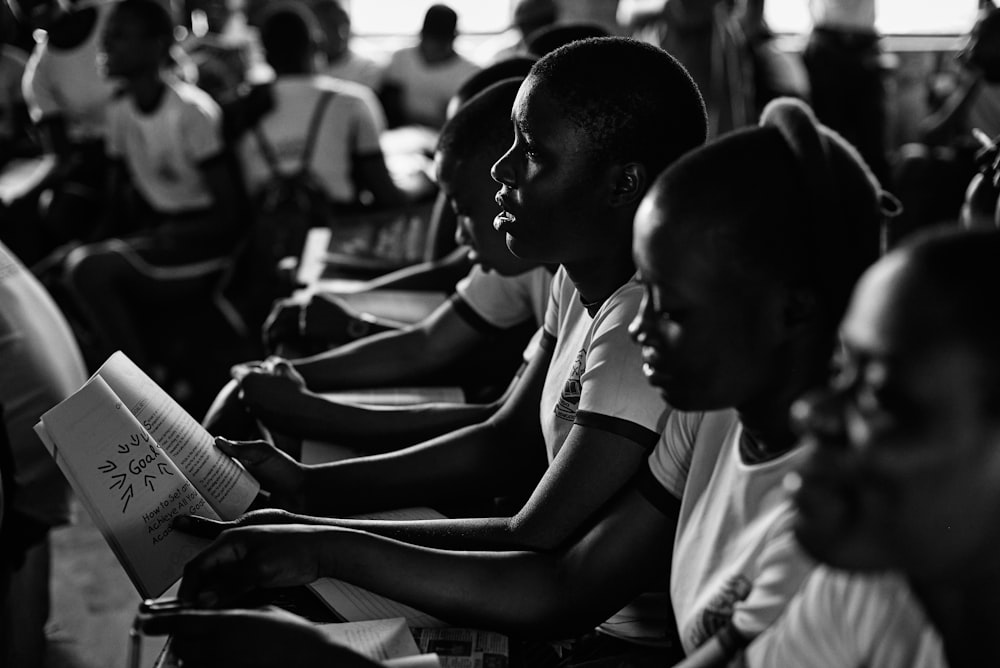
The percentage of school dropouts in the preparatory stage in the period from 2019/2020 and 2020/2021 was about 0.87%, of whom 1.10% were girls and 0.66% were boys, compared to 1.73%, including 2.07% girls, and 1.40% boys in the period from 2018/ 2019 and 2019/2020.

Even though the dropout rates are declining and getting better but they still exist. But what we can notice from the graph that shows the dropout rates in the preparatory education phase, the percentage of girls dropping out is near twice that of boys. While it is quite the opposite in the primary education phase. This is an indication that due to social and economic needs, some families force children to work and leave their education so they can help with the income for the whole family. While in the preparatory stage, many families encourage the early marriage of the girls to get rid of their expenses and economic burdens.

This is a very important challenge and several reasons contribute to its increase and these causes are:

  • Economic factors are considered the primary cause of this phenomenon as the lack of the parent’s capability of providing for their children their needs force them to take such actions and harm their future.
  • Social factors reflect the family and the environment that the child lives in which plays an important role, for example some old social customs such as prioritizing boys’ education over girls and early marriage for girls.
  • Educational factors which are already mentioned in the quality of education part at the beginning of this article.

This makes us think, why is dropping out of school considered a challenge or a bad phenomenon that we try to eradicate? What is its impact on society? So to answer this question we will have to look at it from several axes.

  • Economic repercussions as the government spend money and this money is wasted on the students dropping out since the outcome that is expected can’t be achieved since the student is no longer being educated.
  • Educational implications: Education’s role in society is not just about teaching how to read, write and do simple maths. Its main goal is also to reform and impede the social change that is desirable for individuals.
  • Social repercussions: when a child is not in school and at this critical age is being left in the street he is being transformed into a dangerous version that may lead him to do crimes and acts of violence.

The government in Egypt is aware of this issue and is working on getting it to vanish at the soonest as I would like to highlight some of the efforts done by the government to help with this phenomenon eradicated.

  • The 2014 Constitution: Article 19 of the 2014 Constitution expands the right to free education mentioned in previous constitutions, as it states that education is a right for every citizen, and it aims to build the Egyptian character, preserve national identity, and instil the values ​​of citizenship, tolerance and non-discrimination, and the state is committed to.
  • Sustainable Development Strategy 2030 (Education Axis) which we will discuss in detail in the next part of the article.
  • The elaboration of a strategic plan to declare Egypt free of illiteracy by 2030.
  • Expanding the construction of public schools to reduce the density of classes.
  • An online tele-learning platform created by the General Authority for Adult Education during the coronavirus pandemic.

The transition from paper-based to technology-based education in Egypt:

Although the coronavirus pandemic was a disaster on all levels to the whole world, one can’t deny the impact it made on the countries both negative and positive. It was a tough time but at the same time, it was a great opportunity so everyone can stop and think about these questions. How can I keep going when everything around me, stops? How can I continue working/eating/learning/exercising and do everything just like nothing happened? How can I walk out of the pandemic a winner and not a loser?

These questions must have crossed your mind during the past 2 and a half years as the coronavirus and the lockdown was a blessing for some companies and economies for example the e-commerce field and it was not a blessing for others such as the retail stores that still don’t have online stores and depends only on the physical stores. This was also a start for education to move into a technology-based one since learning is essential and even during lockdowns or pandemics it’s important to continue the learning process as education and building the next generation is important for society and the country overall.

In Egypt, the e-learning process started as an execution of the government’s vision that by 2030 education should be of high and international standards and quality, should release a highly up-to-date and skilled member for the society and use technology to implement education and communication between both the teacher and the student. This has been seen by using tablets instead of paper books and using more advanced technologies to deliver the information by the teacher to the student. Although this is considered a huge step however it does create a lot of challenges for the teachers, parents and students which also creates a bigger challenge for the government and the ministry of education.

The system will eradicate the old education system’s ailments by turning the pupils from passive recipients into active participants in the educational process,” said Ahmed Khairy, a spokesman for Egypt’s Ministry of Education, “We are going for a total change of the educational process, instead of introducing minor changes,” he said.

Some local journals considered these challenges an indication of the failure of the whole experiment and some considered this as a challenge to the ministry and that we still need to work on this to consider this a fully successful transition. In any transition period, you see challenges and burdens and that is not considered a failure but opportunities to work on making this better. I will add a few examples below about the challenges that were created during this transition period for clarification.

  • So from the school side, the facilities in Egypt are not fully equipped and prepared for this transition yet as you can see many struggles when it comes to the network quality and the presence of fully trained technicians to deal with when the network is down.
  • The system itself still has a lot of errors that are causing stress to both teachers and students as an example of this is when for any reason the system stops while the student is having an exam there’s a high chance that the student won’t be able to recover his answers that he typed before the system stops or even restart the timer he can rewrite his answers once more.
  • Teachers are not trained or have the required access to control any challenge that the students may face as they’re using their tablets to do the exams.
  • Internet access is still not available in all educational facilities which make these facilities still depend on paper-based approaches with their students.
  • Parents also complained about the type of questions given to the students as it differs from one student to another which is not fair to all students
  • A local paper also mentioned that the same student took advantage of this to cheat on there which will not help provide an accurate evaluation of this experiment to better work on its negatives.

The general secondary exams, which are considered the most important exams in the life of an Egyptian student, are a major burden in this experiment. These exams serve as the sole means of determining a student’s university path. Because this is an important stage, the parents definitely expressed their concerns about implementing the technological approach, believing that it would seriously damage their children’s future and could be the reason that their children’s dreams were not achieved. Due to the importance of this in the life of an Egyptian student, the government extended it to all preuniversity years except general secondary exams. This year, students in this phase will take exams that consist of 85% MCQs and 15% essays. The correction process will be based on new tech to reduce the human factor (and thus reduce human errors during the correction process) and will rely on technology to correct the exams and provide the final grade. According to the Ministry of Education, the exams will be held in June 2023, so we will have to wait and see how things go this year in the hopes that the students will have a fair chance to achieve their dreams and choose the career path they want and prefer.

At the end of this article, I would like to say that it is essential that we emphasize the challenges we face in education, specifically because education is so crucial to shaping the future of the entire world. An educated individual who we assist today will be tomorrow’s doctor, engineer, worker, and every other significant human being who contributes to a better future for our children and ourselves. Investing in our children has always had a positive influence on society and our lives. We, everyone, want to see a better tomorrow, and we should all work together to make that happen. We must make sure that the next generation inherits a healthy environment.

References:

  • تحقيق عاجل.. سقوط منصة الامتحانات يجبر «التعليم» على العودة للنسخة الورقية – شبكة رصد الإخبارية. (2023, January 15). شبكة رصد الإخبارية. https://rassd.com/524531.htm
  • فشل التجربة الإلكترونية..«التعليم» تنسحب من الإشراف على امتحانات النقل الثانوي – شبكة رصد الإخبارية. (2023, February 22). شبكة رصد الإخبارية. https://rassd.com/526082.htm
  • The Egyptian Education Sector: Challenges and Opportunities. (n.d.). Al Tamimi & Company. https://www.tamimi.com/law-update-articles/the-egyptian-education-sector-challenges-and-opportunities/
  • (2022, March 24). The Education Crisis in Egypt: Between Reality and Hopes. The MENA Chronicle | Fanack. https://fanack.com/society-en/the-education-crisis-in-egypt-between-reality-and-hopes~229614/
  • Education. (n.d.). Education | UNICEF Egypt. https://www.unicef.org/egypt/education
  • beshary, M. (2022, December 18). School Dropout . . .. . . Causes, Repercussions and Ways of Confrontation. المنتدي الاستراتيجي للسياسات العامة و دراسات التنمية. https://draya-eg.org/en/2022/12/18/school-dropout-causes-repercussions-and-ways-of-confrontation/
  • Importance of Education. (2022, November 11). Leverage Edu. https://leverageedu.com/blog/importance-of-education/
  • Egypt – Literacy rate 2021 | Statista. (n.d.). Statista. https://www.statista.com/statistics/572680/literacy-rate-in-egypt/
  • التعليم: بدء برنامج التأهيل التربوى للمعلمين الناجحين بمسابقة 30 ألف معلم 13 مارس الجارى ولمدة 4 أيام.. وتؤكد: تدريب لياقة ذهنية وبدنية بالمحافظات من خلال الجامعات المختصة.. واستلام العمل بعد الحصول على الدورات – اليوم السابع. (2023, March 6). اليوم السابع. https://www.youm7.com/story/2023/3/6/التعليم-بدء-برنامج-التأهيل-التربوى-للمعلمين-الناجحين-بمسابقة-30-ألف/6105332
  • منصة التعليم في مصر | التعليم في مصر. (2015, September 17). https://www.egyptianeducation.com. http://www.egyptianeducation.com/ar/article.aspx?AID=13110&CID=0&WID=56
  • تجربة التعليم الإلكتروني. (2020, November 9). وكـالـة مـعـا الاخـبـارية. https://www.maannews.net/articles/2018028.html
  • التعليم والتدريب – مصر2030. (n.d.). مصر http://sdsegypt2030.com/%d8%a7%d9%84%d8%a8%d8%b9%d8%af-%d8%a7%d9%84%d8%a7%d8%ac%d8%aa%d9%85%d8%a7%d8%b9%d9%8a/%d8%a7%d9%84%d8%aa%d8%b9%d9%84%d9%8a%d9%85/
  • Egypt’s new education system to focus on technology, research | Amr Emam | AW. (n.d.). AW. https://thearabweekly.com/egypts-new-education-system-focus-technology-research
  • تجربة التعليم الإلكتروني. (2020, November 9). وكـالـة مـعـا الاخـبـارية. https://www.maannews.net/articles/2018028.html
  • بعد انتهاء امتحان آخر العام لأولى ثانوى.. التجربة الإلكترونية تحت مجهر أولياء الأمور والطلاب: واجهتنا مشكلات فى التعامل مع السيستم.. ونطالب بتوحيد الأسئلة.. ومصادر مسئولة: فرق التطوير تسعى لإزالة المعوقات – اليوم السابع. (2019, June 1). اليوم السابع. https://www.youm7.com/story/2019/6/1/بعد-انتهاء-امتحان-آخر-العام-لأولى-ثانوى-التجربة-الإلكترونية-تحت/4267857
  • Cover Photo by aboodi vesakaran on Unsplash

Educational Challenges in Nigeria

Written by Emmanuel Ayoola

Nigeria, the most populous country in Africa[i] is plagued with serious educational challenges. With over 10.5 million out-of-school children, Nigeria takes the spot as the country with the highest number of out-of-school children in the world. In fact, out of every five out-of-school children in the world, one is a Nigerian.[ii] In every sense, the situation is a crisis.

The factors responsible for the educational challenges in Nigeria are numerous and hydra-headed. From weak legislations to the scourge of conflicts and terrorism, to socio-cultural challenges, lack of inclusive policies and inadequate commitment from the government, the list is almost endless.

To start with, there is a fundamental problem with the Nigerian Constitution vis-à-vis the right to education. Despite the fact that Nigeria has ratified some of the several international instruments that provide for the right to education, its own grundnorm – the 1999 constitution (as amended) however, makes the right to education non-justiciable. Section 18 of the constitution provides that the:

  • Government shall direct its policy towards ensuring that there are equal and adequate educational opportunities at all levels.
  • Government shall promote science and technology
  • Government shall strive to eradicate illiteracy; and to this end Government shall as and when practicable provide:
  1. free, compulsory and universal primary education; b) free secondary education; c) free university education; and d) free adult literacy programme.

While the above provision may appear sufficient, however under the constitution, it is provided for as principles of state policy under chapter 2. In effect, the right to education although aptly provided for, lacks the force of law as it is not justiciable. In other words, it cannot be enforced by law. This disguised immunity that protects the government from being held accountable by right holders for the protection of the right to education contributes to the crises at hand.

Another of the challenges that education in Nigeria suffer from involves acts of terrorism that are targeted directly at educational institutions and those that are targeted at communities which in turn, impacts access to education in such communities.

Reports show that in north-east Nigeria between 2009 and 2022, more than 2,295 teachers were killed in attacks by insurgents which saw 19,000 people displaced and over 910 schools destroyed.[iii]

man in white crew neck t-shirt sitting beside man in white t-shirt

Photo by Emmanuel Ikwuegbu on Unsplash

In 2021 alone, 25 schools were attacked and 1,440 students were abducted and 16 children killed. Attacks of this nature no doubt led to the closure of some schools. At least 619 schools were shut down in 6 states in northern Nigeria over fears of attack and this resulted into over 600,000 children losing access to education.[iv] This has been one of the most severe challenges that has confronted access to education in Nigeria.

More also, cultural and social implications impact access to education in Nigeria. Most affected in this regard, are young girls. The girl-child in Nigeria often has to contend with lack of access to education. For instance, in the north of Nigeria, practices like forced and early marriages deprive girls of access to education. Girls in the south of Nigeria, in like manner also contend with cultural practices that limits their access to education.[v] Boys suffer their own share too as they experience a high drop-out rate –especially boys in south – eastern Nigeria.[vi]

Another group of people who similarly suffer a disadvantage of lack of access to education in Nigeria are persons living with disability (PWDs). Although, Nigeria has ratified the United Nations Convention on rights of Persons with Disabilities which expressly provides that schools must be inclusive and accessible to all children living with disabilities, Nigeria has failed to meet required standards for the protection of this right. This unfortunately continues to happen in the face of its National Policy on Education and the Universal Basic Education Act which provides for inclusive and free education for all school children. PWDs suffer a lack of inclusion because most schools are not designed and managed in a manner that will be inclusive and accessible for them.[vii]

The challenges Nigeria suffer as a country cannot be discussed in isolation of the government’s responsibility and obligation to committing resources to education. Nigeria still spends below the recommended benchmark[viii] of between 15-20 percent of annual budgets on education.  In its 2022 budget, Nigeria increased its budgetary allocation for education to 7.2 percent from 5.7 percent in the previous year. While this is commendable, a lot still needs to be done by devoting more resources to educational infrastructure and generally funding education in Nigeria as a lot of schools lack infrastructure like; conducive classrooms, laboratories, libraries, toilets, electricity and  proper learning environment.[ix]

Recommendations

In order to address the educational challenges in Nigeria, the government must be committed to the following;

  1. Resolving the legal barrier that makes the right to education non-justiciable. The government should amend the constitution to make the right to education enforceable.
  2. In its response to armed conflicts and terrorism, the government should implement approaches that will ensure the protection of educational institutions and secure access to education for children in the internally displaced persons (IDP) camps and in post-conflict settlements and communities. Strategies aimed at securing education for all should form part of the government’s overall response to such conflicts and attacks.
  3. Agencies of the government like the National Orientation Agency (NOA) and the Ministry of Information and Culture needs to do more in addressing the socio-cultural nuances that exclude children from access to education in some parts of the country. Nation-wide campaigns that target remote parts of the country where these cultural practices may be entrenched will go a long way in ensuring that children are able to access education.
  4. Persons living with disabilities have a right to education. Therefore, in protecting their right, the government must develop inclusive policies, programs and infrastructure that will make education both accessible and inclusive for them.

In order to improve the quality of education and make it accessible for all, the government must commit adequate resources to education in the country. A good way to start will be by implementing the UNESCO recommendation on spending 15 -20 percent of national annual budget on education.

[i] https://www.statista.com/statistics/1121246/population-in-africa-by-country/ last accessed 9March 2023

[ii] UNICEF https://www.unicef.org/nigeria/press-releases/unicef-warns-nigerian-education-crisis-world-celebrates-international-day-education last accessed 9 March 2023

[iii] https://www.arise.tv/more-than-2295-teachers-killed-in-north-east-nigeria-attacks-19000-displaced-910-schools-destroyed-says-teachers- last accessed 9 March 2023

[iv] Supra 2

[v] Mohammed S.S.I (2000). Female and Girl-child education in Nigerian. In Federal Republic of Nigeria (ed), Abuja: Federal Ministry of Education.

[vi] The National Human Rights Commission < https://www.nigeriarights.gov.ng/focus-areas/right-to-education.html> last accessed 9 March 2023

[vii] https://www.jonapwd.org/Factsheet%20inclusive%20Education.pdf last accessed 9 March 2023

[viii] https://www.unesco.org/en/articles/unesco-member-states-unite-increase-investment-education last accessed 9 March 2023

[ix] https://guardian.ng/features/education/public-schools-in-throes-of-poor-infrastructure-learning-facilities/ last accessed 9 March 2023

Cover Photo by Emmanuel Ikwuegbu on Unsplash