Educational Challenges in Timor-Leste: A Nation Re-building its Educational System

Written by Francisca Rosales

Timor-Leste is a Southern East Asian country with a population of approximately 1 million people. It became an independent country in 2002 after being occupied by Indonesia for 24 years and after 400 years under Portuguese colonial rule (Cabral and Martin-Jones 2021). Timor-Leste is still recuperating from its violent past and faces significant challenges, as almost 42% of the population still lives below the poverty line (UNICEF 2023a). 

Due to Indonesia’s invasion and mass destruction in 1999, by 2001, 90% of the country’s schools had been destroyed, and there was a significant loss of workforce in the educational sector. Since the restoration of its independence, Timor-Leste has made significant progress in rebuilding its educational system with the help of international donors (Quinn and Buchanan 2021; UNICEF 2023a).  Education is mandatory and a constitutional right in Timor-Leste from age 6 to 14, and public school is free (UNESCO 2023; UNICEF 2019). The educational system includes two years of preschool, six years of primary school, three years of pre-secondary school, and three years of secondary education (Komatsu 2019). Approximately 86% of children are enrolled in public schools in Timor, while a small but privileged minority attends private schools, which offer a higher quality education (Soares 2023). Timor-Leste also achieved gender parity in primary and preschool education in almost all regions in the country (UNICEF 2023b). 

The current constitution of Timor-Leste recognizes Portuguese and Tetum (the most spoken language in Timor-Leste and lingua franca) as the official national languages (Ogden 2017). Portuguese and Tetum are the designated languages for the first cycle of education (from grades 1 to 4) and Portuguese is the language of instruction for secondary school (Cabral and Martin-Jones 2021). 

Nevertheless, educational challenges remain. To illustrate, school facilities are debilitated, 66% lack functioning sanitation, 40% lack drinking water and there is still an absence of child-friendly teaching methods. Additionally, education-related figures remain unsatisfactory as 37% of young people between 15 and 24 years of age remain illiterate and 70% of students from grade one do not meet the curriculum’s learning objectives (UNICEF 2023a). In fact, in 2020, 9291 children and 9986 adolescents were out of school (UNESCO 2023). According to UNICEF, only 20% of children of preschool age are enrolled in school, even though the gross enrolment rates in preschool increased by 25% in 2019 (UNICEF 2023a; UNICEF 2023b). 


Difficulties in meeting learning objectives

Despite Timor-Leste’s efforts to rebuild its educational system, girls and boys are still not reaching the learning standards for their age, especially those living in rural areas and poor urban neighborhoods. This is often due to children’s lack of preparation for school, which leads to high repetition rates (24%) and children do not attend school regularly, often resulting in dropping out. According to the World Bank, in 2010, 70% of students in Grade 1, 40% of students in Grade 2, and 20% of students in Grade 3 could not read simple text passages. Also, almost half of the children between 3 and 18 years old with disabilities are not enrolled in school (UNICEF 2023b).

Students look out the door at Cassait Basic School, Ulmera Liquica, Timor-Leste, 2015 / Photo by GPE/Lucinda Ramos via Flickr

Teacher’s capacity-building and lack thereof

One of the greatest challenges that Timor-Leste faces concerns the need to replenish the teaching workforce and the lack of a trained and capable workforce in the public school system (Quinn and Buchanan 2021; Ogden 2017). In fact, many teachers lack qualifications for educating children, especially as many only completed secondary education and only half of the workforce had the minimum qualification for teaching (Quinn and Buchan 2021). UNICEF and the Portuguese and Brazilian governments have been assisting the Ministry of Education in improving the education system for students and primary school teachers (UNICEF 2019). 

To build teachers’ skills and knowledge, UNICEF implemented initiatives that include inviting teachers from public schools to well-resourced schools to engage in peer learning and learn about good educational practices. This initiative follows the principles of Eskola Foun, a children-friendly approach to school that focuses on improving access to and quality of education in primary and pre-secondary Timorese schools. By building the capacity of teachers and school leaders, this program aims to promote a safe, healthy, and inclusive environment among schools in Timor-Leste, where students can thrive (UNICEF 2019). 

Teachers admitted that before engaging in this program, they would teach their students following the education method they experienced when they were students, where the teacher just wrote the content on the board and students would copy it without engaging. After the peer learning sessions, teachers started implementing a more democratic teaching approach in public schools, where students are encouraged to ask questions and share their ideas with the teacher and fellow students. Also, teachers implemented new learning approaches such as taking their students outside the classroom to explore (UNICEF 2019). 

Furthermore, the Ministry of Education has sought to build a strong workforce by implementing a teaching career regime to ensure teachers meet the required qualifications (Quinn and Buchanan 2021). The Ministry of Education also initiated a Curriculum Reform in 2013 for basic education intending to create a Timorese education system that focuses on the country’s culture, history and environment to strengthen national identity. Additionally, the new curriculum encourages using local examples as part of the learning process; for example, by encouraging teachers to use typical market shopping scenarios for calculation during math classes (Ogden 2017). However, the implementation of the curricular reform has often been inadequate due to miscommunication from government officials and the fact that many teachers are unfamiliar with the content (Ogden 2017). To face this challenge, the team responsible for the curricular reform has organized training sessions to clarify teachers’ questions.

Timor-Leste is facing another challenge since the number of teachers has not increased fast enough to follow the increase in school enrolment rates, overburdening teachers due to the increasing classroom sizes (Quinn and Buchanan 2021; Burns 2017). Additionally, teachers feel pressured due to the lack of resources and study material to teach the curriculum (Quinn and Buchanan 2021; Soares 2023). 

Language policy in education

Language has been a contentious issue in Timor-Leste since its independence (Ogden 2017). The current curriculum stipulates Tetum as the first language of instruction, with the gradual inclusion of Portuguese throughout elementary school (Quinn and Buchan 2021; Ogden 2017). This language-progression approach aims to ensure that students are fluent in both Tetun and Portuguese by grade 6, as Portuguese is the language of instruction in secondary school. However, there is a lack of teachers fluent in Portuguese, as the language is spoken only by a minority of the population (Burns 2017; Cabral and Martin-Jones 2021). Therefore, there is still a significant need to instruct teachers in Portuguese. 

Increasing literacy 

Due to the violence unleashed by the Indonesian invasion, a fifth of the population was prevented from finishing basic education (Komatsu 2019). Due to this situation, the Timorese government implemented the Equivalency Education Program in 2010, which offered young people and adults the opportunity to pursue their education through a condensed curriculum equivalent to primary and pre-secondary education. Participants can learn different subjects, including mathematics, science, history, work skills, vocational training, Portuguese, Tetun and English. Anyone can enroll in the program if they are between 15 and 17 years old and did not attend primary or pre-secondary school for more than 12 months, or above 17 years old and did not complete primary education. The Program is free but, while it has a high enrolment rate, it is still below the number of uneducated youths and adults in Timor-Leste. To illustrate, the Equivalency Education Program had 1041 students enrolled in 2010, despite 200000 adults being eligible for it. Nevertheless, in a study conducted by Komatsu (2019), it was clear that many participants never lost their desire to learn, seek new knowledge, and build self-confidence.

Alongside this program, the World Bank funded the Second Chance Education Project to enable adults to complete their basic education between 2010 and 2017. The program incorporated the special needs of mature students and offered a flexible delivery method for students to learn linguistic, scientific, and personal development skills. According to the World Bank, 55% of the participants were women, and 197 students had graduated by 2017 (World Bank 2018).

Conclusion

To conclude, despite being a relatively new nation, Timor-Leste has undergone a lot of progress to rebuild its educational system. Nevertheless, some challenges remain that hinder children’s access to quality education. The government should continue investing in schools’ renovation to ensure sanitation, hygiene and functioning infrastructure to promote students’ health and well-being. 

The Ministry of Education should also continue to assist teachers’ capacity-building, including their literacy in Portuguese. Training should be offered to aspiring teachers so these future professionals have the necessary instruction to excel at their jobs. However, alongside the teachers’ willingness to learn new teaching methods, they also need the appropriate resources to be able to implement the curriculum. These should be provided equally to all schools by the government and its partners. The Ministry of Education should prioritize the distribution of curriculum material to ensure that teachers are unified in their approach, providing high-quality education to students all over the country. 

Also, due to Timor-Leste’s recent independence from foreign occupation, the Ministry of Education should focus on developing a school curriculum that focuses on local history and culture as an essential part of the national development agenda. The government should advocate more for preschool education, especially among disadvantaged communities. Ensuring that children have the opportunity to attend preschool could help them prepare for Grade 1, as the high repetition rate is often associated with poor levels of school readiness (UNICEF 2023c).

Lastly, the government should invest more resources and increase access to quality education and innovative learning environments for out-of-school children and adolescents to ensure their right to education. Education should also be easily available for adults who have not finished basic education. On the same note, the Ministry of Education should offer vocational training that enables young people and adults to increase their social capital skills for employment.

References

Cover Image by GPE/Lucinda Ramos via Flickr

Education at a Crossroads: Navigating Thailand’s Educational Challenges

Written by Niyang Bai

Image Source: free stock photos from https://unsplash.com/ by Robert Collins.

Introduction

In the heart of Southeast Asia, Thailand is a land of rich history and boundless potential. Its picturesque surface hides the challenges facing its education system, a cornerstone of its development.

Education is the key to progress, dreams, and prosperity in Thailand. However, this journey is riddled with obstacles, from insufficient funding to educational inequality, casting shadows on a brighter future. These challenges aren’t abstract; they affect students, parents, and policymakers daily. We will explore Thai schools, educators, and students, highlighting their resilience and determination.

Thailand is at a crossroads in its education system, with choices that will impact future generations. We delve into Thailand’s education system’s complexities, hopes, and aspirations, recognizing that in adversity, a nation’s greatest asset is its pursuit of knowledge.

Insufficient Funding

In Thailand, where the promise of education should be a beacon for the future, insufficient funding looms as a dark cloud over the nation’s schools. A simple search through recent articles reveals a complex web of challenges from this issue.

According to a report by the World Bank, the education system in Thailand is beset by poor management, inequality, and high teacher shortages[1]. The World Bank has stated that investments in key financial, human, and digital learning resources were especially low in disadvantaged schools (ranked at the bottom 25 percent of the PISA Economic, Social, and Cultural Status (ESCS) Index), private schools that receive more than half of their funding from government, and rural schools[2].

World Bank highlights the small school challenge in Thailand and options for quality education. It reveals that compared to international peers, Thai secondary schools are severely hindered by inadequate learning materials and physical infrastructure, which limits their capacity to provide quality instruction. More importantly, the Thai secondary school system is dramatically lacking in qualified teachers: secondary schools in rural areas are much more understaffed and under-resourced than their urban counterparts[3].

A more in-depth report by the National Education Commission for the fiscal year 2022-2023 reveals the extent of the problem. It states that Thailand’s education budget falls significantly short of international standards. Thailand allocates only 15% of its annual budget to education, while UNESCO recommends a minimum of 20%[4]. This shortfall in funding directly affects the quality of education and students’ overall well-being.

To gain a deeper insight into the challenges of rural education in Thailand, the story of Ms. Nongnuch, a passionate teacher in a bamboo school in Buriram province. Like many others, her school strives to provide quality education despite limited resources.

Ms. Nongnuch explained that the bamboo school has an innovative learning method focusing on sustainability and environmental conservation. The students do not have to pay tuition but must plant 800 trees and participate in 800 hours of community service per year. They also learn leadership, empathy and compassion through hands-on activities.

She also highlighted the need for more support from the government and society. “Our school is more than just a school that we all used to know. A school is a lifelong learning centre and a hub for social and economic advancement in the communities,” Ms. Nongnuch quoted the school founder, Mechai Viravaidya[5]. However, she said the school still faces difficulties securing funds, materials and facilities.

Moreover, the lack of recognition and appreciation is a constant struggle. “Others often look down upon our students because they come from poor families or remote areas,” Ms. Nongnuch revealed. This stigma not only affects their self-esteem but also their motivation to pursue higher education.

Perhaps most inspiring is the impact on students’ aspirations. Ms. Nongnuch shared stories of talented students who had overcome their hardships and achieved their goals with the help of the bamboo school. “It fills me with joy to see potential realized,” she said. “We are nurturing future leaders who will make a difference in their communities and beyond.”

As Ms. Nongnuch eloquently put it, insufficient funding is “a barrier that blocks the opportunities for our children.”  It becomes increasingly clear that supporting rural schools like hers is not just a matter of charity; it’s about empowering the untapped potential of a nation’s youth.

Quality of Education

According to a report by the Asian Development Bank, Thailand’s basic education system faces several challenges, including the need to expand the supply of human capital to avoid the middle-income trap and the ageing society. The report highlights that despite the significant amount of resources spent on education, students’ learning outcomes are low and have not improved significantly in either national or international assessments. The performance of junior secondary school students in national examinations has declined, especially in mathematics and science. While the performance of senior secondary school students has improved slightly over the same period, the mean results for core subjects (mathematics, science, and English) were less than 50. This worrying figure is worsened by inequality in education quality across regions since the performance of secondary school students is lower in poorer, remote regions. The report argues that such poor learning outcomes are presumably due to two main reasons: the role of small schools and inefficient resource allocation for education in public spending[6].

As per the World Bank, various factors are influencing the quality of education in Thailand[7]. The report highlights the following key findings:

  • A lack of teacher training and professional development opportunities directly impacts the quality of instruction in classrooms.
  • Disparities in educational quality persist between urban and rural areas, where students in rural regions face limited access to qualified teachers and educational resources.
  • The curriculum was found to be outdated, with a need for reforms that align with 21st-century skills.
  • Student engagement and critical thinking skills remain underdeveloped due to traditional teaching methods.

The report recommends comprehensive teacher training programs, curriculum updates, and implementing student-centred teaching strategies to address these challenges.

The following views expressed by both a student and a parent tell us more about the quality of education in Thailand.

Nicha, a 16-year-old high school student, expressed dissatisfaction with the rigid curriculum. “I feel like I’m just following instructions from teachers,” she said. “I want to explore, not just obey.” Nicha also mentioned that the lack of creative learning opportunities made studying less interesting.

On the other hand, Mr. Somchai, a parent, shared his worries about the quality of education. “I wonder if my child is getting the skills they need for the future,” he said. “The education system seems old-fashioned, and it doesn’t prepare them for the changes of today’s society.”[8]

These voices resonate with a growing sentiment in Thailand: a need for a shift in the education paradigm. The emphasis on holistic development, critical thinking, and practical skills has become increasingly urgent. Thailand’s educational landscape stands at a crossroads, with the quality of education being a critical factor in determining the nation’s success in the global arena.

Image Source: Free stock photos from https://unsplash.com/t/3d-renders by Mario Heller

Educational Inequality

Educational inequality in Thailand is a pressing issue highlighted in recent news articles. According to a report by the World Bank, disparities in allocation and inefficiencies of investments across schools in Thailand have led to a decline in student performance in reading and a stagnation of scores in math and science[9]. The report further finds that investments in key financial, human, and digital learning resources were especially low in disadvantaged schools, private schools that receive more than half of their funding from the government, and rural schools.

Inequality between urban and rural areas is also a significant concern. Rural areas often lack basic infrastructure, qualified teachers, and educational resources, creating a significant gap in educational quality[10]. Ethnic minority communities face additional challenges, such as language barriers, discrimination, and limited access to quality education[11].

The Thai government must address these issues and create inclusive learning environments in schools to help improve Thailand’s education performance. A report by the Organisation for Economic Co-operation and Development (OECD) that assesses Thailand’s education system and skills imbalances[12]. The report highlights several issues that contribute to educational inequality in Thailand:

  • Education quality, not quantity, is the main contributing factor to long-term economic growth.
  • Disadvantaged schools have low investments in key financial, human, and digital learning resources.
  • There is a skills mismatch between the demand in the Thai labour market and the supply of skilled workers.
  • There are disparities in resources allocated for teachers and other educational resources between schools with higher and lower socioeconomic status students.

The report recommends several policy interventions to address these issues, including improving teacher quality, increasing investment in disadvantaged schools, and enhancing the relevance of education to labour market needs. The report also emphasizes the importance of developing relevant skills from pre-primary to higher education levels.

However, not all students have equal access to quality education and opportunities to develop their skills. Nong, a stateless student from a hill tribe in northern Thailand, shared her challenges and aspirations for education[13].

She explained that she had to overcome many obstacles, such as poverty, discrimination, and language barriers. “I had to work hard to support my family and pay school fees,” she said. “I also faced stigma and prejudice because of my ethnicity and status. I had to learn Thai as a second language, which was difficult.”

Nong also expressed her gratitude for the support she received from teachers and mentors. “They encouraged me to pursue my dreams and helped me with scholarships and citizenship applications,” she said. “They also taught me about my rights and responsibilities as a citizen.”

Regarding her future plans, Nong said she wanted to become a teacher and help other disadvantaged children. “I want to give back to my community and society,” she said. “I believe education is the key to empowerment and opportunity.”

Nong’s story illustrates the resilience and potential of many ethnic minority and stateless students in Thailand. While they face many hardships, they also have educational hopes and ambitions. There is a need for more inclusive and supportive policies and practices that enable them to access quality education and realize their full potential.

Teacher Shortage

Thailand is facing a serious challenge in providing quality education to its students, especially in rural areas lacking qualified teachers. A Thai PBS World report highlights the teacher shortage in Thailand, particularly in rural areas. The report states that the shortage is most severe in the northeastern region of Thailand, where schools struggle to attract and retain qualified teachers[14]. This has resulted in uneven access to quality education, with students in rural areas being disadvantaged.

In addition, a report from The Bangkok Post indicates a severe shortage of science and mathematics teachers nationwide. The report states that students in these subjects face a challenging situation due to the dearth of specialized educators[15].

According to a World Bank study, around 64% of Thai primary schools are critically short of teachers, defined as having less than one teacher per classroom on average. The study estimates that as many as 110,725 out of 353,198 classrooms in Thai primary and secondary schools are critically short of teachers[16]. The study also reveals that eliminating teacher shortages in terms of quality and quantity would significantly improve student learning, and the impact would be most significant for lower-performing schools. Therefore, improving the quality of teachers and addressing the severe teacher shortages – especially for the vast number of small rural schools – should be at the centre of Thailand’s reform initiatives if the country is serious about tackling the widespread low education quality and high disparity in educational performance between socioeconomic groups.

To gain insight into the challenges of teaching in under-resourced schools, the case of Chaisit Chaiboonsomjit, a learner at Xavier Learning Community (XLC) in Chiang Rai, who served as a volunteer teacher at Zi Brae School in Chiang Mai[17]. His experience was eye-opening.

Chaisit shared his enthusiasm for teaching but also revealed the harsh conditions he faced. “The school is located on top of a mountain, and it takes eight hours to get there by car or motorcycle,” he said. “When it rains, the roads become impossible to pass, and teachers are often stranded.”

He explained how the lack of teachers affects students. “Most of our students are from the Karen hill tribe and study seven subjects provided by the Thai Education Ministry. But we only have 15 teachers for more than 200 students. They need more guidance and support to learn effectively.”

Chaisit also expressed frustration about teacher retention. “Many teachers leave after a short time because they can’t cope with the isolation and hardship,” he said. “This creates instability and inconsistency in the school system.”

In his heartfelt appeal, Chaisit emphasized the value of equal opportunity for education. “Every child, no matter where they are born, deserves a good teacher and a chance to pursue their dreams. We need more incentives to attract teachers to rural areas and more resources for teacher training.”

Chaisit’s story is a powerful illustration of the real-world impact of the teacher shortage crisis. It’s a challenge that affects educators and limits the educational potential of countless Thai students, especially those in remote areas.

Conclusion

Thailand’s education system, often celebrated for its potential, is ensnared in a web of challenges that demand urgent attention. This report has delved into five critical issues that cast shadows over the nation’s educational landscape:

  1. Insufficient Funding: A chronic shortage of financial resources hampers the quality of education, hindering the nurturing of young minds.
  2. Quality of Education: Rote memorization and standardized testing take precedence over critical thinking and creativity, leaving students ill-prepared for the complexities of the modern world.
  3. Educational Inequality: Disparities in access to education and educational outcomes persist, affecting marginalized communities and perpetuating social divisions.
  4. Teacher Shortage: A severe lack of qualified educators, particularly in rural areas and critical subjects, disrupts the learning process and hinders student development.

These challenges collectively pose a profound threat to Thailand’s education system and, by extension, its future. A nation’s strength lies in equipping its youth with the knowledge and skills to navigate an ever-evolving global landscape. However, the current state of Thailand’s education system impedes this aspiration.

Insufficient funding and the resultant resource shortages compromise the quality of education, leaving students ill-prepared for a future that demands adaptability, creativity, and critical thinking. Educational inequality perpetuates social divisions, limiting the nation’s capacity to harness the full potential of its diverse populace.

In conclusion, the challenges outlined in this report are not isolated issues; they are interconnected strands in a complex web. The future of Thailand depends on addressing these challenges with determination and foresight. A well-funded, inclusive, and quality education system is not just an investment in the present but a beacon guiding the nation toward a brighter, more equitable, and prosperous tomorrow. To ensure Thailand’s place on the global stage, these challenges must be met head-on, placing education at the forefront of the nation’s priorities.


References:

[1]    https://theisaanrecord.co/2022/03/30/thai-education-beset-by-poor-management/

[2]    https://www.worldbank.org/en/news/press-release/2020/12/09/world-bank-more-inclusive-and-better-investments-in-education-to-improve-learning-outcomes-in-thailand

[3]    https://blogs.worldbank.org/eastasiapacific/thailand-s-small-school-challenge-and-options-quality-education

[4]    https://unesdoc.unesco.org/ark:/48223/pf0000384381

[5]    https://www.undertoldstories.org/2019/02/07/thailands-bamboo-school/

[6]    https://www.adb.org/publications/recent-developments-in-basic-education-in-thailand-issues-and-challenges

[7]    https://www.worldbank.org/en/country/thailand/publication/wanted—a-quality-education-for-all-in-thailand

[8]    https://www.oecd.org/countries/thailand/education-in-thailand-9789264259119-en.htm

[9]    https://www.worldbank.org/en/news/press-release/2020/12/09/world-bank-more-inclusive-and-better-investments-in-education-to-improve-learning-outcomes-in-thailand

[10]   https://rksi.adb.org/wp-content/uploads/2020/10/rural-urban-poverty-and-inequality-thailand.pdf

[11]   https://maxwellsnotes.com/2015/03/17/educational-inequality-in-thailand/

[12]   https://one.oecd.org/document/ECO/WKP%282020%2949/en/pdf

[13]   https://www.worldbank.org/en/news/press-release/2020/12/09/world-bank-more-inclusive-and-better-investments-in-education-to-improve-learning-outcomes-in-thailand

[14]   https://link.springer.com/chapter/10.1007/978-981-10-0847-4_11

[15]   https://one.oecd.org/document/ECO/WKP%282020%2949/en/pdf

[16]   https://blogs.worldbank.org/eastasiapacific/thailand-s-small-school-challenge-and-options-quality-education

[17]   https://jcapsj.org/blog/2023/08/31/teaching-and-learning-in-rural-thailand/

Lorem ipsum dolor sit amet, consectetur adipiscing elit. Ut elit tellus, luctus nec ullamcorper mattis, pulvinar dapibus leo.

Educational Challenges in Austria

Written by Aurelia Bejenari

At first glance, Austria seems ideal for living and studying. Its capital, Vienna, has been named the most liveable city in the world for the second year in a row. Its educational system is known for its high standards, high quality,  and a strong diversification of programmes at all levels of education. According to Article 14 of the Austrian Federal Constitutional Law, “democracy, humanity, solidarity, peace and justice, openness and tolerance towards everyone regardless of race, social status and financial background” are fundamental principles that lay at the core of education in Austria. Unlike many other European countries, Austria offers free higher education for EU citizens, making it attractive for international students. The generous government spending on education is undoubtedly a factor making this possible. Add onto this a rich cultural heritage and some stunning landscapes, and the picture looks flawless. However, in reality, Austria, just like any other country, has to face its own set of educational challenges.

Cross-regional disparities

In Austria, regional inequalities in children’s access to and participation in education become increasingly evident when looking at non-compulsory levels of education. The enrolment rate of  3-5 year-olds varies from 82% in the region of Styria to 95% in Lower Austria. When looking at other age groups, enrolment rates range from 97% to 100% across regions for 6-14 year-olds and from 67% to 91% for 15-19 year-olds.

Similarly, the share of 25-64 year-old adults with tertiary education varies from 29% in the region of Vorarlberg to 43% in Vienna. These variations across different regions of the country reflect more than just differences in educational opportunities. To a large degree, they are caused by economic conditions and internal migration patterns.

Tracking of students at a young age

The tracking of students into different types of schools starts at 10, much earlier than the OECD average age of 14. Such an approach may pose significant challenges in terms of equity if not managed properly. OECD evidence shows that early tracking can increase

inequities in students’ learning and exacerbate socioeconomic background’s impact on performance. Although in Austria, the selection into educational tracks is formally based on academic achievements and the recommendations of teachers, in practice, socioeconomic background plays an essential role for families when deciding on a track at the end of primary education.

To reduce the impact of early tracking and provide more equitable learning outcomes for all students, a new lower secondary school model, the New Secondary School (Neue Mittelschule, NMS), was introduced in 2007-2008. However, according to a summative evaluation from 2015, the project has had mixed results. Deficiencies in the implementation process were found, with interpretations of the new model varying between schools and students’ overall levels of achievement were needing improvement.

Teacher Helping a Student / Picture by Max Fischer via Pexels

Integration of students with immigrant backgrounds

Austria faces challenges in increasing the participation of children from certain backgrounds in Early Childhood Education and Care (ECEC), including immigrant children and reducing the achievement gaps between students from disadvantaged or immigrant backgrounds and their peers.

According to data from PISA 2015, students with an immigrant background made up 20.3% of the total student population in Austria, a percentage significantly higher than the OECD average of 12.5%. Education outcomes for students with an immigrant background remain significantly below those of other students. Additionally, grade repetition is higher amongst immigrant students, with 26.5% of immigrant students reporting having repeated a grade, compared to 12.1% of non-immigrant students (above the OECD average of 19.9% and 10.9%, respectively). According to Eurostat evidence, foreign-born students also have almost three times the early school leaving rates of native-born students.

In analyzing and comparing the situation of children of Turkish migrants in France, Sweden, and Austria, academic Philipp Schnell finds that when it comes to the scale of the disadvantages suffered by children of this background in the education system, Austria is the unequivocal leader. Schnell gives the following explanation for this disparity:

The crucial factors are the intensity of the interaction between the structures of the school system and family resources, as well as the time at which this interaction begins. In the Austrian education system, it has to begin at an earlier point than in other countries.

Thus, in other words, Turkish families and families of different migrant backgrounds often cannot find and allocate the resources that the Austrian system requires at such an early point in time.

Furthermore, when admitting a pupil into the Austrian school system, there are no formal test procedures for assessing the child’s competence in German. Children whose competence in German is insufficient to follow classes are admitted as so-called ex-matriculate pupils for a maximum of two years. Afterwards, it is automatically assumed that pupils can generally follow tuition in the classroom, even though their competence in German is not yet comparable with that of native speakers. This language barrier could have a negative impact on pupils’ education, literacy, and their further trajectory in life. Indeed, a 2022 report shows that the Austrian educational system has yet to fully succeed in guaranteeing that immigrant children can read and write German fluently after nine years of schooling.

Access to education for asylum seekers

Asylum-seeking children can attend primary and secondary school only after their asylum application has been admitted to the regular procedure. Attendance in public schools is not provided for them during the period in which they reside in the initial reception center of the state.

Obtaining access to education for asylum seekers older than 15 can pose difficulties, as schooling is not compulsory after the age of 15 for asylum seekers. Moreover, children who did not attend the mandatory school years in Austria have difficulties continuing their education. Special courses are available free of charge only for unaccompanied children who have not successfully finished the compulsory last school year. This possibility is often not available for free for children accompanied by their families.

Discrimination

In addition to the practical challenges described above, students from various backgrounds face discrimination, which remains a prominent issue in Austrian schools. In 2022, 158 discrimination cases in the education system were reported to the Austrian Initiative for a Non-Discriminatory Education System (IDB – Initiative für ein diskriminierungsfreies Bildungswesen). According to the organization, 84% of reports are cases of racial discrimination. Around 36% of all cases of discrimination reported to the IDB involved decidedly anti-Muslim, racist and/or Islamophobic discrimination  and 1% of all cases reported involved anti-Semitic discrimination.

The Matura exam

The Matura, officially called Reifeprufung, is the Austrian “general school-leaving examination” and represents a prerequisite for higher education such as university, academy, technical university, and college. The exam consists of written examinations, three to four tests lasting for up to five hours each on consecutive mornings in May, and oral examinations, which are held about one month after the written ones.

The Austrian Matura has gone under severe criticism over the years. Critics argue that the exam’s structure is too rigid and fails to assess students’ practical skills and critical thinking abilities adequately. Many experts argue that the system encourages students only to memorize certain subjects and themes, hindering creative thinking. Some specialists have called the Matura “a real lottery system”, with a lot depending on whether the students studied and memorized the particular subject more in-depth than others. Additionally, the Matura exam can be criticized from a socioeconomic perspective, as it may favour students from more privileged backgrounds with access to additional tutoring and resources.

Conclusion

Beneath Austria’s charming exterior, its educational system grapples with hidden challenges. These challenges aren’t exclusive to Austria; they mirror issues prevalent in educational systems worldwide. The disparities in education attainment across regions aren’t just about geography; they echo global struggles with economic inequality. Early student tracking highlights the perennial debate between early specialization and nurturing diverse talents. The challenges immigrant students face mirror those in many diverse societies striving for inclusive education. Discrimination, an unfortunate reality, persists not only within Austrian classrooms but in classrooms everywhere.

Austria’s educational journey is a reminder that no nation is immune to these challenges. It’s a call to action for policymakers, educators, and communities in Austria and worldwide. Before them stands the question: How do we balance tradition and innovation, inclusivity and excellence, uniformity and individuality? This is no simple question, but it brings us closer to reaching the universal goal of a fairer, more equitable education system.

References

Educational challenges in Costa Rica: human rights and sustainability

Written by Agnes Amaral

Introduction

Costa Rica is located in Central America and has a population of over 5 million inhabitants. This population is made up of around 2.4% indigenous people and 8% of African descent.[1]. According to local laws, the country’s education system is divided into four levels: preschool, basic general education, diversified education, and higher education. To manage this system, there is a Higher Education Council. Since the indigenous population occupies a considerable space in the country’s historical and current process, Decree No. 22072 of the Ministry of Education establishes an indigenous education subsystem.

Generally, basic education in Costa Rica is separated into three cycles for children aged 6 to 14. The modalities vary, but most students attend in the traditional daytime mode. In addition, there are specific centres for students with particular needs, such as special education centres and the “Aula Edad” program for children with age-grade distortion. Another interesting fact about the country’s education system is that night schools offer educational programs for teenagers and adults aged 15 and over who still need to complete their schooling.

Looking at the continuum of Costa Rica’s educational model, you can see a diversified education for further study. There are three main branches: academic, technical, and artistic. Technical and professional education is offered in partnership between the state and private companies. The main centres are the technological institutes and centres (INA, TEC, and UTN). Higher education offers various bachelor’s, master’s, and doctoral degrees. There are state and private universities.

Educational Policy

The Costa Rican Constitution emphasizes the state’s obligation to provide the right to education, as well as food and clothing, for people who will be attending school and cannot afford to buy these items. The policies developed by the state cover different dimensions, such as the presentation of an education system and the observation of the set of possible interventions to keep this system running.

The country has interesting policies for achieving education for all audiences. For example, they have “Creer y crear la Costa Rica del Siglo 21: compromiso país,” which sets out the government’s strategic objectives in line with the UN’s Sustainable Development Goals. Another example of an exciting policy is “La persona: Centro del proceso educativo y sujeto transformador de la sociedad” (The person: centre of the educational process and transforming subject of society), which defines the axes and guidelines that guide education at all levels, encouraging a professional transformation of teachers, the institution and educational management.

Education has become a matter of access for marginalized groups, so the issue of gender and access to education has become a paradigm that affects many countries, especially in Latin America. Costa Rica, for its part, has a policy called the “Action Plan for the National Gender Equality and Equity Policy”, which lists axes around policies to achieve gender equality and equity. It also discusses women’s sexual and reproductive health and promotion against violence.

Human rights

Latin America has suffered from great inequality in general since the transition to democracy from authoritarian governments in the 1980s, which has implications for the region. Education for all is, therefore, difficult to achieve. For this reason, many countries are drawing up reforms to mitigate this inequality, and Costa Rica is one example. As an early adopter of the goal of achieving citizenship through education in the 1990s, it is possible to list the country as a model in the region.

In addition to focusing on elements such as study programs, teacher training, and re-evaluation of school materials, the government promoted education focused on respect for human rights and between people. Special attention was paid to learning about laws and the Universal Declaration of Human Rights, among other regimes that strengthen human rights.[2].

Although human rights and other global themes remained essential topics in the curricular guidelines from Costa Rica in 2001 and 2005, their treatment underwent several changes. Principally, Costa Rica introduced many of these issues as cross-cutting themes. The study programme mentions three cross-cutting themes: (1) Education for Human Rights, Democracy, and Peace; (2) Education for Environmental Protection; and (3) Holistic Sexual Education (MEP 2005a). Rather than teaching human rights as a specific content topic in ninth grade as before, Costa Rica altered the curriculum to make human rights a central component of civic education (Suarez, 2008).

This concern with the cross-cutting nature of these issues establishes Costa Rica as a promoter of education, which has led to a modernization of this system. The attention given to diversity promotes greater integration of marginalized groups, expanding and strengthening the concept of citizenship.

Environmental sustainability

The country has also become a model in discussions on environmental education. Since the 1980s, Costa Rica has led efforts to promote ecological education.[3]Agenda 21 and the sustainable development decade are turning points for promoting environmental education and conservation. Costa Rica has been promoting these studies long before an international decision was taken, which shows it is at the forefront.

The state encourages various activities, especially those aimed at environmental education initiatives. For example, the curriculum includes specific topics for environmental conservation studies. The country has such well-established policies in this respect that it has become an international benchmark for environmental education projects due to the structural encouragement of NGOs and other actors promoting environmental conservation.

Conclusion

Although Costa Rica faces similar challenges to other Latin American countries, such as social inequality and its impact on access to education, the country has become a model in some areas of education. When looking at studies on access to education, it becomes clear how the financial issue linked to the historical-cultural process of the region influences mitigating inequality. It is, therefore, essential to highlight how Costa Rica has made efforts and gained ground in the education process, especially concerning human rights, citizenship, and environmental conservation.

References:

[1] Perfil del pais | SITEAL. (n.d.). Siteal.iiep.unesco.org. Retrieved September 10, 2023, from https://siteal.iiep.unesco.org/pt/pais/costa_rica#:~:text=A%20Constitui%C3%A7%C3%A3o%20Pol%C3%ADtica%20da%20Costa

[2] Suarez, D. F. (2008). Rewriting citizenship? civic education in Costa Rica and Argentina. Comparative Education, 44(4), 485-503.

[3] Blum, N. (2008). Environmental education in Costa Rica: Building a framework for sustainable development? International Journal of Educational Development, 28(3), 348-358

Educational Challenges in Burundi

Written by Joseph Kamanga

Introduction

Burundi, a small landlocked country in East Africa with a population of over 11 million people, has been plagued by political instability and violence throughout its history. These challenges have severely impacted the country’s education system, hindering progress and development. While some improvements have been made in recent years to enhance access to education, Burundi continues to face several critical challenges, including substandard school infrastructure, limited access to education, low quality of education, and high dropout rates. Addressing these issues requires a collaborative effort involving the government, donors, and civil society to implement sustainable solutions.

Students are eagerly waiting for the completion of their new school in Mabayi, Burundi. Photo by United Nations Development Programme.

Substandard School Infrastructure

One of the primary obstacles affecting education in Burundi is the substandard condition of school infrastructure. Many schools lack the necessary facilities and resources, impeding effective teaching and learning. The critical problems associated with school infrastructure in Burundi include:

Lack of classrooms:

 A significant number of schools in Burundi suffer from a shortage of classrooms, resulting in overcrowding. Students often have to sit on the floor or study outside, hampering their ability to learn and concentrate.

Insufficient number of teachers:

In 2017, Burundi had only 40,000 teachers for a population of over 11 million, resulting in an alarming student-to-teacher ratio. The lack of teachers compromises the quality of education as individual attention to students becomes challenging.

Shortage of textbooks and learning materials:

Access to textbooks and learning materials is limited, with only 50% of students having access to these resources in 2017. This scarcity hampers students’ ability to actively participate in class and complete their assignments effectively.

Inadequate water and sanitation facilities:

Approximately 50% of schools lack proper water and sanitation facilities, depriving students of clean water and hygienic toilets. This lack of basic amenities contributes to the spread of diseases, making it difficult for students to attend school regularly.

Insufficient electricity:

Only 30% of schools in Burundi have access to electricity, restricting the use of electronic devices and hindering the integration of technology in teaching and learning practices.

Deteriorating school buildings:

Approximately 30% of schools in Burundi require urgent repairs, rendering them unsafe and unsuitable for students. Dilapidated infrastructure adds to the challenges faced by both students and teachers.

Limited Access to Education

Access to education in rural areas of Burundi is significantly limited due to various factors:

Poverty:

Poverty is a significant barrier preventing families from sending their children to school, even when educational institutions are available. The inability to afford school fees and related expenses hampers children’s access to education.

Distance:

The geographical remoteness of rural areas in Burundi makes it challenging for children to access schools, resulting in limited educational opportunities.

Gender discrimination:

Girls, particularly in rural areas, face gender-based barriers to education. Cultural beliefs often dictate that girls should prioritize household responsibilities, impeding their access to formal education. Additionally, the lack of adequate sanitation facilities specifically designed for girls discourages their attendance.

The combined effect of poverty, distance, and gender discrimination has led to an estimated 600,000 girls in Burundi not attending school during the 2017-2018 academic year.

Low Quality of Education

The issue of low quality of education in Burundi encompasses various factors that contribute to a substandard learning experience for students. These factors can be attributed to the lack of resources, inadequate teacher training, outdated curriculum, and insufficient focus on student-centred learning approaches as follows:

Insufficient focus on student-centred learning: A student-centred approach to education emphasizes active participation, collaboration, and critical thinking. However, the traditional teaching methods employed in Burundi often prioritize rote memorization and passive learning. Shifting towards student-centred approaches, such as project-based learning, inquiry-based learning, and interactive teaching methods, can foster a deeper understanding of concepts and improve students’ ability to apply knowledge in practical situations.

The quality of education in Burundi is generally low, attributed to several factors:

Lack of qualified teachers:

A considerable number of teachers in Burundi need to be qualified or adequately trained. Moreover, the low salaries offered to qualified teachers often discourage highly skilled individuals from pursuing a career in education. As a result, the quality of instruction suffers. The quality of education is closely linked to the competence and skills of teachers. In Burundi, there is a need to invest in comprehensive teacher training programs that focus on pedagogical techniques, subject knowledge, and classroom management. Without proper training, teachers may rely on outdated teaching methods or struggle to effectively engage students in the learning process. Ongoing professional development opportunities can help teachers stay updated with best practices and enhance their instructional strategies.

Poor quality textbooks:

Many textbooks in Burundi are outdated or inaccurate, failing to provide up-to-date and accurate information to students. This hinders their ability to acquire knowledge effectively.

Outdated Curriculum:

The curriculum used in Burundi’s education system may suffer from outdated content, limited relevance to real-world contexts, and a lack of alignment with modern educational standards. Updating the curriculum to reflect current knowledge and skills required in the job market is crucial. A contemporary curriculum should promote critical thinking, problem-solving, creativity, and digital literacy, equipping students with the competencies necessary for future success.

Insufficient resources:

Many schools in Burundi need more essential resources, such as textbooks, learning materials, and technological equipment. Without access to up-to-date and relevant resources, students may struggle to grasp concepts and engage in meaningful learning. Insufficient resources also limit teachers’ ability to deliver comprehensive lessons and provide students with hands-on experiences that enhance their understanding of subjects.

High dropout rates:

Burundi experiences alarmingly high dropout rates among girls and children from disadvantaged backgrounds. Factors contributing to these high dropout rates include:

a. Poverty: Economic constraints force many families to prioritize immediate needs over education, making it difficult for children to continue their studies.

b. Early marriage: The prevalence of early marriage in Burundi prevents girls from pursuing education beyond a certain age. Early marriage often leads to the discontinuation of their schooling.

c. The need to work: Many children in Burundi are compelled to work to support their families, leaving them with no time or opportunity to attend school.

Addressing these complex challenges requires a multifaceted approach involving various stakeholders.

The Charlemagne School in Burundi. Photo by Bernd Weisbrod

Challenges faced by Children with disability

Children with disabilities face significant challenges in accessing quality education in Burundi. The educational system in the country often lacks the necessary infrastructure, resources, and inclusive policies to accommodate their diverse needs. Here are some key challenges faced by children with disabilities in Burundi’s education system:

Inadequate infrastructure and facilities:

Many schools in Burundi lack the necessary infrastructure and facilities to support children with disabilities. This includes wheelchair-accessible ramps, adapted classrooms, and accessible toilets. The physical barriers in schools make it difficult for children with mobility impairments to navigate the campus and fully participate in educational activities.

Limited availability of specialized support:

Specialized support services, such as trained teachers, therapists, and assistive devices, are scarce for children with disabilities in Burundi. These children often require individualized attention and tailored instructional approaches to address their specific learning needs. The need for more trained professionals and appropriate assistive technology hampers their educational progress.

Discrimination and stigma:

Children with disabilities in Burundi often face discrimination and stigma within their communities and schools. This can create psychological barriers affecting their self-esteem, confidence, and willingness to engage in learning. Negative attitudes and misconceptions about disability can lead to exclusion and social isolation.

Limited awareness and understanding:

There is a lack of awareness and understanding among educators, parents, and the wider community about disabilities and inclusive education. This can result in a failure to recognize and accommodate the diverse learning needs of children with disabilities. Promoting awareness campaigns and training teachers and stakeholders to foster an inclusive and supportive learning environment is crucial.

Inaccessible curriculum and teaching methods:

Burundi’s curriculum and teaching methods often do not consider the diverse learning styles and needs of children with disabilities. The instructional materials and assessments may not be adapted to cater to their specific requirements, hindering their full participation in the educational process. Adapting the curriculum and employing inclusive teaching strategies can help ensure that children with disabilities receive an equitable education.

Interventions to Improve Burundi’s Education System

To enhance the education system in Burundi, the following vital interventions are necessary:

Teacher Training and Professional Development:

To improve the quality of education in Burundi, a strong emphasis should be placed on teacher training and professional development programs. The government, in collaboration with educational institutions and international partners, should establish comprehensive training programs to enhance teachers’ skills and pedagogical techniques. Ongoing professional development opportunities should be provided to ensure that teachers are equipped with the latest teaching methodologies and subject knowledge. By investing in the professional growth of teachers, the overall quality of education in Burundi can be significantly improved.

Promoting Inclusive Education:

Another critical aspect of enhancing the education system in Burundi is promoting inclusive education. Efforts should be made to ensure that children with disabilities, those from marginalized communities, and those with special learning needs have equal access to education. This requires developing inclusive policies, providing necessary support services and resources, and effectively training teachers to cater to diverse learning needs. Inclusive education not only fosters a sense of equality and social cohesion but also maximizes the potential of all children, contributing to the nation’s overall development.

Enhancing Parent and Community Involvement:

To create a holistic and supportive learning environment, it is essential to enhance the involvement of parents and the wider community in education. Establishing partnerships between schools, parents, and community organizations can facilitate collaborative efforts in promoting education. This can involve initiatives such as parent-teacher associations, community outreach programs, and awareness campaigns on the importance of education. Engaging parents and the community can contribute to increased school attendance, reduced dropout rates, and improved educational outcomes for children in Burundi.

Integration of Technology in Education:

Integrating technology in education can revolutionize the learning experience for students in Burundi. Access to computers, internet connectivity, and digital learning resources can enhance teaching and learning methods, promote interactive and self-directed learning, and foster digital literacy skills. The government should prioritize initiatives to provide schools with the necessary technological infrastructure and ensure that teachers receive adequate training to utilize technology in their classrooms effectively. By embracing technology, Burundi can bridge the digital divide and equip its students with the skills needed for the modern world.

Monitoring and Evaluation:

A robust monitoring and evaluation system should be established to assess the progress and impact of education initiatives in Burundi. Regular assessments of school infrastructure, teacher quality, student performance, and dropout rates are essential to identify areas of improvement and make informed policy decisions. Additionally, collecting data on gender disparities, educational equity, and access to education can help design targeted interventions. Monitoring and evaluation provide the necessary feedback loop to ensure that efforts to enhance the education system in Burundi are effective and sustainable.

Violence has affected the infraestructure of schools in the country. Photo by EU/ECHO/Anouk Delafortrie

Investing in school infrastructure:

The government should prioritize investments in the construction and rehabilitation of schools. Adequate classrooms, furniture, and facilities are essential for creating a conducive learning environment.

Expanding access to education:

Efforts should be made to improve access to education, particularly in rural areas. This can be achieved by constructing additional schools, recruiting and training more qualified teachers, and providing transportation subsidies to ensure students can reach schools despite the distance.

Improving the quality of education:

The government must focus on improving the quality of education by enhancing teacher training programs and attracting skilled educators. Additionally, ensuring the availability of updated textbooks, learning materials, and technological resources is crucial for fostering a quality learning environment.

Reducing dropout rates:

To address the high dropout rates, comprehensive strategies must be implemented. This includes targeted interventions to alleviate poverty, awareness campaigns to discourage early marriages, and initiatives to provide financial assistance to families struggling with school fees.

Addressing these challenges for children with a disability requires a concerted effort from the government, educators, families, and civil society organizations. The following interventions can help improve educational opportunities for children with disabilities:

Inclusive policies and legislation:

The government should establish and enforce inclusive education policies that protect the rights of children with disabilities and ensure their access to quality education. This includes promoting inclusive practices, providing reasonable accommodations, and eliminating school discrimination.

Training and professional development:

Teachers and education professionals need specialized training on inclusive education and strategies to support children with disabilities. This training should focus on adapting teaching methods, creating accessible learning materials, and using assistive technology effectively.

Provision of support services:

Adequate resources should be allocated to provide necessary support services, such as speech therapy, occupational therapy, and psychological support, to children with disabilities. This includes recruiting and training specialized professionals who can work directly with these children.

Infrastructure and accessibility:

Schools should be equipped with appropriate infrastructure and facilities to ensure accessibility for children with disabilities. This involves constructing wheelchair ramps, installing accessible toilets, and adapting classrooms to accommodate different types of disabilities.

Awareness and community engagement:

Conducting awareness campaigns to combat stigma, raise awareness about disabilities, and promote the importance of inclusive education is essential. Engaging parents, communities, and local organizations in educating children with disabilities can help foster an inclusive and supportive environment.

By addressing these challenges and implementing inclusive practices, Burundi can create a more inclusive education system that ensures equal educational opportunities for all children, including those with disabilities.

Conclusion

Burundi’s education system faces significant challenges, including substandard school infrastructure, limited access to education, low quality of education, and high dropout rates. These issues have profound implications for the country’s development and the well-being of its population. However, these challenges can be overcome with the joint efforts of the government, donors, and civil society. By investing in school infrastructure, expanding access to education, improving the quality of instruction, and implementing strategies to reduce dropout rates, Burundi can pave the way for a brighter future, ensuring that all children have equal opportunities to access quality education.


References:

United Nations Educational, Scientific and Cultural Organization (UNESCO). (2018). Education for All Global Monitoring Report: Education Progress and Challenges in Burundi. Retrieved from https://unesdoc.unesco.org/ark:/48223/pf0000246736

World Bank. (2020). Burundi Education Sector Analysis: Challenges and Opportunities for System Improvement. Retrieved from https://openknowledge.worldbank.org/handle/10986/33776

UNICEF. (2019). Education in Emergencies Annual Report 2019 – Burundi. Retrieved from https://www.unicef.org/burundi/reports/education-emergencies-annual-report-2019

Human Rights Watch. (2017). Burundi: Girls’ Education under Threat. Retrieved from https://www.hrw.org/news/2017/09/07/burundi-girls-education-under-threat

Save the Children. (2020). Education in Burundi: Challenges and Opportunities. Retrieved from https://resourcecentre.savethechildren.net/node/18701/pdf/education_in_burundi.pdf

Plan International. (2019). Education in Burundi: Challenges and Solutions. Retrieved from https://plan-international.org/publications/education-burundi-challenges-and-solutions

Handicap International. (2018). Education for All in Burundi: Study on Inclusive Education. Retrieved from https://www.hi-us.org/wp-content/uploads/2018/08/education-for-all-in-burundi-study-on-inclusive-education.pdf

Burundi Ministry of Education. (2019). Strategic Plan for Education and Vocational Training 2018-2027. Retrieved from http://www.men.estburundi.org/plan-strategique

African Development Bank Group. (2017). Burundi Country Strategy Paper 2017-2021. Retrieved from https://www.afdb.org/fileadmin/uploads/afdb/Documents/Project-and-Operations/Burundi_-_CSP_2017-2021_With_CAADP.pdf

The New Humanitarian. (2020). Burundi’s Education System Faces Multiple Crises. Retrieved from https://www.thenewhumanitarian.org/analysis/2020/01/20/burundi-education-crisis-challenges

Educational challenges in Bahrain

Written by Francisca Rosales

Bahrain is an island nation in the Persian Gulf, comprising a small archipelago. Bahrain has approximately 1485509 inhabitants, 84% of its population is Muslim, and Arabic is the country’s official language. Bahrain achieved its independence from Britain in 1971. Since then, the government has envisioned moving the country toward a modern state (Gharaibeh, 2011).

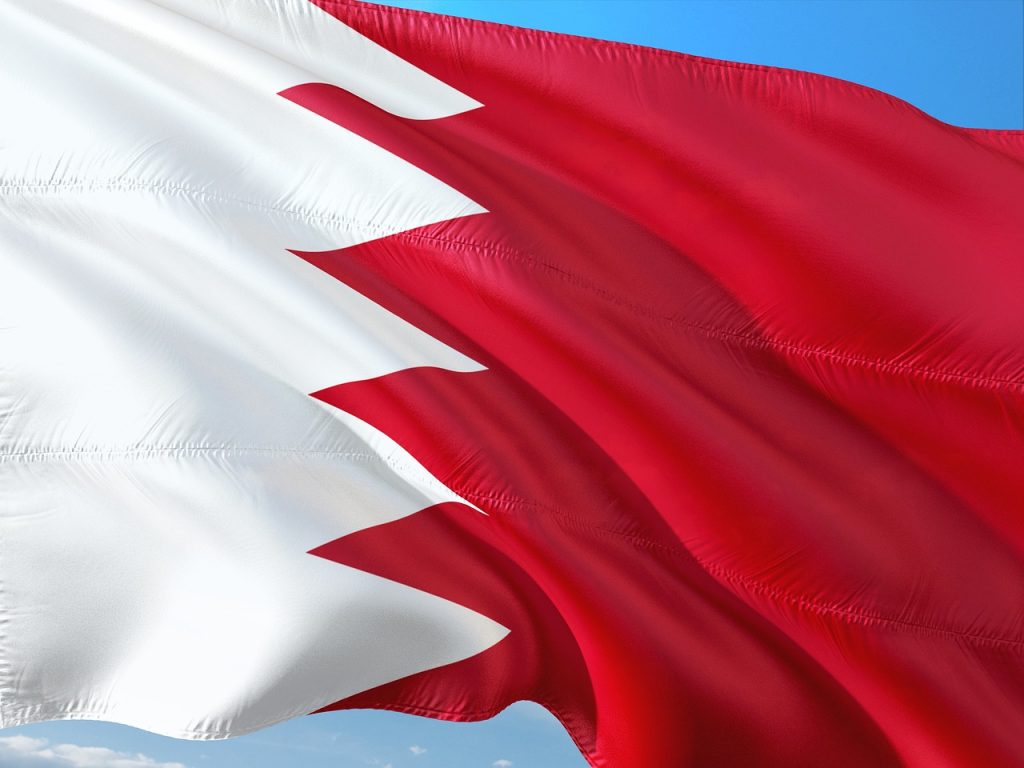
Bahrain flag. Photo by jorono via Pixabay

Public education in Bahrain is free throughout primary and secondary education (The Borgen Project 2017). The Bahraini Constitution states the citizens’ right to education (Al Khalifa, 2022). The Education Law No. 27 of 2005 states that education is free in primary and secondary government schools, which applies to citizens and non-citizens (Oxford Business Group 2022). Education is compulsory for children aged 6 to 15, and public schools educate boys and girls separately. The Ministry of Education is responsible for directing private and public schools, which have to adhere to some of its curricular demands (Oxford Business Group 2022). The Ministry offers the syllabus for the Arabic language and approves the textbooks related to Arabic and Islamic studies. Students in public schools take modern Arabic, as well as English, since their first year in primary school. The spending on public education in 2020 was 2.152% of the country’s GDP (CEIC 2023a). 

The majority of the country, approximately 95.7%, is literate, and Bahrain has the highest female literacy rate, with 94.95% (CEIC 2023b). The secondary education system is divided into two tracks: unified and vocational. The first prepares students for higher education, whereas the vocational track prepares students to pursue technical careers. In 2019, the primary school enrolment was 97.4%, and the secondary education completion rate was 97.3% (Ministry of Education from the Kingdom of Bahrain 2023). 

Covid-19

According to the World Bank, the lockdown during the COVID-19 pandemic affected approximately 1.5 billion children worldwide, especially due to schools closing (Buheji et al. 2020: 474). During the lockdown, the Bahraini government ensured that children continued receiving education. Bahrain’s national wealth eased the transition to distance education. The percentage of students with access to the internet and computers was high (idem: 481). Charities supported families that did not have access to computers, and communities were highly involved and mobilized to ensure the continuity of education throughout the lockdown (ibid.).

Private schools were equipped with online learning tools to record lessons and send these to students and parents (idem: 480). Likewise, public schools also provided online education after completing a two-week training program for teachers. Lessons were available on live television, YouTube, and Microsoft Teams (ibid.). Students with special learning needs also continued their education online, with teachers providing one-to-one lessons together with the children’s parents. Lastly, higher education resumed online, with professors uploading their lectures online (ibid.).

Nevertheless, students and professors complained that the transition to online education was oftentimes challenging due to technical issues, teachers’ lack of enthusiasm during recorded lectures, and lack of organization (ibid.). Additionally, teachers highlighted that students rarely engaged during online classes and that online education was more theoretical than practical. This aspect prevented students from gaining experience in their field, limiting the development of employability competencies (idem: 481). 

Gender in Education & equality of opportunities

According to Unicef, Bahrain has made steady progress in gender equality in education and women’s empowerment (Unicef 2022: 2). Women’s education in Bahrain has been an essential step towards equality of opportunity, especially as girls are educated at the same rate as boys. The first public school for boys was established in 1919. The first public school for girls in Bahrain was established in 1928, being the first Arab country to pioneer formal education for girls (Gharaibeh 2011: 97). Approximately 97% of girls and 98% of boys are enrolled in primary schools, while 91% of girls and 87% of boys attend secondary schools (Borgen Project, 2017).

Furthermore, in 1983, the Bahrain Ministry of Education opened a department for adult education. The department aimed to offer women and men the opportunity to complete basic education in adult education centres. This initiative contributed to reducing the percentage of illiterate women from 76% in 1971 to 11.7% in 2006 (idem: 98). Furthermore, Bahraini women have access to higher education. The government offered scholarships to female students to enrol in foreign universities since the 1950s, and parents often send their daughters to Egypt, Iraq, and Syria to pursue higher education (ibid.). In the academic year of 2016-2017, 63.4% of students in higher education were women, illustrating a higher female representation in university compared to men (Statista, 2023).

Special needs education

The Ministry implemented a program in 2005 for inclusive education for students with special needs in public schools, which would offer educational opportunities tailored to the needs of students (Al Khalifa, 2022). In 2011, the government ratified the Convention on the Rights of Persons with Disabilities and developed a strategy for people with disabilities following the United Nations Development Program (ibid.). However, the implementation of this initiative has been challenging for public schools, and many students with special educational needs still lack an appropriate placement in the educational system.

In the academic year 2018-2019, 8600 students with special needs enrolled in public schools in Bahrain, including children with autism spectrum disorders, intellectual disabilities, and Down syndrome (ibid.). These students are often placed in segregated classrooms, lacking the opportunity to interact socially with other children. For example, some schools offer separate recess times for students attending special educational needs segregated classrooms (ibid.).

Additionally, there are no coherent guidelines or governmental standards serving as a point of reference to evaluate schools’ implementation of appropriate practices toward students with special educational needs (ibid.). Public schools often lack a special curriculum tailored to children’s learning needs. This hinders teachers’ capacity to conduct their classrooms, especially as many educators lack the necessary skills and training to deal with students with special needs.

Lastly, Bahrani public schools only offer special education services for students from age 6 to age 15, entailing that these educational programs are not available for pre-schools and secondary schools (ibid.). Therefore, students who later transition to general education in secondary schools often face great academic difficulties following the curriculum, as teachers fail to tailor it to the needs of students with disabilities (ibid.).

The Ministry of Education, however, is currently drafting a transitional program from secondary school to employment for students with special needs, which has already been implemented in the US, Canada, and the UK (ibid.). The program aims to support students’ transition from education to ‘adult life’.

Freedom of expression

Freedom of education is imperative for academic freedom. Nevertheless, academic freedom is highly restricted in Bahrain. The government’s intolerance policy towards dissent has negatively impacted both students and teachers (Bahrain Center for Human Rights 2021). Since the uprisings in 2011, hundreds of teachers and students have been imprisoned, intimidated into silence, or expelled from educational institutions for participating in activism or peaceful demonstrations (ibid.). Government critics are subject to discrimination in employment and scholarship distribution (ibid.). The Bahrain Teacher’s Association (BTA) played a vital role in the 2011 uprisings, leading multiple peaceful protests. The government responded by prosecuting hundreds of teachers and banned BTA in April 2011, replacing dissident teachers with employees they deemed more suitable (ibid.).

Scholars who openly criticized the Bahraini regime were arrested; some had their citizenship and passports revoked or were refused entry into Bahrain (ibid.). In 2011, the University of Bahrain dismissed 117 academic staff members. It expelled 427 university students for openly expressing their opinions, and the government nullified the scholarships of university students for the same reason (ibid.). Underage students have also been arrested, with figures reaching 191, 124, 56, and 41 in 2016, 2017, 2018, and 2019, respectively (ibid.). As a result of their incarceration, these children have been deprived of education. The Bahraini government also executed a student, Ali al-Singace, in 2017, although he was underage at the time of his arrest (ibid.).

Furthermore, the government has been accused of discriminatory practices in scholarship distributions (ibid.). Personal interviews account for a large part of the scholarship allocation process, and many students reported that authorities questioned them on their political beliefs (ibid.). To illustrate, some top students were deprived of scholarships and unable to acquire jobs due to their political opinions (ibid.). Thus, by persecuting educators and students for their political opinions and assigning scholarships according to political ideology, the Bahraini government is compromising human rights and the quality of education.

Conclusion and recommendations

Altogether, Bahrain should continue to offer free and mandatory education for all children from primary to secondary school, with special attention to low-income families. Regarding inclusivity and equality, the government should continue to ensure that girls and boys have access to education and sustain high literacy rates. Given that Bahrain only uses a very partial percentage of its GDP on education, the government could invest more money to ensure that the quality of education does not diminish.

The matter of human rights and freedom of expression is currently an urgent matter in Bahrain. There is a need for legislation to prevent any administrative practices that involve discrimination, and the Bahraini government should be encouraged to include human rights principles in its academic curricula.

Concerning inclusive education, the Ministry of Education should draft a tailored curriculum and ensure educators are more adaptable to students with disabilities. Special needs education should also enable a smooth transition to secondary education and ensure that students have the necessary life skills and social and communication skills.

There should be staff with appropriate training and educational material available to students with special needs so teachers can give the proper attention to their students. Additionally, Bahrain’s school system needs to adapt its facilities to the aspirations of students with disabilities instead of offering segregated and isolated facilities. Resources and facilities can be used more efficiently by shifting to a more inclusive educational environment. In other words, the government should advocate for an educational model that focuses on empowerment rather than assimilating students with special needs to the social norm.

References

Education Challenges in Myanmar: Trying to Reach Education in a Chaotic Environment

Written by Müge Çınar

Education in Myanmar: the background

The first educational transition occurred in 1948, from the colonial education system to a national system. The second educational transition happened after 1962, from a national education to the so-called ‘Burmese Way to Socialism’ education. From 1988 to 2010, the country’s education noticeably deteriorated so that almost 40% of children never attended school, and nearly three-quarters failed to complete even primary education (Lwing, 2007).

In September 2014, the parliament and the military-backed government approved the national education law. However, students protested against the national education law, which is highly centralised and restricts academic freedom. In June 2015, an amendment to the national education law was enacted with minor changes. The teachers, scholars and students had to obey social control. In addition, the government prioritised its political agenda in the education system.

Education Budget and the System in the Country

With education spending 2.91 per cent of the GDP, the lack of an education budget (approximately three times that of the military budget) further hinders growth. As a result, compared to other Southeast Asian countries such as Vietnam, children in Myanmar do significantly worse on standardised tests. The new country has begun reforms, such as the gradual implementation of free education through high school. Despite some progress, there is still a long way to go (Children of the Mekong).

Children in a classroom. Photo by worak. Wikimedia Commons.

Genocide of Rohingya People by Myanmar and its Effect on Children’s Education

The Rohingyas, a Myanmar ethnic group, have been denied fundamental human rights, including citizenship. They have been subjected to terrible oppression, prejudice, violence, torture, unfair prosecution, murder, and great poverty for decades. Rakhine State’s hostile environment has caused the Rohingyas to evacuate their homes and seek asylum in neighbouring nations (Shohel, 2023). This erupted the children’s fundamental right to education while asylum-seeking and travelling with much trauma.

Many villagers have fled the fighting and their burned homes during the decade-long civil conflict. Many villages seek refuge in the bush, and the number of internally displaced people (IDPs) is growing. Hundreds of villagers lost their homes and left their communities during the recent conflict in Kachin State, northern Myanmar (Lwin, 2019). Thousands of Rohingya men, women, and children were shot and burned in a matter of weeks during the violence against the Rohingya community in northern Rakhine State, western Myanmar; masses of Rohingya women and girls were raped; infant children were killed; men and boys were arbitrarily arrested; several hundred villages were destroyed in arson attacks; and more than 700,000 people were forced to flee to neighbouring countries (Washington Post, 2017).

There are around one million Rohingya refugees in Bangladesh, including 300,000 who entered as a result of previous years’ violence (Washington Post, 2017). More than half of the Rohingya refugees are women and girls, with 60% being minors under 18 (Oxfam, 2018). According to the UNHCR (2018), 97,418 Myanmar refugees live in nine refugee camps along the Thai-Myanmar border. 54.4% are under 18 (The Border Consortium (TBC)). This is a question of nearly half of the population how to get proper education in refugee camps. In addition, Malaysia is one of the transit countries for refugees, and Malaysia has thousands of Rohingya refugees that have no legal refugee status by the government.

Over 31,000 refugee children from southeast Myanmar’s conflict-torn Kayah State require immediate financial assistance to continue their education. Despite the continuous violence in Kayah, pupils attend community schools, including makeshift classrooms in internally displaced persons (IDP) camps (The Irrawaddy, 2022).

How Different Are Minorities Getting Education?

Although the name ‘Burma’ is derived from the Bamar people, who constitute two-thirds of the country’s population, according to official government data, Burma is one of the most ethnically diverse countries in the region, with over 135 ethnic groups. The country’s geographic location has drawn settlers from various backgrounds throughout history. There are over 100 languages spoken, and minority ethnic populations are estimated to make up approximately 40-60% of the total population and occupy half of the land area (Humanitarian Aid Relief Trust (HART), 2021).

The Bamar (68%), Chin (2.5%), Kachin (1.5%), Karen (7%), Kayah (1.83%), Mon (2%), Rakhine (4%) and Shan (9%) are the eight ‘official’ groups. The figures are from 2016. The sea gipsies’ of the southern islands, the “long-necked” ladies of Padaung, the Nagas on the Indian boundary, and the tattooed women of Chin State, not to mention the Pa-O, Wa, Kokang, Akha, and Lahu indigenous peoples, are all part of these broad groups. The country’s major religions are Theravada Buddhism, Christianity, Islam, Hinduism, and Animism.

Teaching minority languages in state schools has been prohibited in the Burmese education system since 1962, and this policy remains in place today (Lwin, 2017); even though Myanmar has an estimated population of 51 million people who speak over 100 languages and dialects, as stated above.

A teacher and some students including novice Buddhist nuns at Aung Myae OO Monastic Education School on Sagaing Hill across the Irrawaddy River from Mandalay. The ‘civilians’ have decorated their faces with thanaka, a skin protector and, among women and girls, a fashion cosmetic made from tree bark that has been used in Myanmar for at least the past two millennia. Photo by Dan Lundberg on Flickr.

The Hardship of Language in Education, Especially Ethnic Language

The language of education is not neutral since it reflects the historically determined ability of one or more groups to elevate their language to such prominence within a state. A curriculum may also contain classes that educate about local history. In certain circumstances, language is the primary divide behind ethnic conflict and civil war (Shohel, 2023). For example, Bormann, Cederman, and Vogt (2017) demonstrate that linguistic cleavages are increasingly prevalent. A centralised education sector often fails to adequately address the grievances arising from rights to identity and language (Dryden-Peterson & Mulimbi, 2016).

Child Soldiers and Child Labour

A civil war necessitates many soldiers, and both sides of the conflict use children to strengthen their forces. Although it is difficult to determine due to a lack of official estimates, tens of thousands of child soldiers are undoubtedly present in Myanmar (Children of the Mekong). These children, many orphans, are frequently enlisted or sold to armies. They are indoctrinated and pushed to battle after they join the military. Solving this problem will necessitate a reduction in ethnic tensions and enhance political stability, both of which appear unattainable.

According to UNICEF, one out of every four children aged 6 to 15 works. There are two reasons for this: schooling is still costly, and lack of finance for the education sector sometimes means that the children receive insufficient education. As a result, many rural residents prefer to send their children to work to earn money (Children of the Mekong).

Gender inequality

The military authority has been the norm rather than the exception in Myanmar for 50 years. For many decades, women were barred from holding leadership positions and were denied equal economic and educational possibilities as men. During these decades, social conventions decided that women and girls should control the household, family, and other caretaking chores while males should be leaders, owing to the country’s military and hyper-masculinity. This period’s patriarchal worldview is exemplified by the military-drafted 2008 constitution, which regularly refers to women as mothers and proclaims that specific vocations “are suitable only for men.” Myanmar was ranked second most discriminating in the 2021 Social Institutions and Gender Index2 out of nine Southeast Asian countries (UN Women & UNDP, 2022).

According to the women who responded to the survey in December 2021, “After the military takeover, all the hopes and aims are gone, and everything has been difficult. The education system is worsening, and the scarcity of jobs is increasing” Kayin resident, 55 years old (UN Women & UNDP, 2022).

Young children attend a school in Myanmar. Photo by ILO / P.Pichaiwongse on Flickr.

Children with Disabilities

According to the Ministry of Population’s 2019 survey, 12.8% of the population has one of the six disabilities: 6.3% have a visual impairment; 2.4% have a hearing impairment; 5.4% have difficulty walking; 4.4% have difficulty remembering/concentrating; 1.9% have difficulty self-care; and 1.6% have difficulty communicating (DoP, 2020, p. 93).

According to the Ministry of Education, students with disabilities attended 14.72% of all regular primary and secondary schools in 2019. In Myanmar, statistics show that education for disabled children is scarce (Tonegawa, 2022).

DoP et al., 2017: 156 estimate that 45.4% of children with impairments aged 5-9 years and 31.4% of children with disabilities aged 10-13 years have never attended school. The enrolment rate of disabled children is low compared to Myanmar’s overall net enrollment rate in formal education, which is 98.5% in formal primary education and 79.2% in formal lower secondary school. In Myanmar, school enrollment for disabled children is low (Tonegawa, 2022). This multi-sectoral review holds that Myanmar’s success in meeting the Sustainable Development Goals (SDGs) is largely dependent.

Unqualified Higher Education Teachers and Teachers under Threat

The University scholars are expected to be positioned at the nexus of teacher training and research practice. The scarcity of research-related scholars is a crucial issue for Myanmar, with their minimal studies on their research engagement.

The teachers also, as well as students, are under threat of ongoing conflict. The 2021 coup and the civil war affected teachers’ safety. In addition, eleven though the teacher is threatened by their lives, their income is insufficient to survive.

Conclusion

The second anniversary of Myanmar’s February 2021 coup d’état has just passed, and the country’s terrible state of armed warfare, insurgency, turmoil, and anarchy has only worsened. With the uncertainty surrounding the postponed general elections this year, which most believe will not be free, fair, or genuine, the civil war inside Myanmar is projected to worsen in 2023. There appears to be no end in sight. All of these conditions deteriorate the access to quality education for many children.

References
  • The Border Consortium (TBC). (n.d.). TBC’s Strategic Plan for 2023-2025.
  • Children of the Mekong. (n.d.). Education in Myanmar: challenges created by an unstable political environment. Children of the Mekong. Retrieved August 11, 2023, from https://www.childrenofthemekong.org/education-in-myanmar-challenges-created-by-an-unstable-political-environment/
  • CNN. (n.d.). Myanmar fast facts. CNN. Retrieved September 7, 2018, from. https://edition.cnn.com/2013/07/30/world/asia/myanmar-fast-facts/index.html
  • Government of Mynmar & UNICEF. (2020, December). Myanmar 2019-2020 Education Budget Brief. https://reliefweb.int/report/myanmar/myanmar-2019-2020-education-budget-brief-december-2020
  • https://www.hart-uk.org/a-brief-overview-of-the-ethnic-minorities-of-burma/. (2021, February 8). A Brief Overview of the Ethnic Minorities of Burma. Humanitarian Aid Relief Trust (HART). Retrieved August 11, 2023, from https://www.hart-uk.org/a-brief-overview-of-the-ethnic-minorities-of-burma/
  • Humanitarian Aid Relief Trust (HART). (2021, February 8). A Brief Overview of the Ethnic Minorities of Burma. Humanitarian Aid Relief Trust (HART). Retrieved August 11, 2023, from https://www.hart-uk.org/a-brief-overview-of-the-ethnic-minorities-of-burma/
  • The Irrawaddy. (2022, November 24). Southeast Myanmar’s Refugee Children Need Funding to Stay in School. The Irrawaddy. Retrieved August 11, 2023, from https://www.irrawaddy.com/news/burma/southeast-myanmars-refugee-children-need-funding-to-stay-in-school.html
  • Kyaw, M. T. (n.d.). Factors Influencing Teacher Educators’ Research Engagement in the Reform Process of Teacher Education Institutions in Myanmar. SAGE Open, 11(4). https://doi.org/10.1177/21582440211061349
  • Lall, M. (2023). The state of education, pre-reform. In Myanmar’s Education Reforms: A Pathway to Social Justice? UCL Press.
  • Lwin, T. (2017, March 10). Comments on the National Education Strategic Plan (2016–2021) of the Ministry of Education, Myanmar.
  • Lwin, T. (2019, June 13). Global justice, national education and local realities in Myanmar: a civil society perspective. Asia Pacific Education Review, (20), 273–284. https://doi.org/10.1007/s12564-019-09595-z
  • Lwing, T. (2007, July). Education and democracy in Burma: Decentralization and classroom-level educational reform. In Forum: International forum for democratic studies.
  • Myanmar Department of Population. (n.d.). 2019 Inter-censal survey. Department of Population. Retrieved August 11, 2023, from https://www.dop.gov.mm/en/publication-category/2019-inter-censal-survey
  • Oxfam. (2018). Bangladesh Rohingya refugee crisis. Oxfam International. Retrieved from. https://www.oxfam.org/en/emergencies/bangladesh-rohingya-refugee-crisis.
  • Shohel, M. (2023, May 3). Lives of the Rohingya children in limbo: Childhood, education, and children’s rights in refugee camps in Bangladesh. PROSPECTS, (53), 131–149. https://doi.org/10.1007/s11125-022-09631-8
  • Tonegawa, Y. (2022, January 15). Contextualization of Inclusive Education: Education for Children with Disabilities in Myanmar. International Journal of Instruction, 15(1), 365-380.
  • UNCHR. (n.d.). United Nations High Commissioner for Refugees (UNHCR). (2018). Refugees in Thailand. https://www.unhcr.org/th/en.
  • Untitled. (n.d.). UNFPA Myanmar. Retrieved August 11, 2023, from https://myanmar.unfpa.org/sites/default/files/pub-pdf/inter-censal_survey_union_report_english.pdf
  • UN Women & UNDP. (n.d.). Regressing Gender Equality in Myanmar: Women living under the pandemic and military rule. Report.
  • UN Women & UNDP. (2022, March 8). Regressing Gender Equality in Myanmar: Women living under the Pandemic and Military rule – Myanmar. ReliefWeb. Retrieved August 11, 2023, from https://reliefweb.int/report/myanmar/regressing-gender-equality-myanmar-women-living-under-pandemic-and-military-rule
  • Washington Post. (2017, October 25). Bangladesh is now home to almost 1 million Rohingya refugees. Washington Post. Retrieved August 11, 2023, from https://www.washingtonpost.com/news/worldviews/wp/2017/10/25/bangladesh-is-now-home-to-almost-1-million-rohingya-refugees/?noredirect=on&utm_term=.24ca7b467a0e.

Educational Challenges in Lesotho

Written by Priscilla Thindwa

An Overview of Education

The significance of education in driving development and as a tool in reducing  poverty is undeniable. Education should be regarded as a human right, and every individual should have access to and be fully included. According to the World Bank, on an individual level, education has the impact of promoting employment, increasing earnings, and reducing poverty (World Bank, 2023). On the societal level, education has the potential to drive long-term economic growth, strengthen institutions and foster social cohesion (World Bank, 2023). For this reason, Sustainable Development Goal 4 envisages a world with inclusive and equitable quality education and promotes lifelong learning opportunities for everyone. However, the challenge in most African countries is not the accessibility but the quality of education and exclusion. According to reports by the United Nations (UN), sub-Saharan Africa has the highest rates of education exclusion globally, with approximately 60% of youth between the ages of 15 and 17 not in school (Kaledzi, 2022). Several factors contribute to such challenges.

Lesotho College of Education. Photo by OER Africa on Flickr.

The Landscape of Education in Lesotho

Lesotho, a country in sub-Saharan Africa, is not an exception to the persistent challenges of education faced by other countries in the region. Even though the country has had some challenges, its literacy rate is considered one of the highest in Africa. With an adult literacy rate of 81% in 2021, the World Bank datasets note a decline of 5.3% from 2000. Such a decline is worrisome because education is considered a fundamental human right for all individuals in the world. The primary school in Lesotho is free, and most primary schools and secondary schools are owned by churches (Bitso, 2006: 37). The Ministry of Education and Training is considered the mouthpiece of education whose main responsibilities include formulating and monitoring the implementation of educational policies, passing legislation and regulations governing schools (Bitso, 2006: 37).

Challenges

Overcrowding in Classrooms

One of the main challenges facing education in Lesotho is classroom overcrowding. This is mostly in Primary schools. In 2009 when the government of Lesotho implemented a free education policy, this put a strain on the existing “physical infrastructure, educational material and human resources” (Mukurunge, T., Tlali, N. and Bhila, T., 2019:29). Even though the policy’s aim was for everyone to have free access to education, quality of education was compromised. As pointed out by World Data on Education, Lesotho’s poor quality of primary education is a matter of concern (UNESCO, 2006:2). Citing overcrowding as the main cause of such low quality in education, which is exacerbated by shortages of teachers, classrooms as well as high repetition levels (UNESCO, 2006:2). Supporting the literature study by Seotsanyana and Matheolane, Francina Moloi, Nomusic Morobe, and Urwick, James, assert that introduction of free primary school education led to an increase of students per teacher ratio. This resulted in teachers resorting to ineffective teaching methods (Moloi, F., Morobe, N. and Urwick, 2007). For instance, the latest World Bank Data on the pupil-teacher ratio in Primary schools was 1:23 in 2018. Consequently, affecting the levels of pupil concentration and increasing drop-outs.

Shortage of Qualified Teachers

In addition to overcrowded classrooms, the shortage of qualified teachers is another challenge that limits the education system in Lesotho. This shortage is compounded by the lack of opportunities for teachers to undergo proper professional training to revamp their skills. The shortage of qualified teachers and overcrowding in classrooms continue to contribute to low-quality education and efficiency, especially at the primary level. Moreover, as indicated by the World Data on Education on Lesotho, the low quality of teachers is owed to the “absence of regular in-service training opportunities for teachers” (UNESCO, 2006:2). This is exacerbated by inexperienced headteachers, inadequate inspection and teachers who are not certified.

Qoaling is a village/suburb of Maseru. It has a built in infrastructure for most part but hand pumps are still evident in some sections. Maimoeketsi Community Primary School. The Standard 7 class during lessons. Photo by John Hogg. World Bank on Flickr.
Shortage of Furniture and Learning Materials

Shortage of furniture and inadequate learning material are other challenges that hinder most Basotho from enjoying their right to quality education thoroughly. Quality infrastructure and learning materials are imperative for education to be effective and efficient. However, this is not the case for most schools in Lesotho. Even though education is free in primary schools, insufficient learning materials such as textbooks, teachers’ guide materials, and desks hinder the provision of a good education. To make matters worse, some schools do not have enough classroom blocks, so they must learn outside under trees. For those with school blocks, they are poorly maintained, and pupils shiver in cold weather. For some, such unfavourable environments continue to deter pupils in Lesotho schools from accessing quality education.

Socio-economic Factors Leading to Poor Performance

Another challenge that most Basotho face concerning education is related to the socio-economic factors, which place a significant role in the performance of the pupils in school. According to the World Bank data on the collection of development indicators, 70.06% of Lesotho’s population is based in rural areas (Trading Economics, 2022). The 2021 UNICEF Multiple Indicator Cluster Surveys (MICS) findings on Lesotho indicated that approximately 80% of children complete primary education (UNICEF Lesotho 2021:15). The report observed a steep decline in the rate for lower and upper secondary education (UNICEF Lesotho, 2021:15). The report continues to note that children from the “poorest quintile and those in rural areas” had lower rates of completion and performing below the national average (UNICEF Lesotho, 2021:15). On the other hand, those from urban and wealthiest families, was noted to complete at “a level higher than the national average” (UNICEF Lesotho, 2021:15). Some contend that the disparities in the level performance are owed to lack of motivation for children from poor households whose parents are usually less educated (Help Lesotho, 2018). Most children from such households are not convinced that education’s impact is changing one’s economic status. Also, some children from poor households go to school hungry, making it difficult for them to concentrate and, as such, negatively affecting their performance. Thus, even though primary school is free, it remains inaccessible to certain groups of society in Lesotho.

Some Recommendations and Conclusion

Since education is considered a fundamental human right, one should expect it to benefit all groups of society regardless of their socio-economic status. However, this is not entirely the case in some schools in Lesotho. As discussed above, several challenges within the education system continue to hinder Basotho’s ability to enjoy fundamental human rights entirely. Firstly, classroom overcrowding can be tackled by constructing more schools and employing more teachers. Doing so will reduce the pressure on the limited resources. The employed teachers should be professionally trained and allow them opportunities to upgrade their knowledge to adapt to the changing world.

Moreover, the government and non-governmental organisations should ensure the provision of required learning and teaching materials to both students and teachers, respectively. Lastly, regarding tackling the challenge associated with socio-economic factors, children from poor and rural areas should be given more incentives to stay in school, and scholarships should be awarded to the best performers to continue their education to secondary school and tertiary education. Doing so will indeed ensure that education is accessible to all groups of society regardless of their socio-economic background.

References

Educational challenges faced by refugee children in Turkey

Written by Caren Thomas

Refugees are those who have a well-founded fear of being persecuted for reasons of race, religion, nationality, membership of a particular social group or political opinion. Experiencing such fears in early childhood will critically impact a child’s cognitive, social, emotional and physical development.

As articulated in the UN Convention on the Rights of the Child, children have specific rights. These include principles of protection from harm, provision of basic needs, recognition and participation of children as rights holders. 

Through the Temporary Protection Regulation passed in 2014, Syrian refugees are provided specific protection to specific rights, including education, shelter, food, water, housing, social security mechanisms and the labour market.

Via the 2015 EU-Turkey joint action plan, both sides aim for enhanced educational opportunities across all levels and a commitment to assisting the host nation, Turkey, particularly in aspects like infrastructure and various services.

In 2018, the Global Compact on Refugees set a goal that governments should be in a position to include refugee children and youth in the national education systems within the time period of three months of displacement.

The earthquake in February 2023 inflicted additional distress upon refugees and other displaced children in Turkey, particularly impacting their access to education.

Education is a fundamental entitlement for every refugee and individual seeking asylum. Turkey is facing a significant influx of asylum seekers and is also a host to a substantial refugee population, a majority composed of Syrians. Unfortunately, these refugee children are unable to access education due to their circumstances. The existing educational framework for refugees in Turkey is burdened with numerous difficulties and obstacles.

Photo by Julie Ricard on Unsplash.

Documentation

Many enrol in Turkish schools after obtaining an international protection identification document bearing the foreigner identification number. The tuition fee waiver announced by the council of ministers only applies to students from Syria. Turkish classes are offered at Public Education Centres free of charge. For this, the international protection identification document is required. However, if insufficient persons are enrolled, said classes may not commence on the requested enrolment date.

Individuals hailing from Syria are eligible to enrol in Temporary Education Centres, whereas refugees and asylum seekers from different nations are exclusively permitted to register at Turkish public schools. Temporary Educational Centres are schools which provide educational services for persons arriving in Turkey for a temporary period. These were initially staffed by Syrian volunteers who UNICEF and other NGOs financially compensated. As per the Ministry of National Education, a considerable proportion of the refugee children were out of school in 2019. However, there has been a substantial decline in the number of children not attending since the initial years of the Syrian refugee crisis. As of  2017, the Turkish authorities have been implementing measures to integrate Syrian refugees into the country’s public education system.

Statelessness within the Syrian population residing in Turkey presents a notable issue. Challenges persist due to factors such as the lack of proper civil documentation, difficulties in acquiring birth certificates in Turkey, and the citizenship regulations of Syria. Notably, Syrian nationality can only be inherited by a child from their mother if the birth occurs within the borders of Syria.

Within Turkey, if the mother’s relationship with a Syrian or Turkish father is unestablished or unclear, then the child faces the risk of statelessness. An absence of Turkish citizenship or permanent residency leads to them being guests within the country and failing to be integrated into Turkish society.

While Turkey is a signatory to the UN Refugee Convention, it has submitted a request for geographical limitation. Consequently, individuals such as Syrians and those arriving from various other nations are ineligible for complete refugee status in Turkey. Alternatively, they are registered under the “temporary protection” regulation.

This Temporary Protection Regulation allows refugees access to essential resources such as healthcare and education. Once the refugees are registered under the Temporary Protection Regulation, they are required to remain within that province.

Additional issues arise from the lack of recognition of temporary and international protection status in 16 provinces across Turkey. The reduction of 25% to 20% foreign population within a given neighbourhood continues to cause significant issues. Finding jobs becomes a difficulty since the individual is forced to look for jobs only in the area the individual is registered in, thereby limiting the job opportunities that may be available to them in other places, such as Istanbul.

A recurring trend observed worldwide is that during times of crisis, the education sector is frequently the first to be halted and the last to be reinstated. It is crucial to be have access to education regardless of whether you are an international protection applicant or status holder or if you plan to resettle in another country or go back to your country. It helps the children develop skills, stability as well as  integrate them socially and academically into the education system.

Language barriers

In a study conducted, it was seen that the main problem was that of language. The employed teachers did not speak Arabic, and the children, in this case, did not speak Turkish. There are no activities carried out within the classroom setting to facilitate their learning. There is no varied material brought in to help aid their understanding. Teachers need to be provided with vocational training to better facilitate the learning process for refugee children through teaching strategies and teaching aids.

The teachers have little to no awareness on these refugee children, not just from an educational point of view but also on a psychological level. A majority of these students have been subjected to post-traumatic stress disorder, primarily due to the conditions they are coming from.

The children’s communication barrier furthers the issue within education. When the refugee children are put with other students who can speak the Turkish language, they are often subject to mockery, lack confidence and isolation due to the language barrier.

Syrian children and youngsters attending informal education and integration courses at Relief International communıty centre.
Photo by: EU/ECHO/Abdurrahman Antakyali , Gaziantep.

Familial background and trauma

In a gender analysis carried out in 2019 to explore the Syrian refugee journey with a focus on the difficulties encountered by refugees in Turkey, it was observed that a notable portion of Syrian refugee children were not attending school. Among those who were in school, there were elevated levels of trauma. This significantly undermined the educational advancement of these children.

Children were initially not sent to schools since parents felt their stay in the country where they sought asylum would be temporary. However, once the families realised the permanency of their residency in Turkey, the enrolment rate in schools by refugee children steadily increased.

Research has consistently shown the positive effects of education on children who experience post-traumatic stress and develop coping and resilience skills. This can prove particularly helpful and effective for refugee children in the long run.

However, despite the positive impact education has, it comes with complications. An unstable or unsupportive home environment hinders a smooth educational process for these children and impacts the quality of education.

Refugee families typically find themselves having lost all they had. This, alongside  the financial strain, forces their children into early marriage, leading them to drop out of school. Worth mentioning, is that in 2020 there was a drop in boys attending school. It was seen that reasons such as sending children to work due to augmented economic hardship were one of the reasons to withdraw boys from schools.

Decline in services

Natural disasters, epidemics and wars spare no children. Turkey was gripped by conflict following Covid-19 and the earthquake in February 2023. Refugee children are often subject to poverty, poor living conditions, minimal access to safe drinking water, healthcare and food, as well as compelled to work owing to the unfavourable economic circumstances faced by the family, leading to the children being forced to neglect their education. The Conditional Cash Transfer for Education for Syrians and Other Refugees and the Promotion of Integration of Syrian Children into Turkish Education were seen as ways to address the economic barriers to enrolment and attendance.

These children have been victims of distressing experiences at a young age, such as the maiming and death of their near and dear ones. Due to the unstable environment, this results in a delay with their access to education. These children may end up receiving education in inadequate educational facilities, thus hindering their ability to fully grasp and unleash their full potential.

Racism and xenophobia

Instances of racist and xenophobic assaults have experienced a substantial rise as well. This has been further exacerbated by various politicians within the country. This continues to subject refugees from Syria and other places in constant danger throughout schools, homes and workplaces. Taking into consideration the duty Turkey has towards its refugees, especially as a signatory to the UN Refugee Convention, the politicians, members of the government, policymakers, and other influential persons should make a conscious effort not to instigate animosity towards refugees within the country.

Teachers and other resource persons need to make a conscious effort to bring awareness among the children of the host state that discrimination, racism, bullying, and other such acts are unacceptable behaviour. The citizens or parents of the students of the host state also need to be made aware to end discriminatory treatment towards these refugee children and teach their children to be respectful towards their fellow peers. Basic language skills among refugee children would allow for both parties to have a basic level of interaction. If not, refugees will persist in grappling with the notable issue of being excluded and marginalized.

The host nation must actively strive to comprehend the challenges that refugees encounter within an educational environment, encompassing issues like bullying, discrimination, language barriers, and similar concerns. These factors impact the necessity of forging connections and fostering a sense of belonging.

Hatay, Turkey, 9 February 2023. Members of the UK’s International Search & Rescue Team continue working in coordination with other search and rescue teams looking for survivors. Photo by UK ISAR Team

February 2023 earthquake

The earthquake that struck the nation in February 2023 has exacerbated the challenges faced by refugees. Basic resources, such as education, are now inaccessible for children. Several schools are being repurposed as shelters for those affected by the earthquake.

UNICEF has managed to help 140,000 children with access to formal or non-formal education and has provided more than 260,000 children with access to mental health and psychosocial support. UNICEF and AFAD have played an active role in helping the Ministry of National Education with temporary education measures such as tents for catch-up classes and exam preparation. However, even UNICEF recognises the need for longer-term support needed for rebuilding and recovering the lives of these children and their families.

It is a common pattern that education, particularly for vulnerable groups, tends to be disregarded and relegated to a lower priority. This situation could potentially push these vulnerable children into engaging in child labor as a means of supporting themselves or their families during these challenging circumstances. The increase in bias and impoverishment persists among these Syrian refugees, and when combined with the restricted educational access, they find themselves compelled to work merely to sustain their livelihoods.

Conclusions

The hosting country should make efforts to guarantee the integration of displaced children, regardless of their specific classification as refugees, internally displaced persons, asylum seekers, or unaccompanied minors, into the local education system in their respective residential areas.

Considering the massive influx of migration that Turkey receives due to global humanitarian crises, it would be wise if Turkey took an active initiative not only in policy-making but in its implementation regarding the education situation for said displaced children.

Partners within the country as well as internationally should step up to help the Turkish authorities by equipping them with the required support in the form of financial aid, technical assistance, expertise in terms of teachers who have the talent to speak the relevant languages, subject knowledge and to be able to cater to the different kinds of difficulties that come with teaching children that are coming from volatile environments.

It’s important to acknowledge that a teacher tasked with educating refugee children, along with those who are internally displaced, asylum seekers, or unaccompanied minors, is instructing a group that faces challenges beyond what is typically encountered in a standard classroom setting.

These children may have disabilities from birth or due to violence in their countries, have seen family members and friends killed or injured, or have even been victims of sexual violence. It’s highly probable that their education might have been disrupted well before their arrival in the host country. As a result, teachers in these contexts need to possess not only strong teaching skills but also a profound understanding of their classroom environment and a sensitivity to the unique situations they are confronted with. This is a difficult challenge.

The host country and other partners assisting the host country must also be mindful of this fact while hiring teachers and other resource persons. Education, especially for refugees, is exceptionally beneficial for social restructuring and socioeconomic development. 

As the viability of the Turkiye Compact is under ongoing evaluation, particularly given the difficulties involved, its execution would notably contribute to supporting Turkey and enhancing the nation’s economy. Additionally, it would assist refugees in achieving greater self-sufficiency and decreasing their reliance on humanitarian aid funding.

Introducing a universally recognized certification system for these children would enhance the ease of educational transitions, if they were to occur. This system would facilitate enrollment, attendance, retention, progression, and completion, fostering a more inclusive, equitable, and high-quality education for both refugee children and youth.

Ignored, bullied, rejected and discriminated against are common words used to describe the experience of refugee children in schools. It is high time this narration and plight are changed. Turkey must uphold its treaty obligations under the 1951 Refugee Convention, International Covenant on Civil and Political Rights (ICCPR), Convention against Torture and continue to uphold the principle of nonrefoulement. Ensuring education provides a robust platform for children to be emboldened and enrich their future.  It is an immense responsibility that should be shouldered by the state and non-state actors at the local, national and international levels to maximise all efforts to ensure a safe space for these children.

References

Challenges facing the Education System in Angola

Written by Ruth Lakica

The Cidade Alta in Luanda, Angola, stretches along a ridge lined by pink colonial buildings including the president’s and archbishop’s palaces. Photo by David Stanley on Flickr.

Introduction

Education is a fundamental right for all humans around the globe. Regardless of one’s economic or social status,  they should be able to have access to education. Even though this seems obvious and like common knowledge, it is not the reality for many Angolans. Nevertheless, the government has and is making significant efforts to cab illiteracy.  For instance, in recent years, Angola has significantly reformed its education system, improving literacy and enrollment rates. However, school completion rates indicate high levels of dropout. The Angolan Education Law (2021) makes primary education free and compulsory for six years, but approximately 2 million children are still out of school.  The country’s long-term strategy–Estratégia de Longo Prazo Angola 2025–promotes the human and educational development of the Angolan people.

Conflicts and insecurity

Despite the civil war ending more than 15 years ago, Angola still faces—and will continue to face—challenges in its education system that date back to these years of violence. Primary education in Angola is compulsory and free for four years for children between 7 and 11, but the government estimates that approximately two million children are not attending school.

In areas where classrooms were utterly demolished during the war and have not yet been rebuilt, classes typically are held outside and often must be cancelled due to bad weather. Where classrooms exist, they tend to be overcrowded and undersupplied, with outdated or insufficient books and pencils and not enough desks and chairs.

Lack of enough qualified teachers

Debates about teacher quality lack in Angolan educational institutions are constant. These were and continue to be pointed out as teachers without the desired quality to teach in higher education, in addition to being few, forcing them to become multipurpose: the teachers lack in Angolan educational institutions causes the few teachers to teach a large number of subjects, and in many cases, subjects outside their comfort area.

The Angolan government focused on education expansion for a long time and forgot about teaching quality in the same institutions. Therefore, the institutions, especially private ones, arise without verification of the curriculum they presented, which was never in accordance with the requirements for their functioning, many of them without appropriate facilities and without enough teachers to follow the several existing courses. And several other factors contributed to the higher education institutions’ quality being relatively low.

Household poverty

The educational level was directly related to the incidence of poverty in Angola from March 2018 to February 2019. According to Statista, among people with no education, 56.5 per cent lived with a level of consumption below the poverty line. Among individuals with primary education, the rate amounted to 54.9 per cent. Even though the poverty incidence among people with higher education was the lowest, 17.3 per cent of people with an upper secondary education or more were living above the poverty line. In December 2018, the total poverty line in Angola was estimated at roughly 12.2 thousand Kwanzas (approximately 22 U.S. dollars).

Impact of drought

The challenges for accessing education imposed by the cyclical pastoral migration in Cunene – particularly for boys – are well-known. However, the severe drought plaguing the South Region of Angola has intensified the phenomenon, causing unprecedented stress on the province’s education system.

According to Reliefweb, In the municipality of Curoca, one of the hardest hit, 13 schools have closed since the beginning of the year due to student absences. Of Cunene’s 887 primary schools, 614 are affected by the drought in some way, which is causing severe disruption to no less than 70% of the province’s 214,000 students.

When children must split their time between fetching water and protecting their families’ greatest wealth, the livestock, their education suffers.

Impact of Covid-19

The pandemic caused by the SARS Covid-19 came to monitor investments made not only in the health sector but also in education and, above all, in the higher education subsystem. The pandemic led governments to close university campuses and face-to-face classes suspension for a considerable period of time as a measure to prevent the virus contamination from spreading. Some countries with the distance learning modality in their school curricula were forced to make it a strategy, intensifying them to reduce the pedagogical damage that was felt due to the pandemic caused by COVID-19. Given the uncertainty of an end date for the pandemic, other countries were forced to bet on this modality of distance learning.

Until 2020, the Angolan State did not recognize any studies carried out at a distance, both within the country and abroad (Presidential Decree n° 59/20, of 3 March). The emergence of the pandemic was necessary to show the importance of distance. It blended learning, leading it to adopt the strategy used by most countries to avoid a catastrophe at the educational level.

Green Schools campaign in Eiffel School, in Angola. Photo by Mayada Marrom on Wikimedia Commons.

Water, sanitation and hygiene

According to USAID, “nearly half the population of Angola (49.3%) lacks access to clean drinking water and (54.7%) of households do not have access to adequate sanitation facilities.” As a result, many Angolans face a high risk of exposure to waterborne illnesses, further burdening the nation’s existing healthcare infrastructure, worsening malnutrition and negatively impacting the economy.

Moreover, the southern regions of Angola are experiencing a prolonged drought, which has gravely impacted the nation’s health, sanitation, water access and education services. More than 1.2 million Angolans face water scarcity due to the drought. In the Cunene province, the drought has caused “serious disruptions” to school access for nearly 70% of students.

Teenage pregnancy and child marriages

Angola has one of the highest teenage pregnancy rates in the world. Underlying factors include limited knowledge of family planning, inadequate availability of commodities, limited access to skilled health workers, and insufficient household resources allocated to sexual and reproductive health. The high rate of teenage pregnancy increases the already existing vulnerability of girls, as pregnancy is often an impediment to continuing education, exemplified by the low literacy rates of only 36.5% for young women aged 15 to 24. The country has 10 million girls and women of reproductive age. Although 75% of girls attend primary education, this proportion drops to around 15.5% in secondary education, coinciding with the first menstruation age. High fertility rates and high levels of teenage pregnancy also increase the risk of maternal mortality. In this context, behaviour change interventions are crucial to empowering young women and men to make better decisions to protect themselves.

Conclusion

In conclusion, Angola’s government, therefore, has a responsibility to extend better social services in rural areas, such as roads, schools, and hospitals, to facilitate development in those areas and hence improve people’s living standards and education for poor kids.

As the government seeks to alleviate the effects of the lockdown brought about by the COVID-19 pandemic, emphasis should be placed on ensuring that systems that are supposed to protect girls and women from child marriages are not compromised. Clean water must be readily available for people to improve their hygiene habits, as must soap. And girls must have privacy and dignity when using sanitation facilities. The Government of Angola should respond to the drought in the southern region, which also affects the provinces of Namibe, Huila and Bie, so that children can focus on their education.

References
  1. Global partnership for education. (2022, November 22). The Angolan Education law(2021). https://www.globalpartnership.org/where-we-work/angola