Educational challenges in Bahrain

Written by Francisca Rosales

Bahrain is an island nation in the Persian Gulf, comprising a small archipelago. Bahrain has approximately 1485509 inhabitants, 84% of its population is Muslim, and Arabic is the country’s official language. Bahrain achieved its independence from Britain in 1971. Since then, the government has envisioned moving the country toward a modern state (Gharaibeh, 2011).
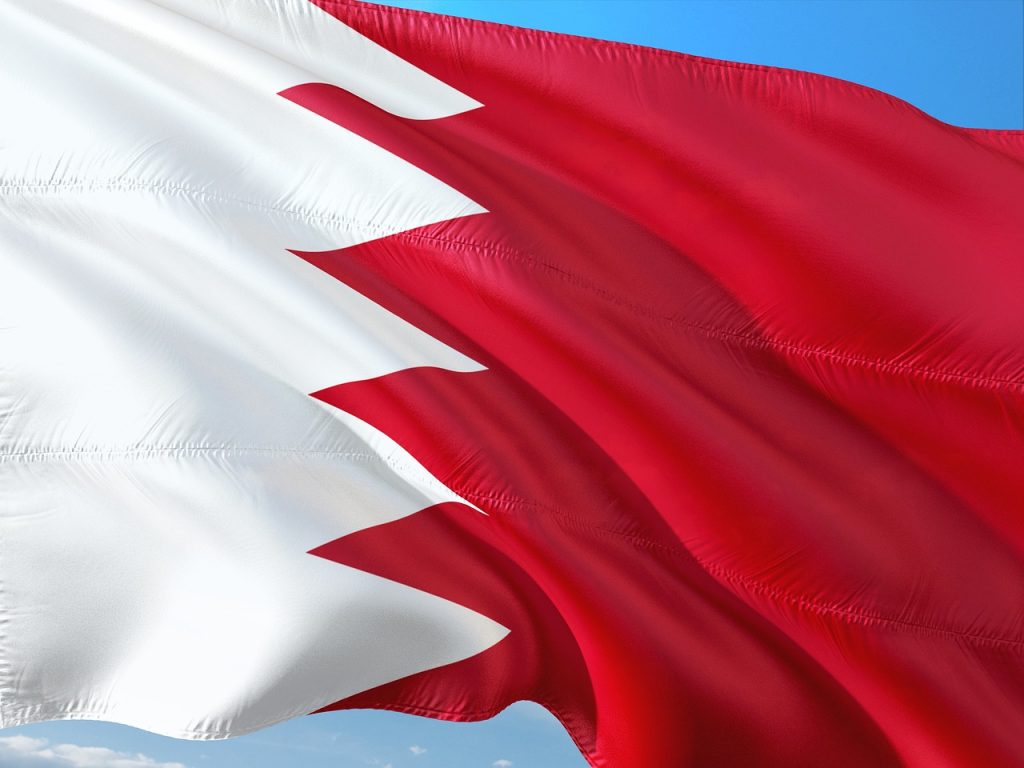
Bahrain flag. Photo by jorono via Pixabay

Public education in Bahrain is free throughout primary and secondary education (The Borgen Project 2017). The Bahraini Constitution states the citizens’ right to education (Al Khalifa, 2022). The Education Law No. 27 of 2005 states that education is free in primary and secondary government schools, which applies to citizens and non-citizens (Oxford Business Group 2022). Education is compulsory for children aged 6 to 15, and public schools educate boys and girls separately. The Ministry of Education is responsible for directing private and public schools, which have to adhere to some of its curricular demands (Oxford Business Group 2022). The Ministry offers the syllabus for the Arabic language and approves the textbooks related to Arabic and Islamic studies. Students in public schools take modern Arabic, as well as English, since their first year in primary school. The spending on public education in 2020 was 2.152% of the country’s GDP (CEIC 2023a). 

The majority of the country, approximately 95.7%, is literate, and Bahrain has the highest female literacy rate, with 94.95% (CEIC 2023b). The secondary education system is divided into two tracks: unified and vocational. The first prepares students for higher education, whereas the vocational track prepares students to pursue technical careers. In 2019, the primary school enrolment was 97.4%, and the secondary education completion rate was 97.3% (Ministry of Education from the Kingdom of Bahrain 2023). 

Covid-19

According to the World Bank, the lockdown during the COVID-19 pandemic affected approximately 1.5 billion children worldwide, especially due to schools closing (Buheji et al. 2020: 474). During the lockdown, the Bahraini government ensured that children continued receiving education. Bahrain’s national wealth eased the transition to distance education. The percentage of students with access to the internet and computers was high (idem: 481). Charities supported families that did not have access to computers, and communities were highly involved and mobilized to ensure the continuity of education throughout the lockdown (ibid.).

Private schools were equipped with online learning tools to record lessons and send these to students and parents (idem: 480). Likewise, public schools also provided online education after completing a two-week training program for teachers. Lessons were available on live television, YouTube, and Microsoft Teams (ibid.). Students with special learning needs also continued their education online, with teachers providing one-to-one lessons together with the children’s parents. Lastly, higher education resumed online, with professors uploading their lectures online (ibid.).

Nevertheless, students and professors complained that the transition to online education was oftentimes challenging due to technical issues, teachers’ lack of enthusiasm during recorded lectures, and lack of organization (ibid.). Additionally, teachers highlighted that students rarely engaged during online classes and that online education was more theoretical than practical. This aspect prevented students from gaining experience in their field, limiting the development of employability competencies (idem: 481). 

Gender in Education & equality of opportunities

According to Unicef, Bahrain has made steady progress in gender equality in education and women’s empowerment (Unicef 2022: 2). Women’s education in Bahrain has been an essential step towards equality of opportunity, especially as girls are educated at the same rate as boys. The first public school for boys was established in 1919. The first public school for girls in Bahrain was established in 1928, being the first Arab country to pioneer formal education for girls (Gharaibeh 2011: 97). Approximately 97% of girls and 98% of boys are enrolled in primary schools, while 91% of girls and 87% of boys attend secondary schools (Borgen Project, 2017).

Furthermore, in 1983, the Bahrain Ministry of Education opened a department for adult education. The department aimed to offer women and men the opportunity to complete basic education in adult education centres. This initiative contributed to reducing the percentage of illiterate women from 76% in 1971 to 11.7% in 2006 (idem: 98). Furthermore, Bahraini women have access to higher education. The government offered scholarships to female students to enrol in foreign universities since the 1950s, and parents often send their daughters to Egypt, Iraq, and Syria to pursue higher education (ibid.). In the academic year of 2016-2017, 63.4% of students in higher education were women, illustrating a higher female representation in university compared to men (Statista, 2023).

Special needs education

The Ministry implemented a program in 2005 for inclusive education for students with special needs in public schools, which would offer educational opportunities tailored to the needs of students (Al Khalifa, 2022). In 2011, the government ratified the Convention on the Rights of Persons with Disabilities and developed a strategy for people with disabilities following the United Nations Development Program (ibid.). However, the implementation of this initiative has been challenging for public schools, and many students with special educational needs still lack an appropriate placement in the educational system.

In the academic year 2018-2019, 8600 students with special needs enrolled in public schools in Bahrain, including children with autism spectrum disorders, intellectual disabilities, and Down syndrome (ibid.). These students are often placed in segregated classrooms, lacking the opportunity to interact socially with other children. For example, some schools offer separate recess times for students attending special educational needs segregated classrooms (ibid.).

Additionally, there are no coherent guidelines or governmental standards serving as a point of reference to evaluate schools’ implementation of appropriate practices toward students with special educational needs (ibid.). Public schools often lack a special curriculum tailored to children’s learning needs. This hinders teachers’ capacity to conduct their classrooms, especially as many educators lack the necessary skills and training to deal with students with special needs.

Lastly, Bahrani public schools only offer special education services for students from age 6 to age 15, entailing that these educational programs are not available for pre-schools and secondary schools (ibid.). Therefore, students who later transition to general education in secondary schools often face great academic difficulties following the curriculum, as teachers fail to tailor it to the needs of students with disabilities (ibid.).

The Ministry of Education, however, is currently drafting a transitional program from secondary school to employment for students with special needs, which has already been implemented in the US, Canada, and the UK (ibid.). The program aims to support students’ transition from education to ‘adult life’.

Freedom of expression

Freedom of education is imperative for academic freedom. Nevertheless, academic freedom is highly restricted in Bahrain. The government’s intolerance policy towards dissent has negatively impacted both students and teachers (Bahrain Center for Human Rights 2021). Since the uprisings in 2011, hundreds of teachers and students have been imprisoned, intimidated into silence, or expelled from educational institutions for participating in activism or peaceful demonstrations (ibid.). Government critics are subject to discrimination in employment and scholarship distribution (ibid.). The Bahrain Teacher’s Association (BTA) played a vital role in the 2011 uprisings, leading multiple peaceful protests. The government responded by prosecuting hundreds of teachers and banned BTA in April 2011, replacing dissident teachers with employees they deemed more suitable (ibid.).

Scholars who openly criticized the Bahraini regime were arrested; some had their citizenship and passports revoked or were refused entry into Bahrain (ibid.). In 2011, the University of Bahrain dismissed 117 academic staff members. It expelled 427 university students for openly expressing their opinions, and the government nullified the scholarships of university students for the same reason (ibid.). Underage students have also been arrested, with figures reaching 191, 124, 56, and 41 in 2016, 2017, 2018, and 2019, respectively (ibid.). As a result of their incarceration, these children have been deprived of education. The Bahraini government also executed a student, Ali al-Singace, in 2017, although he was underage at the time of his arrest (ibid.).

Furthermore, the government has been accused of discriminatory practices in scholarship distributions (ibid.). Personal interviews account for a large part of the scholarship allocation process, and many students reported that authorities questioned them on their political beliefs (ibid.). To illustrate, some top students were deprived of scholarships and unable to acquire jobs due to their political opinions (ibid.). Thus, by persecuting educators and students for their political opinions and assigning scholarships according to political ideology, the Bahraini government is compromising human rights and the quality of education.

Conclusion and recommendations

Altogether, Bahrain should continue to offer free and mandatory education for all children from primary to secondary school, with special attention to low-income families. Regarding inclusivity and equality, the government should continue to ensure that girls and boys have access to education and sustain high literacy rates. Given that Bahrain only uses a very partial percentage of its GDP on education, the government could invest more money to ensure that the quality of education does not diminish.

The matter of human rights and freedom of expression is currently an urgent matter in Bahrain. There is a need for legislation to prevent any administrative practices that involve discrimination, and the Bahraini government should be encouraged to include human rights principles in its academic curricula.

Concerning inclusive education, the Ministry of Education should draft a tailored curriculum and ensure educators are more adaptable to students with disabilities. Special needs education should also enable a smooth transition to secondary education and ensure that students have the necessary life skills and social and communication skills.

There should be staff with appropriate training and educational material available to students with special needs so teachers can give the proper attention to their students. Additionally, Bahrain’s school system needs to adapt its facilities to the aspirations of students with disabilities instead of offering segregated and isolated facilities. Resources and facilities can be used more efficiently by shifting to a more inclusive educational environment. In other words, the government should advocate for an educational model that focuses on empowerment rather than assimilating students with special needs to the social norm.

References

Press Release: Broken Chalk Calls on the Immediate Ceasefire by Israel and the International Community Following the Latest Crisis at Al-Ahli Baptist Hospital

18th October 2023

On October 7th, Hamas launched a significant attack on Israeli territory during a festival just outside the walls surrounding the Gaza Strip. This event resulted in the tragic loss of over 250 Israeli civilians’ lives, with many others kidnapped and held captive in the enclave. In response, Israel initiated a full-scale conflict with Hamas, leading to airstrikes on Gaza and a comprehensive border siege. The conflict has had devastating consequences, with an estimated 3,000 Palestinian casualties attributed to Hamas’ initial attack, alongside the loss of over 1,300 Israeli civilian lives. It has triggered a tragic humanitarian crisis for over 2 million Palestinians in the world’s most densely populated city. 

Reflecting on the human cost, it is heartbreaking to note that over 1,000 children have died in Gaza since the start of the conflict, as estimated by the Gaza Health Ministry.  As half of Gaza’s 2.3 million population is under 18, the United Nations and the international community must redouble their efforts to encourage an immediate ceasefire and scrutinise both sides on their adherence to the rules of international law. UN Secretary-General Antonio Guterres has called for an immediate humanitarian ceasefire, stating that “Hamas attacks cannot justify the collective punishment of the Palestinian people.”

The challenges of recent ongoing discussions in progress involving the United States, the European Union, Israel, and Egypt are deeply concerning. The primary goal of these discussions is to facilitate the entry of critical humanitarian aid from Egypt to Gaza by opening the Rafah crossing; regrettably, these negotiations have faced significant obstacles, as Israel has targeted the Rafah crossing with airstrikes on four occasions since the onset of the conflict on October 7th.  Hundreds of Egyptian humanitarian trucks are stuck at the Rafah crossing, with the Egyptian government pressuring Israel and the US to hold a ceasefire so that unrestricted humanitarian aid may reach many wounded men, women, and children.

On October 17th, a massive blast rocked Al-Ahli Baptist Hospital in Gaza, where doctors and nurses were tending to injured Palestinians, including women and children, and other Palestinians still were seeking shelter. This incident became the site of the highest death toll of any single event since the start of the current conflict, claiming the lives of 500 people, as reported by the Palestinian health authorities.  Both main military actors in the conflict, Hamas and the Israeli Defense Force, claim that the other side was responsible for the incident.

As this conflict has brought about an unprecedented humanitarian crisis, with almost 2.2 million Palestinians left without access to introductory provisions such as food, water, and electricity, Broken Chalk raises its voice to call for immediate action to stop ongoing extreme human rights violations to bring stability within the region and for all humanity. We call on the Israeli government and the international community to urgently hold a ceasefire and allow humanitarian aid to pass through the Rafah border, providing for many displaced and affected Palestinians. We call on the Israeli government to strictly abide by the rules of international law concerning protecting hospitals, journalists, and civilians. We believe that it is contingent that the international community exercise more scrutiny on Israel’s government to ensure that human rights are upheld. It is urgent that Israel lift the siege on Gaza to allow for water, food, electricity and fuel to reach Palestinian hospitals.

Broken Chalk announces it to the public with due respect.

Signed by

Broken Chalk

Teacher Yüksel Yalçınkaya v. Türkiye

ECHR courtroom - Copyright AP Photo Euronews.com

By Maria Popova

In a significant judgement on the 26th of September, the Grand Chamber of the European Court of Human Rights held that Türkiye has to address a systematic problem of terrorism convictions decisively based on using a messaging application by the accused. The Court held that there had been a violation of Article 7 ECHR (no punishment without law), Article 6(1) ECHR (right to a fair trial) and Article 11 (freedom of assembly and association).

Facts of the case

The case had to deal with the conviction of a former teacher, Yüksel Yalçınkaya, who was assumed to have participated in an armed terrorist organisation called the “FETÖ/PDY” formerly known as the “Gülen movement” and considered by the Turkish authorities to be behind the attempted coup d’état of 15 July 2016.

The teacher was arrested in 2016 on suspicion of membership in a terrorist organisation. He was put in pre-trial detention and received his bill of indictment in 2017. According to the authorities, the accusation and the following arrest were based on the following evidence: suspicious banking activity, membership of a trade union, which allegedly had a terrorist link and the use of a mobile application called ByLock, which had reportedly been used for communication purposes by the members of the terrorist organisation.

Following his trial, Mr. Yalçınkaya was sentenced to six years and three months in prison. A decision later upheld by the Court of Appeal in Ankara and the Cassation Court. The decisive evidence in the case was using the mobile application, which was considered exclusively employed by the “FETÖ/PDY”. The Bank Asya account and the participation in the trade union served as supportive evidence due to their affiliation with the terrorist organisation.

Applicant’s submission before the Court of Human Rights

Following his conviction, Mr Yalçınkaya lodged an application with the European Court of Human Rights in 2020 due to alleged violations of his rights under the European Convention on Human Rights.

He relied on Article 6(1) ECHR, which stipulates the right to a fair trial. According to the applicant, there were irregularities regarding the collection and the admissibility of the evidence regarding the ByLock application. Furthermore, according to the applicant, there were difficulties in challenging said evidence, which is an essential procedure constituting a fair trial.

Mr Yalçınkaya also alleged a violation of Article 7 (stipulating that there shouldn’t be a punishment if the act or the omission were not categorised as a crime at the time of committing) and 11 ECHR (stipulating the freedom of assembly and association) because his conviction was based on acts which did not constitute a crime under Turkish law—mainly, the participation in a trade union and the possession of a bank account.

Government’s submission

The Turkish Government argued that a state of emergency justified all measures taken following an attempted military coup. Therefore, according to its representatives, Türkiye has not violated any applicant’s rights under the ECHR. The Government used in its defence article 15 ECHR, which stipulates that in the case of any nation-threatening emergency, the country might derogate from its obligations under the Convention.

Judgement of the Court

Regarding the defence put forward by the Turkish Government regarding Article 15 ECHR, the Court of Human Rights has decided that Article 15 does not allow for a derogation from Article 7 ECHR. Therefore, it will be considered only about the other articles mentioned in the case.

Regarding the violation of Article 7 ECHR, the Court established that it prescribes that only an existing legal provision can define a criminal act and lay out a penalty. Such a law should not be enacted to the detriment of the accused. The Court agreed that article 314(2) of the Turkish Criminal Code and the provisions of the Prevention of Terrorism Act, which constitute the legal framework under which Mr Yalçınkaya was convicted in Türkiye are clear and well-defined enough for the applicant to understand whether he has committed a criminal offence.

Under Turkish legislation, for the convicted to be liable for participation in a terrorist organisation, there has to be proof of his specific knowledge and intent to be a member of the terrorist group. For example, there had to be an “organic link” with the organisation; that link should be continuous, and they must be well aware that the group’s activities are illegal and the person must possess a specific intent to further such unlawful activities. There should also be proof that the accused willingly participated in the organisation’s hierarchical structure. It is not enough that the law was well defined. The law had to be applied precisely, following all of its requirements regarding a conviction. Something the Turkish authorities failed to do.

The ECtHR held that the Turkish authorities failed to prove every requirement of the law but instead automatically presumed that Mr Yalçınkaya was a member of the “FETÖ/PDY” solely because he was using the app ByLock. That assumption was made irrespective of the nature of his messages or the receivers of his messages. The applicant had no opportunity to defend himself nor challenge such presumptions and allegations. Therefore, his rights under Article 7 ECHR were violated as the article aims to ensure safeguards against arbitrary convictions.

The Court also sided with the applicant regarding the violation of Article 6 ECHR, or the right to a fair trial. The Court held that for Article 6 to be ensured correctly, evidence in a problem had to be collected fairly and legally, and the accused should be able to challenge and review the evidence against him. Those are some of the factors required for a fair trial to be ensured.

In this case, the Turkish courts had failed to ensure the safeguards prescribed by Article 6(1) ECHR. Firstly, there was no valid reason why the ByLock data was kept from the applicant, nor why the applicant was not allowed to comment on the evidence against him, which would have also allowed him to challenge its validity. The Courts have also denied the applicants’ request that the ByLock data be submitted to an independent examination to ensure its validity. The disregard for such safeguards constitutes a violation of Article 6 ECHR.

Regarding Article 11 ECHR, the Court held that the applicant’s conviction of membership in a terrorist organisation based on his participation in a trade union constitutes a violation of his rights. The mere participation in a trade union that has operated lawfully before the coup cannot be foreseen as an indication of criminal conduct.

According to the court

There are currently approximately 8,500 applications on the Court’s docket involving similar complaints under Articles 7 and 6 of the Convention, and given that the authorities had identified around 100,000 ByLock users, many more might potentially be lodged. The problems which had led to findings of violations were systemic. Under Article 46 (binding force and implementation of judgments), the Court held that Türkiye had to take general measures appropriate to address those systemic problems, notably regarding the Turkish judiciary’s approach to Bylock evidence.

Following the decision

The Court’s judgement received criticism from the Turkish Minister of Justice Yılmaz Tunç, who described it as unacceptable due to the ECtHR “overstepping its jurisdiction” by examining the credibility or lack of evidence used in the national trial. On the contrary, the applicant’s lawyer, Johan Heymans, characterised the judgement as a “milestone” and stated his belief that the decision of the Court would set an important precedent for similar Turkish cases.

Sources:
YÜKSEL YALÇINKAYA v TÜRKİYE App no 15669/20 (ECtHR, 26 September 2023)

European Court of Human Rights, ‘Türkiye must address systemic problem of convictions for terrorism offences based decisively on accused’s use of the ByLock messaging application’ (Press Release issued by the Registrar of the Court, 26.09.2023) accessed 17 September 2023

<https://hudoc.echr.coe.int/app/conversion/pdf/?library=ECHR&id=003-7756172-10739780&filename=Grand%20Chamber%20judgment%20Y%C3%BCksel%20Yal%C3%A7inkaya%20v.%20T%C3%BCrkiye%20-%20systemic%20problem%20of%20convictions%20for%20terrorism%20offences%20based%20on%20use%20of%20ByLock%20messaging%20application.pdf

‘Conviction based on app use violated Turkish teacher’s rights, European court rules’ (Euronews, 26 September 2023) <https://www.euronews.com/2023/09/26/conviction-based-on-app-use-violated-turkish-teachers-rights-european-court-rules> accessed 17 September 2023

Education Challenges in Myanmar: Trying to Reach Education in a Chaotic Environment

Written by Müge Çınar

Education in Myanmar: the background

The first educational transition occurred in 1948, from the colonial education system to a national system. The second educational transition happened after 1962, from a national education to the so-called ‘Burmese Way to Socialism’ education. From 1988 to 2010, the country’s education noticeably deteriorated so that almost 40% of children never attended school, and nearly three-quarters failed to complete even primary education (Lwing, 2007).

In September 2014, the parliament and the military-backed government approved the national education law. However, students protested against the national education law, which is highly centralised and restricts academic freedom. In June 2015, an amendment to the national education law was enacted with minor changes. The teachers, scholars and students had to obey social control. In addition, the government prioritised its political agenda in the education system.

Education Budget and the System in the Country

With education spending 2.91 per cent of the GDP, the lack of an education budget (approximately three times that of the military budget) further hinders growth. As a result, compared to other Southeast Asian countries such as Vietnam, children in Myanmar do significantly worse on standardised tests. The new country has begun reforms, such as the gradual implementation of free education through high school. Despite some progress, there is still a long way to go (Children of the Mekong).

Children in a classroom. Photo by worak. Wikimedia Commons.

Genocide of Rohingya People by Myanmar and its Effect on Children’s Education

The Rohingyas, a Myanmar ethnic group, have been denied fundamental human rights, including citizenship. They have been subjected to terrible oppression, prejudice, violence, torture, unfair prosecution, murder, and great poverty for decades. Rakhine State’s hostile environment has caused the Rohingyas to evacuate their homes and seek asylum in neighbouring nations (Shohel, 2023). This erupted the children’s fundamental right to education while asylum-seeking and travelling with much trauma.

Many villagers have fled the fighting and their burned homes during the decade-long civil conflict. Many villages seek refuge in the bush, and the number of internally displaced people (IDPs) is growing. Hundreds of villagers lost their homes and left their communities during the recent conflict in Kachin State, northern Myanmar (Lwin, 2019). Thousands of Rohingya men, women, and children were shot and burned in a matter of weeks during the violence against the Rohingya community in northern Rakhine State, western Myanmar; masses of Rohingya women and girls were raped; infant children were killed; men and boys were arbitrarily arrested; several hundred villages were destroyed in arson attacks; and more than 700,000 people were forced to flee to neighbouring countries (Washington Post, 2017).

There are around one million Rohingya refugees in Bangladesh, including 300,000 who entered as a result of previous years’ violence (Washington Post, 2017). More than half of the Rohingya refugees are women and girls, with 60% being minors under 18 (Oxfam, 2018). According to the UNHCR (2018), 97,418 Myanmar refugees live in nine refugee camps along the Thai-Myanmar border. 54.4% are under 18 (The Border Consortium (TBC)). This is a question of nearly half of the population how to get proper education in refugee camps. In addition, Malaysia is one of the transit countries for refugees, and Malaysia has thousands of Rohingya refugees that have no legal refugee status by the government.

Over 31,000 refugee children from southeast Myanmar’s conflict-torn Kayah State require immediate financial assistance to continue their education. Despite the continuous violence in Kayah, pupils attend community schools, including makeshift classrooms in internally displaced persons (IDP) camps (The Irrawaddy, 2022).

How Different Are Minorities Getting Education?

Although the name ‘Burma’ is derived from the Bamar people, who constitute two-thirds of the country’s population, according to official government data, Burma is one of the most ethnically diverse countries in the region, with over 135 ethnic groups. The country’s geographic location has drawn settlers from various backgrounds throughout history. There are over 100 languages spoken, and minority ethnic populations are estimated to make up approximately 40-60% of the total population and occupy half of the land area (Humanitarian Aid Relief Trust (HART), 2021).

The Bamar (68%), Chin (2.5%), Kachin (1.5%), Karen (7%), Kayah (1.83%), Mon (2%), Rakhine (4%) and Shan (9%) are the eight ‘official’ groups. The figures are from 2016. The sea gipsies’ of the southern islands, the “long-necked” ladies of Padaung, the Nagas on the Indian boundary, and the tattooed women of Chin State, not to mention the Pa-O, Wa, Kokang, Akha, and Lahu indigenous peoples, are all part of these broad groups. The country’s major religions are Theravada Buddhism, Christianity, Islam, Hinduism, and Animism.

Teaching minority languages in state schools has been prohibited in the Burmese education system since 1962, and this policy remains in place today (Lwin, 2017); even though Myanmar has an estimated population of 51 million people who speak over 100 languages and dialects, as stated above.

A teacher and some students including novice Buddhist nuns at Aung Myae OO Monastic Education School on Sagaing Hill across the Irrawaddy River from Mandalay. The ‘civilians’ have decorated their faces with thanaka, a skin protector and, among women and girls, a fashion cosmetic made from tree bark that has been used in Myanmar for at least the past two millennia. Photo by Dan Lundberg on Flickr.

The Hardship of Language in Education, Especially Ethnic Language

The language of education is not neutral since it reflects the historically determined ability of one or more groups to elevate their language to such prominence within a state. A curriculum may also contain classes that educate about local history. In certain circumstances, language is the primary divide behind ethnic conflict and civil war (Shohel, 2023). For example, Bormann, Cederman, and Vogt (2017) demonstrate that linguistic cleavages are increasingly prevalent. A centralised education sector often fails to adequately address the grievances arising from rights to identity and language (Dryden-Peterson & Mulimbi, 2016).

Child Soldiers and Child Labour

A civil war necessitates many soldiers, and both sides of the conflict use children to strengthen their forces. Although it is difficult to determine due to a lack of official estimates, tens of thousands of child soldiers are undoubtedly present in Myanmar (Children of the Mekong). These children, many orphans, are frequently enlisted or sold to armies. They are indoctrinated and pushed to battle after they join the military. Solving this problem will necessitate a reduction in ethnic tensions and enhance political stability, both of which appear unattainable.

According to UNICEF, one out of every four children aged 6 to 15 works. There are two reasons for this: schooling is still costly, and lack of finance for the education sector sometimes means that the children receive insufficient education. As a result, many rural residents prefer to send their children to work to earn money (Children of the Mekong).

Gender inequality

The military authority has been the norm rather than the exception in Myanmar for 50 years. For many decades, women were barred from holding leadership positions and were denied equal economic and educational possibilities as men. During these decades, social conventions decided that women and girls should control the household, family, and other caretaking chores while males should be leaders, owing to the country’s military and hyper-masculinity. This period’s patriarchal worldview is exemplified by the military-drafted 2008 constitution, which regularly refers to women as mothers and proclaims that specific vocations “are suitable only for men.” Myanmar was ranked second most discriminating in the 2021 Social Institutions and Gender Index2 out of nine Southeast Asian countries (UN Women & UNDP, 2022).

According to the women who responded to the survey in December 2021, “After the military takeover, all the hopes and aims are gone, and everything has been difficult. The education system is worsening, and the scarcity of jobs is increasing” Kayin resident, 55 years old (UN Women & UNDP, 2022).

Young children attend a school in Myanmar. Photo by ILO / P.Pichaiwongse on Flickr.

Children with Disabilities

According to the Ministry of Population’s 2019 survey, 12.8% of the population has one of the six disabilities: 6.3% have a visual impairment; 2.4% have a hearing impairment; 5.4% have difficulty walking; 4.4% have difficulty remembering/concentrating; 1.9% have difficulty self-care; and 1.6% have difficulty communicating (DoP, 2020, p. 93).

According to the Ministry of Education, students with disabilities attended 14.72% of all regular primary and secondary schools in 2019. In Myanmar, statistics show that education for disabled children is scarce (Tonegawa, 2022).

DoP et al., 2017: 156 estimate that 45.4% of children with impairments aged 5-9 years and 31.4% of children with disabilities aged 10-13 years have never attended school. The enrolment rate of disabled children is low compared to Myanmar’s overall net enrollment rate in formal education, which is 98.5% in formal primary education and 79.2% in formal lower secondary school. In Myanmar, school enrollment for disabled children is low (Tonegawa, 2022). This multi-sectoral review holds that Myanmar’s success in meeting the Sustainable Development Goals (SDGs) is largely dependent.

Unqualified Higher Education Teachers and Teachers under Threat

The University scholars are expected to be positioned at the nexus of teacher training and research practice. The scarcity of research-related scholars is a crucial issue for Myanmar, with their minimal studies on their research engagement.

The teachers also, as well as students, are under threat of ongoing conflict. The 2021 coup and the civil war affected teachers’ safety. In addition, eleven though the teacher is threatened by their lives, their income is insufficient to survive.

Conclusion

The second anniversary of Myanmar’s February 2021 coup d’état has just passed, and the country’s terrible state of armed warfare, insurgency, turmoil, and anarchy has only worsened. With the uncertainty surrounding the postponed general elections this year, which most believe will not be free, fair, or genuine, the civil war inside Myanmar is projected to worsen in 2023. There appears to be no end in sight. All of these conditions deteriorate the access to quality education for many children.

References
  • The Border Consortium (TBC). (n.d.). TBC’s Strategic Plan for 2023-2025.
  • Children of the Mekong. (n.d.). Education in Myanmar: challenges created by an unstable political environment. Children of the Mekong. Retrieved August 11, 2023, from https://www.childrenofthemekong.org/education-in-myanmar-challenges-created-by-an-unstable-political-environment/
  • CNN. (n.d.). Myanmar fast facts. CNN. Retrieved September 7, 2018, from. https://edition.cnn.com/2013/07/30/world/asia/myanmar-fast-facts/index.html
  • Government of Mynmar & UNICEF. (2020, December). Myanmar 2019-2020 Education Budget Brief. https://reliefweb.int/report/myanmar/myanmar-2019-2020-education-budget-brief-december-2020
  • https://www.hart-uk.org/a-brief-overview-of-the-ethnic-minorities-of-burma/. (2021, February 8). A Brief Overview of the Ethnic Minorities of Burma. Humanitarian Aid Relief Trust (HART). Retrieved August 11, 2023, from https://www.hart-uk.org/a-brief-overview-of-the-ethnic-minorities-of-burma/
  • Humanitarian Aid Relief Trust (HART). (2021, February 8). A Brief Overview of the Ethnic Minorities of Burma. Humanitarian Aid Relief Trust (HART). Retrieved August 11, 2023, from https://www.hart-uk.org/a-brief-overview-of-the-ethnic-minorities-of-burma/
  • The Irrawaddy. (2022, November 24). Southeast Myanmar’s Refugee Children Need Funding to Stay in School. The Irrawaddy. Retrieved August 11, 2023, from https://www.irrawaddy.com/news/burma/southeast-myanmars-refugee-children-need-funding-to-stay-in-school.html
  • Kyaw, M. T. (n.d.). Factors Influencing Teacher Educators’ Research Engagement in the Reform Process of Teacher Education Institutions in Myanmar. SAGE Open, 11(4). https://doi.org/10.1177/21582440211061349
  • Lall, M. (2023). The state of education, pre-reform. In Myanmar’s Education Reforms: A Pathway to Social Justice? UCL Press.
  • Lwin, T. (2017, March 10). Comments on the National Education Strategic Plan (2016–2021) of the Ministry of Education, Myanmar.
  • Lwin, T. (2019, June 13). Global justice, national education and local realities in Myanmar: a civil society perspective. Asia Pacific Education Review, (20), 273–284. https://doi.org/10.1007/s12564-019-09595-z
  • Lwing, T. (2007, July). Education and democracy in Burma: Decentralization and classroom-level educational reform. In Forum: International forum for democratic studies.
  • Myanmar Department of Population. (n.d.). 2019 Inter-censal survey. Department of Population. Retrieved August 11, 2023, from https://www.dop.gov.mm/en/publication-category/2019-inter-censal-survey
  • Oxfam. (2018). Bangladesh Rohingya refugee crisis. Oxfam International. Retrieved from. https://www.oxfam.org/en/emergencies/bangladesh-rohingya-refugee-crisis.
  • Shohel, M. (2023, May 3). Lives of the Rohingya children in limbo: Childhood, education, and children’s rights in refugee camps in Bangladesh. PROSPECTS, (53), 131–149. https://doi.org/10.1007/s11125-022-09631-8
  • Tonegawa, Y. (2022, January 15). Contextualization of Inclusive Education: Education for Children with Disabilities in Myanmar. International Journal of Instruction, 15(1), 365-380.
  • UNCHR. (n.d.). United Nations High Commissioner for Refugees (UNHCR). (2018). Refugees in Thailand. https://www.unhcr.org/th/en.
  • Untitled. (n.d.). UNFPA Myanmar. Retrieved August 11, 2023, from https://myanmar.unfpa.org/sites/default/files/pub-pdf/inter-censal_survey_union_report_english.pdf
  • UN Women & UNDP. (n.d.). Regressing Gender Equality in Myanmar: Women living under the pandemic and military rule. Report.
  • UN Women & UNDP. (2022, March 8). Regressing Gender Equality in Myanmar: Women living under the Pandemic and Military rule – Myanmar. ReliefWeb. Retrieved August 11, 2023, from https://reliefweb.int/report/myanmar/regressing-gender-equality-myanmar-women-living-under-pandemic-and-military-rule
  • Washington Post. (2017, October 25). Bangladesh is now home to almost 1 million Rohingya refugees. Washington Post. Retrieved August 11, 2023, from https://www.washingtonpost.com/news/worldviews/wp/2017/10/25/bangladesh-is-now-home-to-almost-1-million-rohingya-refugees/?noredirect=on&utm_term=.24ca7b467a0e.

Educational challenges faced by refugee children in Turkey

Written by Caren Thomas

Refugees are those who have a well-founded fear of being persecuted for reasons of race, religion, nationality, membership of a particular social group or political opinion. Experiencing such fears in early childhood will critically impact a child’s cognitive, social, emotional and physical development.

As articulated in the UN Convention on the Rights of the Child, children have specific rights. These include principles of protection from harm, provision of basic needs, recognition and participation of children as rights holders. 

Through the Temporary Protection Regulation passed in 2014, Syrian refugees are provided specific protection to specific rights, including education, shelter, food, water, housing, social security mechanisms and the labour market.

Via the 2015 EU-Turkey joint action plan, both sides aim for enhanced educational opportunities across all levels and a commitment to assisting the host nation, Turkey, particularly in aspects like infrastructure and various services.

In 2018, the Global Compact on Refugees set a goal that governments should be in a position to include refugee children and youth in the national education systems within the time period of three months of displacement.

The earthquake in February 2023 inflicted additional distress upon refugees and other displaced children in Turkey, particularly impacting their access to education.

Education is a fundamental entitlement for every refugee and individual seeking asylum. Turkey is facing a significant influx of asylum seekers and is also a host to a substantial refugee population, a majority composed of Syrians. Unfortunately, these refugee children are unable to access education due to their circumstances. The existing educational framework for refugees in Turkey is burdened with numerous difficulties and obstacles.

Photo by Julie Ricard on Unsplash.

Documentation

Many enrol in Turkish schools after obtaining an international protection identification document bearing the foreigner identification number. The tuition fee waiver announced by the council of ministers only applies to students from Syria. Turkish classes are offered at Public Education Centres free of charge. For this, the international protection identification document is required. However, if insufficient persons are enrolled, said classes may not commence on the requested enrolment date.

Individuals hailing from Syria are eligible to enrol in Temporary Education Centres, whereas refugees and asylum seekers from different nations are exclusively permitted to register at Turkish public schools. Temporary Educational Centres are schools which provide educational services for persons arriving in Turkey for a temporary period. These were initially staffed by Syrian volunteers who UNICEF and other NGOs financially compensated. As per the Ministry of National Education, a considerable proportion of the refugee children were out of school in 2019. However, there has been a substantial decline in the number of children not attending since the initial years of the Syrian refugee crisis. As of  2017, the Turkish authorities have been implementing measures to integrate Syrian refugees into the country’s public education system.

Statelessness within the Syrian population residing in Turkey presents a notable issue. Challenges persist due to factors such as the lack of proper civil documentation, difficulties in acquiring birth certificates in Turkey, and the citizenship regulations of Syria. Notably, Syrian nationality can only be inherited by a child from their mother if the birth occurs within the borders of Syria.

Within Turkey, if the mother’s relationship with a Syrian or Turkish father is unestablished or unclear, then the child faces the risk of statelessness. An absence of Turkish citizenship or permanent residency leads to them being guests within the country and failing to be integrated into Turkish society.

While Turkey is a signatory to the UN Refugee Convention, it has submitted a request for geographical limitation. Consequently, individuals such as Syrians and those arriving from various other nations are ineligible for complete refugee status in Turkey. Alternatively, they are registered under the “temporary protection” regulation.

This Temporary Protection Regulation allows refugees access to essential resources such as healthcare and education. Once the refugees are registered under the Temporary Protection Regulation, they are required to remain within that province.

Additional issues arise from the lack of recognition of temporary and international protection status in 16 provinces across Turkey. The reduction of 25% to 20% foreign population within a given neighbourhood continues to cause significant issues. Finding jobs becomes a difficulty since the individual is forced to look for jobs only in the area the individual is registered in, thereby limiting the job opportunities that may be available to them in other places, such as Istanbul.

A recurring trend observed worldwide is that during times of crisis, the education sector is frequently the first to be halted and the last to be reinstated. It is crucial to be have access to education regardless of whether you are an international protection applicant or status holder or if you plan to resettle in another country or go back to your country. It helps the children develop skills, stability as well as  integrate them socially and academically into the education system.

Language barriers

In a study conducted, it was seen that the main problem was that of language. The employed teachers did not speak Arabic, and the children, in this case, did not speak Turkish. There are no activities carried out within the classroom setting to facilitate their learning. There is no varied material brought in to help aid their understanding. Teachers need to be provided with vocational training to better facilitate the learning process for refugee children through teaching strategies and teaching aids.

The teachers have little to no awareness on these refugee children, not just from an educational point of view but also on a psychological level. A majority of these students have been subjected to post-traumatic stress disorder, primarily due to the conditions they are coming from.

The children’s communication barrier furthers the issue within education. When the refugee children are put with other students who can speak the Turkish language, they are often subject to mockery, lack confidence and isolation due to the language barrier.

Syrian children and youngsters attending informal education and integration courses at Relief International communıty centre.
Photo by: EU/ECHO/Abdurrahman Antakyali , Gaziantep.

Familial background and trauma

In a gender analysis carried out in 2019 to explore the Syrian refugee journey with a focus on the difficulties encountered by refugees in Turkey, it was observed that a notable portion of Syrian refugee children were not attending school. Among those who were in school, there were elevated levels of trauma. This significantly undermined the educational advancement of these children.

Children were initially not sent to schools since parents felt their stay in the country where they sought asylum would be temporary. However, once the families realised the permanency of their residency in Turkey, the enrolment rate in schools by refugee children steadily increased.

Research has consistently shown the positive effects of education on children who experience post-traumatic stress and develop coping and resilience skills. This can prove particularly helpful and effective for refugee children in the long run.

However, despite the positive impact education has, it comes with complications. An unstable or unsupportive home environment hinders a smooth educational process for these children and impacts the quality of education.

Refugee families typically find themselves having lost all they had. This, alongside  the financial strain, forces their children into early marriage, leading them to drop out of school. Worth mentioning, is that in 2020 there was a drop in boys attending school. It was seen that reasons such as sending children to work due to augmented economic hardship were one of the reasons to withdraw boys from schools.

Decline in services

Natural disasters, epidemics and wars spare no children. Turkey was gripped by conflict following Covid-19 and the earthquake in February 2023. Refugee children are often subject to poverty, poor living conditions, minimal access to safe drinking water, healthcare and food, as well as compelled to work owing to the unfavourable economic circumstances faced by the family, leading to the children being forced to neglect their education. The Conditional Cash Transfer for Education for Syrians and Other Refugees and the Promotion of Integration of Syrian Children into Turkish Education were seen as ways to address the economic barriers to enrolment and attendance.

These children have been victims of distressing experiences at a young age, such as the maiming and death of their near and dear ones. Due to the unstable environment, this results in a delay with their access to education. These children may end up receiving education in inadequate educational facilities, thus hindering their ability to fully grasp and unleash their full potential.

Racism and xenophobia

Instances of racist and xenophobic assaults have experienced a substantial rise as well. This has been further exacerbated by various politicians within the country. This continues to subject refugees from Syria and other places in constant danger throughout schools, homes and workplaces. Taking into consideration the duty Turkey has towards its refugees, especially as a signatory to the UN Refugee Convention, the politicians, members of the government, policymakers, and other influential persons should make a conscious effort not to instigate animosity towards refugees within the country.

Teachers and other resource persons need to make a conscious effort to bring awareness among the children of the host state that discrimination, racism, bullying, and other such acts are unacceptable behaviour. The citizens or parents of the students of the host state also need to be made aware to end discriminatory treatment towards these refugee children and teach their children to be respectful towards their fellow peers. Basic language skills among refugee children would allow for both parties to have a basic level of interaction. If not, refugees will persist in grappling with the notable issue of being excluded and marginalized.

The host nation must actively strive to comprehend the challenges that refugees encounter within an educational environment, encompassing issues like bullying, discrimination, language barriers, and similar concerns. These factors impact the necessity of forging connections and fostering a sense of belonging.

Hatay, Turkey, 9 February 2023. Members of the UK’s International Search & Rescue Team continue working in coordination with other search and rescue teams looking for survivors. Photo by UK ISAR Team

February 2023 earthquake

The earthquake that struck the nation in February 2023 has exacerbated the challenges faced by refugees. Basic resources, such as education, are now inaccessible for children. Several schools are being repurposed as shelters for those affected by the earthquake.

UNICEF has managed to help 140,000 children with access to formal or non-formal education and has provided more than 260,000 children with access to mental health and psychosocial support. UNICEF and AFAD have played an active role in helping the Ministry of National Education with temporary education measures such as tents for catch-up classes and exam preparation. However, even UNICEF recognises the need for longer-term support needed for rebuilding and recovering the lives of these children and their families.

It is a common pattern that education, particularly for vulnerable groups, tends to be disregarded and relegated to a lower priority. This situation could potentially push these vulnerable children into engaging in child labor as a means of supporting themselves or their families during these challenging circumstances. The increase in bias and impoverishment persists among these Syrian refugees, and when combined with the restricted educational access, they find themselves compelled to work merely to sustain their livelihoods.

Conclusions

The hosting country should make efforts to guarantee the integration of displaced children, regardless of their specific classification as refugees, internally displaced persons, asylum seekers, or unaccompanied minors, into the local education system in their respective residential areas.

Considering the massive influx of migration that Turkey receives due to global humanitarian crises, it would be wise if Turkey took an active initiative not only in policy-making but in its implementation regarding the education situation for said displaced children.

Partners within the country as well as internationally should step up to help the Turkish authorities by equipping them with the required support in the form of financial aid, technical assistance, expertise in terms of teachers who have the talent to speak the relevant languages, subject knowledge and to be able to cater to the different kinds of difficulties that come with teaching children that are coming from volatile environments.

It’s important to acknowledge that a teacher tasked with educating refugee children, along with those who are internally displaced, asylum seekers, or unaccompanied minors, is instructing a group that faces challenges beyond what is typically encountered in a standard classroom setting.

These children may have disabilities from birth or due to violence in their countries, have seen family members and friends killed or injured, or have even been victims of sexual violence. It’s highly probable that their education might have been disrupted well before their arrival in the host country. As a result, teachers in these contexts need to possess not only strong teaching skills but also a profound understanding of their classroom environment and a sensitivity to the unique situations they are confronted with. This is a difficult challenge.

The host country and other partners assisting the host country must also be mindful of this fact while hiring teachers and other resource persons. Education, especially for refugees, is exceptionally beneficial for social restructuring and socioeconomic development. 

As the viability of the Turkiye Compact is under ongoing evaluation, particularly given the difficulties involved, its execution would notably contribute to supporting Turkey and enhancing the nation’s economy. Additionally, it would assist refugees in achieving greater self-sufficiency and decreasing their reliance on humanitarian aid funding.

Introducing a universally recognized certification system for these children would enhance the ease of educational transitions, if they were to occur. This system would facilitate enrollment, attendance, retention, progression, and completion, fostering a more inclusive, equitable, and high-quality education for both refugee children and youth.

Ignored, bullied, rejected and discriminated against are common words used to describe the experience of refugee children in schools. It is high time this narration and plight are changed. Turkey must uphold its treaty obligations under the 1951 Refugee Convention, International Covenant on Civil and Political Rights (ICCPR), Convention against Torture and continue to uphold the principle of nonrefoulement. Ensuring education provides a robust platform for children to be emboldened and enrich their future.  It is an immense responsibility that should be shouldered by the state and non-state actors at the local, national and international levels to maximise all efforts to ensure a safe space for these children.

References

Amidst controversy and politics, the Akbas-Tereci family seeks safety and a place to call home.

In the Netherlands, the Akbas-Tereci family, devout members of the Gülen Movement, stand at a precipice of uncertainty. With the impending arrival of their second child, this Turkish couple and their five-year-old daughter Vera face a worrying reality. This legal dilemma threatens their pursuit of safety and stability. Their journey from Turkey to the Netherlands lays bare the unforgiving complexities of seeking asylum, shedding light on profound questions of justice and compassion in a world of uncertainty.
~ by Inja van Soest

Sümeyra Akbas en Beytullah Tereci with their daughter Vera. FOTO: NIELS DE VRIES

A recent petition has sparked interest in the faith of this young family. Sümeyra Akbas and Beytullah Tereci, a Turkish couple currently residing in the Netherlands with their five-year-old daughter, are expecting their second child. The couple is part of the Gülen Movement, which promotes a tolerant Islam emphasising altruism, modesty, hard work and education. Under President Recep Tayyip Erdoğan, the Turkish government accused the movement of being involved in an attempted coup in 2016, leading to much controversy about the movement and a political conflict. The Gülen Movement is classified as a terrorist organisation, making it dangerous for Sümeyra Akbas and Beytullah Tereci to return to Turkey.
The family have been in the Netherlands for more than a year now. They have been volunteering in their community whilst attending Dutch language courses thrice weekly. Their five-year-old daughter has started to speak Dutch and has made local friends. Beytullah states: “We want to feel at home here. We came here to start a new life and have a future.”

Typically, Turkish refugees are granted residence permits, with approval rates reaching as high as 97.5 % in 2022, according to VluchtelingenWerk statistics. However, the case of Akbas and Tereci stands out due to their unique circumstances. While the parents hold Turkish citizenship, their daughter is of Brazilian nationality. Akbas and Tereci had fled from Turkey to Iraq before the failed coup attempt in 2016. They married in Iraq and built their lives as elementary school and preschool teachers. They had five more years of validity on their Turkish passports and believed they could return to their home country within that timeframe. However, when they were expecting their first child, they had to make a decision. If their daughter had been born in Iraq, she would have been stateless without any papers as them being Gülenists; they couldn’t go to the Embassy out of fear of being arrested. She would neither be granted a Turkish nor an Iraqi passport, and they would have been unable to leave Iraq. They decided to go to a country where their child would receive papers by birth. And they ended up going to Brazil for the birth of their daughter.

After two months of being there, they returned as a family of three. They didn’t plan on settling there. Therefore, they didn’t need a Visa, as their stay was shorter than three months. Afterwards, they returned to Iraq, where their jobs and life awaited them. Five years later, the decision to get papers for their daughter puts them in a situation where the Netherlands does not want to grant them residency as their daughter is Brazilian. The ruling of their case states they have a connection with Brazil. However, they neither speak the language nor have family or friends there.

The court ruling surprised the couple and their lawyer because the family would not receive residency in Brazil either, which could ultimately lead to them being deported to Turkey. The family was supposed to have to leave their current asylum centre by the 14th of September but have been offered the option to go to a different asylum centre. However, they would not be allowed to leave the town and have to sign in every morning that they are present at the centre. Akbas expresses his feelings of having escaped an unjust Turkish prison sentence to now live like a prisoner at the asylum centre. A daily life without much prospect. “It is like being sick, and you don’t enjoy anything. I don’t enjoy food or drinking. It should be happy times for my family; we worry too much instead.”
The initial ruling has been appealed, but the judge ruled against the appeal again, a disappointing outcome. But the family, their lawyer and their friends are unwilling to give up. Whilst their case is being fought in court, their Dutch language teacher has started a petition to revise the decision made by the court.

Beytullah Tereci is thankful for the support the family has been getting and hopes for a positive outcome for his family and his children. “We want to be home, but we cannot go there. So we choose a new home, a future. How can it be that your home is not welcoming you, and you still have to go.”

If you want to support Sümeyra Akbas and Beytullah Tereci and their daughter Vera, you can sign the petition here:

Palestinian Students Detained at Illegal Israeli Checkpoint

Written by Nadia Annous

The school year has just started for Palestinian children, and not even a week has passed, and students have been victims of grave violations of children’s right to education.

Yesterday, Israeli Settlers detained an entire class of Palestinian children during their route to school. The children and their teachers were detained at an illegal checkpoint in Hebron.

Frequent instances of movement constraints have become a common occurrence in the West Bank. This recent incident is not the first case of students and educators facing detainment; some have even been held for over six hours resulting in arrests.

The Israeli forces have been exercising violations against human rights, the right to education and child rights. The limited accountability has made it easier for Israeli settlers to commit their apartheid against Palestinians, including demolishing schools in recent weeks.

The Bedouin town of Ramallah has lost its sole educational institution, Ras Al-teen School, which was recently razed to the ground. Israeli forces had targeted the school numerous times before its destruction on Thursday, August 17th, 2023.

The school accommodated approximately 50 students who now have lost their chance to attend school.

Palestinians already have limited access to education and educational facilities, and the Israeli forces are making it more difficult for Palestinian children to have a proper education. The West Bank has been experiencing deliberate attacks on schools to make room for new Jewish settlements that are state-approved but illegal according to International Law. Approximately 475,000 Jewish settlers are now occupying the West Bank.

The International community should condemn these violations and bring justice to Palestinian children across the West Bank. The United Nations should impose sanctions as this is a crime and a violation of International Law and treaties for which Israel should be held responsible.

References:

https://www.middleeastmonitor.com/20230822-entire-class-of-palestinian-schoolchildren-detained-at-israeli-checkpoint/
https://www.middleeastmonitor.com/20230821-after-israel-demolished-their-school-palestinian-students-study-in-the-open-air/
https://www.middleeasteye.net/news/israel-palestine-demolish-bedouin-school
https://www.refworld.org/docid/5be9430b13.html
https://www.reuters.com/world/middle-east/some-west-bank-schools-looming-displacement-disrupts-return-class-2022-09-22/

Universal Periodic Review of Malaysia

  • Broken Chalk is a non-profit NGO with one main goal to protect human rights in education. The organisation investigates and reports education rights violations worldwide while advocating and supporting human-rights-focused educational development. By submitting this report, Broken Chalk aims to contribute to the 45th Session of the Universal Periodic Review (UPR) of Malaysia with a focus on the education sector, encouraging the country to continue its improvement efforts and providing further insight into how to overcome current challenges and deficiencies regarding human rights in education.
  • This culturally diverse country has become an upper-middle-income country for the last two decades. Since 2010, it has grown at a 5.4% annual rate and was predicted to move from an upper middle-income economy to a high-income economy by 2024 [1]. However, the Covid-19 pandemic has had a substantial negative impact on Malaysia, mostly on vulnerable households. Following the revision of the official poverty line in July 2020, 5.6% of Malaysian households live in absolute poverty. The pandemic worsened issues affecting adolescents, children, and women in many ways. [2].

By Müge Çınar

Download the PDF.

45th_Session_UN-UPR_Country_Review_Malaysia_1

References

[1] World Bank. (2022, 11 29). Overview: The World Bank in Malaysia. https://www.worldbank.org/en/country/malaysia/overview#1
[2] UNICEF. (2022, December 1). Institutionalizing Social And Behavioural Change In Malaysia. from https://www.unicef.org/malaysia/reports/institutionalizing-social-and-behavioural-change-malaysia

Cover image by Pete Unseth.

Universal Periodic Review of the Kingdom of Saudi Arabia

  • Broken Chalk is a non-profit organisation with one main goal – To protect human rights in education. The organisation started with a website and articles and is currently working on multiple projects, each aiming to fight human rights violations in the educational sphere. As the UPR is related to human rights violations, inequalities, human trafficking, and other violations, Broken Chalk prepares this article for the fourth Cycle and the specific country – the Kingdom of Saudi Arabia.
  • In the last cycle, the Kingdom of Saudi Arabia received 258 recommendations and supported 182 recommendations in adopting its UPR outcome at Human Rights Council 40 in March 2019 (United Nations Human Rights Council, 2018). The Kingdom of Saudi Arabia has addressed many issues highlighted in the previous Universal Periodic Review (UPR) cycles. Saudi Arabia has introduced an economic vision called Vision 2030, which involves educational reform, mandated by the Tatweer Project, focusing on projects such as enhancing schools’ teaching methods and strategies (Allmnakrah and Evers, 2019). Tatweer Project has trained more than 400,000 teachers in school management, educational supervision, computer science, and self-development (Arab News, 2017). It has also revised Saudi’s curriculum to keep pace with advanced international science curricula (Arab News, 2017). This report will provide an update on the previous issues related to education, plus recommendations on how to deal with new ones.

By Mayeda Tayyab

Download the PDF.

45th_Session_UN-UPR_Country_Review_Saudi_Arabia

Cover image by Abdulla Bin Talib.

2022 Enlargement Package: European Commission Assesses Reforms in the Western Balkans and Turkey, Recommends Candidate Status for Bosnia and Herzegovina

Written by Joseph Kamanga

The European Commission has adopted its 2022 Enlargement Package, which evaluates the progress made by the Western Balkans and Turkey on their path toward EU membership. The Commission recommends granting candidate status to Bosnia and Herzegovina, contingent upon their implementation of measures to strengthen democracy, uphold the rule of law, combat corruption, and safeguard media freedom.

State of the EU: MEPs debate about the EU’s most immediate challenges. Photo by European Parliament

The Commission highlights the significance of EU enlargement as a long-term investment in peace and stability. Montenegro needs to address rule of law concerns, while Serbia should establish a government committed to EU reforms. Albania and North Macedonia must intensify their efforts in upholding the rule of law, combating corruption, and fighting organized crime.

Kosovo should enhance democracy and combat corruption, while Serbia and Kosovo are expected to engage in constructive dialogue to normalize their relations. Turkey needs to address concerns regarding democracy, the rule of law, and fundamental rights, while respecting the sovereignty of EU member states.

The Council will now assess the Commission’s recommendations and decide on the subsequent actions to be taken.